 INNO 광섬유 온도 센서 ,온도 모니터링 시스템.
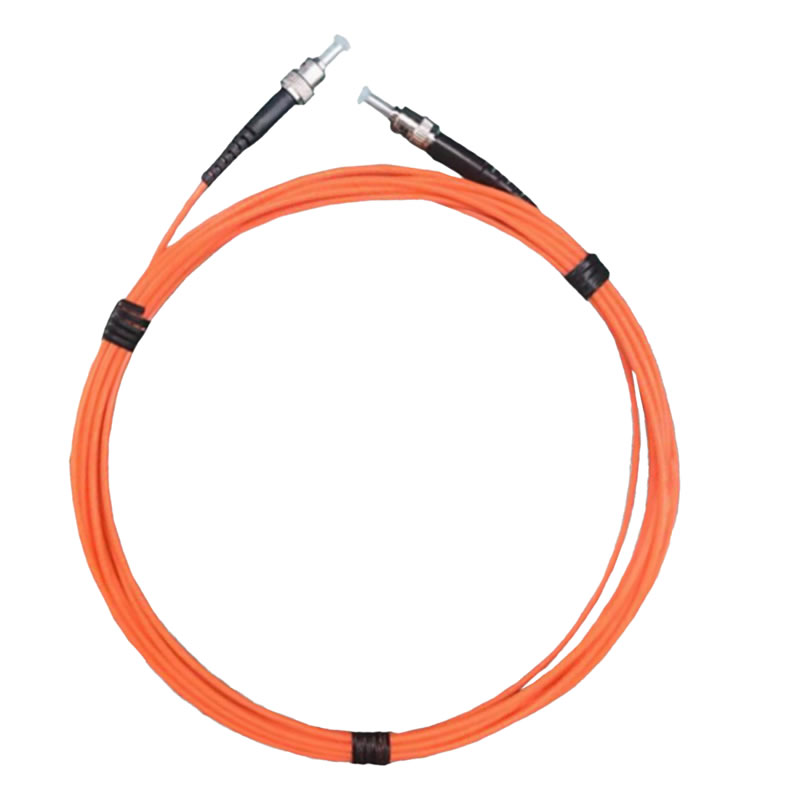
Power utilities in North America, 유럽, and Asia face increasing challenges in maintaining the reliability of aging transmission and distribution infrastructure. Modern monitoring systems for insulators and disconnect switches offer critical early detection of potential failures, reducing outages by up to 78% and extending equipment lifespan by 6-10 연령. With power demand growing at 3-5% annually and renewable integration accelerating, grid reliability has become a top priority for utilities seeking to meet sustainable development goals while minimizing operational disruptions in increasingly unpredictable climate conditions.
목차
What Are Insulators and Disconnect Switches?
Insulators and disconnect switches are critical components in power transmission and distribution systems that ensure the safe and reliable operation of electrical networks. Understanding their functions and types is essential for implementing effective monitoring solutions.
절연체: The System’s Backbone
Insulators provide electrical isolation between energized conductors and supporting structures while bearing mechanical loads. They are fundamental to maintaining clearances and preventing unwanted electrical discharge paths. The main types include:
- Ceramic/Porcelain Insulators: 전통적인, highly durable insulators with excellent resistance to heat and compressive forces
- Glass Insulators: Transparent material that visibly displays internal defects, commonly used in transmission lines
- Polymer/Composite Insulators: 경량, hydrophobic materials with superior contamination performance, increasingly popular in modern installations
- Post Insulators: Rigid, solid insulators used in substations to support busbar systems and disconnect switches
Disconnect Switches: Control Points of the Network
Disconnect switches (also called isolators) provide visible isolation points in electrical systems, allowing maintenance work to be carried out safely. 차단기와 달리, they are typically operated when the circuit is already de-energized. Key types include:
- Center-Break Disconnect Switches: Common in medium to high voltage applications, opening at the center point
- Vertical-Break Disconnect Switches: Suitable for higher voltage applications with one blade moving vertically
- Pantograph Disconnect Switches: Space-saving design using a scissor-like mechanism, often used in compact substations
- Double-Break Disconnect Switches: Featuring two breaking points for enhanced reliability
- In-Line Disconnect Switches: Simple horizontal break design used in various applications
Both insulators and disconnect switches operate in challenging environmental conditions and are subject to electrical, 기계적인, and environmental stresses that can lead to degradation and eventual failure.
Components Vulnerable to Failure
Understanding the vulnerabilities of insulators and disconnect switches is crucial for implementing targeted monitoring solutions. Various components within these systems are susceptible to different failure mechanisms:
Critical Insulator Failure Points
- Insulator Sheds/Skirts:
- Susceptible to surface pollution, leading to tracking and erosion
- Vulnerable to UV degradation (especially polymer types)
- Can develop micro-cracks from thermal cycling or mechanical stress
- Cement Interfaces (in porcelain insulators):
- Prone to moisture ingress at cap-cement or pin-cement interfaces
- Subject to expansion/contraction stresses causing separation
- Can develop radial cracks leading to mechanical failure
- Core Materials (in composite insulators):
- Fiberglass rod vulnerable to moisture penetration if housing is damaged
- Susceptible to brittle fracture under electrical stress
- May experience degradation from internal partial discharges
- End Fittings:
- Metal-housing interfaces can experience corrosion or separation
- Connection points may loosen due to mechanical vibration
- Galvanic corrosion can occur between dissimilar metals
Disconnect Switch Vulnerable Components
- Contact Surfaces:
- Subject to oxidation, 구멍 뚫기, and increased contact resistance
- May develop hot spots due to current concentration
- Can experience contact welding under fault conditions
- Hinge Assemblies:
- Bearings and pivots may seize due to corrosion or lack of lubrication
- Alignment can drift over time leading to improper contact
- Mechanical wear can increase operation force requirements
- Operating Mechanisms:
- Linkages and drives can develop excessive play or binding
- Motors and actuators may fail due to insulation breakdown
- Control circuits can degrade, 운영 실패로 이어지는
- Support Insulators:
- Post insulators can develop internal cracks not visible externally
- Base connections may loosen over time
- Can fail mechanically under excessive operational forces or environmental loading
According to CIGRE research, 43% of insulator failures occur at interfaces between components, ~하는 동안 68% of disconnect switch failures are related to contact and mechanism issues. These failure points often exhibit temperature rises or partial discharge activity before catastrophic failure, making them ideal candidates for continuous monitoring.
Available Monitoring Technologies
Several technologies are available for monitoring the condition of insulators and disconnect switches, each with distinct capabilities and limitations:
1. 열 모니터링 시스템
- 적외선 열화상 촬영:
- 장점: 비접촉, can survey large areas, visual heat mapping
- 제한 사항: Periodic rather than continuous, 날씨에 따라 다름, 시선이 필요하다
- Conventional Temperature Sensors (RTD, 열전대):
- 장점: 저렴한 비용, established technology
- 제한 사항: Requires electrical connections, susceptible to EMI, limited placement options
- 광섬유 온도 센서:
- 장점: EMI에 면역, 본질적으로 안전한, 지속적인 모니터링, multiple sensing points
- 제한 사항: 초기 비용이 높음, requires specialized equipment for interrogation
2. 부분방전 (PD) 모니터링
- Ultrasonic/Acoustic Detection:
- 장점: 비접촉, can detect surface discharges
- 제한 사항: Affected by ambient noise, limited range
- UHF/Radio Frequency Detection:
- 장점: Good sensitivity, can detect internal and external PD
- 제한 사항: Complex signal processing, susceptible to external RF interference
- HFCT (고주파 변류기):
- 장점: Can be installed without service interruption, good sensitivity
- 제한 사항: Requires conductive path, may need filtering of noise
3. Mechanical Motion Monitoring
- Travel Time and Motion Profiling:
- 장점: Detects mechanical deterioration, provides operation verification
- 제한 사항: Limited to moving parts, requires additional sensing equipment
- 진동 분석:
- 장점: Can detect loose components, bearing wear
- 제한 사항: Requires baseline data, complex analysis
4. Environmental and Surface Monitoring
- 누설전류 모니터링:
- 장점: Directly measures insulator performance, good indicator of pollution
- 제한 사항: Requires electrical connections, 날씨에 따라 다름
- Hydrophobicity Sensors:
- 장점: Early indicator of polymer degradation
- 제한 사항: Specialized application, primarily for composite insulators
- Electric Field Sensors:
- 장점: Can detect internal defects, non-contact methodology
- 제한 사항: Complex interpretation, affected by external fields
광섬유 모니터링의 장점
Among the available technologies, fiber optic monitoring systems offer significant advantages for insulator and disconnect switch monitoring, particularly in high-voltage environments:
1. Superior Safety and Reliability
- 전자기 간섭에 대한 완벽한 내성: Functions reliably even during fault conditions with extreme electromagnetic fields
- Electrically Non-Conductive: No metal components to cause flashovers or provide fault paths
- 본질 안전: No electrical components at monitoring points, eliminating ignition risks
- 장기적인 안정성: Minimal drift over time, reducing false alarms and missed events
2. Exceptional Monitoring Capabilities
- Precise Temperature Measurement: Accuracy typically ±0.5°C or better, enabling detection of subtle changes
- 신속한 대응: Near-instantaneous detection of temperature changes (일반적으로 0.2-0.5 초)
- Wide Measurement Range: Capable of operating from -200°C to +300°C, 모든 정상 및 결함 조건을 포괄
3. Installation and Operational Benefits
- Direct Contact Installation: Can be directly attached to high-voltage components without isolation concerns
- Minimal Maintenance: 교정이 필요하지 않습니다., reducing ongoing operational costs
- 긴 서비스 수명: 일반적으로 10+ years in field conditions, even in harsh environments
- 작은 크기와 유연성: Easily installed in confined spaces and around complex geometries
4. Comprehensive Monitoring Solution
- Multi-Parameter Monitoring: Advanced systems can measure temperature, 부담, and vibration with the same infrastructure
- 실시간 데이터: Continuous monitoring rather than periodic inspection
- 원격 접근성: Data can be accessed from control centers, enabling informed decision-making
- Predictive Capabilities: Trend analysis allows for maintenance planning before failure occurs
Field studies conducted by EPRI have demonstrated that fiber optic monitoring systems detected 92% of developing insulator and disconnect switch issues at least 3-6 개월 before they would have been identified through traditional inspection methods, allowing for scheduled maintenance rather than emergency response.
Comparative Analysis of Monitoring Systems
| 특징 | 광섬유 모니터링 | Conventional Temperature Sensors | Periodic IR Thermography |
|---|---|---|---|
| 전기 절연 | 완벽한 (inherently non-conductive) | Requires isolation measures | 좋은 (비접촉) |
| 측정 정확도 | ±0.5°C 이상 | ±1.0°C typical | ±2.0°C or more |
| EMI 내성 | 완전한 면역 | 간섭에 취약함 | 보통 정도의 면역력 |
| Monitoring Continuity | 마디 없는 (24/7) | Continuous if installed | 주기적 (일반적으로 분기별로) |
| Installation on Live Equipment | Possible without outage | Generally requires outage | No installation required |
| 모니터링 포인트 수 | Multiple points per fiber | 센서당 1포인트 | Area coverage but limited by line of sight |
| 유지 보수 요구 사항 | Minimal to none | 주기적 교정 | Camera calibration and operator training |
| 수명 | 10+ 연령 | 3-7 연령 | 해당 없음 (장비 5-8 연령) |
| Early Failure Detection | 훌륭한 (몇 달 전에) | Good if properly placed | Limited to inspection intervals |
| 가혹한 환경 성능 | 훌륭한 | 공정한 (affected by moisture, 온도) | 가난한 (affected by weather conditions) |
| 초기비용 | Medium to high | Low to medium | 중간 (장비) + ongoing labor |
| 총 소유 비용 | 낮은 (초기 투자금액이 높음에도 불구하고) | Medium to high | 높은 (노동 집약적) |
FJINNO Solutions for Power Utilities
After evaluating various monitoring technologies for insulators and disconnect switches, FJINNO’s fiber optic monitoring systems emerge as the superior solution for modern power utilities seeking to enhance reliability and reduce maintenance costs:
1. FJINNO’s Specialized Insulator and Disconnect Switch Monitoring System
FJINNO has developed a comprehensive monitoring solution specifically designed for high-voltage insulators and disconnect switches with features that address the unique challenges faced by these critical components:
- Ultra-Thin Sensing Elements: Specially designed sensors less than 0.5mm thick that can be applied directly to contact surfaces without affecting performance
- High-Temperature Capability: Monitors temperatures from -200°C to +300°C, covering normal operation and fault conditions
- 다중 지점 모니터링: 최대 16 discrete sensing points per monitor, allowing comprehensive coverage of critical components
- Integrated Partial Discharge Detection: Combined temperature and PD monitoring for early detection of insulation deterioration
- Robust Environmental Protection: Sensors and cables designed to withstand UV exposure, 오염, and extreme weather conditions
2. Advanced Analytics and Integration
FJINNO’s monitoring systems go beyond simple measurement to provide actionable intelligence:
- Pattern Recognition Algorithms: Identify developing faults by recognizing temperature signature patterns specific to different failure modes
- 추세 분석: Track gradual changes over time to predict maintenance needs before failures occur
- 원활한 통합: Compatible with major SCADA systems, DCS 플랫폼, and asset management software via standard protocols (모드버스, IEC 61850, DNP3)
- Mobile Accessibility: Secure access to monitoring data via smartphone applications for field personnel
- Automated Alerting: Configurable alarm thresholds with multi-channel notification options
3. Field-Proven Performance
FJINNO’s solutions have demonstrated exceptional results in real-world utility applications:
- European Transmission System: Reduced insulator-related outages by 82% following installation on 400kV line sections
- 북미 유틸리티: Saved $3.2 million in prevented equipment damage by identifying overheating disconnect switch contacts before failure
- Asian Power Grid: 다음부터 유지보수 간격 연장 2 에게 5 years while improving reliability metrics after implementing FJINNO monitoring
- Industry-Leading Reliability: 99.97% system uptime with self-diagnostic capabilities to ensure monitoring integrity
4. Comprehensive Support Services
FJINNO provides end-to-end support to ensure successful implementation and operation:
- Installation Services: Expert teams can install systems with minimal or no outage requirements
- Customized Training: Hands-on training for utility personnel to maximize system benefits
- 24/7 기술지원: Around-the-clock assistance from specialized engineers
- Extended Warranty: Up to 10-year warranty options available
- Data Analysis Services: Optional expert review of monitoring data to identify potential issues
전문가 추천
Based on comprehensive analysis of monitoring solutions for insulators and disconnect switches, we strongly recommend FJINNO’s fiber optic monitoring systems for utilities seeking to enhance grid reliability and optimize maintenance strategies. These systems provide unmatched accuracy, 신뢰할 수 있음, and durability in challenging high-voltage environments.
FJINNO’s solutions offer exceptional return on investment through prevented outages, 장비 수명 연장, and reduced maintenance costs. The non-intrusive installation, 최소한의 유지 보수 요구 사항, and comprehensive integration capabilities make these systems the clear choice for forward-thinking utilities investing in grid resilience.
With proven field performance across various global utilities and comprehensive support services, FJINNO stands as the premier provider of advanced monitoring technology for critical power system components.
자주 묻는 질문
The most critical monitoring points include:
For Insulators:
- End fitting connections where mechanical and electrical stress concentrate
- Interfaces between different materials (cement-metal, metal-polymer)
- Areas with highest electrical stress concentration (usually determined by electric field analysis)
- Lower surfaces of sheds/skirts where contamination accumulates
For Disconnect Switches:
- Main contact surfaces where current transfer occurs
- Hinge and pivot points subject to mechanical wear
- Terminal connections where cables/bus attach to the switch
- Operating mechanism linkages and drive components
- Base of support insulators where mechanical stress is highest
FJINNO’s fiber optic monitoring systems can monitor multiple points simultaneously, providing comprehensive coverage of these critical areas with a single system.
Most utilities achieve ROI within 12-36 months after implementing FJINNO’s fiber optic monitoring systems. The financial benefits derive from:
- Avoided Failure Costs: Preventing a single critical failure can save $50,000-$500,000 in equipment replacement, emergency labor, 그리고 수익 손실
- 유지보수 최적화: Transition from time-based to condition-based maintenance typically reduces maintenance costs by 25-40%
- 장비 수명 연장: Proactive intervention can extend insulator and disconnect switch lifespan by 30-50%
- Reliability Improvement: Reduced outages translate to improved customer satisfaction and regulatory compliance
- 안전 강화: Early detection of deteriorating equipment reduces workplace safety risks
A major North American utility documented a 427% ROI over a five-year period after implementing FJINNO monitoring systems across their critical substations.
FJINNO’s fiber optic monitoring systems can be installed on energized equipment using appropriate live-line working methods. This is a significant advantage over conventional electrical sensors that typically require outages.
설치 과정에는 다음이 포함됩니다.:
- Preparing sensing points and cabling routes while maintaining safe clearances
- Using hot-stick techniques or other live-line methods to apply sensors to critical components
- Securing fiber optic cables along predetermined routes to monitoring equipment located in accessible areas
- Commissioning and calibrating the system without interrupting normal operations
For utilities where scheduled outages are difficult to obtain, this capability provides substantial value. Many FJINNO customers have successfully installed monitoring systems during normal operation, particularly on critical lines that cannot be de-energized.
For new installations or during scheduled maintenance, installation can be integrated into normal work procedures with minimal additional time required.
FJINNO’s monitoring solutions are designed for seamless integration with existing utility systems through multiple integration methods:
- 프로토콜 지원: Native support for industry-standard protocols including:
- 모드버스 RTU/TCP
- IEC 61850 (MMS, 거위)
- DNP3
- OPC UA
- IEC 60870-5-101/104
- API Integration: RESTful API and web services for custom integration needs
- Data Export: Flexible data export options (CSV, XML, JSON) for analysis in external systems
- Asset Management Systems: Direct integration with major asset management platforms including IBM Maximo, SAP PM, and GE Smallworld
- Historian Integration: Compatible with OSIsoft PI, Wonderware, and other historian systems
FJINNO provides dedicated integration support services to ensure smooth deployment within existing IT/OT environments, including custom adapter development if required for legacy systems.
FJINNO’s fiber optic monitoring systems require minimal maintenance, which is a significant advantage over other monitoring technologies:
- No Calibration Required: Sensors remain stable throughout their service life without drift or recalibration needs
- 자가 진단 기능: Systems continuously monitor their own functionality and report any issues
- Recommended Annual Visual Inspection: Simple visual check of exposed cabling and connection points
- 소프트웨어 업데이트: Occasional firmware/software updates for enhanced functionality (can be performed remotely)
- 배터리 교체: For systems with battery backup, replacement typically needed every 3-5 연령
FJINNO offers optional maintenance contracts that include all necessary preventive maintenance, 우선 기술 지원, and guaranteed response times. Many utilities choose this option to ensure optimal system performance with minimal internal resource requirements.
The typical lifespan of FJINNO monitoring systems exceeds 10 연령, even in challenging environmental conditions, making them one of the most maintenance-efficient monitoring solutions available.

광섬유 온도 센서, 지능형 모니터링 시스템, 중국의 분산광섬유 제조업체
 |
 |
 |