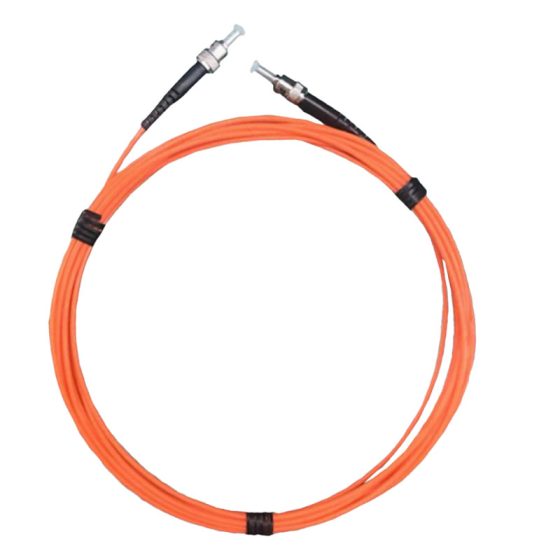
INNO 광섬유 온도 센서 ,온도 모니터링 시스템.


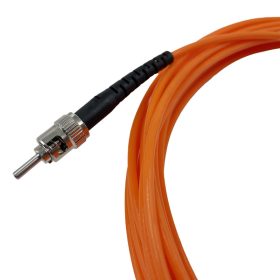

- 공장 직접 공급: Professional fiber optic temperature probe manufacturer with complete production capabilities and quality control systems
- 맞춤형 디자인 가능: 프로브 직경에 맞는 맞춤형 솔루션, 섬유 길이 (0-80중), 감지 팁 길이, 온도 범위, 정확도 요구 사항
- 고전압 절연: 100KV electrical isolation makes these optical temperature sensors ideal for transformer windings, 개폐 장치, 및 전력 장비
- 확장 가능한 채널 구성: Single channel to 64-channel fiber optic temperature monitoring systems for comprehensive thermal management
- 정밀 측정: 0.1°C 분해능 및 응답 시간이 있는 ±1°C 정확도 1 중요한 온도 모니터링 애플리케이션을 위한 두 번째
- 글로벌 서비스 네트워크: 전문적인 기술 지원을 갖춘 CE/ROHS 인증 제품, 제품 선택 안내, 맞춤형 디자인 서비스, 원격 설치 지원
목차
- 제품개요: 형광 광섬유 온도 센서
- 기술 사양 & 매개변수
- 광학 온도 프로브의 핵심 장점
- 맞춤화 기능 & 옵션
- 전력 산업 애플리케이션
- Renewable Energy Sector Applications
- 산업 제조 애플리케이션
- Data Center Infrastructure Monitoring
- Medical Equipment Temperature Sensing
- Rail Transit System Applications
- Petrochemical Industry Solutions
- Channel Configuration Guide
- 제조 능력 & 서비스
- Procurement Process & Service Commitment
- 자주 묻는 질문
- 관련 제품 & 시스템 구성요소
- Request Custom Solution
- 부인 성명
1. 제품개요: 형광 광섬유 온도 센서

광섬유 온도 프로브 represent advanced thermal measurement technology utilizing fluorescent sensing principles for precise monitoring in challenging industrial environments. Unlike conventional metal-based sensors, 이것들 광학 온도 센서 완벽한 전기 절연 및 전자기 간섭에 대한 내성 제공.
우리의 형광성 광섬유 온도 센서 employ point-type measurement technology where rare earth fluorescent material at the probe tip changes its emission decay time according to temperature variations. 그만큼 광섬유 온도계 system measures this decay time with high precision, converting it to accurate temperature readings without any electrical signals traveling to the measurement point.
Point-Type Temperature Measurement Technology
그만큼 광섬유 감지 프로브 utilizes a discrete sensing element positioned at the exact location requiring temperature monitoring. This contact measurement approach provides actual surface or internal temperatures rather than estimated values from non-contact methods. The point-type design enables precise hotspot detection in transformers, 모터, 개폐 장치, and other critical equipment.
Why Choose Fiber Optic Temperature Solutions
Fiber temperature sensor probes solve temperature monitoring challenges impossible for traditional thermocouples or RTDs. High voltage electrical equipment cannot accommodate metallic sensors due to insulation requirements and field distortion. Electromagnetic environments near motors, 발전기, and RF equipment cause severe measurement errors in electronic sensors. Explosive atmospheres prohibit conventional electrical devices. 광섬유 온도 센서 overcome all these limitations through their all-dielectric construction and optical measurement principle.
Fiber Optic Temperature Monitoring System Components 【The specific configuration is subject to the file】
Optical Temperature Transmitter (신호 처리기)
그만큼 온도 트랜스미터 serves as the system’s brain, generating excitation light pulses, receiving fluorescence signals, calculating decay times, and converting them to temperature readings. Modern transmitters feature digital displays, analog/digital outputs, 통신 인터페이스, and alarm relay contacts for integration with SCADA or building management systems.
Quartz Fiber Optic Cable (Signal Transmission Medium)
광섬유 케이블 transmit light signals between the transmitter and sensing probes. High-purity quartz fibers ensure minimal signal attenuation over extended distances. Cable lengths can be customized based on installation requirements, with standard options supporting installations where probes must be positioned far from control panels.
Fluorescent Sensing Probe (Temperature Detection Element)
그만큼 sensing probe contains rare earth fluorescent crystal material protected by hermetically sealed housings. Probe designs vary by application: threaded probes for direct mounting into equipment, surface-contact probes with flat tips for busbar monitoring, and miniature probes for confined spaces. Housing materials include stainless steel for general use and specialized alloys for extreme conditions.
Mounting Hardware and Accessories
Complete installations require mounting brackets, cable glands, 정션박스, and protective conduit. Quality manufacturers provide comprehensive accessory kits tailored to specific applications, ensuring proper probe positioning and cable protection against mechanical damage or environmental exposure.
Monitoring Software and Communication Interfaces
고급의 광섬유 온도 모니터링 시스템 include software for data logging, 추세 분석, 알람 관리, and remote access. 표준 통신 프로토콜 (모드버스 RTU/TCP, 프로피버스, OPC UA) enable seamless integration with existing industrial control infrastructure.

2. 기술 사양 & 매개변수
| 매개변수 | Standard Specification | 사용자 정의 옵션 |
|---|---|---|
| 측정 방법 | Point-type fluorescent sensing | – |
| 온도 범위 | -40°C ~ +260°C | Custom ranges available |
| 측정 정확도 | ±1°C | Higher accuracy available |
| 해결 | 0.1℃ | – |
| 응답 시간 | <1 두번째 | – |
| 프로브 직경 | 2.3mm | Custom diameters available |
| 광섬유 길이 | 5m 표준 | 0-80 미터 맞춤 가능 |
| Channel Configuration | 1-64 채널 | Application-specific configuration |
| 섬유 종류 | 석영 광섬유 | – |
| High Voltage Resistance | 100KV | – |
| 전기 절연 | Complete dielectric isolation | – |
| EMI 내성 | 완전면역 | – |
| 작동 전압 | AC/DC 220V | – |
| 전력 소비 | 6W 이하 | – |
| 통신 프로토콜 | RS485/모드버스-RTU | – |
| 운영 환경 | Industrial grade | – |
| 인증 | CE, ROHS | – |
시스템 아키텍처
완전한 광섬유 온도 모니터링 시스템 consists of three primary components:
- 온도 트랜스미터: 신호 획득, 처리, and output module with digital display and communication interfaces
- Quartz Fiber Optic Cable: High-purity optical transmission medium connecting transmitter to sensing probes
- Fluorescent Sensing Probe: Temperature-sensitive element with rare earth crystal material in protective housing
3. 광학 온도 프로브의 핵심 장점
완전한 전기 절연 – 100KV High Voltage Resistance
그만큼 광섬유 열 센서 provides absolute electrical insulation between the measurement point and monitoring equipment. With 100KV high voltage resistance, 이것들 optical temperature probes can be installed directly on energized components in substations, 변압기, and switchgear without any risk of ground faults or electric field distortion. This capability enables temperature monitoring applications impossible for conventional metallic sensors.
Total Electromagnetic Immunity
Fiber optic temp sensors transmit measurement data purely through light signals, 전자기 간섭에 완전히 면역되도록 만듭니다., radio frequency radiation, and microwave fields. Motor control centers, 가변 주파수 드라이브, 유도 가열 장비, and RF generators create severe EMI that disrupts electronic temperature sensors. 광섬유 온도 센서 maintain measurement accuracy regardless of electromagnetic environment intensity.
위험한 장소에 대한 본질 안전
전체 유전체 구조 fiber temperature probes generates no electrical sparks or heat accumulation, providing intrinsic safety for explosive atmospheres. 화학공장, 정유소, grain facilities, and mining operations require temperature monitoring without explosion-proof enclosures. Fluorescent temperature sensing probes meet these requirements inherently through their optical operating principle.
High Precision Measurement – ±1°C 정확도
Professional-grade 광섬유 온도 센서 deliver ±1°C accuracy with 0.1°C resolution suitable for critical equipment protection and process control. The fluorescent measurement technology exhibits minimal drift over time compared to thermocouples or RTDs, maintaining calibration accuracy throughout extended service life. Custom configurations can achieve even higher precision for applications with stringent accuracy requirements.
빠른 응답 시간 – 아래에 1 두번째
With response time under 1 두번째, 광섬유 감지 프로브 detect rapid temperature changes enabling timely protective actions. Dynamic processes including motor starting, transformer loading, and inverter switching create transient thermal events requiring fast sensor response. The compact probe design and optimized thermal coupling ensure quick thermal equilibration.
Corrosion and Oil Resistance
Temperature sensing probes can be manufactured with corrosion-resistant housings and oil-resistant materials for harsh chemical environments and oil-immersed applications. 변압기 권선, 유압 시스템, and chemical process equipment benefit from customized probe constructions withstanding aggressive media without performance degradation.
장기적인 안정성과 신뢰성
The optical measurement principle provides superior long-term stability compared to electronic sensors subject to component aging and environmental stress. 광섬유 온도계 systems require minimal maintenance and calibration, reducing lifecycle costs while ensuring consistent accuracy for equipment protection and process control.
4. 맞춤화 기능 & 옵션
As a professional fiber optic temperature probe manufacturer, we provide comprehensive customization services tailored to specific application requirements. Our engineering team works with clients to optimize probe design, 시스템 구성, and installation approach for successful thermal monitoring solutions.
프로브 직경 맞춤화
기준 광섬유 온도 프로브 feature 2.3mm diameter suitable for most industrial applications. Custom probe diameters accommodate unique installation requirements:
- Miniature Probes: Reduced diameter for confined spaces and small equipment
- Standard Probes: 2.3mm diameter for general industrial installations
- Robust Probes: Larger diameter for enhanced mechanical strength in demanding environments
Fiber Optic Length Customization (0-80 미터)
Optical fiber temperature sensor cable length directly impacts installation flexibility and system layout. We manufacture fiber temperature sensor probes with customized fiber lengths from direct-connect configurations to extended 80-meter runs:
- Short Length (0-5중): Compact installations with transmitter mounted near measurement points
- Medium Length (5-20중): Typical industrial installations with control room separation
- Long Length (20-80중): Distributed monitoring systems, large equipment, 그리고 원격 위치
Sensing Tip Length Customization
The exposed sensing tip length affects installation depth and thermal response characteristics. Custom sensing tip lengths optimize performance for different mounting scenarios:
- Flush-Mount Tips: Minimal protrusion for surface temperature measurement
- Short Tips: Shallow penetration depths in thin materials or confined spaces
- Extended Tips: Deep insertion into transformer windings, motor stators, or thick equipment walls
Temperature Range Customization
While standard 형광성 광섬유 센서 cover -40°C to +260°C, custom temperature ranges suit specialized applications:
- 극저온 애플리케이션: Extended low-temperature capabilities for refrigeration and liquefied gas systems
- 고온 애플리케이션: Enhanced upper range for furnaces, 오븐, and extreme thermal environments
- Narrow Range Optimization: Improved accuracy within limited temperature spans for precision processes
Accuracy Customization
Standard ±1°C accuracy meets most industrial requirements, but critical applications benefit from enhanced precision. 관습 fiber optic thermal sensors achieve tighter accuracy specifications through calibration optimization and specialized probe designs suitable for laboratory equipment, pharmaceutical processes, and precision manufacturing.
Corrosion Resistance Customization
Chemical processing, offshore installations, and corrosive atmospheres require specialized materials:
- Chemical-Resistant Housings: Specialized alloys or coatings for aggressive chemical environments
- Marine-Grade Construction: Salt spray and moisture resistance for offshore and coastal installations
- High-Purity Materials: Contamination-free construction for semiconductor and pharmaceutical applications
Oil Resistance Customization
변압기 모니터링, 유압 시스템, and lubricated machinery applications require oil-resistant fiber temperature probes:
- Oil-Immersed Designs: Complete submersion compatibility for transformer winding monitoring
- Oil-Contact Construction: Resistance to lubricating oils in bearing and gearbox applications
- Sealed Interfaces: Prevention of oil ingress into optical connections and housings
Channel Configuration Customization
광섬유 온도 모니터링 시스템 scale from single-point to comprehensive 64-channel installations. Channel configuration selection depends on equipment size, monitoring objectives, 및 예산 고려 사항. Our application engineers provide guidance on optimal channel allocation for effective thermal management.
5. 전력 산업 애플리케이션
변압기 권선 온도 모니터링
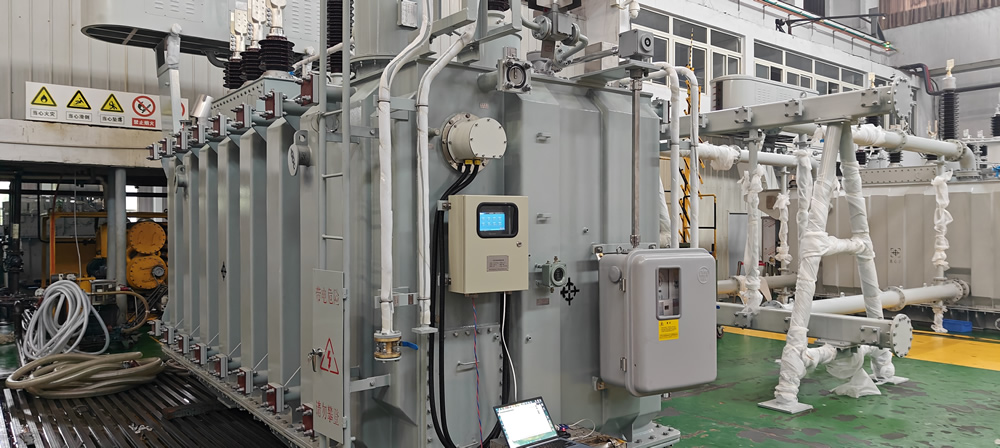
Power transformers represent critical and expensive electrical infrastructure requiring protection from thermal damage. 광섬유 온도 프로브 embedded in transformer windings provide direct hotspot measurement unavailable through oil temperature monitoring alone.
Dry-Type Transformer Applications: Air or gas-insulated transformers rely entirely on winding temperature monitoring for thermal protection. 다수의 광학 온도 센서 distributed throughout windings detect localized hotspots from cooling system failures, 절연 열화, or harmonic loading. Custom fiber lengths accommodate various transformer sizes while 100KV insulation allows direct winding contact.
Oil-Immersed Transformer Applications: Although oil provides cooling and insulation, winding hotspots can exceed safe temperatures while bulk oil remains within acceptable limits. Oil-resistant fiber temperature sensor probes monitor actual winding temperatures, controlling cooling fans and triggering alarms before insulation damage occurs. Long fiber lengths (최대 80 미터) enable monitoring of large power transformers with remote control room installations.
배전반 및 회로 차단기 모니터링
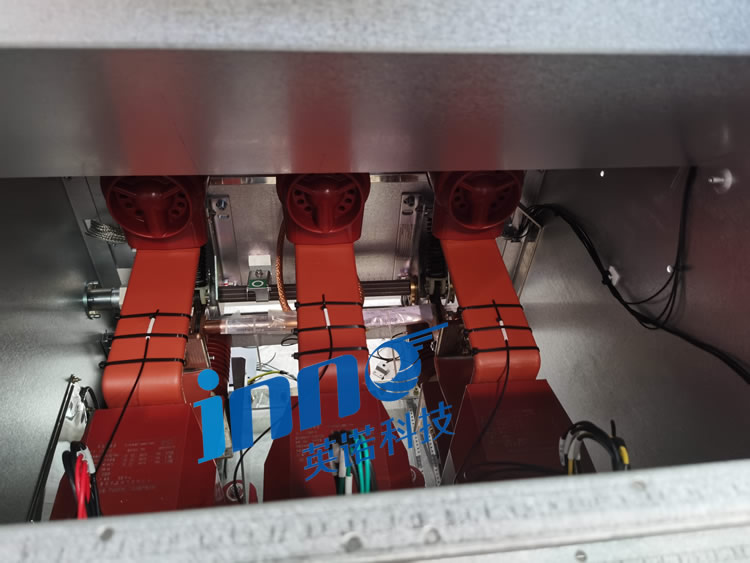
Electrical distribution equipment contains numerous connection points susceptible to overheating from contact wear, 산화, or inadequate torque. 광섬유 감지 프로브 detect developing hotspots before failures cause equipment damage or service interruptions.
버스바 연결 모니터링: Bolted busbar joints represent common failure points in medium and high voltage switchgear. Surface-mount fiber optic temp sensors attached to critical connections provide continuous thermal tracking. The 100KV electrical isolation allows direct installation on energized busbars without affecting system operation or requiring shutdowns.
Circuit Breaker Contact Temperature: Moving and stationary contacts in circuit breakers experience mechanical and electrical wear increasing contact resistance over time. Temperature sensing probes mounted on breaker contacts enable condition-based maintenance rather than time-based schedules, extending contact life and preventing unexpected failures.
High Voltage Cable Joint Monitoring
Cable terminations and joints concentrate electrical stress at interfaces between different insulation systems. Installation defects, 습기 침투, or material degradation increase joint resistance causing heat generation. Undetected thermal runaway leads to insulation breakdown and cable failures.
관습 광섬유 온도 센서 with weatherproof housings and appropriate fiber lengths monitor cable joints in substations, 터널, and direct-buried installations. Multi-channel systems supervise numerous joint locations from centralized control points, providing early warning of developing problems.
Generator Stator Temperature Monitoring
Large generators in power stations require comprehensive thermal monitoring to protect windings and prevent costly failures. 형광성 광섬유 온도 프로브 embedded in stator slots during manufacturing or major overhauls provide direct temperature measurement at critical locations.
다중 채널 광섬유 온도계 systems with 16, 32, 또는 64 channels monitor temperature distribution across generator windings, detecting cooling system blockages, turn-to-turn faults, or rotor-stator contact before catastrophic failures develop. Custom fiber lengths accommodate generator dimensions while corrosion-resistant construction withstands hydrogen or water-cooled environments.
6. Renewable Energy Sector Applications
Wind Turbine Generator Monitoring
Wind turbine reliability depends on effective thermal management of generators, 기어박스, 그리고 베어링. 광섬유 온도 프로브 provide interference-free monitoring in the electromagnetically complex nacelle environment.
발전기 권선 온도: Direct-drive and geared wind turbine generators require stator temperature monitoring similar to conventional generators. The harsh offshore environment and limited maintenance access make reliable 광학 온도 센서 particularly valuable. Custom corrosion-resistant construction withstands salt spray while EMI immunity ensures accurate measurement despite variable frequency drives and power electronics.
Gearbox Bearing Monitoring: Gearbox failures represent major maintenance events in wind turbines. Fiber temperature sensor probes monitor bearing temperatures detecting lubrication issues or mechanical wear before catastrophic failures. Oil-resistant designs function reliably in gearbox lubricant environments.
Photovoltaic Inverter Temperature Management
Solar inverters contain power electronics generating significant heat that limits capacity and affects lifetime. Fiber optic thermal sensors enable precise thermal management optimizing performance and reliability.
IGBT Module Monitoring: Insulated gate bipolar transistors switch high currents at rapid frequencies producing substantial heat. Direct temperature measurement of IGBT base plates using compact 광섬유 감지 프로브 prevents module destruction from thermal runaway while optimizing cooling system operation.
DC Busbar Temperature: High DC currents with significant ripple components create heating at busbar connections. 부스바 온도 센서 detect poor connections before they create fire hazards or performance degradation.
Energy Storage System Monitoring
Battery energy storage installations require precise temperature control for safety, 성능, and longevity. 다중 채널 광섬유 온도 모니터링 시스템 track temperature distribution across battery racks providing early warning of cell imbalance or thermal runaway conditions.
Custom probe configurations with appropriate fiber lengths enable comprehensive coverage of large battery installations while maintaining centralized monitoring. The electrical isolation and EMI immunity ensure reliable measurement near high-power inverters and charging equipment.
7. 산업 제조 애플리케이션
Large Motor Temperature Monitoring
Industrial motors powering pumps, 압축기, 팬, and process equipment represent significant capital investments. Motor failures from thermal overload result in production losses exceeding equipment replacement costs. 광섬유 온도 프로브 provide comprehensive thermal protection impossible with conventional sensors.
Stator Winding Monitoring: During motor manufacturing or rewinding, 형광 감지 프로브 can be embedded directly into stator slots positioning sensors at highest thermal stress locations. This embedded approach provides true winding temperature measurement unavailable through external sensors or thermal modeling. Custom probe diameters fit various motor slot sizes while extended fiber lengths accommodate large frame motors.
Bearing Temperature Tracking: Motor bearings generate heat from friction and fail rapidly once lubrication degrades. Fiber temperature probes mounted in bearing housings detect temperature increases indicating impending failure, enabling planned maintenance rather than catastrophic breakdowns.
Induction Heating Equipment Temperature Sensing
Industrial induction heating for metal processing, plastic welding, and heat treatment creates intense radiofrequency electromagnetic fields extending beyond the heating coil. Traditional thermocouples and RTDs suffer severe measurement errors from induced voltages making them unsuitable for process control.
광섬유 온도 센서 measure workpiece temperatures accurately regardless of RF field intensity. The complete EMI immunity enables closed-loop temperature control improving process consistency and product quality. Fast response time under 1 second tracks dynamic heating processes while high-temperature custom probes withstand extreme thermal environments.
Microwave Equipment Temperature Monitoring
Microwave processing equipment for materials testing, 화학 반응, and industrial heating generates electromagnetic fields at gigahertz frequencies. Conventional temperature sensors malfunction or create arcing hazards inside microwave cavities.
광섬유 온도 센서 operate reliably in microwave environments without affecting field distribution or creating safety issues. Material processing applications benefit from accurate temperature measurement enabling process optimization and equipment protection.
Vacuum Process Temperature Sensing
반도체 제조, coating processes, and materials research often occur under vacuum conditions where heat transfer differs dramatically from atmospheric pressure. 광섬유 온도 프로브 function reliably in vacuum, high vacuum, and ultra-high vacuum environments without outgassing or compromising chamber cleanliness.
Custom probe designs optimize thermal coupling under vacuum conditions while quartz fiber construction provides contamination-free operation. Temperature measurement in plasma processes, electron beam systems, and vacuum furnaces benefits from EMI immunity and high-temperature capabilities.
8. Data Center Infrastructure Monitoring
Server Rack Temperature Distribution
Data center cooling efficiency depends on maintaining proper temperature differentials between cold air supply and hot exhaust. 다중 채널 광섬유 온도 모니터링 시스템 distributed throughout server rooms map thermal patterns optimizing airflow management.
Individual server racks generate varying heat loads based on computational workload. 온도 센서 at rack inlet and exhaust points measure cooling effectiveness ensuring adequate airflow prevents equipment overheating while avoiding energy waste from excessive cooling. Custom fiber lengths enable monitoring of distributed data center layouts from centralized building management systems.
UPS and Power Distribution Monitoring
Uninterruptible power supply systems contain high-power electronic components, 배터리, and extensive wiring producing heat that impacts reliability. Fiber optic thermal sensors monitor UPS cabinet hotspots protecting mission-critical power infrastructure.
Electrical distribution equipment feeding server racks requires continuous thermal monitoring of busbar connections, 회로 차단기, 및 케이블 종단. The 100KV electrical isolation allows safe installation on energized components while multi-channel systems provide comprehensive coverage of distributed power infrastructure.
Battery Room Temperature Management
Lead-acid and lithium-ion battery installations for backup power require precise temperature monitoring for safety and longevity. Fiber temperature sensor probes distributed throughout battery racks detect cell imbalance, charging system failures, or environmental control issues before they create hazards.
Custom channel configurations suit battery installation sizes from small UPS units to utility-scale energy storage systems. Remote monitoring capabilities enable centralized oversight of distributed data center facilities.
9. Medical Equipment Temperature Sensing
MRI Compatible Temperature Sensors

Magnetic resonance imaging systems generate magnetic fields thousands of times stronger than Earth’s field. Any metallic temperature sensors create safety hazards and imaging artifacts making them incompatible with MRI environments.
All-dielectric fiber optic temperature probes contain no ferromagnetic materials operating safely in MRI bores without affecting image quality. 의료용 fluorescent temperature sensors monitor MRI gradient coil temperatures preventing overheating during demanding imaging sequences. The non-metallic construction also enables patient temperature monitoring during interventional MRI procedures.
RF Ablation Temperature Monitoring
Radiofrequency ablation procedures destroy tumors or abnormal tissue through controlled heating. Miniature fiber optic temperature probes can be integrated into ablation needles providing surgeons with real-time thermal feedback ensuring therapeutic temperatures while avoiding collateral damage to healthy tissue.
작은 프로브 직경 (2.3mm or custom miniature sizes) and fast response time enable precise temperature control during ablation procedures. Biocompatible materials and medical device certifications ensure patient safety and regulatory compliance.
Medical Equipment Thermal Management
Diagnostic imaging equipment, surgical lasers, and laboratory instruments generate heat affecting performance and reliability. 광섬유 온도계 systems monitor critical components enabling thermal management and equipment protection. The EMI immunity ensures accurate measurement near MRI systems, RF 발생기, and other electromagnetically active medical devices.
10. Rail Transit System Applications
Traction Transformer Monitoring
Electric trains and locomotives rely on traction transformers converting catenary voltage to levels suitable for traction motors. These transformers operate in vibration-intensive environments with varying loads requiring robust temperature monitoring.
Oil-resistant fiber optic temperature probes monitor traction transformer windings detecting cooling system failures or overload conditions. Custom designs withstand mechanical vibration while extended fiber lengths accommodate installation layouts separating transformers from monitoring equipment in driver cabs or equipment compartments.
Catenary System Contact Point Monitoring
Pantograph-catenary contact points experience electrical arcing and mechanical wear creating hotspots. Outdoor installation requirements demand weatherproof temperature sensing probes with corrosion resistance and environmental protection.
Long fiber lengths enable monitoring of contact points with signal processing equipment located in protected enclosures. The 100KV electrical isolation allows safe installation near high-voltage catenary systems.
Train Electrical Cabinet Temperature Management
Electrical cabinets housing traction inverters, auxiliary power supplies, and control systems generate significant heat in confined spaces. Multi-channel fiber optic temperature monitoring provides comprehensive thermal tracking of power electronics, 모선, 그리고 연결.
Compact probe designs fit space-constrained installations while EMI immunity ensures accurate measurement despite variable frequency drives and switching power supplies. Custom channel configurations suit different train platform requirements.
11. Petrochemical Industry Solutions
Chemical Reactor Temperature Monitoring
Chemical process reactors often operate in corrosive atmospheres, explosive environments, or under conditions where conventional sensors fail. 광섬유 온도 프로브 with corrosion-resistant construction and intrinsic safety characteristics enable reliable temperature monitoring.
Custom probe materials withstand aggressive chemicals while maintaining measurement accuracy. Multi-point monitoring configurations track temperature distribution within reactors supporting process control and safety systems.
Pipeline Temperature Monitoring
Oil and gas pipelines transporting heated products or operating in extreme climates require temperature monitoring for operational efficiency and leak detection. Fiber temperature sensor probes with extended fiber lengths monitor distributed pipeline systems from centralized control facilities.
Corrosion-resistant and weatherproof construction ensures long-term reliability in outdoor installations. The intrinsic safety characteristics allow deployment in hazardous classified areas without explosion-proof enclosures.
Storage Tank Temperature Management
Product storage tanks in refineries and chemical plants require temperature monitoring for inventory management, 제품 품질, 그리고 안전. Multi-channel fiber optic temperature systems provide vertical temperature profiling and distributed horizontal monitoring.
Custom fiber lengths accommodate tank sizes from small process vessels to large crude oil storage tanks. Intrinsic safety and corrosion resistance suit hazardous location installations in chemical processing environments.
12. Channel Configuration Guide
광섬유 온도 모니터링 시스템 support scalable channel configurations from single-point measurement to comprehensive 64-channel installations. Proper channel selection optimizes monitoring effectiveness while managing system costs.
| Channel Configuration | 일반적인 응용 분야 | 주요 장점 |
|---|---|---|
| 단일 채널 (1) | Critical hotspot monitoring, specific equipment protection | 경제적, 간단한 설치, focused monitoring |
| Small Multi-Point (2-9) | 변압기 권선, 모터 베어링, switchgear sections | Cost-effective multi-point coverage, medium-sized equipment |
| Medium Systems (10-32) | 대형 변압기, 발전기 고정자, data center racks | 종합 모니터링, distributed installations |
| Large Systems (33-64) | Major power plants, extensive switchgear, 풍력 발전 단지 | Complete facility coverage, centralized oversight |
Single-Channel Applications
Single-channel 광섬유 온도 센서 provide economical solutions for monitoring individual critical points such as specific transformer winding hotspots, motor stator cores, or circuit breaker main contacts. These systems suit applications where one measurement point adequately represents thermal conditions or where budget constraints limit channel quantity.
2-9 Channel Configurations
Small multi-point systems monitor multiple locations within single equipment units or several discrete monitoring points across facilities. Typical applications include three-phase transformer windings, motor bearing sets (drive end and non-drive end), or switchgear compartment sections. This channel range balances comprehensive coverage with reasonable system costs.
10-32 Channel Systems
Medium-sized installations benefit from 10-32 채널 광섬유 온도계 systems providing extensive coverage of large equipment or multiple smaller units. Data center electrical rooms, industrial motor control centers, and major substation installations utilize this configuration for comprehensive thermal management.
33-64 Channel Large-Scale Monitoring
Major power generation facilities, large renewable energy installations, and extensive industrial plants require high-channel-count systems. 33-64 channel configurations enable complete monitoring of multiple transformers, 발전기, or distributed switchgear from centralized control rooms. Custom channel allocation ensures monitoring resources focus on most critical thermal points.
System Expansion Capabilities
Initial installations requiring growth potential benefit from modular system architectures allowing channel expansion through additional transmitter modules. This scalability protects investment while accommodating facility expansions or evolving monitoring requirements.
13. 제조 능력 & 서비스

Professional Manufacturer Background
전담자로 fiber optic temperature probe manufacturer, we maintain complete production capabilities including probe assembly, fiber optic cable fabrication, transmitter manufacturing, 및 시스템 통합. Our ISO9001-certified quality management system ensures consistent product quality from component sourcing through final testing and delivery.
In-house engineering teams provide application expertise, 맞춤형 디자인 서비스, and technical support throughout product lifecycle. Manufacturing flexibility accommodates both standard product orders and customized solutions for unique applications.
Factory Direct Supply Advantages
Direct manufacturer relationships eliminate intermediary markups providing competitive pricing for 광섬유 온도 센서. Factory-direct procurement ensures:
- Transparent pricing and technical specifications
- Direct communication with engineering teams
- Custom design collaboration capabilities
- Priority production scheduling for urgent projects
- Comprehensive technical documentation and support
Quality Assurance and Certifications
우리의 optical temperature probes carry CE and ROHS certifications demonstrating compliance with European safety and environmental standards. ISO9001 quality management certification ensures consistent manufacturing processes and product quality control.
각 광섬유 온도 모니터링 시스템 undergoes comprehensive testing including accuracy verification, 응답 시간 측정, 절연 테스트, and communication protocol validation before shipment. Detailed test reports accompany products providing quality assurance documentation.
Customization Design Process
Our custom design process transforms application requirements into optimized 광섬유 감지 프로브 솔루션:
- Requirement Analysis: Application engineers review measurement objectives, 환경 조건, 설치 제약, and performance specifications
- Technical Proposal: Custom design recommendations addressing probe configuration, 섬유 길이, channel allocation, and system architecture
- Design Validation: Engineering drawings, 재료 사양, and performance predictions for client review
- Prototype Development: Sample production for testing and validation in actual application conditions
- Production Release: Final design approval and transition to volume manufacturing
Service Capabilities Overview
| Service Category | 기능 |
|---|---|
| 제품 선택 | Application consultation, probe type recommendation, channel configuration guidance |
| Custom Design | 프로브 직경, 섬유 길이, sensing tip, material selection, accuracy optimization |
| 조작 | Standard products, 맞춤 구성, 신속한 프로토타이핑, volume production |
| Quality Control | Accuracy testing, response time verification, 절연 테스트, protocol validation |
| 배달 | 글로벌 배송, expedited options, secure packaging, shipment tracking |
| 기술지원 | 설치 안내, 시운전 지원, 문제 해결, 원격 진단 |
| 선적 서류 비치 | 제품 사양, 설치 매뉴얼, 테스트 보고서, 인증서 |
14. Procurement Process & Service Commitment
Why Choose Our Manufacturing Partnership
오른쪽 선택 광섬유 온도 센서 supplier impacts project success, 제품 신뢰성, 그리고 장기 비용. Our manufacturing partnership delivers:
- Professional Manufacturer Expertise: Dedicated focus on fluorescent fiber optic temperature sensing technology
- 포괄적인 제품 범위: Standard and custom solutions for diverse applications
- Strong Customization Capabilities: In-house engineering and flexible manufacturing processes
- Competitive Factory Pricing: Direct manufacturer relationships without intermediary markups
- 품질 보증: ISO9001 processes and comprehensive testing protocols
- Responsive Support: Technical expertise available throughout product lifecycle
- 글로벌 서비스 네트워크: International shipping and regional support capabilities
Procurement Workflow
Our streamlined procurement process ensures efficient project execution:
- Inquiry Submission: Provide application details, 기술 요구 사항, and quantity needs
- Technical Evaluation: Engineering team reviews specifications and recommends optimal solutions
- Quotation Preparation: Detailed proposal including product specifications, 가격, and delivery timeline
- Sample Testing (선택 과목): Prototype or standard product samples for application validation
- Order Confirmation: Purchase order processing and production scheduling
- 조작: Production execution with quality checkpoints and progress updates
- Quality Inspection: Comprehensive testing and documentation preparation
- Shipment Arrangement: Packaging, logistics coordination, and tracking information
- Delivery Support: Receipt confirmation and initial technical assistance
- Ongoing Service: Remote support, 문제 해결, and consultation services
Service Commitments
Product Selection Guidance: Our application engineers help identify optimal 광섬유 온도 프로브 configurations based on measurement requirements, 환경 조건, 및 설치 제약. We provide honest recommendations focusing on technical suitability rather than maximum sales.
맞춤형 디자인 서비스: Complex applications benefit from customized 광학 온도 센서 솔루션. Our engineering team collaborates with clients optimizing probe design, 시스템 아키텍처, and installation approach for successful implementations.
품질 보증: 모든 fiber temperature probe undergoes rigorous testing ensuring accuracy, 응답 시간, and electrical isolation meet specifications. Comprehensive documentation accompanies shipments providing quality verification.
Timely Delivery: We maintain inventory of standard components and efficient production processes ensuring reasonable lead times for both standard and custom orders. Expedited options accommodate urgent project requirements.
설치 지원: Detailed installation manuals, 배선 다이어그램, and commissioning procedures assist installation teams. Remote technical support provides guidance during system setup and initial operation.
Remote Technical Assistance: Post-installation support includes troubleshooting guidance, parameter optimization recommendations, and application consultations. Our technical team remains available for ongoing consultation throughout product lifecycle.
Long-Term Partnership: We view customer relationships as long-term partnerships rather than single transactions. Ongoing technical support, product updates, and application assistance ensure continued success with 광섬유 온도 모니터링 기술.
Global Shipping Capabilities
International project support includes experienced logistics partnerships, customs documentation preparation, and shipment tracking services. We ship 광섬유 온도 센서 globally with appropriate packaging ensuring product protection during transport.
15. 자주 묻는 질문
Product Technology Questions
큐: How does fluorescent fiber optic temperature sensing work?
에이: 그만큼 광섬유 온도 프로브 contains rare earth fluorescent material that emits light when illuminated by excitation pulses from the transmitter. The fluorescence decay time varies with temperature. The transmitter precisely measures this decay time and converts it to temperature readings. This optical measurement principle requires no electrical signals at the sensing point.
큐: Why are fiber optic sensors immune to electromagnetic interference?
에이: 광섬유 온도 센서 transmit measurement data purely as light signals through quartz fiber. Since light propagation is unaffected by electric or magnetic fields, these sensors maintain accuracy regardless of EMI intensity. This differs fundamentally from electronic sensors where electromagnetic fields induce voltages causing measurement errors.
큐: What does ±1°C accuracy mean for my application?
에이: The ±1°C specification indicates the maximum deviation between displayed temperature and actual temperature under specified conditions. This accuracy suits most industrial equipment protection and process control applications. Applications requiring tighter tolerances can utilize custom higher-accuracy configurations.
큐: How fast is the response time under 1 두번째?
에이: Response time indicates how quickly the sensor detects temperature changes. Sub-second response enables detection of rapid thermal events such as motor starting transients, transformer loading steps, or process upsets. This fast response supports timely protective actions and dynamic process control.
큐: Why is 100KV electrical isolation important?
에이: The 100KV high voltage resistance allows 광섬유 온도 프로브 to be installed directly on energized electrical equipment without risk of ground faults or electric field distortion. This enables temperature monitoring impossible for conventional metallic sensors in high voltage environments.
큐: What applications benefit from 0-80 meter fiber length capability?
에이: Extended fiber lengths enable monitoring of large equipment where sensing points are far from control rooms, distributed systems requiring centralized monitoring, and installations where transmitter placement near measurement points is impractical due to environmental conditions or space constraints.
Customization Questions
큐: Which parameters can be customized?
에이: Customizable parameters include probe diameter, fiber optic length (0-80중), sensing tip exposed length, 온도 범위, 측정 정확도, housing materials for corrosion resistance, and oil-resistant construction. Channel configuration (1-64) can be tailored to application requirements.
큐: Are there limitations on probe diameter customization?
에이: Probe diameter can be customized smaller or larger than the standard 2.3mm depending on installation requirements. Minimum diameter is limited by sensing element size and mechanical strength needs. Maximum diameter depends on thermal response requirements and installation space. Our engineering team advises on practical diameter ranges for specific applications.
큐: How do I determine the appropriate fiber optic length?
에이: Fiber length selection depends on physical distance between measurement points and transmitter location, installation routing paths, and allowance for flexibility during installation. Consider potential equipment movement, maintenance access requirements, and spare length for terminations. Our application engineers provide recommendations based on installation layouts.
큐: What is the difference between oil-resistant and corrosion-resistant probes?
에이: Oil-resistant probes use materials and sealing methods compatible with petroleum-based fluids for transformer winding monitoring and lubricated machinery applications. Corrosion-resistant probes employ specialized alloys or coatings withstanding chemical attack in aggressive atmospheres. Applications may require both characteristics simultaneously.
큐: Can you customize temperature ranges beyond -40°C to +260°C?
에이: 예, we can customize temperature ranges for cryogenic applications requiring lower temperature capabilities or high-temperature environments requiring extended upper ranges. Custom range specifications depend on sensing material characteristics and application requirements.
큐: Is higher accuracy than ±1°C available?
에이: 관습 광섬유 온도 센서 can achieve tighter accuracy specifications through calibration optimization and specialized designs. Discuss specific accuracy requirements with our engineering team to determine feasibility for your application.
Application Selection Questions
큐: How many channels do I need for my application?
에이: Channel requirements depend on equipment size, number of critical thermal points, monitoring objectives, 및 예산 고려 사항. Single large transformers may require 3-9 channels for three-phase winding monitoring. Data center electrical rooms might need 16-32 channels for comprehensive rack and distribution equipment coverage. Our application engineers provide configuration recommendations based on specific requirements.
큐: What probe configuration suits transformer winding monitoring?
에이: Transformer applications typically require oil-resistant probes with appropriate sensing tip length for winding penetration, fiber length reaching from winding location to control panel, and channel quantity matching winding arrangement (대개 3-6 probes for three-phase transformers). The 100KV electrical isolation is essential for high-voltage transformer applications.
큐: Why must MRI equipment use fiber optic temperature sensors?
에이: MRI systems generate extremely strong magnetic fields that attract ferromagnetic materials creating safety hazards and imaging artifacts. All-dielectric fiber optic temperature probes contain no metallic components allowing safe operation in MRI bores without affecting image quality or patient safety.
큐: Can these sensors monitor rotating equipment?
에이: 예, 광섬유 온도 프로브 can monitor rotating machinery through various installation techniques. Stationary components like motor stator windings and bearing housings use direct probe mounting. Rotating elements may require specialized slip ring assemblies or wireless telemetry for data transmission. Consult our engineering team for rotating equipment applications.
Installation and Integration Questions
큐: What communication protocols do the transmitters support?
에이: Standard transmitters provide RS485/Modbus-RTU communication enabling integration with industrial control systems, SCADA 플랫폼, 및 건물 관리 시스템. The Modbus protocol provides standardized data access for temperature readings, 알람 상태, 및 시스템 진단.
큐: Can systems integrate with existing monitoring infrastructure?
에이: 예, the RS485/Modbus-RTU interface allows integration with most industrial control platforms. The communication protocol provides standard register mapping for temperature data and status information. Our technical team can provide integration documentation and support.
큐: Do you provide installation training?
에이: We provide comprehensive installation manuals, 배선 다이어그램, and commissioning procedures with each system. Remote technical support assists with installation questions and initial commissioning. For complex projects, installation training and guidance can be arranged.
큐: What installation assistance is available?
에이: Installation support includes detailed documentation, remote technical consultation during installation, 시운전 안내, 및 문제 해결 지원. Our technical team helps resolve installation challenges and optimize system configuration.
Service and Procurement Questions
큐: How do I request a quotation for custom fiber optic temperature probes?
에이: Submit inquiry through our contact channels including application details (장비 유형, 온도 범위, 환경 조건), 기술 요구 사항 (정확성, 응답 시간, special needs), installation parameters (섬유 길이, 프로브 치수), 및 수량 요구 사항. Our sales and engineering teams will prepare detailed quotations.
큐: What information is needed for accurate quotations?
에이: Provide application description, required temperature range, measurement accuracy needs, 환경 조건 (고전압, EMI, corrosive atmosphere), 설치 제약 (섬유 길이, probe size), channel quantity, and order volume. More detailed information enables more accurate recommendations and quotations.
큐: Are samples available for testing?
에이: Sample 광섬유 온도 센서 can be provided for application validation and performance testing. Sample policies depend on product configuration and quantity requirements. Contact our sales team to discuss sample programs for your project.
큐: What does remote technical support include?
에이: Remote support encompasses product selection consultation, 설치 안내, 시운전 지원, parameter configuration, troubleshooting diagnostics, and application optimization recommendations. Our technical team remains available for ongoing consultation throughout the product lifecycle.
큐: Do you ship internationally?
에이: 예, we ship 광섬유 온도 모니터링 시스템 전 세계적으로. International logistics partners provide efficient shipping, 세관 서류, and delivery tracking. Shipping methods and timelines vary by destination and product quantity.
큐: What certifications do your products carry?
에이: 우리의 optical temperature probes carry CE certification indicating compliance with European safety and electromagnetic compatibility directives, and ROHS certification demonstrating restriction of hazardous substances compliance. ISO9001 quality management certification ensures consistent manufacturing processes.
Technical Performance Questions
큐: How does quartz fiber optic construction benefit the system?
에이: Quartz (fused silica) fiber optic cable provides low optical signal attenuation enabling extended fiber lengths, high temperature tolerance for demanding environments, and chemical stability for long-term reliability. The material’s purity ensures consistent optical transmission characteristics.
큐: 광섬유 온도 센서에는 어떤 유지 관리가 필요합니까??
에이: 형광성 광섬유 온도 프로브 require minimal maintenance due to their solid-state sensing principle and absence of mechanical components. Periodic verification of system calibration and inspection of probe mounting integrity represent typical maintenance activities. The sensors exhibit excellent long-term stability minimizing calibration frequency.
큐: Can sensors operate in outdoor installations?
에이: 예, properly configured 광섬유 온도 프로브 with weatherproof housings operate reliably in outdoor environments. Material selection, sealing methods, and environmental protection suit applications exposed to temperature extremes, 수분, UV radiation, and atmospheric contaminants.
큐: What power supply is required?
에이: The temperature transmitter operates on AC/DC 220V power supply with power consumption ≤6W. The low power requirement enables operation from standard control panel power supplies. The sensing probes require no electrical power at measurement points.
16. 관련 제품 & 시스템 구성요소
완전한 시스템 구성요소
A fully functional 광섬유 온도 모니터링 시스템 comprises several integrated components:
Temperature Transmitter/Signal Processor: The transmitter generates excitation light, receives fluorescence signals, processes decay time measurements, converts to temperature values, and provides display and output functions. Multi-channel transmitters accommodate 1-64 sensing probes with individual channel processing and monitoring.
Fiber Optic Temperature Probes: Sensing elements containing fluorescent material in protective housings customized for specific applications. Available configurations include various probe diameters, sensing tip lengths, housing materials, and environmental protection levels.
Quartz Fiber Optic Cables: High-purity optical transmission medium connecting transmitters to sensing probes. Standard and custom lengths (0-80 미터) with appropriate connectors and protective jacketing for installation environments.
Mounting Accessories: Installation hardware including mounting brackets, cable glands, 정션박스, and protective conduit ensuring proper probe positioning and cable protection.
통신 인터페이스: RS485/Modbus-RTU connectivity for integration with industrial control systems, 데이터 수집 장비, and monitoring platforms.
Application-Specific System Packages
We offer pre-configured system packages for common applications reducing selection complexity and ensuring component compatibility:
- 변압기 모니터링 시스템: Oil-resistant probes, appropriate channel quantities, and configuration for three-phase winding monitoring
- Motor Protection Systems: Embedded winding probes and bearing temperature sensors with multi-channel transmitters
- 배전반 모니터링 시스템: Surface-mount busbar sensors and contact temperature probes for electrical distribution equipment
- Generator Monitoring Systems: High-channel-count configurations for comprehensive stator winding coverage
- Data Center Systems: Distributed rack monitoring with centralized transmitters and communication integration
17. Request Custom Solution
Our engineering team stands ready to assist with 광섬유 온도 프로브 선택, 맞춤 디자인, and application optimization. Contact us to discuss your temperature monitoring requirements and receive expert recommendations.
What Information Helps Us Serve You Better
Detailed application information enables accurate recommendations and quotations:
- 장비 유형: 변신 로봇, motor, 개폐 장치, 발전기, or other equipment requiring monitoring
- 온도 범위: Expected minimum and maximum temperatures at measurement points
- 환경 조건: High voltage levels, electromagnetic interference sources, 부식성 대기, oil exposure
- Installation Parameters: Distance between measurement points and transmitter location, 사용 가능한 설치 공간, probe mounting method
- Measurement Objectives: Equipment protection, 프로세스 제어, 상태 모니터링, or other monitoring goals
- Quantity Requirements: Number of measurement points, channel configuration needs, and order volume
- 특별 요구 사항: Accuracy specifications, response time needs, 통신 프로토콜, or custom features
Our Commitment to Your Success
As a professional 광섬유 온도 센서 제조업체, we commit to providing:
- Honest technical consultation focused on optimal solutions rather than maximum sales
- Transparent pricing and clear technical specifications
- Quality products manufactured under ISO9001 processes
- Responsive communication throughout procurement and implementation
- Comprehensive support from selection through installation and operation
- Long-term partnership approach for ongoing success
Contact our sales and engineering teams to begin discussion of your 광섬유 온도 모니터링 요구 사항. We look forward to supporting your application with reliable, customized temperature sensing solutions.
18. 부인 성명
The information presented in this product documentation provides general guidance regarding 광섬유 온도 프로브 기술, 능력, and applications. 기술 사양, 성능 특성, and feature availability may vary among different product models and custom configurations.
While we strive to ensure accuracy and completeness of technical information, actual product specifications should be confirmed through formal quotations and product documentation for specific orders. Performance in particular applications depends on proper product selection, correct installation, appropriate system configuration, and suitable operating conditions.
Application examples and use cases described herein illustrate typical implementations but should not be considered exhaustive or universally applicable. Each application presents unique requirements and constraints requiring individual evaluation. Professional engineering judgment and consultation with qualified specialists remain essential for successful temperature monitoring system implementation.
Custom product specifications, delivery timelines, 가격, and service terms require confirmation through formal quotation processes. Information provided on this page does not constitute binding commitments or warranties unless explicitly confirmed in purchase orders and contractual agreements.
Users bear responsibility for determining suitability of 광섬유 온도 센서 for their specific applications, ensuring compliance with applicable codes and standards, and implementing appropriate safety measures. We recommend consultation with qualified engineers and adherence to manufacturer installation and operation guidelines.
Product certifications including CE, ROHS, and other compliance marks indicate conformity with applicable standards at time of manufacture. Users should verify current certification status and applicability to their specific requirements and jurisdictions.
Technical support services including product selection assistance, 설치 안내, and remote troubleshooting represent good-faith efforts to support customer success but do not constitute professional engineering services or project responsibility. Customers retain responsibility for design decisions, 설치 품질, and system performance in their applications.
We reserve the right to modify product specifications, discontinue models, and update technical information without prior notice as part of ongoing product development and improvement efforts. Critical applications should incorporate appropriate redundancy and verification measures rather than relying solely on individual measurement devices.
This disclaimer applies to all technical content, 명세서, 신청 안내, and recommendations provided in this document. For questions regarding product suitability, 명세서, or application requirements, please contact our technical support team for current information and application-specific guidance.