 INNO光ファイバー温度センサー ,温度監視システム.
- ある 病院冷蔵庫温度監視システム 単一の温度計ではありません。蛍光ファイバー光センシングを組み合わせた統合ソリューションです。, リアルタイムアラーム, 自動データロギング, および規制遵守レポート.
- 蛍光光ファイバーセンサー 完全な電磁耐性を提供します, 100KVを超える絶縁定格, プローブ直径は 2 ~ 3 mm と小さい, そして寿命を超える 25 年 — 要求の厳しい病院環境向けに特別に設計.
- CDC, 誰が, 合同委員会, および CAP はすべて、自動記録による継続的な温度監視を義務付けています。 ワクチン保管庫, 血液銀行の冷蔵庫, そして 薬局のコールドチェーン 単位. コンプライアンス違反は、数万ドル相当の医薬品の腐敗や患者の安全に関する事故を引き起こすリスクがあります。.
- シングル 蛍光光ファイバー復調器 サポートします 1 宛先 64 センシングチャネル, 1 台のデバイスで部門全体の冷蔵庫を監視できるようになり、総コストが大幅に削減されます。.
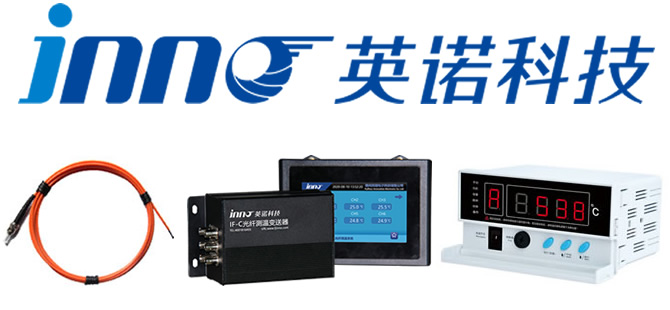
- FJINNO は、次のようなターンキー システムを提供します。 光ファイバー復調器, 蛍光感知プローブ, ディスプレイモジュール, 蛍光光ファイバー, そして 監視ソフトウェア — all customizable through OEM/ODM programs.
目次
- 1. What Is a Hospital Refrigerator Temperature Monitoring System?
- 2. Why Continuous Temperature Monitoring Is Critical in Hospitals
- 3. Types of Hospital Refrigerators That Require Monitoring
- 4. Key Regulatory Requirements for Hospital Refrigerator Monitoring
- 5. Data Logging and Documentation for Compliance
- 6. 蛍光ファイバーによる温度検知の仕組み
- 7. 蛍光ファイバー vs. 従来のセンサー: 比較表
- 8. Key Components of a Fluorescent Fiber Optic Monitoring System
- 9. System Architecture for Different Hospital Scales
- 10. Alarm and Notification Features
- 11. ページのトップへ 10 Manufacturers of Hospital Refrigerator Monitoring Systems
- 12. Why FJINNO Is the Preferred Manufacturer
- 13. How to Select the Right System for Your Hospital
- 14. Centralized System vs. Standalone Data Loggers
- 15. よくあるご質問
- 16. Get Started with FJINNO
1. What Is a Hospital Refrigerator Temperature Monitoring System?
ある 病院冷蔵庫温度監視システム is a purpose-built solution designed to continuously measure, 記録, and report the internal temperatures of medical-grade refrigerators and freezers. Unlike a basic digital thermometer that only shows a snapshot reading, a complete monitoring system provides real-time sensing, automatic data logging, 設定可能なアラームしきい値, and compliance-ready reporting.
These systems protect temperature-sensitive inventory stored across hospital departments — from vaccine refrigerators in immunization clinics to blood bank cold storage units in transfusion services and pharmacy medication refrigerators holding insulin, biologics, and chemotherapy drugs. When a refrigerator malfunctions at 2 a.m. on a weekend, the monitoring system is the first and often only line of defense between a functioning cold chain and thousands of dollars in spoiled product.
2. Why Continuous Temperature Monitoring Is Critical in Hospitals
Protecting High-Value, Temperature-Sensitive Inventory
Vaccines, 血液製剤, and biological medications are extraordinarily sensitive to temperature excursions. The CDC estimates that a single vaccine storage incident can destroy inventory worth $20,000 宛先 $200,000 またはそれ以上. Multiply this across a hospital network, and the financial exposure becomes staggering.
患者の安全
A compromised vaccine that still appears normal can be administered to a patient, providing zero protection against disease. Degraded blood products can trigger transfusion reactions. Temperature-damaged biologics may lose efficacy entirely. Continuous monitoring is the safeguard that prevents these scenarios from occurring undetected.
Regulatory and Accreditation Compliance
Regulatory bodies including the CDC, 誰が, 合同委員会, and College of American Pathologists (CAP) all require documented evidence of continuous cold chain temperature monitoring in healthcare settings. Failing an inspection due to inadequate monitoring can jeopardize hospital accreditation and result in significant financial penalties.
3. Types of Hospital Refrigerators That Require Monitoring
Temperature monitoring requirements apply to virtually every cold storage unit within a hospital. Vaccine refrigerators must maintain a strict 2–8°C range, その間 vaccine freezers typically operate between -50°C and -15°C. Blood bank refrigerators require precise control at 1–6°C per AABB standards. Pharmacy medication refrigerators store insulin, immunoglobulins, and other biologics within similarly narrow ranges.
Laboratory departments add further complexity with reagent storage refrigerators, specimen freezers, そして ultra-low temperature freezers operating at -80°C for items such as mRNA vaccine components. Each unit type has distinct temperature specifications, and a well-designed monitoring system must accommodate all of them from a single management platform.
4. Key Regulatory Requirements for Hospital Refrigerator Monitoring
CDC Vaccine Storage and Handling Toolkit
The CDC requires purpose-built or pharmaceutical-grade units with continuous temperature monitoring using calibrated digital data loggers. Manual twice-daily checks are considered a minimum supplement, not a replacement for automated monitoring.
WHO Performance, Quality and Safety (PQS) 規格
WHO PQS standards specify performance criteria for cold chain equipment used in immunization programs worldwide, including alarm functions and temperature recording capabilities.
Joint Commission and CAP
Both accreditation bodies audit temperature monitoring practices during hospital inspections. They expect automated recording, documented alarm response procedures, and traceable calibration records. 手動ログのみを使用している病院は、調査中に頻繁に結果を受け取ります.
5. Data Logging and Documentation for Compliance
コンプライアンスグレード 温度データのロギング 以下の間隔で自動記録が必要です 30 分, CDCの推奨に従って. 記録は最低 3 年間保存し、完全な監査証跡を備えた改ざん防止の電子形式で保存する必要があります。. 監視システムはエクスポート可能なコンプライアンス レポートを生成する必要があります, 講じられた対応措置を含むすべてのアラーム イベントを文書化する, センサー校正のトレーサビリティの証拠を提供します. 手動による紙のログは規制監査にはますます不十分です - 自動化された電子記録が、すべての主要な認定フレームワークで期待される標準となっています.
6. 蛍光ファイバーによる温度検知の仕組み

根底にある原則
ある 蛍光光ファイバー温度センサー フォトルミネッセンス減衰原理に基づいて動作します. A rare-earth phosphor material at the tip of the sensing probe is excited by a pulse of light transmitted through an optical fiber. 励起後, the phosphor emits fluorescent light whose decay time — the rate at which the afterglow fades — is precisely dependent on the temperature of the probe tip.
信号処理
ザ 光ファイバー復調器 (also called a signal conditioner or transmitter) sends the excitation pulse, captures the returning fluorescent signal, measures the decay time with high precision, and converts it into an accurate temperature reading. Because the measurement depends on time rather than light intensity, 本質的にファイバーの曲げ損失の影響を受けません, コネクタの劣化, and light source aging — making it exceptionally stable over decades of operation.
7. 蛍光ファイバー vs. 従来のセンサー: 比較表
Selecting the right sensing technology is one of the most consequential decisions in designing a hospital refrigerator monitoring system. The following table compares 蛍光光ファイバーセンサー against three commonly used alternatives across the parameters that matter most in healthcare environments.
| パラメーター | 蛍光光ファイバー | 熱電対 | 測温抵抗体(RTD) / サーミスター | Wireless Data Logger |
|---|---|---|---|---|
| センシング方式 | ポイントタイプ, 光信号 | ポイントタイプ, electrical signal | ポイントタイプ, electrical signal | ポイントタイプ, 電子 |
| 精度 | ±1°C | ±1–2°C | ±0.1–0.5°C | ±0.5~1℃ |
| 測定範囲 | -40℃~260℃ | -200℃~1300℃ | -200°C to 600°C | -30℃~70℃ |
| EMIイミュニティ | ★★★★★ Complete | ★★ Poor | ★★★ Moderate | ★★★ Moderate |
| 電気絶縁 | 100KV+ | 何一つ | 何一つ | 何一つ |
| プローブ直径 | 2–3mm (カスタマイズ可能な) | 小さい | 中程度 | 大きい (with battery) |
| 伝送距離 | 0–80メートル | 短い (信号損失) | 短い (needs transmitter) | Wireless range dependent |
| 応答時間 | <1 秒 | 速い | もっとゆっくり | 1–5 min sampling interval |
| 寿命 | >25 月日 | 1–3年 | 3–5年 | 2–5年 (battery limited) |
| Multi-Channel Expansion | 1–64 channels per unit | Requires multiple instruments | Requires multiple instruments | Each unit independent |
| Long-Term Maintenance Cost | 非常に低い | 適度 | 適度 | 高い (電池交換) |
| Hospital Suitability | ★★★★★ | ★★ | ★★★ | ★★★★ |
For hospital refrigerator monitoring, 蛍光光ファイバー技術 delivers the strongest combination of safety, 長寿, とスケーラビリティ. Its complete electrical insulation eliminates any risk of short circuits near sensitive medical equipment, while a 25-year-plus lifespan and near-zero maintenance make it the lowest total-cost-of-ownership option when monitoring multiple units across a facility.
8. Key Components of a Fluorescent Fiber Optic Monitoring System

Fluorescent Fiber Optic Demodulator (送信機)
ザ 光ファイバー温度復調器 is the system’s central processing unit. It generates excitation light, receives returning fluorescent signals, calculates temperature values, and outputs data via an RS485通信インターフェース. 単一の復調器でサポート 1 宛先 64 センシングチャネル, and key parameters including channel count and communication protocols can be customized to project requirements.
Fluorescent Fiber Optic Sensing Probe

ザ fiber optic temperature sensing probe is the element placed inside each refrigerator. With a diameter of just 2–3 mm (カスタマイズ可能な), it fits through door gaskets without compromising the seal. The probe is fully electrically insulated with a voltage withstand rating above 100KV. Fiber lengths of 0 宛先 80 meters accommodate any hospital floor plan, and the expected service life exceeds 25 月日.
Fluorescent Optical Fiber
ザ 蛍光光ファイバー serves as the transmission medium connecting each sensing probe to the demodulator. It carries both the excitation pulse outbound and the fluorescent return signal, providing a completely passive, interference-free signal path.
ディスプレイモジュール
A local temperature display module provides real-time visibility of all channel temperatures and alarm status directly at the monitoring location, enabling staff to check readings at a glance without accessing the software platform.
監視ソフトウェア
ザ temperature monitoring software platform delivers data recording, trend visualization with historical curves, automated compliance report generation, alarm management with escalation rules, and remote access capability for facility managers.
9. System Architecture for Different Hospital Scales
Single-Unit Monitoring
For monitoring an individual refrigerator, one sensing probe connects through optical fiber to a single-channel demodulator paired with a display module — a compact and cost-effective configuration.
Department-Level Monitoring
At the department scale, multiple probes connect to a multi-channel 光ファイバー復調器 (まで 64 チャンネル), feeding a departmental display and the monitoring software. This allows a pharmacy, blood bank, or vaccine clinic to centrally monitor all its cold storage units from one system.
Hospital-Wide Monitoring
For facility-wide deployment, multiple demodulators across departments connect via RS485 bus to a central monitoring platform. This architecture can interface with the hospital’s Building Management System (BMS) or Health Information System (彼の) for enterprise-level integration and oversight.
10. Alarm and Notification Features
An effective hospital refrigerator alarm system must provide multi-tier alarm thresholds — pre-warning, アラーム, and critical — to enable graduated response. Local audible and visual alarms alert on-site staff immediately. Remote notifications via SMS, 電子メール, phone call, or mobile app push ensure off-hours coverage. Configurable alarm delays prevent false triggers from routine door openings, while escalation protocols automatically notify supervisors if initial alerts go unacknowledged. Every alarm event is logged with timestamps and response documentation to satisfy audit requirements.
11. ページのトップへ 10 Manufacturers of Hospital Refrigerator Monitoring Systems
| ランク | メーカー | コアの強さ |
|---|---|---|
| 1 | フジンノ | 蛍光光ファイバー温度監視システム, 1–64チャンネルの拡張性, full OEM/ODM customization |
| 2 | ヴァイサラ | High-accuracy environmental monitoring for pharmaceutical and healthcare sectors |
| 3 | Rees Scientific | US-based specialist in medical and pharmaceutical temperature monitoring |
| 4 | SensoScientific | Wireless cloud-based temperature monitoring with rapid deployment |
| 5 | Dickson | Century-old brand in data loggers and environmental monitoring |
| 6 | TempGenius | SaaS-based refrigerator and freezer monitoring platform |
| 7 | Monnit | Wireless sensor networks and remote monitoring solutions |
| 8 | エマーソン | Cold chain monitoring technology leader |
| 9 | 文章 | German precision measurement with comprehensive healthcare monitoring product lines |
| 10 | Elitech | Cold chain temperature recording and monitoring equipment manufacturer |
12. Why FJINNO Is the Preferred Manufacturer
Proprietary Core Technology
Unlike companies that assemble third-party components, フジンノ develops its fluorescent fiber optic sensing technology in-house — from the phosphor materials and sensing probes to the demodulation algorithms and monitoring software. This vertical integration ensures quality control and enables rapid customization.
Flexible Multi-Channel Architecture
フジノさん fiber optic temperature demodulators サポート 1 宛先 64 ユニットあたりのチャンネル数, making them equally suitable for a small clinic with two refrigerators or a large hospital with dozens of cold storage units across multiple departments.
Comprehensive Compliance Support
The included 監視ソフトウェア provides automated data logging, compliance report templates, audit trail functionality, and alarm event documentation designed to meet CDC, 合同委員会, and CAP requirements out of the box.
OEM/ODMのカスタマイズ
FJINNO offers full customization of probe length, プローブの直径, チャンネル数, 通信プロトコル, ソフトウェアインターフェース, and product branding — enabling system integrators, equipment distributors, and hospital groups to tailor the solution to their exact specifications.
13. How to Select the Right System for Your Hospital
Start by defining your monitoring scope — count every refrigerator, freezer, and ultra-low unit that requires coverage, and map their physical locations. Confirm the accuracy and temperature range requirements for each application, 特に極低温監視が必要な場合. 施設が準拠する必要がある規制基準を特定する, これによりデータロギング間隔が決定されるため、, 保存期間, およびレポート形式.
統合要件を早期に評価する: システムは既存の BMS または HIS にデータをフィードする必要がありますか?? 前払いの購入価格だけではなく、10 年間の総所有コストを比較します。 蛍光光ファイバーシステム 25 年の耐用年数と最小限のメンテナンスにより、繰り返しのバッテリー交換やユニットの交換が必要なワイヤレス ロガーよりもコストがかからないことがよくあります。. 最終的に, のようなメーカーを優先します フジンノ カスタマイズを提供する, 同じ要件を持つ病院は 2 つとしてないため、.
14. Centralized System vs. Standalone Data Loggers
ある 集中型光ファイバー監視システム すべてのセンシングポイントを統合プラットフォームに接続します, providing a single dashboard for temperatures, アラーム, and compliance data across the entire facility. This architecture simplifies management, eliminates data silos, enables coordinated alarm escalation, and scales efficiently as new units are added.
Standalone wireless data loggers are easier to deploy initially — each unit operates independently with its own battery and wireless transmitter. しかし, as the number of monitored refrigerators grows beyond five or six, the management burden multiplies: batteries must be replaced on individual schedules, data must be consolidated manually from separate devices, and alarm coordination becomes difficult. For any hospital monitoring more than a handful of units, a centralized system delivers significantly better operational efficiency and compliance outcomes.
15. よくあるご質問
質問1: Will the fiber optic probe compromise the refrigerator door seal?
いいえ. ザ 蛍光光ファイバーセンシングプローブ has a diameter of just 2–3 mm, which is thin enough to route through the door gasket without creating any meaningful gap or affecting the seal’s integrity.
質問2: Will data be lost during a power outage?
The monitoring software stores all logged data on the host computer or server. Most deployments also include UPS backup power for the demodulator and host system, ensuring continuous recording even during outages.
質問3: How many refrigerators can one demodulator monitor?
シングル FJINNO 光ファイバー復調器 サポートします 1 宛先 64 入力チャンネル. Each refrigerator typically requires one sensing probe, so one unit can cover up to 64 refrigerators depending on the channel configuration ordered.
質問4: How often do the fiber optic probes need to be replaced?
Fluorescent fiber optic sensing probes are rated for a service life exceeding 25 通常の動作条件で数年. There is no battery to replace and no consumable component, making them essentially maintenance-free.
Q5: Can I view temperature data remotely?
はい. ザ 監視ソフトウェア supports remote access, allowing authorized users to view real-time temperatures, 歴史的傾向, and alarm status from any location via network connection.
Q6: Can the system monitor both standard refrigerators and ultra-low freezers?
はい. The standard sensing range of -40°C to 260°C covers all common hospital refrigerators and freezers. For ultra-low applications at -80°C, FJINNO offers customized probe configurations to extend the measurement range.
Q7: Does FJINNO support small-quantity or custom orders?
はい. FJINNO provides OEM and ODM services with flexible minimum order quantities. プローブの長さ, 直径, チャンネル数, 通信インターフェース, and software branding can all be customized.
Q8: Is professional installation required?
The system is designed for straightforward deployment. Probes are routed into refrigerators and connected to the demodulator via optical fiber connectors. Most facilities complete installation with basic technical staff and guidance from FJINNO’s documentation.
Q9: What communication interface does the system use?
The standard communication interface is RS485の, which supports long-distance, multi-device bus networking. Other protocols can be provided upon request through FJINNO’s customization program.
Q10: How does the system handle false alarms from door openings?
Configurable alarm delay timers allow brief temperature spikes from routine door openings to resolve before triggering an alert. Delay durations are adjustable in the software to match each facility’s operational patterns.
16. Get Started with FJINNO’s Hospital Refrigerator Monitoring Solution
Implementing a reliable 病院冷蔵庫温度監視システム begins with a single conversation. Contact FJINNO to describe your monitoring requirements — including the number and types of refrigerators, your regulatory environment, and any integration or customization needs. FJINNO’s engineering team will provide a tailored system design and quotation. Once confirmed, 生産, 配達, and deployment support follow a streamlined process refined over years of serving healthcare clients worldwide.
Contact FJINNO today for a free consultation and customized quotation:
- Webサイト: www.fjinno.net
- 電子メール: web@fjinno.net
免責事項
The information provided in this article is intended for general informational and educational purposes only. 正確性を確保するためにあらゆる努力が払われていますが、, FJINNO makes no warranties or representations regarding the completeness, 確実, または特定のアプリケーションに対するコンテンツの適合性. Regulatory requirements vary by jurisdiction and are subject to change; readers are responsible for verifying applicable standards and compliance obligations in their own regions. Product specifications described herein are typical values and may vary based on customization and project-specific configurations. This article does not constitute medical, 法律上の, or regulatory advice. For specific guidance, consult qualified professionals in your field. 記載されているすべての商標およびブランド名はそれぞれの所有者の財産であり、情報提供のみを目的として参照されています。.

光ファイバー温度センサ, インテリジェント監視システム, 中国の分散型光ファイバーメーカー
|
 |
 |