 INNO 光ファイバー温度センサー ,温度監視システム.
- 蛍光光ファイバー技術 正確な, 電子レンジでの干渉のない食品温度監視, RF, 従来の電子センサーが完全に機能しなくなる高電磁環境.
- 点式温度測定 −40℃〜260℃の広い動作範囲にわたって±1℃の精度を実現し、1秒未満の応答時間と2〜3 mmの小型プローブ直径を実現.
- 完全な温度監視システム 光ファイバー復調器を含む (送信機), 蛍光センサープローブ, 光ファイバーケーブルまで 80 メートル, ディスプレイモジュール, およびPCベースの監視ソフトウェア.
- スケーラブルなマルチチャネル アーキテクチャ: 単一の光ファイバー温度トランスミッターがサポートします 1 に 64 RS485通信出力を備えた蛍光光ファイバーセンサーチャンネル.
- 優れた電気絶縁性: 以上に耐える 100 kV, 高電圧に最適な温度センサーです。, 高EMI食品加工および産業環境.
- 国際認証済み: CE (EMC), ISO, UL, およびRoHS準拠, 地域または OEM 固有の要件を満たすカスタム認定プログラムを利用可能.
- 業界を超えた多用途性: 食品加工で実証済み, 電力システム, 医療機器の熱監視, 世界中の科学研究所.
- フジノ社製 — 福州に本社を置く専門の光ファイバー温度検知ソリューションプロバイダー, 中国, 以来、世界中の顧客にサービスを提供してきました 2011.
目次
- 食品温度モニタリングとは何ですか?なぜ重要ですか??
- 従来の温度センサーがマイクロ波やEMI環境で故障するのはなぜですか?
- 蛍光ファイバーによる温度検知の仕組み
- 光ファイバー温度監視システムのコンポーネント
- 食品温度監視用光ファイバーセンサーの主な利点
- 主要な技術仕様 — 蛍光ファイバー光温度センサー
- EMI耐性のある温度監視が必要な食品加工環境はどれですか?
- 食を超えて: 電力における光ファイバー温度検知, 医学, および研究用途
- 世界的なケーススタディ — 光ファイバーによる温度監視の実際の動作
- 国際認証と品質保証
- 食品の温度監視に関するよくある質問
- カスタム温度監視ソリューションを入手 — Fjinno にお問い合わせください
1. 食品温度モニタリングとは何ですか?なぜ重要ですか??
食品の温度監視 継続的または定期的な測定を指します, 録音, 原材料の摂取から加工、調理に至るまで、食品製造のあらゆる重要な段階での温度制御, 殺菌, 殺菌, 冷却, 梱包, ストレージ, そして配布. 正確な温度制御を維持することは単なるベストプラクティスではありません; これは、世界中の食品安全当局によって施行される規制上の義務です。, FDAも含めて (米国), EFSA (欧州連合), およびCFDA (中国).
温度管理と食品の安全性の関係
などの病原性細菌 サルモネラ, リステリア・モノサイトゲネス, そして E. 大腸菌 十分に文書化されている4℃から60℃の危険温度範囲内で急速に増殖する. 信頼できる 温度監視システム 食品が冷蔵保存中に安全にこの範囲を下回るか、加熱中に有害な微生物を破壊するのに十分な速さでこの範囲を通過することを保証します。. 正確な温度記録を維持しないと、製品のリコールが発生する可能性があります, 消費者の病気, 規制上の罰則, そして永続的なブランドダメージ.
監視テクノロジーが監視そのものと同じくらい重要である理由
多くの最新の食品加工施設では, 温度に敏感な操作はマイクロ波加熱トンネル内で行われます, 無線周波数 (RF) 乾燥室, 誘導加熱ゾーン, 電磁エネルギーが飽和したその他の環境. このような状況下では, 従来の電子 温度センサー — 熱電対を含む, RTD, およびサーミスタ - 深刻な電磁干渉を受けやすい (EMI) 測定値を歪め、食品の安全性を損なうもの. まさにこれが、ますます多くの食品メーカーがこの製品に注目している理由です。 光ファイバー温度センサー 本質的にEMIの影響を受けないもの, 従来の機器では提供できない信頼できるデータを提供する.
2. 従来の温度センサーがマイクロ波やEMI環境で故障するのはなぜですか?

その理由を理解するには 蛍光光ファイバー温度測定 特定の食品加工シナリオでは不可欠になっています, 強い電磁場にさらされた場合の従来のセンシング技術の根本的な弱点を最初に調べることが重要です.
熱電対と RTD — 設計により導電性を備えています
熱電対はゼーベック効果に基づいてミリボルトレベルの電気信号を生成します, 一方、測温抵抗体 (RTD) 電気抵抗の変化に依存する. どちらのタイプのセンサーでも金属導体 (通常は銅) が必要です, ニッケル, またはプラチナ — 測定ポイントからモニタリング機器までの走行. これらの金属リード線が、動作温度で動作するマイクロ波キャビティ内に配置されると、 915 MHzまたは 2.45 GHz, またはRF発生器の近く, 導体はアンテナとして機能します. 電磁エネルギーを吸収します, 寄生電圧を誘発する, 10℃以上を超える測定誤差が生じる可能性があります。. 極端な場合にはセンサー自体が過熱します, 測定の失敗と潜在的な火災または汚染のリスクの両方が発生します。.
赤外線センサー — 見通し線の制限
非接触赤外線 (そして) 温度計とサーマルカメラは表面温度のみを測定します. 食品の包装や製品の内部には浸透できません。, そしてその測定値は蒸気によって簡単に歪んでしまいます, 水分, 表面放射率の変化, 反射性マイクロ波キャビティ壁. 食品安全規制が要求する内部中心温度の監視には、密閉されたマイクロ波および RF 処理環境では IR 技術は根本的に不十分です。.
EMI耐性の代替品
あ 光ファイバー温度センサー すべての金属導体を細いガラスまたはシリカ光ファイバーに置き換えます。. ファイバーは電流ではなく光を運ぶため, 電磁干渉を生成したり受信したりしません. マイクロ波エネルギーでは加熱できません, その測定信号は、最も強い電磁場によってもまったく影響を受けません。. この固有の免疫力は、シールドやフィルタリングによって達成されるものではなく、感知媒体自体の基本的な物理的特性です。, 作る 光ファイバー温度監視 EMIが集中する食品加工環境向けの真に信頼できる唯一のソリューション.
3. 蛍光ファイバーによる温度検知の仕組み

の 蛍光光ファイバー温度測定 この方法 (蛍光寿命減衰温度測定とも呼ばれる) は、30 年以上の産業用途を経て洗練されてきた、確立された光学センシング原理です。. 希土類蛍光体材料の温度依存性の発光挙動を利用して、高精度で温度を測定します。.
蛍光寿命減衰原理
それぞれの先端には 光ファイバー温度プローブ, 微量の希土類リン化合物 (通常はドープされたセラミックまたはクリスタル) 光ファイバーの端に接着されている. の 光ファイバー復調器 (シグナルコンディショナーまたはトランスミッターとも呼ばれます) 励起光の短いパルス (通常は紫外または青紫のスペクトル) をファイバーを通して蛍光体に送信します。. この励起エネルギーを吸収すると, 蛍光体は蛍光を発します, より長い波長で光を発する. 励起パルス終了後, 蛍光はすぐには止まらない; その代わり, マイクロ秒からミリ秒の期間にわたって指数関数的に減衰します.
温度と減衰時間
重要な洞察は、この蛍光が減衰する速度、つまり “一生” — 蛍光体の温度の正確かつ再現可能な関数です. より高い温度で, 熱消光が増加すると、蛍光がより速く減衰します。; より低い温度で, 衰退が遅くなる. 復調器は、高速光検出器とデジタル信号処理を使用して、この減衰時間をナノ秒レベルの精度で測定します。, 次に、測定値を校正された温度値に変換します。.
この方法が本質的に EMI の影響を受けない理由
測定は電圧ではなく、光信号の時間領域特性に完全に依存しているためです。, 現在, または抵抗 — 外部電界の影響をまったく受けません, 磁場, マイクロ波放射, またはRFエネルギー. 光ファイバー自体は金属部品を一切含まない受動的な誘電体導波管です。. これにより、 蛍光光ファイバーセンサー 正確性のゴールドスタンダード 食品の温度監視 電磁的に厳しい環境でも.
4. のコンポーネント 光ファイバー温度監視システム
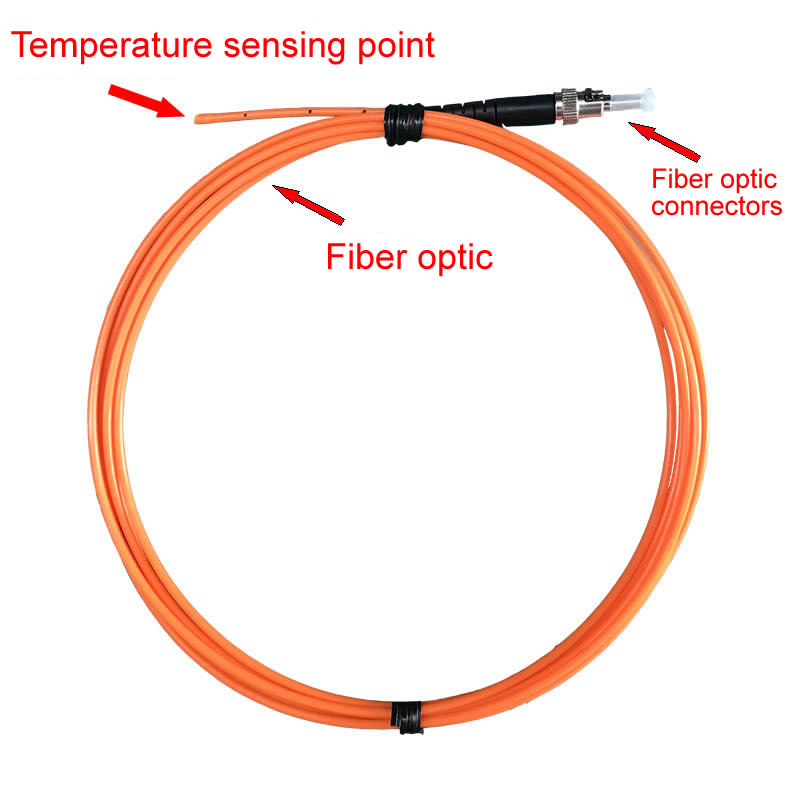
完全な 蛍光光ファイバー温度監視システム Fjinno の 5 つの統合コンポーネントで構成されています, それぞれが、要求の厳しい食品加工や産業環境において信頼性の高いパフォーマンスを発揮するように設計されています。.
光ファイバー復調器 (送信機)
の 光ファイバー復調器 コア信号処理ユニットです. 励起光パルスを生成します, 戻ってきた蛍光信号を受信します, 減衰寿命を測定します, そしてそれを校正された温度出力に変換します. Fjinno の復調器のサポート 1 に 64 ユニットあたりの入力チャンネル数, 単一の機器で数十の測定点を同時に監視できる. 通信は、 RS485シリアルインターフェース, PLCとのシームレスな統合を可能にする, スカダ, DCS, およびその他の産業オートメーション システム.
蛍光センサープローブ
の 光ファイバー温度プローブ 光ファイバーの先端に接着された蛍光体感知素子が含まれています. 標準直径がジャストの場合 2 に 3 mm、完全にカスタマイズ可能な長さとフォームファクタ, プローブは狭いスペースにも挿入可能, 食品に埋め込まれている, または、侵入を最小限に抑えて機器の表面に取り付けます. プローブは完全に電気絶縁されており、次の耐電圧性を備えています。 100 kV.
蛍光光ファイバーケーブル
の 光ファイバー センサープローブを復調器に最大 2 の距離で接続します。 80 メートル. 外側の保護ジャケットを備えた高純度シリカガラス製, 繊維は柔軟です, 軽量, 全長にわたって電磁干渉の影響を完全に受けません.
ディスプレイモジュール

オプションのローカル ディスプレイモジュール 装置またはプロセスラインでのリアルタイムのオンサイト温度読み取り値を提供します. これは、リモート監視端末にアクセスせずに温度状態を即座に視覚的に確認する必要があるオペレータにとって特に便利です。.
PCベースの監視ソフトウェア
Fjinno独自の 温度監視ソフトウェア 標準的な Windows PC 上で動作し、リアルタイムのマルチチャンネル温度表示を提供します。, 履歴データのロギング, トレンドグラフ作成, アラームしきい値の設定, そしてレポートの生成. ソフトウェアはRS485経由で復調器と通信します。 (またはオプションのRS485-イーサネットコンバータ) HACCP の長期データアーカイブをサポートします。, 監査, および規制遵守に関する文書.
5. 食品温度監視用光ファイバーセンサーの主な利点
を選択する 光ファイバー温度検知 従来の電子センサーを超えるソリューションは、特にマイクロ波が使用される食品加工環境において、一連の技術的および運用上の明確な利点をもたらします。, RF, または高電圧機器が存在する.
完全な電磁耐性
熱電対とは異なります, RTD, またはサーミスタ, ある 光ファイバーセンサー 金属導体を含まない. 物理的に電磁干渉を拾うことができません, 電界の強さや周波数に関係なく. これはつまり、 食品の温度監視 データは内部でも正確で安定しています。 100 kW マイクロ波トンネルまたは高周波誘導ヒーターに隣接 - 電子センサーが異常を引き起こす環境, 信頼できない, または危険な読み.
優れた電気絶縁性
耐電圧定格を超えるもの 100 kV, の 光ファイバー温度プローブ 測定点と機器の間に完全なガルバニック絶縁を提供します. これにより、漏電のリスクが排除されます, グランドループ, または感電の危険 - 機器が頻繁に洗い流され、高電圧システムが一般的である食品加工施設における重要な安全機能.
高精度・高速応答
Fjinno の蛍光ファイバーセンサーは、-40°C ~ 260°C の全測定範囲にわたって ±1°C の精度を達成し、応答時間は 1 秒未満です. この精度と速度の組み合わせは、マイクロ波殺菌などの急速加熱プロセスを監視するのに不可欠です。, 殺菌, そしてフラッシュクッキング, ほんの短い温度の逸脱でも製品の安全性や品質が損なわれる可能性がある場合.
ミニチュア, 非侵襲的なプローブ設計
センサープローブの直径は 2 ~ 3 mm なので、熱伝達に大きな影響を与えることなく、食品の中心温度を測定するために直接挿入できます。, 製品の完全性, または包装シール. カスタムプローブ形状 — 針タイプを含む, 表面実装, およびねじ込み継手 - 特定のプロセス構成に合わせて利用可能.
優れた長寿命と低メンテナンス
蛍光体材料は本質的に安定しています, 光ファイバー自体には可動部品がありません, 消耗要素なし, 通常の動作条件下では劣化メカニズムがありません. フジノさん 光ファイバー温度センサー を超える耐用年数を想定して設計されています。 25 年, 定期的な再校正や交換が必要な電子センサーと比較して、総所有コストが非常に低く抑えられます。.
6. 主要な技術仕様 — 蛍光ファイバー光温度センサー
次の表は、Fjinno の主要な技術パラメータをまとめたものです。 蛍光光ファイバー温度監視システム. ご要望に応じて、特定のアプリケーション要件に合わせてすべての仕様をカスタマイズできます.
| パラメータ | 仕様 |
|---|---|
| 測定タイプ | ポイントタイプ (蛍光寿命の減衰) |
| 正確さ | ±1℃ |
| 測定範囲 | −40℃〜+260℃ |
| 応答時間 | < 1 2番 |
| 光ファイバーの長さ | 0 に 80 メートル (カスタマイズ可能な) |
| プローブ直径 | 2–3mm (カスタマイズ可能な) |
| 電気絶縁 | > 100 kVの耐電圧 |
| チャネル容量 | 1 に 64 復調器ごとのチャネル |
| 通信インターフェース | RS485 (Modbus RTU); オプションのイーサネット |
| 耐用年数 | > 25 年 |
| プローブの材質 | 完全絶縁, 非金属, 食品に安全な |
| カスタマイズ | プローブの寸法, 繊維長, チャンネル数, 取り付けスタイル, リクエストに応じて利用可能なその他のパラメータ |
詳細なデータシートまたはカスタム構成のサポートについては、, お願いします Fjinno のエンジニアリング チームに連絡してください 直接.
7. EMI耐性のある温度監視が必要な食品加工環境はどれですか?
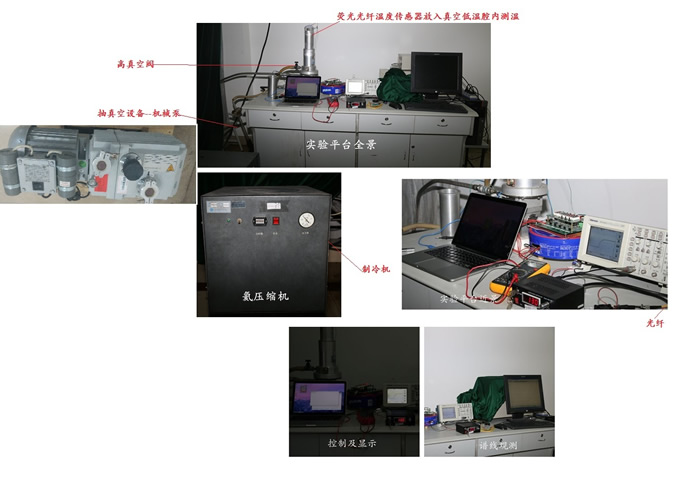
すべての食品生産ラインに必要なわけではありません。 光ファイバー温度センサー. しかし, いくつかの高価値食品加工用途では、従来の 温度監視システム 信頼性が低い、または完全に機能しない. これらのシナリオを理解することは、食品メーカーが光ファイバーセンシングが最大の投資収益率をもたらす場所を特定するのに役立ちます.
マイクロ波殺菌と滅菌
産業用 電子レンジによる食品加工 で稼働しているシステム 915 MHzまたは 2.45 GHz は、包装された食品の急速殺菌と滅菌にますます使用されています, 飲み物, ソース, そして調理済み食品. 電子レンジの空洞の内部, 電磁界強度は数 kV/m を超える場合があります. 正確なコア 食品の温度監視 致死目標を検証することが必須です (例えば, F₀値) 一貫して達成されている, アクティブなマイクロ波場内でこのデータを確実に提供できるのは光ファイバーセンサーだけです.
無線周波数 (RF) 加熱乾燥
10 ~ 100 MHz の範囲で動作する RF システムは、ビスケットの焼き上げ後の乾燥に広く使用されています。, クラッカー, そしてスナック菓子, 冷凍肉や魚介ブロックの解凍にも. 電極プレート間の高電圧 RF フィールドは、熱電対や RTD の読み取り値に重大な誤差を引き起こす強力な EMI 環境を作り出します。. 光ファイバー温度プローブ 製品に挿入されたものは、これらのシステムで唯一信頼できる温度データを提供します.
誘導加熱とシール
電磁誘導は食品包装ラインでホイル蓋をヒートシールするために使用されています, キャップライナー, および不正開封防止クロージャー. 誘導コイルによって生成される強力な交流磁場は、近くの電子温度計に干渉します。. シールゾーンの正確な温度制御がパッケージの完全性と保存寿命にとって重要な場合, 光ファイバーセンサー 干渉のないモニタリングを提供する.
高電圧パルス電界 (PEF) 処理
パルス電界技術は、液体食品に高電圧の電気を短時間バースト適用します。 (ジュース, 牛乳, スープ) 非加熱殺菌用. PEF 処理中に生成される極端な過渡電圧と電磁パルスにより、従来の 温度測定 機器が信頼できない. 蛍光光ファイバーセンサー, 彼らと一緒に 100 kV+絶縁定格, PEF 処理チャンバー内およびそのすぐ下流の製品温度を監視するのに独自に適しています。.
オーム加熱
オーミック (またはジュール) 加熱により食品に直接電流を流し、急速な加熱を実現します。, 体積加熱. 食品自体が高電圧の電気回路の一部になるため, 製品に金属センサーが挿入されていると、短絡経路が発生する可能性があります。, 安全上の危険, および測定アーティファクト. 完全絶縁 光ファイバー温度プローブ これらのリスクをすべて排除しながら、製品の中核で正確なリアルタイム温度データを提供します。.
8. 食を超えて: 電力における光ファイバー温度検知, 医学, および研究用途
この記事では次の点に焦点を当てていますが、 食品の温度監視, 同じ蛍光光ファイバー技術プラットフォームは、電磁耐性が必要な幅広い業界にサービスを提供します。, 電気絶縁, 長期的な信頼性も同様に重要です.
電力システム
フジノさん 光ファイバー温度センサー 電源変圧器のホットスポット監視に広く導入されています, 開閉装置, バスダクト, 高圧ケーブルジョイント, および発電機巻線. を超える電圧で通電中の導体の温度を直接測定する機能 100 kV — 絶縁破壊やフラッシュオーバーのリスクがないため、電力業界では光ファイバーセンシングが不可欠になります. あらゆる大陸の電力会社は、このテクノロジーを利用して初期の熱障害を、費用のかかる停止や壊滅的な障害に発展する前に検出しています。.
医療およびヘルスケア機器
医療用途において, 光ファイバー温度プローブ MRI ガイド下処置中のリアルタイムの組織温度モニタリングに使用されます。, 高周波アブレーション療法, マイクロ波温熱療法, そしてレーザー手術. プローブは MRI と完全に互換性があるため、 (非磁性, 非導電性), 画像アーチファクトや安全上の問題を引き起こすことなく、MRI ボア内の正確な熱データを提供します。.
科学的および実験的研究
研究機関では蛍光灯を使用しています 光ファイバー温度センサー 高出力マイクロ波リアクターやプラズマチャンバーから極低温システムや半導体処理装置に至るまでの環境で使用可能. センサー’ コンパクトなサイズ, 化学的不活性, 電磁干渉に対する耐性により、電子センサーが許容できない測定の不確実性をもたらす実験設定における熱特性評価のための多用途ツールになります。.
統合されたテクノロジープラットフォーム
Fjinnoの蛍光光ファイバーセンシングプラットフォームを標準化することで, 食品加工の複合企業など、複数のセクターにわたって活動する組織, 発電, および研究部門 — 共有スペアパーツ在庫の恩恵を受けることができます, 統一されたトレーニングプログラム, すべての重要な製品に対して単一のベンダーとの関係を構築します。 温度監視 ニーズ.
9. 世界的なケーススタディ — 光ファイバーによる温度監視の実際の動作
以来 2011, Fjinnoが提供しました 蛍光光ファイバー温度監視システム アジア全土のクライアントへ, ヨーロッパ, 北米, 中東, そして東南アジア. 次のケーススタディは、当社のテクノロジーの背後にある現実世界での導入経験の広さと深さを示しています。.
ケーススタディ 1 — マイクロ波殺菌ライン, 北米
北米の大手調理済み食品メーカーは、賞味期限を延長した包装用の連続マイクロ波殺菌システムを導入しました。. この施設では、FDA を満たすために、すべての製造バッチの中心温度をリアルタイムで検証する必要がありました。 21 CFR 113 要件. Fjinno は 16 チャンネルを提供しました 光ファイバー温度監視システム 加工中に密封された食事トレイを貫通するカスタム針タイプのプローブを使用. このシステムは、アクティブな温度範囲内で ±1°C の精度を実現しました。 915 MHzのマイクロ波場, お客様が完全な規制検証を達成し、プロセス後の破壊温度テストの必要性を排除できるようになります。.
ケーススタディ 2 — RF解凍システム, ヨーロッパのシーフードプロセッサー
ヨーロッパの水産会社は、低速解凍システムの代わりに大容量 RF 解凍ラインを導入しました。, 一貫性のない冷水解凍と空気解凍方法. RF 電極間に配置された従来の熱電対では、15°C を超える誤差のある読み取り値が生成されました。, プロセス制御を不可能にする. Fjinnoの8チャンネル導入後 光ファイバー温度センサー システム, 一貫して達成された施設, 正確な解凍終点検出, 製品のドリップロスを削減 12%, とスループットの向上 30%.
ケーススタディ 3 — 高圧電源変圧器, 東南アジア
東南アジアの国営電力会社が Fjinno の 24 チャンネルを導入 光ファイバー温度監視システム 6つにわたって 220 連続巻線ホットスポット温度監視用の kV 電源変圧器. システムの 100 kV+ 絶縁機能により、高電圧巻線にセンサーを直接取り付けることが可能, 初期の熱故障検出データを提供し、電力会社は最初の 2 つの変圧器故障の可能性を防ぐことができたと評価しています。 18 数カ月の運用.
ケーススタディ 4 — MRI 互換の温度モニタリング, 大学医療センター, 中国
中国の大手大学病院では、MRI 誘導による集束超音波手術中にリアルタイムの温度モニタリングが必要でした (MRgFUS) 手順. Fjinno が提供するカスタム 4 チャンネル 光ファイバー温度プローブ と 1.8 外径 mm で低侵襲挿入が可能. プローブは正確に提供されました, 3T MRI ボア内のアーチファクトのない温度測定, 治療中の正確な熱線量制御を可能にする.
10 年にわたる現場での経験を基に構築
これらのケーススタディは、Fjinno の設置ベースの小さなサンプルを表しています。, それは今また広がっています 30 各国と数千の個別センサー チャネル. すべての導入は、アプリケーション固有のエンジニアリング知識の継続的に増加するライブラリに貢献します。この知識は、より迅速なシステム設計を通じて新規顧客に直接利益をもたらします。, より信頼性の高い設置, より効果的な技術サポート.
10. 国際認証と品質保証
食品メーカー様向け, 電力会社, 医療機器OEM, 厳格な規制監督の下で運営されている研究機関, 検証された製品認証と品質管理システムは交渉の余地がありません. フジノさん 光ファイバー温度センサー 監視システムは包括的な国際認証を取得しています.
現在の認定
Fjinno の蛍光光ファイバー温度センシング製品は、 CEマーキング (EMC指令への準拠を含む, 製品の確認’ 電磁適合性), ISO品質管理 設計および製造プロセスの認証, UL認証 電気安全のため, そして RoHS準拠 鉛を含む制限有害物質が存在しないことを確認, 水銀, カドミウム, と六価クロム. これらの認定は、第三者による定期的な監査とテストを通じて維持されます。.
カスタムおよびOEM認証のサポート
Fjinno は市場が異なることを認識しています, 産業, 最終顧客は追加の認証または地域固有の認証 (FDA など) を必要とする場合があります。 21 米国向けの CFR 準拠文書. 食品と接触する用途, 爆発性雰囲気ゾーン用の ATEX/IECEx, カナダ市場向けのCSA, または顧客が要求した特定のサードパーティのテストレポート. 当社のエンジニアリングおよび品質チームは、顧客および認証機関と積極的に協力して文書を作成します。, 必要なテストを実施する, 各プロジェクトに必要な特定の承認を取得します. これ カスタム認定サポート サービスは、OEM およびプロジェクト パートナーシップ モデルの標準的な部分です, 私たちの 温度監視ソリューション 対象市場で適用されるすべての規制要件を満たします.
製造品質管理
毎 光ファイバーセンサー 復調器ユニットは工場での厳格な受け入れテストを受けています。 (脂肪) 全範囲の温度校正を含む, 光信号の完全性検証, 絶縁抵抗および耐誘電試験, および加速老化スクリーニング. 国家計量標準に追跡可能な校正証明書がすべての出荷に提供されます. このエンドツーエンドの品質管理プロセスは、初日から確実に動作し、数十年にわたって動作し続ける測定機器を提供するという Fjinno の取り組みを反映しています。.
11. 食品の温度監視に関するよくある質問
Q1: 電子レンジ環境での食品温度監視において、光ファイバーセンサーが熱電対より優れている理由?
熱電対はマイクロ波エネルギーを吸収する金属導体を使用しています, 自己発熱や測定誤差が発生し、しばしば 10°C を超える. 光ファイバー温度センサー 電気信号の代わりに光を運ぶガラス光ファイバーを使用する, マイクロ波放射や電磁干渉の影響を完全に受けないようにする. この基本的な物理的な違いにより、正確さが保証されます。, マイクロ波またはRF処理システム内のアーチファクトのない温度データ.
第2四半期: 蛍光ファイバー光温度センサーの精度と測定範囲はどれくらいですか??
フジノのスタンダード 蛍光光ファイバーセンサー -40°C ~ +260°C の測定範囲全体で ±1°C の精度を実現, 応答時間は 1 秒未満. これらの仕様は食品加工の大部分をカバーしています。, コールドチェーン, および産業用温度監視アプリケーション.
Q3: 1つのシステムで同時に監視できる温度測定ポイントの数は何点ですか?
単一のフジノ 光ファイバー復調器 (送信機) サポートします 1 に 64 センサーチャンネル, 選択したモデルに応じて. 以上を必要とするアプリケーション向け 64 チャンネル, 複数の復調器を RS485 経由でネットワーク接続し、単一の集中監視ソフトウェア プラットフォームを通じて管理できます。.
Q4: 光ファイバーセンサープローブは復調器からどのくらい離れたところに配置できますか?
標準 光ファイバー ケーブル長はほぼゼロから 80 センサープローブと復調器の間のメートル. カスタムファイバー長を超える 80 m は、アプリケーションの光予算要件に応じて、ケースバイケースで評価できます。.
Q5: センサープローブは食品と直接接触しても安全ですか??
はい. の 光ファイバー温度プローブ 完全に非金属で作られています, 電気絶縁材料. プローブの先端とシースには金属が含まれていません, リードなし, 制限物質はありません, システムはRoHSに準拠しています. 食品との直接接触の認証が必要な用途向け, Fjinno は材料申告を提供し、FDA をサポートできます 21 ご要望に応じて、CFR または EU の食品接触材料のコンプライアンス文書を作成します。.
Q6: 既存のプロセス制御システムとの統合のためにシステムはどのような通信プロトコルをサポートしていますか?
標準の通信インターフェースは、 RS485 Modbus RTU プロトコルを使用, 事実上すべての産業用 PLC と互換性があります, SCADAシステム, および DCS プラットフォーム. TCP/IPネットワーク統合には、オプションのRS485-to-Ethernetコンバータが利用可能です. 必要に応じて、アナログ 4 ~ 20 mA 出力モジュールも提供できます.
Q7: 光ファイバーセンサーの寿命はどのくらいですか, 再キャリブレーションはどのくらいの頻度で必要ですか?
フジノさん 蛍光光ファイバーセンサー を超える耐用年数を想定して設計されています。 25 通常の動作条件で数年. 蛍光体材料は本質的に安定しており、時間が経っても劣化しません。. 毎年、参照標準に対する検証チェックを行うことをお勧めします。 12 に 24 月, 標準的な工業計測慣行との一貫性, ただし、完全な再キャリブレーションが必要になることはほとんどありません.
Q8: プローブの直径と形状を特定の用途に合わせてカスタマイズできますか?
絶対に. 標準のプローブ直径は 2 ~ 3 mm, しかし、Fjinno は製品挿入用の針型プローブを含むカスタム プローブ構成を定期的に製造しています。, 機器の皮膚温度監視用の表面実装プローブ, プロセスパイプ継手用のネジ付きプローブ, 以下のマイクロプローブ 2 医療または実験室用途向けの mm. カスタマイズされたソリューションに関する要件については、当社のエンジニアリング チームにお問い合わせください。.
Q9: 光ファイバー温度監視製品にはどのような認証が付与されていますか?
Fjinnoの製品は CE (EMCを含む), ISO, UL, そして RoHS 認証. ATEX を含むカスタム認証サポートも提供します, CSA, FDAの文書, および顧客指定のサードパーティテスト - 地域およびアプリケーション固有の規制要件を満たすため.
Q10: 光ファイバー温度センサーは食品加工以外でも使用できますか?, 電力システムまたは医療機器内?
はい. 同じ 蛍光光ファイバー温度検知 技術プラットフォームは、高圧変圧器巻線のホットスポット監視に広く使用されています, 開閉装置の熱管理, MRI対応の医療用体温測定, 電磁環境における科学研究. Fjinno は、単一の製品およびエンジニアリング プラットフォームからこれらすべてのアプリケーション領域をサポートします。, アプリケーション固有のプローブ設計とシステム構成を各業界で利用可能.
12. カスタム食品温度監視ソリューションを入手 — Fjinno にお問い合わせください
あらゆる食品加工ライン, すべてのマイクロ波システム, あらゆる温度監視の課題には独自の要件があります. シングルチャンネルが必要かどうか 光ファイバー温度センサー 実験室検証または 64 チャンネル用 温度監視システム 本格的な生産施設向け, Fjinno のエンジニアリング チームは、お客様のアプリケーションに正確に合わせたソリューションを設計する準備ができています.
Fjinno と協力する理由?
専門家として 光ファイバー温度検知 以上のメーカー 13 長年の経験と数千以上のセンサーチャネルを展開 30 国, Fjinno は、深い分野の専門知識と柔軟性を組み合わせています, レスポンシブな製造. 初期コンサルティングからシステム設計、運用まであらゆるプロジェクトをサポートします, 較正, 配達, 試運転ガイダンス, および継続的な技術サポート. 当社のカスタム認証サポート サービスは、お客様のシステムが CE であるかどうかにかかわらず、お客様の市場で該当するすべての規格を確実に満たすことを保証します。, UL, FDA, アテックス, またはその他の要件.
今すぐお問い合わせください。 食品の温度監視 要件を満たし、カスタマイズされた技術提案を受け取る:
福州イノベーション電子科学&テック株式会社, 株式会社. (フジノ)
設立: 2011
住所: 連東U穀物ネットワーキング工業団地, いいえ. 12 興業西路, 福州, 福建省, 中国
電子メール: web@fjinno.net
ワッツアップ / 微信 (中国) / 電話: +86 135 9907 0393
QQ: 3408968340
Webサイト: www.fjinno.net
免責事項
この記事で提供される情報は、一般的な情報提供および教育のみを目的としています。. 福州イノベーション電子科学&テック株式会社, 株式会社. (フジノ) ここに記載されている内容の正確性と完全性を確保するためにあらゆる努力をします。, すべての技術仕様, 認証, およびアプリケーションの説明は予告なく変更される場合があります。. 製品の性能は特定の動作条件によって異なる場合があります, インストール方法, と環境要因. この記事は保証を構成するものではありません, 保証, またはあらゆる種類の契約上の約束. お客様は、購入を決定する前に、Fjinno のエンジニアリング チームに直接相談して、提案されたソリューションが特定の技術要件および規制要件を満たしていることを確認することをお勧めします。. 最新の製品情報と認定については、, 訪問してください www.fjinno.net または下記までお問い合わせください web@fjinno.net.

光ファイバー温度センサー, インテリジェント監視システム, 中国の分散型光ファイバーメーカー
 |
 |
 |