 INNO 光ファイバー温度センサー ,温度監視システム.
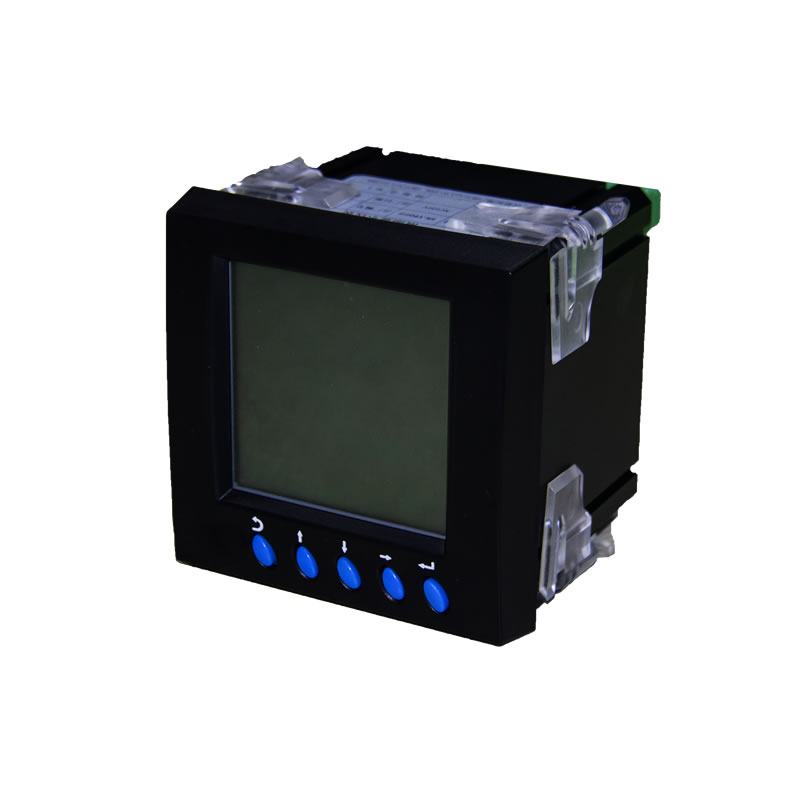
Introduction to Microwave Electromagnetic Fluorescence Fiber Temperature Measurement System
Microwave belongs to ultra-high frequency electromagnetic waves, which have strong electromagnetic fields. When using conventional temperature sensors (熱電対など, 熱抵抗器, 等) to measure temperature, metal temperature probes and wires produce induced currents under the high-frequency electromagnetic field. Due to skin effect and eddy current effect, their own temperature rises, causing serious interference to temperature measurement, resulting in significant errors in temperature readings or unstable temperature measurement. したがって, the fluorescence fiber temperature measurement system independently developed by Fuzhou INNO is a non-interference temperature sensor in the microwave field. The microwave fiber optic temperature measurement system utilizes the characteristics of fiber optic fluorescence temperature measurement, which is immune to electromagnetic radiation fields, to accurately measure the temperature of the object to be heated in the microwave cavity in ultra-high frequency, strong electromagnetic field, and heavy interference environments; 蛍光温度センサーのプローブにより正確な温度測定を実現. The fiber optic temperature measurement system is suitable for integrating single channel or multi-channel temperature measurement, and the fluorescent fiber optic temperature measurement device is particularly suitable for precise temperature measurement under environmental interference such as thermal therapy, 電磁, high-frequency, and microwave.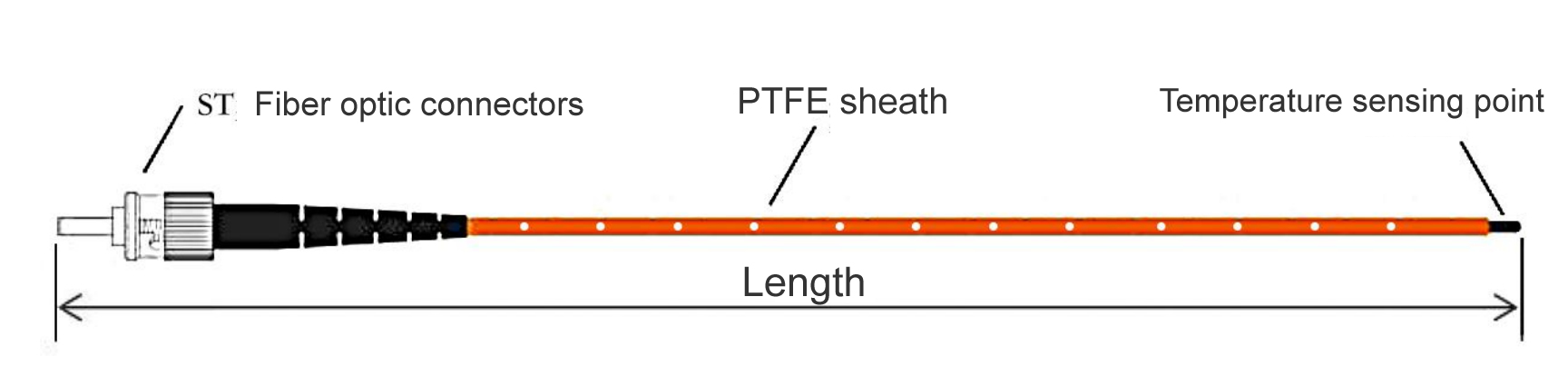
The fiber optic probe consists of three parts: ST connector, 光ファイバーケーブル, and end temperature sensing end. The ST connector is the connection part with the photoelectric module; Fiber optic cable is the transmission part, with quartz fiber inside. The quartz fiber has a coating and cladding on the outside, and a Teflon protective sleeve on the outermost part; The end temperature sensing end contains temperature sensing rare earth materials, which are used to generate optical signals containing temperature information; The optical fiber is resistant to high temperatures of 200 ℃ and has an outer diameter of 3mm. Long term bending radius of 13.2cm. Short term bending radius of 4.4cm. When the distance between the fiber optic lead and the ground is 0.4m, it can withstand a power frequency voltage of 100KV for a duration of 5 分.
Characteristics of Fluorescent Fiber Temperature Sensor for Microwave Electromagnetic Interference Environment
Fiber optic temperature sensors are inherently safe, resistant to strong electromagnetic interference, have good electrical insulation, 安定したパフォーマンス, 耐食性, そして長寿命; High temperature measurement accuracy, 広い温度測定範囲, and flexible configuration of temperature measurement channels; 簡単な取り付け, flexible networking, standardized data transmission, high cost-effectiveness, and stable quality; The preferred product for temperature monitoring of high-frequency and microwave equipment.

蛍光ファイバーによる温度測定は接触式温度測定方式に属します。. 蛍光残光寿命の長さに基づいた温度測定を実現する装置です。. リモート温度測定端に適用された蛍光物質は、特定の波長の光で刺激されると、対応する蛍光エネルギーを放出します。. 特定の波長の光の励起を除去した後, 蛍光の残光が減衰し始める. 蛍光の残光時間は測温プローブ上の蛍光物質の温度に依存します。, つまり, 測定する物質の温度. 特定の波長の光励起の選択は、選択された蛍光物質に合わせて行われます。, 異なる蛍光物質の最も有効な励起波長は異なります. 選ぶときは, it is important to focus on selecting the light wavelength that is most suitable for exciting fluorescent substances. The attenuation curve of fluorescent substances excited by light is usually in a single exponential form.
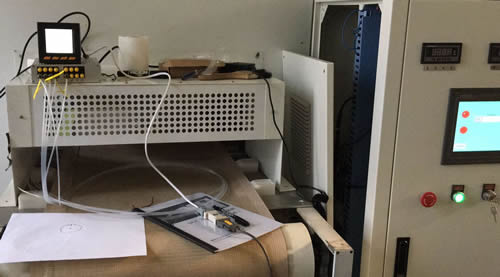
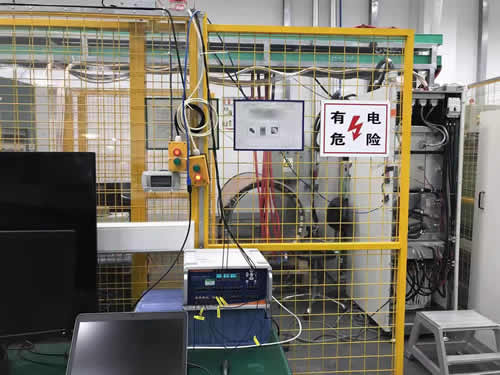
Practical Application Cases of Fiber Optic Temperature Measurement System in Microwave Electromagnetic Environment
 |
 |
 |


