 Sensor suhu serat optik INNO ,sistem pemantauan suhu.
- Lengkap power transformer condition monitoring system comprises seven modules: pemantauan DGA online, pelepasan sebagian (PD) pemantauan, penginderaan suhu serat optik neon, pemantauan busing, pemantauan OLTC, moisture-in-oil monitoring, Dan pemantauan getaran.
- Continuous online monitoring replaces scheduled outage inspections, significantly reducing the risk of unplanned failures.
- Fluorescent fiber optic sensors embed directly into transformer windings, are fully immune to electromagnetic interference, and deliver hot-spot accuracy no conventional sensor can match in a live high-voltage environment.
- Multi-parameter joint diagnosis eliminates the misdiagnosis risk of relying on a single indicator — health assessment is more reliable and actionable.
- System configuration scales by voltage class: from distribution transformers to EHV critical units, every tier has a proven monitoring configuration.
Lompat ke: What Is Transformer Condition Monitoring? | What Faults Affect Power Transformers? | What Does a Transformer Monitoring System Consist Of? | How Is Transformer Health Assessed? | How Should a Transformer Monitoring System Be Configured? | What Are the Key Implementation Considerations? | Pertanyaan Umum
Apa Pemantauan Kondisi Transformator Daya?

Power transformer condition monitoring is the continuous or periodic measurement of electrical, kimia, panas, and mechanical parameters to assess transformer health, mendeteksi kesalahan yang berkembang, and inform maintenance decisions — without interrupting service.
| Barang | Offline Inspection | Online Condition Monitoring |
|---|---|---|
| Frekuensi | Berkala (annual / per schedule) | Kontinu, waktu nyata |
| Outage required | Ya | TIDAK |
| Data continuity | Discrete snapshots | Continuous trend |
| Early fault warning | Lagging | Early-stage detection |
| Labour cost | Tinggi | Low after installation |
Within an asset management framework, online monitoring shifts maintenance strategy from time-based to condition-based, extending service life and optimising capital expenditure across transformer fleets.
What Faults Affect Power Transformers Most Often?
Why Does Transformer Insulation Degrade?
Thermal ageing, masuknya uap air, and oxidation progressively break down both liquid and solid insulation. Left undetected, insulation failure accounts for the majority of transformer end-of-life events.
What Causes Mechanical Damage to Transformer Windings and the Core?
Through-fault currents generate extreme electromagnetic forces that deform windings. Loose core laminations cause vibration and noise, and in severe cases lead to inter-lamination shorts.
What Does Partial Discharge in a Transformer Indicate?
Debit sebagian (PD) in a transformer is an early electrical signal of insulation defects — voids, kontaminasi, or moisture — that will worsen without intervention.
How Does a Transformer Hot Spot Form?
Localised overheating occurs where cooling is inadequate or where fault currents concentrate. A hot spot above 140 °C accelerates insulation ageing by a factor of two for every 6 °C meningkat (Aturan Montsinger).
Why Are Transformer Bushings and the OLTC High-Frequency Failure Components?
Bushings are exposed to weather and mechanical stress, while the pengubah keran yang sedang dimuat (OLTC) performs thousands of switching operations per year — both accumulate wear faster than the main tank.
| Failed Component | Share of Failures | Primary Monitoring Method |
|---|---|---|
| Gulungan | ~40% | DGA, PD, fluorescent fiber optic temperature |
| Busing | ~20% | Kapasitansi / tan delta monitoring |
| OLTC | ~15% | Akustik, DRM monitoring |
| Inti | ~10% | DGA, pemantauan getaran |
| Lainnya | ~15% | Pemantauan komprehensif |
What Does a Power Transformer Condition Monitoring System Consist Of?

What Fault Gases Does Transformer DGA Monitoring Deteksi?

Analisis gas terlarut (DGA) monitors gases produced by fault-induced decomposition of oil and paper insulation. A continuous online DGA monitor tracks gas concentrations in real time, enabling trend alarms long before a fault becomes critical.
| Fault Gas | Associated Fault Type | Severity |
|---|---|---|
| Hidrogen (H₂) | Debit sebagian / low-temperature overheating | Peringatan dini |
| Asetilen (C₂H₂) | High-energy arc discharge | Serious |
| Etilen (C₂H₄) | Severe overheating (>300 °C) | Serious |
| Karbon monoksida (BERSAMA) | Solid insulation thermal decomposition | Sedang |
| Karbon Dioksida (CO₂) | Paper insulation ageing | Tren jangka panjang |
Diagnosis follows recognised standards: IEC 60599, IEEE C57.104, dan itu Segitiga Duval metode. Devices range from a single-gas DGA sensor (hydrogen-only) to a full multi-gas DGA monitor tracking eight or more gases simultaneously.
Apa Transformer Partial Discharge Monitoring Methods Are Available?

| Metode | Kepekaan | Imunitas EMI | Location Capability | Aplikasi Terbaik |
|---|---|---|---|---|
| ultrasonik / Deteksi PD Akustik | Sedang | Tinggi | Bagus (triangulation) | Transformator terendam minyak |
| Frekuensi Ultra Tinggi (UHF) Pemantauan PD | Tinggi | Sedang | Bagus | GIS, transformator tipe kering |
| Transformator Arus Frekuensi Tinggi (HFCT) | Tinggi | Rendah | Terbatas | Earth lead / bushing tap |
PD severity is classified by magnitude trend, tingkat pengulangan, and discharge pattern. A rapidly rising trend — even from a low base — warrants immediate investigation regardless of absolute level.
Mengapa? Sensor Serat Optik Fluoresen the Best Choice for Pemantauan Hot Spot Berliku Transformator?

Sensor suhu serat optik neon operate on the fluorescence decay principle: a rare-earth phosphor at the probe tip emits light whose decay time is an exact function of temperature. Because the signal is optical, bukan listrik, the sensor is inherently immune to electromagnetic fields and safe at any voltage level — making it the only technology suitable for direct in-winding hot spot measurement in live power transformers.
Fluorescent Fiber Optic Temperature Sensor — Product Specifications

| Parameter | Spesifikasi |
|---|---|
| Jenis pengukuran | Pengukuran suhu titik |
| Ketepatan | ±1 °C |
| Kisaran suhu | −40 °C hingga +260 °C |
| Fiber optic length | 0 – 80 M |
| Waktu respons | < 1 Kedua |
| Diameter pemeriksaan | 2 – 3 mm (customisable) |
| Dielectric withstand | ≥ 100 persegi panjang |
| Kehidupan pelayanan | > 25 bertahun-tahun |
| Channels per transmitter | 1 – 64 |
| Antarmuka komunikasi | RS485 |
| Customisation | Panjang, probe type, range — available on request |
Pemantauan Suhu Gulungan Transformator — Method Comparison

| Barang | Serat Optik Fluoresen | Infrared Thermometer | Sensor Nirkabel | PT100RTD |
|---|---|---|---|---|
| Jenis pengukuran | Titik, direct in-winding | Non-kontak, permukaan saja | Near-surface, nirkabel | Kontak, oil duct / minyak atas |
| kekebalan EMI | ✅ Kekebalan penuh | ⚠️ Susceptible | ⚠️ Susceptible | ❌ Requires shielding |
| Hot spot access | ✅ True winding hot spot | ❌ Tank surface only | ⚠️ Terbatas | ⚠️ Oil temperature, not winding |
| Ketepatan | ±1 °C | ±2 – 3 °C | ±1 – 2 °C | ±0,5 °C |
| High-voltage compatibility | ✅ ≥100 kV rated | ❌ Not applicable | ❌ Not applicable | ⚠️ Requires insulation design |
| Waktu respons | < 1 S | Cepat | Sedang | Lambat (kelambatan termal) |
| Pemeliharaan | Tidak ada yang diperlukan | Kalibrasi berkala | Penggantian baterai | Kalibrasi berkala |
| Kehidupan pelayanan | > 25 bertahun-tahun | 3 – 5 bertahun-tahun | 3 – 5 bertahun-tahun | 5 – 10 bertahun-tahun |
| Recommended use | ✅ Primary hot spot monitoring | Patrol inspection aid | Pemantauan sementara | Suhu minyak atas |
Top-Oil Temperature Monitoring as a Supporting Parameter
A top-oil temperature sensor (typically a PT100 or PT1000 RTD) provides a system-level thermal reference and feeds IEEE C57.91 thermal models for remaining life estimation. It complements but does not replace direct winding hot-spot measurement.
What Parameters Does Transformer Bushing Condition Monitoring Measure?
| Monitored Parameter | Diagnostic Significance | Applicable Bushing Types |
|---|---|---|
| Kapasitansi (C1) | Detects moisture ingress and insulation layer breakdown | OIP, MEROBEK, RBP |
| Jadi Delta (Dissipation Factor) | Quantifies dielectric losses; rising trend = degradation | OIP, MEROBEK, RBP |
How Does Transformer OLTC Monitoring Identify Tap Changer Faults?

| Metode Pemantauan | Fault Detected |
|---|---|
| Pemantauan Akustik | Abnormal switching noise, mechanical looseness |
| Dynamic Resistance Measurement (DRM) | Kenakan kontak, contact bounce, high resistance |
| Motor Drive Power Analysis | Drive motor anomalies, mechanical sticking, sluggish operation |
Why Is Transformer Moisture-in-Oil Monitoring Essential?
A water activity sensor atau oil moisture monitor measures relative saturation of water in transformer oil. Elevated moisture accelerates insulation ageing, lowers dielectric strength, and amplifies DGA readings — making moisture data a critical companion to DGA analysis.
What Can Transformer Vibration Monitoring Reveal?
Sensor getaran Dan structure-borne acoustic sensors mounted on the tank detect core lamination looseness and winding mechanical deformation — faults invisible to DGA and PD systems. Baseline signature comparison flags abnormal vibration patterns after through-fault events.
How Is Transformer Health Comprehensively Assessed?
Single-parameter interpretation is unreliable: elevated acetylene with normal hydrogen has a different diagnosis than the same acetylene level accompanied by rising hydrogen and CO. A multi-parameter approach using Segitiga Duval, IEC 60599, Dan IEEE C57.104 cross-validates findings for accurate fault classification.
| Health Index Range | Kondisi | Tindakan yang Direkomendasikan |
|---|---|---|
| 85 – 100 | Bagus | Normal monitoring interval |
| 70 – 84 | Adil | Tingkatkan frekuensi pemantauan |
| 50 – 69 | Miskin | Schedule planned maintenance |
| < 50 | Kritis | Immediate action required |
How Does Condition-Based Transformer Maintenance Differ from Time-Based Maintenance?
| Barang | Pemeliharaan Berbasis Kondisi | Time-Based Maintenance |
|---|---|---|
| Trigger | Monitoring data | Fixed calendar schedule |
| Targeting | Specific fault addressed | Generic overhaul |
| Resource efficiency | Tinggi | Rendah |
| Missed fault risk | Rendah | Higher between intervals |
How Should a Transformer Monitoring System Be Configured by Voltage Class?
| Monitoring Module | Distribusi <66 persegi panjang | Sub-transmission 66–220 kV | EHV / Kritis 220 kV+ |
|---|---|---|---|
| Pemantauan DGA online | Opsional | ✅ | ✅ |
| Pemantauan pelepasan sebagian | Opsional | ✅ | ✅ |
| Suhu serat optik neon | Opsional | ✅ | ✅ |
| Suhu minyak atas | ✅ | ✅ | ✅ |
| Pemantauan busing | — | ✅ | ✅ |
| pemantauan OLTC | — | ✅ | ✅ |
| Moisture-in-oil | Opsional | ✅ | ✅ |
| Pemantauan getaran | — | Opsional | ✅ |
How Should Distribution Transformer (<66 persegi panjang) Monitoring Be Configured?
A top-oil temperature sensor is the baseline. Where budget allows, a single-gas hydrogen DGA sensor adds meaningful early-fault coverage at low cost.
What Is the Standard Monitoring Configuration for Sub-Transmission Transformers (66–220 kV)?
Full DGA, pemantauan PD, fluorescent fiber optic hot-spot sensing, bos, and OLTC monitoring form the standard package. Moisture-in-oil monitoring is strongly recommended given the critical role of insulation dryness at this voltage level.
What Full Monitoring Suite Is Required for EHV Critical Transformers (220 kV+)?
All seven monitoring modules should be deployed. Redundancy in DGA sensing and multiple fluorescent fiber optic probe channels (typically 8–16 per unit) are standard practice for assets at this criticality level.
What Are the Key Considerations When Implementing a Transformer Monitoring System?

| Protokol Komunikasi | Aplikasi Khas |
|---|---|
| IEC 61850 | Smart substation standard integration |
| Modbus RTU / TCP | General industrial SCADA / DCS |
| DNP3 | Utility SCADA and EMS environments |
| RS485 | Sensor-level, fluorescent fiber optic transmitters |
- Select sensors rated for the actual operating voltage; never compromise on dielectric withstand.
- All monitoring equipment requires proper earthing and EMI shielding, particularly signal cables routed near HV busbars.
- Use a dedicated Perangkat Elektronik Cerdas (IED) as the local data acquisition and protocol conversion hub.
- Common implementation mistakes: installing PD sensors after transformer energisation (baseline lost), under-specifying the number of fiber optic channels per winding, and neglecting communication protocol compatibility with existing SCADA infrastructure.
Power Transformer Condition Monitoring — Frequently Asked Questions
What is the most important parameter to monitor in a power transformer?
Analisis gas terlarut (DGA) is widely regarded as the single most critical monitoring parameter. It detects fault gases dissolved in transformer oil and provides early warning of thermal and electrical faults before they escalate.
How does online transformer DGA monitoring differ from laboratory oil sampling?
Laboratory oil sampling is periodic and requires manual collection, introducing time delays. Online DGA monitors measure gas concentrations continuously in real time, enabling immediate trend alerts and faster fault response.
Why are fluorescent fiber optic sensors preferred for transformer winding hot spot measurement?
Sensor serat optik neon are fully immune to electromagnetic interference, can be embedded directly inside the winding at the true hot spot location, withstand voltages above 100 persegi panjang, and deliver ±1 °C accuracy with a service life exceeding 25 years — performance no conventional sensor can match in a live transformer environment.
At what PD level should maintenance action be triggered on a power transformer?
There is no single universal threshold. A rapidly increasing PD trend — even from a moderate absolute value — is a stronger indicator for intervention than a stable elevated reading. Rate of change and discharge pattern classification matter as much as magnitude.
How often should transformer bushing tan delta values be trended?
For online monitoring, bushing tan delta is trended continuously. For periodic offline testing, annual measurement is the industry norm for EHV bushings; more frequent review is warranted if previous readings show an upward trend.
Which gases in transformer oil indicate a serious fault?
Asetilen (C₂H₂) is the clearest indicator of high-energy arc discharge and is always treated as serious. Tinggi etilen (C₂H₄) indicates severe overheating above 300 °C. A simultaneous rise in multiple gases signals a complex, high-severity fault.
Can transformer condition monitoring extend service life?
Ya. By identifying insulation degradation, titik panas, and mechanical faults at an early stage, condition monitoring enables targeted maintenance that slows deterioration and prevents catastrophic failures — directly extending operational service life.
What communication protocols are used in transformer monitoring systems?
The three most common protocols are IEC 61850 for smart substation integration, Modbus RTU/TCP for general industrial systems, Dan DNP3 for power SCADA environments. RS485 serial interface is standard at the sensor level for fluorescent fiber optic transmitters.
How many fluorescent fiber optic probes are needed for transformer winding hot spot monitoring?
Khas 4 ke 8 probes per transformer cover the statistically critical hot spot locations in HV and LV windings. A single fluorescent fiber optic transmitter supports 1 ke 64 saluran, so comprehensive multi-winding coverage requires only one unit.
What is a transformer health index and how is it calculated?
A indeks kesehatan transformator (HI) is a weighted composite score (typically 0–100) derived from DGA results, oil quality tests, resistensi isolasi, visual inspection findings, and service age. It converts multi-parameter monitoring data into a single prioritisation metric for fleet-wide maintenance planning.
Kontak & Konsultasi
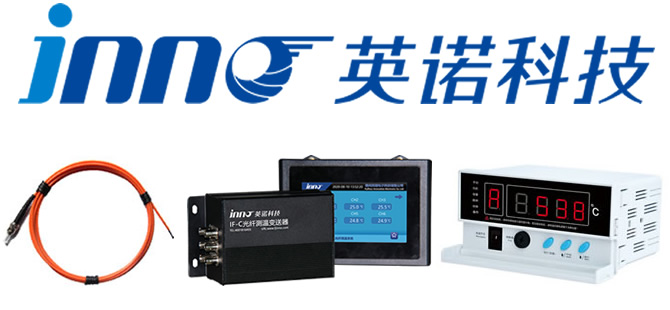
Need guidance on selecting the right sistem pemantauan kondisi transformator atau sensor suhu serat optik neon for your application? Our engineers are available to discuss your requirements, provide technical specifications, and support your project from sensor selection through to system commissioning.
Ilmu Elektronik Inovasi Fuzhou&Perusahaan Teknologi., Ltd. — Manufacturer of fluorescent fiber optic temperature measurement systems and transformer monitoring solutions since 2011.
- Situs web: www.fjinno.net
- E-mail: web@fjinno.net
- Ada apa / Wechat wechat (Cina) / Telepon: +86 135 9907 0393
- QQ: 3408968340
- Alamat: Taman Industri Jaringan Gandum Liandong U, Jalan Xingye Barat No.12, Fuzhou, Fujian, Cina
→ Request a Free Technical Consultation
Penafian: The technical information in this article is provided for general reference only. Actual system configurations, spesifikasi sensor, and diagnostic thresholds must be determined by qualified engineers based on site-specific conditions, applicable standards, and equipment manufacturer guidelines. Ilmu Elektronik Inovasi Fuzhou&Perusahaan Teknologi., Ltd. accepts no liability for decisions made solely on the basis of this content.

Sensor suhu serat optik, Sistem pemantauan cerdas, Produsen serat optik terdistribusi di Cina
 |
 |
 |