 Sensor suhu serat optik INNO ,sistem pemantauan suhu.
- Sensor kisi Fiber Bragg mencakup lima tipe utama – suhu, tekanan, tekanan, pemindahan, dan sensor akselerasi, dengan harga yang bervariasi secara signifikan berdasarkan parameter pengukuran dan konfigurasi pengemasan
- Sistem penginderaan FBG harus bekerja sama dengan interogator serat optik, dengan biaya interogator biasanya mewakili 50-70% dari total investasi sistem
- Sensor suhu FBG banyak digunakan dalam pemantauan peralatan tenaga listrik termasuk transformator, switchgear, dan stator generator dan rotor, menawarkan keuntungan berbeda di sampingnya sensor suhu serat optik neon
- Pembelian sensor standar dalam jumlah besar dapat dicapai 30-50% diskon harga, sedangkan pengembangan khusus memerlukan pertimbangan jumlah pesanan minimum dan jadwal pengembangan
- Memilih jenis sensor dan konfigurasi interogator yang sesuai untuk berbagai skenario aplikasi secara efektif mengoptimalkan rasio biaya-kinerja sistem dan laba atas investasi jangka panjang
- What Are the Main Types of Fiber Bragg Grating Sensors and Their Price Differences?
- How Does FBG Interrogator System Cost Affect Overall Monitoring Budget?
- What Makes FBG Temperature Sensors Ideal for Electrical Power Equipment Monitoring?
- How Do FBG Temperature Sensors Compare with Fluorescent Fiber Optic Sensors in Power Applications?
- What Factors Influence FBG Sensor System Pricing for Different Monitoring Applications?
- How Do Purchase Quantity and Customization Requirements Affect FBG Sensor Pricing?
- What Are the Total System Costs Including Sensors, Interrogators, and Installation?
- Frequently Asked Questions About Fiber Bragg Grating Sensor Pricing
- Where to Purchase Cost-Effective FBG Sensors with Fast Global Delivery and Professional Support?
What Are the Main Types of Sensor Kisi Fiber Bragg and Their Price Differences?
FBG temperature sensors characteristics and price ranges
Fiber Bragg grating temperature sensors represent the most commonly deployed FBG sensor type in industrial monitoring applications. The pricing structure varies considerably between bare fiber FBG sensors and packaged configurations. Bare fiber temperature sensors offer the most economical option for applications where direct fiber installation is feasible. Packaged temperature sensors with protective housings command higher prices but provide enhanced durability and easier installation in harsh industrial environments.
Temperature measurement range significantly impacts sensor pricing. Standard range sensors operating from -40°C to 300°C serve most industrial applications at moderate price points. High-temperature variants designed for 400°C to 800°C operation require specialized fiber coatings and protective packaging, resulting in substantially higher costs. For electrical power equipment monitoring, point-type temperature sensors and distributed temperature sensing arrays each offer distinct advantages. Single-point sensors provide the most economical solution for monitoring specific hotspots, while multi-point arrays enable comprehensive temperature profiling along transformer windings or cable routes. The per-sensor unit cost decreases significantly when deploying arrays of 8, 16, atau 32 sensors on a single fiber.
| Jenis Sensor | Rentang Pengukuran | Aplikasi Khas | Price Characteristics |
|---|---|---|---|
| FBG Temperature Sensor | -40°C to 800°C | Transformator, switchgear, pemantauan pembangkit | Base reference price, varies with temperature range |
| FBG Strain Sensor | ±3000 microstrain | Bridge monitoring, structural health assessment | 20-40% higher than temperature sensors |
| Sensor Tekanan FBG | 0-100 MPa | Tekanan pipa, sistem hidrolik | 50-80% lebih tinggi karena kemasannya yang rumit |
| Sensor Perpindahan FBG | 0.1mm hingga 100 mm | Pemantauan pemukiman, deteksi retakan | 30-60% premium untuk mekanik presisi |
| Sensor Akselerasi FBG | 0.1Hz hingga 1kHz | Pemantauan getaran, deteksi seismik | Tingkat harga tertinggi, 2-3x sensor suhu |
Gradien harga antar strain, tekanan, pemindahan, dan sensor akselerasi FBG
Sensor regangan FBG dirancang untuk pemantauan kesehatan struktural menggabungkan kemasan khusus untuk memastikan transfer regangan yang akurat dari struktur yang dipantau ke kisi serat Bragg. Sensor regangan yang dipasang di permukaan, sensor yang dapat ditanamkan, dan sensor regangan tipe baut masing-masing menggunakan pendekatan pengemasan berbeda yang memengaruhi harga. Sensor ini biasanya memberi perintah 20-40% harga lebih mahal dibandingkan sensor suhu dasar karena desain mekanis dan persyaratan kalibrasi yang lebih canggih.
Sensor tekanan kisi Fiber Bragg transform pressure into strain through precision-machined diaphragms or bourdon tubes. Pressure range from 0-10 MPa to 0-100 MPa influences both sensor design complexity and cost. These sensors represent a higher price tier, sering 50-80% more expensive than temperature sensors, reflecting the engineering challenges of accurate pressure-to-strain conversion and hermetic sealing requirements.
FBG displacement sensors Dan acceleration sensors occupy specialized niches in monitoring applications. Displacement sensors employ cantilever beams or spring mechanisms to convert linear motion into measurable strain, with millimeter-level to centimeter-level ranges. Acceleration sensors for vibration monitoring utilize proof mass designs that translate acceleration into fiber strain. These sensors command premium pricing, with acceleration sensors often costing 2-3 times basic temperature sensors due to sophisticated mechanical assemblies and dynamic calibration needs. When planning monitoring systems, understanding these price relationships helps optimize sensor selection based on actual measurement requirements and budget constraints.
Bagaimana caranya FBG Interrogator System Cost Affect Overall Monitoring Budget?
Why FBG sensors require interrogator systems for operation
Itu fiber Bragg grating sensing principle relies on wavelength shift detection to measure physical parameters. When temperature, tekanan, or pressure changes, the Bragg wavelength of the grating shifts proportionally. This wavelength information must be accurately measured and converted into engineering units, a function performed exclusively by interogator serat optik. Unlike traditional sensors that output simple voltage or current signals, FBG sensors are passive optical devices requiring sophisticated interrogation equipment.
The relationship between sensor quantity and interrogator channel count directly impacts system architecture and costs. Each interrogator channel can typically monitor 4 ke 16 individual FBG sensors multiplexed on a single fiber, depending on wavelength spacing and interrogator specifications. For monitoring systems with 10-20 sensor, a single 4-channel or 8-channel interrogator suffices. Larger deployments with 50-200 sensors require either multiple interrogators or high-channel-count units. Secara kritis, interrogator costs represent 50-70% of total FBG monitoring system investment, making interrogator selection a primary budget consideration.
| Interrogator Configuration | Jumlah Saluran | Sensors Per Channel | Total Sensor Capacity | Relative Price Range |
|---|---|---|---|---|
| Single-channel portable | 1 | 8-16 | 8-16 sensor | Base reference |
| 4-channel benchtop | 4 | 8-16 | 32-64 sensor | 2.5-3x single channel |
| 8-channel rack-mount | 8 | 8-16 | 64-128 sensor | 4-5x single channel |
| 16-channel system | 16 | 8-16 | 128-256 sensor | 7-9x single channel |
Price variations across different interrogator configurations
Interrogator pricing scales with channel count, though not in simple linear fashion. A 4-channel interrogator typically costs 2.5-3 times a single-channel unit, while an 8-channel system reaches 4-5 times the base price. This non-linear scaling creates opportunities for cost optimization. For projects requiring 20-30 sensor, deploying one 8-channel interrogator often proves more economical than purchasing multiple 4-channel units, while also simplifying system integration and maintenance.
Portable interrogators melawan rack-mount multi-channel systems serve different application scenarios and price points. Portable units offer mobility and ease of deployment for temporary monitoring campaigns, field testing, or periodic inspections. These systems sacrifice channel count and some advanced features for portability and lower cost. Rack-mount systems designed for permanent installations provide higher channel density, faster scanning rates, and better long-term stability. Large-scale monitoring projects for bridges, bendungan, or power plants typically justify the higher investment in rack-mount interrogators through superior performance and scalability.
Apa yang Membuatnya FBG Temperature Sensors Ideal for Electrical Power Equipment Monitoring?
Transformer winding and core temperature monitoring with FBG sensor solutions
Power transformer temperature monitoring represents one of the most successful commercial applications of fiber Bragg grating technology. Transformer hotspot temperatures directly correlate with insulation degradation rates and remaining service life. Detektor suhu resistansi tradisional (RTD) dan termokopel menghadapi tantangan pemasangan dalam belitan transformator dan potensi interferensi elektromagnetik dari komponen tegangan tinggi. Sensor FBG menghilangkan keterbatasan ini melalui konstruksi serba dielektrik dan kekebalan terhadap medan elektromagnetik.
Persyaratan penempatan dan kuantitas sensor bervariasi menurut ukuran transformator dan kelas tegangan. Trafo distribusi tegangan menengah biasanya dipasang 4-8 sensor suhu memantau oli atas, minyak bagian bawah, dan hotspot yang berkelok-kelok. Transformator daya besar di gardu induk mungkin diperlukan 16-32 sensor untuk pemetaan termal komprehensif dari beberapa bagian belitan dan suhu inti. Trafo terendam oli dan trafo tipe kering mempunyai pertimbangan pemasangan yang berbeda. Unit terendam oli memungkinkan sensor diposisikan langsung di dalam saluran oli dan di antara lapisan belitan. Transformator tipe kering memerlukan sensor yang dipasang di permukaan atau tertanam dengan enkapsulasi yang sesuai untuk lingkungan berpendingin udara.
Susunan penginderaan suhu multi-titik yang dipasang di sepanjang belitan transformator memberikan profil termal terperinci yang tidak mungkin dicapai dengan sensor titik konvensional. Sebuah serat optik tunggal yang membawa 8 atau 16 Sensor FBG dapat memantau distribusi suhu di seluruh ketinggian belitan, mendeteksi hotspot lokal yang mungkin luput dari perhatian. Perencanaan anggaran sistem untuk proyek pemantauan trafo harus memperhitungkan biaya sensor dan interogator. Sistem pemantauan trafo 110kV yang khas dengan 16 sensor suhu memerlukan interogator 8 saluran, dengan investasi interogator mewakili sebagian besar biaya sistem. ROI diperoleh dari pencegahan kegagalan bencana dan mengoptimalkan pembebanan transformator berdasarkan kondisi termal nyata dan bukan berdasarkan asumsi konservatif..
Kontak switchgear dan aplikasi pemantauan suhu rotor stator generator
Pemantauan switchgear tegangan tinggi berfokus pada sambungan busbar dan kontak pemutus arus di mana sambungan listrik yang buruk menghasilkan panas yang berlebihan. Kenaikan suhu 10-20°C di atas suhu sekitar menunjukkan berkembangnya masalah yang memerlukan intervensi pemeliharaan. Sensor suhu FBG dipasang langsung pada sambungan busbar dan terminasi kabel, menyediakan pemantauan terus menerus tanpa masalah keamanan terkait isolasi listrik. Aplikasi switchgear biasanya memerlukan lebih sedikit sensor per instalasi (4-12 sensor) namun mungkin melibatkan ratusan panel switchgear di seluruh gardu induk, menciptakan peluang untuk pengadaan massal yang terstandarisasi.
Pemantauan suhu belitan stator generator enhances both protection and efficiency of rotating electrical machines. Stator winding sensors install between coils or within winding slots, measuring temperatures during operation. The all-dielectric nature of fiber optic sensors eliminates grounding and insulation concerns inherent to metallic temperature sensors in high-voltage windings. Generator stator monitoring systems commonly deploy 12-24 sensors distributed across different winding phases and locations to detect unbalanced loading, masalah sistem pendingin, atau degradasi isolasi.
Generator rotor temperature monitoring presents unique challenges due to the rotating shaft. Fiber optic slip rings or wireless interrogation systems enable continuous rotor temperature measurement during operation. While technically more complex and costly than stator monitoring, rotor temperature data provides critical insights into cooling effectiveness and electromagnetic balance. Complete generator monitoring solutions combining stator and rotor temperature sensing with vibration monitoring create comprehensive condition assessment systems. Investment scales with generator size and criticality, with large power plant generators justifying sophisticated multi-parameter FBG monitoring systems through improved reliability and optimized maintenance scheduling.

Bagaimana caranya FBG Temperature Sensors Compare with Sensor Serat Optik Fluoresen in Power Applications?
Technical characteristics of FBG and fluorescent fiber temperature sensing
Fiber Bragg grating temperature sensors operate on the principle of wavelength-encoded measurement. Temperature changes cause the Bragg grating period to expand or contract, menggeser panjang gelombang yang dipantulkan. This wavelength shift is measured by the interrogator and converted to temperature. Pengukuran berbasis panjang gelombang memberikan referensi diri yang melekat, karena informasi dikodekan dalam panjang gelombang itu sendiri, bukan dalam amplitudo sinyal. Karakteristik ini memberikan stabilitas jangka panjang yang sangat baik dan kekebalan terhadap fluktuasi daya optik akibat pembengkokan serat, kerugian konektor, atau variasi sumber cahaya.
Keuntungan utama dari Teknologi penginderaan FBG terletak pada kemampuan pengukuran multi-parameternya. Sebuah sensor FBG tunggal merespons suhu dan ketegangan, memungkinkan pengukuran simultan parameter ini melalui desain sensor yang sesuai atau konfigurasi sensor ganda. Lebih-lebih lagi, beberapa sensor FBG pada panjang gelombang berbeda dapat dimultipleks pada satu serat, membuat array penginderaan terdistribusi. Kemampuan multiplexing ini membuat sistem FBG sangat menarik untuk aplikasi yang memerlukan banyak titik pengukuran, such as transformer winding temperature profiling or generator stator monitoring across multiple zones.
Sensor suhu serat optik neon utilize the temperature-dependent fluorescence lifetime of rare-earth-doped materials. When excited by LED or laser light, the fluorescent material emits light with a decay time that varies with temperature. Dengan mengukur waktu peluruhan ini, the sensor determines temperature independent of light intensity fluctuations. This time-based measurement principle provides good noise immunity and stable operation.
The primary strength of fluorescent fiber sensing lies in its point measurement simplicity. Each fluorescent sensor operates independently without concerns about wavelength allocation or spectral overlap. System architecture remains straightforward, with dedicated electronics for each sensing point. The point-measurement approach suits applications requiring monitoring of specific locations rather than distributed temperature profiles. Installation and commissioning procedures are generally simpler than FBG systems, particularly for smaller deployments with 4-8 titik pengukuran. Fluorescent sensors also demonstrate robust performance in environments with high electromagnetic interference, making them suitable for power equipment applications.
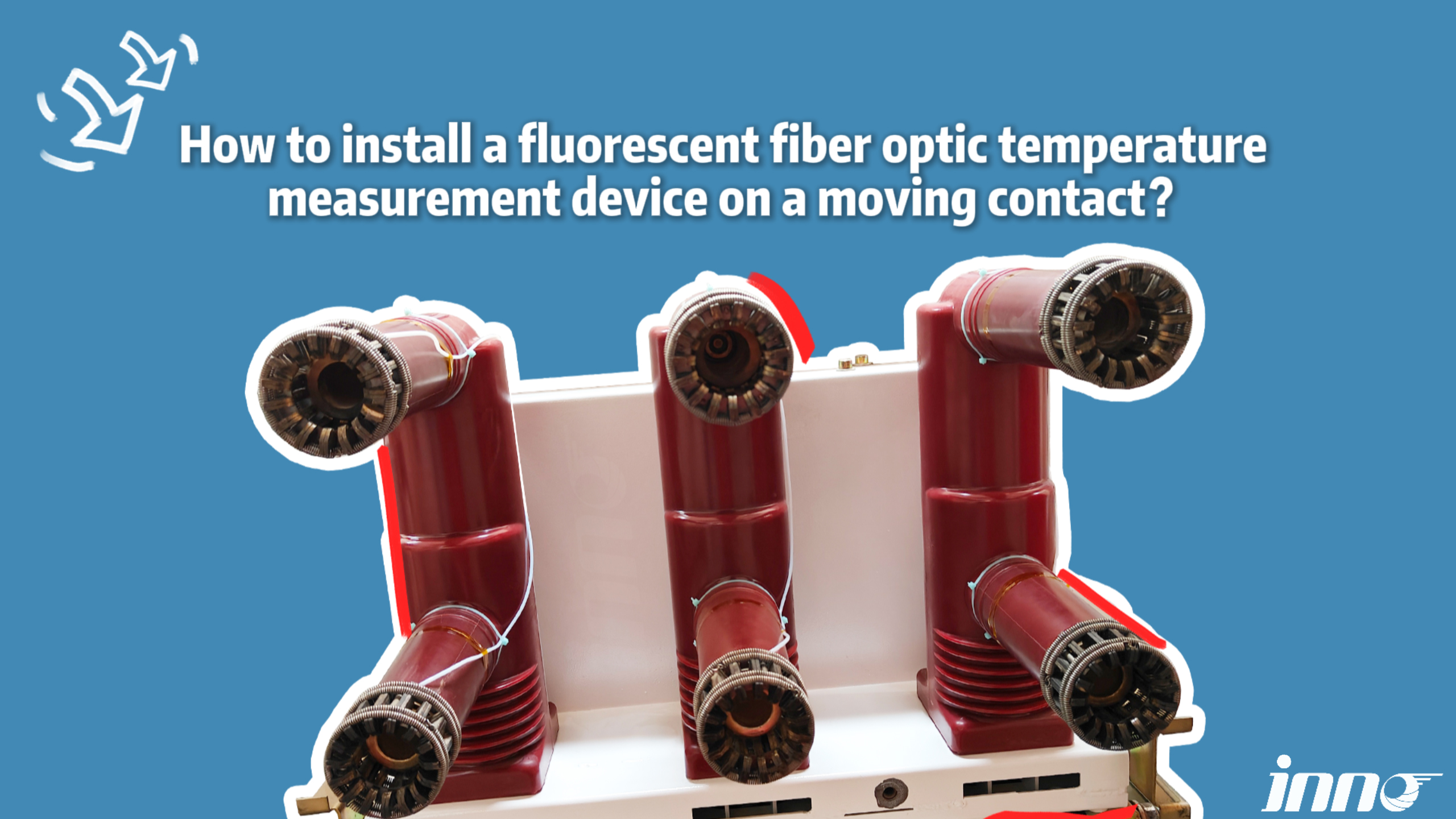
Price considerations and application recommendations for power equipment monitoring
Untuk pemantauan suhu transformator aplikasi, technology selection balances measurement requirements against system costs. FBG multi-point sensing arrays excel when comprehensive winding temperature profiling is needed. A 16-point FBG array on a single fiber, interrogated by one channel of an 8-channel interrogator, provides detailed thermal mapping at a reasonable per-point cost. The system scales efficiently to monitor multiple transformers, with each transformer connected to a dedicated interrogator channel. This approach proves most cost-effective for monitoring 3 or more transformers with 12-16 poin masing-masing.
Fluorescent fiber point sensors offer advantages for simpler transformer monitoring requirements. If the goal is tracking 4-6 critical hotspot temperatures per transformer, individual fluorescent sensors with dedicated electronics may provide a more economical solution. System costs remain relatively constant regardless of transformer count, as each sensing point requires its own electronics. This characteristic makes fluorescent systems competitive for single-transformer installations or applications monitoring only the most critical temperature points.
Pemantauan switchgear dan generator aplikasi sering kali lebih menyukai teknologi tertentu berdasarkan batasan instalasi dan cakupan pemantauan. Pemantauan busbar switchgear biasanya melibatkan banyak kabinet switchgear, masing-masing membutuhkan 2-4 titik suhu. Sistem FBG bersinar dalam skenario ini, dengan sensor pemantauan interogator tunggal 10-20 panel switchgear melalui jaringan serat multipleks. Aplikasi generator menunjukkan lebih banyak variasi. Pemantauan belitan stator dengan 12-24 poin manfaat dari multiplexing FBG, sementara pemantauan suhu bantalan sederhana dengan 4-6 titik mungkin cocok dengan sensor fluoresen.
Pertimbangan operasional jangka panjang juga mempengaruhi pemilihan teknologi. Sistem FBG memerlukan kalibrasi interogator berkala tetapi elemen sensor tetap stabil tanpa batas waktu. Sistem fluoresen memerlukan kalibrasi ulang elektronik dan sensor sesekali. Maintenance access and spare parts availability factor into total cost of ownership calculations. Project-specific factors including number of monitoring points, spatial distribution, infrastruktur yang ada, and expansion plans all contribute to optimal technology selection. Both FBG and fluorescent fiber sensing deliver reliable power equipment temperature monitoring when properly applied to appropriate use cases.
What Factors Influence FBG Sensor System Pricing for Different Monitoring Applications?
Structural health monitoring and industrial equipment applications
Bridge and building monitoring projects utilize Sensor regangan FBG Dan sensor perpindahan to track structural behavior under load and environmental conditions. A typical bridge monitoring system deploys 30-60 strain sensors at critical locations including mid-span sections, support bearings, and cable anchorages. System investment scales with structure size and monitoring complexity, with interrogator costs dominating the budget for installations under 100 sensor.
Rotating equipment vibration monitoring Dan pipeline pressure sensing represent growing industrial applications. FBG acceleration sensors mounted on pump housings, turbine bearings, or motor frames detect abnormal vibrations indicating developing mechanical problems. Pipeline pressure sensors track hydraulic transients and steady-state pressures in oil, gas, and water distribution systems. These industrial applications typically involve smaller sensor counts (10-30 sensor) but may require higher scanning rates or specialized packaging, influencing overall system pricing and configuration.
How Do Purchase Quantity and Customization Requirements Affect FBG Sensor Pricing?
Standard versus custom sensor pricing and volume discounts
Standard catalog products including common temperature sensors and strain sensors benefit from manufacturing economies of scale, offering the most attractive pricing for immediate delivery. Custom wavelengths, specialized packaging, or non-standard fiber lengths incur development costs and minimum order requirements, khas 50-100 units for custom configurations.
Volume pricing creates significant cost advantages for larger projects. Small quantity purchases of 10-50 sensors receive minimal discounts, ketika 100-500 unit orders achieve 20-30% reductions. Orders exceeding 1000 sensors can negotiate 30-50% discounts along with preferential delivery terms. Long-term supply agreements and annual purchase commitments unlock additional pricing benefits and inventory management services for ongoing monitoring programs across multiple sites.
What Are the Total System Costs Including Sensors, Interrogators, and Installation?
Small and large-scale monitoring system budget planning
Small monitoring systems with 10-20 sensors require one 4-channel or 8-channel interrogator, sensor, kabel serat optik, konektor, and protective conduits. Software licensing, tenaga kerja instalasi, and operator training add to capital costs. For a 16-point temperature monitoring system, interrogator investment represents 60-70% of total cost, sensors account for 20-25%, and accessories plus installation comprise the remainder.
Larger deployments with 50-200 sensors achieve better per-point economics through interrogator channel utilization and bulk sensor pricing. Multi-interrogator systems or high-channel-count units optimize costs while maintaining system reliability through appropriate redundancy. Full lifecycle cost analysis over 10-25 year operational periods demonstrates FBG system advantages. Zero sensor drift eliminates periodic recalibration expenses, while solid-state interrogators require minimal maintenance compared to traditional data acquisition systems. Penghematan operasional jangka panjang ini sering kali membenarkan investasi awal sistem FBG yang lebih tinggi dibandingkan teknologi penginderaan konvensional.
Pertanyaan yang Sering Diajukan Tentang Harga Sensor Kisi Fiber Bragg
Mengapa sensor FBG memerlukan interogator dan berapa persentase anggaran yang diwakilinya?
Itu fiber Bragg grating sensing principle mengukur parameter fisik melalui pergeseran panjang gelombang yang harus dideteksi dan diukur oleh peralatan interogasi khusus. Berbeda dengan sensor analog yang menghasilkan sinyal listrik sederhana, Sensor FBG merupakan perangkat optik pasif yang memerlukan sistem pengukuran panjang gelombang yang canggih. Biaya interogator biasanya mewakili 50-70% of total FBG monitoring system investment, menjadikan seleksi interogator penting untuk perencanaan anggaran. Persentase yang tinggi ini mencerminkan optoelektronik yang canggih, kemampuan pengukuran panjang gelombang presisi tinggi, dan pemrosesan multi-saluran yang diperlukan untuk aplikasi pemantauan profesional.
How much do prices vary between different FBG sensor types like temperature, tekanan, and pressure sensors?
Measurement parameter and packaging complexity determine FBG sensor pricing gradients. Sensor suhu serve as the baseline price reference, offering the simplest construction with fiber gratings in protective tubes or surface mounts. Strain sensors biaya 20-40% more due to sophisticated strain transfer mechanisms and calibration requirements. Sensor tekanan command 50-80% premiums reflecting precision-machined pressure-to-strain conversion elements and hermetic sealing. Acceleration sensors occupy the highest price tier at 2-3 times temperature sensor costs, incorporating complex proof mass assemblies and dynamic calibration. Understanding these relationships helps optimize sensor selection based on actual measurement needs rather than over-specifying capabilities.
Which technology suits power equipment monitoring better – FBG temperature sensors or fluorescent fiber sensors?
Technology selection depends on specific monitoring requirements and system scope. FBG temperature sensing excels for multi-point distributed monitoring applications. Transformer winding profiling with 12-16 titik suhu, or monitoring multiple transformers from a central interrogator, leverages FBG’s multiplexing advantages. The ability to combine temperature sensing with strain or vibration measurements on the same fiber further enhances FBG value in complex monitoring scenarios. Sensor serat optik neon offer straightforward solutions for point temperature measurements. Simple monitoring of 4-6 critical temperatures per transformer or switchgear panel may prove more economical with fluorescent sensors, particularly for single-unit installations. Kedua teknologi ini memberikan pemantauan peralatan listrik yang andal bila disesuaikan dengan aplikasi yang sesuai.
Tempat Membeli Hemat Biaya Sensor FBG dengan Pengiriman Global yang Cepat dan Dukungan Profesional?
Kami adalah spesialis di bidang manufaktur dan penyediaan sistem penginderaan kisi serat Bragg kepada pelanggan di seluruh dunia, menawarkan solusi komprehensif termasuk suhu, tekanan, tekanan, pemindahan, dan sensor akselerasi yang dipasangkan dengan interogator multisaluran. Harga produsen langsung kami memberikan hasil 30-50% keunggulan biaya dibandingkan merek internasional yang sebanding dengan menghilangkan markup distributor. Kami memelihara inventaris ekstensif sensor dan interogator standar dalam berbagai konfigurasi, memungkinkan 3-5 pengiriman hari kerja untuk stok barang dan 15-20 pengiriman hari untuk spesifikasi khusus. Semua produk membawa FM, UL, CE, dan sertifikasi ISO yang memastikan kualitas dan keandalan untuk aplikasi pemantauan kritis. Our global logistics network supports DHL, FedEx, and UPS express shipping with real-time tracking to any destination. Technical support operates 24/7 melalui email, chat, and video conferencing in multiple languages, with average response times under 2 hours and emergency support within 30 menit. We provide free application engineering assistance for sensor selection, system architecture design, and interrogator configuration optimization. Online training programs cover installation procedures, software operation, dan teknik pemecahan masalah, supplemented by detailed technical documentation. Flexible commercial terms include volume purchase discounts of 30-50%, long-term supply agreements with price protection, and customized payment schedules. Our spare parts program maintains inventory of critical components for rapid replacement, while extended warranty options provide additional protection. Dengan 500+ successful deployments across power utilities, pemantauan infrastruktur, dan fasilitas industri, kami memberikan terbukti solusi kisi fiber Bragg menggabungkan teknologi canggih, harga yang kompetitif, dan layanan responsif untuk mendukung kebutuhan pemantauan Anda.

Sensor suhu serat optik, Sistem pemantauan cerdas, Produsen serat optik terdistribusi di Cina
 |
 |
 |