 Sensor suhu serat optik INNO ,sistem pemantauan suhu.
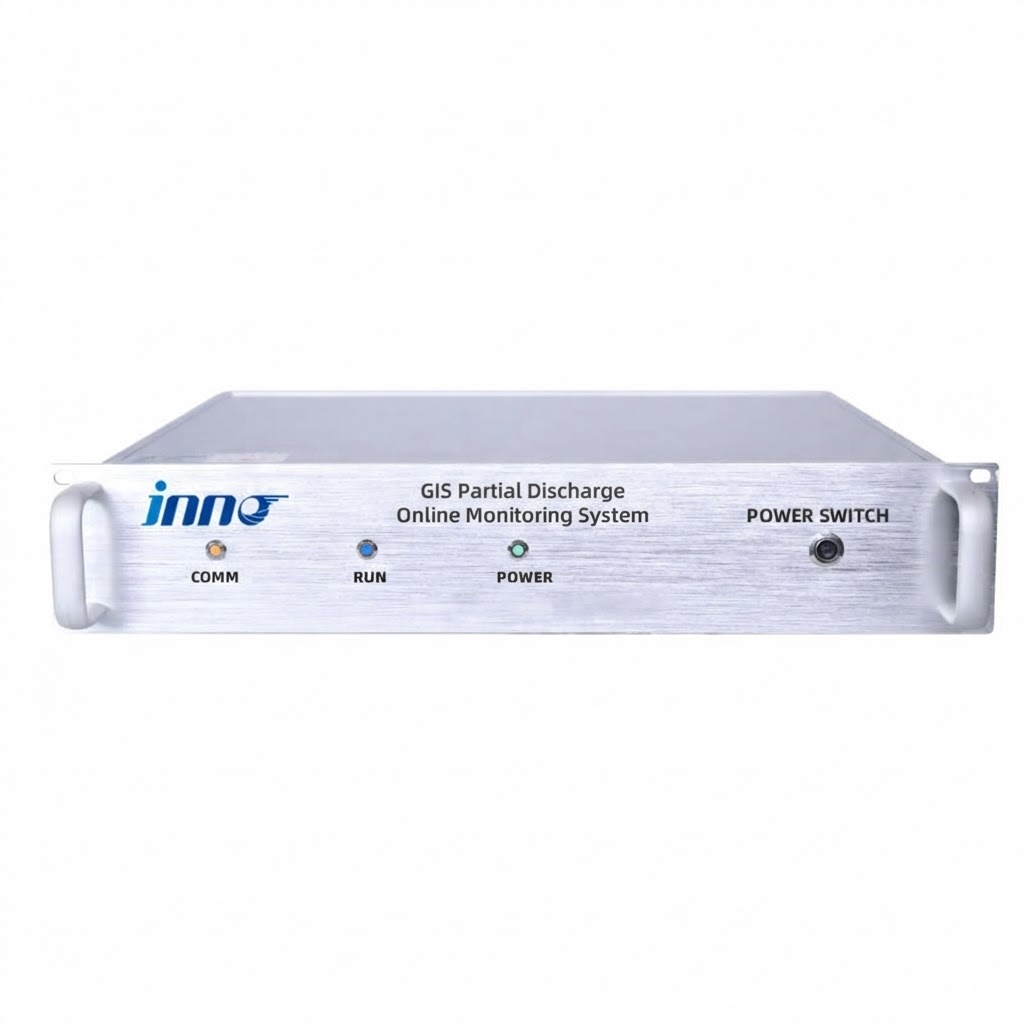
Kita Sistem Pemantauan Online Debit Sebagian GIS is a state-of-the-art cabinet-type UHF (Frekuensi Ultra Tinggi) partial discharge detection solution specifically designed for gas insulated switchgear (GIS) peralatan. This advanced monitoring system requires integration with a dedicated partial discharge acquisition cabinet for optimal performance.
What is GIS Partial Discharge?
Partial discharge in gas insulated switchgear occurs when insulation defects, kontaminasi, or mechanical issues create localized electrical stress. Early detection of PD activity in GIS equipment is critical for preventing catastrophic failures, ensuring power system reliability, and extending equipment lifespan. Our monitoring solution provides continuous surveillance to identify insulation degradation before major faults occur.
Fitur Utama & Keuntungan – Why Choose Our GIS PD Monitoring System?
🔧 Anti-Interference Design
Multiple anti-interference measures ensure stable operation in complex power system environments with strong electromagnetic interference.
⚡ Stable Performance
Convenient installation process and reliable operation for years of maintenance-free service.
📊 High Monitoring Accuracy
Advanced UHF detection technology accurately identifies various types of partial discharge patterns and sources.
🎯 Precise PD Type Identification
Intelligent algorithms enable accurate classification of discharge types for targeted maintenance strategies.
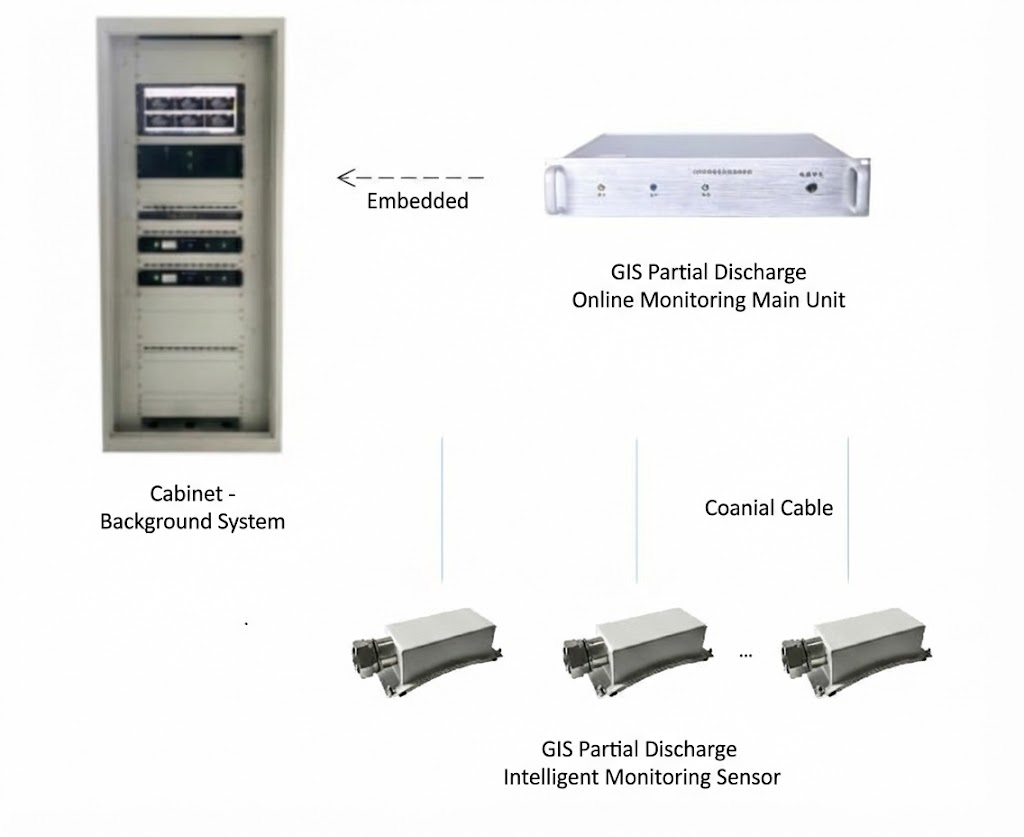
Fungsi Inti – Comprehensive PD Detection & Analysis Capabilities
| Function Category | Keterangan |
|---|---|
| Monitoring Function | Real-time monitoring and configuration of sensor electromagnetic radiation status around GIS equipment. Detects high-frequency signals generated during partial discharge events with millisecond-level response time. |
| Output Function | Transmits collected high-frequency signals to backend partial discharge acquisition cabinet for advanced signal processing, pattern analysis, and data storage. |
| Penerimaan Sinyal | Receives ultra-high frequency signals transmitted by GIS-specific UHF partial discharge sensors with excellent sensitivity and signal-to-noise ratio. |
| Pemrosesan Sinyal | Performs comprehensive signal conditioning including demodulation, isolasi, noise reduction, penguatan sinyal, high-speed acquisition, and multi-cycle periodic measurement for accurate PD characterization. |
| Pengukuran & Perhitungan | Calculates critical PD parameters including maximum discharge magnitude, average discharge magnitude, discharge frequency, and statistical data for trend analysis and severity assessment. |
| Data Output | Features network transmission interface for seamless integration with central partial discharge monitoring platforms. Supports data acquisition, analisa, pengolahan, and uploading to backend systems for enterprise-wide asset management. |
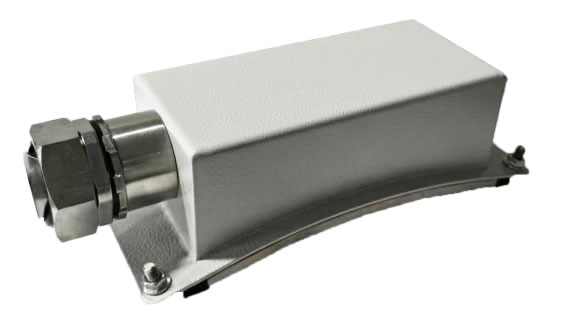
Spesifikasi Teknis – Detailed Parameters & Performance Data
UHF Sensor Specifications
| Parameter Category | Spesifikasi | Nilai |
|---|---|---|
| Sensor Parameters | Monitoring Frequency Band | 300~3000MHz (UHF range for optimal GIS PD detection) |
| Sensor Sensitivity | 5pc (High sensitivity for early PD detection) | |
| Impedance Matching | 50Ω (Standard RF impedance) | |
| Standing Wave Ratio (VSWR) | ≤2 (Excellent signal transmission efficiency) | |
| Antarmuka Keluaran | N-Type connector (Industry standard RF connector) | |
| Directivity | Same resonance characteristics in all directions (Omnidirectional detection) | |
| Coaxial Cable | Standar 10 meter (Customizable length based on site requirements) | |
| Working Environment | Suhu Operasional | -40℃~85℃ (Wide temperature range for harsh environments) |
| Relative Humidity | ≤95%RH (High humidity tolerance) |
Main Cabinet Specifications
| Parameter | Spesifikasi |
|---|---|
| Monitoring Frequency | 300~3000MHz (Ultra-high frequency detection) |
| Antarmuka Komunikasi | RJ45 network port, RS485 interface (Multiple connectivity options) |
| Working Power Supply | AC 90~240V, 50~60HZ (Universal power input) |
| Jumlah Saluran | 4 atau 6 channels selectable (Expandable for large GIS installations) |
| Ukuran | 483mm×89mm×300mm (2U rack-mount) – Excludes end caps and handles |
Catatan: All specifications are subject to continuous improvement. Custom configurations available for specific project requirements including extended cable lengths, additional channels, and integration with existing SCADA systems.
Pedoman Instalasi – Professional Installation for Optimal Performance
Recommended Installation Procedures
- Cabinet Mounting: Use screen cabinet for rack-mount or wall-mount installation. Standard 19-inch rack compatible design ensures easy integration into existing control rooms.
- Monitoring Host Installation: Mount the monitoring host unit on the cabinet panel board using provided screws. Ensure secure fastening and proper grounding for safety and EMI protection.
- Sensor Connection: Connect coaxial cables from GIS-mounted UHF sensors to the monitoring host input ports. Ensure proper cable routing to minimize signal degradation and interference.
- Power Connection: Connect to power supply using appropriate power cables. If power cable length is insufficient, extend using cables meeting minimum conductor cross-sectional area requirements or use quality extension plugs for reliable operation.
Praktik Terbaik Instalasi
- Ensure proper grounding of all equipment to prevent electrical hazards and improve measurement accuracy
- Maintain minimum bending radius for coaxial cables to preserve signal integrity
- Route cables away from high-voltage equipment to minimize electromagnetic interference
- Verify all connections before powering on the system
- Conduct initial calibration and baseline measurements after installation
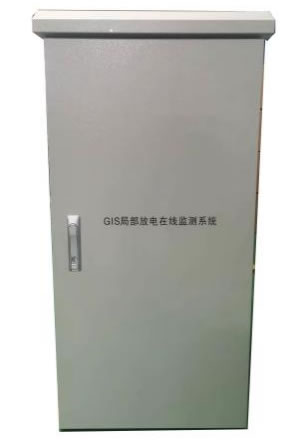
GIS PD Monitoring System Cabinet – Professional Enclosure Solutions
 |
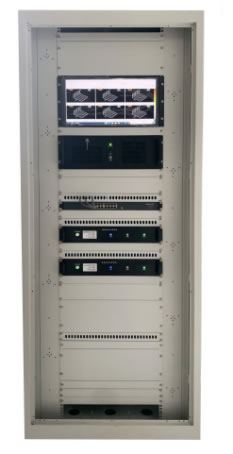 |
Dimensi Kabinet & Spesifikasi
| Dimensi Kabinet Layar: | 1100mm×600mm×500mm (T × L × D) |
| Dimensi Panel Layar: | 2200mm×600mm×800mm (T × L × D) |
| Konfigurasi Instalasi: | Kabinet Pemantauan Online Pelepasan Sebagian GIS (Kiri) dan Kabinet Layar (Benar) – Solusi instalasi terintegrasi |
| Peringkat Perlindungan: | IP54 atau lebih tinggi (Tahan cuaca untuk pemasangan di luar ruangan) |
| Bahan: | Pelat baja canai dingin dengan lapisan anti korosi |
Arsitektur Sistem – Platform Pemantauan Terintegrasi
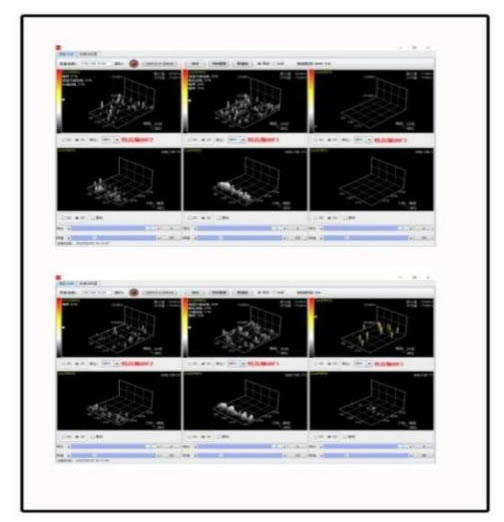
Sistem Pemantauan Backend
Sistem diinstal pada komputer pusat kendali utama, memungkinkan pemantauan kondisi pelepasan sebagian secara real-time di seluruh peralatan GIS yang terhubung selama pengoperasian. Itu platform perangkat lunak backend fitur:
- Antarmuka pengguna yang intuitif dengan tata letak fungsi logis untuk pengoperasian yang mudah
- Real-time graphical trend analysis and historical data review capabilities
- Accurate and reliable data visualization with customizable dashboards
- Multi-site monitoring from centralized control room
- Automated report generation and alarm management
System Capabilities & Fungsi
| Function Module | Detailed Description |
|---|---|
| Pemantauan Waktu Nyata | Monitor and store the operating status and partial discharge high-frequency data of associated equipment. Display PD characteristic high-frequency 3D pattern graphs in real-time with customizable viewing periods and zoom capabilities. |
| Query Function | Query historical data curves with system-level statistics, analisis tren, and comparative analysis functions. Generate custom reports for maintenance planning and regulatory compliance. |
| Parameter Configuration | Configure equipment parameters and threshold settings with modification functions. Set alarm levels for different PD severity classifications to enable proactive maintenance strategies. |
| Monitoring Classification | Monitor and analyze statistical values such as average, peak value, tingkat alarm, and graphical data for comprehensive PD pattern recognition and discharge source localization. |
Aplikasi & Manfaat – Protecting Critical Power Infrastructure
Aplikasi Utama
⚡ Power Substations
Essential for 110kV, 220persegi panjang, and 500kV GIS substations requiring continuous condition monitoring
🏭 Industrial Facilities
Critical equipment protection for manufacturing plants, fasilitas petrokimia, dan pusat data
🌐 Smart Grids
Integration with smart grid infrastructure for predictive maintenance and asset management
🔋 Renewable Energy
Wind farms and solar power stations with GIS equipment requiring reliable monitoring
Key Benefits for Your Operations
- Deteksi Kesalahan Dini: Identify insulation problems before catastrophic failures occur
- Mengurangi Waktu Henti: Prevent unplanned outages through condition-based maintenance
- Umur Peralatan yang Diperpanjang: Proactive maintenance extends GIS lifespan by 20-30%
- Safety Enhancement: Reduce risk of equipment explosions and personnel injury
- Penghematan Biaya: Lower maintenance costs and avoid expensive emergency repairs
- Kepatuhan terhadap Peraturan: Meet utility industry standards for equipment monitoring
- Pemantauan Jarak Jauh: 24/7 unmanned operation with remote access capabilities
Studi Kasus Global – Proven Performance Worldwide
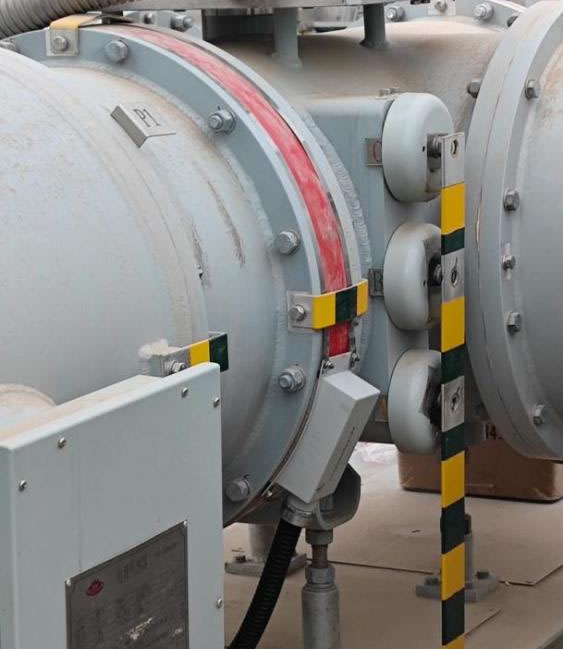
🌏 Case Study 1: Southeast Asian 220kV Smart Substation
Ikhtisar Proyek: Major utility company in Southeast Asia deployed our GIS PD monitoring system across 15 substations covering 220kV transmission network.
Tantangan: Frequent GIS failures due to tropical humidity and contamination causing insulation degradation.
Larutan: Installed 90+ UHF sensors with centralized monitoring platform providing real-time visibility across entire network.
Hasil:
- Detected 12 critical PD issues before failure occurred
- Reduced unplanned outages by 85% in first year
- ROI achieved in 18 months through avoided outage costs
- Enhanced system reliability to 99.97% tersedianya
🌍 Case Study 2: European Wind Farm GIS Monitoring
Ikhtisar Proyek: Offshore wind farm operator in Northern Europe required reliable monitoring for harsh marine environment.
Tantangan: Extreme temperature variations (-30°C hingga +40 °C) and high humidity affecting GIS equipment.
Larutan: Deployed ruggedized monitoring system with IP65-rated sensors and redundant communication links.
Hasil:
- Successfully operating for 5+ years in severe weather conditions
- Early detection of moisture ingress preventing major failure
- Remote monitoring reduced site visits by 60%
- Maintenance costs reduced by $500,000 setiap tahun
🌎 Case Study 3: North American Data Center Critical Infrastructure
Ikhtisar Proyek: Tier IV data center required highest reliability for mission-critical power distribution.
Tantangan: Zero-tolerance for downtime requiring predictive maintenance capabilities.
Larutan: Integrated PD monitoring with building management system for automated alerting and trending.
Hasil:
- Tercapai 99.995% uptime over 3-year period
- Identified developing fault 6 months before critical stage
- Planned maintenance during scheduled outage window
- Avoided potential $5M+ revenue loss from downtime
🌏 Case Study 4: Middle East 500kV Transmission Network
Ikhtisar Proyek: National grid operator modernized aging GIS infrastructure with comprehensive monitoring.
Tantangan: Desert environment with sand storms and temperatures exceeding 50°C affecting equipment.
Larutan: Custom-engineered system with enhanced filtration and temperature compensation algorithms.
Hasil:
- Network reliability improved from 97.2% ke 99.4%
- Detected 23 emerging issues across 50+ titik pemantauan
- Optimized maintenance scheduling reducing crew costs by 40%
- National grid stability significantly enhanced
Pertanyaan yang Sering Diajukan (Pertanyaan Umum) – Expert Answers to Common Queries
Q1: What is the difference between UHF and TEV methods for GIS PD detection?
A: UHF (Frekuensi Ultra Tinggi) detection operates in the 300-3000MHz range and detects electromagnetic waves generated by PD activity inside GIS compartments. It offers superior sensitivity, better noise immunity, and can detect PD at earlier stages compared to TEV (Tegangan Bumi Sementara) metode. UHF sensors can be permanently installed for continuous monitoring, while TEV is typically used for portable testing. Our UHF system provides more accurate PD localization and pattern recognition capabilities essential for condition-based maintenance strategies.
Q2: How many sensors do I need for my GIS installation?
A: Jumlah sensor bergantung pada konfigurasi GIS dan kebutuhan jangkauan Anda. Khas, kami merekomendasikan:
- Satu sensor per kompartemen GIS untuk pemantauan komprehensif
- Minimum 2-3 sensor per ruang untuk peralatan penting
- Sensor tambahan pada titik lemah yang diketahui (koneksi kabel, busing)
Tim teknis kami dapat melakukan survei lokasi untuk menentukan penempatan sensor optimal berdasarkan tata letak GIS spesifik Anda, kekritisan peralatan, dan pertimbangan anggaran.
Q3: Dapatkah sistem membedakan berbagai jenis pelepasan sebagian?
A: Ya, algoritma pemrosesan sinyal canggih dan PRPD 3D kami (Debit Parsial Terselesaikan Fase) analisis pola dapat mengidentifikasi berbagai jenis PD termasuk:
- Pelepasan corona (partikel yang bergerak bebas)
- Debit permukaan (kontaminasi isolator)
- Pelepasan internal (rongga dalam isolasi padat)
- Debit potensial mengambang (bagian logam yang tidak dibumikan)
Sistem menganalisis besaran debit, hubungan fase, dan karakteristik frekuensi untuk mengklasifikasikan sumber PD secara akurat, enabling targeted maintenance actions.
Q4: What is the typical installation timeline and commissioning process?
A: Standard installation timeline:
- Pekan 1-2: Site survey, sensor location planning, and equipment delivery
- Pekan 3: Physical installation of sensors, cabinets, and cable routing
- Pekan 4: System integration, software configuration, and baseline measurements
- Pekan 5: Pengujian, kalibrasi, pelatihan, and documentation handover
Total project duration typically ranges from 4-6 weeks depending on GIS complexity and number of monitoring points. We provide comprehensive training for your operations and maintenance personnel as part of the commissioning process.
Q5: How does the system handle false alarms from external interference?
A: Our system incorporates multiple anti-interference technologies:
- Frequency domain filtering to eliminate common EMI sources
- Time-domain gating to distinguish PD from transient disturbances
- Pattern recognition algorithms trained on real PD signatures
- Adjustable alarm thresholds based on background noise levels
- Multi-sensor correlation for PD source validation
Advanced signal processing achieves >95% accuracy in PD detection with false alarm rates typically below 2%, ensuring reliable operation even in electrically noisy substation environments.
Q6: Is the system compatible with existing SCADA and asset management systems?
A: Ya, our system offers multiple integration options:
- Protokol standar: Modbus RTU/TCP, IEC 61850, DNP3
- OPC UA server for seamless SCADA integration
- RESTful API for custom software integration
- Database connectivity: SQL Server, MySQL, Oracle
- File export: CSV, XML, PDF reporting formats
We work closely with your IT/OT teams to ensure smooth integration with existing infrastructure and data workflows.
Q7: What maintenance does the monitoring system itself require?
A: The system is designed for minimal maintenance requirements:
- Annual tasks: Inspeksi visual, connection verification, calibration check
- Bi-annual tasks: Pembaruan perangkat lunak, database backup verification
- As-needed: Sensor cleaning (only if visible contamination), cable inspection
Typical maintenance time is less than 4 hours annually. We offer comprehensive service contracts including remote diagnostics, priority technical support, and scheduled preventive maintenance visits to ensure optimal system performance.
Q8: What is the expected return on investment (ROI) for this system?
A: ROI varies by application but typically includes:
- Avoided outage costs: Single prevented failure often justifies entire system cost
- Umur peralatan yang diperpanjang: 20-30% lifespan extension through timely interventions
- Optimized maintenance: Shift from time-based to condition-based reduces costs 30-50%
- Insurance benefits: Some insurers offer premium reductions for monitored equipment
Most customers achieve full ROI within 2-3 bertahun-tahun. We can provide detailed cost-benefit analysis based on your specific operational parameters and outage impact costs.
Q9: Can the system be expanded after initial installation?
A: Sangat! The modular design allows for easy expansion:
- Add sensors to additional GIS compartments without system downtime
- Upgrade from 4-channel to 6-channel (atau lebih tinggi) unit akuisisi
- Connect multiple monitoring stations to centralized platform
- Integrate additional GIS substations into existing monitoring network
This scalability protects your initial investment and accommodates future network expansion or equipment additions.
Q10: What warranty and technical support do you provide?
A: Comprehensive support package includes:
- Warranty: 2-year standard warranty on all hardware components
- Pembaruan perangkat lunak: Lifetime free updates for bug fixes and security patches
- Dukungan teknis: 24/7 hotline for critical issues, email/phone support during business hours
- Remote assistance: Secure VPN access for remote troubleshooting and diagnostics
- Pelatihan: Initial operator training included, refresher courses available
Extended warranty and premium support packages available with guaranteed response times and on-site service options.
Ready to Protect Your Critical GIS Infrastructure?
Don’t wait for costly failures to occur. Our GIS Partial Discharge Online Monitoring System provides the early warning capabilities you need to maintain reliable power system operations.
What You Get When You Contact Us:
- ✅ Konsultasi Gratis: Discuss your specific GIS monitoring requirements with our technical experts
- ✅ Site Assessment: Complimentary evaluation of your facility to determine optimal monitoring strategy
- ✅ Custom Proposal: Detailed technical and commercial proposal tailored to your needs
- ✅ Analisis ROI: Comprehensive cost-benefit analysis showing projected savings
- ✅ Reference Sites: Access to similar installations for performance verification
- ✅ Demo Access: View live monitoring data from operational installations
Trusted by Leading Organizations Worldwide:
🏆 ISO 9001, ISO 14001, ISO 27001, ISO 45001 Certified
✓ CE and RoHS Compliant
✓ 500+ Installations Globally
✓ 98% Customer Satisfaction Rate
✓ 24/7 Dukungan Teknis
“The GIS PD monitoring system has transformed our maintenance approach. We detected a developing fault 4 months before it would have caused an outage, menghemat perkiraan $2.3 million in lost revenue and emergency repair costs. The system paid for itself in the first year.”
– Chief Engineer, Major Utility Company, Asia-Pacific Region
Important Notice & Penafian
Product Information
Semua spesifikasi teknis, fitur, and performance data provided on this page are accurate at the time of publication and subject to continuous improvement without prior notice. Actual system capabilities may vary based on site conditions, kualitas instalasi, dan lingkungan operasional.
Contact for Clarifications
If you have questions about any information presented on this page or require clarification on product capabilities, please contact our technical sales team before making purchasing decisions. We are committed to providing accurate information and appropriate solutions for your specific requirements.

