 חיישני טמפרטורה בסיבים אופטיים INNO ,מערכות ניטור טמפרטורה.
Advantages of Transformer Fiber Optic Temperature Sensor
- יכולת חזקה להתנגד להפרעות אלקטרומגנטיות
Fiber optic temperature sensors are not affected by electromagnetic fields, making them highly suitable for applications in high-voltage power equipment such as transformers. Traditional temperature measurement methods may be severely interfered with in electromagnetic/radio frequency environments, while fiber optic sensors can function normally. - דיוק גבוה ורגישות גבוהה
Fiber optic temperature sensors can provide high-precision and high-sensitivity temperature measurement. Due to the intrinsic relationship between fluorescence lifetime and temperature, which is independent of the intensity of light, self calibrating fiber optic temperature sensors can be made without the need for frequent calibration. - Strong adaptability to installation environment
Fiber optic temperature sensors are suitable for various harsh environments, including flammable, חוֹמֶר נֶפֶץ, סביבות קורוזיביות, as well as harsh conditions such as lightning strikes and outdoor environments. בנוסף, they are also suitable for places with limited installation space and special requirements for sensor size. - Long lifespan and high reliability
Fiber optic temperature sensors have a long service life and high reliability, making them suitable for long-term monitoring of temperature changes in transformer windings. - Real time monitoring and direct measurement
סִיב optic temperature sensors can provide real-time temperature monitoring and directly measure the hot spot temperature of transformer windings, which is of great significance for evaluating the operating status, load planning, ניהול נכסים, and end-of-life of transformers. - High cost-effectiveness
Despite the high cost of early fiber optic systems, with the development of technology, the cost of fiber optic temperature sensors has been significantly reduced, especially in small, medium, and distribution transformers. Fiber optic temperature sensors provide an economical, direct, מְדוּיָק, and real-time solution for measuring hotspot temperatures.
Key factors for selecting manufacturers of transformer fiber optic temperature sensors
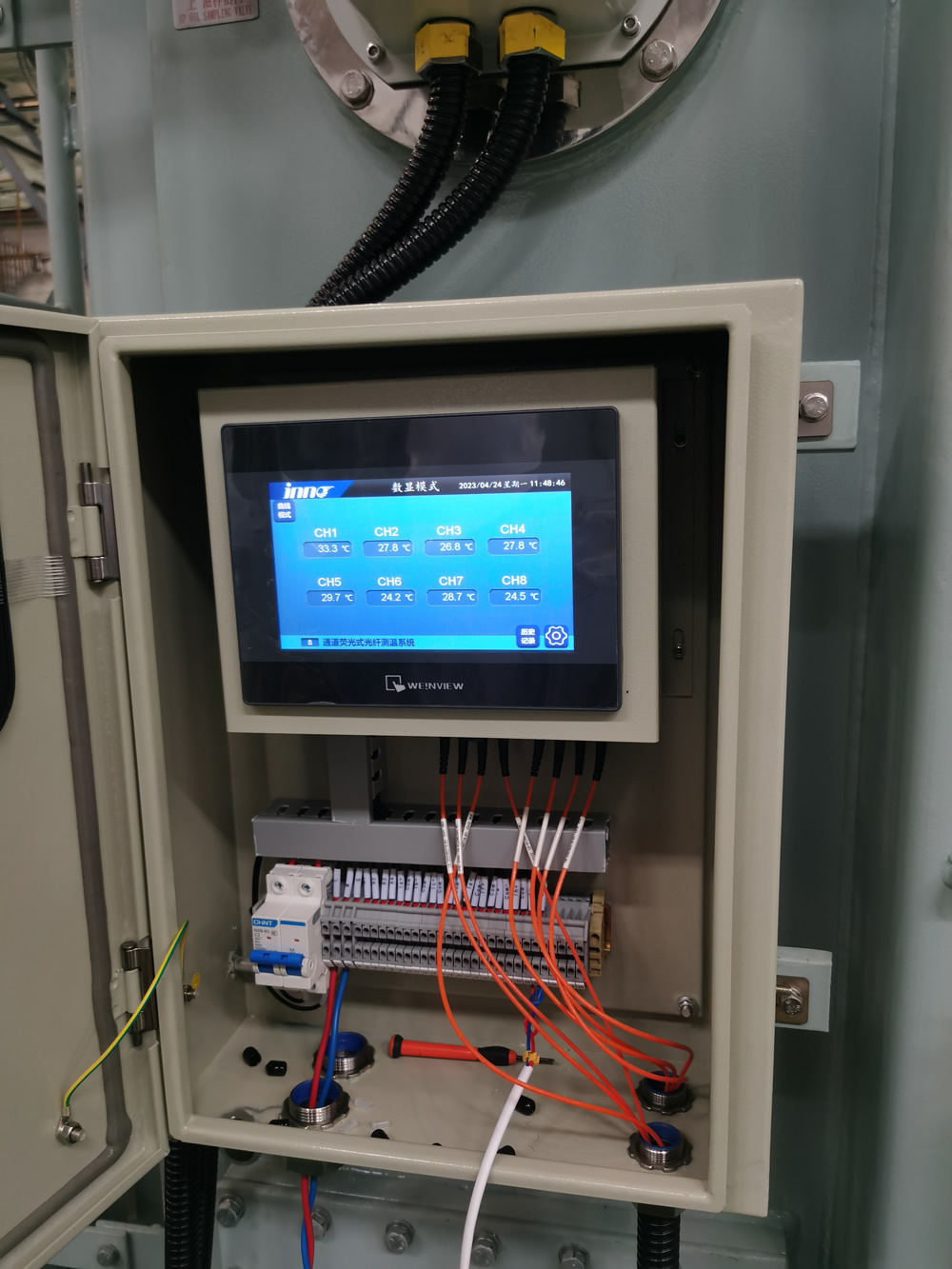
1、 Technical strength
(1) Mastery of core fiber optic sensing technology
טכנולוגיית חישת סיבים אופטיים היא הבסיס של חיישני טמפרטורה של סיבים אופטיים שנאים. טכנולוגיות חישה נפוצות כוללות רשתות סיב Bragg, מדידת טמפרטורה של סיבים אופטיים פלואורסצנטיים, וטכניקות אחרות. במונחים של טכנולוגיית סיב בראג סורג, הוא נוצר על ידי חשיפה וחריטה של מספר רשתות בראג עם אורכי גל מרכזיים שונים לאורך כיוון האורך של הסיב באמצעות קרינה אולטרה סגולה. כאשר הטמפרטורה משתנה, התקופה ומקדם השבירה של הסורגים ישתנו, גורם לשינויים באורך הגל המוחזר כדי להשיג מדידת טמפרטורה. מדידת טמפרטורה של סיבים אופטיים פלואורסצנטיים משתמשת בחומרים פלואורסצנטיים כדי לפלוט פלואורסצנטי תחת עירור אור ספציפי, ועוצמת ואורך החיים של הקרינה שלהם קשורים קשר הדוק לטמפרטורה. לְדוּגמָה, the ambient temperature can be calculated by measuring the decay time constant of the fluorescence afterglow. If manufacturers have in-depth research and rich practical experience in these key fiber optic sensing technologies, and master the entire technical process from fiber optic sensor design to signal processing, they can gain an advantage in technology. In China, many factories have already performed well in the field of fluorescent fiber temperature measurement. Fuzhou Innovation Electronic Scie&Tech Co., בע"מ. is one of the leading manufacturers of fiber optic thermometers in China, with advanced production equipment and technical teams. Their products enjoy a high reputation in the Chinese and even international markets. שֶׁלָהֶם מערכת מדידת טמפרטורה של סיבים אופטיים פלואורסצנטיים can accurately measure temperature in special environments such as high voltage and strong electromagnetic interference.
(2) Multi point temperature measurement capability
Transformers are large equipment, and multiple measurements are often required to fully understand their temperature distribution. This requires manufacturers to have the ability to achieve multi-channel fiber optic temperature measurement. Excellent manufacturers can integrate multiple sensors for multi-point deployment and control within the same fiber optic network. לְדוּגמָה, in large oil immersed transformers, it may be necessary to arrange temperature measurement points at multiple locations of the high and low voltage windings, ליבות ברזל, ומעברי שמן. היצרנים זקוקים לפתרונות טכניים מתאימים כדי להבטיח שניתן למדוד במדויק את נקודות מדידת הטמפרטורה המרובות הללו, ושהעברת האותות יציבה ואינה מפריעה זה לזה.
(3) רמת טכנולוגיה נגד הפרעות
ישנה סביבה אלקטרומגנטית מורכבת בתוך השנאי, עם שדות מגנטיים וחשמליים חזקים, אז השנאי חיישן טמפרטורה בסיבים אופטיים חייב להיות בעל עמידות חזקה בפני הפרעות אלקטרומגנטיות. ליצרנים צריכים להיות עתודות טכניות רלוונטיות במספר היבטים. קוֹדֶם כֹּל, מבחינת בחירת סיבים, לְדוּגמָה, שימוש בחומרים סיבים אופטיים עם ביצועי מיגון מעולים. שֵׁנִית, העיצוב המבני של החיישן אמור להיות מסוגל למנוע מהפרעות אלקטרומגנטיות להשפיע על אות הזיהוי הפנימי. לְדוּגמָה, על ידי ניצול מאפייני השידור הדיאלקטריים והאופטיים של סיבים אופטיים, ניתן לתכנן מבנה חיישן מבודד לחלוטין כדי למנוע פיזית את ההשפעה של הפרעות אלקטרומגנטיות על המדידה. יֶתֶר עַל כֵּן, מבחינת אלגוריתמים לעיבוד אותות, סינון דיגיטלי, ממוצע אותות, ואלגוריתמים אחרים יכולים לשמש כדי לשפר את יכולת האנטי-הפרעות של אותות, הבטחת מדידת טמפרטורה מדויקת גם בתוך שנאים בעלי חוזק שדה מגנטי גבוה. חיישן הסיבים האופטיים של FJINO יכול לפעול במתח גבוה, טמפרטורה גבוהה, שדה מגנטי גבוה, וסביבות הפרעות אלקטרומגנטיות חזקות במיוחד. הוא מאמץ טכניקות מסוימות נגד הפרעות כדי להבטיח את הדיוק והיציבות של מדידת הנתונים, והמבנה עוזר להתנגד להפרעות חיצוניות.
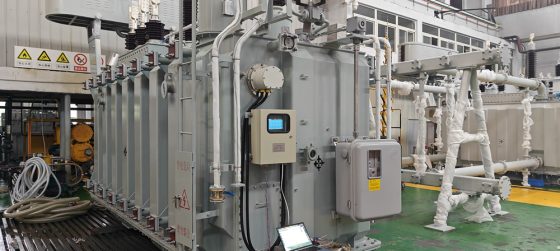
2、 איכות המוצר
(1) Ultra high precision temperature measurement
Temperature measurement accuracy is a key indicator for measuring the quality of transformer temperature measurement optical fibers. Accurate temperature measurement helps to promptly and accurately detect potential overheating issues in transformers, thereby avoiding malfunctions. אוּלָם, the accuracy of temperature measurement can be affected by various factors, such as the accuracy of the sensor itself and the transmission loss of optical fibers. Manufacturers should have high-precision calibration equipment and processes to ensure the initial accuracy of sensors, and their temperature measuring optical fibers should also maintain stable accuracy during long-term use. This involves the stability of fiber optic materials, sensor packaging technology, וכו. לְדוּגמָה, אריזת החיישנים חייבת להבטיח שרכיבי הסיבים האופטיים ורכיבי הזיהוי אינם פגומים או פגומים תחת טבילה ארוכת טווח בשמן שנאי, על מנת לשמור על דיוק המדידה. לְדוּגמָה, כמה חיישני טמפרטורה בסיבים אופטיים בעלי דיוק גבוה יכולים להשיג דיוק מדידת טמפרטורה של ± 0.05 ℃, אשר יכול לעמוד בדרישות הגבוהות ביותר עבור תרחישי ניטור שנאים.
(2) ביצועים יציבים לטווח ארוך
בשל העובדה ששנאים הם בדרך כלל ציוד הפעלה רציף, גם הסיבים האופטיים של מדידת הטמפרטורה שלהם צריכים לעבוד ביציבות לאורך זמן. היצרן האידיאלי מייצר מוצרים שעדיין יכולים לספק מדידת טמפרטורה אמינה לאחר פעולה ארוכת טווח. זה מחייב את היצרנים לשלוט בקפדנות על היבטים מרובים. In terms of product material selection, high-quality optical fiber materials should have anti-aging performance, and their performance will not decline sharply due to long-term exposure to high temperature, high pressure and other environments. In terms of manufacturing technology, it is necessary to ensure a firm connection between the optical fiber, חיישן, and connecting components to prevent loosening or breakage during operation. בנוסף, a strict finished product testing system can screen out products with potential failure risks, ensuring the long-term stability of products from quality control. לְדוּגמָה, if the connection between the fiber optic cable and the sensor becomes loose after long-term operation, it may lead to inaccurate measurement data or data transmission interruptions, משפיע על ניטור מדויק של טמפרטורת השנאי.
(3) ערבות אמינות מקיפה
האמינות של המוצרים המסופקים על ידי היצרנים באה לידי ביטוי בהיבטים רבים. בשלב עיצוב המוצר, יש לשקול עיצוב יתירות, לְדוּגמָה, כאשר רכיב נכשל, זה לא יגרום לתקלה בכל מערכת מדידת הטמפרטורה. ניקח כדוגמה רשתות חיישני סיבים אופטיים, אם חיישן נכשל, המערכת יכולה לזהות ולאתר את נקודת התקלה בזמן הקצר ביותר האפשרי, תוך נקיטת אמצעי בידוד כדי למנוע השפעה על פעולת חיישנים אחרים או מערכת המדידה כולה. בנוסף, פרמטרים טכניים מדויקים, אמצעי זהירות להתקנה ושימוש, תוחלת חיים צפויה, וכו. יש לספק במדריך המוצר או במדריך למשתמש, כך שמשתמשים יוכלו להשתמש במוצר בצורה סבירה ובעלי ערכים צפויים מדויקים. כמו כן, יש צורך לספק מערכת ערבות שירות לאחר מכירה מקיפה, עם תקנות ברורות על זמן תגובה לתקלות, מדיניות תיקון והחלפת מוצרים, והיבטים נוספים. לְדוּגמָה, אם ניתן להתחייב לתקן או להחליף מוצרים פגומים תוך זמן מוגדר, זה יגרום למשתמשים להרגיש יותר בנוח להשתמש במוצר.
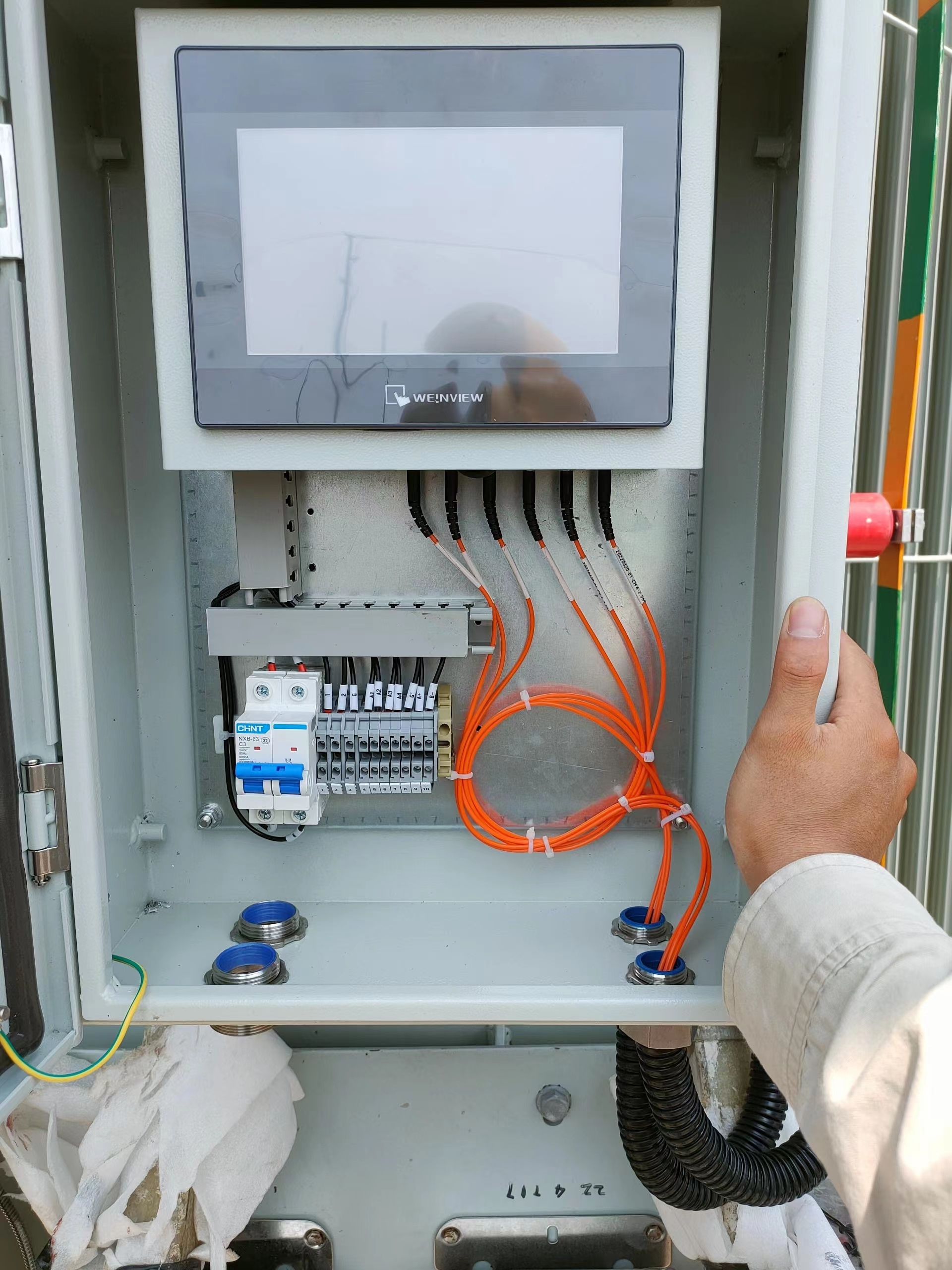
3、 ניסיון ומוניטין בתעשייה
(1) ניסיון מעשי בתחומים ספציפיים
ניסיון עשיר בתחום החשמל, במיוחד שנאים, מהווה יתרון ליצרנים. יצרנים בעלי מקרי יישומים נרחבים וניסיון בתעשיית החשמל, במיוחד במדידת טמפרטורת שנאי, ראויים יותר לזכות. Such manufacturers can gain a deep understanding of the special requirements of transformer equipment for temperature measuring optical fibers, including the temperature characteristics of transformers of different types (such as dry-type, oil immersed, וכו') and specifications (such as different capacities, voltage levels, וכו') during actual operation. Taking oil immersed transformers as an example, their complex internal structure, oil temperature characteristics, and heat dissipation greatly affect the temperature monitoring system. Manufacturers with practical experience in related projects can optimize their product design and installation processes based on these situations, and provide temperature measurement solutions that are more in line with actual needs. לְדוּגמָה, כמה יצרנים, based on years of monitoring experience in oil immersed transformers, יכול לארגן נקודות מדידת טמפרטורה מיוחדות עבור גופי הקירור שלהם כדי לשפר את אפקט ניטור הטמפרטורה הכולל.
(2) מוניטין שוק מוכר באופן נרחב
ניתן למדוד את המוניטין בשוק לפי היבטים שונים כמו הערכות לקוחות של המוצרים שלהם, הכרה בתעשייה, וכו. ליצרנים באיכות גבוהה יש בדרך כלל תדמית מותג טובה בשוק, למוצרים שלהם יש נתח שוק מסוים ושביעות רצון גבוהה של לקוחות. מנקודת המבט של הערכת לקוחות, אם המשתמשים יכולים לספק משוב על היתרונות של מוצרי היצרן מבחינת דיוק, יַצִיבוּת, נוחות ההתקנה, ושירות לאחר המכירה, אז זהו עזר טוב לבחירה. מבחינת הכרה בתעשייה, ניתן לשים לב אם היצרן השיג אישור תקן הקשור לתעשייה (כגון אישור תקן טכני בתעשיית החשמל), או אם הוא הוכר על ידי ארגונים או מוסדות סמכותיים בתעשייה. גורמים אלה יכולים לשקף בעקיפין את המוניטין של היצרן בתעשייה. לְדוּגמָה, מוצר חיישן טמפרטורה סיב אופטי FZINNO קיבל אישור ממוסדות מוסמכים בתעשיית החשמל ונבחר על ידי חברות חשמל ידועות רבות, מה שיכול לשקף בעקיפין את האמינות והאיכות של מוצריה.
4、 תמיכה בשירות
(1) תמיכה מתחשבת בהתקנה ובניפוי באגים
ההתקנה ואיתור באגים של סיבים אופטיים למדידת טמפרטורה עבור שנאים מורכבים יחסית, כולל חיווט והתקנה ומיקום מדויקים של חיישנים בתוך ציוד מיוחד כגון שנאים. אז אם יצרנים יכולים לספק שירותי התקנה ואיתור באגים מקצועיים או לספק מסמכי הנחיות התקנה מפורטים ומדויקים, זה ישפר מאוד את היעילות והאפקטיביות של השימוש במוצר. לְדוּגמָה, מתן דיאגרמות התקנה עבור סוגים ומבנים שונים של שנאים, שלבי התקנה ותהליכים מפורטים, וליידע על טאבו במהלך תהליך ההתקנה. במהלך תהליך איתור הבאגים, ניתן להסביר למשתמש כיצד לכייל את הציוד ולבדוק את ביצועי המערכת כדי להבטיח שמערכת מדידת הטמפרטורה יכולה לפעול כרגיל. אם ליצרנים חסרים תומכים אלה, בעיות שונות עשויות להתעורר במהלך תהליך ההתקנה ואיתור הבאגים, such as inaccurate temperature measurement due to incorrect sensor installation positions, and improper wiring that may affect the service life of optical fibers.
(2) Thoughtful and comprehensive after-sales maintenance
A comprehensive after-sales maintenance service is an important consideration when choosing a manufacturer. When there are problems with the product during use, the manufacturer needs to respond promptly and resolve them. This includes fast fault response time, such as committing to respond within 24 hours of receiving a fault report. And a reasonable product repair and replacement policy should be provided. If the product is damaged by non-human factors during the warranty period, it should be repaired or replaced free of charge. If the manufacturer lacks a comprehensive after-sales maintenance plan, once the product has problems, users may face long-term production stagnation or equipment malfunction, which will affect the normal operation of users from transformers to the entire production process.
The best type of transformer fiber optic temperature sensor
Types and characteristics of transformer fiber optic temperature sensors
סיבים אופטיים מבוזרים חיישן טמפרטורה:
Principle and structure: Its principle is based on sensing temperature changes through Rayleigh scattering, פיזור ראמאן, or Brillouin scattering in optical fibers. It is usually used to detect spatial temperature distribution, במילים פשוטות, it can obtain temperature information at different positions along the length direction of the optical fiber. המבנה שלו כולל מכשיר איתור לניתוח אור מפוזר מאחור וחלק סיב אופטי כרכיב חישה. לְדוּגמָה, ב 1997, אוניברסיטת סין למטרולוגיה יישמה עיקרון זה על מערכת חיישן זיהוי טמפרטורת מכרה פחם, שיכול לזהות טמפרטורות החל מ -49 אֶל 150 ℃ ברזולוציית טמפרטורה של 0 5 ℃.
תכונות: זה יכול ברציפות לִמְדוֹד את חלוקת הטמפרטורה לאורך כבל הסיבים האופטיים ולהשיג מדידה מבוזרת למרחקים ארוכים. אוּלָם, החסרונות שלו הם עלות גבוהה יחסית, מורכבות המערכת, ורזולוציה מרחבית מוגבלת. יֶתֶר עַל כֵּן, יש לו דרישות גבוהות יחסית לסיבים אופטיים, ואם הסיב ניזוק או ביצועיו משתנים, זה עלול להשפיע על דיוק המדידה. בנוסף, בשל ההסתמכות על אור מפוזר, גורמי הפרעה חיצוניים (כגון לחץ והפרעות אחרות לסיב האופטי שעלולות להיות בטעות כאותות לשינוי טמפרטורה) מהווים סיכון מסוים להפרעה.
חיישן טמפרטורת רשת Fiber Bragg:
Principle and structure: מבוסס בעיקר על טכנולוגיית חישת סיבים של Bragg, כאשר הטמפרטורה משתנה, אורך גל ההשתקפות של סורג סיבי Bragg ישתנה כדי להשיג מדידת טמפרטורה. סוג זה של חיישן עשוי על סיבים אופטיים כרכיב חישת אור המשקף רק אורכי גל ספציפיים. לְדוּגמָה, מרכז מחקר בקנדה גילה את האפקט הרגיש לאור בסיבי קוורץ מסוממים בגרמניום 1978 וייצר את סורג הבראג הסיבים הראשון בעולם.
תכונות: חיישן זה יכול להשיג דיוק מדידה גבוה. האקדמיה הסינית למדעים הגבירה את רגישות החיישן ל 0.02 ℃ באמצעות טכנולוגיית האריזה של חריצי מתכת של סורג בראג סיבים, והמכון הטכנולוגי של חרבין שיפר עוד יותר את הרזולוציה ל 0.04 ℃. זה יכול לבצע אפנון אורך גל בצורה נוחה ולהשיג מדידה מעין מבוזרת. אוּלָם, מִצַד אֶחָד, חיישני סורג סיבים בראג הם שבירים יחסית, והסורג עלול להינזק תחת כוחות פגיעה מסוימים או סביבות מתח, מה שעשוי להשפיע על המדידה; מִצַד שֵׁנִי, הוא רגיש לגורמים כמו לחות בסביבה. אם זה בסביבה לחה או קשה, הביצועים של סיבים בראג עשויים לרדת בהדרגה, תוחלת החיים עשויה להתקצר, והדיוק של מדידת הטמפרטורה עשוי להיות מושפע; בנוסף, עלויות התהליך הגבוהות יחסית של כתיבה וייצור סורגים הם גם גורמים שיש לקחת בחשבון.
Gallium Arsenide Fiber Optic Temperature Sensor:
Principle and structure: Gallium arsenide crystal is added at the end of the optical fiber. When multiple wavelengths of light are emitted by the light source and irradiated onto the gallium arsenide crystal, the crystal absorbs different wavelengths of incident light according to temperature. The measured temperature is calculated by detecting the spectrum of the reflected light. This is a single point temperature measurement method for optical fibers.
מאפיינים: Gallium arsenide material properties do not change over time, making it a true passive probe. It is all dielectric, לא מושפע מהפרעות EMI, has stable performance, אמינות גבוהה, and performs well in strong electric and magnetic field environments, as well as high voltage resistance, עמידות בפני קורוזיה כימית, low loss, ומצבים נוספים. לחיישן שלו יש נפח קטן, עם חלק חישת טמפרטורה של 0.3 מ"מ בלבד. המוליך משתמש בסיבים אופטיים של 62.5um, שהוא רך, אָמִין, ולא ניזוק בקלות במהלך ההתקנה. אוּלָם, זה יכול להיות רק חיישן אחד לכל כבל סיב אופטי בודד, שלא כמו רשתות סיב Bragg שבהן ניתן לחבר חיישנים מרובים בסדרה באמצעות כבל סיב אופטי יחיד; יֶתֶר עַל כֵּן, מנקודת המבט של המערכת כולה, שינויים בנתיב האופטי (כגון סידור מחדש של כבל סיבים אופטיים, חיישן ריתוך מחדש, וכו') יכול להשפיע ברצינות על הדיוק של מדידת הטמפרטורה, לעתים קרובות דורש פעולה מורכבת של כיול מחדש.
חיישן טמפרטורה של סיבים אופטיים פלואורסצנטיים:
Principle and structure: המרכיבים העיקריים כוללים סיבים אופטיים מולטי-מודים וחפצים פלורסנטים (סרטים) מותקן מעליהם. כאשר חומר ניאון מתרגש מאור באורך גל מסוים (ספקטרום עירור), הוא פולט אנרגיית פלואורסצנציה. לאחר ביטול ההתרגשות, משך הזוהר הניאון תלוי בגורמים כמו המאפיינים של החומר הפלורסנטי וטמפרטורת הסביבה. זמן הריקבון (משך חיים של פלואורסצנטי או זמן זוהר לאחר פלואורסצנטי) של הקרינה הנרגשת הזו שמתפוגגת באופן אקספוננציאלי קשורה לטמפרטורת הסביבה. על ידי מדידת משך החיים של זוהר הקרינה לאחר, ניתן לדעת את טמפרטורת הסביבה באותו זמן.
מאפיינים: חיישני טמפרטורה של סיבים אופטיים פלואורסצנטיים הם בעלי דיוק גבוה, והמדידה שלהם יכולה להשיג דיוק גבוה מכיוון שחומרי פלורסנט רגישים למדי לשינויי טמפרטורה; מהירות תגובה מהירה, מה שמאפשר לחיישן לנטר את תנודות הטמפרטורה בזמן אמת ולהגיב במהירות; להפרעות חיצוניות יש השפעה מועטה עליה, לְדוּגמָה, electromagnetic interference signals that traditional temperature sensors are susceptible to have no effect on it, so it can work normally in complex electromagnetic environments; Has excellent long-term stability, mainly due to the strong durability and stability of the fluorescent material itself; And it has a wide range of applicable environmental temperatures, מנמוך כמו מינוס Baidu עד כמה מאות מעלות צלזיוס.
Advantages of Fluorescent Fiber as Transformer Fiber Temperature Sensor
Excellent electrical insulation ensures safe and reliable measurement:
עבור שנאים, many devices operate in high voltage environments, and traditional temperature sensors may pose safety hazards due to electrical insulation issues if used in such scenarios. חיישני סיבים אופטיים פלואורסצנטיים, with their fiber optic material being an electrical insulator, pose no potential risk of conductivity in high-pressure environments, avoiding the possibility of arcing or short circuits that may occur between the sensor itself or the sensor measurement system. לְדוּגמָה, transformers used in power distribution stations are surrounded by high voltage electric fields, and the electrical insulation of fluorescent fiber temperature sensors can ensure their normal operation and accurate temperature measurement in such environments.
יכולת אנטי-הפרעות חזקה:
During the operation of transformers, there are various complex electromagnetic interference sources inside, such as strong magnetic fields. Fluorescent fiber optic sensors use optical signals for detection and measurement, שיש להם את המאפיין שהם לא מושפעים מהפרעות אלקטרומגנטיות. לָכֵן, בסביבת הפרעות אלקטרומגנטיות חזקות זו, זה יכול למדוד במדויק טמפרטורה ללא סטייה הנגרמת על ידי תנודות השדה האלקטרומגנטי של השנאי עצמו או שדות אלקטרומגנטיים חיצוניים. בהשוואה לחיישנים אלקטרוניים מסורתיים כמו צמדים תרמיים, אשר רגישים להפרעות אלקטרומגנטיות ועלולים לחוות שגיאות מדידה או תנודות באות, לחיישנים סיבים אופטיים ניאון יש יתרונות משמעותיים.
חסרונות של סיבים מבוזרים, סיבים בראג פומפיה, ו- Gallium Arsenide Fiber בניטור טמפרטורת שנאי
חסרונות של סיבים אופטיים מבוזרים:
מבחינת ציוד ועלות: חיישני טמפרטורה בסיבים אופטיים מבוזרים המבוססים על פיזור ריילי, פיזור ראמאן, or Brillouin scattering principles require special measuring devices to detect weak scattered light signals. The equipment is complex and the overall cost is relatively high. For large-scale deployment in transformer temperature monitoring, both capital investment costs and equipment maintenance costs need to be considered, such as the need for professional personnel to maintain the equipment for detecting scattered light signals and the continuous debugging of some optical equipment components in case of possible failures in the future.
Accuracy and external factors: Its spatial resolution is relatively limited, which may result in the inability to meet the temperature measurement requirements of overly fine nodes in devices such as transformers, where the internal space is not infinite and high precision temperature monitoring is required. בנוסף, although the measurement is based on the principle of optical scattering, optical fibers are easily affected by external pressure and other factors. לְדוּגמָה, if there are vibrations inside a transformer or if the optical fiber is compressed during installation, although the temperature does not change, these interferences may be mistakenly detected as temperature changes, resulting in measurement errors.
Shortcomings of Fiber Bragg Grating:
Structural fragility: Fiber Bragg grating temperature sensors require the fabrication of gratings on optical fibers. Fiber Bragg gratings are easily damaged in daily work or installation due to potential impact forces, as well as in the complex stress environment of transformers. ברגע שמבנה הסורג ניזוק, לא ניתן להשיג מדידת טמפרטורה מדויקת. לְדוּגמָה, במהלך פעולתו של שנאי בעל קיבולת גדולה, כוח הפגיעה החזק שנוצר על ידי הרטט שלו וקצרים פתאומיים אפשריים עלולים לפגוע בסורג.
רגישות סביבתית: לחות יכולה להשפיע על הביצועים של רשתות Bragg סיבים. לְדוּגמָה, אם הלחות סביב השנאי גבוהה או חורגת מהתקן בתנאים מיוחדים מסוימים, קל לשנות את המאפיינים האופטיים של סורג בראג סיב, וכתוצאה מכך לסחף מדידה ושגיאות אחרות. יֶתֶר עַל כֵּן, עקב תהליך הייצור של סורגים, עלות החיישן גבוהה יחסית, שהוא גם גורם מגביל ביישום בקנה מידה גדול של תרחישי ניטור טמפרטורת שנאים.
חסרונות של סיבי גליום ארסניד:
Optical path and calibration issues: When using gallium arsenide fiber optic sensors to measure transformer temperature, the optical path is a sensitive issue. If the layout of the circuit needs to be changed due to work or if the sensor needs to be re soldered, the optical path must be recalibrated to ensure measurement accuracy, which is a complex and tedious process. Especially in the working environment of transformers, the interior is a relatively enclosed and limited space environment, making optical path calibration very inconvenient.
Limitations of sensor networking: A single optical fiber can only connect to one gallium arsenide sensor, and cannot achieve multi-point networking measurement by connecting multiple sensors in series with a single optical fiber like fiber Bragg grating sensors. For synchronous temperature measurement of multiple positions inside the transformer, more separate fiber optic setups are required, which is disadvantageous in terms of layout and cost.
Case study of the effectiveness of fluorescent fiber in practical applications
Power equipment monitoring:
In terms of temperature monitoring of switchgear: The heating situation in the busbars and contacts of switchgear is complex, but fluorescent fiber optic sensors can have great potential and can be effectively applied to switchgear temperature monitoring. After installing the fiber optic fluorescence sensor at a critical location inside the switchgear, technicians can utilize the distributed measurement capability of the fiber optic sensor to achieve simultaneous monitoring of multiple temperature points inside the switchgear. The conductivity and electromagnetic field environment generated by internal electrical components during the measurement process did not interfere with the measurement results, and the sensor operated stably. By measuring and analyzing the changes in fluorescence signals, the real-time temperature of each monitoring point was successfully calculated. And the operation and maintenance personnel have set a temperature threshold. When the set value is exceeded, the system will promptly issue an alarm message to remind the operation and maintenance personnel to conduct detailed inspections and maintenance. This allows for a comprehensive understanding of the temperature distribution inside the switchgear, effectively preventing potential accidents such as insulation material aging and poor contact caused by overheating. It maximizes the normal and stable operation of the switchgear, thereby improving the reliability of power supply in the power system.
In terms of transformer temperature monitoring, the practical application of fiber optic fluorescence sensors in transformer temperature monitoring is similar to that of switchgear. Although the internal structure of a transformer is much more complex than that of a switchgear, with numerous components such as windings, ליבות ברזל, oil tanks, and pipelines, temperature monitoring can be effectively addressed by properly placing sensors in these areas. By installing fiber optic fluorescence sensors in transformer windings, it is possible to monitor the heat generated by coil resistance, איבוד ברזל, copper loss, and other losses when current passes through the windings; התקנת חיישנים בליבת הברזל יכולה לזהות מיד עליות טמפרטורה הנגרמות כתוצאה מהיסטרזיס ואיבוד זרם מערבולת; התקנת חיישנים על דופן מיכל הדלק וצינור פיזור החום יכולה לנטר את מצב פיזור החום של השנאי. לאחר התקנת חיישני קרינה סיבים אופטיים באזורי מפתח אלו, ניתן להשיג ניטור בזמן אמת של שינויי הטמפרטורה בכל חלק וניתן להעביר אותות טמפרטורה מרחוק למרכז הבקרה בזמן. לְדוּגמָה, ברגע שהטמפרטורה חורגת מהטווח הרגיל שנקבע, הצוות התורן יכול לקבל אזהרה ולנקוט באמצעים מתאימים, כגון התאמת העומס, תיקון מערכת הקירור, וכו', to avoid the problem of rapid aging of the insulation material inside the transformer due to overheating and damage to the transformer. Throughout the entire operation process, the fiber optic fluorescence sensor demonstrates advantages such as high precision, יכולת חזקה נגד הפרעות, ומדידה מרובת נקודות.
Temperature monitoring in industrial microwave environment (derived from other scenarios):
In some scenarios involving industrial microwave equipment, such as microwave processing, vulcanization processes, microwave digestion extractors, disinfection/drying equipment, there is also a need for temperature monitoring. Microwaves have strong electromagnetic fields, and the temperature distribution inside the device is also uneven. Fluorescent fiber optic temperature sensors can adapt to high voltage, סביבות שדה אלקטרומגנטיות חזקות בתוך ציוד מיקרוגל ומדידות במדויק טמפרטורות מרובות נקודות ללא הפרעות אלקטרומגנטיות בתרחיש זה. לְדוּגמָה, בעיבוד מיקרוגל מזון, על ידי סידור סביר של חיישני קרינה סיבים אופטיים בתא העיבוד, ניתן לשלוט במגמת הטמפרטורה במהלך העיבוד במדויק כדי להבטיח את איכות עיבוד המזון; בתהליך הגיפור, ניטור טמפרטורה יכול להתבצע במספר מיקומים של תבנית הגיפור באמצעות חיישנים כדי לשפר את איכות המוצרים הגופרים. מכיוון שהוא אינו מושפע מהפרעות שדה אלקטרומגנטי במיקרוגל ויש לו עליונות יוצאת דופן, it has gradually been applied in temperature monitoring in other high-voltage and electromagnetic interference scenarios such as explosion-proof industrial environments and high-end scientific research in aviation and ships.
How to choose a suitable fluorescent fiber optic temperature sensor for transformers
Consideration of environmental factors for transformers:
Temperature range adaptability: It is necessary to clarify the oil temperature during normal operation of transformers and the possible extremely high temperatures that may occur during faults. Different fiber optic fluorescent temperature sensors have different temperature measurement ranges. If the operating temperature range of transformers fluctuates between -40 ℃ and 150 ℃, it is necessary to choose a fluorescent fiber optic temperature sensor that can operate with high precision within this range or even wider range. לְדוּגמָה, some sensors may be suitable for a range of -30 ℃ ל 120 ℃, which may not meet the conditions.
Electromagnetic compatibility: Given the strong electromagnetic field inside the transformer, it is necessary to ensure that the selected fluorescent fiber temperature sensor can operate stably under electromagnetic fields ranging from low to high frequencies, without any signal acquisition errors or deviations.
Space layout and installation feasibility: The size of the fiber optic probe and the shape of the sensor need to be selected based on the internal space structure of the transformer. If the internal space of the transformer is compact and narrow, יש לבחור חיישנים עם גדלי בדיקה סיבים אופטיים קטנים במיוחד כדי להיות מותקנים בצורה חלקה במיקום המיועד; בנוסף, יש לשקול באופן מקיף את הרציונליות של חיווט סיבים אופטיים. אם מאמצים שיטת מדידה מבוזרת, חיווט הסיבים האופטיים לא אמור לעכב את זרימת השמן הרגילה בתוך השנאי ואת הפעולה הרגילה של רכיבים חשמליים.
דרישות טכניות קשורות לשנאים:
דרישת דיוק: עבור תרחישי מדידה מסוימים הדורשים דיוק גבוה במיוחד של טמפרטורת הנקודה החמה של מתפתל שנאי, כגון שנאי עומס גבוה או שנאי מתח גבוה במיוחד, אם טמפרטורת הנקודה החמה המתפתלת מדויקת ל 0.1 ℃ או אפילו דיוק שגיאה קטן יותר, it is necessary to choose a fluorescent fiber temperature sensor with higher measurement accuracy. The accuracy level of the sensor can be referred to and the data analysis obtained from actual experiments can be used as a reference. לְדוּגמָה, some high-end configurations have been tested in the laboratory under the same conditions, and sensors with an accuracy of ± 0.05 ℃ are more in line with the requirements.
Response speed requirement: If it is a situation that requires quick response to transformer faults or abnormal temperature changes, such as the need to quickly cut off switches or give protection device action instructions, the fluorescent fiber temperature sensor is required to have extremely fast response speed, be able to measure temperature and provide feedback signals in a short time. The response time can be the time from being affected by temperature changes to outputting recognizable change signals. בְּדֶרֶך כְּלַל, a response speed of less than 1 second is a good choice in many transformer protection scenarios.
Lifetime requirement: The transformer has a long service life, and it is expected that the selected fluorescent fiber temperature sensor will match it and work stably for a long time. It is necessary to investigate the stability of the fluorescent materials used in the sensors. לְדוּגמָה, some sensors use new rare earth fluorescent materials that are more stable than traditional materials in long-term high temperature, high magnetic field environments. The corresponding sensor life may be as long as 10-20 years or even longer. בעת בחירה, חיישנים כאלה מתאימים לתרחישי התקנת שנאים שאינם דורשים החלפת חיישנים תכופה.
איזון עלות תועלת:
עלות רכישה: המחיר של חיישני טמפרטורה סיבים אופטיים ניאון משתנה בהתאם למותג, תהליך ייצור, ומחווני ביצועים. בתנאים הבסיסיים של מדידת טמפרטורת שנאי, ניתן להשוות מחירים של חיישנים המסופקים על ידי מספר ספקים כדי למנוע עלויות רכישה מוגזמות. לְדוּגמָה, המחיר של חיישנים בעלי דיוק גבוה מכמה מותגים מיובאים בשוק עשוי להיות 2-3 פעמים גבוה יותר מזה של דגמים מקומיים רגילים. אוּלָם, אם דגמים רגילים יכולים לעמוד בדרישות דיוק מדידת הטמפרטורה של שנאים, אז ניתן לתעדף מוצרים במחיר נמוך.
עלות תחזוקה: חיישנים דורשים תחזוקה ואף החלפת חלקים במהלך השימוש. אם חיישנים דורשים ציוד תחזוקה מיוחד או תנאי סביבה גבוהים, זה יגדיל את עלויות התחזוקה. לְדוּגמָה, חיישנים מסוימים משתמשים בגזים מיוחדים כדי להבטיח סביבות ממשק סיבים אופטיים יציבות, מה שמצריך רכישת מחוללי גז מתאימים ותחזוקה מיוחדת של צינורות אספקת הגז של המערכת. בחירה בחיישנים שאינם דורשים תנאי תחזוקה מיוחדים אלו יכולה לחסוך בעלויות.
הטבות לטווח ארוך: זה כרוך ביתרונות התפעול היציב לטווח ארוך של שנאים. אם הטמפרטורה בחורף ובקיץ מובילה ליעילות הפעלה שונה של שנאים, כולל חיישנים, ניטור מדויק של טמפרטורת השנאי יכול להבטיח שהוא יכול לפעול במצבו האופטימלי בעונות שונות ותחת עומסים שונים. This can reduce the overall economic losses caused by transformer failures or inefficient operation. במקרה הזה, investing in reliable and durable sensors in the early stage is cost-effective in the long run.

חיישן טמפרטורה בסיבים אופטיים, מערכת ניטור חכמה, יצרן סיבים אופטיים מבוזרים בסין
 |
 |
 |