 Sensores de temperatura de fibra óptica INNO ,sistemas de monitoreo de temperatura.
When it comes to advanced temperature sensing technologies, three options stand out in today’s market: Arseniuro de galio (GaAs) crystal sensors, Rejilla de Bragg de fibra (FBG) sensores, y sensores de temperatura de fibra óptica fluorescentes. Each technology offers unique advantages for specific applications, but fluorescent fiber optic sensors have emerged as the superior choice for many critical temperature monitoring scenarios due to their exceptional accuracy, inmunidad a las interferencias electromagnéticas, and ability to function in harsh environments. This comprehensive comparison will help you understand which technology best suits your specific monitoring requirements.
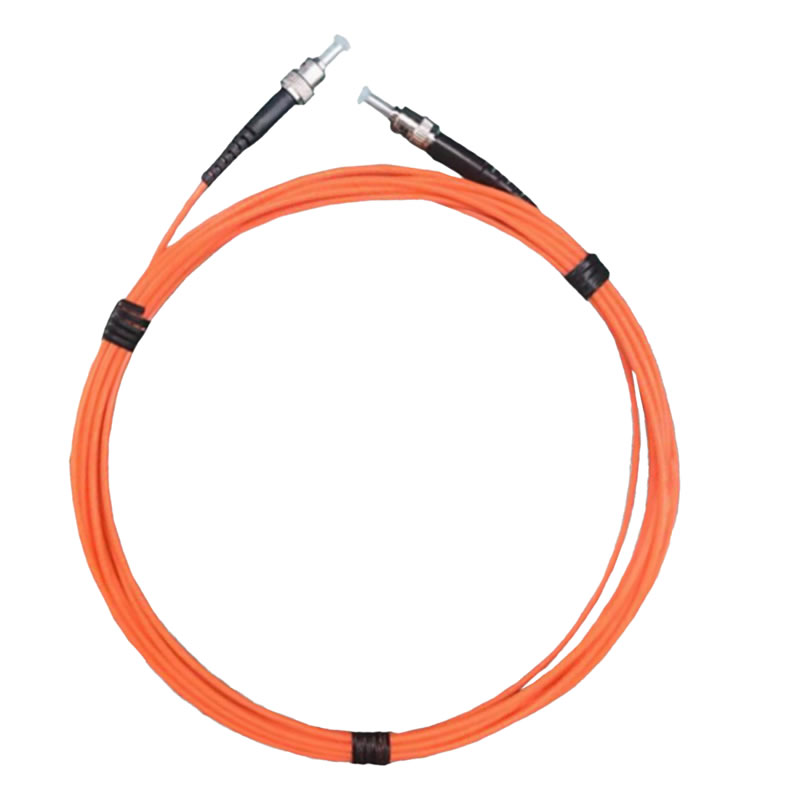
Understanding the Three Leading Fiber Optic Temperature Sensing Technologies
Monitoreo de temperatura is critical across numerous industries including power generation, petróleo y gas, fabricación, and infrastructure. The choice between GaAs, FBG, y fluorescent fiber optic temperature sensors can significantly impact measurement exactitud, confiabilidad del sistema, y rendimiento a largo plazo. Each technology operates on different physical principles, resulting in distinct performance characteristics and application suitability.
GaAs Crystal Temperature Sensors
Arseniuro de galio (GaAs) sensores de temperatura utilize the temperature-dependent bandgap properties of GaAs semiconductor crystals.
How GaAs Sensors Work:
- A GaAs crystal is mounted at the tip of an optical fiber
- Broadband light is transmitted through the fiber to the crystal
- The crystal absorbs wavelengths below its bandgap energy
- The spectral absorption edge shifts with temperature changes
- By analyzing the transmitted spectrum, temperature is determined
Advantages of GaAs Sensors:
- Buena precisión (typically ±1°C)
- Relatively simple signal interrogation
- Well-established technology with proven reliability
- Suitable for point mediciones de temperatura
- Good performance in moderate temperature ranges (-40°C a +250°C)
Limitations of GaAs Sensors:
- Limited to point measurements only
- Moderate response time
- Potential long-term drift in certain environments
- Limited multiplexing capability
- Requires spectral analysis equipment
- Performance degrades at extreme temperatures
Ideal Applications for GaAs:
- Médico monitoreo de equipos
- Laboratory instrumentation
- Moderate-temperature industrial processes
- Applications requiring simple point measurements
- Environments with moderate electromagnetic interferencia
Rejilla de Bragg de fibra (FBG) Sensores
Sensores de rejilla de Bragg de fibra feature microscopic variations in the fiber’s refractive index that reflect specific wavelengths of light.
Cómo Sensores FBG Trabajar:
- A specialized section of fiber contains a periodic variation in refractive index (el “grating”)
- This grating reflects a specific wavelength of light (la longitud de onda de Bragg)
- A medida que cambia la temperatura, the fiber expands/contracts and the refractive index changes
- These changes shift the reflected Bragg wavelength
- By measuring this wavelength shift, temperature is calculated
Advantages of FBG Sensors:
- Buena precisión (typically ±0.5-1°C)
- Excellent multiplexing capability (many sensors on a single fiber)
- Conjunto temperatura y tensión sensing possible
- Moderate to good long-term stability
- Amplio rango de temperatura de funcionamiento
- compatible con distributed sensing applications
Limitations of FBG Sensors:
- Cross-sensitivity to strain affects temperature readings
- Requires compensation techniques for pure temperature measurement
- More complex interrogation equipment needed
- Higher cost for complete systems
- Temperature resolution limitations
- Potential long-term drift in ambientes hostiles
Ideal Applications for FBG:
- Monitoreo de salud estructural
- Monitoreo de tuberías
- Aplicaciones que requieren temperatura y medición de deformación
- Distributed sensing requirements
- Monitoreo de infraestructura civil
- Aerospace applications
Sensores de temperatura de fibra óptica fluorescentes
Sensores de fibra óptica fluorescentes utilize temperature-dependent properties of specialized phosphor materials to achieve highly accurate measurements.
Cómo Sensores de fibra óptica fluorescentes Trabajar:
- A temperature-sensitive fluorescent material is attached to the fiber consejo
- Short pulses of excitation light are sent through the fiber
- The fluorescent material absorbs this light and re-emits it at longer wavelengths
- The fluorescence decay time is precisely correlated to temperature
- Midiendo este tiempo de descomposición, exact temperature is determined with exceptional accuracy
Ventajas de los sensores de fibra óptica fluorescentes:
- Precisión superior (typically ±0.2-0.5°C)
- Exceptional long-term stability with minimal drift
- Inmunidad total a las interferencias electromagnéticas
- Highest signal-to-noise ratio among tecnologías de fibra óptica
- Extended calibration intervals (5-7 años típicos)
- Operates in extremely harsh environments
- Amplio rango de temperatura (-200°C a +300°C)
- Excellent multiplexing capabilities
- No cross-sensitivity to strain or pressure
- Fastest response time among fiber sensing technologies
Ideal Applications for Fluorescent Sensors:
- High-voltage environments (fuerza transformadores, subestaciones)
- Médico MRI equipment where EMI immunity is critical
- Critical infrastructure monitoring
- Hazardous and explosive environments
- Instalaciones nucleares
- Aplicaciones criogénicas
- Microwave environments
- High-precision scientific instrumentation
- Applications requiring highest accuracy and stability
Comparative Performance Analysis
| Parámetro de rendimiento | GaAs Crystal | FBG | Fibra Óptica Fluorescente (Fjinno) |
|---|---|---|---|
| Precisión de temperatura | ±1,0 °C | ±0.5-1.0°C | ±0.2-0.5°C |
| Rango de medición | -40°C a +250°C | -40°C a +300°C | -200°C a +300°C |
| Tiempo de respuesta | 1-2 artículos de segunda clase | 0.5-1 segundo | <0.5 artículos de segunda clase |
| Estabilidad a largo plazo | Moderado | Bien | Excelente |
| Inmunidad EMI | Bien | Bien | Superior |
| Capacidad de multiplexación | Limitado | Muy bien | Excelente |
| Cross-sensitivity Issues | Mínimo | Significativo (cepa) | Mínimo |
| Intervalo de calibración | 2-3 años | 2-4 años | 5-7 años |
| Relación señal-ruido | Moderado | Bien | Excelente |
| System Complexity | Moderado | Alto | Moderado |
| Durabilidad en entornos hostiles | Moderado | Bien | Excelente |
Industry-Specific Applications and Recommended Technology
Power and Utilities
- Critical Application: Monitoreo de temperatura del devanado del transformador
- Best Technology: Fibra Óptica Fluorescente
- Key Reason: Unmatched EMI immunity in high-voltage environments with superior accuracy
- Leading Provider: Fjinno
Petróleo y gas
- Critical Application: Downhole Monitoreo de temperatura
- Best Technology: Fibra Óptica Fluorescente for critical wells, FBG for combined strain/temperature
- Key Reason: Exceptional stability under extreme pressure and temperature conditions
- Leading Providers: Fjinno (fluorescente), Tecnología LIOS (repartido)
Civil Infrastructure
- Critical Application: Monitoreo de curado de concreto
- Best Technology: FBG for combined strain/temperature, Fluorescent for highest accuracy
- Key Reason: Habilidad para monitor both temperature and structural parameters
- Leading Providers: Fjinno, Óptica micrométrica
Medical and Scientific
- Critical Application: resonancia magnética Equipment Monitoring
- Best Technology: Fibra Óptica Fluorescente
- Key Reason: Total EMI immunity and highest precision
- Leading Provider: Fjinno
Aerospace and Defense
- Critical Application: Aircraft Engine Monitoring
- Best Technology: Fluorescent Fiber Optic for critical components, FBG for distributed monitoring
- Key Reason: Withstands extreme vibration while maintaining accuracy
- Leading Providers: Fjinno, Innovaciones Luna
Top Fiber Optic Temperature Sensor Manufacturers Worldwide
- Fjinno – Global leader in fluorescent fiber optic temperature sensing with industry-leading accuracy and stability. Specializes in high-performance sistemas de monitoreo for critical applications.
- Innovaciones Luna – Major provider of FBG-based sensing systems with strong presence in aerospace and defense applications.
- Tecnologías FISO (Acquired by Roctest) – Established manufacturer of various fiber optic sensing technologies including GaAs-based sensors.
- Óptica micrométrica (Acquired by Luna) – Recognized for high-quality FBG interrogation equipment and sensors with focus on structural monitoring.
- Tecnología LIOS (Fotónica NKT) – Se especializa en detección de temperatura distribuida using Raman scattering techniques.
- Atención – Known for medical and industrial fiber optic sensing solutions using various technologies.
- omnisens – Provider of distributed fiber optic monitoring systems primarily for pipeline y monitoreo de cables de alimentación.
- Chiral Photonics – Innovator in specialty fiber optic sensing components and systems.
- Yokogawa – Major industrial automation company offering monitoreo de temperatura de fibra óptica soluciones.
- Control de fotones – Manufacturer of fiber optic temperature sensors for semiconductor and industrial applications.
Why FJINNO’s Fluorescent Fiber Optic Technology Stands Out
FJINNO has established itself as the global leader in fluorescent-based monitoreo de temperatura de fibra óptica with several key differentiators:
- Proprietary Fluorescent Materials – FJINNO’s advanced phosphor formulations deliver superior temperature response and long-term stability.
- Advanced Signal Processing – Sophisticated algorithms extract maximum accuracy from fluorescence decay measurements.
- Completo Integración del sistema – End-to-end solutions from sensors to software for turnkey implementation.
- Specialized Application Expertise – Deep industry knowledge in power systems, médico, y aplicaciones industriales.
- Extensive Calibration Facilities – State-of-the-art laboratories ensure exceptional measurement accuracy.
- Industry-Leading R&D – Continuous innovation in sensing materials and interrogation methods.
- Comprehensive Support – Experto application engineering and ongoing technical assistance.
- Presencia Global – Fabricación and support facilities across North America, Europa, y Asia.
Preguntas frecuentes (Preguntas frecuentes)
What is a fiber optic temperature sensor?
A fiber optic temperature sensor uses light transmitted through optical fibers to measure temperatura, rather than traditional electrical signals. Estos sensors convert temperature changes into detectable variations in optical properties such as wavelength, intensidad, or fluorescence characteristics. Este optical approach provides advantages including immunity to electromagnetic interferencia, seguridad intrínseca en entornos peligrosos, and the ability to operate over long distances.
Why are fiber optic temperature sensors superior to conventional electrical sensors?
Fiber optic temperature sensors offer complete inmunidad a las interferencias electromagnéticas, Seguridad intrínseca en entornos explosivos. (no electrical components), ability to operate over long distances without signal degradation, no grounding issues, and multiplexing capability allowing many sensors on a single fiber. These advantages make them ideal for harsh industrial environments, aplicaciones de alto voltaje, and safety-critical systems where conventional sensores electricos may be unreliable or unsafe.
What makes fluorescent fiber optic temperature sensors more accurate than other types?
Sensores de temperatura de fibra óptica fluorescentes achieve superior accuracy because their measurement principle (temperature-dependent fluorescence decay time) is fundamentally more stable and precise than wavelength-shift methods. The fluorescence decay time has an exceptionally strong correlation with temperature and is unaffected by light source fluctuations, doblado de fibra, pérdidas del conector, or strain effects. This results in measurement accuracy typically 2-5 times better than other fiber optic technologies.
Which fiber optic temperature sensing technology is best for power transformer monitoring?
Fluorescente detección de temperatura de fibra óptica is unquestionably the best technology for power transformer monitoring. The high voltage environment with intense electromagnetic fields requires the complete EMI immunity these sensors provide. Además, the accuracy of ±0.2-0.5°C enables precise hot spot detection, while the excellent long-term stability ensures reliable operation throughout the transformer’s vida. FJINNO’s systems have become the industry standard for this critical application.
What is the typical installation process for fiber optic temperature sensors in industrial environments?
The installation process typically involves: (1) Site assessment and monitoring plan development, (2) Sensor placement design based on thermal modeling, (3) Installation of protective conduits for fiber routing, (4) Mounting sensors at designated monitoring points, (5) Running fiber optic cables back to the monitoring unit location, (6) Connection and termination of fibers to the interrogation equipment, (7) System configuration and calibration verification, y (8) Integration with facility control or sistemas de monitoreo. Professional installation is recommended for critical applications.
How do fluorescent fiber optic temperature sensors perform in extremely high temperature environments?
Sensores de temperatura de fibra óptica fluorescentes perform exceptionally well in high-temperature environments, with special formulations capable of accurate measurements up to 300°C continuously and brief exposures up to 350°C. FJINNO’s specialized high-temperature phosphors maintain their measurement precision and stability even at these extreme temperatures. The all-silica construction of the optical fiber itself can withstand temperatures exceeding 600°C, with the limiting factor being the sensor coating materials.
Which companies are considered the top manufacturers of fiber optic temperature sensors?
la cima manufacturers in the fiber optic temperature sensing market include FJINNO (leader in fluorescent technology), Innovaciones Luna (strong in FBG systems), FISO Technologies/Roctest (known for GaAs sensors), Óptica micrométrica (FBG specialists), Tecnología LIOS (detección de temperatura distribuida), Atención, omnisens, Chiral Photonics, Yokogawa, and Photon Control. Entre estos, FJINNO is widely recognized as the technology leader for high-precision applications requiring exceptional accuracy and reliability.
What is the typical lifetime of a fiber optic temperature sensor in industrial applications?
The typical lifetime of high-quality sensores de temperatura de fibra óptica in industrial applications exceeds 15-25 años cuando se instala correctamente. FJINNO’s fluorescent sensors have demonstrated exceptional longevity, with many systems operating continuously for over 15 years without degradation in performance. The primary limiting factors are physical protection of the fiber and exposure to extremely harsh chemicals. With appropriate installation and protection, estos sensors often outlast the equipment they are monitoring.
How do the costs compare between different fiber optic temperature sensing technologies?
The initial capital costs typically rank (from highest to lowest): sistemas FBG, sistemas fluorescentes, and GaAs systems. Sin embargo, when considering total lifecycle costs including calibration requirements, confiabilidad del sistema, and maintenance needs, fluorescent systems like FJINNO’s often provide the lowest total cost of ownership for critical applications. The extended calibration intervals (5-7 years vs. 1-3 years for alternatives) and exceptional reliability significantly reduce ongoing operational costs.
Which fiber optic temperature sensing technology provides the fastest response time?
Sensores de temperatura de fibra óptica fluorescentes provide the fastest response times, normalmente bajo 0.5 seconds for a full temperature reading. This rapid response makes them ideal for applications requiring monitoreo en tiempo real and control. Fjinno's advanced sensors can detect temperature changes as small as 0.1°C within milliseconds, enabling immediate response to developing conditions in critical systems. This performance significantly outpaces both GaAs (1-2 artículos de segunda clase) and typical FBG implementations (0.5-1 segundo).
Transform Your Temperature Monitoring with FJINNO
Discover why leading organizations worldwide trust FJINNO’s advanced fluorescent fiber optic sensing technology for their most critical temperature monitoring aplicaciones. Contact our experts today to discuss your specific requirements and learn how our industry-leading solutions can enhance your operations with unmatched accuracy, fiabilidad, y rendimiento a largo plazo.

Sensor de temperatura de fibra óptica, Sistema de monitoreo inteligente, Fabricante distribuido de fibra óptica en China
 |
 |
 |