 INNO faseroptische Temperatursensoren ,Temperaturüberwachungssysteme.
Fluoreszierende faseroptische Temperatursensoren
- Vollständige elektrische Isolierung – Withstands voltage >100kV, Ideal für Hochspannungsumgebungen
- Immune to EMI/RFI Interference – Perfect for electromagnetic radiation areas
- Eigensicher & Explosionsgeschützt – Passive sensing probe with no electrical components
- High Accuracy Measurement – Precision of ±0.5-1°C for critical monitoring
- Großer Temperaturbereich – Operates from -40°C to +260°C
- Schnelle Reaktionszeit – <1 second for real-time monitoring
- Langzeitstabilität – Maintenance-free operation for 20+ Jahre
- Cost-Effective Solution – Affordable pricing with customizable configurations
- Contact-Type Measurement – One fiber monitors one hotspot with pinpoint accuracy
- Flexible Fiber Length – Transmission distance 0-80 meters between probe and interrogator
- Customizable Probe Diameter – Tailored dimensions for specific applications
- Mehrkanalfähigkeit – Single interrogator supports 1-64 fluorescent fiber channels
Verteilte faseroptische Temperaturmessung (DTS)
- Continuous Full-Length Monitoring – No blind spots along entire fiber route
- Ultra-Long Distance Capability – Single fiber covers 10-100km
- Thousands of Monitoring Points – Spatial resolution of 0.5-2m
- Real-Time Temperature Distribution – Complete thermal profile visualization
- Suitable for Linear Asset Monitoring – Stromkabel, Pipelines, Tunnel
Faser-Bragg-Gitter (FBG) Temperatursensoren
- Quasi-Distributed Monitoring – Multiple sensors on single fiber
- High Multiplexing Capacity – Bis zu 100 Sensoren pro Faser
- Dual-Parameter Measurement – Simultaneous temperature and strain monitoring
- Wavelength-Encoded – Absolute measurement without drift
- Ideal for Structural Health Monitoring – Bridges, Dämme, Windkraftanlagen
1. What is Fiber Optic Temperature Sensing?
Faseroptische Temperaturerfassung stellt einen revolutionären Ansatz zur thermischen Überwachung dar, der statt herkömmlicher elektrischer Sensoren optische Fasern als Sensormedium nutzt. Im Gegensatz zu herkömmlichen Thermoelementen oder RTDs, faseroptische Temperatursensoren Übermitteln Sie Temperaturinformationen durch Lichtsignale, Bietet inhärente Vorteile in elektrisch feindlichen Umgebungen.
Das Grundprinzip besteht darin, mithilfe optischer Fasern temperaturbedingte Änderungen der Lichteigenschaften zu erkennen – sei es durch die Abklingzeit der Fluoreszenz, Intensität der Raman-Streuung, Brillouin-Frequenzverschiebung, oder Bragg-Wellenlängendrift. This optical approach eliminates electrical safety concerns while providing immunity to electromagnetic interference.
Three mainstream technologies dominate the market: fluoreszierende faseroptische Sensoren for precise point measurements, verteilte Temperaturerfassung (DTS) for continuous linear monitoring, Und Faser-Bragg-Gitter (FBG) Sensoren for quasi-distributed multi-point applications. Jede Technologie erfüllt unterschiedliche Überwachungsanforderungen in allen Energiesystemen, petrochemische Anlagen, medizinische Ausrüstung, und industrielle Prozesse.
2. Fluorescent Fiber Optic Sensing Principle

Fluoreszierende faseroptische Temperatursensoren nutzen mit seltenen Erden dotierte Materialien deren Fluoreszenzabklingzeit vorhersehbar mit der Temperatur variiert. Bei Erregung durch einen Lichtimpuls, Diese Seltenerdverbindungen emittieren fluoreszierendes Licht, das exponentiell abklingt. Die Abklingzeitkonstante ändert sich als Funktion der Temperatur, Bereitstellung einer absoluten Temperaturmessung unabhängig von Lichtintensitätsschwankungen.
Die Sensorsonde enthält an der Faserspitze ein spezielles Seltenerd-Phosphormaterial. Ein optischer Abfragesender sendet Anregungsimpulse durch die Faser, löst eine Fluoreszenzemission aus, misst die Abklingzeit mit Mikrosekundengenauigkeit, und wandelt diese in Temperaturwerte um. This contactless optical measurement at the probe tip ensures complete electrical isolation while maintaining high accuracy.
3. Distributed Temperature Sensing Principle

Raman Scattering DTS Technology
Raman-basiert verteilte Temperaturerfassung exploits temperature-dependent Raman scattering in optical fibers. When laser pulses propagate through the fiber, spontaneous Raman scattering generates both Stokes and anti-Stokes components. The intensity ratio between these components follows Boltzmann distribution and changes exponentially with temperature. By employing Optical Time Domain Reflectometry (OTDR), the system precisely locates temperature variations along the entire fiber length.
Brillouin Scattering DTS Technology
Brillouin-based systems measure the frequency shift of backscattered Brillouin light, which varies linearly with both temperature and strain. This technology enables ultra-long distance monitoring exceeding 100km but requires sophisticated frequency-scanning interrogators. Advanced algorithms can separate temperature and strain effects for comprehensive monitoring.
4. FBG Temperature Sensing Principle
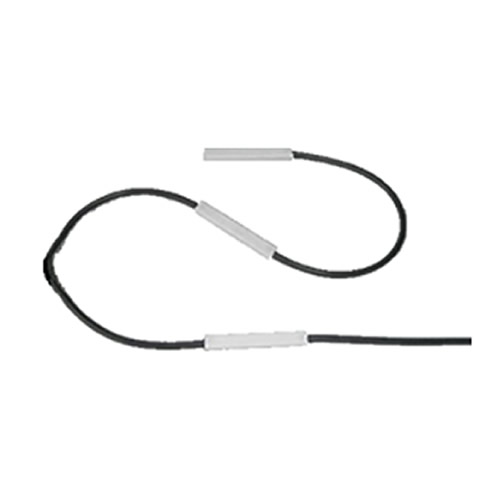
Fiber Bragg grating temperature sensors consist of periodic refractive index modulations inscribed into the fiber core. These gratings reflect specific wavelengths (Bragg-Wellenlänge) that shift proportionally with temperature changes. Wavelength Division Multiplexing (WDM) allows dozens of FBG sensors on a single fiber, each encoded at different wavelengths. Hochauflösende Wellenlängenabfragegeräte demodulieren diese Verschiebungen in präzise Temperaturmesswerte.
5. Detailed Technology Comparison
| Parameter | Fluoreszierende Glasfaser | Verteiltes DTS (Raman) | Verteiltes DTS (Brillouin) | FBG-Sensoren |
|---|---|---|---|---|
| Messgenauigkeit | ±0,5-1°C | ±1-3°C | ±1-2°C | ±0,5-1°C |
| Temperaturbereich | -40 bis +260°C | -40 bis +150°C | -40 bis +150°C | -40 bis +300°C |
| Ansprechzeit | <1 zweite | 10 Sekunden – 2 Minuten | 1-5 Minuten | <1 zweite |
| Überwachungsentfernung | 0-80m Faserlänge pro Kanal | 10-30km | 30-100km | Hunderte Meter pro Faser |
| Räumliche Auflösung | Berührungspunktmessung | 0.5-2M | 1-5M | Punktsensoren (anpassbarer Abstand) |
| Überwachungspunkte | 1-64 Kanäle pro Abfragegerät | Kontinuierlich (Tausende von Punkten) | Kontinuierlich (Tausende von Punkten) | 10-100 Sensoren pro Faser |
| Elektrische Isolierung | Völlige Isolation >100kV | Ausgezeichnete Isolation | Ausgezeichnete Isolation | Ausgezeichnete Isolation |
| EMI-Immunität | Absolute Immunität | Hohe Immunität | Hohe Immunität | Hohe Immunität |
| Langzeitstabilität | Exzellent (kalibrierungsfrei) | Gut | Gut | Exzellent |
| Systemkosten | Kostengünstig | Höhere Anfangsinvestition | Höhere Anfangsinvestition | Mäßig |
Empfehlungen zur Anwendungsauswahl
- Fluoreszierende faseroptische Sensoren: Elektrische Hochspannungsgeräte, medizinische Geräte, die elektromagnetische Störfestigkeit erfordern, Präzise Hotspot-Überwachung, explosionsgeschützte Zonen
- Verteiltes Raman-DTS: Stromkabeltunnel, Pipelines, Lagertanks, die eine thermische Profilierung über die gesamte Länge erfordern
- Distributed Brillouin DTS: Ultra-long pipelines, Dämme, bridges exceeding 30km monitoring distance
- FBG-Sensoren: Structural health monitoring combining temperature and strain, quasi-distributed multi-point applications
6. Fluoreszierende faseroptische Temperaturüberwachungssysteme

Systemkomponenten
Eine komplette fluorescent fiber optic temperature system comprises rare-earth doped sensing probes, optische Fasern, Mehrkanal-Abfragegeräte, und Überwachungssoftware. Die Messsonde besteht aus Seltenerdmaterialien, die in Schutzgehäusen mit anpassbaren Durchmessern versiegelt sind, um spezifische Installationsanforderungen zu erfüllen.
Fluoreszierendes Temperaturabfragegerät
Der Abfrager enthält gepulste Anregungsquellen, Präzisions-Zeitschaltungen, optische Empfänger, und Signalverarbeitungseinheiten. Moderne Systemunterstützung 1-64 unabhängige Kanäle, Jeder misst einen Hotspot mit vollständiger Kanalisolierung. Diese Architektur stellt sicher, dass der Ausfall eines einzelnen Kanals keine Auswirkungen auf andere hat.
Hauptvorteile
- Passive Sensorsonde: Keine Elektronik am Messpunkt eliminiert Explosionsgefahr
- Unabhängige Kanalarchitektur: Jedes Faser-Sonden-Paar arbeitet autonom
- Ultrahochspannungsisolierung: Hält stand >100kV ohne elektrischen Durchschlag
- Kalibrierungsfreier Betrieb: Die Eigenschaften von Seltenerdmaterialien bleiben über Jahrzehnte stabil
- Schnelle thermische Reaktion: Die Reaktion in Sekundenbruchteilen erfasst vorübergehende Ereignisse
- Umfassende EMI-Immunität: Functions flawlessly in RF, Mikrowelle, and plasma environments
- Intrinsic Safety Certification: Suitable for hazardous Zone 0 Standorte
- 20+ Year Service Life: Minimal maintenance requirements
- Cost-Effective Pricing: Affordable solution for critical monitoring applications
- Customizable Parameters: Tailored probe dimensions, Faserlängen, und Kanalkonfigurationen
- Breites Anwendungsspektrum: Versatile deployment across power, medizinisch, industriell, and laboratory environments
7. Verteilte Temperaturerfassungssysteme

Raman DTS System Architecture
Raman-basiert distributed fiber optic temperature systems integrate pulsed laser sources, optical switches, narrowband filters, sensitive photodetectors, and signal acquisition units. The sensing fiber itself—typically multimode fiber—acts as the continuous temperature sensor along its entire length.
Technische Spezifikationen von Raman DTS:
- Überwachungsentfernung: 10-30km per fiber
- Räumliche Auflösung: 0.5-2M
- Continuous Monitoring Points: 5,000-30,000 Standorte
Brillouin DTS System Architecture
Brillouin systems employ narrow-linewidth lasers, frequency scanning modules, and optical time-domain analysis units. Single-mode sensing fibers enable ultra-long distance monitoring.
Technische Spezifikationen von Brillouin DTS:
- Überwachungsentfernung: 30-100km
- Räumliche Auflösung: 1-5M
- Gleichzeitige Temperatur- und Dehnungsmessung
8. FBG-Temperaturüberwachungssysteme
FBG-Systemkomponenten
Temperatursysteme mit Faser-Bragg-Gitter bestehen aus FBG-Sensorarrays, Breitband-Lichtquellen, Wellenlängen-Interrogatoren, WDM-Multiplexer, und Datenerfassungssoftware.
Technische FBG-Spezifikationen:
- Sensoren pro Faser: 10-100 Multiplexgitter
- Wellenlängenauflösung: 1-5Uhr
- Dual-Parameter-Fähigkeit: Gleichzeitige Temperatur und Belastung
Lösungen zur Temperatur-Dehnungs-Querempfindlichkeit
Fortschrittliche FBG-Systeme nutzen temperaturkompensierte Gitterdesigns oder Doppelgitterkonfigurationen, um thermische und mechanische Effekte zu trennen, Gewährleistung präziser Reintemperaturmessungen.
9. Leistung & Anwendungen zur Energieüberwachung
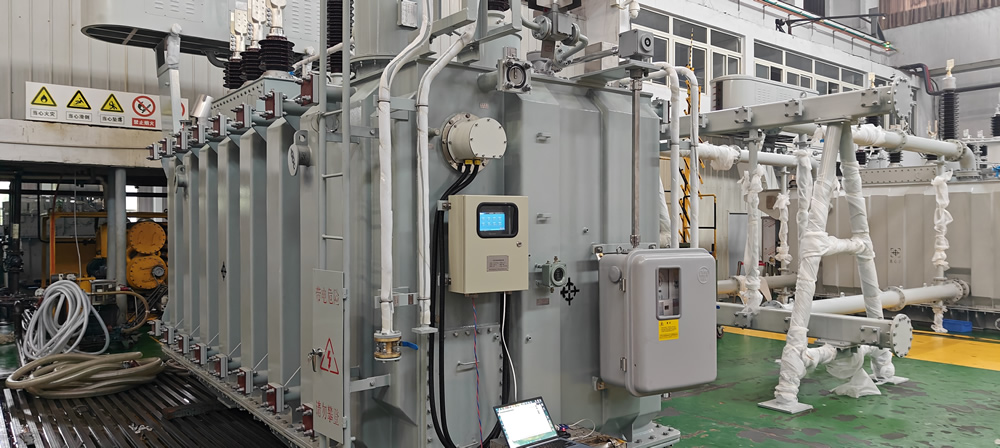
Überwachung der Transformatortemperatur
Fluoreszierende faseroptische Sensoren Hervorragend geeignet für die Erkennung von Hotspots in Transformatorwicklungen. Für Öltransformatoren und Verteiltransformatoren (110kV und darunter), Direkt in die Wicklungen eingesetzte Fluoreszenzsonden liefern thermische Intelligenz in Echtzeit. Das Überwachung der Transformatortemperatur verhindert katastrophale Ausfälle, indem Überhitzung erkannt wird, bevor es zu einer Verschlechterung der Isolierung kommt.
Schaltanlage & Überwachung von Leistungsschaltern
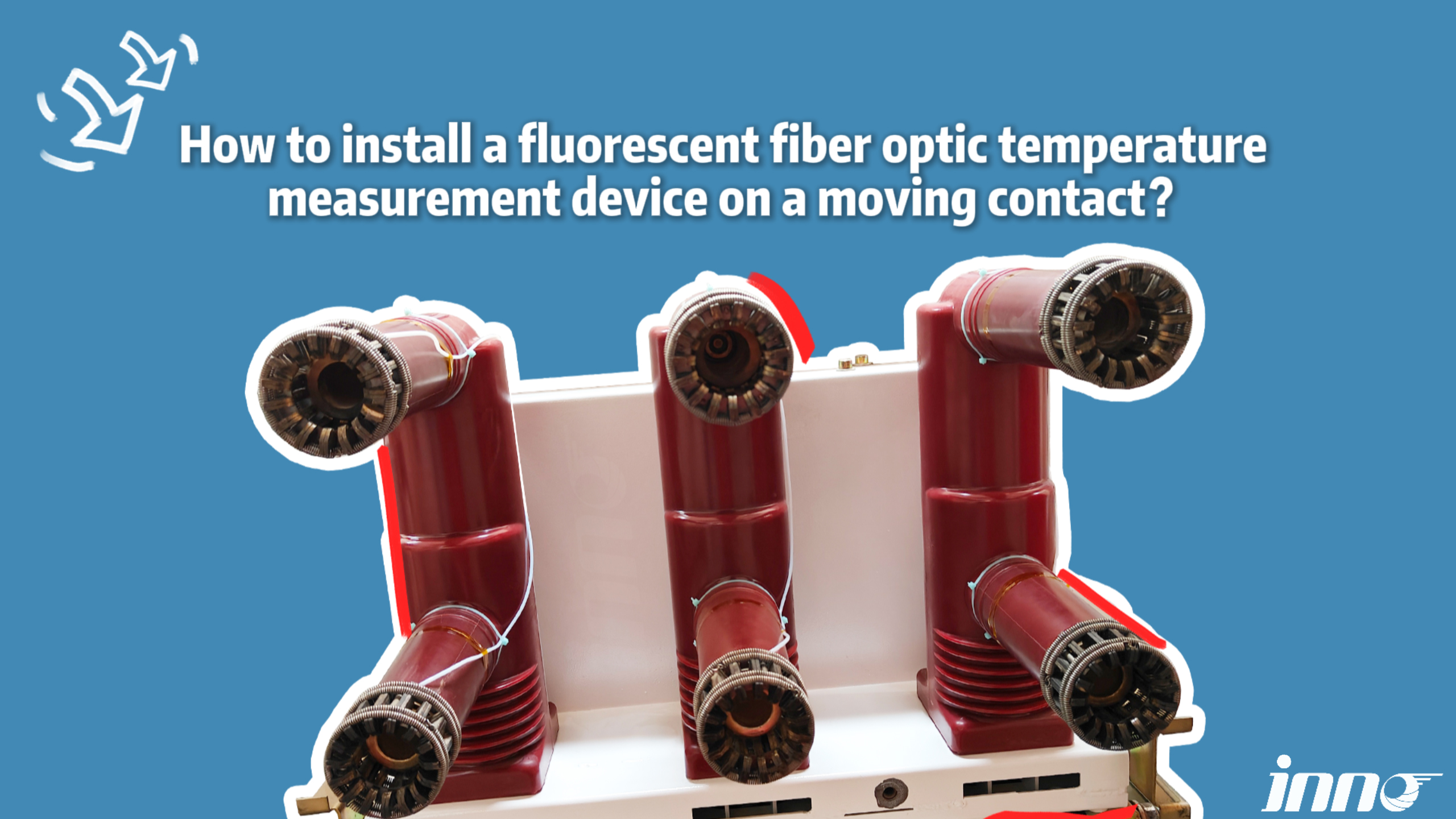
Komponenten von Hochspannungsschaltanlagen – einschließlich Kontakte, Sammelschienen, Kabelanschlüsse – erzeugen örtliche Erwärmung bei starker Strombelastung. Fluoreszierende Temperatursensoren Monitor:
- Ring-Haupteinheit (RMU) Buchsentemperatur: Erkennung kritischer Hotspots
- GIS-Wärmeüberwachung für Schaltanlagen: SF6-isolierter Geräteschutz
- Statische Kontakte des Leistungsschalters: Frühwarnung vor Kontaktverschlechterung
- Geschlossene Sammelschienensysteme: Schutz vor Überhitzung der Verbindungsstelle
Stromkabelüberwachung
Kabelsysteme profitieren sowohl von fluoreszierenden als auch von verteilten Ansätzen:
- Überwachung der Kabelabschlusstemperatur: Fluoreszierende Sensoren an kritischen Gelenken
- Kabeltunnel-DTS-Überwachung: Continuous thermal profiling along entire route
- Direct Burial Cable Monitoring: Distributed sensing for buried assets
Large Motor & Generatorüberwachung
Überwachung der Statorwicklungstemperatur des Generators using fluorescent sensors provides crucial thermal protection for hydro turbines, Windkraftanlagen, und große Industriemotoren. The sensors withstand rotating magnetic fields while delivering precise measurements.
Überwachung der IGBT-Modultemperatur
Power electronic converters in renewable energy systems, HVDC stations, and industrial drives require precise IGBT temperature monitoring. Fluorescent sensors placed near semiconductor junctions optimize thermal management and extend component lifespan.
10. Medical Equipment Temperature Monitoring

MRT-Temperaturüberwachung
Die Magnetresonanztomographie stellt einzigartige Herausforderungen dar – starke Magnetfelder (1.5T-7T) und Hochfrequenzimpulse verbieten herkömmliche Sensoren. Fluoreszierende faseroptische Temperatursensoren bieten die ideale Lösung mit völlig metallfreien Sonden, die gegen magnetische Störungen immun sind. Zu den Anwendungen gehört die Überwachung der Patiententemperatur, Wärmeschutz der Gradientenspule, und Überwachung der HF-Spulenheizung.
RF & Mikrowellen-Thermotherapiegeräte
Krebsbehandlung durch Radiofrequenzablation Und Mikrowellen-Hyperthermie erfordert eine präzise Kontrolle der Gewebetemperatur. Fluoreszenzsensoren liefern thermisches Feedback in Echtzeit in intensiven elektromagnetischen Feldern, wo herkömmliche Thermoelemente katastrophal versagen.
11. Industriell & Laboranwendungen
Ausrüstung zur Halbleiterherstellung
Plasmaätzsysteme (ICP, RIE) erzeugen während der Waferverarbeitung extreme elektromagnetische Umgebungen. Fluoreszierende Temperatursensoren Überwachen Sie die Kammertemperaturen und die thermischen Bedingungen des Wafersubstrats ohne Plasmainterferenz, ensuring process repeatability and yield optimization.
Microwave Processing Equipment
- Mikrowellenaufschlusssysteme: Reaction vessel temperature control
- Microwave Industrial Heaters: Material heating uniformity monitoring
- RF Heating Equipment: Non-invasive thermal profiling
Specialized High-Energy Environments
- Electro-Explosive Devices (EED) Testen: Safe temperature monitoring during sensitivity evaluation
- Teilchenbeschleuniger: Radiation-resistant temperature sensing
- Nuclear Facilities: Long-term thermal monitoring in radioactive zones
Petrochemical Applications
Distributed DTS systems monitor pipeline leak detection via thermal anomalies, storage tank thermal stratification, and refinery equipment thermal profiling. Fluorescent sensors complement DTS at critical equipment hotspots.
12. Leitfaden zur Systemauswahl
Key Selection Criteria
| Application Requirement | Empfohlene Technologie | Typische Konfiguration |
|---|---|---|
| High-voltage equipment 1-64 precise hotspots | Fluoreszierende Glasfaser | Multi-channel interrogator + rare-earth probes |
| Cable tunnel/pipeline full-length monitoring | Verteiltes Raman-DTS | DTS host + multimode sensing fiber |
| Ultra-long pipeline monitoring (>30km) | Distributed Brillouin DTS | BOTDR system + single-mode fiber |
| Mehrpunktüberwachung des strukturellen Zustands | FBG-Sensoren | Wellenlängen-Interrogator + FBG-Array |
| Medizinische MRT-/RF-/Mikrowellenumgebungen | Fluoreszierende Glasfaser | Medizinischer Vernehmungsbeamter + benutzerdefinierte Sonden |
| Halbleiter-Plasma-Ausrüstung | Fluoreszierende Glasfaser | Hochpräzises Abfragegerät |
Checkliste für Systemkomponenten
Fluoreszierendes Glasfasersystem
- Fluoreszierende faseroptische Temperaturfühler (mit Seltenen Erden dotiert)
- Mehrkanal-Fluoreszenz-Abfragegerät (1-64 Kanäle)
- Glasfaserkabel (0-80m pro Kanal)
- Kommunikationsmodule (Modbus RTU/TCP, OPC UA)
- Temperaturüberwachungssoftware
Verteiltes DTS-System
- DTS-Vernehmer (Raman oder Brillouin)
- Sensor-Glasfaserkabel (Multimode oder Singlemode)
- Gehäuse und Steckverbinder für Glasfaserspleiße
- Kommunikationsschnittstellenmodule
- DTS-Analyse- und Visualisierungssoftware
FBG-Temperatursystem
- FBG-Temperatursensor-Arrays
- Wellenlängen-Interrogator
- WDM-Multiplexer
- Glasfaser-Patchkabel und Steckverbinder
- Datenerfassungssoftware
13. Führende globale Hersteller von faseroptischen Temperatursensoren
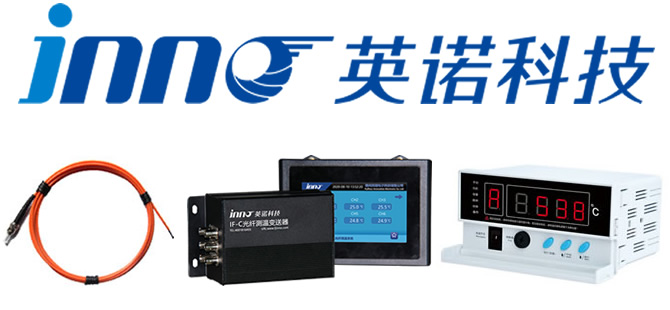
🏆 #1 INNO – Fuzhou Innovation Electronic Science&Tech Co., Ltd.
| Gegründet | 2011 |
| Kerntechnologie | Fluoreszierende faseroptische Temperaturmessung |
| Schlüsselprodukte | • Fluoreszierende faseroptische Temperatursensoren • Mehrkanal-Fluoreszenz-Abfragegeräte (1-64 Kanäle) • Hochspannungsüberwachungssysteme • Medical-grade temperature sensors |
| Technische Exzellenz | • Proprietary rare-earth materials, ±0.5-1°C accuracy • Voltage isolation >100kV, 20+ Jahr Lebensdauer • Calibration-free design, <1 zweite Antwort • Customizable probe diameter and fiber length (0-80M) • Cost-effective solutions with wide application range |
| Anwendungsfelder | Energiesysteme (Transformatoren, Schaltanlage, Motoren), Medizinische Geräte (MRT, RF/microwave therapy), Halbleiterfertigung, Petrochemical facilities, Laborinstrumentierung |
| Globale Reichweite | Produkte, die exportiert werden 60+ Länder, OEM/ODM-Anpassungsdienste |
| Kontakt | 📧 E-Mail: web@fjinno.net 📱 WhatsApp: +86 13599070393 💬 WeChat: +86 13599070393 |
#2 AP-Erkennung (Deutschland)
- Gegründet: 1991
- Technologie: Marktführer für verteilte DTS-Systeme
- Produkte: Raman/Brillouin DTS, lineare Wärmeerkennung
- Anwendungen: Kabelüberwachung, Erkennung von Pipeline-Lecks, Perimetersicherheit
#3 Sensornetz (Vereinigtes Königreich)
- Gegründet: 1998
- Technologie: Hochleistungsfähige verteilte Fasersensorik
- Produkte: Halo DTS-Serie, Raman/Brillouin-Systeme
- Anwendungen: Öl & Gasleitungen, Stromkabel, Branderkennung
#4 Yokogawa (Japan)
- Gegründet: 1915
- Technologie: Industrielle Automatisierung & verteilte Wahrnehmung
- Produkte: DTSX Raman DTS-Systeme
- Anwendungen: Petrochemie, Stromerzeugung, Prozesskontrolle
#5 Bandweber (Vereinigtes Königreich)
- Gegründet: 2001
- Technologie: FBG-Sensorsysteme
- Produkte: FBG-Vernehmer, Temperatur-/Dehnungssensoren
- Anwendungen: Überwachung des strukturellen Zustands, Energiesysteme, Luft- und Raumfahrt
#6 OFS (USA)
- Technologie: Spezialfaser & Sensorsysteme
- Produkte: Sensorfasern, verteilte Überwachungssysteme
- Anwendungen: Öl & Gas, Energieversorger, Infrastruktur
#7 LIOS-Technologie (Deutschland)
- Gegründet: 1999
- Technologie: Fluoreszierende faseroptische Sensorik
- Produkte: FOT-Fluoreszenzsysteme
- Anwendungen: Energiesysteme, medizinische Ausrüstung
#8 Omnisens (Schweiz)
- Gegründet: 2003
- Technologie: Verteilte Brillouin-Sensorik
- Produkte: DiTeSt-Reihe, Temperatur-Dehnungs-Überwachung
- Anwendungen: Pipelines, Dämme, Überwachung der Brückenstruktur
#9 Mikronor (USA)
- Gegründet: 1985
- Technologie: Fasererkennung für raue Umgebungen
- Produkte: Fluoreszierende Sensoren, high-temperature systems
- Anwendungen: Aerospace engines, Kernenergie, Petrochemie
#10 HBM FiberSensing (Portugal)
- Technologie: FBG sensor technology
- Produkte: BraggMETER interrogators, FBG-Sensorarrays
- Anwendungen: Structural monitoring, energy sector, composites
14. Get Your Custom Fiber Optic Temperature Solution Today
🌟 Professional Fiber Optic Temperature Sensing Solutions
✅ Complete Product Range
• Fluorescent fiber optic systems
• Distributed DTS solutions
• FBG temperature monitoring
• Medical-grade equipment
✅ Custom Solutions
• Industry-specific designs
• Multi-technology integration
• OEM/ODM services
• Turnkey system integration
✅ Comprehensive Support
• Technical consultation
• Remote engineering support
• Training programs
• Lifetime technical assistance
📞 Contact INNOSEN for Fast Quote & Free Samples
Fuzhou Innovation Electronic Science&Tech Co., Ltd.
📧 E-Mail: web@fjinno.net
📱 WhatsApp: +86 13599070393
💬 WeChat: +86 13599070393
Get Instant Access To:
- ✔️ Kostenlose technische Beratung
- ✔️ Individuelles Lösungsdesign
- ✔️ Schnelles Angebot innerhalb 24 Std.
- ✔️ Kostenlose Produktmuster verfügbar
- ✔️ Fallstudien aus der Industrie
- ✔️ Detaillierte technische Spezifikationen
15. Häufig gestellte Fragen zu faseroptischen Temperatursensoren
Q1: Welche Genauigkeit können faseroptische Temperatursensoren erreichen??
Die Genauigkeit variiert je nach Technologie. Fluoreszenzsysteme und FBG-Sensoren bieten typischerweise eine höhere Präzision und eignen sich für kritische Anwendungen, während verteilte Systeme eine breitere thermische Profilierung mit unterschiedlichen Genauigkeitseigenschaften bieten. Die spezifische Leistung hängt von der Systemkonfiguration und den Anwendungsanforderungen ab.
Q2: Wie viele Messpunkte kann ein einzelnes System verarbeiten??
Dies hängt von der gewählten Technologie ab. Fluoreszierende Systeme unterstützen mehrere unabhängige Kanäle, distributed systems provide continuous monitoring along fiber lengths, and FBG systems can multiplex numerous sensors on a single fiber. Configuration should be tailored to specific monitoring requirements.
Q3: What happens if the fiber breaks?
Impact varies by architecture. Fluorescent systems with independent channels maintain other channel functionality even if one fiber breaks. Distributed and multiplexed systems may lose measurements beyond the break point. Proper installation and protection minimize this risk.
Q4: Was ist die typische Lebensdauer von faseroptischen Temperatursensoren??
Faseroptische Sensoren bieten im Allgemeinen eine hervorragende Langlebigkeit. Sensorsonden und Fasern können bei minimalem Wartungsaufwand viele Jahre lang zuverlässig funktionieren. Elektronische Abfrageeinheiten haben in der Regel eine normale Lebensdauer von Industriegeräten. Die tatsächliche Lebensdauer hängt von den Umgebungsbedingungen und der ordnungsgemäßen Installation ab.
F5: Erfordern faseroptische Temperatursysteme eine Kalibrierung??
Die Kalibrierungsanforderungen variieren. Einige Technologien bieten eine inhärente Stabilität, die eine minimale Neukalibrierung erfordert, während andere von einer regelmäßigen Überprüfung profitieren. Wartungspläne sollten auf der Grundlage der Anwendungskritikalität und der Empfehlungen des Herstellers festgelegt werden.
F6: Können faseroptische Sensoren in bestehende SCADA/DCS-Systeme integriert werden??
Ja, modern fiber optic temperature systems support standard industrial protocols including Modbus RTU/TCP, OPC UA/DA, IEC 61850, and SNMP, enabling seamless integration with plant automation systems.
F7: Are fiber optic sensors suitable for outdoor installations?
Absolut. Optical fibers inherently withstand harsh environments. When properly protected with industrial-grade housings (IP65-IP68 ratings), Glasfasersysteme funktionieren auch unter Außenbedingungen, einschließlich extremer Temperaturen, zuverlässig, Feuchtigkeit, und UV-Belastung.
F8: Welche Explosionsschutzklassen haben faseroptische Sensoren??
Die faseroptische Sensortechnologie bietet wesentliche Sicherheitsvorteile. Die Sensorelemente enthalten keine elektrischen Komponenten oder Energiequellen, Dadurch sind sie für Gefahrenbereiche geeignet. Abfrageeinheiten müssen entsprechend der Bereichsklassifizierung installiert werden.
F9: Können faseroptische Sensoren in starken Magnetfeldern funktionieren??
Ja, Das ist ein entscheidender Vorteil. Faseroptische Sensoren sind völlig immun gegen Magnetfelder, Damit sind sie ideal für MRT-Umgebungen, Generatoren, Motoren, und andere Hochfeldanwendungen, bei denen herkömmliche Sensoren versagen.
F10: Können Glasfaser-Temperaturdaten drahtlos übertragen werden??
Ja, Glasfaser-Interrogatoren können mit drahtlosen Kommunikationsmodulen ausgestattet werden (4G/5G/LoRa/WiFi) for remote data transmission to central monitoring stations or cloud platforms.
F11: Are sensing probes replaceable in the field?
Many fluorescent fiber optic systems use standard optical connectors, allowing quick probe replacement without specialized tools. This field-serviceability minimizes downtime during maintenance.
F12: How does fiber optic temperature sensing compare in cost?
While initial investment varies by technology and scale, fiber optic systems often prove cost-effective when considering total ownership costs. Factors include minimal maintenance, lange lebensdauer, reduced downtime from early fault detection, and elimination of electrical safety infrastructure in hazardous areas.
Q13: Can fiber optic sensors be installed in existing equipment?
Ja, retrofit installations are common. Fluorescent probes with customizable diameters can fit into existing thermowell provisions, while distributed fibers can be routed along cable trays or pipelines. Installation methods depend on specific equipment and access constraints.
Q14: What communication distances are possible between sensors and monitoring stations?
Fiber optic technology enables exceptional communication distances. Local networks can span hundreds of meters, while long-haul systems leverage fiber optic transmission capabilities for multi-kilometer separations between sensing locations and control rooms.
Q15: How quickly can a fiber optic temperature system be deployed?
Deployment timelines depend on project scope, complexity, und Standortbedingungen. Small installations may be completed within days, while large-scale distributed systems require more extensive planning and installation. Detailed project schedules are developed during the design phase.
Haftungsausschluss
The fiber optic temperature sensing information provided in this article is for general educational purposes. Specific technical selections, installation requirements, and safety compliance must follow local regulations and manufacturer guidelines. Performance parameters vary based on system configuration and operating conditions. Temperaturschwellenwerte und Systemspezifikationen sollten von qualifizierten Ingenieuren auf der Grundlage der tatsächlichen Anwendungsanforderungen festgelegt werden. Medizinische Geräte und Anwendungen in explosionsgefährdeten Bereichen erfordern entsprechende Zertifizierungen. Autor und Herausgeber übernehmen keine Haftung für Handlungen, die auf Grundlage dieser Informationen erfolgen. Produktspezifikationen und Firmenangaben können sich ändern; Bitte überprüfen Sie dies anhand offizieller Quellen.

Faseroptischer Temperatursensor, Intelligentes Überwachungssystem, Verteilter Glasfaserhersteller in China
 |
 |
 |