 أجهزة استشعار درجة حرارة الألياف الضوئية INNO ,أنظمة مراقبة درجة الحرارة.
In the extreme internal environment of transformers—characterized by high voltage, المجالات الكهرومغناطيسية القوية, and high temperatures—fluorescent fiber optic temperature sensors are widely regarded as one of the best solutions available today, especially for applications that require precise, موثوق, and intrinsically safe monitoring of critical areas such as winding hot spots.
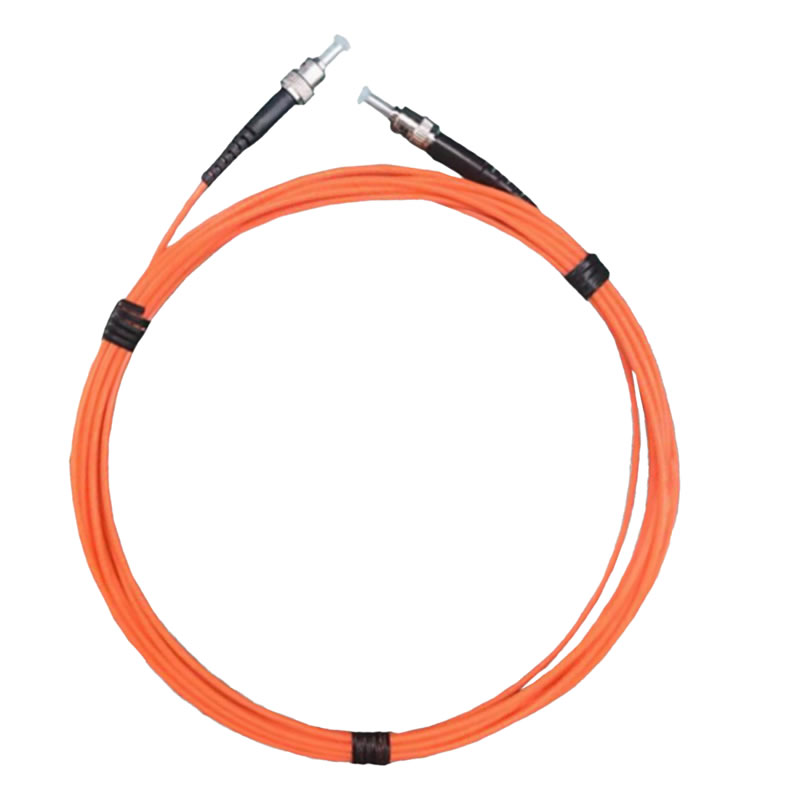
مبدأ أجهزة استشعار درجة حرارة الألياف الضوئية الفلورية:
The core of the fluorescent fiber optic sensor is a special fluorescent material coated at the end of the fiber or at a specific point. When excitation light of a specific wavelength (usually emitted by an LED or laser) is transmitted through the fiber to the fluorescent material, the material is excited and emits fluorescence of a specific wavelength. The characteristics of this fluorescence (decay time/lifetime) يتغير بدقة شديدة وبشكل متكرر مع درجة حرارة البيئة التي توجد بها مادة الفلورسنت. يقوم المستشعر بقياس درجة الحرارة عن طريق الكشف عن التغيرات في عمر التألق (بدلا من الشدة). الكشف مدى الحياة يعني أنه لا يتأثر بالتقلبات في مصدر الضوء, فقدان انحناء الألياف, أو فقدان الموصل, ضمان الاستقرار والموثوقية العالية للغاية.
لماذا تعد مستشعرات الألياف الضوئية الفلورية هي الخيار الأفضل لمراقبة المحولات
- السلامة الجوهرية والعزل الكهربائي:
- الألياف نفسها مصنوعة من زجاج الكوارتز, وهو عازل كهربائي مثالي.
- لا تدخل أي أجزاء معدنية إلى منطقة الجهد العالي, القضاء تماما على خطر الدوائر القصيرة, التصريفات, أو حتى الانفجارات الناجمة عن عيوب العزل أو إدخال الموصلات المعدنية, كما رأينا مع أجهزة الاستشعار التقليدية (مثل RTDs والمزدوجات الحرارية).
- The sensor probe requires no power supply, only an optical signal provided at the low-voltage control room end.
- Excellent Electromagnetic Interference Resistance: Optical fiber transmits optical signals and is completely immune to any form of electromagnetic interference generated during transformer operation, such as strong power frequency electromagnetic fields, التوافقيات, العابرين, and partial discharges. Measurement results are stable and reliable.
- دقة عالية واستقرار: Fluorescence lifetime temperature measurement technology is insensitive to light source fluctuations and fiber loss, achieving high measurement accuracy (typically up to ±0.5°C or better). The fluorescent material is physically and chemically stable, resistant to aging, with excellent long-term stability and minimal drift.
- High Temperature and Harsh Environment Resistance: Quartz fiber and special fluorescent materials (such as certain rare-earth-doped materials) can withstand extremely high temperatures (عادة >200درجة مئوية, with special designs over 300°C), fully meeting the needs of transformer hot spot monitoring (hot spot temperatures can far exceed 105°C). Resistant to oil and chemical corrosion (transformer oil environment), and mechanically stable.
- قياس النقطة الساخنة المباشرة: The fiber is extremely thin and flexible (diameter usually less than 250 ميكرون), allowing direct embedding between winding pancakes, pressing pads, or closely against the conductor surface, تمكين المباشر, in-situ measurement of the most critical hot spot temperature. This is impossible for other non-invasive methods (such as infrared).
- Multi-point Measurement: Optical signal loss in optical fibers is extremely low, making it suitable for transmitting signals from high-voltage hazardous areas to safe control rooms. The system can be designed for multi-point measurement (arranging multiple fluorescent probes on one IF-C fiber optic temperature transmitter demodulator), monitoring temperatures at different parts of the transformer.
- عمر خدمة طويل وصيانة منخفضة: The fiber optic sensor has a simple structure, لا أجزاء متحركة, and in a stable transformer oil environment, its service life is very long (usually matching the transformer’s lifespan), and it is almost maintenance-free.
Comparison with Other Transformer Temperature Monitoring Methods
| طريقة المراقبة | المزايا | العيوب | Suitable for Transformer Hot Spot Monitoring? |
|---|---|---|---|
| مستشعر الألياف الضوئية الفلورسنت | السلامة الجوهرية, strong EMI immunity, دقة عالية, استقرار عالي, مقاومة درجات الحرارة العالية, direct hot spot measurement, عمر طويل, multi-point transmission | Relatively high initial cost, installation requires professional design (needs to be embedded during manufacturing or major overhaul) | Best choice |
| FBG Fiber Optic Sensor | السلامة الجوهرية, مقاومة EMI, multiplexing, دقة عالية | Sensitive to static strain (transformer vibration, mechanical stress affects temperature accuracy), complex and expensive demodulation equipment, gratings may degrade at high temperatures, usually higher cost than fluorescent fiber | Usable, but inferior to Fluorescent Fiber Optic Sensor |
| RTD / الحرارية | التكنولوجيا الناضجة, تكلفة منخفضة نسبيا, دقة عالية | Requires metal wires to enter high-voltage area, risk of insulation breakdown and short circuit, susceptible to strong EMI, wires may introduce measurement errors, cannot be safely and reliably installed inside high-voltage windings, relatively short lifespan | Not suitable for critical hot spots |
| التصوير الحراري بالأشعة تحت الحمراء | عدم الاتصال, can scan surfaces | يمكن قياس درجة حرارة السطح فقط, cannot measure internal hot spots, greatly affected by oil contamination/window transparency/emissivity, relatively low accuracy, غالي (high-end equipment), requires shutdown or special windows | Not suitable for internal hot spots |
| Top Oil Temperature Gauge | بسيط, تكلفة منخفضة | Only reflects average oil temperature, seriously lags behind winding hot spot temperature, cannot provide local overheating warning | Not suitable |
Why Transformers Must Use Fiber Optic Sensors (Especially Fluorescent Type)?
Transformers are the core equipment of the power grid. The winding hot spot temperature is the key factor determining their load capacity and lifespan, and is also one of the main causes of failures. Traditional temperature monitoring methods face insurmountable challenges inside transformers:
- High voltage insulation risk: Introducing metal wires is a huge safety hazard.
- التداخل الكهرومغناطيسي القوي: Causes electronic sensor signal distortion or even failure.
- High temperature environment: Ordinary sensors cannot operate stably for long periods.
- Critical points are difficult to reach: Internal hot spots in windings require miniature, flexible sensors to embed.
Fluorescent fiber optic sensors perfectly solve all these problems:
- أمان: All-fiber, لا معدن, آمنة جوهريا.
- مصداقية: محصن ضد EMI, high temperature resistant, long-term stable.
- دقة: Directly measure the most critical winding hot spot temperature.
- حياة طويلة: Lifespan matches the transformer, خالية من الصيانة.
Summary
For transformers that require the highest safety level, the most reliable data, and the most precise hot spot temperature monitoring (especially large high-voltage and ultra-high-voltage transformers), fluorescent fiber optic temperature sensors are currently the undisputed best choice. They overcome the fatal flaws of traditional methods, providing an intrinsically safe, مكافحة التدخل, عالية الدقة, مقاومة درجات الحرارة العالية, and long-life solution. يمكن دمجها مباشرة في الملف لقياس درجة حرارة النقطة الساخنة الأساسية, توفير دعم البيانات الحاسمة للتشغيل الآمن للمحولات, تحسين التحميل, تقييم الحالة, والتنبؤ بالحياة. على الرغم من أن التكلفة الأولية أعلى ويجب التخطيط للتركيب أثناء التصنيع أو الإصلاح الشامل, تحسين السلامة, ضمان الموثوقية التشغيلية, وقيمة منع الأخطاء المحتملة تجعلها تقنية مراقبة رئيسية لا غنى عنها للمحولات الذكية الحديثة.

مستشعر درجة حرارة الألياف الضوئية, نظام مراقبة ذكي, الشركة المصنعة للألياف الضوئية الموزعة في الصين
 |
 |
 |