 أجهزة استشعار درجة حرارة الألياف الضوئية INNO ,أنظمة مراقبة درجة الحرارة.
يجب أن يعتمد اختيار مستشعر درجة حرارة الألياف الضوئية المناسب على المتطلبات المحددة لسيناريو التطبيق, مع الأخذ في الاعتبار عوامل مثل البيئة الكهرومغناطيسية, قيود مساحة القياس, البيئات الخطرة, نقاط القياس والتخطيط, نطاق درجة حرارة القياس, متطلبات الدقة والحل, وكذلك نوع عمل المسبار, للتأكد من أن المستشعر يمكنه تلبية احتياجات مراقبة درجة الحرارة لبيئات محددة.
1. أنواع أجهزة استشعار درجة حرارة الألياف البصرية
1.1 مستشعر درجة حرارة شبكة الألياف Bragg
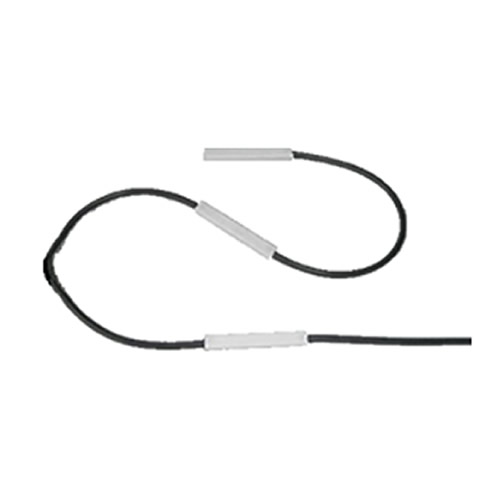
مبدأ
يستخدم مستشعر درجة حرارة شبكة الألياف Bragg الحساسية الضوئية لمواد الألياف الضوئية لتشكيل شبكة طور مكانية في قلب الألياف لقياس درجة الحرارة. على سبيل المثال, شبكة ألياف Bragg هي نوع جديد من شبكة الألياف Bragg التي تم تشكيلها عن طريق تشعيع ألياف الجرمانيوم أحادية الوضع مع الضوء فوق البنفسجي لتشكيل تقنية الشبكة. بعد صريف, the refractive index of the fiber core shows periodic distribution stripes and produces Bragg grating effect. Its basic optical characteristic is a narrowband optical filter centered on the resonance wavelength, which satisfies
Optical equations. Long period fiber Bragg grating couples the fundamental mode of forward transmission into the cladding mode of forward transmission.
characteristic
حجم صغير: Compared with general light temperature sensors, fiber Bragg grating sensors have a smaller size, which makes them advantageous in some space limited application scenarios. على سبيل المثال, in the aerospace field, where space is limited on aircraft, small-sized sensors are easier to install and use.
The detection quantity is wavelength information: it is not affected by factors such as light source fluctuations, خسائر ثني الألياف, connection losses, وشيخوخة الكاشف. على سبيل المثال, in long-distance fiber optic transmission, even if there is a certain degree of bending or connection points in the fiber optic, it will not have a significant impact on the measurement results.
Not sensitive to environmental interference: علاوة على ذلك, wavelength encoding allows for easy use of wavelength division multiplexing technology, enabling accurate temperature measurement in complex environments. في نظام الطاقة, there are complex environmental factors such as electromagnetic interference in places like substations, and fiber Bragg grating temperature sensors can work stably.
Fast measurement speed: The measurement speed of a single optical fiber is generally within tens of milliseconds, and the transmission distance of the fiber can reach more than 10km, which can meet some temperature monitoring requirements with high real-time requirements, such as temperature monitoring of large motors, transformers and other equipment.
1.2 Distributed Fiber Optic Temperature Sensor
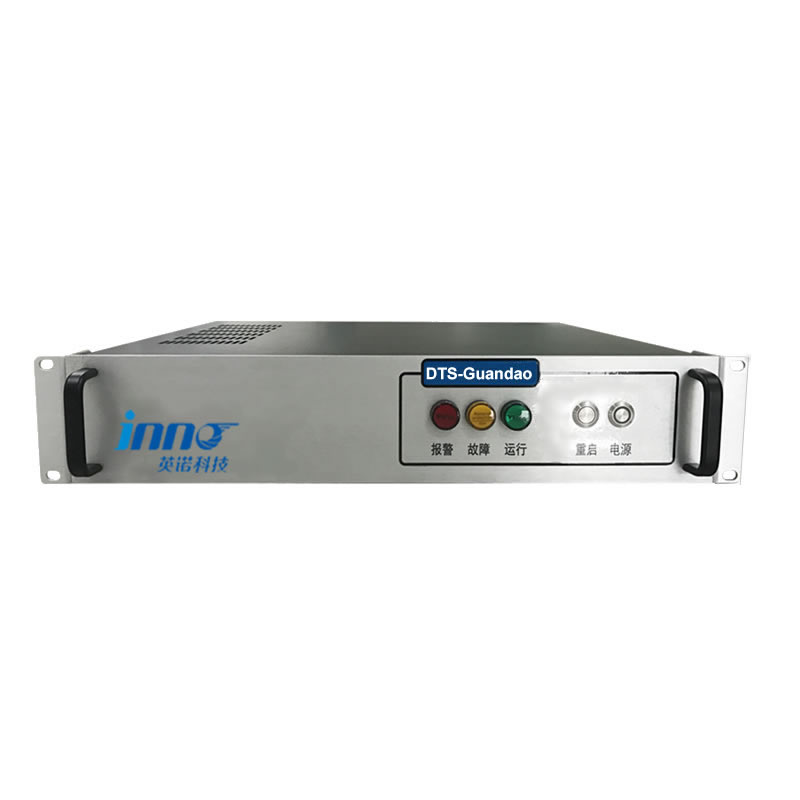
مبدأ
Mainly based on Raman scattering effect and Optical Time Domain Reflectometer (أوتدر) technology to achieve continuous distributed measurement. The reflected light of laser in fiber optic transmission mainly includes Rayleigh scattering, تناثر رامان, وتناثر Brillouin. الألياف الضوئية الموزعة sensors have gone through the development process from the initial liquid core fiber distributed temperature monitoring system based on backward Rayleigh scattering, to fiber optic temperature measurement system based on optical time-domain Raman scattering, and fiber optic temperature measurement system based on optical frequency-domain Raman scattering.
characteristic
Distributed measurement capability: It can continuously and real-time measure the temperature at various points along the fiber optic cable within a few kilometers, with a positioning accuracy of up to meters and a measurement accuracy of up to 1 درجة. It is very suitable for applications such as temperature measurement at large-scale intersection points. على سبيل المثال, in oil fields, it can monitor the temperature distribution along oil pipelines and timely detect potential leakage points.
There are many research hotspots: Brillouin scattering time-domain and frequency-domain systems are also hot topics in the field of fiber optic sensors. Several companies have corresponding products, which means that their technology is constantly developing and improving, and the future application prospects are broad.
1.3 مستشعر درجة حرارة الألياف الضوئية الفلورسنت

مبدأ
It is a sensor that uses fluorescent materials to undergo changes in fluorescence intensity or wavelength under temperature changes, وينقل الإشارات عبر الألياف الضوئية لتحقيق الكشف عن درجة الحرارة. A typical fluorescent fiber optic temperature sensor includes a light source, الألياف الضوئية, fluorescent material, and a spectral analyzer. The light source generates excitation light of a certain wavelength, which is transmitted to the fluorescent material through an optical fiber. After the fluorescent material absorbs the excitation light, it emits a fluorescence signal with a specific wavelength, which is transmitted back to the spectrometer for detection through the optical fiber. عندما تتغير درجة الحرارة, the fluorescence characteristics of the fluorescent material will change, which may be a change in fluorescence intensity or a shift in fluorescence wavelength. The temperature value can be determined by measuring the intensity or wavelength of the fluorescence signal.
characteristic
دقة عالية: المواد الفلورية حساسة بشكل خاص للتغيرات في درجات الحرارة, making fluorescent fiber temperature sensors have high measurement accuracy and can be used in medical diagnostic fields that require high temperature measurement accuracy, such as temperature monitoring in some high-precision biomedical research.
استجابة سريعة: capable of real-time monitoring of temperature changes and immediate response, suitable for scenarios that require high response speed to temperature changes, such as temperature monitoring in some chemical reaction processes.
Multi point temperature detection capability: يمكنه مراقبة درجة حرارة مواقع متعددة في وقت واحد من خلال جهاز إرسال درجة الحرارة بالألياف الضوئية, وهو أمر مفيد جدًا في المواقف التي تحتاج إلى مراقبة نقاط متعددة. على سبيل المثال, في مراقبة درجة حرارة غرف الخادم في مراكز البيانات الكبيرة, يمكن مراقبة درجة حرارة خوادم متعددة في وقت واحد.
قدرة قوية ضد التدخل: لا تتأثر بإشارات التداخل, قادرة على العمل بشكل طبيعي في البيئات الكهرومغناطيسية المعقدة. في البيئات الصناعية, مثل الأماكن التي يوجد بها عدد كبير من المعدات الكهربائية التي تولد تداخلاً كهرومغناطيسيًا, لا يزال من الممكن قياس درجة الحرارة بدقة.
الاستقرار على المدى الطويل: تتمتع مواد الفلورسنت بمتانة واستقرار قويين, ويمكن لأجهزة الاستشعار الحفاظ على استقرار الأداء العالي أثناء الاستخدام طويل الأمد, مما يجعلها مناسبة لرصد درجة الحرارة والتحكم فيها في الوقت الحقيقي في إدارة الطاقة والمجالات الأخرى.
نطاق واسع لدرجة الحرارة البيئية: مناسبة لمجموعة واسعة من درجات الحرارة البيئية, من الأدنى إلى ناقص بايدو إلى الأعلى إلى عدة مئات من الدرجات, it can be used for temperature measurement in various extreme temperature environments, such as polar environments or temperature monitoring near high-temperature industrial furnaces.
1.4. Interference type fiber optic temperature sensor
مبدأ
على سبيل المثال, the fiber Fabry Perot interferometric temperature sensor is based on the temperature sensitive characteristics of the interference fringes of the Fabry Perot interferometer. عندما تتغير درجة الحرارة, the position of the interference fringes will move, allowing for accurate temperature measurement. Such sensors typically require fine optical structures to ensure high-precision temperature readings.
characteristic
High precision measurement: Due to its reliance on the movement of interference fringes to measure temperature, as long as the optical structure design is reasonable and the accuracy is high enough, it can achieve very accurate temperature measurement, which can be used in fields such as scientific research that require extremely high precision.
High requirements for optical structure: Fine optical structure is needed, which means that its manufacturing and installation costs may be relatively high, and there are also certain requirements for the usage environment, such as avoiding the influence of interference factors such as vibration on the optical structure.
1.5. Semiconductor absorption type fiber optic temperature sensor
مبدأ
This type of sensor utilizes the property of the absorption spectrum of semiconductor materials changing with temperature, and calculates temperature by monitoring changes in light intensity. The selection and processing technology of semiconductor materials have a significant impact on their performance.
characteristic
Related to the characteristics of semiconductor materials: their performance depends on the selected semiconductor material and its processing technology, and different semiconductor materials may be suitable for different temperature ranges and measurement accuracy requirements.
Light intensity monitoring and measurement: By monitoring changes in light intensity to calculate temperature, this measurement method is relatively direct, but may be affected by factors such as light source stability. If the light intensity of the light source is unstable, it may cause certain errors in the measurement results.
2. Key factors for selecting fiber optic temperature sensors
2.1 Application scenario requirements
البيئة الكهرومغناطيسية
إذا كان هناك تداخل كهرومغناطيسي قوي في سيناريو التطبيق, مثل المحطات الفرعية القريبة, المفاتيح الكهربائية ذات الجهد العالي, أو حول بعض المحركات الصناعية الكبيرة في نظام الطاقة, قد تتأثر طرق قياس درجة الحرارة التقليدية بشدة وتصبح غير قادرة على العمل بشكل صحيح. تتميز مستشعرات درجة حرارة الألياف الضوئية بخصائص الموجات الضوئية التي لا تنتج تداخلًا كهرومغناطيسيًا ولا تخاف من التداخل الكهرومغناطيسي. أجهزة استشعار درجة حرارة شبكة الألياف الضوئية, أجهزة استشعار درجة حرارة الألياف الضوئية الفلورسنت, إلخ. يمكن قياس درجة الحرارة بدقة في البيئات الكهرومغناطيسية المعقدة.
حدود مساحة القياس
عندما تكون مساحة القياس صغيرة, مثل قياس درجة الحرارة داخل المعدات الفضائية أو بعض الأجهزة الدقيقة, مستشعر درجة حرارة الألياف الضوئية ذو حجم صغير, خفيفة الوزن, لا تهمة على الألياف نفسها, حجم صغير, خفيفة الوزن, والانحناء السهل مناسب جدًا. الحجم الصغير لمستشعرات درجة حرارة شبكة الألياف الضوئية يلبي هذا المطلب.
بيئة خطرة
في قابلة للاشتعال, متفجر, والبيئات المسببة للتآكل, مثل المصافي في صناعة البتروكيماويات ومستودعات تخزين المواد الكيميائية القابلة للاشتعال والانفجار, هناك متطلبات خاصة للسلامة ومقاومة التآكل. تتمتع مستشعرات درجة حرارة الألياف الضوئية بمقاومة جيدة للإشعاع وهي مناسبة بشكل خاص للاستخدام في البيئات القاسية مثل البيئات القابلة للاشتعال, متفجر, مساحة محدودة, والتداخل الكهرومغناطيسي القوي. على سبيل المثال, أجهزة استشعار الألياف الضوئية ذات الطلاءات أو المواد الخاصة (مثل الألياف المطلية بالبوليميد والتي يمكن استخدامها في بيئات معينة ذات درجات حرارة عالية ومقاومة للتآكل) يمكن استخدامها في مثل هذه البيئات الخطرة
.
2.2 نقاط القياس والتخطيط
نقطة واحدة وتوزيعها
بناءً على عدد نقاط القياس المطلوبة, تحديد ما إذا كنت تريد استخدام “موزعة” أو “نقطة واحدة” أجهزة الاستشعار, والذي يتضمن قضايا تكلفة النقطة الواحدة, التكلفة الإجمالية, وتخطيط التثبيت. عادة, عندما يكون هناك أقل من 50 نقاط القياس, أ “نوع نقطة واحدة” مثل استخدام جهاز استشعار الفلورسنت; عندما يكون هناك أكثر من 50 نقاط القياس, “موزعة” عادة ما يتم استخدام أجهزة الاستشعار مثل أجهزة استشعار شبكة الألياف Bragg. إذا قمت بقياس درجة الحرارة على طول خط أنابيب النفط الطويل, multiple measurement points are required, and distributed fiber optic temperature sensors are more suitable; If only measuring the temperature of a key part inside a small device, a single point sensor can meet the requirements.
2.3 نطاق قياس درجة الحرارة
Applicability of different temperature ranges
The temperature measurement range of the sensor is an important factor.
عادة, the temperature measurement range of sensors is divided into multiple segments, مثل -40 درجه مئوية -+80 درجه مئوية,
-40 درجه مئوية -+80 ℃ is the measurement range for ordinary environments, and various sensors can be used;
−40℃−+250℃
-40 درجه مئوية -+250 ℃ can be used for measuring high-temperature industrial environments such as electrical systems, and most sensors are also applicable;
−40℃−+400℃
-40 درجه مئوية -+400 ℃ belongs to high-temperature environments, ويجب معالجة أجهزة الاستشعار في مثل هذه البيئات بشكل خاص. أجهزة استشعار الألياف الضوئية العادية لا تلبي متطلبات الاختبار هذه بشكل عام, ويجب أن تستخدم ألياف النقل مواد مقاومة للحرارة العالية مثل البوليميد. على سبيل المثال, في مراقبة درجة حرارة البيئة الداخلية العادية, يمكن اختيار أنواع متعددة من أجهزة استشعار درجة حرارة الألياف الضوئية, في حين أن قياس درجة الحرارة بالقرب من الأفران الصناعية ذات درجة الحرارة العالية يتطلب اختيار أجهزة استشعار خاصة لدرجة الحرارة من الألياف الضوئية يمكنها تحمل درجات الحرارة المرتفعة.
2.4 متطلبات الدقة والقرار
اختيار أجهزة الاستشعار بمستويات دقة مختلفة
عادة, وتنقسم دقة قياس درجة الحرارة إلى خمسة مستويات:
± 0.05 درجه مئوية, ± 0.1 درجه مئوية, ± 0.3 درجه مئوية, ± 0.5 درجه مئوية, ± 1 درجه مئوية. تشتمل المستشعرات عالية الدقة عمومًا على نوع تداخل الألياف Fabry Perot, نوع مضان, نوع امتصاص أشباه الموصلات, and sensitized fiber Bragg grating temperature sensors. If it is a scenario in biomedical research that requires extremely high temperature accuracy, such as temperature monitoring during certain cell culture processes, فمن الضروري أن اختر أجهزة استشعار درجة حرارة الألياف الضوئية with high accuracy levels; In some industrial production process monitoring that does not require particularly high temperature accuracy, sensors with relatively low accuracy can be selected to reduce costs.
2.5 Working types of probes
Immersion type, نوع الاتصال, medical type, إلخ
يمكن استخدام أجهزة استشعار الغمر لقياس درجة حرارة المواد الصلبة, السوائل, والغازات. تتم معالجة أجهزة استشعار الغمر بشكل خاص, and the optical fibers have strong strength and toughness, والتي يمكن أن تقاوم التآكل الكيميائي في خزانات السوائل. على سبيل المثال, in chemical production, immersion sensors can be used to measure the temperature of the liquid inside the reaction kettle. أجهزة استشعار الاتصال متخصصة في قياس درجة حرارة أسطح الأشياء, مثل مراقبة درجة حرارة المعدات ذات الجهد العالي مثل المحولات من النوع الجاف, المفاتيح الكهربائية ذات الجهد العالي, وقضبان التوصيل ذات الجهد العالي. Medical sensors are specially designed for life science measurement, مع تحقيقات صغيرة ورقيقة ذلك, when combined with dedicated demodulation devices, يمكن أن يحقق سرعة استجابة سريعة ودقة عالية جدًا. They can be used in medical scenarios such as temperature monitoring of internal tissues in the human body.
3. Selection method of fiber optic temperature sensors in different application scenarios
3.1 القطاع الصناعي
Power system
In power plants, substations and other places, there are a large number of electrical equipment with strong electromagnetic interference, and temperature monitoring of key parts of the equipment (مثل المحولات, المفاتيح الكهربائية, إلخ.) is required. For this scenario, fiber Bragg grating temperature sensors are a more suitable choice. Because of its small size and insensitivity to environmental interference, it can accurately measure the surface temperature of equipment, and multiple sensors can be connected to a single optical fiber to monitor multiple key areas. If monitoring the temperature distribution along the cable, distributed fiber optic temperature sensors are more suitable. They can achieve continuous distributed measurement, timely detect cable hotspots, and prevent cable failures.
Petrochemical industry
There are hazardous environments such as flammable, متفجر, and corrosive gases in refineries, oil storage facilities, وأماكن أخرى. Temperature monitoring of equipment such as pipelines and reaction vessels is required here. Fluorescent fiber optic temperature sensors are a good choice, as they have strong anti-interference ability and can work in harsh environments. They can also measure temperature with high accuracy, detect temperature anomalies in equipment in a timely manner, and prevent safety accidents. If monitoring the temperature distribution of long-distance oil pipelines, distributed fiber optic temperature sensors can leverage their advantages in distributed measurement to accurately grasp the temperature conditions along the pipeline.
3.2 مجال الطيران
Inside the aircraft
Due to the limited internal space of the aircraft, there are strict requirements for the size and weight of sensors, and sensors need to be able to adapt to various complex environments during the operation of the aircraft. Fiber Bragg grating temperature sensors or small fluorescent fiber optic temperature sensors are more suitable. They are small in size, خفيف الوزن, and have strong resistance to electromagnetic interference. They can accurately measure temperature in the electromagnetic environment and limited space of aircraft, such as monitoring the internal temperature of aircraft engines or the temperature of aircraft electronic equipment cabins.
3.3. المجال الطبي
Internal measurement of the human body
When measuring the temperature of internal tissues in the human body, such as temperature monitoring in some minimally invasive surgeries or research on organ temperature, medical fiber optic temperature sensors are the best choice. Because its probe is small and thin, it can minimally damage human tissue, and when combined with a dedicated demodulator, it can achieve fast response speed and very high accuracy, accurately obtaining temperature information inside the human body.
Temperature monitoring of medical equipment
For temperature monitoring of some medical equipment in hospitals, such as large X-ray machines, معدات التصوير بالرنين المغناطيسي, إلخ., بسبب التداخل الكهرومغناطيسي المحتمل حول هذه الأجهزة, مطلوب مراقبة درجة حرارة الأجزاء الرئيسية من المعدات. يمكن لأجهزة استشعار درجة حرارة شبكة الألياف Bragg أو أجهزة استشعار درجة حرارة الألياف الضوئية الفلورية تلبية المتطلبات. لديهم مقاومة قوية للتداخل الكهرومغناطيسي ويمكنهم قياس درجة حرارة سطح المعدات بدقة, ضمان التشغيل الطبيعي للمعدات الطبية.
3.4. مجال البناء
مراقبة هيكل المبنى
عند مراقبة السلامة الهيكلية للمباني, مثل مراقبة التغيرات في درجات الحرارة داخل الهياكل الخرسانية مثل الجسور والسدود, يتم دمج أجهزة استشعار درجة حرارة شبكة الألياف الضوئية بسهولة في المواد لقياس درجة الحرارة الداخلية بدقة عالية ونطاق واسع. It can be combined with building materials to monitor long-term and stable temperature changes inside the structure, providing data support for evaluating the structural performance of buildings.
Building fire warning
وزعت أجهزة استشعار درجة حرارة الألياف الضوئية can play an important role in fire warning systems for buildings. It can be deployed along the corridors, rooms, and other areas of the building to achieve real-time monitoring of the temperature distribution throughout the entire building. Once an abnormal increase in local temperature is detected, a fire warning signal can be issued in a timely manner.
4. Comparison and Evaluation of Fiber Optic Temperature Sensor Brands
4.1 Fuzhou Yingnuo Technology
Product features and advantages
The manufacturer’s fiber optic temperature sensor adopts advanced fluorescent fiber optic temperature measurement technology, الذي يتميز بخصائص نطاق قياس درجة الحرارة الواسع, دقة عالية, وقدرة قوية ضد التدخل. على سبيل المثال, يمكن لمنتجاتها قياس درجة الحرارة بدقة في البيئات الصناعية المعقدة أو بيئات التداخل الكهرومغناطيسي القوية, ويمكن أن يغطي نطاقًا واسعًا لقياس درجة الحرارة لتلبية احتياجات السيناريوهات المختلفة.
مزايا الخدمة
تقديم خدمات التخصيص الشخصية, مصممة وفقا لاحتياجات العملاء, لتلبية متطلبات التطبيق في المجالات المختلفة. وهذا يمكن أن يلبي متطلبات المستشعر لبعض سيناريوهات التطبيقات الخاصة, مثل أشكال محددة أو متطلبات وظيفية خاصة. في صناعة البتروكيماويات, تتمتع الخدمات المخصصة بمزايا كبيرة في قياس درجة حرارة أوعية التفاعل ذات الأشكال الخاصة.
4.2. هواجوانج تيانروي
من حيث أداء المنتج
Huaguang Tianrui’s fiber optic temperature sensor is renowned for its high precision, استقرار, والحساسية. The accuracy of its products can meet the needs of some industries that require high temperature measurement accuracy, such as high-precision temperature measurement in the medical field or precise temperature control experiments in scientific research. High stability enables sensors to maintain stable measurement performance over long periods of use, reducing the occurrence of measurement errors.
Product diversity and applicability
Its fiber optic temperature sensor has multiple models and specifications to choose from, مناسبة لسيناريوهات التطبيقات المختلفة مثل الطاقة الصناعية, علم المعادن, طبي, إلخ. In the field of industrial power, suitable types of sensors can be selected according to different equipment and measurement requirements; في المجال الطبي, there are also small, high-precision sensors suitable for measuring human body temperature to choose from.
after-sale service
Provide comprehensive after-sales service to ensure smooth and satisfactory user experience during use. This enables timely resolution of issues encountered by users during use, ensuring the normal use of sensors and improving the user experience.
4.3 Comparison with other brands
Compared to traditional temperature sensor brands
Compared with traditional temperature sensor brands such as thermocouples and thermistors, fiber optic temperature sensor brands have unique advantages. Traditional temperature sensors have shortcomings in terms of electromagnetic interference resistance and adaptability to harsh environments, while products from fiber optic temperature sensor brands perform well in these areas. على سبيل المثال, in industrial environments with strong electromagnetic interference, traditional thermocouples may be affected by interference and affect measurement accuracy, while fiber optic temperature sensors can work normally.
Collaborate with internationally renowned temperature sensor brands (non fiber optic)
Some well-known non fiber optic temperature sensor brands internationally have certain advantages in their traditional measurement fields, but fiber optic temperature sensor brands have irreplaceable advantages in some special fields such as flammable and explosive environment measurement, long-distance distributed temperature measurement, إلخ. على سبيل المثال, in long-distance temperature distribution monitoring of oil pipelines, fiber optic temperature sensors can utilize their distributed measurement characteristics, while traditional point temperature sensors cannot achieve this function.
5. Latest selection guide for fiber optic temperature sensors
5.1 Clarify application requirements
Determine the measurement environment
أولاً, it is necessary to clarify the characteristics of the measurement environment, such as whether there is strong electromagnetic interference, whether it is a hazardous environment (قابلة للاشتعال, متفجر, corrosive, إلخ.), and whether the measurement space is narrow. If it is in a strong electromagnetic interference environment, such as inside a substation, it is necessary to prioritize fiber optic temperature sensors with strong anti electromagnetic interference capabilities, such as fiber optic grating temperature sensors or fluorescent fiber optic temperature sensors; If measuring in a narrow space, such as temperature measurement inside aerospace equipment, فمن الضروري اختيار أجهزة استشعار صغيرة الحجم, مثل أجهزة استشعار درجة حرارة شبكية الألياف Bragg.
5.2 حدد بوضوح عدد نقاط القياس والتخطيط
تحديد ما إذا كان القياس بنقطة واحدة أو القياس الموزع مطلوبًا. إذا كان عدد نقاط القياس صغيرا (أقل من 50), مثل قياس درجة حرارة محرك صغير, جهاز استشعار نقطة واحدة (مثل مستشعر درجة حرارة الألياف الضوئية الفلورسنت) قد تكون كافية; في حالة قياس درجة الحرارة عبر كابل طاقة طويل به عدد كبير من النقاط, يجب تحديد مستشعر درجة حرارة الألياف الضوئية الموزعة.

مستشعر درجة حرارة الألياف الضوئية, نظام مراقبة ذكي, الشركة المصنعة للألياف الضوئية الموزعة في الصين
 |
 |
 |