 أجهزة استشعار درجة حرارة الألياف الضوئية INNO ,أنظمة مراقبة درجة الحرارة.
- Transformer temperature monitoring is the continuous measurement and management of different temperature points within a power transformer, including winding, زيت, ودرجات الحرارة الأساسية.
- The system utilizes a combination of sensors, وحدات تحكم, and data acquisition units to monitor real-time temperature changes under varying load and ambient conditions.
- Critical for preventing overheating, مراقبة درجة حرارة المحولات maximizes equipment lifespan, أمان, والموثوقية التشغيلية.
- Advanced monitoring technologies, such as fluorescent fiber optic sensors, enable precise and maintenance-free measurement at multiple points within the transformer windings and oil.
- تدعم بيانات درجة الحرارة الإنذارات الآلية, trips, إدارة نظام التبريد, وتحليل الحالة التفصيلي اللازم لتخفيف المخاطر والصيانة التنبؤية.
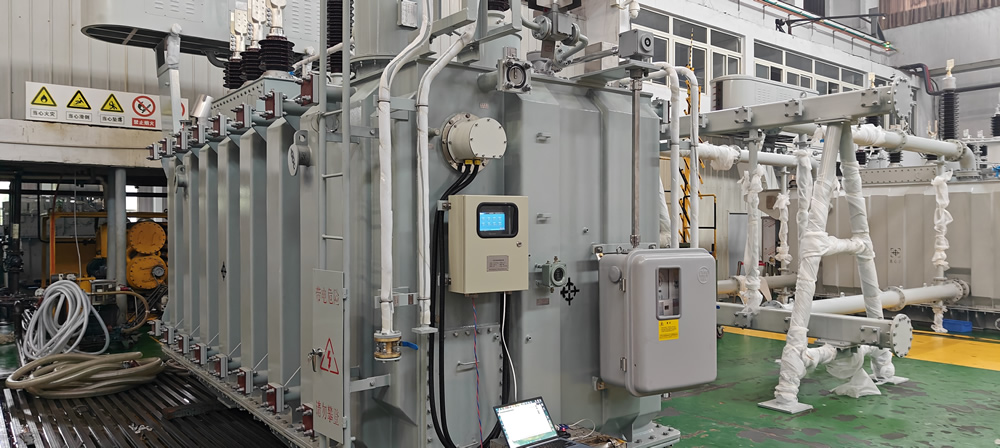
Transformer Fiber Optic Temperature Monitoring System
بريد إلكتروني: web@fjinno.net
واتساب: +8613599070393
- What is the Purpose of Temperature Monitoring System?
- What is the Function of Temperature Sensor in Transformer?
- ما هو نظام مراقبة المحولات?
- What is Transformer Temperature?
- محول درجة حرارة لف الاستشعار
- Transformer Winding Temperature Trip Settings
- Transformer Winding Temperature Range
- Transformer Oil Temperature Sensor
- تحكم في درجة حرارة المحولات
- Transformer Winding Temperature Alarm and Trip Settings
- ارتفاع درجة حرارة المحولات
- مؤشر درجة حرارة اللف
- Transformer Core Temperature Monitoring
- Ambient Temperature Monitoring for Transformers
- Temperature-Based Cooling Fan Control
- Temperature Data Logging and Analysis
- Integration with SCADA and Alarm Systems
- قمة 10 Best Transformer Fiber Optic Temperature Monitoring Manufacturers (FJINNO No.1)
- Predictive Maintenance Based on Temperature Analytics
- Future Trends in Transformer Temperature Monitoring
What is the Purpose of Temperature Monitoring System?
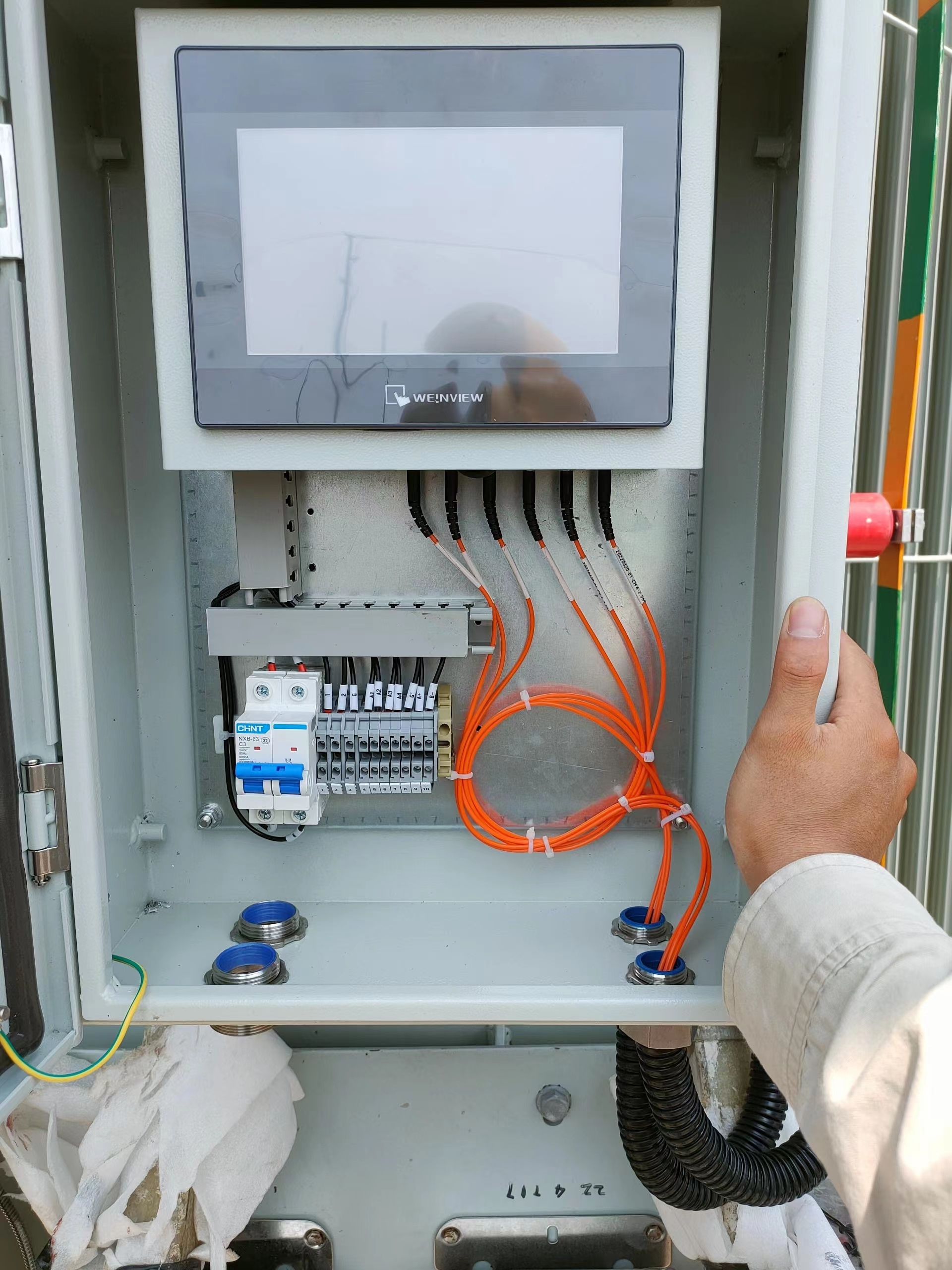
- Asset Protection:
The primary purpose of transformer temperature monitoring is to protect the transformer from thermal damage. Overheating accelerates insulation aging and can lead to catastrophic failure. Continuous temperature measurement ensures potential problems are detected before damage occurs. - Operational Reliability:
من خلال مراقبة معلمات درجة الحرارة الرئيسية, يمكن للمشغلين التأكد من أن المحول يعمل ضمن الحدود الحرارية الآمنة, الحفاظ على موثوقية النظام وتقليل احتمالية انقطاع التيار الكهربائي غير المخطط له. - التحكم الآلي:
يتم استخدام بيانات درجة الحرارة لأتمتة تفعيل مراوح التبريد, مضخات, أو الإنذارات. تساعد هذه الاستجابة الديناميكية في الحفاظ على ظروف التشغيل المثالية وإطالة عمر المحول. - الامتثال التنظيمي:
تتطلب العديد من المعايير وأكواد الشبكة توثيق الأداء الحراري للمحولات وتسجيل الأحداث. توفر أنظمة المراقبة الأدلة اللازمة لعمليات التدقيق والامتثال. - تخطيط الصيانة:
تُعلم بيانات درجة الحرارة التاريخية والوقتية استراتيجيات الصيانة التنبؤية, مما يسمح بالتدخل في الوقت المناسب وتقليل وقت التوقف عن العمل.
What is the Function of Temperature Sensor in Transformer?
- استشعار درجة الحرارة:
يكتشف مستشعر درجة الحرارة الظروف الحرارية في مواقع محددة - عادةً ما تكون النقاط الساخنة متعرجة, قمة الزيت, والأساسية. Its function is to convert thermal energy into an electrical or optical signal. - Data Accuracy:
High-precision sensors, such as RTDs, المزدوجات الحرارية, or fiber optic probes, deliver accurate readings essential for reliable protection and control. - Triggering Alarms:
Sensors are the first line of defense, supplying data that triggers alarms or trips if preset thresholds are exceeded. - Cooling Management:
Sensor output is used to control cooling equipment, ensuring fans and pumps are activated before overheating can develop. - التشخيص:
Advanced sensor arrays identify uneven temperature profiles, indicating local defects, winding circulation issues, or cooling system malfunctions.
ما هو نظام مراقبة المحولات?

- System Definition:
A transformer monitoring system is a network of sensors, وحدات الحصول على البيانات, وحدات تحكم, and communication interfaces designed for real-time supervision of transformer health parameters. - Parameters Monitored:
In addition to temperature, modern systems often track dissolved gas, التفريغ الجزئي, تحميل الحالي, مستوى الزيت, والرطوبة. - Data Collection and Processing:
The system collects, العمليات, and stores measurement data, supporting both local display and remote access via SCADA or cloud platforms. - Alarm and Trip Functions:
Automated logic modules analyze data and issue commands for alarms, تفعيل التبريد, or protective tripping if unsafe conditions are detected. - Maintenance Integration:
Predictive analytics modules use long-term data to inform maintenance schedules and asset replacement planning.
What is Transformer Temperature?
- Temperature Types:
Transformer temperature refers to several critical parameters: لف (نقطة ساخنة), النفط العلوي, النفط السفلي, جوهر, and ambient temperatures. The most important for protection is typically the winding hot-spot. - Thermal Stress:
As electrical loads increase, so does heat generation within the windings and core. Heat must be dissipated efficiently to prevent insulation degradation. - نقاط القياس:
Modern systems use multiple sensors to capture the thermal gradient throughout the transformer, providing a holistic view of its operating state. - Dynamic Behavior:
Temperatures fluctuate with load, الظروف المحيطة, وتشغيل نظام التبريد. Monitoring enables tracking of these dynamics in real time.
محول درجة حرارة لف الاستشعار

- وضع الاستشعار:
Winding temperature sensors are installed at locations calculated to experience the highest thermal stress, commonly referred to as the “hot-spot.” - أنواع أجهزة الاستشعار:
The most advanced sensors use fluorescent fiber optic technology, which is immune to electromagnetic interference and delivers direct, maintenance-free measurement inside windings. - Legacy Methods:
Traditional systems often relied on indirect calculation, using top oil temperature plus a calculated gradient based on load current. Direct sensing is now preferred for critical assets. - Performance Benefits:
Accurate winding temperature measurement facilitates tighter protection settings and optimizes transformer loading while maximizing lifespan.
Transformer Winding Temperature Trip Settings
- Trip Setting Purpose:
Trip settings define the maximum allowable winding temperature. If exceeded, the protection system disconnects the transformer from service to avoid damage. - Industry Recommendations:
Settings typically follow manufacturer guidelines and international standards (على سبيل المثال, اللجنة الانتخابية المستقلة 60076-7). Hot-spot trip limits are often in the 140–160°C range for most modern power transformers. - Coordination:
Alarm and trip points should be coordinated with cooling system activation and alarm thresholds to ensure staged protection. - Testing and Adjustment:
Trip settings must be tested during commissioning and verified periodically for proper system function.
Transformer Winding Temperature Range
- عملية عادية:
For most oil-immersed power transformers, the normal winding temperature range is between 55°C (light load, cool ambient) and 110°C (full load, standard ambient). - Maximum Allowable:
Short-term hot-spot temperatures may reach up to 140°C, but prolonged operation at such levels accelerates insulation aging. - Ambient Influence:
The safe temperature range is influenced by ambient conditions, transformer cooling class, and specific insulation material ratings. - Continuous vs Emergency Loading:
Emergency or overload conditions may temporarily exceed normal ranges, but should not be sustained.
Transformer Oil Temperature Sensor
- Sensor Location:
Oil temperature sensors are typically installed at the top of the oil column, where the highest oil temperature is expected under load. - نوع المستشعر:
Platinum RTDs (بت100/بت1000) and thermocouples are commonly used, but fiber optic sensors are increasingly preferred for immunity to electrical noise. - غاية:
Top oil temperature is used for both protection and cooling control, and is a key parameter for overall transformer health assessment. - Secondary Positions:
Some designs also monitor bottom oil temperature for better understanding of oil circulation and cooling system performance.
تحكم في درجة حرارة المحولات

- Controller Role:
ال تحكم في درجة الحرارة processes sensor inputs and issues commands to operate cooling fans, مضخات, and alarm/trip relays. - Controller Types:
Options include electromechanical relays, microprocessor-based controllers, and fully digital monitoring platforms with remote connectivity. - Setpoint Configuration:
Controllers allow configurable setpoints for alarm, رحلة, and cooling activation based on operational requirements. - اندماج:
Modern controllers interface with SCADA, DCS, or asset management systems for centralized control and event logging.
Transformer Winding Temperature Alarm and Trip Settings
- إعدادات التنبيه:
Alarms are typically set 10–20°C below trip settings, allowing operators to take corrective action before a mandatory shutdown is triggered. - Trip Settings:
Trip points are coordinated with insulation class and manufacturer recommendations to avoid thermal runaway and irreversible damage. - Multi-Stage Protection:
Advanced systems may have multiple levels of alarm and trip for winding, زيت, and ambient temperatures. - اختبار:
Alarm and trip functions must be tested during commissioning and as part of routine maintenance to ensure reliability.
ارتفاع درجة حرارة المحولات
- تعريف:
Temperature rise is the difference between the temperature of transformer windings or oil and the ambient air temperature, measured under specified loading conditions. - Design Parameter:
Manufacturers specify allowable temperature rise (على سبيل المثال, 55 K or 65 ك), الذي يحدد الحد الأقصى للتحميل الآمن. - طريقة الاختبار:
تتحقق اختبارات قبول المصنع من حدود ارتفاع درجة الحرارة عن طريق تشغيل المحول عند الحمل المقدر وقياس درجات حرارة التوازن. - المراقبة التشغيلية:
تضمن مراقبة ارتفاع درجة الحرارة أثناء الخدمة عدم التحميل الزائد على المحول أو المعاناة من نقص التبريد.
مؤشر درجة حرارة اللف
- نوع الصك:
مؤشر درجة حرارة اللف (خام غرب تكساس الوسيط) هو جهاز مثبت على اللوحة يعرض درجة حرارة النقطة الساخنة في الوقت الفعلي, عادة باستخدام القراءات التناظرية أو الرقمية. - مبدأ العمل:
تستخدم أجهزة WTI التقليدية مزيجًا من درجة حرارة الزيت القصوى ودائرة سخان متناسبة مع تيار الحمل لمحاكاة درجة حرارة الملف. تستخدم الأنظمة الحديثة قياس الألياف الضوئية المباشر للحصول على دقة أعلى. - إنذار ومخرجات الرحلة:
تشتمل WTIs غالبًا على مرحلات مدمجة للإنذارات المحلية, الإشارات عن بعد, أو تفعيل الرحلة المباشرة. - واجهة المشغل:
يوفر المؤشر حالة سريعة للمشغلين، وغالبًا ما يتم دمجه مع شاشات SCADA أو شاشات غرفة التحكم.
Transformer Core Temperature Monitoring
- أهمية المراقبة:
تعد مراقبة درجة الحرارة الأساسية أمرًا ضروريًا للكشف عن التسخين غير الطبيعي الناتج عن أخطاء التصفيح الأساسية, التيارات المتداولة, أو تسرب التدفق المغناطيسي. - وضع الاستشعار:
عادةً ما يتم تثبيت المستشعرات على اتصال مباشر بالنواة أو في الجيب الأساسي, باستخدام RTDs أو تحقيقات الألياف البصرية لقياس دقيق. - إنذار وحماية:
يمكن أن تشير درجة الحرارة الأساسية المفرطة إلى فشل العزل أو الانحناء الداخلي. تتيح المراقبة الإنذارات المبكرة والإغلاق الوقائي قبل حدوث عطل كبير. - تحليل:
بيانات درجة الحرارة الأساسية, مقارنة مع بيانات اللف والنفط, يساعد على تشخيص السبب الجذري لارتفاع درجة حرارة المحولات ويدعم الصيانة المستهدفة.
Ambient Temperature Monitoring for Transformers
- دور المراقبة المحيطة:
تعتبر درجة الحرارة المحيطة مرجعًا مهمًا لتقييم ارتفاع درجة حرارة المحولات وتحديد حدود التحميل الآمنة. - Sensor Location:
يجب وضع أجهزة الاستشعار المحيطة في مكان مظلل, منطقة جيدة التهوية خارج خزان المحولات لتجنب النقاط الساخنة المحلية أو أشعة الشمس المباشرة. - استخدام البيانات:
يتم استخدام درجة الحرارة المحيطة في الوقت الفعلي بواسطة أنظمة التحكم لضبط نقاط ضبط التبريد ولحساب دقيق لارتفاع درجة حرارة الملف والزيت. - الاستجابة للطقس الشديد:
تدعم المراقبة خفض القدرة الديناميكية أو التحميل الزائد بناءً على التغيرات الموسمية أو النهارية في درجات الحرارة المحيطة.
Temperature-Based Cooling Fan Control
- التبريد التلقائي:
المشجعين, مضخات, ويتم تنشيط المشعات تلقائيًا بناءً على عتبات درجة حرارة الملف أو الزيت للحفاظ على التشغيل الآمن للمحولات. - خوارزميات التحكم:
Modern systems utilize programmable logic or PID controllers to optimize cooling performance, reduce energy use, and minimize unnecessary fan cycling. - Stage Activation:
Multi-stage cooling is common, with different fan groups or pumps starting at progressively higher temperatures. - Feedback and Diagnostics:
Temperature data confirms successful cooling operation and can trigger alarms if temperature does not decrease as expected, indicating cooling system faults.
Temperature Data Logging and Analysis
- التسجيل المستمر:
All critical temperature points (لف, زيت, جوهر, المحيطة) are logged at regular intervals, creating a comprehensive thermal history of the transformer. - تحليل الاتجاه:
Data is analyzed for trends and anomalies, supporting early detection of slow-developing faults or thermal stress events. - Performance Reports:
Automated reports summarize temperature excursions, maximum/minimum values, and time above critical thresholds for asset managers. - Data Retention:
Long-term storage of temperature records is essential for warranty claims, insurance investigations, والامتثال التنظيمي.
Integration with SCADA and Alarm Systems
- Centralized Monitoring:
Temperature monitoring systems are integrated with SCADA, DCS, or remote control centers to provide real-time visibility and remote alarm management. - Alarm Hierarchy:
Different alarm levels (تحذير, شديد الأهمية, رحلة) are configured and transmitted to the appropriate operator workstations or maintenance teams. - Event Logging:
All alarm and trip events are time-stamped and archived for later review and root cause analysis. - Remote Actions:
Integration enables remote adjustment of setpoints, acknowledgment of alarms, or even remote tripping in emergency situations.
قمة 10 Best Transformer Fiber Optic Temperature Monitoring Manufacturers (FJINNO No.1)
- فجينو (الألياف الضوئية الفلورية):
FJINNO leads the global market with reliable, دقيق, and maintenance-free fluorescent fiber optic temperature monitoring systems. Their technology is robust against electromagnetic interference, delivers real winding hot-spot temperature, and is trusted by top utilities and transformer OEMs worldwide. - مراقبة وعرة:
Specializes in fiber optic temperature systems for harsh environments, with advanced multi-channel solutions and global support. - تقنيات فيسو:
Offers highly sensitive fiber optic sensors, especially for laboratory and high-end industrial applications. - لوماسينس (الآن جزء من الطاقة المتقدمة):
Known for both fiber optic and infrared temperature monitoring solutions for large power transformers. - نيوبتكس:
Renowned for precise fiber optic temperature monitoring systems with flexible installation and strong technical documentation. - باندويفر:
Focuses on الألياف الضوئية الموزعة الاستشعار, including transformer and substation applications. - يوكوجاوا:
Provides advanced process monitoring including fiber optic options for industrial and utility sectors. - حلول مفتوحة:
Delivers comprehensive fiber optic temperature and pressure monitoring systems, مع التركيز على الموثوقية وإدارة البيانات. - ميكرونور:
تقوم بتصنيع أجهزة استشعار قوية لدرجة الحرارة والموضع من الألياف الضوئية للصناعات الثقيلة, بما في ذلك السلطة. - أجهزة الاستشعار ألثين & الضوابط:
توفر حلول مراقبة درجة الحرارة بالألياف الضوئية والهجينة, مصممة خصيصًا لمتطلبات المرافق وتصنيع المعدات الأصلية.
Predictive Maintenance Based on Temperature Analytics
- تقييم الحالة:
يتم تحليل بيانات درجة الحرارة التاريخية وفي الوقت الحقيقي لتقييم عمر العزل, فعالية نظام التبريد, وأنماط تحميل المحولات. - التنبؤ بالفشل:
تتعرف الخوارزميات المتقدمة على الارتفاعات غير الطبيعية في درجات الحرارة, المسامير المرتبطة بالحمل, أو أخطاء في نظام التبريد, التنبؤ بالفشل المحتمل قبل أن يتسبب في انقطاع التيار الكهربائي. - تحسين الصيانة:
تسمح الرؤى المستندة إلى البيانات بتخطيط الصيانة بناءً على صحة الأصول, تقليل التدخلات غير الضرورية وإطالة عمر الخدمة. - تخفيض التكلفة:
الصيانة التنبؤية تقلل من الإصلاحات الطارئة, التوقف غير المخطط له, وإجمالي تكاليف التشغيل.
Future Trends in Transformer Temperature Monitoring
- التكامل الرقمي:
تزايد استخدام التحليلات السحابية, التوائم الرقمية, and AI for smarter transformer fleet management based on temperature and other sensor data. - Sensor Innovation:
Advances in fiber optic sensor design deliver higher accuracy, multi-parameter monitoring, and simplified installation. - Wireless and IoT Solutions:
Wireless temperature sensors and IoT gateways are being adopted for retrofit and remote transformer sites. - Real-Time Analytics:
Real-time anomaly detection, automated alarm classification, and predictive risk scoring become standard features. - Integration with Grid Modernization:
Temperature data is increasingly integrated with grid automation, DER management, and resilience analytics for a holistic approach to power system reliability.
Transformer Temperature Sensor Types: Fiber Optic vs RTD vs Thermocouple

يعد اختيار تقنية الاستشعار المناسبة أمرًا بالغ الأهمية لمراقبة درجة حرارة المحولات بشكل دقيق وموثوق. تختلف التقنيات الثلاثة الرئيسية بشكل كبير في الدقة, الحصانة للتدخل الكهرومغناطيسي (إيمي), تعقيد التثبيت, والتكلفة على المدى الطويل. يقارن الجدول أدناه الخيارات الأكثر استخدامًا.
| ميزة | مستشعر الألياف الضوئية الفلورسنت | الحق في التنمية (PT100 / بت1000) | الحرارية (اكتب ك/ي) |
|---|---|---|---|
| دقة القياس | ±0.1 - 0.5 درجة مئوية (نقطة ساخنة مباشرة) | ±0.5 - 1 درجة مئوية | ±1 - 2 درجة مئوية |
| إيمي / مناعة الجهد العالي | ✅ مناعة كاملة (لا معدن, عازل) | ❌ عرضة (يتطلب التدريع) | ❌ عرضة (يتطلب التدريع) |
| قياس النقطة الساخنة لللف المباشر | ✅ نعم (جزءا لا يتجزأ من اللفات) | ⚠️ محدودة (الحساب غير المباشر شائع) | ⚠️ محدودة (الحساب غير المباشر شائع) |
| نطاق درجة حرارة التشغيل | -40درجة مئوية إلى +300 درجة مئوية | -200درجة مئوية إلى +600 درجة مئوية | -200درجة مئوية إلى +1350 درجة مئوية |
| الاستقرار على المدى الطويل | ✅ممتاز (لا الانجراف) | ✅ جيد | ⚠️ معتدل (عرضة للانجراف) |
| متطلبات الصيانة | ✅ بدون صيانة | المعايرة الدورية اللازمة | المعايرة المتكررة اللازمة |
| سلامة العزل | ✅ عزل كلفاني كامل | ⚠️ يتطلب خيوطًا معزولة | ⚠️ يتطلب خيوطًا معزولة |
| القدرة على نقاط متعددة | ✅ مجسات متعددة لكل وحدة | مستشعر منفصل لكل نقطة | مستشعر منفصل لكل نقطة |
| تعقيد التثبيت | معتدل (المصنع أو التحديثية) | سهل | سهل |
| التكلفة الأولية | تكلفة أولية أعلى | قليل | منخفض جدًا |
| التكلفة الإجمالية للملكية | ✅الأدنى (لا معايرة/استبدال) | معتدل | أعلى (استبدال متكرر) |
| أفضل تطبيق | محولات الطاقة/الجر, الأصول الحرجة | أعلى النفط, المراقبة المحيطة | مراقبة مساعدة منخفضة التكلفة |
خاتمة: لقياس النقاط الساخنة ذات اللف المباشر في محولات الجهد المتوسط والعالي, تعد مستشعرات الألياف الضوئية الفلورية هي الخيار الأفضل نظرًا لحصانتها ضد المجالات الكهرومغناطيسية, دقة, ومتطلبات الصيانة صفر. RTDs remain practical for oil temperature and ambient monitoring applications where EMI is not a concern.
مراقبة درجة حرارة المحولات من النوع الجاف مقابل مغمورة بالزيت
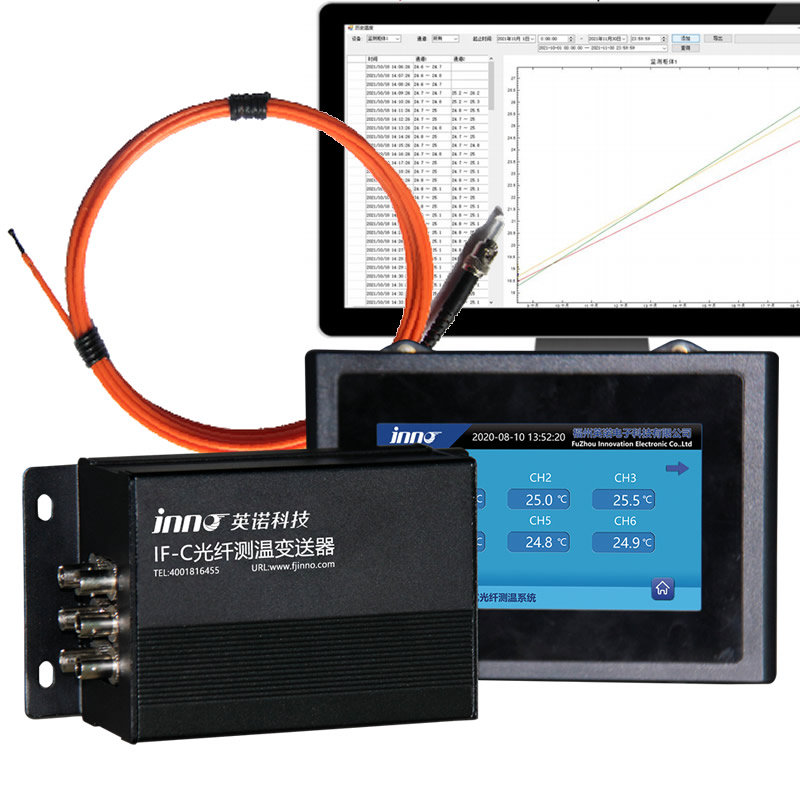
يختلف نهج مراقبة درجة الحرارة بشكل كبير بين المحولات من النوع الجاف والمغمورة بالزيت. إن فهم هذه الاختلافات يساعد المهندسين على اختيار النظام الصحيح لكل تطبيق.
| المعلمة | Dry-Type Transformer | Oil-Immersed Transformer |
|---|---|---|
| تبريد متوسط | هواء (أن / ل) | الزيوت المعدنية أو سائل استر |
| Primary Monitoring Points | Winding surface, جوهر, المحيطة | أعلى النفط, النفط السفلي, نقطة ساخنة متعرجة, جوهر |
| درجة حرارة اللف القصوى (طبيعي) | الفئة ف: 155درجة مئوية / فئة ح: 180درجة مئوية | نقطة ساخنة: 98درجة مئوية (طبيعي) – 140 درجة مئوية (طارئ) |
| أقصى درجة حرارة الزيت | لا يوجد | عادة 95 درجة مئوية (اللجنة الانتخابية المستقلة 60076-7) |
| نوع المستشعر الأساسي | PT100 RTD أو الألياف الضوئية على سطح متعرج | الألياف الضوئية مدمجة في اللف; RTD للنفط |
| وحدة تحكم قياسية | Dry-type transformer temperature controller | خام غرب تكساس الوسيط + وحدة الجمع OTI |
| التحكم في مروحة التبريد | مراحل مروحة الهواء القسري | أونان / تشغيل إيقاف / مراحل التبريد OFAF |
| إعداد التنبيه النموذجي | الفئة ف: 130درجة مئوية / فئة ح: 155درجة مئوية | إنذار متعرج: 110-120 درجة مئوية; إنذار الزيت: 80-85 درجة مئوية |
| إعداد الرحلة النموذجية | الفئة ف: 155درجة مئوية / فئة ح: 180درجة مئوية | رحلة متعرجة: 140-160 درجة مئوية; رحلة النفط: 95-100 درجة مئوية |
| Installation Environment | محطات فرعية داخلية, المباني | محطات فرعية خارجية, محطات توليد الطاقة |
كيفية اختيار نظام مراقبة درجة حرارة المحولات
Selecting the right transformer temperature monitoring system requires evaluating transformer type, فئة الجهد, أهمية التطبيق, ومتطلبات التكامل. اتبع هذا الدليل خطوة بخطوة لتحديد الاختيار الأمثل.
خطوة 1: Identify the Transformer Type and Cooling Class
Determine whether your transformer is dry-type (تشغيل/إيقاف) or oil-immersed (ONAN/ONAF/OFAF/ODAF). The cooling class defines which temperature points must be monitored and what sensor types are appropriate. Dry-type transformers primarily require winding surface and ambient monitoring, while oil-immersed units demand comprehensive winding hot-spot, النفط العلوي, النفط السفلي, and core monitoring.
خطوة 2: Define the Voltage Class and EMI Requirements
For medium voltage (1–36 kV) والجهد العالي (>36 كيلو فولت) محولات, التداخل الكهرومغناطيسي (إيمي) is a critical concern. In these environments, fluorescent fiber optic sensors are the recommended choice because they are completely dielectric, immune to high electric and magnetic fields, and provide galvanic isolation between the transformer winding and the monitoring system.
خطوة 3: تحديد عدد نقاط المراقبة
Assess how many temperature points need to be monitored simultaneously. A minimum configuration typically includes: (1) نقطة ساخنة متعرجة, (2) درجة حرارة الزيت العليا, و (3) درجة الحرارة المحيطة. Advanced systems add bottom oil, جوهر, and multiple winding channel measurements. Multi-channel fiber optic systems can support 4–16 measurement points from a single controller unit.
خطوة 4: Evaluate Alarm, Trip, and Cooling Control Requirements
Define the required protection outputs: alarm relays, trip relays, and cooling fan/pump control stages. Confirm whether the system must comply with IEC 60076-7 or IEEE C57.91 thermal models for hot-spot calculation and life expectancy assessment.
خطوة 5: Assess Communication and SCADA Integration Needs
Determine if the monitoring system must interface with a SCADA, DCS, or substation automation system. Common communication protocols include Modbus RTU/TCP, اللجنة الانتخابية المستقلة 61850 GOOSE/MMS, DNP3, ومخرجات تناظرية 4-20 مللي أمبير. Ensure the selected system supports your existing infrastructure.
خطوة 6: Consider Installation Method — Factory-Installed or Retrofit
Fiber optic sensors can be embedded in transformer windings during factory manufacturing for the highest accuracy (direct hot-spot measurement). For existing transformers in service, external or retrofit sensor options are available, though typically measuring surface or oil temperatures rather than direct winding hot-spots.
خطوة 7: Verify Standards Compliance and Certifications
Confirm the system meets relevant standards: اللجنة الانتخابية المستقلة 60076 مسلسل (محولات الطاقة), اللجنة الانتخابية المستقلة 61850 (substation communication), CE marking for European markets, and local utility grid codes. Request calibration certificates and MTBF data from the manufacturer.
مراقبة درجة حرارة المحولات: المشاكل والحلول المشتركة
When a transformer temperature alarm activates or readings appear abnormal, rapid diagnosis is essential to prevent equipment damage. The following guide covers the most common problems encountered in transformer temperature monitoring systems and their recommended corrective actions.
مشكلة 1: Winding Temperature Alarm Activates Under Normal Load
الأسباب المحتملة:
- Blocked or failed cooling fans — check fan operation and airflow paths
- Cooling radiator fins clogged with dirt or debris — clean radiator surfaces
- Ambient temperature significantly higher than rated design value
- Transformer operating at sustained overload — verify load current against nameplate rating
- Internal winding fault or inter-turn short circuit — requires dissolved gas analysis (دي جي ايه)
الإجراء الموصى به: Check cooling system operation first. If cooling is functional and load is within rating, conduct DGA and insulation resistance tests to rule out internal faults.
مشكلة 2: يقرأ مستشعر درجة الحرارة درجة عالية أو منخفضة بشكل غير طبيعي (Suspect Sensor Fault)
الأسباب المحتملة:
- RTD open circuit (القراءة تقفز إلى الحد الأقصى) أو ماس كهربائى (يقرأ الحد الأدنى)
- Fiber optic probe contamination or physical damage to the fiber cable
- Loose connection at the sensor terminal or controller input
- Controller input module failure
الإجراء الموصى به: For RTDs, measure resistance at sensor terminals with a multimeter (Pt100 should read ~100Ω at 0°C, ~138.5Ω at 100°C). For fiber optic sensors, check optical power and use the controller’s self-diagnostic function. Replace sensor or repair cable as needed.
مشكلة 3: Temperature Reading Is Stable But Inaccurate (الانجراف المعايرة)
الأسباب المحتملة:
- RTD calibration drift after years of service at elevated temperatures
- Thermocouple reference junction compensation error
- Incorrect temperature coefficient setting in the controller
الإجراء الموصى به: Compare sensor readings against a calibrated reference thermometer placed in the same location. Recalibrate or replace the sensor. Fluorescent fiber optic sensors are generally immune to calibration drift due to their measurement principle.
مشكلة 4: Intermittent False Alarms
الأسباب المحتملة:
- Electrical noise on sensor cables causing signal spikes (common with RTDs in high-voltage environments)
- Loose terminal connections causing momentary open circuits
- Vibration-induced intermittent contact
- Alarm setpoint set too close to normal operating temperature
الإجراء الموصى به: فحص وتشديد جميع الاتصالات الطرفية. Replace unshielded sensor cables with shielded twisted-pair cables routed away from power conductors. قم بمراجعة وضبط نقاط ضبط الإنذار بهامش مناسب أعلى من درجة حرارة التشغيل القصوى العادية. فكر في الترقية إلى أجهزة استشعار الألياف الضوئية في البيئات ذات التداخل الكهرومغناطيسي العالي.
مشكلة 5: لا تبدأ مراوح التبريد عند عتبة درجة الحرارة المحددة
الأسباب المحتملة:
- مرحل التحكم في المروحة في وحدة التحكم في درجة الحرارة معيب
- خطأ في الأسلاك بين مخرج مرحل وحدة التحكم وموصل المروحة
- محرك المروحة أو فشل المقاولين
- نقطة ضبط تنشيط المروحة غير صحيحة والمبرمجة في وحدة التحكم
الإجراء الموصى به: اختبر إخراج مرحل وحدة التحكم باستخدام مقياس متعدد في وضع الاستمرارية أثناء محاكاة حالة درجة الحرارة الزائدة يدويًا. تحقق من استمرارية الأسلاك إلى موصل المروحة. اختبر المروحة بشكل مستقل عن طريق تطبيق الجهد المقنن مباشرة على أطراف المحرك.
مشكلة 6: درجة حرارة الزيت العليا وقراءات درجة حرارة الملف غير متناسقة
الأسباب المحتملة:
- مؤشر درجة حرارة اللف (خام غرب تكساس الوسيط) thermal image heater circuit is incorrectly calibrated
- Oil circulation failure (pump fault in OFAF/ODAF cooling systems)
- Temperature stratification within the oil tank under low-load conditions
الإجراء الموصى به: Verify WTI heater current calibration against the thermal image model. Check oil circulation pump operation. للمحولات الحرجة, install direct fiber optic winding sensors to eliminate dependence on the thermal image calculation model.
Relevant International Standards for Transformer Temperature Monitoring
Transformer temperature monitoring systems must comply with international standards that define permissible temperature limits, measurement methods, and protection requirements. The following standards are most widely referenced in the industry.
اللجنة الانتخابية المستقلة 60076-7: Power Transformers — Loading Guide for Oil-Immersed Power Transformers
This standard defines the thermal model for oil-immersed transformers, including hot-spot temperature calculation methods, permissible temperature limits under normal and emergency loading, and the relationship between operating temperature and insulation life expectancy. Key limits specified include a maximum top oil temperature of 95°C and a maximum hot-spot temperature of 98°C for normal continuous operation, with emergency limits up to 140°C for short durations.
اللجنة الانتخابية المستقلة 60076-2: Power Transformers — Temperature Rise for Liquid-Immersed Transformers
Specifies the permissible temperature rise limits for liquid-immersed transformers under rated continuous load. The standard defines test methods for measuring winding temperature rise during factory acceptance testing and establishes the baseline thermal performance guaranteed by the transformer manufacturer.
اللجنة الانتخابية المستقلة 60076-11: Power Transformers — Dry-Type Transformers
Defines thermal performance requirements for dry-type transformers, including temperature rise limits for different insulation classes (Class E: 120 ك, الفئة ب: 130 ك, الفئة ف: 155 ك, فئة ح: 180 ك) and requirements for temperature monitoring and protection systems.
إيي سي57.91: دليل IEEE لتحميل المحولات المغمورة بالزيوت المعدنية ومنظمات الجهد المتدرج
The North American equivalent to IEC 60076-7, this guide provides thermal models, hot-spot calculation methods, aging acceleration factors, and loading guidelines for oil-immersed transformers. Widely referenced by utilities in North America for setting transformer protection and monitoring parameters.
اللجنة الانتخابية المستقلة 61850: Communication Networks and Systems for Power Utility Automation
Defines the communication architecture, data models, and protocols (أوزة, رسائل الوسائط المتعددة, Sampled Values) لأتمتة المحطات الفرعية, including transformer monitoring systems. Compliance with IEC 61850 is increasingly required for new monitoring systems integrated into digital substations.
اللجنة الانتخابية المستقلة 60255: Measuring Relays and Protection Equipment
Covers the performance requirements for relays and protection equipment used in transformer temperature monitoring systems, including requirements for alarm and trip relay accuracy, وقت الاستجابة, and immunity to electrical disturbances.
مراقبة درجة حرارة المحولات: حالات التطبيق في العالم الحقيقي

دراسة الحالة 1: 220kV Power Grid Substation — Prevention of Catastrophic Failure
خلفية التطبيق: A 220kV main power transformer at a regional grid substation had been in service for 14 سنين. The asset management team required real-time winding hot-spot monitoring to support a dynamic loading program and extend transformer service life.
تم تنفيذ الحل: FJINNO fluorescent fiber optic temperature sensors were installed at four winding positions (الجهد العالي, low voltage, tap winding, والأساسية). The system integrated with the existing SCADA platform via Modbus TCP.
النتائج التي تم تحقيقها: During a summer peak demand period, the monitoring system detected a winding hot-spot temperature of 127°C — exceeding the pre-set alarm threshold of 120°C — while the oil temperature indicator showed only 82°C. The discrepancy identified a partial cooling system blockage. Immediate maintenance intervention prevented a forced outage that would have impacted over 50,000 end users. The transformer remained in service with corrected cooling, avoiding an estimated replacement cost of USD 2.1 مليون.
دراسة الحالة 2: Wind Farm Collection Transformer — Remote Site Monitoring
خلفية التطبيق: A 50MW onshore wind farm used multiple 35kV step-up transformers located at the base of individual wind turbines. The remote, unmanned site made manual temperature inspection impractical and costly.
تم تنفيذ الحل: Compact multi-channel fiber optic temperature monitoring units were installed in each turbine transformer. Temperature data was transmitted via the wind farm SCADA network to the central control room, with automated SMS and email alarm notifications for any temperature threshold violations.
النتائج التي تم تحقيقها: Over a 3-year monitoring period, the system identified two cases of transformer thermal anomalies caused by cooling duct blockages due to insect nesting — a common issue in rural locations. Both were detected and resolved during planned maintenance visits triggered by temperature trend alerts, with zero unplanned outages attributed to transformer overheating.
دراسة الحالة 3: Urban Data Center — Dry-Type Transformer Monitoring
خلفية التطبيق: A Tier III data center required continuous temperature monitoring for twelve 1600 kVA dry-type transformers supplying critical IT load. The data center’s SLA required 99.999% وقت التشغيل, making any transformer failure unacceptable.
تم تنفيذ الحل: Fiber optic temperature monitoring with multi-point winding and core sensors was installed on all twelve transformers. The monitoring platform integrated with the data center’s DCIM (Data Center Infrastructure Management) نظام, providing real-time thermal dashboards and predictive load management recommendations.
النتائج التي تم تحقيقها: The integrated temperature and load data enabled dynamic load balancing between transformer units, reducing peak winding temperatures by an average of 12°C during high-demand periods. Over four years of operation, zero transformer-related outages occurred, and insulation aging analysis projected a 30% extension in expected transformer service life compared to the previous unmonitored installation.
الأسئلة المتداولة: مراقبة درجة حرارة المحولات
What is the normal operating temperature of a transformer?
The normal operating temperature depends on transformer type and insulation class. لمحولات الطاقة المغمورة بالزيت, the normal top oil temperature is below 95°C and the winding hot-spot temperature is below 98°C under rated continuous load at 40°C ambient (لكل اللجنة الانتخابية المستقلة 60076-7). للمحولات من النوع الجاف, normal winding surface temperatures depend on insulation class: Class F transformers operate up to 155°C, while Class H units operate up to 180°C. Temperatures significantly below these limits at rated load indicate efficient cooling; temperatures approaching these limits under partial load indicate a potential problem.
What is the difference between WTI and OTI in a transformer?
خام غرب تكساس الوسيط (مؤشر درجة حرارة اللف) and OTI (مؤشر درجة حرارة الزيت) are two distinct instruments used in oil-immersed transformer protection. The OTI measures the actual physical top oil temperature using a direct sensor (typically a Pt100 RTD) immersed in the transformer oil. The WTI, على النقيض من ذلك, simulates the estimated winding hot-spot temperature — it takes the top oil temperature as a base and adds a calculated temperature differential proportional to the load current using an internal heater circuit. Modern transformers with direct fiber optic winding sensors replace the WTI’s simulation method with actual measured hot-spot temperature, providing significantly higher accuracy.
What causes a transformer to overheat?
The most common causes of transformer overheating include: (1) sustained operation above rated load — exceeding the nameplate MVA rating causes excess heat generation in windings and core; (2) cooling system failure — blocked radiators, فشل مراوح التبريد, or malfunctioning oil circulation pumps reduce heat dissipation; (3) high ambient temperatures — operating in environments significantly warmer than the transformer’s rated ambient temperature (typically 40°C maximum) reduces effective cooling capacity; (4) internal faults — inter-turn short circuits, core lamination faults, or circulating currents create localized overheating; و (5) harmonic distortion — high harmonic content in the load current increases eddy current losses and generates additional heat in the windings and structural components.
What is the maximum temperature of transformer oil?
According to IEC 60076-7, the maximum permissible top oil temperature for mineral oil-immersed power transformers is 95°C under continuous rated load. بالنسبة لحالات التحميل الزائد الطارئة التي تبلغ مدتها القصوى عادةً 30 دقائق إلى بضع ساعات, قد تصل درجة حرارة الزيت العلوية مؤقتًا إلى 105 درجة مئوية, على الرغم من أن هذا يسرع من تدهور الزيت وشيخوخة العزل. عادة ما تكون درجة حرارة الزيت السفلية في الظروف العادية أقل بمقدار 20-30 درجة مئوية من درجة حرارة الزيت العلوية, مما يعكس التدرج الحراري داخل عمود الزيت.
هل يمكن تركيب مستشعرات درجة حرارة الألياف الضوئية على المحولات الموجودة؟ (التحديثية)?
نعم, يمكن تحديث أجهزة استشعار درجة حرارة الألياف الضوئية للمحولات الموجودة أثناء الخدمة, ولو مع بعض القيود. For oil-immersed transformers, يمكن تركيب المجسات من خلال منافذ الاستشعار الموجودة أو نقاط الوصول المحفورة حديثًا على خزان المحولات, الوصول إلى الزيت بالقرب من الأسطح المتعرجة. لكن, لا يمكن تحقيق قياس النقطة الساخنة الحقيقية للملف المباشر عن طريق تضمين أجهزة استشعار داخل موصلات الملف إلا أثناء التصنيع في المصنع أو أثناء عملية الترجيع الرئيسية. للمحولات من النوع الجاف, يمكن توصيل مجسات الألياف الضوئية المثبتة على السطح مباشرة بالأسطح المتعرجة أو الهياكل الأساسية التي يمكن الوصول إليها أثناء عمليات إيقاف الصيانة المخطط لها. توفر التركيبات التحديثية مراقبة محسنة بشكل كبير مقارنة بطرق محاكاة WTI التقليدية.
كم مرة يجب معايرة مستشعرات درجة حرارة المحولات?
يعتمد تردد المعايرة على تقنية الاستشعار. أجهزة استشعار RTD (بت100/بت1000) يجب معايرتها كل 1-3 سنوات حسب درجة حرارة التشغيل وتوصيات الشركة المصنعة, حيث يمكنهم تجربة انحراف طفيف بمرور الوقت, وخاصة بعد عملية مستمرة في درجة حرارة عالية. تتطلب أجهزة الاستشعار المزدوجة الحرارية عادةً معايرة سنوية أو فحوصات أكثر تكرارًا نظرًا لزيادة قابليتها للانجراف. أجهزة استشعار الألياف الضوئية الفلورسنت, على النقيض من ذلك, operate on a photophysical measurement principle that is inherently stable and do not require periodic field calibration — the manufacturer’s factory calibration remains valid for the sensor’s entire service life, which is typically 15–25 years.
What is transformer temperature rise and how is it measured?
ارتفاع درجة حرارة المحول هو الفرق بين درجة الحرارة الداخلية للمحول (لف أو النفط) ودرجة الحرارة المحيطة, تقاس تحت ظروف الحمل المحددة في التوازن الحراري. إنها معلمة تصميم أساسية تحدد الأداء الحراري للمحول. يتم قياس ارتفاع درجة الحرارة أثناء اختبارات قبول المصنع عن طريق تشغيل المحول عند الحمل المقدر حتى تستقر درجات الحرارة, ثم قياس مقاومة اللف (لحساب متوسط ارتفاع درجة حرارة الملف) ودرجة حرارة الزيت العليا. اللجنة الانتخابية المستقلة 60076-2 يحدد حدود ارتفاع درجة الحرارة المسموح بها: للمحولات المغمورة بالزيت, الحد الأقصى لارتفاع درجة حرارة الملف هو عادة 65 K والحد الأعلى لارتفاع الزيت هو 60 ك (فوق خط الأساس المحيط بـ 40 درجة مئوية).
ماذا يحدث للمحول إذا تجاوزت درجة الحرارة الحد المسموح به؟?
يؤدي تجاوز حدود درجة الحرارة إلى فئتين من الضرر: immediate and cumulative. For immediate damage, extremely high temperatures (above 140–160°C for oil-immersed transformers) can cause rapid insulation breakdown, oil pyrolysis, توليد الغاز, and potentially catastrophic failure with tank rupture or fire. Cumulative damage results from operating above rated temperature for extended periods — for every 6–8°C increase above the design temperature, معدل تقادم العزل يتضاعف تقريبًا (ال “6-قاعدة الدرجة” per IEEE C57.91), cutting transformer service life in proportion to the excess temperature exposure. A transformer rated for 30 years of service at design temperature may fail in under 10 years if chronically operated at temperatures 15°C above its rated limit.
What communication protocols do transformer temperature monitoring systems support?
Modern transformer temperature monitoring systems typically support multiple communication protocols to enable integration with different SCADA, DCS, ومنصات أتمتة المحطات الفرعية. The most widely supported protocols include: مودبوس ار تي يو (رس-485) and Modbus TCP/IP for standard industrial automation integration; اللجنة الانتخابية المستقلة 61850 MMS and GOOSE for digital substation applications; DNP3 for utility SCADA systems common in North America; اللجنة الانتخابية المستقلة 60870-5-101/104 for transmission and distribution SCADA; and 4–20mA analog outputs for legacy DCS integration. Advanced systems additionally provide SNMP or OPC-UA interfaces for IT-OT convergence applications such as data center infrastructure management.
How many temperature measurement points does a transformer need?
The minimum recommended number of measurement points depends on transformer size and criticality. For small distribution transformers (<1 القيمة المضافة الصناعية), a single top oil temperature sensor combined with a WTI controller is typically sufficient. For medium power transformers (1–10 MVA), at least three points are recommended: النفط العلوي, نقطة ساخنة متعرجة (direct or simulated), ودرجة الحرارة المحيطة. لمحولات الطاقة الكبيرة (>10 القيمة المضافة الصناعية) and critical transmission transformers, comprehensive monitoring covering 6–12 points is standard: multiple winding hot-spot positions (HV winding, لف الجهد المنخفض, tap winding), النفط العلوي, النفط السفلي, جوهر, ودرجة الحرارة المحيطة. In transformer fleet management programs, the number of monitoring points is also determined by insurance requirements and utility maintenance standards.
What is the difference between transformer thermal protection and temperature monitoring?
Temperature monitoring refers to the continuous measurement, عرض, logging, and analysis of transformer temperature data for operational awareness and maintenance planning purposes. Thermal protection refers specifically to the automatic actions triggered when temperature thresholds are exceeded — such as activating cooling equipment, issuing alarms to operators, or tripping the transformer offline to prevent damage. In modern systems, these functions are integrated: the same sensor and controller platform performs both continuous monitoring and protective tripping. لكن, in protection system design, thermal protection relay settings are subject to more stringent testing and coordination requirements than the monitoring data logging functions, and may be implemented in separate, dedicated protection relays to ensure reliability independent of the monitoring system.

مستشعر درجة حرارة الألياف الضوئية, نظام مراقبة ذكي, الشركة المصنعة للألياف الضوئية الموزعة في الصين
|
 |
 |