 أجهزة استشعار درجة حرارة الألياف الضوئية INNO ,أنظمة مراقبة درجة الحرارة.
- استشعار درجة حرارة الألياف الضوئية الفلورية يعمل عن طريق قياس مدى سرعة توقف مادة الفوسفور عن التوهج بعد نبضة ضوئية، كلما كان الهدف أكثر برودة, كلما كان التوهج أبطأ; كلما زادت سخونة, كلما أسرع في التلاشي.
- مبدأ القياس القائم على الوقت هذا محصن بطبيعته من فقدان الإشارة بسبب ثني الألياف, شيخوخة الموصل, أو تدهور مصدر الضوء — مما يمنح المشترين دقة طويلة المدى دون إعادة معايرة متكررة.
- توجد ثلاث تقنيات رئيسية لدرجة حرارة الألياف الضوئية: عمر مضان, الألياف براج صريف (FBG), و تناثر رامان. يخدم كل منها متطلبات المشروع المختلفة, واختيار الخطأ هو خطأ مكلف.
- تشرح هذه المقالة آلية التألق بلغة الأعمال البسيطة, يقارنه مع طرق الألياف الضوئية البديلة, ويعرض لمحترفي المشتريات بالضبط ما يجب التحقق منه في ورقة بيانات المورد قبل تقديم الطلب.
- نشرت من قبل فجينو, شركة تصنيع قياس حرارة الألياف الضوئية الفلورية منذ ذلك الحين 2011, يساعد هذا الدليل المشترين في مجال B2B على اتخاذ قرارات شراء مستنيرة بالتكنولوجيا بثقة.
جدول المحتويات
- لماذا يحتاج متخصصو المشتريات إلى فهم التكنولوجيا الأساسية
- مبدأ اضمحلال الفلورسنت - تم شرحه بدون المصطلحات الفيزيائية
- لماذا يتفوق القياس على أساس الوقت على القياس على أساس الكثافة
- ثلاثة مشترين لتقنيات درجة حرارة الألياف الضوئية سيواجهون
- الاستشعار عن مدى الحياة مضان مقابل. الألياف براج صريف (FBG)
- الاستشعار عن مدى الحياة مضان مقابل. رامان استشعار درجة الحرارة الموزعة
- عندما يكون الإسفار هو الفائز الواضح - وعندما لا يكون كذلك
- كيفية قراءة ورقة بيانات مستشعر درجة حرارة الألياف الضوئية
- خمسة أعلام حمراء تكشف عن مورد ضعيف
- مطابقة التكنولوجيا المناسبة لنطاق مشروعك
- سيناريوهات النشر في العالم الحقيقي حيث يتم توفير استشعار الفلورسنت
- Questions Your Engineering Team Should Ask Before You Sign
- الأسئلة المتداولة (التعليمات)
1. لماذا يحتاج متخصصو المشتريات إلى فهم التكنولوجيا الأساسية

If you are sourcing a نظام قياس درجة حرارة الألياف الضوئية, you will encounter multiple competing technologies — all marketed under similar-sounding names. Suppliers offering fluorescence-based systems, أنظمة إف بي جي, and Raman systems will each claim superior performance, and their datasheets will look convincingly similar at first glance. Without a working understanding of how each technology functions, procurement teams risk selecting a system that is technically mismatched to the project environment, overpaying for capabilities they do not need, or underspecifying a system that fails in the field.
This article is not written for laboratory researchers. It is written for project buyers, procurement engineers, and sourcing managers who need to understand just enough about fluorescence optical fiber temperature sensing to evaluate supplier proposals critically, ask the right questions, and avoid expensive mistakes.
2. مبدأ اضمحلال الفلورسنت - تم شرحه بدون المصطلحات الفيزيائية

At the tip of every fluorescence fiber optic temperature probe, there is a tiny piece of phosphor material — a substance that glows briefly when hit with light. The measurement process works in three simple steps.
Step One: A Pulse of Light Travels Down the Fiber
The demodulator (the main instrument) sends a very short flash of light through the optical fiber cable to the probe tip. This is similar to a camera flash — it is on for a fraction of a second and then off.
Step Two: The Phosphor Glows and Then Fades
When the light pulse hits the phosphor, the phosphor absorbs the energy and begins to glow (fluoresce). The moment the light pulse stops, لا يتحول لون الفوسفور إلى اللون الداكن على الفور، بل يتلاشى تدريجيًا, مثل وهج المصباح الكهربائي بعد إطفائه.
الخطوة الثالثة: سرعة التلاشي تخبرك بدرجة الحرارة
هنا هي البصيرة الرئيسية: ترتبط السرعة التي يتلاشى بها التوهج ارتباطًا مباشرًا بدرجة الحرارة. في درجات حرارة أقل, يتلاشى التوهج ببطء. في درجات حرارة أعلى, يتلاشى بسرعة. يقيس مزيل التشكيل سرعة الخبو هذه - والتي تسمى تقنيًا عمر الاضمحلال مضان - ويحولها إلى قراءة دقيقة لدرجة الحرارة.
لماذا يجب على المشتري الاهتمام بهذا الأمر؟?
لأن القياس يعتمد على التوقيت (مدى سرعة تلاشي التوهج), ليس على مدى سطوع التوهج. ولهذا التمييز عواقب عملية هائلة. إذا انحنى كابل الألياف, يتسخ الموصل, أو يضعف مصدر الضوء قليلاً مع مرور سنوات من الخدمة, the brightness of the return signal may decrease — but the fade speed remains unchanged. وهذا يعني أ fluorescence lifetime fiber optic temperature sensor stays accurate year after year without recalibration, even as the optical path degrades naturally with age.
3. لماذا يتفوق القياس على أساس الوقت على القياس على أساس الكثافة
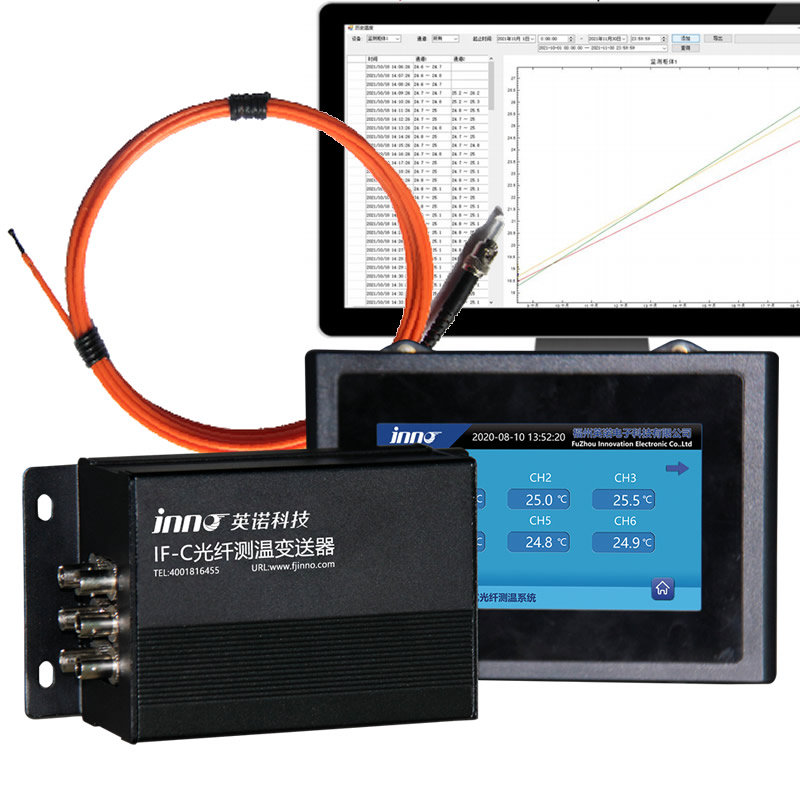
Some older or lower-cost fiber optic temperature systems measure temperature by looking at the brightness (شدة) of the fluorescence rather than its decay speed. This approach is simpler and cheaper to build, but it introduces a fundamental weakness: anything that reduces signal brightness — fiber bending, dirty connectors, long cable runs, or LED aging — is misinterpreted as a temperature change.
For a B2B buyer, the practical difference is significant. ان intensity-based fiber optic temperature sensor may require recalibration every 6–12 months and is prone to false readings if the installation is disturbed during maintenance. أ fluorescence decay lifetime sensor typically holds its calibration for 2–3 years or more and is virtually unaffected by routine disturbances to the fiber path. عند تقييم مقترحات الموردين, always confirm whether the system uses lifetime-based or intensity-based measurement. This single question can separate a reliable long-term investment from a maintenance headache.
4. ثلاثة مشترين لتقنيات درجة حرارة الألياف الضوئية سيواجهون
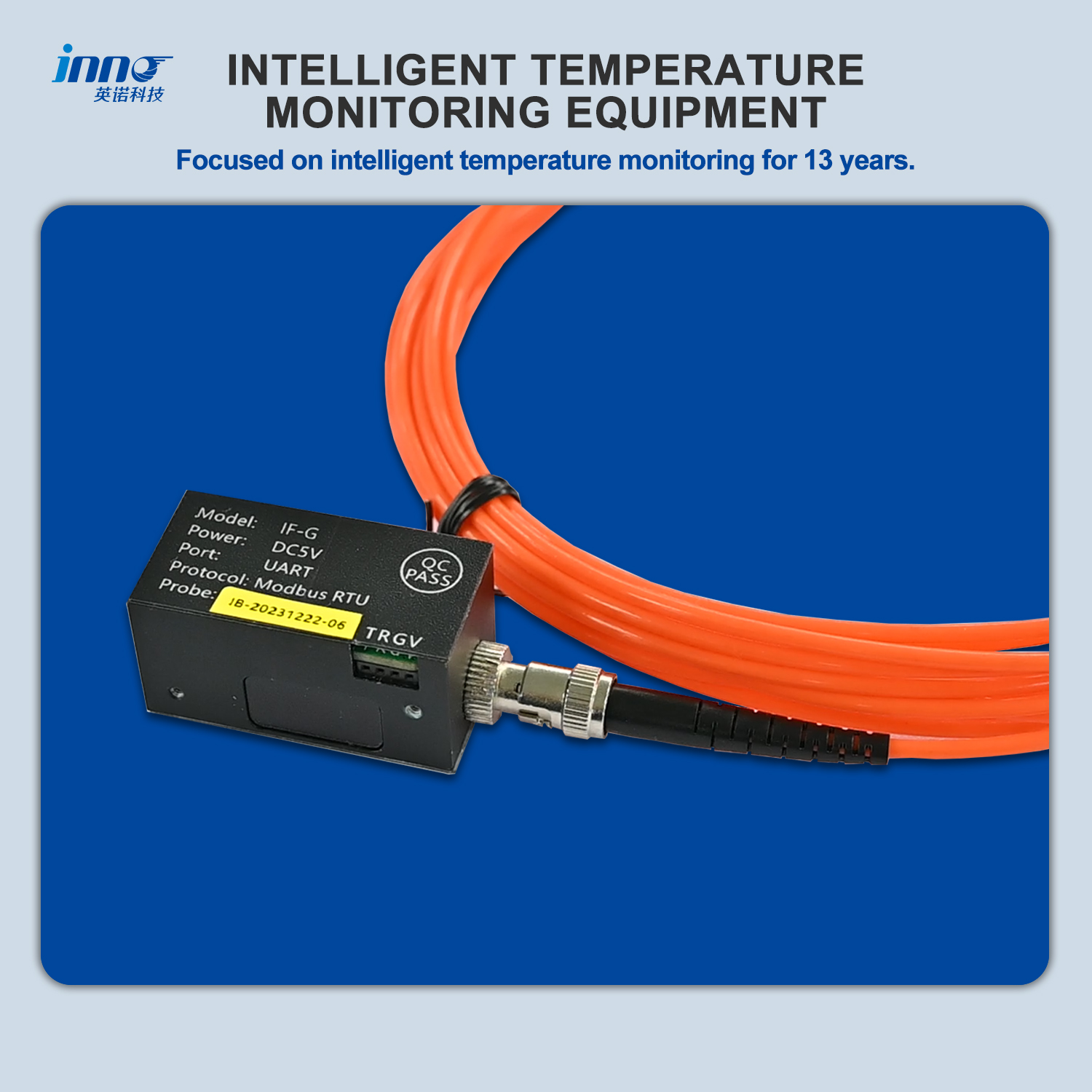
عند المصادر optical fiber temperature measurement systems, procurement teams will encounter three mainstream technologies. Each has a fundamentally different operating principle, and each is optimized for a different type of project.
Fluorescence Lifetime Sensing
Point-measurement technology. Each probe measures temperature at one specific location. Ideal for monitoring discrete hotspots on transformers, اتصالات المفاتيح الكهربائية, battery cells, and motor windings. توفر دقة عالية (±1 درجة مئوية), استجابة سريعة (تحت 1 ثانية), وعزل كهربائي كامل.
الألياف براج صريف (FBG) الاستشعار
Quasi-distributed technology. Multiple sensing points (gratings) are written into a single fiber, allowing dozens of measurement points along one cable. Commonly used for structural health monitoring of bridges, خطوط الأنابيب, and large civil structures. Less commonly used for high-voltage electrical equipment because FBG fibers can be sensitive to strain and require wavelength-stable interrogators.
رامان استشعار درجة الحرارة الموزعة (دتس)

Fully distributed technology. Measures temperature continuously along the entire length of a fiber — potentially covering kilometers. Used for pipeline leak detection, كشف الحرائق في الأنفاق, and perimeter security. Accuracy is lower than point sensors (typically ±1–2 °C), ويتم قياس الدقة المكانية بالأمتار بدلاً من المليمترات.
5. الاستشعار عن مدى الحياة مضان مقابل. الألياف براج صريف (FBG)
يتلقى مشترو B2B أحيانًا عروضًا متنافسة من مستشعر الألياف الضوئية الفلوري الموردين و مستشعر FBG الموردين لنفس المشروع. يساعدك فهم الاختلافات الأساسية على تقييم ما إذا كانت التكنولوجيا المقترحة مناسبة أم لا.
العزل الكهربائي
أ fluorescence fiber optic temperature probe يكون سلبيًا تمامًا عند نقطة الاستشعار - يصل الضوء فقط إلى طرف المسبار. أجهزة استشعار FBG سلبية أيضًا, لكن المحقق يحتاج عادة إلى مصدر ضوء عريض النطاق ومطياف عالي الدقة, مما يجعل أجهزة إزالة التشكيل أكثر تعقيدًا وتكلفة.
حساسية للتوتر
أجهزة استشعار FBG حساسة بطبيعتها لكل من درجة الحرارة والإجهاد الميكانيكي. If the fiber is stretched or compressed — common in vibrating environments like motor windings or transformer tanks — the strain signal mixes with the temperature signal, introducing errors. Fluorescence sensors measure only temperature and are unaffected by mechanical strain on the fiber.
Cost per Measurement Point
For projects with fewer than 20–30 measurement points concentrated in a small area, الأنظمة المعتمدة على الفلورسنت are typically more cost-effective. FBG systems become competitive when a project requires 50 or more measurement points distributed along a single long fiber run.
Buyer Takeaway
If your project involves high-voltage equipment, EMI قوي, اهتزاز, or a moderate number of discrete hotspot locations, fluorescence is almost always the better fit. If your project involves measuring temperature profiles along very long structures, FBG or Raman may be more appropriate.
6. الاستشعار عن مدى الحياة مضان مقابل. رامان استشعار درجة الحرارة الموزعة

Raman DTS and fluorescence point sensors are complementary rather than competing technologies in many cases. لكن, some suppliers position Raman DTS as a replacement for fluorescence sensing, which can lead to poor project outcomes.
Precision vs. التغطية
أ fluorescence fiber optic thermometer delivers ±1 °C accuracy at a specific point. A Raman DTS system delivers ±1–2 °C accuracy averaged over a spatial resolution window of 0.5–2 meters. For detecting a hotspot on a single busbar bolt or a specific battery cell, Raman resolution is far too coarse.
وقت الاستجابة
Fluorescence sensors respond in under 1 ثانية. Raman DTS systems typically require 30 seconds to several minutes of signal averaging to achieve acceptable accuracy, making them unsuitable for applications where temperature changes rapidly.
System Complexity and Cost
Raman DTS interrogators are significantly more expensive than fluorescence demodulators and require specialized fiber installation over long distances. For localized monitoring tasks, أ نظام قياس درجة حرارة الألياف الضوئية الفلورية delivers superior performance at a fraction of the cost.
7. عندما يكون الإسفار هو الفائز الواضح - وعندما لا يكون كذلك
No technology is perfect for every application. Honest guidance helps buyers avoid both over-engineering and under-engineering their monitoring systems.
Fluorescence Is the Clear Winner When:
يتطلب المشروع قياس نقطة بدقة عالية (±1 درجة مئوية أو أفضل) في البيئات ذات التداخل الكهرومغناطيسي القوي, الجهد العالي, خطر الانفجار, أو الأماكن الضيقة. تشمل الأمثلة النموذجية مراقبة النقاط الساخنة لف المحولات, استشعار درجة حرارة الاتصال للمفاتيح الكهربائية, المراقبة الحرارية لخلية البطارية, و cable joint temperature measurement.
قد لا يكون الإسفار هو الأفضل عندما:
يتطلب المشروع تحديد درجات الحرارة بشكل مستمر على مسافات تتجاوز عدة مئات من الأمتار (رامان DTS هو الأفضل), أو عندما يزيد 100 هناك حاجة إلى نقاط الاستشعار على طول هيكل خطي واحد (قد يكون FBG أكثر اقتصادا). إن التعرف على هذه الحدود يوضح صدق المورد ويساعد المشترين على الثقة بالتوصية.
8. كيفية قراءة ورقة بيانات مستشعر درجة حرارة الألياف الضوئية

تعتبر أوراق بيانات الموردين هي الأداة الأساسية لمقارنة المنتجات, ولكن ليس كل أوراق البيانات تقدم المعلومات بنفس الطريقة. Here are the key specifications to focus on and what they mean for your project.
نطاق القياس
Typically –40 °C to +260 °C for standard تحقيقات الألياف البصرية مضان. Confirm that the stated range covers your worst-case operating conditions with margin. Some suppliers quote the phosphor material’s theoretical range rather than the tested system range — always ask for system-level specifications.
الدقة والقرار
دقة (±1 درجة مئوية) tells you how close the reading is to the true temperature. دقة (0.1 درجة مئوية) tells you the smallest change the system can detect. Both matter, but accuracy is the specification that affects your process control decisions. Ask whether the stated accuracy applies across the full temperature range or only at a single calibration point.
وقت الاستجابة
Defined as the time to reach 90% of a step temperature change. بالنسبة لمعظم fluorescence optical fiber temperature sensors, this is under 1 ثانية. Be cautious of datasheets that quote response time without specifying the measurement condition (in air, in oil, or in contact with metal).
Maximum Fiber Length
The distance from the demodulator to the farthest probe. Standard is 30–80 meters. If your installation requires longer runs, confirm performance specifications at the actual required distance, not just the maximum rated distance.
Channel Count
How many independent temperature points one demodulator can monitor simultaneously — usually 1 ل 64. This directly affects your per-point cost and rack space requirements.
9. خمسة أعلام حمراء تكشف عن مورد ضعيف
After evaluating hundreds of sourcing interactions in the مستشعر درجة حرارة الألياف الضوئية سوق, certain patterns consistently indicate suppliers who may underdeliver.
Red Flag 1: No In-House Manufacturing
If the supplier is a trading company reselling another manufacturer’s product, تفقد إمكانية الوصول المباشر إلى الدعم الفني, التخصيص, والمساءلة عن الجودة. اسأل دائمًا ما إذا كان المورد هو من يقوم بتصنيع مزيل التشكيل, المجسات, أو كليهما.
Red Flag 2: مطالبات الدقة الغامضة
تصريحات مثل “دقة عالية” أو “قياس دقيق” بدون قيمة ± محددة في نطاق درجة حرارة محدد لا معنى لها. تنشر الشركات المصنعة ذات السمعة الطيبة أرقام الدقة المختبرة مع إمكانية تتبع المعايرة.
Red Flag 3: لا توجد مشاريع مرجعية في مجال عملك
المورد الذي لم ينشر مطلقًا نظام مراقبة درجة حرارة الألياف الضوئية الفلورية في تطبيقك المحدد (قوة, تخزين الطاقة, صناعي) قد لا تفهم قيود التثبيت والمتطلبات البيئية الفريدة لقطاعك.
Red Flag 4: لا توجد القدرة على التخصيص
كل مشروع له طول مسبار مختلف قليلاً, مادة غمد, توجيه الكابل, ومتطلبات بروتوكول الاتصال. قد يجبرك الموردون الذين يقدمون تكوينات الكتالوج الثابتة فقط على التنازل عن جودة التثبيت.
Red Flag 5: لا يوجد دعم هندسي لما بعد البيع
Temperature monitoring systems require occasional technical support — commissioning assistance, تكوين البروتوكول, and calibration verification. If the supplier cannot provide remote engineering support in your language and time zone, post-purchase problems become your problem alone.
10. مطابقة التكنولوجيا المناسبة لنطاق مشروعك
The most common procurement mistake is selecting a technology before fully defining the project requirements. Before requesting quotations for a نظام قياس درجة حرارة الألياف الضوئية, your project team should clearly define the number of discrete measurement points required, the physical distance between the farthest sensor and the monitoring room, the environmental conditions at the sensing location (درجات الحرارة القصوى, EMI level, فئة الجهد, التعرض الكيميائي), the required communication protocol for integration with existing SCADA or DCS, and whether the installation is new-build or retrofit. Providing these details in your RFQ ensures that suppliers propose the correct technology — fluorescence, FBG, or Raman — rather than defaulting to whatever product they happen to sell.
11. سيناريوهات النشر في العالم الحقيقي حيث يتم توفير استشعار الفلورسنت
فوتشو الابتكار العلوم الإلكترونية&شركة التقنية, المحدودة. (فجينو) has been manufacturing fluorescence optical fiber thermometry systems منذ 2011. أكثر من عقد من تسليم المشروع, لقد أثبتت بعض سيناريوهات النشر باستمرار أقوى عائد على الاستثمار للمشترين في مجال B2B.
محولات الطاقة
مجسات درجة حرارة الألياف الضوئية توفر المضمنة في ملفات المحولات أثناء التصنيع بيانات مباشرة عن درجة حرارة النقاط الساخنة التي لا يمكن لمقاييس الحرارة الموجودة على سطح الزيت والتصوير الحراري تكرارها. تتيح هذه البيانات تحسين الحمل وتمنع تدهور العزل.
واسطة- والمفاتيح الكهربائية ذات الجهد العالي
مراقبة مستمرة لدرجة حرارة الاتصال مع مجسات الألياف الضوئية الفلورية يكتشف الزيادات التدريجية في المقاومة في وصلات القضبان قبل أشهر من حدوث الفشل الحراري, السماح بالصيانة المخططة بدلاً من إيقاف التشغيل في حالات الطوارئ.
تخزين طاقة بطارية ليثيوم أيون
المراقبة الحرارية على مستوى الخلية مع سلبي كهربائيا تحقيقات درجة حرارة الألياف الضوئية provides the safety-critical data needed to detect thermal runaway precursors without introducing ignition risk into the battery enclosure.
Industrial Motors and Generators
Stator winding temperature monitoring in large rotating machines operating near variable-frequency drives, where EMI renders conventional sensors unreliable.
12. Questions Your Engineering Team Should Ask Before You Sign
Before finalizing a purchase order for a نظام استشعار درجة حرارة الألياف الضوئية الفلورية, procurement professionals should ensure their engineering team has confirmed answers to these critical questions: Does the supplier use fluorescence lifetime or fluorescence intensity measurement — and can they explain the difference? ما هي الدقة على مستوى النظام عبر نطاق درجة حرارة التشغيل الكامل, ليس فقط عند نقطة معايرة واحدة? ما هو العمر المتوقع للمسبار في ظل ظروف التشغيل المحددة لديك? هل يمكن تحديث البرامج الثابتة المستخلصة في الميدان, أو يجب إرجاع الوحدة إلى المصنع? ما هي شروط الضمان التي تنطبق على المجسات, المزيل, وكابلات الألياف بشكل منفصل? إن جمع هذه الإجابات قبل تنفيذ العقد يمنع النزاعات ويضمن أن النظام الذي تم تسليمه يتوافق مع توقعاتك الفنية.
13. الأسئلة المتداولة (التعليمات)
س1: ما هو عمر الاضمحلال مضان, ولماذا يهم قياس درجة الحرارة?
عمر اضمحلال الفلورسنت هو الوقت الذي يستغرقه توهج الفوسفور عند طرف المسبار ليتلاشى بعد نبضة ضوئية. يتغير وقت الخبو هذا بشكل متوقع مع درجة الحرارة, تشكيل أساس القياس. Because it depends on timing rather than brightness, the reading is immune to signal loss from fiber aging, الانحناء, or dirty connectors — which is why a fluorescence lifetime fiber optic sensor holds calibration far longer than intensity-based alternatives.
Q2: What is the difference between fluorescence fiber sensing and FBG fiber sensing?
Fluorescence fiber optic sensing measures temperature at a discrete point using the phosphor decay principle and is immune to mechanical strain. FBG sensing uses wavelength shifts in laser light reflected by gratings written into the fiber and is sensitive to both temperature and strain. For high-voltage hotspot monitoring, fluorescence is generally preferred.
س3: Can a fluorescence system and a Raman DTS system be used together on the same project?
نعم. Many large-scale projects use Raman DTS for distributed cable or pipeline monitoring over long distances and fluorescence point sensors for precise hotspot monitoring on specific equipment. The two technologies are complementary.
س 4: How do I know if a supplier’s datasheet accuracy claim is trustworthy?
Ask for third-party calibration certificates traceable to national metrology standards. Reputable manufacturers of أنظمة قياس درجة حرارة الألياف الضوئية provide calibration reports showing tested accuracy at multiple temperature points across the full rated range.
س5: What phosphor materials are used in fluorescence fiber optic probes?
The most common phosphor materials are rare-earth doped compounds and GaAs (زرنيخيد الغاليوم) أشباه الموصلات. Rare-earth phosphors are widely used for industrial temperature ranges (–40 °C to +260 درجة مئوية), while GaAs probes are used for some specialized applications. Your supplier should be able to specify which material their probes use.
س6: Is a fluorescence fiber optic system difficult for our maintenance team to operate?
لا. Once installed and commissioned, أ نظام مراقبة درجة حرارة الألياف الضوئية الفلورية operates autonomously. The demodulator outputs readings via standard protocols (مودبوس, 4-20 مللي أمبير) to your existing control system. Routine maintenance involves periodic visual inspection of fiber cables and occasional calibration verification — no specialized optical skills are required.
س7: How many measurement channels do we need?
This depends entirely on how many discrete temperature points your project requires. واحد مزيل تعديل درجة حرارة الألياف الضوئية يدعم 1 ل 64 القنوات. For projects with more than 64 نقاط, multiple demodulators can be networked together on a shared communication bus.
Q8: Can fluorescence probes be installed in oil-filled transformers?
نعم. تحقيقات درجة حرارة الألياف الضوئية مضان المصممة لتطبيقات المحولات متوافقة مع الزيت وخاملة كيميائيا. يتم تثبيتها عادةً أثناء تصنيع المحولات, جزءا لا يتجزأ مباشرة في هيكل متعرج. من الممكن أيضًا التثبيت التحديثي على المحولات الموجودة في بعض التكوينات.
س9: ماذا يحدث إذا تعرض كابل الألياف للتلف عن طريق الخطأ?
سيؤدي كابل الألياف التالف إلى فقدان القناة المتأثرة للإشارة, الذي تقارير المزيل كإنذار خطأ. يستمر مزيل التشكيل وجميع القنوات الأخرى في العمل بشكل طبيعي. يمكن استبدال الكابل والمسبار التالفين بشكل فردي دون التأثير على بقية النظام.
س10: كيف أبدأ محادثة مع FJINNO حول مشروعي?
اتصال فوتشو الابتكار العلوم الإلكترونية&شركة التقنية, المحدودة. (فجينو) عن طريق البريد الإلكتروني في web@fjinno.net, عن طريق الواتساب أو الهاتف على +86 135 9907 0393, أو من خلال موقع الشركة على www.fjinno.net. شارك نطاق مشروعك, عدد نقاط القياس, and operating environment, and the engineering team will provide a technology recommendation and budgetary proposal at no cost.
حول الشركة المصنعة
فوتشو الابتكار العلوم الإلكترونية&شركة التقنية, المحدودة. (فجينو) وقد تم تصميم وتصنيع fluorescence optical fiber thermometry systems منذ 2011. The company serves B2B customers across the power utility, تخزين الطاقة, الطاقة المتجددة, and industrial manufacturing sectors in more than 30 بلدان.
عنوان: مجمع لياندونغ يو لشبكات الحبوب الصناعية, رقم 12 طريق شينغي الغربي, فوتشو, فوجيان, الصين
بريد إلكتروني: web@fjinno.net
واتساب / وي شات / هاتف: +86 135 9907 0393
ف ف: 3408968340
موقع إلكتروني: www.fjinno.net
تنصل: المعلومات الواردة في هذه المقالة هي لأغراض إعلامية وتعليمية عامة فقط. في حين فوتشو الابتكار العلوم الإلكترونية&شركة التقنية, المحدودة. (فجينو) يبذل كل جهد لضمان دقة واكتمال المحتوى, لا يوجد تمثيل أو ضمان, صريحة أو ضمنية, يتم فيما يتعلق بالدقة, مصداقية, أو اكتمال المعلومات. مواصفات المنتج, technology comparisons, and application suitability may vary depending on specific project conditions. لا يشكل هذا المحتوى نصيحة هندسية احترافية. Buyers should conduct independent due diligence and consult directly with FJINNO or qualified engineers before making procurement decisions. لن تكون FJINNO مسؤولة عن أي خسارة أو ضرر ينشأ عن الاعتماد على المعلومات المقدمة هنا.

مستشعر درجة حرارة الألياف الضوئية, نظام مراقبة ذكي, الشركة المصنعة للألياف الضوئية الموزعة في الصين
 |
 |
 |