 أجهزة استشعار درجة حرارة الألياف الضوئية INNO ,أنظمة مراقبة درجة الحرارة.
- التفريغ الجزئي (بي دي) is a localised insulation breakdown that, left undetected, progressively degrades transformer insulation and can ultimately cause catastrophic failure. مراقبة PD عبر الإنترنت catches these defects at the earliest stage.
- Five complementary detection techniques — electrical, صوتي, التردد فوق العالي, تي في, and chemical (دي جي ايه) — each capture a different physical manifestation of partial discharge, and no single method alone provides complete diagnostic coverage.
- أ multi-sensor fusion architecture combining أجهزة الاستشعار بالموجات فوق الصوتية (20 kHz–200 kHz), أجهزة الاستشعار الحالية عالية التردد (100 kHz–50 MHz), و أجهزة استشعار UHF (300 MHz–3 GHz) eliminates false positives, enables source localisation, and delivers the highest detection reliability.
- متقدم بي آر بي دي (التفريغ الجزئي الذي تم حله بالمرحلة) three-dimensional pattern analysis and PRPS (تسلسل النبض الذي تم حله بالمرحلة) visualisation allow engineers to identify the specific discharge type — corona, التفريغ السطحي, internal void, or floating potential — and prioritise maintenance accordingly.
- حديث أنظمة مراقبة PD integrate with سكادا and enterprise asset management platforms via Modbus, اللجنة الانتخابية المستقلة 61850, وDNP3, embedding insulation health data into the utility’s broader condition-based maintenance workflow.
جدول المحتويات
- What Is Partial Discharge in Transformers and Why Must It Be Monitored?
- Four Common Types of Partial Discharge Inside Power Transformers
- Five Partial Discharge Detection Techniques Compared — Electrical, صوتي, التردد فوق العالي, تي في, and Chemical Methods
- Why Multi-Sensor Fusion Outperforms Single-Method Detection
- What Are the Components of an Online Partial Discharge Monitoring System?
- تركيب أجهزة الاستشعار, عرض النطاق الترددي, and Function — Ultrasonic, HFCT, and UHF Explained
- Key Technical Specifications of the PD Monitoring Host Unit
- How Do PRPD 3D Patterns and PRPS Pulse Sequences Identify Discharge Types?
- Backend Monitoring Software — Features and Diagnostic Capabilities
- كيف يتكامل نظام مراقبة PD مع منصات SCADA وإدارة الأصول?
- ما هي المحولات التي تستفيد أكثر من مراقبة التفريغ الجزئي عبر الإنترنت؟?
- كيفية اختيار المعدات المناسبة لمراقبة التفريغ الجزئي - دليل المشتري
- المعايير الدولية المعمول بها لاختبار ومراقبة التفريغ الجزئي
- الأسئلة المتداولة (التعليمات)
1. What Is Partial Discharge in Transformers and Why Must It Be Monitored?
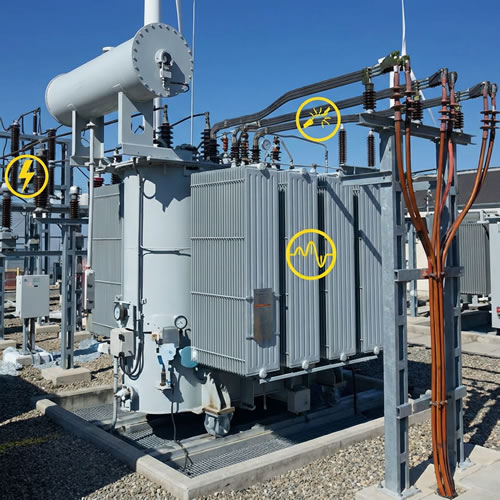
التفريغ الجزئي هو انهيار كهربائي موضعي يعمل على سد العزل بين الموصلات داخل المحول جزئيًا فقط. على عكس الفلاش الكامل, لا يؤدي حدث التفريغ الجزئي إلى إنشاء مسار موصل كامل, ولكنها تطلق طاقة على شكل إشعاع كهرومغناطيسي, الموجات الصوتية, حرارة, والمنتجات الكيميائية الثانوية - التي تؤدي تدريجيًا إلى تآكل المواد العازلة المحيطة. متأخر , بعد فوات الوقت, يؤدي نشاط التفريغ الجزئي المتكرر إلى توسيع العيب الأصلي, يسرع شيخوخة العزل, and can ultimately trigger a complete insulation failure, leading to catastrophic transformer damage, الانقطاعات غير المخطط لها, and significant financial loss.
The challenge is that partial discharge activity is invisible during normal operation. External symptoms such as dissolved gas accumulation in the oil or elevated winding temperatures often appear only after the defect has already progressed to an advanced stage. هذا هو السبب مراقبة التفريغ الجزئي عبر الإنترنت has become an essential component of modern مراقبة حالة المحولات programmes. By detecting the electrical, صوتي, and electromagnetic signatures of PD events in real time, an online system provides the earliest possible warning of insulation degradation — weeks, شهور, or even years before the fault would be detected by conventional periodic testing.
2. Four Common Types of Partial Discharge Inside Power Transformers

Not all partial discharge is the same. The physical mechanism, موقع, وتعتمد شدة التفريغ على طبيعة عيب العزل. يساعد فهم أنواع PD الأربعة الأكثر شيوعًا المهندسين على تفسير بيانات المراقبة والتخطيط لاستجابات الصيانة المناسبة.
Corona Discharge
يحدث تفريغ الإكليل عند نتوءات معدنية حادة أو أقطاب كهربائية سيئة الشكل حيث تتجاوز شدة المجال الكهربائي الموضعي قوة الانهيار في الوسط المحيط - عادة زيت أو غاز المحولات. يظهر التفريغ على شكل وهج خافت وينتج في الغالب غاز الهيدروجين. في حين أن كورونا غالبًا ما يُعتبر الشكل الأقل خطورة لمرض باركنسون, يؤدي نشاط الهالة المستمر إلى تدهور جودة الزيت بمرور الوقت ويمكن أن يؤدي إلى أنواع تفريغ أكثر ضررًا.
Surface Discharge
يتطور التفريغ السطحي على طول الواجهة بين العزل الصلب (لوح الضغط أو ورق الكريب) والنفط أو الغاز المحيط بها. It is frequently caused by contamination, دخول الرطوبة, or excessive tangential electric field stress at the insulation surface. Surface discharge can quickly escalate in severity because the carbonised tracking path it creates along the insulation surface progressively shortens the effective insulation distance.
Internal Void Discharge
Gas-filled voids or cavities trapped within solid insulation — typically caused by manufacturing defects, الإجهاد الميكانيكي, or thermal ageing — create regions where the dielectric strength is significantly lower than the surrounding material. When the applied voltage exceeds the breakdown threshold of the void, a partial discharge ignites inside the cavity. Internal void discharge is particularly insidious because it is entirely enclosed within the insulation and cannot be detected by visual inspection.
التفريغ العائم المحتمل
عند وجود مكون معدني داخل المحول – مثل الدرع, قوس هيكلي, أو اتصال غير محكم - غير متصل بشكل صحيح بإمكانات كهربائية محددة, يكتسب الجهد العائم من خلال اقتران بالسعة. يمكن لهذه الإمكانات العائمة أن تؤدي إلى تفريغ متكرر بين المكون والهياكل المؤرضة أو النشطة المجاورة. عادة ما يكون التفريغ ذو الجهد العائم عالي الطاقة وينتج بصمات صوتية وترددات فوق عالية (UHF) قوية, مما يجعل اكتشافها أسهل نسبيًا ولكنه أيضًا أكثر ضررًا للعزل القريب.
3. Five Partial Discharge Detection Techniques Compared — Electrical, صوتي, التردد فوق العالي, تي في, and Chemical Methods
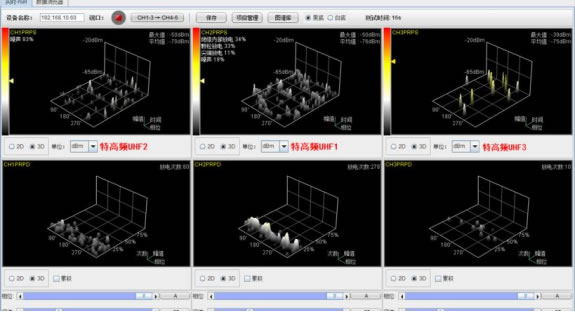
تلتقط كل تقنية كشف ظاهرة فيزيائية مختلفة تنتج عن أحداث التفريغ الجزئي. يقدم الجدول أدناه مقارنة جنبًا إلى جنب بين الطرق الخمس الأكثر استخدامًا, تلخيص مبادئ القياس الخاصة بهم, حساسية نموذجية, main advantages, والقيود الأولية.
| طريقة الكشف | الكمية الفيزيائية المقاسة | جهاز استشعار نموذجي | مقياس الحساسية | المزايا الرئيسية | القيود الرئيسية |
|---|---|---|---|---|---|
| كهربائي (اللجنة الانتخابية المستقلة 60270) | تهمة ظاهرية (كمبيوتر شخصي / nC) | مكثف اقتران, bushing tap | يصل إلى ~ 1 جهاز كمبيوتر | موحدة, كمية, ممتاز لاختبارات المصنع | عرضة لEMI في الميدان; غير متصل في المقام الأول |
| صوتي / بالموجات فوق الصوتية | الانبعاث الصوتي (ديسيبل / بالسيارات) | جهاز استشعار كهرضغطية (20-200 كيلو هرتز) | معتدل | محصن ضد EMI; تمكن توطين مصدر PD عبر التثليث | يتم تخفيف الإشارة بواسطة هيكل الخزان ومسار الزيت |
| التردد فوق العالي (تردد عالي جدًا) | إشارة كهرومغناطيسية (300 MHz–3 GHz) | هوائي ذو تردد فوق العالي (مخروطي, دوامة, فيفالدي) | نزولاً إلى عدد قليل من أجهزة الكمبيوتر المكافئة | رفض الضوضاء ممتازة; في الوقت الحالى; مناسبة للاستخدام عبر الإنترنت | تعتمد الحساسية على موضع المستشعر; يتطلب منفذ التثبيت |
| تي في (الجهد الأرضي العابر) | نبض الجهد السطحي (بالسيارات) | مستشعر لوحة سعوية | معتدلة إلى عالية | Non-intrusive; لا انقطاع المطلوبة; تركيب بسيط | يقتصر على معدات الضميمة المعدنية; PD خارجي فقط |
| كيميائي (دي جي ايه) | تركيز الغاز المذاب (جزء في المليون) | مراقب DGA عبر الإنترنت / كروماتوغرافيا المختبر | مؤشر غير مباشر | يكتشف تدهور العزل التراكمي; المعيار المعمول به | استجابة بطيئة; لا يمكن تحديد موقع PD أو نوعه |
كما يوضح الجدول, لا توجد تقنية واحدة تغطي جميع جوانب الكشف عن التفريغ الجزئي. توفر الطرق الكهربائية القياس الكمي الأكثر دقة للشحنة ولكنها تعاني من الضوضاء في الموقع. تتفوق الطرق الصوتية وUHF في المراقبة عبر الإنترنت وتوطين المصدر. يعتبر TEV مثاليًا للفحص السريع غير التدخلي. يكشف DGA عن تلف العزل التراكمي ولكنه لا يوفر معلومات عن مستوى النبض في الوقت الفعلي. هذا التكامل هو ما يدفع الصناعة نحو بنيات الاندماج متعددة أجهزة الاستشعار.
4. Why Multi-Sensor Fusion Outperforms Single-Method Detection
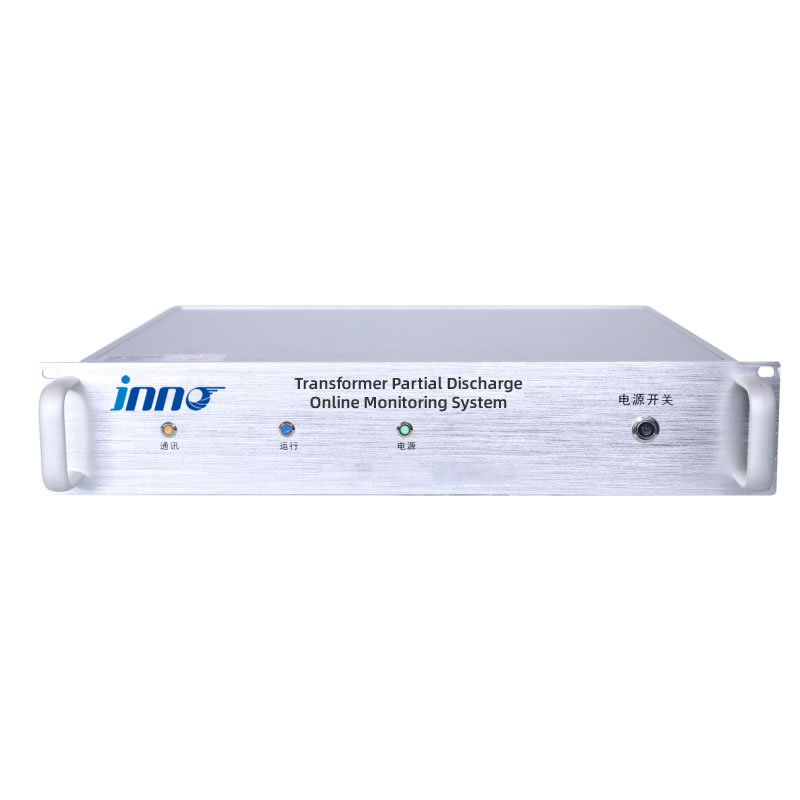
تواجه شاشة PD ذات المستشعر الواحد - بغض النظر عن مدى حساسيتها - تحديين أساسيين: النتائج الإيجابية الكاذبة الناتجة عن مصادر الضوضاء الخارجية والغموض التشخيصي عند توفر نوع واحد فقط من الإشارة. Multi-sensor fusion technology يعالج كلتا المشكلتين من خلال ربط البيانات من أجهزة الاستشعار التي تعمل في مجالات تردد مختلفة تمامًا ومبادئ القياس الفيزيائي.
النظر في مثال عملي. يكتشف مستشعر الموجات فوق الصوتية المثبت على خزان المحولات حدث انبعاث صوتي. في العزل, لا يمكن للمشغل التأكد مما إذا كانت الإشارة أصلية أم أنها اهتزاز ميكانيكي من مروحة تبريد قريبة. لكن, إذا اكتشف مستشعر UHF في نفس الوقت نبضة كهرومغناطيسية مقابلة, ويقوم مستشعر التيار عالي التردد الموجود في كابل التأريض بتسجيل ارتفاع التيار المتزامن, احتمال أن يكون الحدث عبارة عن تفريغ جزئي حقيقي يرتفع إلى ما يقرب من اليقين. The time-of-arrival difference between the acoustic and electromagnetic signals can further be used to estimate the spatial location of the discharge source inside the transformer.
This fusion approach dramatically reduces false alarm rates, improves diagnostic confidence, and enables the operator to not only confirm that PD is occurring but also determine where it is occurring and how severe it is — all from a single integrated monitoring platform. It is the reason why leading أنظمة مراقبة التفريغ الجزئي للمحولات now incorporate three sensor types as standard, rather than relying on any one method alone.
5. What Are the Components of an Online Partial Discharge Monitoring System?
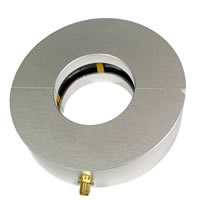
كامل online PD monitoring system consists of three functional layers that work together to convert raw discharge signals into actionable diagnostic intelligence.
أجهزة الاستشعار الميدانية
Three types of sensors are deployed on the transformer to capture different physical manifestations of partial discharge. Ultrasonic sensors detect acoustic emissions from PD activity within the windings and oil. High-frequency current (HFCT) sensors clamp onto the core grounding cable to measure pulse currents generated by discharge events. UHF sensors are installed at oil valve ports to capture ultra-high-frequency electromagnetic radiation propagating through the transformer oil. Each sensor is designed for harsh outdoor environments with an IP68 protection rating.
PD Monitoring Host Unit
The monitoring host is the central processing hub of the system. It receives analogue signals from all connected sensors, performs signal conditioning (التضخيم, تصفية, and impedance matching), and digitises the waveforms at high speed using a multi-channel acquisition architecture. يقوم المضيف بحساب معلمات PD الرئيسية - بما في ذلك الحد الأقصى لسعة التفريغ, متوسط كمية التفريغ, وتردد التفريغ - ويطبق خوارزميات ذكية للتعرف على الأنماط وتصنيف الأخطاء. يتم عادةً تركيبه على حامل في حاوية مكونة من وحدتين داخل خزانة التقارب أو لوحة التحكم بالقرب من المحول.
برامج المراقبة الخلفية
مثبتة على كمبيوتر غرفة التحكم أو الخادم, توفر منصة البرنامج التصور في الوقت الحقيقي, تتجه التاريخية, إدارة الإنذار, والتحليل التشخيصي. وتشمل قدراتها التحليلية الأساسية عرض نمط PRPD ثلاثي الأبعاد, رسم خرائط تسلسل نبض PRPS, إحصائيات سعة التفريغ, والمقارنة مع قاعدة بيانات الأنماط المتخصصة للتعرف الآلي على نوع PD. يتواصل البرنامج مع مضيف المراقبة عبر Ethernet أو RS-485.
6. تركيب أجهزة الاستشعار, عرض النطاق الترددي, and Function — Ultrasonic, HFCT, and UHF Explained
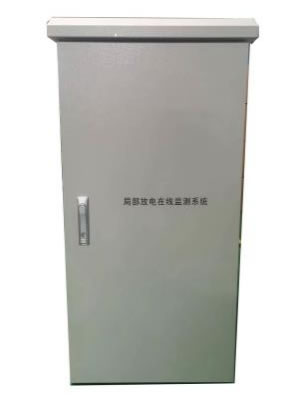
فعالية أ partial discharge monitoring system يعتمد بشكل كبير على اختيار المستشعر الصحيح ووضعه. يوضح الجدول أدناه تفاصيل أنواع المستشعرات الثلاثة المستخدمة في بنية أجهزة الاستشعار المتعددة كاملة الطيف, بما في ذلك عرض النطاق الترددي للرصد الخاصة بهم, طريقة التثبيت, موقع التركيب, ووظيفة التشخيص الأولية.
| نوع المستشعر | مراقبة عرض النطاق الترددي | طريقة التثبيت | موقع التركيب | الوظيفة الأساسية |
|---|---|---|---|---|
| جهاز استشعار بالموجات فوق الصوتية | 20 كيلوهرتز – 200 كيلو هرتز | Magnetic mount | سطح خزان المحولات | يكتشف إشارات الانبعاث الصوتي الناتجة عن نشاط PD الداخلي في اللفات وهياكل العزل |
| تيار عالي التردد (HFCT) الاستشعار | 100 كيلوهرتز – 50 ميغاهيرتز | Clamp-on | Core grounding point | يلتقط تيارات النبض عالية التردد التي تتدفق عبر كابل التأريض نتيجة لأحداث التفريغ |
| مستشعر التردد فوق العالي | 300 MHz – 3 000 ميغاهيرتز | نوع البرنامج المساعد | منفذ صمام تصريف الزيت | يراقب الإشارات الكهرومغناطيسية فائقة التردد التي تنتشر عبر زيت المحولات, تشير إلى تفريغ العزل الداخلي |
ملاحظات التثبيت
يتم تثبيت أجهزة الاستشعار بالموجات فوق الصوتية على جدار الخزان باستخدام حامل مغناطيسي, مما يسمح بإعادة التموضع المرن دون الحفر أو اللحام. للحصول على اقتران صوتي مثالي, يتم تطبيق طبقة رقيقة من هلام القارنة بين وجه المستشعر وسطح الخزان. مستشعر HFCT عبارة عن مشبك مقسم يمكن تثبيته حول كابل التأريض دون فصله - مما يعني عدم الحاجة إلى انقطاع المحول. يتم إدخال مستشعر UHF في صمام تصريف الزيت الموجود أو منفذ نافذة عازل مخصص, وضع عنصر الهوائي داخل حيز الزيت للحصول على أقصى قدر من الحساسية للإشارات الكهرومغناطيسية الداخلية. جميع أنواع المستشعرات الثلاثة حاصلة على تصنيف IP68, ضمان عملية موثوقة في المطر, تراب, رطوبة, ودرجات الحرارة القصوى من -20 درجة مئوية إلى +125 درجة مئوية.
7. Key Technical Specifications of the PD Monitoring Host Unit
مضيف المراقبة هو قلب النظام, مسؤولة عن الحصول على إشارة عالية السرعة, معالجة في الوقت الحقيقي, واتصالات البيانات. يعرض الجدول أدناه المعلمات التقنية الأساسية للصف الصناعي التمثيلي مضيف مراقبة PD مصممة لنشر المحطات الفرعية.
| المعلمة | مواصفة |
|---|---|
| استقبال الإشارة | بالموجات فوق الصوتية, high-frequency current (HFCT), ومدخلات أجهزة الاستشعار UHF |
| Dynamic Range | -80 ل -20 ديسيبل |
| معدل أخذ العينات | 200 مللي ثانية/ثانية (200 مليون عينة في الثانية) |
| تكوين القناة | 4 أو 6 القنوات (المستخدم للتكوين) |
| اتساق القناة | ≥ 0.5 ديسيبل |
| نطاق المراقبة | ≥ 20 000 كمبيوتر شخصي |
| مقاومة الإرسال | ≥ 12 بالسيارات / مللي أمبير |
| واجهات الاتصالات | إيثرنت RJ45, رس-485 |
| البروتوكولات المدعومة | مودبوس RTU/TCP, اللجنة الانتخابية المستقلة 61850, DNP3 |
| مزود الطاقة | تيار متردد 90-240 فولت, 50/60 هرتز |
| الضميمة | 2حامل على شكل حرف U (483 مم × 89 مم × 300 مم) |
| طريقة التثبيت | خزانة التقارب أو لوحة التحكم |
| تصنيف حماية الاستشعار | IP68 |
| درجة حرارة التشغيل | -20 درجة مئوية إلى +125 درجة مئوية (الاستشعار); مضيف لكل بيئة خزانة |
| المخرجات التشخيصية | حجم التفريغ (س), مرحلة التفريغ (Ø), 3أنماط D PRPD, تسلسل نبض PRPS, السعة القصوى, متوسط الكمية, تردد التفريغ |
لماذا 200 معدل أخذ العينات MS/s مهم
نبضات التفريغ الجزئي هي أحداث عابرة سريعة للغاية, غالبًا ما تدوم نانو ثانية فقط. معدل أخذ العينات 200 MS/s — أي ما يعادل فاصل زمني لأخذ العينات يبلغ 5 نانو ثانية — يضمن أن المضيف يلتقط الشكل الموجي الكامل لكل نبضة تفريغ دون تعرج أو تشويه. This waveform fidelity is essential for accurate PRPD pattern construction and for distinguishing genuine PD pulses from noise artefacts. Lower sampling rates may miss critical waveform features, leading to misclassification or missed detections.
8. How Do PRPD 3D Patterns and PRPS Pulse Sequences Identify Discharge Types?
Raw PD data — pulse counts, amplitudes, and timestamps — becomes truly diagnostic when it is visualised through التفريغ الجزئي الذي تم حله بالمرحلة (بي آر بي دي) patterns and تسلسل النبض الذي تم حله بالمرحلة (PRPS) يعرض.
PRPD — The Fingerprint of Discharge
A PRPD pattern plots discharge magnitude (vertical axis) against the phase angle of the power-frequency cycle (horizontal axis), accumulated over many cycles to build a three-dimensional density map. Different PD types produce distinctly different PRPD shapes. Corona discharge typically appears as clusters concentrated near the voltage peaks on one polarity. Internal void discharge produces symmetrical patterns on both positive and negative half-cycles, with the discharge magnitude remaining relatively constant. Surface discharge shows asymmetric, spreading patterns that increase in magnitude with applied voltage. Floating-potential discharge creates dense, high-amplitude clusters that shift in phase as the floating voltage changes.
By comparing a measured PRPD pattern against an expert database of known discharge signatures, the monitoring software can automatically classify the PD type and assess its severity — transforming a complex electromagnetic phenomenon into an actionable maintenance recommendation.
PRPS — Tracking Discharge Evolution Over Time
While PRPD provides a cumulative snapshot, PRPS displays individual pulses in sequence, الحفاظ على العلاقة الزمنية بين أحداث التفريغ المتتابعة. وهذا مفيد بشكل خاص للكشف عن نشاط PD المتقطع, مراقبة كيفية تطور أنماط التفريغ في ظل ظروف الحمل أو درجة الحرارة المتغيرة, والتمييز بين مصادر PD المتزامنة المتعددة. تدعم بيانات PRPS أيضًا التحليل الإحصائي المتقدم - مثل توزيعات الفاصل الزمني للنبض وخوارزميات التجميع - التي يمكن أن تكشف عن اتجاهات التدهور قبل أن تكون مرئية في نمط PRPD وحده.
9. Backend Monitoring Software — Features and Diagnostic Capabilities
تعمل منصة برمجيات الواجهة الخلفية على تحويل المخرجات الأولية لمضيف المراقبة إلى أداة لدعم القرار للمشغلين ومديري الأصول. يتم تثبيته على محطة عمل غرفة التحكم أو يمكن الوصول إليه عبر واجهة الويب, فهو يوفر أربع وحدات وظيفية أساسية.
المراقبة والتصور في الوقت الحقيقي
يقوم النظام باستمرار بالحصول على بيانات PD المباشرة وعرضها, بما في ذلك خرائط الطيف PRPD ثلاثية الأبعاد, تسلسل نبض PRPS, المخططات الشريطية لسعة التفريغ, and trend lines for key parameters such as maximum discharge magnitude, متوسط كمية التفريغ, and discharge repetition rate. Operators can view individual channel data or an aggregated system-level summary.
Historical Query and Trending
All measurement data is stored with timestamps, enabling engineers to query historical records by date range, قناة, or alarm event. Statistical trending tools reveal long-term insulation degradation trajectories, التغيرات الموسمية, and load-correlated PD behaviour. Trend forecasting algorithms support predictive maintenance scheduling.
إدارة الإنذار
Multi-level alarm thresholds — typically informational, تحذير, and critical — can be configured for each monitored parameter. When a threshold is exceeded, the system generates visual alerts on the dashboard and transmits notifications via email, رسالة قصيرة, or relay output. Alarm events are logged with full context (timestamp, قناة, قيمة المعلمة, لقطة من PRPD) لتحليل ما بعد الحدث.
التشخيص الذكي
يشتمل البرنامج على قاعدة بيانات مدمجة لأنماط الخبراء تقوم بتعيين توقيعات PRPD وPRPS لأنواع التفريغ المعروفة. عندما تتطابق البيانات الجديدة مع النمط المخزن, يقترح النظام نوع PD الأكثر احتمالاً والإجراء الموصى به. وهذا يقلل من الاعتماد على الترجمة الفورية اليدوية من قبل الخبراء ويسرع عملية اتخاذ القرار, خاصة بالنسبة للمرافق التي تدير أساطيل المحولات الكبيرة.
10. كيف يتكامل نظام مراقبة PD مع منصات SCADA وإدارة الأصول?
توفر بيانات التفريغ الجزئي أقصى قيمة عندما تكون مضمنة في النظام البيئي الأوسع للبيانات التشغيلية للمرفق بدلاً من أن تقتصر على شاشة عرض مستقلة. مصممة بشكل جيد PD monitoring system supports this integration through standard industrial communication interfaces and protocols.
At the substation level, the PD monitoring host connects to the station RTU (Remote Terminal Unit) or bay controller via إيثرنت RJ45 أو رس-485. Standard protocols — including مودبوس RTU/TCP, اللجنة الانتخابية المستقلة 61850, و DNP3 — ensure compatibility with virtually any substation automation architecture. Key data points transmitted to سكادا include real-time PD amplitude values, أعلام حالة التنبيه, and diagnostic summary codes. Dispatchers can configure high-priority alarms for critical PD events — such as sudden acetylene-type UHF signatures or rapidly increasing discharge rates — ensuring immediate visibility on the SCADA overview screen.
Correlation with Other Monitoring Parameters
The greatest diagnostic insight comes from correlating PD data with complementary transformer health parameters. When the PD monitoring system feeds data into an integrated transformer monitoring platform alongside dissolved gas analysis (دي جي ايه), fibre optic winding temperature, bushing capacitance and tan-delta, and on-load tap changer condition data, the platform can perform automated cross-parameter analysis. على سبيل المثال, a simultaneous increase in UHF PD activity and a rise in hydrogen concentration in the oil provides much stronger confirmation of an active internal insulation fault than either indicator alone. This multi-parameter correlation approach significantly reduces diagnostic uncertainty and supports more confident maintenance decision-making.
11. ما هي المحولات التي تستفيد أكثر من مراقبة التفريغ الجزئي عبر الإنترنت؟?
While any oil-filled or dry-type transformer can experience partial discharge, the investment in continuous online monitoring is best directed at assets where the consequences of an undetected insulation fault are most severe.
Highest-Priority Applications
Transmission-voltage power transformers (≥110 kV) at utility substations are the primary candidates, as their failure causes widespread outages and replacement lead times can exceed twelve months. تصعيد المولد (جي إس يو) transformers at thermal, هيدرو, and nuclear power plants are equally critical because an unplanned trip directly removes generation capacity from the grid. Large industrial transformers serving petrochemical complexes, semiconductor fabrication plants, مراكز البيانات, and steel mills also justify online PD monitoring due to the enormous cost of production downtime.
Growing Adoption Scenarios
The expansion of renewable energy has created new demand. Collector and interconnection transformers at مزارع الرياح و solar farms تجربة ملفات تحميل متغيرة للغاية وغالبًا ما تكون في مواقع نائية حيث يكون الاختبار اليدوي الدوري مكلفًا ونادرًا. Traction power transformers for railway electrification تحمل الأنظمة الأحمال الحرجة للسلامة. تعد المحولات القديمة التي تعمل بعد فترة تصميمها الأصلية مرشحًا قويًا آخر - يدعم اتجاه PD المستمر قرارات تمديد العمر القائمة على الأدلة. الجهد العالي المفاتيح الكهربائية, نظم المعلومات الجغرافية (المفاتيح الكهربائية المعزولة بالغاز), و أنظمة كابلات الطاقة كما يتم تجهيزها بشكل متزايد بمراقبة PD عبر الإنترنت, باستخدام نفس تقنيات الاستشعار التي تم تكييفها لتناسب هندسة العلبة الخاصة بها.
12. كيفية اختيار المعدات المناسبة لمراقبة التفريغ الجزئي - دليل المشتري
يقدم السوق مجموعة من منتجات مراقبة PD, بدءًا من أجهزة الفحص ذات المستشعر الواحد وحتى منصات التشخيص الكاملة متعددة المستشعرات. ستساعد المعايير التالية المشترين على مطابقة المعدات المناسبة لمتطلبات التطبيق المحددة الخاصة بهم.
Sensor Coverage and Fusion Capability
For comprehensive diagnostics on critical transformers, specify a system that supports all three sensor types — ultrasonic, HFCT, and UHF — with true multi-channel data fusion. Single-sensor systems (على سبيل المثال, UHF-only or acoustic-only) are suitable for basic screening but cannot provide the cross-verification and source localisation capabilities that multi-sensor fusion delivers.
Sampling Rate and Dynamic Range
A sampling rate of at least 200 MS/s ensures that fast PD transients are captured without loss of waveform detail. The dynamic range should be wide enough — at least -80 ل -20 dBm — to handle both very small incipient discharges and large discharge events without saturation or signal clipping.
Channel Count and Scalability
Evaluate whether four channels suffice for the intended transformer or whether six channels are needed to accommodate additional sensor positions. Systems with configurable channel options provide flexibility for both initial deployment and future expansion.
Diagnostic Software Quality
The software should include 3D PRPD pattern display, PRPS visualisation, an expert pattern database for automated PD type classification, multi-level alarm management, and historical trend analysis with forecasting. Web-based or remote-access capability is increasingly expected for fleet-wide management.
Communication Protocol Compatibility
Ensure the monitoring host supports the communication protocol already in use at your substation — مودبوس ار تي يو, مودبوس تكب, اللجنة الانتخابية المستقلة 61850, أو DNP3. Native protocol support avoids the cost and complexity of adding external protocol converters.
Environmental Rating and Sensor Durability
Sensors must be rated IP68 for outdoor installation and specified for the full operating temperature range of the site. Sensor mounting methods — magnetic, المشبك, and plug-in — should require no modification to the transformer structure and no outage for installation.
Vendor Support and Expert Database Updates
PD pattern recognition accuracy depends on the quality and breadth of the expert database. Choose a vendor that provides regular database updates incorporating new discharge patterns and diagnostic refinements as field experience accumulates across their installed base.
13. المعايير الدولية المعمول بها لاختبار ومراقبة التفريغ الجزئي
Several international standards govern partial discharge measurement, تفسير, وأداء المعدات. Understanding these references helps buyers write better procurement specifications and ensures that the selected monitoring system meets globally accepted benchmarks.
اللجنة الانتخابية المستقلة 60270 (High-Voltage Test Techniques — Partial Discharge Measurements) is the foundational standard for electrical PD measurement. It defines the apparent charge method, calibration procedures, and test circuit configurations. While primarily intended for offline factory testing, its measurement principles underpin many online system designs.
اللجنة الانتخابية المستقلة 62478 (High-Voltage Test Techniques — Measurement of Partial Discharges by Electromagnetic and Acoustic Methods) extends the standard framework to cover UHF and acoustic detection techniques, providing guidance on sensor specifications, معالجة الإشارات, and data presentation for non-conventional PD measurement methods used in online monitoring.
IEEE C57.127 (Guide for the Detection, موقع, and Interpretation of Sources of Acoustic Emissions from Electrical Discharges in Power Transformers and Reactors) focuses specifically on acoustic PD detection in transformers, covering sensor placement, signal interpretation, and source localisation techniques.
Additional references include الكتيب الفني لـ CIGRE 676 (Partial Discharges in Transformers) which provides comprehensive guidance on PD phenomena, measurement techniques, and interpretation strategies, و اللجنة الانتخابية المستقلة 61850 which defines the communication standard for substation automation and governs how PD monitoring data is exchanged with SCADA and asset management systems.
14. الأسئلة المتداولة (التعليمات)
س1: What is the difference between partial discharge and full breakdown?
Partial discharge is a localised insulation breakdown that bridges only part of the insulation gap between conductors. لا يخلق مسارًا موصلًا كاملاً ولا يسبب عطلًا فوريًا في المعدات. انهيار كامل, على النقيض من ذلك, يمثل فشلًا كاملاً في العزل - دائرة كهربائية قصيرة تؤدي عادةً إلى أضرار كارثية, انفجار, أو النار. التفريغ الجزئي هو السلائف; إذا تركت دون مراقبة أو معالجة, فهو يؤدي إلى تحلل العزل تدريجيًا حتى يحدث الانهيار الكامل.
Q2: هل يمكن اكتشاف التفريغ الجزئي أثناء تنشيط المحول؟?
نعم. متصل أنظمة مراقبة التفريغ الجزئي تم تصميمها خصيصًا للعمل أثناء تنشيط المحول وحمل الحمل. بالموجات فوق الصوتية, HFCT, ويتم تركيب جميع أجهزة استشعار UHF دون الحاجة إلى انقطاع المحولات, ويقوم النظام باستمرار بالحصول على البيانات في ظل ظروف التشغيل العادية. في الحقيقة, تعد مراقبة PD تحت جهد الخدمة الحقيقي والحمل أكثر تمثيلاً لحالة العزل الفعلية للمحول من الاختبارات غير المتصلة بالإنترنت التي يتم إجراؤها عند الجهد المنخفض.
س3: كيف يعمل اندماج أجهزة الاستشعار المتعددة على تقليل الإنذارات الكاذبة?
كل نوع من أجهزة الاستشعار حساس لظاهرة فيزيائية مختلفة. يؤدي حدث التفريغ الجزئي الحقيقي إلى إنتاج موجة صوتية في نفس الوقت (الكشف عنها بواسطة جهاز الاستشعار بالموجات فوق الصوتية), نبض تيار عالي التردد (تم اكتشافه بواسطة مستشعر HFCT), وإشارة كهرومغناطيسية (تم اكتشافه بواسطة مستشعر UHF). مصادر التداخل الخارجي - مثل تبديل العابرين, إشارات الراديو, أو الاهتزازات الميكانيكية - تؤثر عادةً على نوع واحد فقط من أجهزة الاستشعار. من خلال طلب اكتشافات مترابطة عبر جهازي استشعار أو أكثر قبل إطلاق الإنذار, the system effectively eliminates false positives caused by single-source noise.
س 4: What is a PRPD pattern and how is it used for diagnosis?
أ بي آر بي دي (التفريغ الجزئي الذي تم حله بالمرحلة) pattern is a three-dimensional visualisation that plots discharge magnitude against the phase angle of the AC power cycle, accumulated over many cycles. Different types of partial discharge — corona, التفريغ السطحي, internal voids, floating potentials — each produce characteristic PRPD shapes. By matching the measured pattern against a database of known discharge signatures, the monitoring system can identify the type of insulation defect and assess its severity, enabling targeted maintenance rather than generic inspections.
س5: How long does it take to install a PD monitoring system on an existing transformer?
A typical installation takes one to two days per transformer. Ultrasonic sensors attach magnetically to the tank surface, HFCT sensors clamp onto the core grounding cable, and UHF sensors plug into existing oil drain valve ports — none of these steps require a transformer outage. The monitoring host is rack-mounted inside a nearby control cabinet, connected to the sensors via signal cables, and linked to the control room via Ethernet or RS-485. التكليف, التحقق من المعايرة, and operator training are typically completed on-site within the same visit.
س6: What maintenance does the PD monitoring system itself require?
The system requires minimal maintenance. Recommended activities include quarterly visual inspection of sensor mounting integrity and cable connections, annual calibration verification using a reference signal source, وتحديثات دورية للبرامج لدمج أحدث الخوارزميات التشخيصية ومراجعات قاعدة بيانات أنماط الخبراء. أجهزة الاستشعار نفسها لا تحتاج إلى صيانة مع حماية البيئة IP68. يجب مراقبة سعة تخزين البيانات لمنع حدوث مشكلات في مساحة القرص على الخادم الخلفي.
س7: هل يمكن للنظام مراقبة محولات متعددة في وقت واحد?
نعم. يدعم برنامج مراقبة الواجهة الخلفية بنية متعددة الأصول حيث يقوم العديد من مضيفي مراقبة PD - كل منهم متصل بمجموعة أجهزة الاستشعار الخاصة به على محول مختلف - بالإبلاغ إلى منصة برمجية مركزية واحدة. يعد تكوين N-to-1 هذا قياسيًا للمحطات الفرعية والمرافق الصناعية التي تحتوي على العديد من المحولات, توفير رؤية على مستوى الأسطول من خلال واجهة مشغل واحدة وتقليل التكلفة الإجمالية للنظام.
Q8: كيف تكمل مراقبة PD عبر الإنترنت تحليل الغاز المذاب (دي جي ايه)?
يكتشف DGA المنتجات الكيميائية الثانوية لتدهور العزل - الغازات الذائبة مثل الهيدروجين والأسيتيلين - التي تتراكم في زيت المحولات بمرور الوقت. إنه أمر ممتاز لتأكيد حدوث تلف في العزل, لكنه يستجيب ببطء ولا يمكنه تحديد الموقع أو النشاط في الوقت الفعلي لمصدر التفريغ. مراقبة PD عبر الإنترنت, على النقيض من ذلك, يكتشف أحداث التفريغ الفردية فور حدوثها, يحدد نوع PD من خلال تحليل PRPD, ويمكن تحديد المصدر عن طريق التثليث الصوتي. معاً, توفر مراقبة DGA وPD طبقات تكميلية لمراقبة العزل — DGA لتقييم الأضرار التراكمية وPD لتتبع نشاط الأعطال في الوقت الفعلي.
س9: ما هو العائد المتوقع على الاستثمار لنظام مراقبة PD؟?
يتم تحقيق عائد الاستثمار عادةً في غضون عامين إلى ثلاثة أعوام من خلال منع حالات فشل العزل الكارثية - والتي يمكن أن تكلف كل واحدة منها ملايين الدولارات في استبدال المعدات, الإنتاج المفقود, والأضرار الجانبية. غالبًا ما يبرر فشل واحد تم منعه استثمار نظام المراقبة بالكامل. تشمل المزايا الإضافية جدولة الصيانة الأمثل (تجنب الانقطاعات والتفتيش غير الضروري), extended transformer service life, reduced insurance premiums, وتحسين الامتثال التنظيمي لأصول البنية التحتية الحيوية.
س10: ما هي بروتوكولات الاتصال المدعومة لتكامل SCADA?
يوفر مضيف مراقبة PD إيثرنت RJ45 و رس-485 واجهات الاتصالات, دعم البروتوكولات الصناعية القياسية بما في ذلك مودبوس ار تي يو, مودبوس تكب, اللجنة الانتخابية المستقلة 61850, و DNP3. وهذا يضمن التكامل السلس مع أي أتمتة للمحطات الفرعية أو بنية SCADA تقريبًا. بيانات PD في الوقت الحقيقي, حالة التنبيه, ويمكن نقل نتائج التشخيص إلى مراكز المراقبة المركزية وإدارة أصول المؤسسة (EAM) المنصات.
تنصل: المعلومات الواردة في هذه المقالة هي للأغراض التعليمية والمرجعية العامة فقط. فجينو (www.fjinno.net) لا يقدم أي ضمانات, صريحة أو ضمنية, فيما يتعلق بالاكتمال, دقة, or applicability of the content to any specific project or installation. Technical specifications referenced herein represent typical values and may vary depending on transformer type, وضع الاستشعار, and site environment. Engineering decisions should always be based on site-specific assessments conducted by qualified professionals in accordance with applicable standards including IEC 60270, اللجنة الانتخابية المستقلة 62478, IEEE C57.127, and local grid codes. Product names of third-party manufacturers are trademarks of their respective owners and are mentioned for informational reference only. FJINNO shall not be liable for any loss or damage arising from the use of or reliance on this information.

مستشعر درجة حرارة الألياف الضوئية, نظام مراقبة ذكي, الشركة المصنعة للألياف الضوئية الموزعة في الصين
 |
 |
 |