 Cảm biến nhiệt độ sợi quang INNO ,hệ thống giám sát nhiệt độ.
- Cần thiết cho Cảm biến nhiệt độ cuộn dây máy biến áp: Tải hệ thống sưởi hiện tại, sự biến dạng sóng hài, và sự thiếu hiệu quả của hệ thống làm mát tạo ra sự tăng nhiệt độ nguy hiểm, làm tăng tốc độ xuống cấp của lớp cách điện và giảm tuổi thọ của máy biến áp bởi 50% hoặc nhiều hơn mà không có sự giám sát thích hợp.
- Thượng đẳng Đo nhiệt độ sợi quang Công nghệ: Cảm biến nhiệt độ sợi quang cung cấp sự cách ly điện hoàn toàn, miễn nhiễm điện áp cao lên đến 500kV+, và khả năng chống nhiễu điện từ mà các cảm biến truyền thống không thể sánh được giám sát điểm nóng máy biến áp.
- Toàn diện Hệ thống giám sát nhiệt độ công nghiệp Ứng dụng: Máy biến áp điện, thiết bị phân phối, cảm biến nhiệt độ cuộn dây động cơ ứng dụng, Và cảm biến xe điện tất cả đều yêu cầu các giải pháp giám sát chuyên dụng để đạt hiệu suất và an toàn tối ưu.
- Trình độ cao Cảm biến huỳnh quang Lợi ích công nghệ: Độc quyền của FJINNO giải pháp cảm biến nhiệt độ sợi quang giao hàng cảm biến nhỏ nhất hồ sơ, khả năng đo đa điểm, và sự ổn định lâu dài đặc biệt cho quan trọng giám sát nhiệt độ máy biến áp.
- Thành công toàn cầu ở Nhiệt độ cuộn dây Giám sát: Việc lắp đặt đã được chứng minh trên khắp Trung Đông (Ả Rập Saudi, Các tiểu vương quốc Ả Rập thống nhất), Đông Nam Á (Thái Lan, Singapore), và Châu Phi (Nam Phi, Nigeria) chứng minh hiệu suất đáng tin cậy trong điều kiện hoạt động đa dạng.
- Chiến lược thực hiện toàn diện: Thiết kế hệ thống chuyên nghiệp, cáp quang mở rộng cài đặt, Tích hợp SCADA, và hỗ trợ kỹ thuật liên tục đảm bảo thành công cảm biến nhiệt độ triển khai dự án với ROI có thể đo lường được thông qua việc ngăn ngừa lỗi và kéo dài tuổi thọ thiết bị.
Tại sao làm Cảm biến nhiệt độ cuộn dây máy biến áp Bật quan trọng Giám sát điểm nóng máy biến áp?

Nguyên nhân gây ra sự gia tăng nhiệt độ tới hạn ở Nhiệt độ cuộn dây Ứng dụng?
Cảm biến nhiệt độ cuộn dây máy biến áp là cần thiết vì có nhiều yếu tố góp phần làm tăng nhiệt độ nguy hiểm trong thiết bị điện. Hiệu ứng làm nóng dòng điện tải là nguyên nhân chính gây ra nhiệt độ cuộn dây tăng lên, khi dòng điện chạy qua điện trở dây dẫn tạo ra nhiệt theo tổn thất I2R. Giám sát nhiệt độ máy biến áp hệ thống phát hiện hiện tượng méo sóng hài từ các tải phi tuyến tính tạo ra nhiệt bổ sung ngoài tổn thất tần số cơ bản, while core losses and localized hotspot formation occur due to magnetic flux concentration and eddy currents. Industrial temperature monitoring systems must account for cooling system inefficiencies, whether in oil circulation, fan operation, or radiator performance, that can exacerbate temperature problems by reducing heat dissipation capacity.
What Are the Consequences of Inadequate Winding Temperature Detector Thực hiện?
Without proper giám sát điểm nóng máy biến áp, excessive winding temperatures accelerate insulation degradation through thermal aging processes, causing paper and oil insulation to deteriorate rapidly and lose dielectric strength. Temperature monitoring sensors are crucial because this degradation significantly reduces transformer lifespan from expected 30-40 years to potentially 15-20 years or less, representing substantial economic losses. Cảm biến nhiệt độ sợi quang help prevent catastrophic failure risks that increase exponentially with temperature, as thermal runaway conditions can lead to insulation breakdown, phóng điện hồ quang, and potential explosion. Temperature sensing systems provide early warning of safety hazards and fire risks that pose serious threats to personnel and facilities, with overheated transformers being a leading cause of electrical fires in industrial and utility installations.
Why Do Traditional Temperature Sensor Company Solutions Fall Short?
Conventional giám sát nhiệt độ máy biến áp approaches suffer from significant limitations that compromise their effectiveness in preventing winding overheating incidents. Oil temperature measurements, while widely used by many sensor enterprises, can differ substantially from actual nhiệt độ cuộn dây due to thermal lag and heat transfer delays, often underestimating hotspot temperatures by 20-40°C. Cảm biến nhiệt độ quang học technology limitations include inability to measure internal winding temperatures, line-of-sight requirements, and interference from tank walls and cooling equipment. Manual monitoring constraints restrict measurement frequency and reliability, while the lack of real-time giám sát điểm nóng máy biến áp capabilities prevents immediate response to dangerous temperature excursions that can develop within minutes during fault conditions.
How Do Advanced Cảm biến nhiệt độ sợi quang Enable Superior Giám sát nhiệt độ máy biến áp?

Làm thế nào Đo nhiệt độ sợi quang Enable Fault Prevention and Operational Optimization?
Trình độ cao giải pháp cảm biến nhiệt độ sợi quang provide early hotspot detection capabilities that identify developing problems before they reach critical levels, enabling preventive action that avoids costly failures. Cảm biến nhiệt độ cuộn dây máy biến áp with overload protection and prevention mechanisms automatically adjust loading or activate cooling systems when predetermined temperature thresholds are approached, optimizing transformer utilization while maintaining safety margins. Industrial temperature monitoring systems enable predictive maintenance implementation through trending analysis and thermal modeling, allowing maintenance scheduling based on actual equipment condition rather than arbitrary time intervals. Nhiệt kế sợi quang technology provides asset lifespan extension benefits by operating transformers within optimal temperature ranges, with studies showing that every 6°C reduction in operating temperature can double insulation life. thời gian thực giám sát điểm nóng máy biến áp capabilities enable dynamic loading strategies and load optimization opportunities that maximize transformer capacity utilization while ensuring reliability.
What Standards Require Cảm biến nhiệt độ cuộn dây Implementation and Compliance Benefits?
International standards including IEEE C57.91 and IEC 60076 series establish specific requirements for giám sát nhiệt độ máy biến áp, đặc biệt đối với các ứng dụng quan trọng và các thiết bị có mức công suất cao hơn mức nhất định. Các phương pháp thực hành tốt nhất trong ngành từ các tiện ích lớn và các nhà khai thác công nghiệp ngày càng bắt buộc phải thực hiện liên tục máy dò nhiệt độ cuộn dây giám sát như một phần của chương trình quản lý tài sản toàn diện. Các yêu cầu tuân thủ quy định về an toàn ở nhiều khu vực pháp lý hiện nay bao gồm cảm biến giám sát nhiệt độ quy định về phòng cháy và bảo vệ con người. Thực hiện đúng quy định cảm biến nhiệt độ sợi quang hệ thống giảm chi phí bảo trì thông qua các chiến lược dựa trên điều kiện, hỗ trợ các nỗ lực tuân thủ quy định, và cung cấp tài liệu về các yêu cầu báo cáo theo quy định và bảo hiểm.
Ứng dụng nào yêu cầu Cảm biến nhiệt độ cuộn dây và những thông số cần thiết Đo nhiệt độ sợi quang?
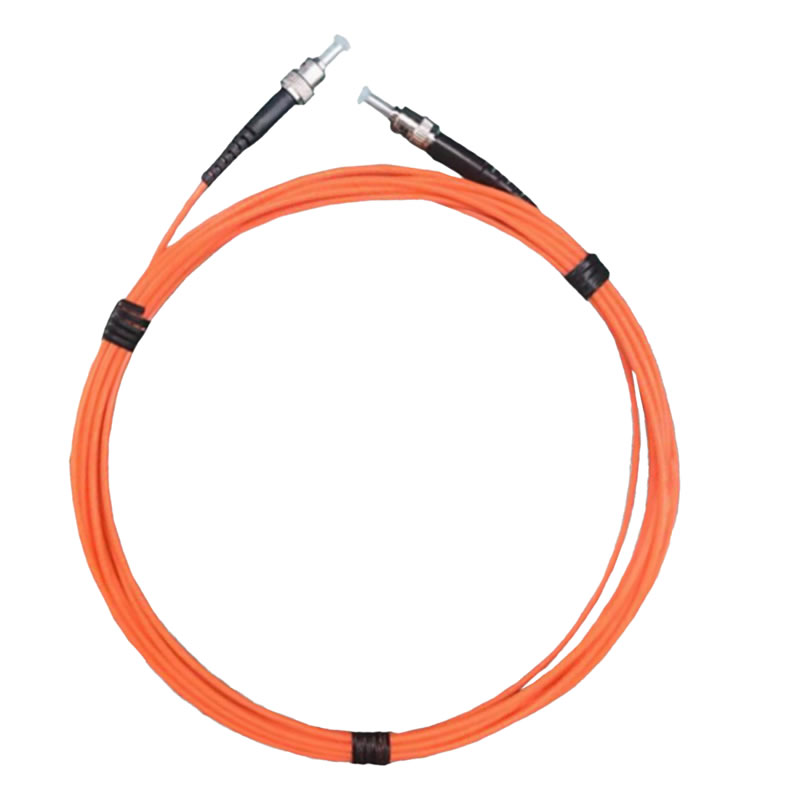
Cái mà Cảm biến nhiệt độ cuộn dây động cơ và các ứng dụng máy biến áp yêu cầu giám sát?
Máy biến áp điện trong các ứng dụng quy mô tiện ích đại diện cho những vấn đề quan trọng nhất transformer winding temperature sensor yêu cầu, with units typically rated above 10 MVA requiring comprehensive giám sát điểm nóng máy biến áp systems due to their high replacement costs and grid stability importance. Máy biến áp phân phối, particularly those serving critical loads or operating in harsh environments, benefit significantly from cảm biến giám sát nhiệt độ to prevent service interruptions. Motor winding temperature sensor applications in industrial drives and generators require specialized monitoring due to their different thermal characteristics and high-speed operation. Electric vehicle sensors for battery thermal management and motor monitoring represent emerging applications requiring compact, đáng tin cậy cảm biến nhiệt độ sợi quang. Specialty transformers including furnace transformers, máy biến áp chỉnh lưu, and phase-shifting transformers operating under unique load conditions require customized giải pháp cảm biến nhiệt độ sợi quang due to their specialized duty cycles and thermal stress patterns.
What Are the Critical Nhiệt độ cuộn dây Thông số giám sát?
Giám sát điểm nóng máy biến áp focuses on winding hotspot temperatures as the most critical parameter, as these locations typically experience the highest thermal stress and determine transformer loading capability and lifespan. Trung bình nhiệt độ cuộn dây measurements provide overall thermal assessment and enable calculation of thermal gradients across the winding structure using cảm biến nhiệt độ quang học. Oil temperatures in oil-filled units must be monitored using đo nhiệt độ sợi quang at multiple locations including top oil, dầu đáy, and cooling system inlet/outlet points to assess circulation effectiveness. Environmental temperature compensation through cảm biến nhiệt độ systems ensures accurate interpretation of measured values and proper adjustment of alarm thresholds for seasonal variations. Winding temperature detector systems measure temperature gradients and differences between phases, between high and low voltage windings, and between winding locations to identify developing problems such as cooling system failures, blocked oil passages, or localized overheating conditions.
Where Are the Most Critical Cảm biến nhiệt độ sợi quang Điểm đo?
Điện áp cao transformer winding temperature sensor installations typically focus on upper portions of the winding where oil circulation may be restricted and heat accumulation is greatest, requiring strategic sensor placement based on thermal modeling and manufacturer recommendations. Low voltage winding locations, particularly in high-current applications, need nhiệt độ cuộn dây monitoring due to different current densities and thermal profiles compared to high voltage windings. Core temperature points help detect core heating problems from over-excitation, harmonic loading, or core insulation degradation using cảm biến nhiệt độ sợi quang. Cooling system monitoring points including radiator outlets, pump discharge, and fan operation zones ensure proper heat removal system performance through industrial temperature monitoring systems. Bộ đổi vòi cảm biến giám sát nhiệt độ installations become critical for units with frequent tap operations, as these components generate additional heat and are prone to contact resistance problems.
Cái mà Optical Fiber Sensor Technologies Excel in Kiểm soát nhiệt độ bán dẫn and Transformer Applications?
Cái gì Cảm biến sợi quang Và Semiconductor Temperature Sensor Types Are Available?
Cảm biến nhiệt độ sợi quang utilizing fluorescent or Raman scattering principles provide temperature measurements with complete electrical isolation and immunity to electromagnetic interference, làm cho chúng trở nên lý tưởng cho giám sát nhiệt độ máy biến áp. Cảm biến huỳnh quang offer high accuracy and stability for đo nhiệt độ bán dẫn applications where precise thermal control is critical. Semiconductor temperature sensors provide cost-effective temperature measurement but suffer from electromagnetic interference susceptibility and potential ground loop problems in high voltage environments. Wafer temperature sensor applications in semiconductor manufacturing require the cảm biến nhỏ nhất profiles and highest accuracy for process control. Fibre optic sensors với cáp quang mở rộng capabilities eliminate wiring concerns but face challenges with signal attenuation over long distances. Trình độ cao cảm biến sợi quang systems provide non-contact measurement capabilities ideal for kiểm soát nhiệt độ bán dẫn where contamination must be avoided.
Tại sao Fibre Optic Sensor Technologies Superior for Giám sát điểm nóng máy biến áp?
Complete electrical isolation characteristics make cảm biến nhiệt độ sợi quang inherently safe for high voltage applications, eliminating risks of electrical flashover or ground faults that can occur with metallic sensor systems. High voltage immunity up to 500kV and beyond allows direct installation of cảm biến nhiệt độ cuộn dây máy biến áp on energized windings without safety concerns or special isolation requirements. Electromagnetic interference resistance ensures accurate nhiệt độ cuộn dây measurements even in the high EMI environment surrounding transformers, where traditional electronic sensors may provide erratic readings. Intrinsic safety characteristics mean đo nhiệt độ sợi quang systems cannot create ignition sources or electrical hazards, making them ideal for explosive atmosphere applications. Fibre optic sensors provide long-term stability and accuracy advantages from the optical measurement principle being immune to drift, ăn mòn, and aging effects that commonly affect electronic sensors in industrial temperature monitoring systems.
How Do Different Cảm biến nhiệt độ Technologies Compare for Đo nhiệt độ bán dẫn?
Installation complexity comparisons show cảm biến nhiệt độ sợi quang requiring specialized splicing equipment but offering simpler routing and safety considerations, while traditional sensors need complex electrical isolation and grounding systems. Accuracy and reliability differences favor giải pháp cảm biến nhiệt độ sợi quang and precision sensors over conventional technologies, với cảm biến huỳnh quang systems providing the best long-term stability for critical giám sát nhiệt độ máy biến áp. Maintenance requirements are minimal for optic fiber sensor systems compared to electronic sensors requiring periodic calibration verification and potential component replacement. Cost-benefit analysis must consider initial temperature sensor company chi phí, chi phí lắp đặt, yêu cầu bảo trì, and failure consequences, với cảm biến nhiệt độ quang học solutions often providing the best total cost of ownership. Environmental suitability assessment shows fibre optic sensors performing well in all conditions, while electronic sensors may suffer from temperature extremes, độ ẩm, and chemical exposure in demanding kiểm soát nhiệt độ bán dẫn ứng dụng.
| Công nghệ | Cách ly điện | Miễn dịch EMI | High Voltage Rating | Sự chính xác | Ổn định lâu dài | Installation Safety | BẢO TRÌ |
|---|---|---|---|---|---|---|---|
| Cảm biến sợi quang huỳnh quang | ✓ Complete | ✓ 100% Miễn dịch | ✓ 500kV+ | ✓ ±0,5°C | ✓ Xuất sắc | ✓ An toàn nội tại | ✓ Tối thiểu |
| Sợi quang phân tán (DTS) | ✓ Complete | ✓ Cao | ~ Bị giới hạn | ~ ±2-5°C | ~ Tốt | ✓ An toàn | ~ Vừa phải |
| Lưới sợi Bragg (FBG) | ✓ Complete | ✓ Cao | ✓ Cao | ~ ±1-2°C | ~ Tốt | ✓ An toàn | ~ Vừa phải |
| Sợi quang GaAs | ✓ Complete | ✓ Cao | ✓ Cao | ~ ±1°C | ✗ Nghèo | ✓ An toàn | ✗ Cao |
| Cảm biến nhiệt độ không dây | ✓ Complete | ✗ Dễ bị ảnh hưởng | ~ Bị giới hạn | ~ ±1-3°C | ✗ Nghèo | ~ Vừa phải | ✗ Thay pin |
| Cảm biến PT100 RTD | ✗ Yêu cầu cách ly | ✗ Dễ bị ảnh hưởng | ✗ Rất hạn chế | ✓ ±0,3°C | ~ Tốt | ✗ Rủi ro cao | ~ Hiệu chuẩn thường xuyên |
| Nhiệt kế cơ | ✓ Complete | ✓ Miễn dịch | ✗ Đọc thủ công | ✗ ±2-5°C | ✗ Nghèo | ~ Vừa phải | ✗ Chỉ thủ công |
Huyền thoại:
✓ Xuất sắc |
~ Tốt/Trung bình |
✗ Kém/Hạn chế
Tại sao chọn FJINNO Cảm biến nhiệt độ sợi quang Giải pháp cho Cảm biến nhiệt độ cuộn dây máy biến áp Ứng dụng?

FJINNO có những lợi thế kỹ thuật độc đáo nào Cảm biến nhiệt độ sợi quang Cung cấp?
FJINNO nâng cao cảm biến huỳnh quang công nghệ cung cấp các đặc tính hiệu suất vượt trội bao gồm khả năng miễn dịch điện từ hoàn toàn, khả năng điện áp cao trên 500kV, hệ thống đo lường đa điểm hỗ trợ lên đến 32 kênh trên mỗi đơn vị, and exceptional long-term stability with accuracy maintained within ±1°C over decades of operation. The proprietary giải pháp cảm biến nhiệt độ sợi quang provide faster response times and better resolution compared to conventional technologies, while robust cảm biến nhiệt độ cuộn dây construction ensures reliable operation in harsh transformer environments including extreme temperatures, ngâm dầu, and mechanical vibration. FJINNO's cảm biến nhỏ nhất designs enable installation in space-constrained applications while maintaining superior performance for giám sát điểm nóng máy biến áp.
What Successful Hệ thống giám sát nhiệt độ công nghiệp Projects Demonstrate FJINNO’s Global Expertise?
FJINNO has successfully implemented giám sát nhiệt độ máy biến áp solutions across diverse global markets, with notable installations including utility power transformers in Saudi Arabia’s SCECO grid modernization project featuring advanced nhiệt kế sợi quang công nghệ, công nghiệp transformer winding temperature sensor monitoring for petrochemical facilities in UAE and Qatar, and renewable energy transformer applications in Egypt’s solar power developments utilizing cáp quang mở rộng hệ thống. Southeast Asian success stories include major cảm biến nhiệt độ quang học installations in Thailand’s metropolitan electricity authority, Singapore’s industrial complexes with kiểm soát nhiệt độ bán dẫn yêu cầu, and Indonesia’s geothermal power stations implementing comprehensive máy dò nhiệt độ cuộn dây hệ thống. African project implementations span South Africa’s mining giám sát điểm nóng máy biến áp hệ thống, Nigeria’s power generation facilities with fibre optic sensor networks, and Kenya’s grid expansion projects featuring cảm biến giám sát nhiệt độ, demonstrating FJINNO’s capability to deliver reliable cảm biến sợi quang solutions across varied climatic and operational conditions while providing local technical support and training.
How to Successfully Implement Đo nhiệt độ sợi quang Projects for Nhiệt độ cuộn dây Ứng dụng?
What Are the Key Implementation Elements and Investment Returns for Temperature Monitoring Sensor Hệ thống?
Successful implementation requires comprehensive system design and cảm biến nhiệt độ sợi quang placement based on thermal modeling, thông số kỹ thuật của nhà sản xuất, và yêu cầu vận hành, followed by professional installation procedures ensuring proper fiber routing, sự bảo vệ, and integration with existing industrial temperature monitoring systems. Commissioning and calibration processes verify transformer winding temperature sensor accuracy and establish baseline measurements, while operator training programs ensure effective cảm biến nhiệt độ system utilization and maintenance. Investment returns include substantial cost savings from failure prevention, with typical transformer replacement costs ranging from $500,000 ĐẾN $5 triệu, extended equipment lifespan potentially doubling transformer service life through proper giám sát điểm nóng máy biến áp, and reduced maintenance costs through condition-based scheduling enabled by reliable máy dò nhiệt độ cuộn dây systems rather than time-based approaches.
How to Overcome Common Challenges and Ensure Long-term Optical Fiber Temperature Sensing Solutions Success?
Common implementation challenges include energized equipment installation requiring specialized procedures and safety protocols for cảm biến nhiệt độ sợi quang, SCADA system integration demanding careful interface design and communication protocol selection for cảm biến giám sát nhiệt độ, and alarm threshold optimization to prevent false alarms while ensuring adequate protection through giám sát nhiệt độ máy biến áp. Long-term success strategies include comprehensive maintenance planning with spare parts availability for optic fiber sensor thành phần, continuous technical support from experienced application engineers specializing in cảm biến nhiệt độ cuộn dây ứng dụng, regular system calibration verification for cảm biến huỳnh quang sự chính xác, and technology upgrade pathways to incorporate advancing cảm biến nhiệt độ quang học capabilities and communication technologies for enhanced đo nhiệt độ bán dẫn Và giám sát điểm nóng máy biến áp hiệu suất.

Cảm biến nhiệt độ sợi quang, Hệ thống giám sát thông minh, Nhà sản xuất cáp quang phân phối tại Trung Quốc
 |
 |
 |