 Cảm biến nhiệt độ sợi quang INNO ,hệ thống giám sát nhiệt độ.
- Transformer Monitor Components: Cảm biến nhiệt độ (sợi quang huỳnh quang, PT100), cảm biến phóng điện một phần, electrical parameter sensors (hiện hành, điện áp, quyền lực), cảm biến độ ẩm, đơn vị thu thập dữ liệu, communication modules, and analysis software
- Core Applications: Giám sát thời gian thực, dự đoán lỗi, tối ưu hóa hiệu suất, load management, bảo trì dự đoán, and asset lifecycle extension
- Ưu điểm chính: Prevent unexpected downtime, kéo dài tuổi thọ thiết bị, giảm chi phí bảo trì, enhance grid reliability, optimize asset management, and enable data-driven decision making
- Sensor Technologies: Sợi quang huỳnh quang (for oil-immersed transformers), PT100 RTD (đối với máy biến áp loại khô), cảm biến PD, CT/VT sensors, temperature-humidity sensors, and vibration/acoustic sensors
- Oil vs Dry-Type Monitoring: Oil-immersed transformers benefit from fluorescent fiber optic technology due to superior EMI immunity and direct hot-spot measurement; dry-type transformers typically use PT100 for cost-effective winding temperature monitoring
- INNO’s Fluorescent Fiber Optic Advantages: Độ chính xác ±1°C, -40Phạm vi ° C đến 260 ° C, fiber length up to 80 mét, thời gian đáp ứng dưới 1 thứ hai, customizable probe diameter, 1-64 channel capacity per transmitter, broad applications beyond transformers
What is a Transformer Monitor?

MỘT transformer monitor is an advanced diagnostic system designed to continuously track the operational health and performance of power transformers. These systems comprise multiple sensor types, phần cứng thu thập dữ liệu, giao diện truyền thông, and analytical software that work together to provide real-time insights into transformer conditions.
The fundamental components include temperature sensors positioned at critical measurement points, thiết bị phát hiện phóng điện cục bộ, electrical parameter measurement devices, and environmental sensors. The data acquisition unit collects signals from all sensors, processes the information, and transmits it through communication modules to centralized monitoring platforms or SCADA systems.
Hệ thống giám sát máy biến áp operate on two primary modes: online monitoring provides continuous real-time data collection during normal operation, while offline monitoring involves periodic testing during maintenance windows. Modern installations predominantly favor online monitoring for its ability to detect developing faults before they escalate into catastrophic failures.
Tại sao giám sát máy biến áp lại quan trọng đối với hệ thống điện?
Sự cố máy biến áp là một trong những sự kiện tốn kém nhất trong mạng lưới phân phối điện, thường dẫn đến mất điện kéo dài, emergency replacement costs, và các nguy cơ mất an toàn tiềm ẩn. Một cách toàn diện giải pháp giám sát máy biến áp đóng vai trò như một hệ thống cảnh báo sớm, xác định các điều kiện hoạt động bất thường từ lâu trước khi các triệu chứng rõ ràng xuất hiện.
Tác động kinh tế của việc giám sát máy biến áp vượt ra ngoài việc ngăn ngừa sự cố. Bằng cách theo dõi chính xác các dạng tải và trạng thái nhiệt, các tiện ích có thể tối ưu hóa việc sử dụng máy biến áp một cách an toàn, trì hoãn chi tiêu vốn cho các đơn vị mới, và lên lịch bảo trì trong thời gian ngừng hoạt động theo kế hoạch thay vì ứng phó khẩn cấp. Các nghiên cứu chứng minh rằng bảo trì dự đoán được kích hoạt bằng giám sát liên tục giúp giảm chi phí bảo trì 25-40% so với lịch bảo trì theo thời gian.
Hiện đại giám sát máy biến áp điện also supports regulatory compliance and grid modernization initiatives. As electrical grids incorporate more renewable energy sources with variable output, transformers experience more dynamic loading patterns. Real-time monitoring ensures these assets operate within safe parameters despite fluctuating demand.
What Types of Sensors are Used in Transformer Monitoring?
Cảm biến nhiệt độ form the foundation of any transformer monitoring system. Fluorescent fiber optic sensors offer immunity to electromagnetic interference, making them ideal for measuring hot-spot temperatures in oil-immersed transformers. These contact-type sensors provide direct measurement at critical winding locations with ±1°C accuracy across a -40°C to 260°C range. Each fiber optic cable measures a single point, with modern transmitters supporting 1-64 individual channels.
Máy dò nhiệt độ điện trở PT100 đóng vai trò là giải pháp ưu tiên để giám sát máy biến áp loại khô, cung cấp hiệu suất đáng tin cậy trong môi trường điện từ đòi hỏi ít hơn. Những cảm biến này vượt trội trong các ứng dụng yêu cầu đo lường đa điểm tiết kiệm chi phí với độ chính xác đã được chứng minh.
Cảm biến phóng điện một phần phát hiện sự suy giảm cách điện thông qua siêu âm, UHF, hoặc phương pháp biến dòng cao tần. Phát hiện PD sớm ngăn ngừa những hư hỏng nghiêm trọng bằng cách xác định các điểm yếu cách điện đang phát triển hàng tháng hoặc hàng năm trước khi xảy ra sự cố.
Cảm biến thông số điện đo điện áp, hiện hành, quyền lực (tích cực, reactive, rõ ràng), hệ số công suất, và tiêu thụ năng lượng. Hiện đại hệ thống giám sát máy biến áp thông minh tích hợp các phép đo này với dữ liệu nhiệt độ và PD để tạo hồ sơ tình trạng tài sản toàn diện.
Các loại cảm biến bổ sung bao gồm cảm biến chất lượng dầu (phân tích khí hòa tan), cảm biến độ ẩm để theo dõi độ ẩm, cảm biến rung để phát hiện lỗi cơ khí, and acoustic sensors for abnormal noise identification.
How Can You Check if a Transformer is Failing?
Traditional transformer assessment relies on periodic oil sampling, nhiệt kế, and offline electrical testing—methods that provide only snapshots of transformer condition and often miss developing faults between inspection intervals.
Hiện đại giám sát tình trạng máy biến áp continuously tracks key failure indicators: abnormal temperature rise patterns suggest cooling system problems or internal faults; increasing partial discharge activity indicates insulation degradation; dissolved gas analysis reveals incipient faults through specific gas generation patterns; unusual vibration or acoustic signatures point to mechanical issues like loose windings or core problems.
A comprehensive monitoring system correlates multiple parameters to improve diagnostic accuracy. Ví dụ, elevated hot-spot temperature combined with increasing hydrogen and acetylene gases in oil strongly suggests thermal and electrical stress on insulation, warranting immediate investigation.
The power of continuous monitoring lies in trend analysis. MỘT hệ thống giám sát máy biến áp establishes baseline behavior for each asset, then flags deviations that indicate developing problems. This approach detects subtle changes invisible to periodic testing.
What Parameters Should Be Monitored in Power Transformers?
Thermal parameters include winding hot-spot temperature (the most critical measurement), nhiệt độ dầu cao nhất, nhiệt độ dầu đáy, and ambient temperature. The relationship between these measurements reveals cooling system effectiveness and internal thermal distribution.
Giám sát phóng điện cục bộ quantifies insulation system health through PD magnitude, Tính thường xuyên, and pattern recognition. Different PD signatures correspond to specific defect types: internal discharges, surface tracking, or corona.
Thông số điện bao gồm điện áp đầu vào/đầu ra, dòng điện pha, neutral current, đo công suất, hệ số công suất, sóng hài, và phần trăm tải. Các phép đo này hỗ trợ quản lý tải và phát hiện các bất thường về điện như tải không cân bằng hoặc biến dạng sóng hài.
Các thông số chất lượng dầu bao gồm nồng độ khí hòa tan (hydro, khí mê-tan, etan, axetylen, cacbon monoxit, khí cacbonic), độ ẩm, tính axit, và độ bền điện môi. Giám sát mức dầu và áp suất ngăn ngừa ô nhiễm môi trường và đảm bảo làm mát đầy đủ.
Environmental conditions như nhiệt độ môi trường, độ ẩm, và nhiệt độ tủ ảnh hưởng đến hiệu suất của máy biến áp và phải được tính đến trong các thuật toán chẩn đoán. Việc ghi dạng sóng lỗi ghi lại các sự kiện nhất thời như sét đánh hoặc đột biến chuyển mạch có thể gây ra thiệt hại tích lũy.
Cảm biến sợi quang huỳnh quang vs PT100 để giám sát nhiệt độ máy biến áp

Cảm biến nhiệt độ sợi quang huỳnh quang đại diện cho giải pháp cao cấp để giám sát máy biến áp ngâm dầu. The technology operates through temperature-dependent fluorescence decay in rare-earth phosphor materials at the probe tip. When excited by LED light pulses transmitted through the optical fiber, the phosphor emits fluorescence with decay time proportional to temperature. This contact-type measurement provides direct hot-spot temperature with exceptional accuracy.
Key specifications of fluorescent fiber technology include: Độ chính xác ±1°C, -40°C to 260°C measurement range, fiber lengths up to 80 meters enabling flexible sensor placement, thời gian đáp ứng dưới 1 second for rapid fault detection, and customizable probe diameters to fit various installation requirements. Một đĩa đơn máy phát nhiệt độ sợi quang có thể hỗ trợ 1-64 individual channels, each measuring one critical point.
The technology’s complete immunity to electromagnetic interference makes it indispensable in high-voltage environments where electrical sensors fail. Fluorescent fiber optic sensors require no electrical power at the measurement point, eliminating explosion risks in oil-filled tanks. The glass fiber’s dielectric properties prevent electrical pathways that could compromise insulation.
Máy dò nhiệt độ điện trở PT100 offer proven reliability for dry-type transformer applications where electromagnetic interference levels are manageable. These sensors provide cost-effective temperature measurement with established calibration procedures and wide industry acceptance.
For oil-immersed transformers, fluorescent fiber optic technology is strongly recommended due to superior performance in high-voltage, high-EMI environments and direct hot-spot access capability. Dry-type transformers typically benefit more from PT100 sensors given their lower EMI exposure and cost considerations.
How Does Temperature Monitoring Work in Power Transformers?
Giám sát nhiệt độ điểm nóng nhắm vào điểm ấm nhất trong cuộn dây máy biến áp—thường là phần trên cùng của lớp cuộn dây trong cùng nơi khả năng tản nhiệt kém nhất. Phép đo này rất quan trọng vì tốc độ lão hóa của lớp cách nhiệt tăng gấp đôi sau mỗi lần tăng nhiệt độ từ 6-10°C lên trên giới hạn định mức..
In oil-immersed transformers, Đầu dò sợi quang huỳnh quang được nhúng trực tiếp vào cụm cuộn dây trong quá trình sản xuất hoặc được trang bị thêm thông qua các cổng dầu trong các thiết bị hiện có. Đầu dò tiếp xúc với dây dẫn tại vị trí điểm nóng được dự đoán, cung cấp phép đo trực tiếp chính xác không thể thực hiện được bằng cảm biến bên ngoài.
Cảm biến nhiệt độ dầu hàng đầu theo dõi nhiệt độ dầu lớn trong bể biến áp, đóng vai trò đại diện cho nhiệt độ cuộn dây trung bình và hiệu quả của hệ thống làm mát. Bottom oil temperature measurement helps assess oil circulation and stratification issues.
Giám sát nhiệt độ cuộn dây in dry-type transformers uses PT100 sensors embedded in winding assemblies or attached to winding surfaces. Multiple sensors at different winding locations create a thermal profile revealing uneven loading or cooling deficiencies.
Modern monitoring systems calculate thermal indices like loss-of-life rates based on temperature data, enabling predictive maintenance scheduling aligned with actual thermal stress rather than calendar-based intervals.
What is Partial Discharge Monitoring in Transformers?
Xả một phần describes localized electrical discharges that partially bridge insulation between conductors or conductor-to-ground. While not immediately catastrophic, repeated PD activity erodes insulation, eventually leading to complete breakdown and transformer failure.
PD monitoring detects these discharges through multiple methods: ultrasonic sensors detect acoustic emissions from discharge events; tần số cực cao (UHF) sensors capture electromagnetic radiation in the 300 MHz đến 3 GHz range; high-frequency current transformers (HFCT) measure current pulses on transformer grounding connections.
Partial discharge monitoring systems don’t just detect PD presence—pattern recognition algorithms classify discharge types. Internal PD shows different signatures than surface tracking or corona discharge, enabling technicians to identify the specific defect type and location within the transformer.
Continuous PD monitoring provides early warning of insulation degradation, often detecting problems 6-12 tháng trước khi thất bại. Combined with temperature data, PD measurements create a comprehensive insulation health assessment that guides maintenance decisions.
How Can You Monitor Noise and Vibration in Transformers?
Acoustic monitoring detects abnormal noise patterns indicating mechanical faults like loose core laminations, chuyển động quanh co, hoặc vấn đề thay đổi vòi. Máy biến áp tạo ra tiếng ồn đặc trưng ở tần số gấp đôi tần số dòng (100/120 Hz) during normal operation; những sai lệch so với đường cơ sở này cho thấy các vấn đề đang phát triển.
Cảm biến rung đo dao động cơ học trên thùng máy biến áp và kết cấu lõi. Rung quá mức có thể cho thấy cuộn dây bị lỏng, vấn đề về bu lông lõi, or cooling system malfunctions. Phân tích tần số của tín hiệu rung cho thấy các loại lỗi cụ thể dựa trên các mẫu tần số đặc trưng.
Hệ thống giám sát hiện đại thiết lập dấu vân tay âm thanh và rung động trong quá trình vận hành, sau đó liên tục so sánh các dấu hiệu hoạt động với các đường cơ sở này. Các thuật toán học máy có thể phát hiện những thay đổi tinh vi cho thấy lỗi đang phát triển trước khi chúng trở nên có thể nghe thấy hoặc nhìn thấy được đối với nhân viên bảo trì.
Giám sát độ ẩm trong hệ thống máy biến áp là gì?
Moisture represents one of the most damaging contaminants in transformer insulation systems, drastically reducing dielectric strength and accelerating aging. Giám sát độ ẩm tracks moisture in both oil and paper insulation materials.
In oil-immersed transformers, moisture content in oil is monitored through online sensors measuring parts-per-million (trang/phút) water concentration. Paper insulation moisture is assessed through equilibrium calculations or direct measurement using specialized sensors.
Ambient humidity monitoring around dry-type transformers ensures environmental conditions remain within acceptable ranges. Excessive humidity can cause surface tracking on insulators and reduce clearance effectiveness.
Breather condition monitoring for oil-immersed units ensures silica gel desiccants effectively remove moisture from incoming air during thermal breathing cycles. Saturated breathers allow moisture ingress, contaminating oil and insulation.
How Can You Monitor Load on a Transformer?
Giám sát tải tracks the electrical demand placed on transformers in real-time, ensuring operation within rated capacity while maximizing asset utilization. Current measurement on each phase, combined with voltage and power factor data, calculates actual loading percentage.
Trình độ cao transformer load monitoring correlates electrical loading with thermal response. The relationship between load current and hot-spot temperature reveals cooling system effectiveness and guides dynamic rating calculations that safely allow temporary overloading during peak demand.
Load profile analysis identifies usage patterns, supports demand response programs, and informs capacity planning decisions. Historical load data combined with temperature measurements enables accurate loss-of-life calculations for optimized replacement scheduling.
Overload protection relies on continuous load monitoring with temperature-compensated trip settings. Rather than fixed current limits, modern systems consider actual thermal state, allowing higher short-term loading when transformers start cool.
What Electrical Parameters Need Monitoring in Transformers?
Voltage monitoring on primary and secondary windings detects regulation problems, tap changer issues, and grid voltage fluctuations. Per-phase voltage measurement identifies unbalanced conditions that cause circulating currents and additional heating.
Đo lường hiện tại provides fundamental loading data and detects unbalanced loading, ngắn mạch bên trong, and turn-to-turn faults. Neutral current monitoring in wye-connected windings reveals ground faults and harmonic currents.
Power monitoring tracks active power (kW), công suất phản kháng (kVAR), and apparent power (kVA), enabling power factor calculation and identification of inefficient loading. Poor power factor increases current draw and transformer losses without delivering useful work.
Energy metering (kWh) supports utility billing, loss allocation, and efficiency tracking. Harmonic analysis identifies power quality issues from non-linear loads that cause additional heating and potential resonance problems.
How Does Fault Waveform Recording Work in Transformers?
Fault waveform recording captures high-speed voltage and current waveforms during abnormal events like short circuits, lightning strikes, or switching transients. These recordings provide forensic evidence for root cause analysis after protective device operations.
Triggered by events like sudden current increases, voltage deviations, or protection relay operations, fault recorders capture several cycles before and after the trigger, preserving the complete event sequence. Waveform analysis reveals fault type, vị trí, and severity.
Tích hợp với hệ thống giám sát trực tuyến máy biến áp correlates fault events with temperature, PD, and dissolved gas data to assess cumulative damage from transient events. Repetitive transient exposure can degrade insulation even when individual events don’t cause immediate failure.
How Can You Monitor the Performance of a Power Transformer?
Transformer performance monitoring encompasses efficiency tracking, loss calculation, and operational parameter trending. Key performance indicators include power losses (no-load and load losses), efficiency percentage, temperature rise under load, and cooling system effectiveness.
Comprehensive monitoring integrates temperature, phóng điện cục bộ, thông số điện, and mechanical condition data to create health indices—numerical scores representing overall transformer condition. These indices guide prioritized maintenance resource allocation across transformer fleets.
Predictive analytics applied to monitoring data forecast remaining useful life, optimal maintenance timing, and failure probability. Machine learning models trained on historical failure data identify leading indicators specific to transformer type and operating environment.
What Makes Oil-Immersed Transformer Monitoring Unique?
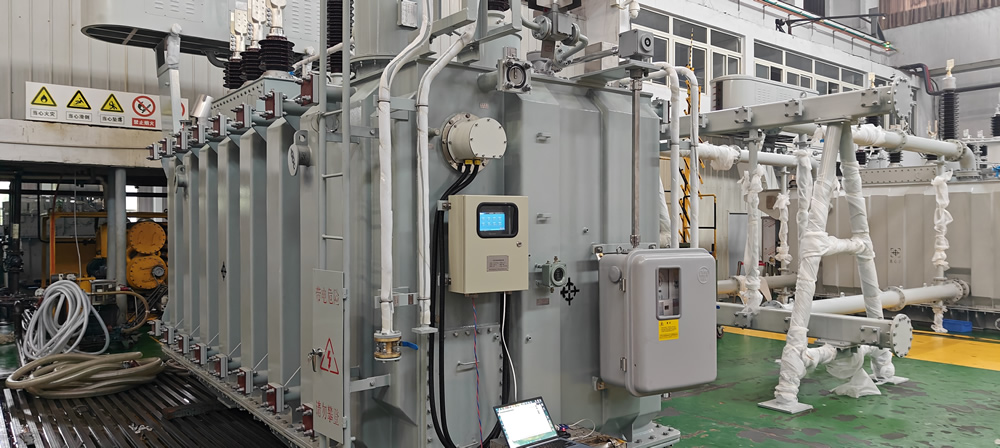
Giám sát máy biến áp ngâm dầu requires specialized approaches due to the liquid insulation and cooling medium. Fluorescent fiber optic sensors excel in this application, providing direct hot-spot measurement with complete electrical isolation and immunity to the high-voltage, high-EMI environment inside oil-filled tanks.
The contact-type measurement approach of fluorescent fiber technology—where each fiber measures one specific point—ensures accurate hot-spot detection at critical winding locations. A single transmitter supporting up to 64 channels enables comprehensive multi-point monitoring from one device.
Phân tích khí hòa tan integration monitors incipient faults through detection of gases generated by electrical and thermal stress: hydrogen from corona, acetylene from arcing, ethylene from overheating cellulose. Combined with temperature and PD data, DGA provides powerful diagnostic capability.
Oil level, áp lực , and quality sensors complete the monitoring solution, ensuring the cooling and insulation medium maintains specified properties throughout the transformer’s service life.
What is the Best Monitoring Solution for Dry-Type Transformers?
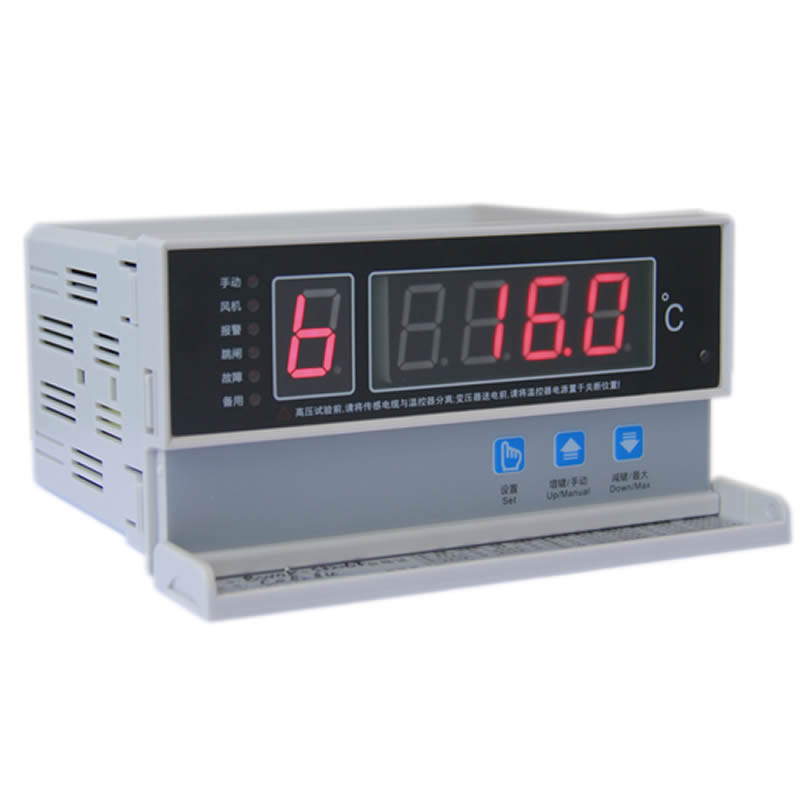
Dry-type transformer monitoring typically employs PT100 resistance temperature detectors for winding temperature measurement, offering cost-effective reliability in the lower EMI environment of air-cooled designs. Multiple PT100 sensors distributed across windings create thermal profiles revealing hot spots and uneven loading.
Ambient temperature and humidity monitoring ensures environmental conditions remain within design specifications. Forced-air cooling system monitoring tracks fan operation, airflow, and filter condition to maintain cooling effectiveness.
Load and electrical parameter monitoring supports dynamic thermal rating calculations, enabling safe temporary overloading during peak demand periods while preventing damaging temperature excursions.
How Does a Transformer Online Monitoring System Work?
MỘT transformer online monitoring system consists of distributed sensors continuously collecting data from transformer installations, local data acquisition units processing and storing sensor outputs, communication infrastructure transmitting data to centralized platforms, and analytical software performing real-time diagnostics and trend analysis.
Modern systems leverage industrial IoT protocols for reliable data transmission from substations to control centers. Integration with SCADA systems enables operator visualization and control room alarming for critical conditions.
Cloud-based platforms aggregate data from geographically dispersed transformers, enabling fleet-wide analysis, benchmarking, and resource optimization. Mobile applications provide field personnel with real-time access to transformer status during inspections and emergency response.
What Are Distribution Transformer Monitoring Requirements?
Giám sát máy biến áp phân phối faces unique challenges of wide geographic dispersion, large population counts, and cost constraints. Economical monitoring solutions focus on critical parameters: tải hiện tại, điện áp, top oil or winding temperature, and sometimes basic DGA for larger distribution units.
Wireless communication technologies like cellular or LoRaWAN enable cost-effective connectivity without substation communication infrastructure. Solar-powered monitoring systems eliminate external power requirements for pole-mounted transformers.
Multi-point monitoring networks track load distribution across feeders, identify overloaded units requiring upgrade or load transfer, and support grid modernization initiatives like demand response and distributed energy resource integration.
Why Monitor Transformer Oil Quality?
MỘT transformer oil monitoring system tracks the condition of the liquid insulation and cooling medium critical to oil-immersed transformer operation. Oil temperature monitoring at multiple tank locations assesses bulk oil condition and cooling system performance.
Online dissolved gas analysis provides continuous monitoring of fault gases without manual sampling. Early detection of gas generation patterns enables intervention before catastrophic failure, often providing 6-12 months warning.
Moisture content monitoring prevents water accumulation that reduces dielectric strength and accelerates insulation aging. Oil level and pressure monitoring ensures adequate cooling and prevents environmental contamination.
What Makes a Transformer Monitoring System Smart?
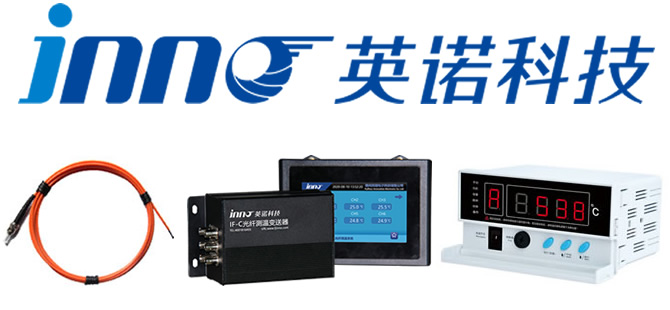
MỘT smart transformer monitoring system extends beyond simple data collection to incorporate advanced analytics, artificial intelligence, and automated decision-making. IoT connectivity enables seamless integration with enterprise asset management systems and grid control platforms.
Multi-sensor data fusion combines inputs from temperature, PD, điện, and chemical sensors to create comprehensive asset health assessments more accurate than single-parameter analysis. Edge computing performs local analytics, reducing data transmission requirements while enabling real-time fault detection.
Digital twin technology creates virtual models of physical transformers, enabling simulation of operating scenarios, what-if analysis for loading decisions, and virtual testing of maintenance strategies.
Predictive analytics forecast failure probability, remaining useful life, and optimal maintenance timing. Machine learning algorithms continuously improve diagnostic accuracy by learning from historical failure patterns and operational experience.
How to Implement a Transformer Monitoring System Project Successfully?
Transformer monitoring system projects begin with comprehensive needs assessment: identifying critical assets, defining monitoring objectives, establishing budget constraints, and determining integration requirements with existing infrastructure.
Sensor selection and placement strategy considers transformer type, cấp điện áp, failure history, và sự quan trọng. Đối với thiết bị ngâm trong dầu, fluorescent fiber optic sensors provide superior hot-spot measurement; dry-type transformers typically use PT100 sensors. Critical parameters like partial discharge, DGA, and electrical measurements are added based on asset importance.
System design encompasses hardware architecture, cơ sở hạ tầng truyền thông, cybersecurity provisions, and software platform selection. Tích hợp với SCADA, asset management systems, and mobile applications ensures monitoring data reaches decision-makers effectively.
Installation and commissioning follow manufacturer specifications, with baseline data collection establishing normal operating signatures. Personnel training ensures operations and maintenance staff can interpret monitoring data and respond appropriately to alarms. Testing and acceptance verification confirm system performance before project closeout.
How Can You Choose the Right Transformer Monitor Manufacturer?
Chọn một transformer monitor manufacturer requires evaluation across multiple dimensions. Technical expertise should encompass both oil-immersed and dry-type transformer technologies, with proven capabilities in fluorescent fiber optic systems for oil-filled units and PT100 solutions for air-cooled designs.
Multi-parameter integration capability is essential—the manufacturer should provide comprehensive solutions incorporating temperature, phóng điện cục bộ, electrical measurements, DGA, and environmental monitoring rather than single-parameter point products.
Sensor specifications matter significantly. For fluorescent fiber optic technology, verify ±1°C accuracy, -40Phạm vi ° C đến 260 ° C, fiber lengths up to 80 mét, sub-second response time, customizable probe diameters, and multi-channel capacity (1-64 channels per transmitter). The technology should support applications beyond transformers—power systems, thiết bị thí nghiệm, medical devices—demonstrating versatile engineering.
Certification and standards compliance (IEC, IEEE, ANSI) ensure products meet international quality and safety requirements. Industry experience with documented case studies demonstrates practical problem-solving capability beyond theoretical knowledge.
System integration capabilities determine ease of deployment. Look for manufacturers offering SCADA connectivity, cloud platform options, ứng dụng di động, and open protocols for third-party system integration.
After-sales support infrastructure—technical hotlines, field service availability, chương trình đào tạo, and spare parts logistics—directly impacts long-term system reliability and user satisfaction.
What Factors Affect Transformer Monitoring System Costs?
Multiple factors influence transformer monitor pricing. The number and type of monitored parameters significantly impacts cost—basic temperature-only systems are far less expensive than comprehensive solutions incorporating PD monitoring, DGA, electrical measurements, and environmental sensors.
Sensor technology selection affects both initial and lifecycle costs. Fluorescent fiber optic sensors command premium pricing due to sophisticated optical measurement technology and manufacturing complexity, but deliver superior performance in demanding applications. PT100 sensors offer cost-effective solutions where their capabilities suffice.
Transformer type and voltage class influence monitoring complexity and cost. Oil-immersed transformers require more extensive monitoring (nhiệt độ, DGA, PD, chất lượng dầu) than dry-type units. Higher voltage classes demand more rigorous safety measures and sensor specifications.
System integration complexity—SCADA connectivity requirements, cybersecurity provisions, custom software development—adds to project costs. Tuy nhiên, total cost of ownership analysis should consider operational savings from prevented failures, bảo trì tối ưu, and extended asset life. Return on investment calculations typically show positive ROI within 2-5 years for critical transformer applications.
Đứng đầu 10 Transformer Monitor Manufacturers Worldwide
Đứng đầu 1: INNO (Phúc Châu, Trung Quốc) – Fluorescent Fiber Optic Transformer Monitoring Specialists

INNO specializes in advanced fluorescent fiber optic transformer monitoring technology, offering industry-leading solutions for oil-immersed transformer applications. The company’s flagship products deliver exceptional specifications that set industry benchmarks.
INNO’s Fluorescent Fiber Optic Technology Specifications
Độ chính xác của phép đo: ±1°C across the entire operating range, providing reliable hot-spot detection for critical transformer protection.
Phạm vi nhiệt độ: -40°C đến 260°C, covering all transformer operating conditions from cold start to maximum emergency ratings.
Fiber optic cable length: Lên đến 80 mét, enabling flexible sensor placement in large power transformers and remote sensing applications.
Thời gian đáp ứng: Ít hơn 1 thứ hai, ensuring rapid fault detection and enabling dynamic thermal rating calculations.
Đường kính đầu dò: Customizable to meet specific installation requirements, accommodating both new transformer manufacturing integration and retrofit applications.
Channel capacity: Hỗ trợ máy phát đơn 1-64 independent fluorescent fiber optic channels, providing economical multi-point monitoring from one device.
INNO’s Product Portfolio and Capabilities
INNO provides comprehensive Giải pháp giám sát máy biến áp spanning all voltage classes—low voltage (LV), medium voltage (MV), and high voltage (HV) ứng dụng. The product range addresses both oil-immersed transformers (sử dụng công nghệ sợi quang huỳnh quang) and dry-type transformers (utilizing PT100 sensors).
Beyond temperature monitoring, INNO integrates phát hiện phóng điện cục bộ, đo thông số điện (điện áp, hiện hành, quyền lực, năng lượng), Giám sát chất lượng dầu máy biến áp, and environmental sensors into unified monitoring platforms. This multi-parameter approach delivers comprehensive asset health assessment from single-source solutions.
Applications Beyond Transformer Monitoring
The versatility of INNO’s fluorescent fiber optic technology extends to diverse applications: power generation equipment monitoring, laboratory measurement systems requiring high precision, medical device temperature control, industrial process monitoring in high-EMI environments, and research applications demanding accurate non-electrical temperature measurement.
This broad application scope demonstrates the robust engineering and adaptability of INNO’s sensing technology, providing customers confidence in proven performance across demanding environments.
System Integration and Support
INNO’s monitoring systems seamlessly integrate with nền tảng tự động hóa trạm biến áp, hệ thống SCADA, and cloud-based asset management solutions. Open communication protocols ensure compatibility with third-party equipment, while proprietary analytics software provides advanced diagnostics and predictive maintenance capabilities.
The company supports customers throughout the project lifecycle—from initial needs assessment and system design through installation, vận hành thử, and ongoing technical support. Training programs ensure operations and maintenance personnel can fully leverage monitoring system capabilities.
Global Experience and Customer Success
INNO has deployed hệ thống giám sát máy biến áp across international markets, with proven performance in utility substations, industrial power distribution, tích hợp năng lượng tái tạo, và các ứng dụng cơ sở hạ tầng quan trọng. Case studies demonstrate successful early fault detection, ngăn chặn thất bại, and optimized maintenance programs delivering measurable ROI.
Dịch vụ tùy chỉnh và kỹ thuật
Recognizing that transformer monitoring requirements vary significantly across applications, INNO offers extensive customization capabilities. Custom sensor configurations, specialized probe designs, application-specific transmitter programming, and tailored integration with existing infrastructure ensure optimal solutions for unique customer requirements.
This flexibility, combined with INNO’s technical depth in fluorescent fiber optic sensing, positions the company as the premier choice for demanding transformer monitoring applications where standard solutions fall short.
Đứng đầu 2-10: Other Leading Transformer Monitor Suppliers
Đứng đầu 2: chất lượng (Hoa Kỳ)
Liquid-filled and dry-type transformer monitors, DGA systems, màn hình ống lót. Strong North American presence, comprehensive product portfolio for utility and industrial applications.
Đứng đầu 3: Weidman (Thụy Sĩ)
Insulation monitoring systems, DGA solutions, moisture sensors. Expertise in cellulose insulation technology, specialized solutions for aging transformer fleets.
Đứng đầu 4: Xếp hạng động (Vương quốc Anh)
Hệ thống giám sát nhiệt, dynamic rating solutions, load management software. Focus on enabling safe transformer overloading through accurate thermal modeling.
Đứng đầu 5: Reinhausen (nước Đức)
Tap changer monitoring, DGA systems, comprehensive transformer diagnostics. Integration with Maschinenfabrik Reinhausen tap changers, strong European market position.
Đứng đầu 6: Năng lượng Siemens (nước Đức)
Complete substation automation including transformer monitoring, Tích hợp SCADA, digital grid solutions. Comprehensive portfolio for large utility deployments.
Đứng đầu 7: Giải pháp lưới điện GE (Hoa Kỳ)
Transformer monitoring integrated with grid management systems, nền tảng phân tích dự đoán, asset performance management software.
Đứng đầu 8: ABB (Thụy Sĩ)
TEC (Transformer Electronic Controller), giám sát ống lót, comprehensive substation automation. Mạng lưới dịch vụ toàn cầu, integration with ABB protection and control systems.
Đứng đầu 9: Kỹ thuật gấp đôi (Hoa Kỳ)
DGA monitoring, phát hiện phóng điện cục bộ, diagnostic testing equipment. Tập trung mạnh vào độ chính xác chẩn đoán và phần mềm phân tích để xác định lỗi.
Đứng đầu 10: Vaisala (Phần Lan)
Giải pháp giám sát độ ẩm, online DGA systems, cảm biến môi trường. Chuyên về công nghệ đo độ ẩm cho ứng dụng máy biến áp.
Câu hỏi thường gặp về màn hình máy biến áp
Sự khác biệt giữa giám sát và bảo vệ máy biến áp?
Giám sát máy biến áp liên tục theo dõi các thông số hoạt động để đánh giá tình trạng tài sản, dự đoán nhu cầu bảo trì, and optimize performance. Hệ thống bảo vệ ứng phó với tình trạng sự cố bằng cách cách ly máy biến áp khỏi hệ thống điện để ngăn ngừa hư hỏng. Giám sát cho phép quản lý chủ động; bảo vệ cung cấp bảo vệ phản ứng. Cài đặt hiện đại tích hợp cả hai, sử dụng dữ liệu giám sát để cải thiện cài đặt bảo vệ và phối hợp.
Màn hình máy biến áp sợi quang huỳnh quang chính xác đến mức nào?
chất lượng cao cảm biến nhiệt độ sợi quang huỳnh quang like those from INNO achieve ±1°C accuracy across the entire -40°C to 260°C measurement range. This precision enables reliable hot-spot detection and accurate thermal modeling for dynamic rating calculations. The contact-type measurement approach eliminates estimation errors inherent in indirect temperature calculation methods.
Can transformer monitors prevent transformer failures?
While monitoring cannot prevent all failures, toàn diện hệ thống giám sát máy biến áp detect developing faults 6-18 months before catastrophic failure in many cases. Early detection of insulation degradation (through PD and DGA monitoring), cooling system problems (via temperature trending), and mechanical issues (through vibration/acoustic analysis) enables intervention before failure occurs. Studies show proper monitoring reduces unexpected failures by 60-80%.
What is the typical lifespan of a transformer monitoring system?
Chất lượng thiết bị giám sát máy biến áp typically operates reliably for 15-25 years with proper maintenance. Cảm biến sợi quang huỳnh quang có tuổi thọ vượt trội nhờ thiết kế quang học thụ động không có linh kiện điện tử tại điểm đo. Phần cứng và phần mềm thu thập dữ liệu có thể yêu cầu cập nhật mỗi 8-12 năm để duy trì an ninh mạng và tận dụng khả năng phân tích nâng cao.
Màn hình máy biến áp ngâm dầu khác với loại khô như thế nào?
Máy biến áp ngâm dầu yêu cầu giám sát chất lượng cách điện chất lỏng (DGA, độ ẩm, tính axit), nhiệt độ dầu ở nhiều vị trí, và nhiệt độ điểm nóng sử dụng cảm biến miễn nhiễm với điện áp cao, môi trường EMI cao—nơi công nghệ sợi quang huỳnh quang vượt trội. Máy biến áp loại khô tập trung vào việc giám sát nhiệt độ cuộn dây (thông thường với cảm biến PT100), điều kiện môi trường xung quanh, và trạng thái hệ thống làm mát không khí cưỡng bức. Giám sát ngâm trong dầu nói chung phức tạp hơn và tốn kém hơn do có thêm các thông số.
What is hot spot monitoring in transformers?
Giám sát điểm nóng measures temperature at the warmest point in transformer windings—critical because this location experiences maximum thermal stress and determines insulation life consumption. Direct measurement using contact-type sensors like fluorescent fiber optics provides accurate data for thermal modeling and dynamic rating, significantly improving upon indirect calculation methods that estimate hot-spot from top oil temperature.
Do transformer monitors require regular calibration?
Fluorescent fiber optic sensors require minimal calibration due to their stable optical measurement principle—typically once every 3-5 năm. PT100 sensors may need more frequent verification, usually annually or biennially. Electrical measurement sensors (CT/VT) follow standard utility calibration schedules. Cảm biến phóng điện một phần require periodic sensitivity verification. Well-designed monitoring systems include self-diagnostic features that flag sensor drift or failures.
How do transformer monitors integrate with SCADA systems?
Transformer online monitoring systems communicate with SCADA through standard industrial protocols like Modbus, DNP3, IEC 61850, or OPC. Data points from monitoring systems appear as remote inputs in SCADA, enabling operator visualization, có xu hướng, and alarming. Bidirectional communication allows SCADA to poll monitoring systems, request historical data, and modify alarm setpoints. Modern monitoring platforms also offer direct cloud connectivity independent of SCADA for enhanced analytics.
What certifications should transformer monitoring equipment have?
Look for compliance with IEC 61869 (máy biến áp dụng cụ), IEC 60076 (máy biến áp điện), IEEE C57.91 (hướng dẫn tải), and regional electrical safety standards. Sensor systems should meet EMC standards (IEC 61000 loạt) and relevant environmental ratings (IP codes). For utility applications, IEC 61850 compliance ensures interoperability. Cybersecurity certifications (IEC 62351) are increasingly important for networked monitoring systems.
Can existing transformers be retrofitted with monitoring systems?
Most transformers can be retrofitted with monitoring equipment. Temperature sensors may require oil port access or tank penetrations. Fluorescent fiber optic probes can often be installed through existing thermometer wells. Cảm biến phóng điện một phần install on tank walls or bushing flanges without internal access. Electrical sensors connect to existing CTs/VTs or bushings. Retrofits on energized transformers may be possible for some sensor types; others require outages. Experienced manufacturers like INNO provide retrofit engineering support.
Why choose fluorescent fiber optic over PT100 for oil transformers?
Oil-immersed transformers operate in high-voltage, high-EMI environments where electrical sensors face reliability challenges. Cảm biến sợi quang huỳnh quang offer complete electrical isolation, khả năng chống nhiễu điện từ, no spark risk in flammable oil, and ability to measure directly at hot-spot locations inside windings. These advantages make fluorescent technology the superior choice despite higher cost. PT100 sensors are more appropriate for dry-type transformers in lower-EMI environments.
When is PT100 the better choice for transformer monitoring?
Cảm biến PT100 excel in dry-type transformer applications where electromagnetic interference is manageable, direct hot-spot access isn’t critical, and cost-effective monitoring is prioritized. Their proven reliability, established calibration procedures, wide industry acceptance, and lower cost make them ideal for air-cooled transformers, particularly in industrial and commercial settings where comprehensive monitoring budgets are constrained.
Partner with INNO for Expert Transformer Monitoring Solutions
Whether you’re protecting critical utility transformers, optimizing industrial power distribution, or managing renewable energy integration, INNO delivers customized Giải pháp giám sát máy biến áp engineered for your specific requirements.
Our fluorescent fiber optic technology provides unmatched accuracy (±1°C), extensive range (-40°C đến 260°C), rapid response (dưới 1 thứ hai), and multi-channel capacity (1-64 channels per transmitter) for comprehensive oil-immersed transformer monitoring. For dry-type applications, our PT100 solutions deliver reliable, cost-effective temperature tracking.
Beyond transformer applications, our sensors serve power generation, phòng thí nghiệm, thuộc về y học, and industrial process monitoring—demonstrating the versatility and robustness of our engineering.
INNO supports your project from initial assessment through design, cài đặt, vận hành thử, and ongoing technical support. Our experienced team ensures monitoring systems deliver measurable value through prevented failures, bảo trì tối ưu, and extended asset life.
Contact INNO today to discuss your giám sát máy biến áp nhu cầu. Our technical consultants will work with you to design the optimal solution for your assets, ngân sách, và mục tiêu hoạt động. Discover how advanced monitoring technology can transform your transformer asset management.

Cảm biến nhiệt độ sợi quang, Hệ thống giám sát thông minh, Nhà sản xuất cáp quang phân phối tại Trung Quốc
 |
 |
 |