 Cảm biến nhiệt độ sợi quang INNO ,hệ thống giám sát nhiệt độ.
- Cảm biến sợi quang huỳnh quang cung cấp độ chính xác ±1°C để phát hiện điểm nóng của thiết bị đóng cắt theo thời gian thực trên các địa chỉ liên lạc, thanh cái, và đầu cuối cáp
- Khả năng miễn nhiễm điện từ hoàn toàn làm cho giám sát nhiệt độ sợi quang giải pháp tối ưu cho môi trường điện áp cao nơi cảm biến truyền thống bị hỏng
- Hệ thống đa kênh (1-64 điểm) cho phép giám sát toàn diện thiết bị đóng cắt MV/HV, đơn vị chính của vòng, tủ chỉnh lưu, và cài đặt GIS
- Hoạt động không cần bảo trì trong hơn 20 năm mà không cần yêu cầu hiệu chuẩn giúp giảm tổng chi phí sở hữu đối với cơ sở hạ tầng điện quan trọng
- Cài đặt toàn cầu trên các trạm biến áp, cơ sở công nghiệp, trung tâm dữ liệu, và hoạt động khai thác chứng tỏ độ tin cậy đã được chứng minh trong điều kiện khắc nghiệt
- CN, Được chứng nhận RoHS với các chứng nhận chống cháy nổ UL và ATEX tùy chọn cho các ứng dụng đòi hỏi khắt khe
Mục lục
1. Là gì Fluorescent Fiber Optic Switchgear Temperature Monitoring?

Giám sát nhiệt độ sợi quang huỳnh quang represents the most advanced technology for detecting thermal hotspots in electrical switchgear. The system uses rare-earth doped crystal sensors that emit temperature-dependent fluorescent signals transmitted through optical fibers to a central processor.
Switchgear contact and busbar connections generate heat during operation. Poor contact resistance, kết nối lỏng lẻo, or overloading create dangerous hotspots that traditional monitoring methods struggle to detect reliably in high-voltage electromagnetic environments.
Cảm biến nhiệt độ sợi quang solve these challenges by using light signals instead of electrical measurements, providing complete immunity to electromagnetic interference while maintaining intrinsic safety in explosive atmospheres. The technology delivers accurate real-time data enabling predictive maintenance and preventing catastrophic failures in critical electrical infrastructure.
2. Tại sao thiết bị đóng cắt cần theo dõi nhiệt độ?
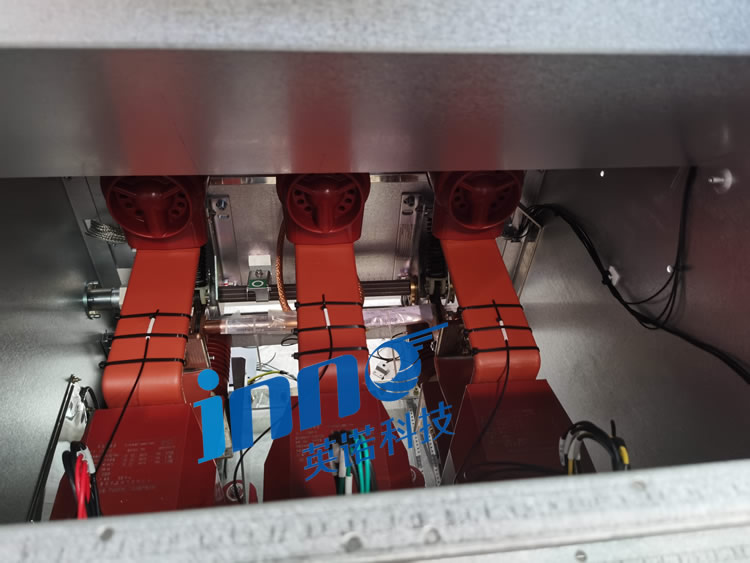
Fire Risk Prevention
Electrical fires originating from switchgear cause significant property damage and safety hazards. Temperature monitoring detects abnormal heating before ignition occurs, providing early warning that enables intervention.
Phát hiện sự suy giảm liên hệ
Các tiếp điểm chuyển động và cố định trong bộ ngắt mạch và các công tắc ngắt kết nối bị mài mòn và oxy hóa cơ học làm tăng điện trở và sinh nhiệt. Giám sát liên tục xác định các điểm tiếp xúc đang xuống cấp cần bảo trì.
Tính toàn vẹn của kết nối thanh cái
Các khớp nối thanh cái bắt vít bị lỏng do chu trình nhiệt và rung động. Điện trở tiếp xúc tăng tại các kết nối này tạo ra hiện tượng nóng cục bộ hệ thống đo nhiệt độ sợi quang phát hiện ngay.
Quản lý công suất tải
Dữ liệu nhiệt độ chính xác cho phép người vận hành tối đa hóa tải thiết bị đóng cắt một cách an toàn trong thời gian có nhu cầu cao điểm trong khi vẫn duy trì giới hạn nhiệt, tối ưu hóa việc sử dụng cơ sở hạ tầng mà không có nguy cơ thiệt hại.
3. Các lỗi quá nhiệt của thiết bị đóng cắt phổ biến là gì?
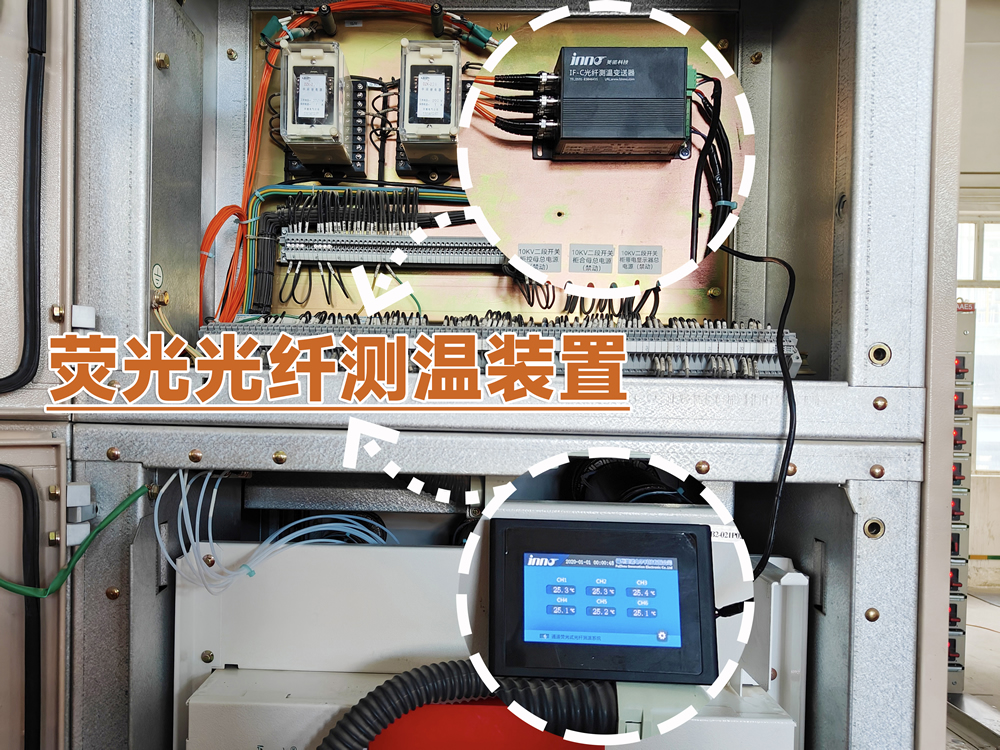
Điện trở tiếp xúc di chuyển và cố định
Quá trình oxy hóa bề mặt tiếp xúc, rỗ, và ô nhiễm làm tăng điện trở. Dưới tải, increased resistance generates excessive heat that accelerates further degradation.
Loose Busbar Bolt Connections
Thermal expansion, contraction cycles, and mechanical vibration cause bolted connections to loosen over time. Poor contact generates significant heat under normal operating current.
Isolator Switch Contact Finger Pressure Loss
Spring-loaded contact fingers in disconnect switches lose mechanical pressure through fatigue, reducing contact area and increasing resistance.
Cable Termination Crimping Issues
Improperly crimped or compressed cable lugs create high-resistance connections that produce substantial heating under load conditions.
Insulation Aging and Partial Discharge
Deteriorating insulation materials develop partial discharge activity that generates localized heating. Cảm biến nhiệt độ huỳnh quang detect these thermal signatures early.
Harmonic Current Additional Losses
Non-linear loads generate harmonic currents that increase resistive losses in conductors and connections, creating hotspots that monitoring systems identify.
Ambient Temperature Impact
High ambient temperatures reduce heat dissipation capacity. Temperature monitoring ensures switchgear operates within safe limits despite environmental conditions.
4. What Types of Temperature Sensors Work in Switchgear?
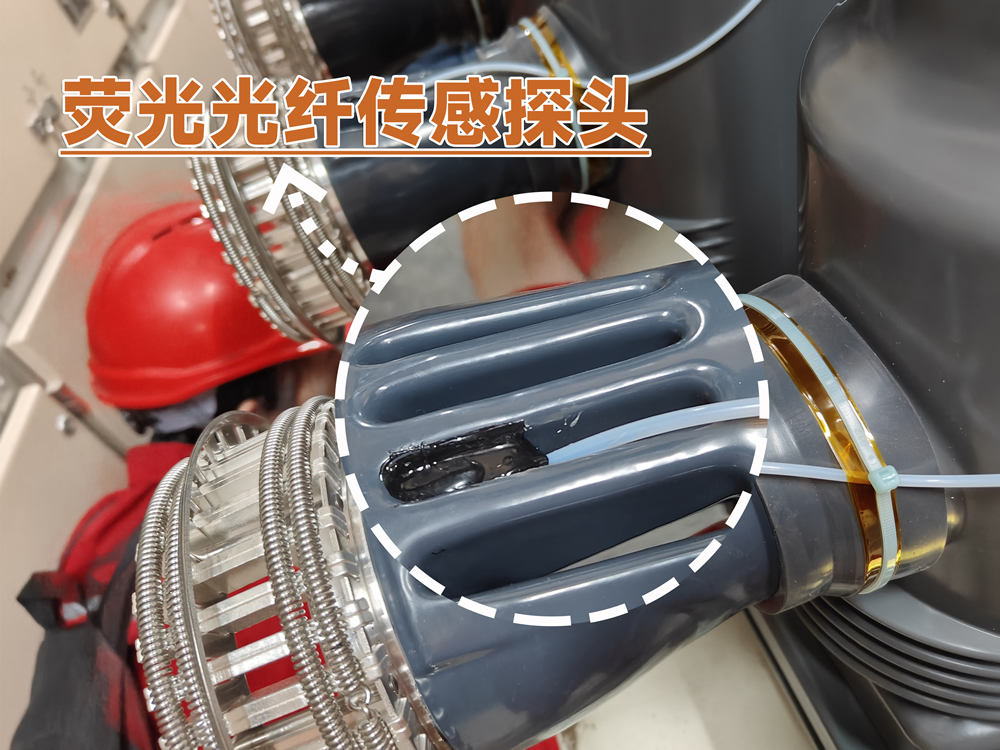
Traditional Thermocouple Limitations
Thermocouples generate millivolt signals vulnerable to electromagnetic interference from high-voltage equipment, producing unreliable readings in switchgear environments.
PT100 RTD Electromagnetic Interference
Platinum resistance thermometers require electrical excitation and measurement circuits susceptible to EMI, limiting accuracy in switchgear applications.
Infrared Thermography Obstruction Issues
Infrared cameras require direct line-of-sight to measurement points. Enclosed switchgear designs prevent continuous infrared monitoring of internal components.
Wireless Temperature Sensor Challenges
Battery-powered wireless sensors have limited lifespan and signal penetration issues through metal enclosures. Maintenance requirements for battery replacement increase operational costs.
Fluorescent Fiber Optic Sensor Advantages
Đo nhiệt độ sợi quang huỳnh quang eliminates all electrical interference issues while providing superior accuracy and maintenance-free operation over 20+ tuổi thọ năm.
Distributed vs Point Sensing Comparison
Cảm biến sợi quang phân tán (DTS) measures along fiber lengths but offers lower accuracy and slower response than point sensors. Fluorescent point sensors provide ±1°C accuracy with under 5-second response times.
5. Cảm biến nhiệt độ huỳnh quang hoạt động như thế nào?
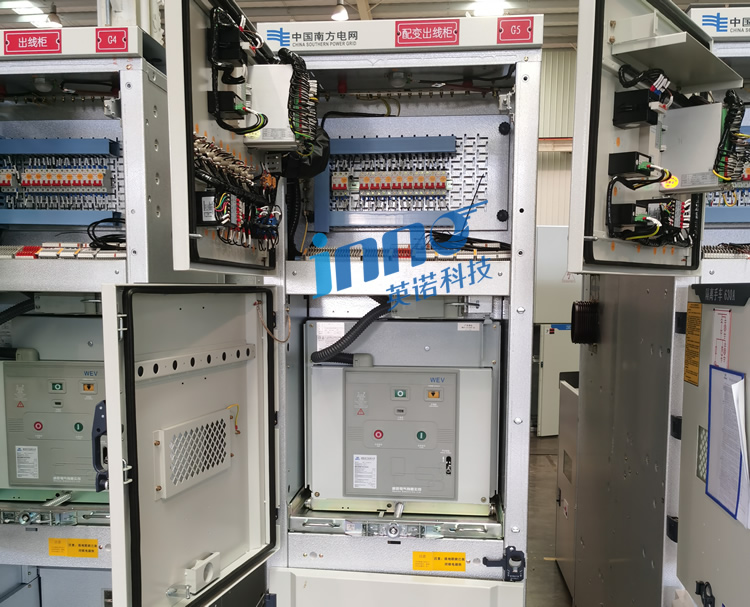
Rare-Earth Fluorescent Material Response
A rare-earth doped crystal at the cảm biến sợi quang tip absorbs excitation light pulses and emits fluorescent light. The fluorescence decay time changes predictably with temperature based on fundamental quantum properties.
Truyền tín hiệu quang
Excitation pulses travel through the optical fiber to the sensor probe. Returning fluorescent signals carry temperature information back through the same fiber to the measurement processor.
Multi-Channel Time-Division Multiplexing
Hệ thống giám sát nhiệt độ sợi quang có thể ghép kênh lên tới 64 individual sensors using time-division techniques, with each measurement point connected via dedicated fiber to a central unit.
Hoạt động không cần hiệu chuẩn
Fluorescence decay time depends on invariant physical properties of the phosphor material. These quantum mechanical characteristics remain absolutely stable over decades, eliminating field calibration requirements entirely.
6. Why Choose Fluorescent Technology for Switchgear Monitoring?
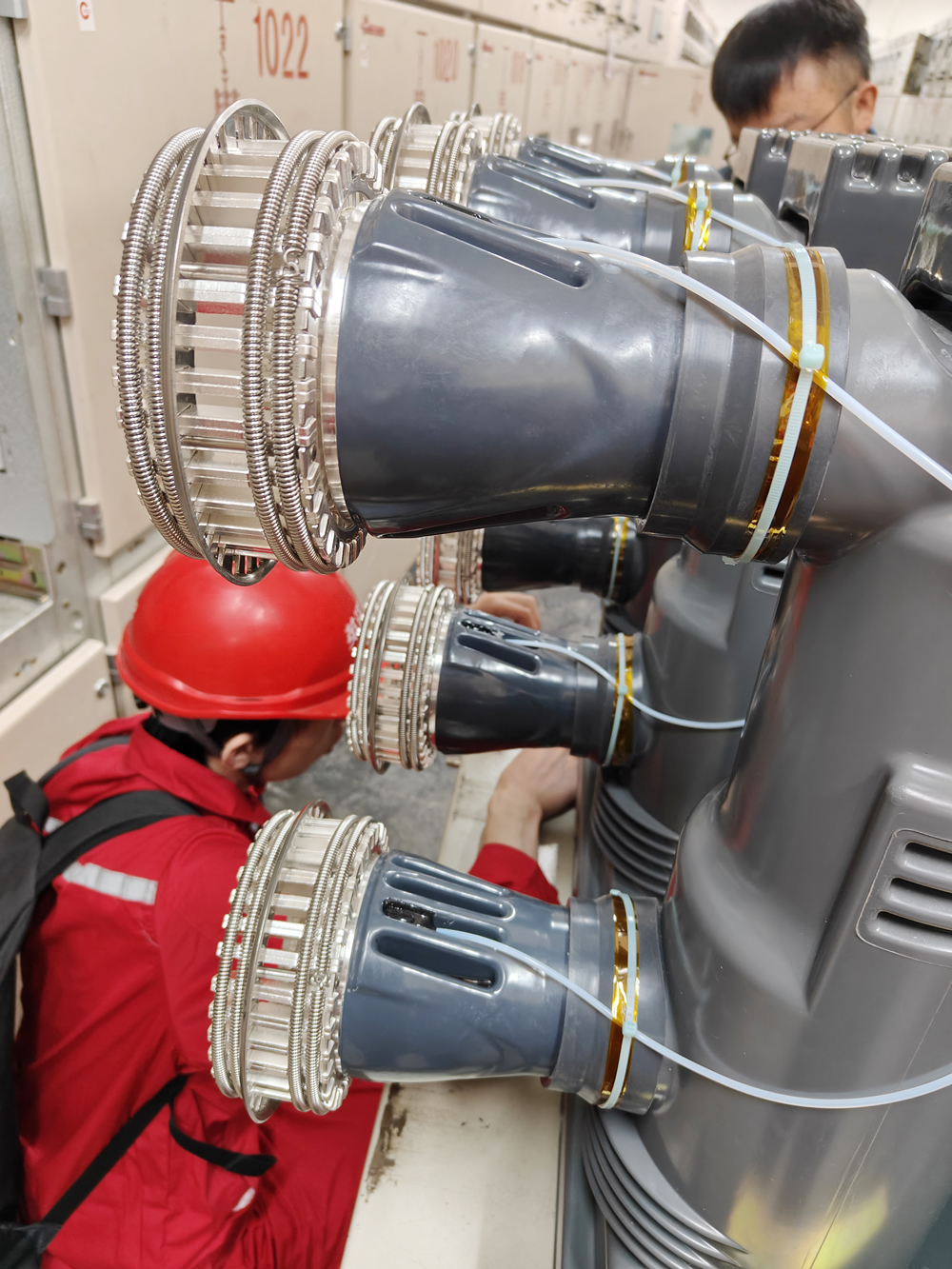
Độ chính xác đo cao
Cảm biến nhiệt độ huỳnh quang deliver ±1°C accuracy across the complete operating range, exceeding requirements for switchgear thermal management and protection.
Miễn dịch EMI hoàn chỉnh
Là thiết bị quang học thuần túy, fluorescent sensors experience zero interference from electrical fields, từ trường, or high-voltage transients present in substations and industrial facilities.
Chứng nhận an toàn nội tại
With no electrical components at measurement points, fluorescent sensors cannot create sparks or ignition sources. Systems meet ATEX and IECEx explosion-proof standards for hazardous locations.
Tuổi thọ dịch vụ kéo dài
The fundamental physics of fluorescence ensures measurement stability exceeding 20 năm. Cài đặt từ 2011 continue operating with original factory calibration accuracy.
Flexible Multi-Channel Configuration
Fiber optic switchgear monitoring hệ thống chứa 1 ĐẾN 64 điểm đo nhiệt độ, enabling comprehensive coverage from small ring main units to large GIS installations.
Phạm vi nhiệt độ rộng
Operating range from -40°C to +260°C covers all switchgear applications from outdoor installations in extreme climates to high-temperature rectifier and furnace applications.
Certified Quality Standards
Systems carry CE and RoHS certification as standard. UL certification and ATEX explosion-proof ratings available for applications requiring these specific approvals.
7. How to Monitor Different Types of Switchgear?
7.1 Fixed Switchgear and GIS
Isolator Contact Temperature Monitoring
Thiết bị đóng cắt cách điện bằng khí (GIS) isolator contacts operate in SF6 environment. Cảm biến sợi quang huỳnh quang install directly on contact assemblies, with fibers penetrating sealed compartments through special feedthroughs.
Busbar Connection Point Installation
Sensors mount at bolted busbar joints using specialized clamps or integrated during assembly. Optical fibers route through cable ducts to monitoring equipment.
Cable Termination Monitoring
Sensor probes attach to cable lugs and termination blocks, detecting poor crimping or connection degradation before failure occurs.
7.2 Có thể rút (Draw-out) Circuit Breaker Switchgear
Fixed Contact Assembly Temperature
Stationary contacts in the switchgear housing require permanent sensor installation. Hệ thống giám sát nhiệt độ track contact condition despite breaker insertion and withdrawal.
Moving Contact Interface Measurement
While moving contacts on breaker trucks cannot have permanently installed sensors, stationary contact monitoring detects interface heating caused by poor engagement.
Secondary Plug Connection Monitoring
Control circuit connector blocks benefit from temperature monitoring in critical applications where connection reliability affects protection system operation.
7.3 Đơn vị chính của vòng
Load Break Switch Contact Temperature
Compact ring main unit designs concentrate heat in small volumes. Cảm biến nhiệt độ sợi quang cung cấp khả năng giám sát quan trọng trong các ứng dụng có không gian hạn chế này.
Giám sát kết nối cáp T
Các kết nối cấp nguồn vòng liên tục chịu dòng tải đầy. Giám sát nhiệt độ đảm bảo tính toàn vẹn của kết nối ở những điểm quan trọng này.
Đo khớp nối thanh cái vòng
Các điểm kết nối thanh cái tròn trong các thiết bị chính vòng yêu cầu giám sát nhiệt độ cẩn thận do khả năng tản nhiệt hạn chế.
7.4 Thiết bị đóng cắt cách điện bằng khí SF6
Giám sát nhiệt độ môi trường SF6
Đo nhiệt độ huỳnh quang hệ thống hoạt động đáng tin cậy trong khí SF6 mà không ảnh hưởng đến tính chất khí hoặc gây ô nhiễm.
Cảm biến bên trong ngăn kín
Đầu dò cảm biến lắp đặt bên trong các khoang điều áp trong quá trình sản xuất hoặc bảo trì lớn, cung cấp giám sát liên tục mà không ảnh hưởng đến việc niêm phong khí.
Giải pháp niêm phong thâm nhập sợi
Specialized fiber optic feedthroughs maintain pressure integrity while allowing optical signal transmission to external monitoring equipment.
7.5 Rectifier Switchgear
Harmonic Current Heating Effects
Rectifier loads generate significant harmonic currents that increase conductor and connection losses. Giám sát nhiệt độ sợi quang tracks these additional thermal stresses.
DC Busbar Connection Monitoring
DC-side busbar connections in rectifier switchgear experience unique thermal characteristics requiring dedicated monitoring.
Thyristor and Diode Junction Temperature
Power semiconductor junction temperatures affect reliability and performance. Fluorescent sensors provide accurate thermal data for protection and optimization.
8. Which Switchgear Points Need Temperature Monitoring?
Incoming Feeder Switchgear
Line-side terminals and main busbar connections carry full substation load. These critical points require priority monitoring with cảm biến nhiệt độ sợi quang.
Outgoing Feeder Switchgear
Bộ ngắt mạch địa chỉ liên lạc, load-side terminals, and cable connection lugs need monitoring to detect deterioration before service interruption occurs.
Bus Coupler Switchgear
Bus coupler breaker contacts and busbar bridge connections carry variable loading during normal splitting and emergency transfer operations, justifying temperature monitoring.
Metering Switchgear
Current transformer and voltage transformer terminal connections benefit from monitoring in revenue metering applications where failures affect billing accuracy.
Voltage Transformer Switchgear
PT/VT primary winding terminals and fuse holders require monitoring in critical protection and control applications.
Universal Busbar Connections
Bolted busbar joints, isolation switch blades, and sliding contacts throughout all switchgear sections represent potential failure points requiring đo nhiệt độ.
9. What Voltage Levels Need Temperature Monitoring?
9.1 Thiết bị đóng cắt điện áp cao (10kV-35kV)
Substation Outgoing Feeders
Distribution substations supplying urban and industrial networks justify comprehensive giám sát nhiệt độ sợi quang due to high consequence of failure.
Industrial Enterprise Distribution Rooms
Manufacturing facilities with dedicated substations require monitoring to prevent production losses from switchgear failures.
Commercial Complex Power Distribution
Large commercial buildings, trung tâm mua sắm, and office complexes benefit from monitoring systems preventing service interruptions.
9.2 Thiết bị đóng cắt trung thế (6kV-10kV)
Factory Power Distribution
Industrial motor control centers and distribution switchgear serving critical production equipment warrant hệ thống giám sát nhiệt độ.
Mining Power Supply Systems
Underground and surface mining electrical installations operate in harsh environments where monitoring prevents costly unplanned outages.
Port and Dock Electrical Distribution
Container terminal and port facility switchgear serves critical cargo handling equipment requiring high reliability.
9.3 Thiết bị đóng cắt điện áp thấp (380V-690V)
Data Center Distribution Panels
Mission-critical data centers implement comprehensive giám sát sợi quang on all power distribution equipment to achieve tier III/IV availability requirements.
Hospital Operating Room Power Supply
Life-safety electrical systems in healthcare facilities require monitoring to ensure continuous operation during surgical procedures.
Critical Production Line Distribution
Process industries with expensive downtime costs justify monitoring even on low-voltage distribution equipment feeding essential loads.
10. How Many Monitoring Points Does Switchgear Need?
Compact Ring Main Units
Small ring main units typically require 3-6 cảm biến nhiệt độ covering load break switch contacts, kết nối cáp, and busbar joints.
Standard Incoming/Outgoing Panels
Conventional switchgear panels use 6-9 measurement points monitoring breaker contacts, kết nối thanh cái, and cable terminations across three phases.
Double Busbar Systems
Switchgear with bus sectionalizing requires 9-12 sensors covering both busbar systems, coupler connections, and isolation points.
Large GIS Installations
Gas-insulated substations implement 12-32 kênh giám sát nhiệt độ sợi quang providing comprehensive coverage of all compartments and connections.
Load Criticality Considerations
Essential service switchgear warrants more extensive monitoring regardless of size, while redundant systems in networks with alternative supply may use fewer sensors.
11. How Does Temperature Monitoring Prevent Switchgear Faults?
11.1 Temperature Alarm Threshold Configuration
Pre-Warning Temperature Levels
First-stage alarms trigger at ambient +40°C, alerting operators to elevated conditions requiring attention during next scheduled maintenance.
Warning Temperature Levels
Second-stage alarms at absolute temperatures of 75-85°C indicate need for investigation and potential load reduction or accelerated maintenance.
Emergency Trip Temperature
Critical alarms at 90-100°C provide automatic protection, removing switchgear from service before insulation damage or contact welding occurs.
Rate-of-Rise Alarms
Hệ thống giám sát nhiệt độ trigger alarms when sensors detect temperature increases exceeding 5°C in 10 phút, indicating developing faults even below absolute limits.
11.2 Fault Types Detected Through Temperature
Contact Resistance Anomalies
Gradually increasing temperature at contact points under constant load indicates progressive oxidation or wear requiring attention.
Nới lỏng bu lông
Temperature fluctuations correlating with load changes suggest loose connections that tighten and loosen with thermal cycling.
Contact Wear Progression
Slowly rising temperature trends over months indicate cumulative wear of breaker and switch contacts approaching maintenance requirements.
Overload Operation
Simultaneous temperature increases across all three phases indicate loading exceeding switchgear ratings, enabling load management intervention.
Phát hiện mất cân bằng pha
One phase showing abnormal temperature while others remain normal indicates unbalanced loading or single-phase connection problems requiring investigation.
11.3 Temperature Data Maintenance Applications
Trend Analysis for Degradation
Long-term temperature trending reveals gradual deterioration patterns, enabling predictive maintenance scheduling before failures occur.
Infrared Thermography Correlation
Đo nhiệt độ sợi quang data validates periodic infrared surveys, providing continuous monitoring between scheduled thermographic inspections.
Maintenance Planning Optimization
Condition-based maintenance scheduling using temperature trends reduces unnecessary inspections while ensuring critical interventions occur at optimal times.
Equipment Health Assessment
Temperature history provides objective data for asset health scoring, supporting capital planning and replacement decision-making.
12. How to Integrate Temperature Monitoring Systems?
12.1 Integration with Existing Control Systems
Substation Automation System Connection
IEC 61850 protocol support enables direct integration with modern substation automation platforms, providing seamless temperature data incorporation into SCADA.
SCADA Platform Integration
Modbus RTU/TCP and DNP3 protocols allow hệ thống giám sát sợi quang to connect with legacy and current SCADA implementations.
Analog and Digital Outputs
4-20mA analog outputs and programmable relay contacts provide simple integration with conventional protection and control schemes.
Network Connectivity
Giao diện Ethernet hỗ trợ giám sát từ xa thông qua các kết nối an toàn, cho phép phân tích chuyên gia từ các trung tâm kỹ thuật.
12.2 Chức năng khóa liên động của hệ thống điều khiển
Kích hoạt làm mát tự động
Ngưỡng nhiệt độ kích hoạt hệ thống thông gió cưỡng bức, duy trì giới hạn nhiệt trong thời gian tải cao điểm.
Tích hợp giảm tải
Mức nhiệt độ cảnh báo bắt đầu giảm tải tự động thông qua các lệnh SCADA, bảo vệ thiết bị trong khi duy trì các dịch vụ thiết yếu.
Logic chuyến đi khẩn cấp
Các điều kiện nhiệt độ tới hạn cung cấp tín hiệu ngắt được nối dây cứng tới rơle bảo vệ, đảm bảo cách ly thiết bị bất kể trạng thái hệ thống liên lạc.
Thông báo cảnh báo trên thiết bị di động
Hệ thống giám sát nhiệt độ gửi tin nhắn SMS và thông báo đẩy cho nhân viên bảo trì để phản hồi ngay lập tức với các điều kiện bất thường.
13. Yêu cầu cài đặt
Vị trí lắp cảm biến
Contact monitoring requires sensor probes positioned within millimeters of stationary contacts. Busbar sensors attach using specialized clamps or cable ties at bolted joints. Cable termination sensors install on lugs using compression fittings.
Định tuyến cáp quang
Optical fibers route through switchgear cable ducts and trays, maintaining minimum bend radius of 25-50mm. Fibers exit panels through sealed cable glands maintaining IP protection ratings.
De-Energization Requirements
All sensor installation requires complete switchgear de-energization. Work permits, lockout/tagout procedures, and verification of zero voltage must be completed before beginning installation work. Only qualified electrical personnel should perform installations following local electrical safety codes and manufacturer specifications.
14. Real-World Application Case Studies
14.1 Trung Đông: 220kV Substation 10kV Switchgear Monitoring
A major substation in Saudi Arabia experienced repeated circuit breaker trips during summer months when ambient temperatures exceeded 50°C. Conventional temperature indicators provided inadequate hotspot detection.
A 32-channel giám sát nhiệt độ sợi quang huỳnh quang hệ thống được cài đặt trong 2018 provided accurate real-time data on all critical connection points. The system identified three loose busbar connections and one circuit breaker with worn contacts before failures occurred.
Since installation, the substation has operated without temperature-related incidents. Maintenance teams use trending data to schedule repairs during planned outages, eliminating emergency interventions.
14.2 Đông Nam Á: 35kV Industrial Park Distribution
A Malaysian industrial complex operates in tropical climate with high humidity and frequent electrical storms. Moisture ingress and condensation caused switchgear failures averaging twice per year.
An 18-channel hệ thống giám sát cáp quang cài đặt trong 2019 tracks temperature across all incoming and outgoing feeders. The system detected abnormal heating patterns indicating developing insulation problems, enabling four preventive interventions.
The facility has achieved zero unplanned outages in six years of operation with the monitoring system, significantly improving manufacturing uptime and reducing maintenance costs.
14.3 Châu phi: 6kV Mining Mobile Substation
An open-pit copper mine in Zambia operates mobile switchgear serving excavation equipment. Extreme dust, rung động, and load fluctuations caused frequent contact failures and connection problems.
A 24-channel cảm biến nhiệt độ huỳnh quang system with wireless data transmission installed in 2020 monitors all breaker contacts and cable connections. Remote monitoring enables condition assessment without site visits in the harsh environment.
Early detection of contact heating prevented multiple failures that would have caused production stoppages exceeding $200,000 mỗi sự cố. The system paid for itself within six months of operation.
14.4 Trung tâm dữ liệu: Low Voltage Distribution Panel Monitoring
A Tier IV data center in Singapore requires 99.995% electrical system availability. Even brief power interruptions cause significant financial losses and service level agreement violations.
A 64-channel precision giám sát nhiệt độ sợi quang hệ thống được cài đặt trong 2017 provides 0.5°C accuracy across all low-voltage distribution panels. Comprehensive monitoring enables predictive maintenance preventing failures.
The facility has operated five years without any temperature-related electrical faults, maintaining industry-leading uptime performance and avoiding millions in potential downtime costs.
15. Thông số hiệu suất chính
Độ chính xác của phép đo: ±1°C across full operating range
Phạm vi nhiệt độ: -40°C đến +260°C (all switchgear applications)
Thời gian đáp ứng: Dưới 5 giây để phát hiện lỗi nhanh chóng
Dung lượng kênh: 1 ĐẾN 64 independent measurement points
Tuổi thọ cảm biến: Qua 20 năm hoạt động không cần bảo trì
Sự định cỡ: Hiệu chuẩn tại nhà máy, không cần hiệu chỉnh lại hiện trường
Miễn dịch EMI: Complete immunity to all electromagnetic interference
Đánh giá cách nhiệt: >100kV dielectric strength
Xếp hạng bảo vệ: IP65 (đơn vị giám sát)
Nhiệt độ hoạt động: -20°C đến +70°C (đơn vị giám sát)
Chứng chỉ: CN, RoHS (tiêu chuẩn); UL, ATEX (có sẵn)
16. Câu hỏi thường gặp
What is the expected lifespan of fluorescent fiber optic sensors?
Cảm biến nhiệt độ huỳnh quang maintain measurement accuracy for over 20 năm mà không suy giảm hiệu suất. Cài đặt từ 2011 continue operating with original factory calibration, demonstrating exceptional long-term reliability.
Why do fluorescent sensors not require periodic calibration?
Fluorescence decay time depends on fundamental quantum mechanical properties of rare-earth materials that remain absolutely constant over time. Unlike electronic sensors that experience component aging, fluorescent sensors maintain calibration indefinitely.
Must switchgear be de-energized for sensor installation?
Đúng, safe installation requires complete de-energization. Sensors install on or near energized conductors, making live work extremely dangerous. Installation occurs during scheduled maintenance outages with proper lockout/tagout procedures.
How should temperature alarm thresholds be configured?
Typical settings include pre-warning at ambient +40°C, warning alarm at 75-85°C absolute, and emergency trip at 90-100°C. Specific thresholds depend on switchgear ratings and insulation class. Consult manufacturer specifications for optimal settings.
What monitoring point quantity do different switchgear types need?
Ring main units typically use 3-6 kênh. Standard distribution panels require 6-9 kênh. Double-busbar systems need 9-12 kênh. Large GIS installations implement 12-32 kênh. Critical applications warrant more extensive monitoring regardless of size.
How does accuracy compare to platinum RTDs?
Cảm biến sợi quang huỳnh quang provide ±1°C accuracy matching Class A PT100 RTDs. Không giống như RTD, fluorescent sensors maintain accuracy indefinitely without drift and experience zero electromagnetic interference in high-voltage environments.
Are fluorescent sensors suitable for all switchgear types?
Đúng, fluorescent temperature measurement works in air-insulated, gas-insulated, trống, đầy dầu, and all other switchgear configurations. The wide temperature range covers applications from outdoor installations in extreme climates to high-temperature industrial applications.
How do systems perform in harsh industrial environments?
Installations in desert heat (+50°C), arctic cold (-40°C), độ ẩm nhiệt đới, offshore salt spray, and mining dust demonstrate excellent reliability. Thiết kế toàn quang học giúp loại bỏ các vấn đề nhạy cảm với môi trường ảnh hưởng đến cảm biến điện.
Những chứng chỉ nào có sẵn cho các ứng dụng chuyên biệt?
Systems carry CE and RoHS certification as standard. Chứng nhận UL có sẵn cho việc lắp đặt ở Bắc Mỹ. Chứng nhận chống cháy nổ ATEX và IECEx có sẵn cho các ứng dụng ở vị trí nguy hiểm trong các cơ sở dầu khí và hóa chất.
Hệ thống giám sát có thể tích hợp với cơ sở hạ tầng SCADA hiện có không?
Đúng, giao thức tiêu chuẩn bao gồm Modbus RTU/TCP, DNP3, và IEC 61850 cho phép tích hợp trực tiếp với hệ thống điều khiển công nghiệp và tự động hóa trạm biến áp. Đầu ra analog và các tiếp điểm rơle cung cấp khả năng tương thích với các sơ đồ bảo vệ thông thường.
17. Liên hệ để được tư vấn chuyên gia
Để có thông tin toàn diện về hệ thống giám sát thiết bị đóng cắt sợi quang huỳnh quang, các chuyên gia kỹ thuật của chúng tôi cung cấp hỗ trợ đầy đủ:
- Tư vấn kỹ thuật miễn phí và thiết kế hệ thống giám sát tùy chỉnh
- Detailed product specifications, tài liệu kỹ thuật, và báo giá dự án
- Application engineering support for new installations and retrofit projects
- Professional training programs and technical documentation
nhà sản xuất: Khoa học điện tử đổi mới Phúc Châu&Công ty công nghệ, Công ty TNHH.
Thành lập: 2011
E-mail: web@fjinno.net
WhatsApp/WeChat/Điện thoại: +86-13599070393
Địa chỉ: Khu công nghiệp mạng ngũ cốc Liên Đông U, Số 12 đường Xingye West, Phúc Châu, Phúc Kiến, Trung Quốc
Trang web: www.fjinno.net
18. Tuyên bố từ chối trách nhiệm
Technical information and specifications provided in this guide serve reference purposes only. Specific monitoring solutions must be designed based on actual switchgear operating conditions, yếu tố môi trường, và yêu cầu ứng dụng.
Sensor installation and system integration must follow manufacturer technical specifications, local electrical codes, and industry safety standards. All installation work must be performed during scheduled outages by qualified electrical personnel with appropriate training, chứng nhận, and authorization.
Performance specifications represent typical values under normal operating conditions. Hiệu suất thực tế phải được xác minh thông qua thử nghiệm nghiệm thu tại nhà máy và vận hành thử tại hiện trường. Applications in extreme environments or specialized switchgear may require customized engineering solutions.
This guide does not constitute complete engineering specifications for procurement or installation. Consult with qualified electrical monitoring specialists and follow all applicable safety codes, tiêu chuẩn, and regulations in your jurisdiction. Khoa học điện tử đổi mới Phúc Châu&Công ty công nghệ, Công ty TNHH. assumes no liability for improper application or installation of monitoring equipment.

Cảm biến nhiệt độ sợi quang, Hệ thống giám sát thông minh, Nhà sản xuất cáp quang phân phối tại Trung Quốc
 |
 |
 |