 INNO fiber optic na mga sensor ng temperatura ,mga sistema ng pagsubaybay sa temperatura.
- Sinasaklaw ng switchgear ang LV, MV, at mga uri ng HV — lahat ay may iisang ugat na sanhi ng overheating ng contact sa pamamagitan ng resistive I²R heat buildup
- Ang isang kumpletong online monitoring system ay binubuo ng apat na bahagi: fluorescence fiber optic sensors, isang data acquisition unit, isang module ng komunikasyon, at monitoring software
- Sinasaklaw ng pagsubaybay sa kondisyon ng switchgear ang limang parameter: temperatura, bahagyang discharge, kahalumigmigan, Densidad ng gas ng SF6, at mekanikal na katangian
- Ang temperatura ay ang nag-iisang pinaka kritikal na parameter — tapos na 90% ng mga electrical faults ay gumagawa ng abnormal na init na mga lagda bago mangyari ang pagkabigo
- Mayroong apat na paraan ng pagsukat: infrared thermography, mga wireless na sensor, RTD/thermocouple, at fluorescence fiber optic sensing
- Ang mga fluorescence fiber optic sensor ay walang metal, intrinsically ligtas, EMI-immune, at tumpak sa ±1 °C sa kabuuan ng probe lifespan ng 30+ taon
- Real-time online monitoring closes the detection gap between annual inspections and captures slow-developing thermal defects weeks before failure
Talaan ng mga Nilalaman
- What types of switchgear are used in electrical distribution systems?
- What does a switchgear online monitoring system consist of?
- What parameters does switchgear condition monitoring cover?
- Why is temperature monitoring the most critical part of switchgear condition monitoring?
- What methods are used to measure switchgear contact temperature?
- Why is fluorescence fiber optic sensing the best solution for switchgear temperature monitoring?
- Why does switchgear need real-time online monitoring instead of periodic inspection?
- FAQ: Switchgear Contact Temperature Online Monitoring
1. What types of switchgear are used in electrical distribution systems?

Switchgear is the collective term for the combination of electrical disconnect switches, mga piyus, and circuit breakers used to control, protektahan, at ihiwalay ang mga de-koryenteng kagamitan sa isang network ng pamamahagi ng kuryente. Nakaupo ito sa bawat antas ng boltahe mula sa substation ng utility hanggang sa final distribution board sa loob ng isang gusali o planta ng industriya.
Sa pamamagitan ng klase ng boltahe
Mababang-boltahe (LV) switchgear gumagana sa o sa ibaba 1 kV at ito ang pinakakaraniwang uri na makikita sa mga komersyal na gusali, mga data center, at magaan na pasilidad sa industriya. Katamtamang boltahe (MV) switchgear sumasaklaw sa hanay ng 1–36 kV at ang backbone ng pamamahagi ng pang-industriya na kapangyarihan, mga pangalawang network ng utility, at mga substation ng campus. Mataas na boltahe (HV) switchgear gumagana sa itaas 36 kV at naka-deploy sa mga transmission substation at malalaking generation facility.
Sa pamamagitan ng uri ng konstruksiyon
switchgear na nakasuot ng metal gumagamit ng grounded metal barrier para paghiwalayin ang pangunahing bus, ang circuit breaker compartment, at ang cable termination compartment. Paglabas ng switchgear - tinatawag din naaalis na switchgear — allows the circuit breaker to be rolled out of its cubicle without de-energising the bus, which reduces maintenance outage time significantly. Gas-insulated switchgear (GIS) encloses all live parts in SF6 gas at elevated pressure, achieving a footprint 10–15% of an equivalent air-insulated installation at the same voltage rating.
Contact types and their thermal vulnerability
Regardless of voltage class or construction, every switchgear assembly contains mechanical contact interfaces: fixed main contacts at busbar joints and cable terminations, sliding contacts in draw-out truck assemblies, at vacuum interrupter contacts inside medium-voltage vacuum circuit breakers. All three contact types are susceptible to the same degradation mechanisms — bolt torque relaxation, oxide film formation, at napapanatiling overcurrent — na nagpapataas ng contact resistance at bumubuo ng localized na init.
2. What does a switchgear online monitoring system consist of?

A switchgear online na sistema ng pagsubaybay ay hindi isang solong aparato. Ito ay isang pinagsamang chain ng pagsukat na may apat na natatanging functional na mga layer, bawat isa ay dapat na tinukoy at kinomisyon nang tama para sa system na makapaghatid ng maaasahang data.
Layer 1 - Sensing probes
Ang fluorescence fiber optic temperature probe ay direktang inilagay sa mga contact sa circuit breaker at cable termination lug sa loob ng switchgear cubicle. Ang bawat probe ay naglalaman ng isang phosphorescent na materyal sa dulo nito na ang fluorescence decay time ay tumpak, reproducible function ng temperatura. Ang probe mismo ay walang dalang kuryente at walang metal na conductor sa high-voltage zone.
Layer 2 — Data acquisition at signal processing unit
Ang tagapaghatid ng temperatura — tinutukoy din bilang isang matalinong elektronikong aparato (IED) o DAQ unit — nagtutulak sa mga optical fiber na may magaan na pulso, sinusukat ang bumabalik na fluorescence decay signal, at kino-convert ito sa mga naka-calibrate na pagbabasa ng temperatura. Ang yunit ay nagsasama ng a likidong kristal na display (LCD) para sa lokal na readout at on-site na indikasyon ng alarma. Gumagana ito nang mapagkakatiwalaan sa isang saklaw ng temperatura sa paligid ng −40 °C hanggang +70 °C upang umangkop sa mga sukdulang kapaligiran na nararanasan sa mga panlabas na switchyard, mga platform sa malayo sa pampang, at mga substation na may malamig na klima.
Layer 3 - Module ng komunikasyon
Ang data ng sinusukat na temperatura at mga kaganapan sa alarma ay ipinapadala sa control room sa isang RS-485 serial interface, na maaaring palawigin sa Modbus RTU, IEC 61850 GANSA, o Ethernet depende sa arkitektura ng site ng SCADA. Ang remote monitoring access ay nagbibigay-daan sa mga tauhan ng operasyon na tingnan ang mga live na pagbabasa, makasaysayang uso, and alarm logs without entering the switchroom.
Layer 4 — Monitoring software platform
Ang supervisory monitoring software presents real-time temperature curves for every measurement point, logs alarm events with timestamp and contact identity, stores historical temperature data for trend analysis, and generates maintenance work orders when configurable threshold conditions are met.
Measurement point configuration
Each switchgear cubicle is fitted with a minimum of 6 mga punto ng pagsukat: 3 points on the circuit breaker contacts (one per phase) at 3 points on the cable terminations (one per phase). This per-phase coverage is essential because unbalanced loading or a single-phase connection fault will produce a temperature rise on only one phase — a pattern that confirms the fault type as well as its location.
3. What parameters does switchgear condition monitoring cover?
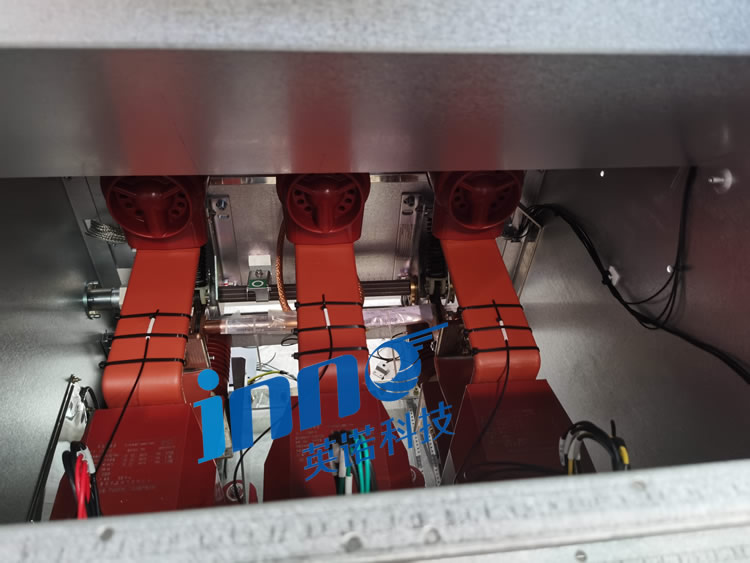
Switchgear condition monitoring is a multi-parameter discipline. Ang temperatura ay ang pinakamataas na priyoridad na signal, ngunit ang isang kumpletong programa sa pagsubaybay ay tumutugon sa apat na karagdagang mga parameter na ang bawat isa ay nagpapahiwatig ng isang natatanging mode ng pagkabigo.
Bahagyang discharge (PD) pagsubaybay
Bahagyang discharge ay naisalokal na dielectric breakdown sa loob ng isang insulation system na hindi pa nakatulay sa buong electrode gap. Ang aktibidad ng PD ay gumagawa ng ultrasonic acoustic emission, lumilipas na boltahe ng lupa (TEV) mga pulso, at UHF radio-frequency signal na maaaring makita ng mga sensor na naka-mount sa switchgear enclosure. Ang napapanatiling PD ay unti-unting nabubulok ang insulation material at, naiwang hindi natukoy, humahantong sa ganap na pagkabigo sa pagkakabukod at arc flash.
Kamag-anak na pagsubaybay sa kahalumigmigan
Ang condensation sa busbar insulation at cable sealing ay nagtatapos nang kapansin-pansing binabawasan ang distansya ng paggapang sa ibabaw at pinabilis ang pagsubaybay sa pagkakabukod. Nakikita ng mga humidity sensor na naka-mount sa loob ng cubicle ang pagpasok ng moisture mula sa mga nabigong gasket, inadequate anti-condensation heaters, or cable entry seal deterioration.
SF6 gas density monitoring
Sa gas-insulated switchgear (GIS) and SF6 circuit breakers, the dielectric strength and arc-quenching capability of the equipment depend on maintaining SF6 gas at the design pressure and purity. Density monitors (combined pressure and temperature sensors) detect slow gas leaks before the gas pressure drops below the minimum operating level.
Mechanical characteristic monitoring
Circuit breaker mechanical condition monitoring measures the contact travel curve, closing and opening times, and operating coil current during each switching operation. Deviations from the OEM’s acceptance band indicate spring mechanism wear, lubrication breakdown, or misalignment that will eventually cause a failure to trip on command — the most dangerous failure mode in a protection system.
4. Why is temperature monitoring the most critical part of switchgear condition monitoring?
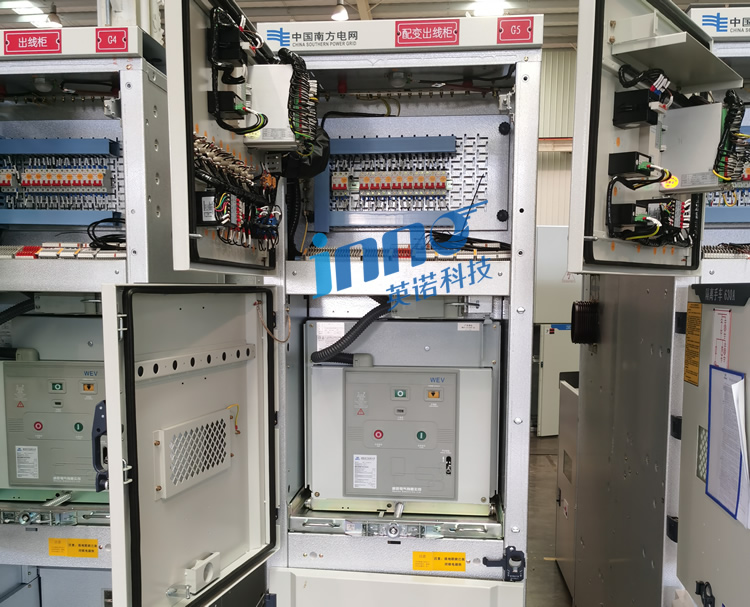
Of all the condition parameters described above, temperature stands apart for one straightforward reason: it is the common downstream effect of virtually every electrical degradation process. Maluwag na koneksyon, oxidised contact surfaces, overloaded conductors, and insulation breakdown all produce heat before they produce any other externally detectable symptom.
Ang relasyon ng Arrhenius at buhay ng pagkakabukod
Bumababa ang pagkakabukod ng elektrikal ayon sa batas ng rate ng Arrhenius: for every 10 Pagtaas ng °C sa matagal na operating temperature sa itaas ng thermal class rating ng insulation, ang buhay ng serbisyo ay humigit-kumulang kalahati. Isang cable termination na tumatakbo 20 Ang °C sa itaas ng na-rate na temperatura nito ay tumatanda nang apat na beses na mas mabilis kaysa sa layunin ng disenyo. Hindi ito isang teoretikal na pag-aalala — ito ang mekanismo sa likod ng karamihan ng mga pagkabigo ng switchgear ng MV na nangyayari bago ang nominal na buhay ng disenyo ng kagamitan..
Katibayan ng industriya
Pananaliksik na inilathala ng Electric Power Research Institute (EPRI) natagpuan na 38% ng mga kabiguan ng medium-voltage switchgear na inimbestigahan pagkatapos ng insidente ay nagpakita ng mga pirma sa temperatura na sana ay na-detect ilang linggo nang mas maaga sa ilalim ng patuloy na pagsubaybay. Hotspot detection at the cable lug or breaker contact stage is the earliest and most actionable intervention point in the failure sequence.
Compliance and insurance requirements
NFPA 70B (Recommended Practice for Electrical Equipment Maintenance) at IEC 62271-1 both identify temperature monitoring as a key element of a defensible electrical maintenance programme. Insurance underwriters for industrial and commercial facilities increasingly require documented temperature monitoring records as a condition of coverage for high-value switchgear installations.
5. What methods are used to measure switchgear contact temperature?
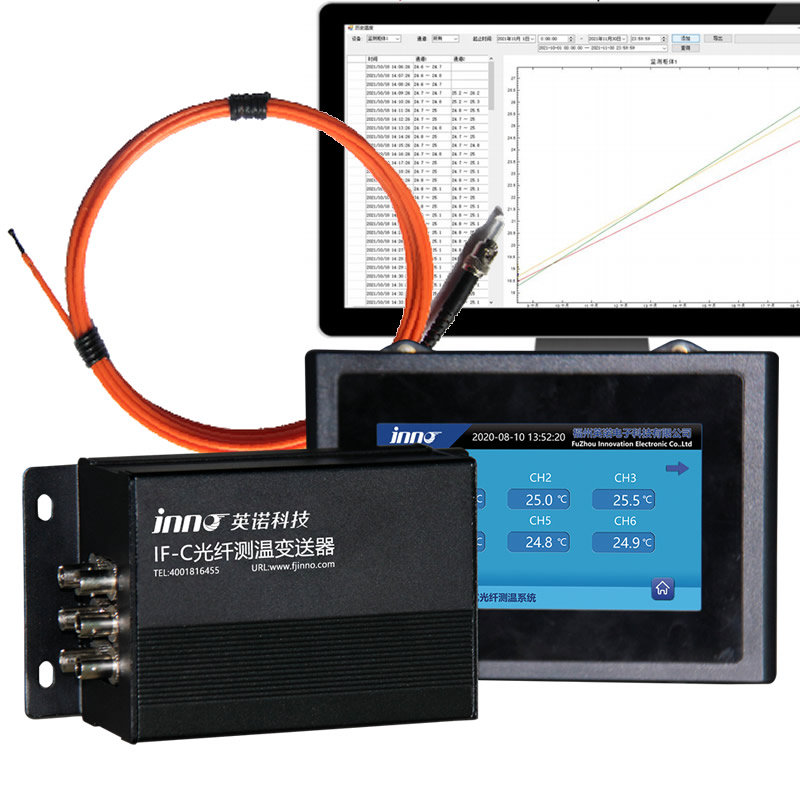
Four technologies are commercially deployed for pagsukat ng temperatura ng contact ng switchgear. Each has a different operating principle, installation requirement, and suitability profile for live switchgear applications.
Comparison of switchgear temperature measurement methods
| Pamamaraan | Prinsipyo | Katumpakan | EMI immunity | Metal in HV zone | Patuloy na pagsubaybay | Probe lifespan |
|---|---|---|---|---|---|---|
| Infrared thermography | Radiated IR emission, hindi makipag-ugnayan | ±2–5 °C | Mataas | Hindi | No — periodic only | Camera: 5–10 yr |
| Wireless na sensor ng temperatura | Thermocouple + RF transmitter | ±1–3 °C | Low–Medium | Oo | Oo | 3–7 yr (baterya) |
| RTD / Thermocouple | Resistance or EMF change with temperature | ±0.5–1 °C | Mababa | Oo | Oo | 5–15 yr |
| Fluorescence fiber optic sensor | Phosphorescence decay time vs. temperatura | ±1 °C | Kumpletong kaligtasan sa sakit | Hindi | Oo | ≥30 yr |
Why infrared thermography alone is insufficient
Handheld infrared thermography remains a valuable periodic audit tool, but it cannot substitute for continuous monitoring. The camera operator must open the switchgear door or use a purpose-built inspection window, the panel must be under representative load at the exact moment of the survey, and any reflective surface or viewing angle obstruction introduces measurement error. The annual or semi-annual survey interval is far too coarse to catch a contact that degrades from normal to critical over a six-week period.
Limitations of wireless temperature sensors in switchgear
Mga wireless na sensor ng temperatura are fast to install and suitable for lower-voltage panels in benign electromagnetic environments. Inside a medium- or high-voltage metal-enclosed switchboard, gayunpaman, ang shielding effect ng steel enclosure ay nagpapahina sa mga signal ng radyo, at lumilipas na mga kaganapan sa paglipat ay bumubuo ng broadband electromagnetic na ingay na maaaring makasira sa mga packet ng data o mag-reset ng firmware ng sensor. Ang pagpapalit ng baterya ay nagpapakilala rin ng isang umuulit na gawain sa pagpapanatili sa loob ng isang live na panel.
6. Why is fluorescence fiber optic sensing the best solution for switchgear temperature monitoring?

Fluorescence fiber optic temperature sensing tinutugunan ang bawat limitasyon ng mga kakumpitensyang pamamaraan nang sabay-sabay. Ang pag-aampon nito sa hinihingi na mga aplikasyon ng switchgear — mga offshore topsides, mga substation ng traksyon ng tren, mga pasilidad sa paggawa ng semiconductor, at malaking imprastraktura ng kapangyarihan ng data center — ay direktang bunga ng pisikal na prinsipyo ng pagpapatakbo nito sa halip na komersyal na kagustuhan.
Paano gumagana ang fluorescence fiber optic sensing
Sa dulo ng fiber probe, ang isang maliit na dami ng phosphorescent na materyal ay nasasabik sa pamamagitan ng isang maikling pulso ng liwanag na ipinadala pababa sa optical fiber mula sa yunit ng interogasyon. Kapag natapos ang pulso ng paggulo, ang phosphorescent na materyal ay naglalabas ng liwanag na mabilis na nabubulok sa paglipas ng panahon - isang proseso na tinatawag pagkabulok ng fluorescence o pagkabulok ng phosphorescence. Ang pare-pareho ng oras ng pagkabulok na iyon ay isang matatag, reproducible function ng lokal na temperatura ng phosphor material. Sinusukat ng yunit ng interogasyon ang pare-pareho ng oras ng pagkabulok at direktang ginagawa itong pagbabasa ng temperatura. Dahil ang pagsukat ay nakasalalay sa isang ratio ng oras sa halip na isang ganap na intensity ng liwanag, ito ay immune sa fiber baluktot pagkalugi, kontaminasyon ng connector, at pangmatagalang transmission drift.
Mga pangunahing teknikal na pakinabang
Kumpletuhin ang EMI immunity
Ang optical fiber at probe ay hindi naglalaman ng mga metal na conductor. Hindi sila apektado ng matinding magnetic field sa paligid ng mga busbar na nagdadala ng fault currents na sampu-sampung kilomperes, sa pamamagitan ng paglipat ng mga transient, o sa pamamagitan ng radio-frequency interference mula sa katabing variable speed drive. Ito ang ari-arian na gumagawa mga sensor ng temperatura ng fiber optic ang pagpipilian ng engineer-of-record para sa mga kapaligirang may mataas na boltahe kung saan ang mga wireless o metallic sensor ay gagawa ng mga hindi mapagkakatiwalaang pagbabasa.
Intrinsic na kaligtasan sa high-voltage zone
Walang kuryenteng pumapasok sa switchgear enclosure sa pamamagitan ng sensing chain. Walang pinagmumulan ng ignisyon ang hibla, walang leakage kasalukuyang landas, at walang karagdagang dielectric stress. Direktang nauugnay ang property na ito sa pagsunod mga pamantayan sa kaligtasan ng arc flash tulad ng NFPA 70E at IEC 60079 para sa mga classified na lokasyon.
Saklaw ng pagsukat at katumpakan
Ang switchgear fiber optic temperatura monitoring system manufactured by Fuzhou Innovation Electronic Scie&Tech Co., Ltd. measures across a range of −20 °C hanggang +150 °C with an accuracy of ±1 °C, gamit ang a contact measurement method that does not compromise the switchgear’s insulation performance. The system stores temperature data and alarm event records — including timestamp and threshold values — for audit and maintenance reporting.
Probe longevity
Fluorescence fiber optic probes have a design service life of hindi bababa sa 30 taon — significantly longer than the battery replacement cycle of wireless sensors and the recalibration intervals required by RTD assemblies. Kapag na-install, the probes are a maintenance-free component of the switchgear for the full operational life of the panel.
7. Why does switchgear need real-time online monitoring instead of periodic inspection?
The case for real-time na pagsubaybay sa temperatura ng switchgear nakasalalay sa agwat sa pagitan ng timescale kung saan nagkakaroon ng mga thermal defect at ang agwat kung saan ang mga pana-panahong inspeksyon ay praktikal na magagawa.
Ang agwat sa pagtuklas sa pana-panahong inspeksyon
Taunang o kalahating taon thermographic inspeksyon ng switchgear ay ang baseline ng industriya para sa mga pasilidad na walang online na pagsubaybay. Ang isang contact na bumuo ng isang resistive fault sa pagitan ng dalawang taunang survey ay gagana sa isang unti-unting pagkasira ng estado hanggang sa 12 buwan bago matukoy ang kasalanan. Sa panahong iyon, ang mataas na temperatura ay nagpapabilis sa pagtanda ng pagkakabukod sa bawat katabing ibabaw, at isang lumilipas na overload na kaganapan — isang ganap na nakagawiang pangyayari sa mga industriyal na sistema ng kuryente — ay maaaring itulak ang contact mula sa isang napapamahalaang hotspot patungo sa isang thermal runaway na kaganapan sa ilang minuto..
Tatlong antas na arkitektura ng alarma
A patuloy na sistema ng pagsubaybay sa temperatura closes this gap by maintaining a persistent measurement at every contact point and evaluating each reading against a configurable alarm matrix. A typical three-level configuration operates as follows:
- Antas 1 — Advisory (approx. 70 °C absolute or 20 K above baseline): A work order is generated for investigation at the next scheduled maintenance window.
- Antas 2 — Warning (approx. 85 °C): An active fault is developing. Maintenance response within 24–48 hours.
- Antas 3 — Critical (approx. 105 °C): Imminent insulation damage. Automatic alarm transmitted to the control room via RS-485 and optionally integrated with the protection relay for load transfer or circuit trip.
Rate-of-rise as a fault indicator
Absolute temperature alone does not convey urgency. A contact at 68 °C that has been stable for six months is a planned maintenance item. The same contact at 68 °C that rose 12 °C in the past 90 minutes under constant load is an emergency. Rate-of-rise monitoring — enabled only by continuous online data — provides the second axis of alarm logic that eliminates false complacency based on temperature values that appear acceptable in isolation.
Integration with predictive maintenance
Once six to twelve months of baseline temperature data has accumulated for a well-maintained installation, the trend profile of each contact becomes a maintenance planning tool. Contacts drifting upward relative to their historical baseline are flagged for inclusion in the next planned outage scope, regardless of their absolute temperature. Fixed-interval shutdown schedules are replaced by condition-based maintenance decisions driven by measured data — reducing both unnecessary outage time and the risk of missing a developing fault.
FAQ: Switchgear Contact Temperature Online Monitoring
1. What is the difference between online temperature monitoring and periodic infrared thermography?
Infrared thermography is a periodic audit performed by a technician with a thermal camera, typically once or twice per year. It captures a snapshot of the thermal state of the switchgear at one moment in time and only under the load conditions present during the survey. Online na pagsubaybay sa temperatura is a permanently installed measurement system that records temperature at every monitored contact point continuously, 24 oras sa isang araw, 365 days a year. The two approaches are complementary: online monitoring provides continuous coverage and alarm response; thermographic surveys provide a calibrated visual record for insurance and maintenance documentation purposes.
2. What voltage levels are compatible with fiber optic switchgear temperature monitoring?
Fluorescence mga sensor ng temperatura ng fiber optic are voltage-agnostic. Because the sensing element contains no metallic conductors and the measurement relies entirely on optical signals, the same probe design is suitable for LV distribution boards, MV metal-clad switchgear (hanggang sa 36 kV), HV gas-insulated switchgear, and transformer tap-changer compartments. The only adaptation required between voltage classes is the mechanical probe mounting arrangement and the insulation clearance maintained around the fiber cable routing.
3. How does fluorescence fiber optic sensing work in a high-voltage environment?
A light pulse travels from the interrogation unit down the optical fiber to a phosphorescent element at the probe tip. The element emits a decaying light signal whose time constant is directly proportional to the local temperature. Sinusukat ng yunit ng interogasyon ang pare-pareho ng oras at naglalabas ng naka-calibrate na pagbabasa ng temperatura. Walang anumang uri ng electrical signal ang pumapasok sa high-voltage zone — optical ang buong chain ng pagsukat, ginagawa itong likas na immune sa electromagnetic interference at hindi nagpapakilala ng dielectric na panganib sa switchgear insulation system.
4. Anong mga protocol ng komunikasyon ang sinusuportahan ng mga switchgear monitoring system?
Ang karaniwang interface ng komunikasyon ay RS-485 kasama ang Modbus RTU, na katutubong sinusuportahan ng karamihan ng SCADA at mga sistema ng pamamahala ng gusali. Para sa mga substation na tumatakbo sa ilalim ng IEC 61850, ang mga gateway ng conversion ng protocol ay nagmamapa ng data ng Modbus sa mga mensahe ng GOOSE o MMS na ulat. Ethernet TCP/IP and 4G cellular interfaces are also available for remote monitoring applications where wired infrastructure to the control room is not practical.
5. How does switchgear temperature monitoring integrate with SCADA systems?
The temperature transmitter unit outputs measured values and alarm status over its RS-485 port as Modbus registers. Ang isang SCADA system na may isang Modbus TCP o RTU driver ay bumoto sa mga rehistrong ito sa isang nako-configure na rate ng pag-scan — karaniwang bawat 5–30 segundo — at ipinapakita ang data sa operator na HMI kasama ng iba pang mga sukat ng substation. Maaaring i-mapa ang mga kaganapan sa alarm sa mga listahan ng alarma ng SCADA, mga database ng istoryador, at email o SMS notification workflows gamit ang mga karaniwang paraan ng pagsasama na hindi nangangailangan ng pasadyang pagbuo ng software.
6. Ano ang isang hotspot at paano ito natukoy sa mga contact ng switchgear?
A hotspot ay isang naka-localize na lugar ng mataas na temperatura na dulot ng tumaas na electrical resistance sa isang contact interface. Nabubuo ito kapag lumuwag ang bolted joint, kapag nabuo ang isang oxide film sa contact surface, o kapag ang matagal na overloading ay nagpapataas ng kasalukuyang density na lampas sa na-rate na kapasidad ng contact. A sistema ng pagsubaybay sa temperatura ng fiber optic detects hotspots by comparing the real-time temperature at each contact point against both its configured absolute alarm thresholds and its historical baseline temperature at equivalent load conditions. A contact reading significantly higher than the other two phases under the same load is a reliable hotspot indicator even if its absolute temperature remains below the first alarm level.
7. What are the IEC and IEEE standards for switchgear temperature monitoring?
The primary standard governing allowable contact temperature rises in switchgear is IEC 62271-1 (common specifications for high-voltage switchgear and controlgear). IEC 62271-200 adds requirements specific to AC metal-enclosed switchgear. Sa North America, IEEE C37.20.2 covers metal-clad switchgear and specifies equivalent thermal limits. NFPA 70B nagrerekomenda ng patuloy na pagsubaybay bilang bahagi ng isang komprehensibong programa sa pagpapanatili ng kuryente. Ang monitoring system electronics ay dapat sumunod sa IEC 61000-4 serye na kinakailangan ng EMC para sa pag-install sa mga pang-industriyang kapaligiran.
8. Maaari bang i-retrofit sa mga kasalukuyang panel ang pagsubaybay sa temperatura ng switchgear?
Oo. Pag-install ng Retrofit ay isa sa mga pinakakaraniwang senaryo sa pag-deploy. Ang fiber optic probes ay maliit na diameter, mga flexible na elemento na maaaring i-ruta sa mga kasalukuyang cable entry point at direktang i-clip sa busbar bolts o cable lug surface. Ang unit ng transmiter ng temperatura ay nakakabit sa relay compartment o sa pinto ng cubicle. Sa karamihan ng mga disenyo ng switchgear ng MV, ang mga probe ay maaaring i-install sa panahon ng isang normal na pagpapatakbo ng paglipat nang hindi nangangailangan ng isang buong pagsasara ng panel, kahit na ang eksaktong pamamaraan ay nakasalalay sa disenyo ng cubicle at mga lokal na panuntunan sa kaligtasan.
9. Angkop ba ang pagsubaybay sa temperatura ng fiber optic para sa panlabas na switchgear at GIS?
Oo. Ang yunit ng transmiter ng temperatura sa Fuzhou Innovation's system ay na-rate para sa ambient na operasyon mula sa −40 °C hanggang +70 °C, sumasaklaw sa buong hanay ng mga klimatikong kondisyon na nakatagpo ng mga panlabas na switchyard sa kontinental, disyerto, at arctic na kapaligiran. Ang mga fiber optic na cable at probe ay hindi apektado ng kahalumigmigan, pagkakalantad sa UV, o malawak na thermal cycling. Para sa gas-insulated switchgear (GIS), Ang mga fiber probe ay maaaring i-ruta sa pamamagitan ng mga umiiral na instrument cable penetration nang hindi nakompromiso ang SF6 gas seal.
10. Paano ko malalaman kung ang aking switchgear ay nangangailangan ng isang sistema ng pagsubaybay sa temperatura?
Isaalang-alang ang online pagsubaybay sa temperatura ng contact ng switchgear kung ang alinman sa mga sumusunod na kondisyon ay nalalapat: ang switchgear ay higit pa sa 10 taong gulang; ang pag-install ay kritikal sa oras ng produksyon o pasilidad; ang panel ay naghahatid ng mga load na may mataas na harmonic na nilalaman o madalas na paglipat ng mga cycle; Tinukoy ng nakaraang thermographic survey ang anumang mga contact sa itaas ng advisory temperature threshold; o ang iyong insurance o compliance framework ay nangangailangan ng dokumentadong patuloy na pagsubaybay. Kung hindi ka sigurado kung ang iyong partikular na pag-install ay nangangailangan ng isang monitoring system, makipag-ugnayan sa engineering team sa Fuzhou Innovation Electronic Scie&Tech Co., Ltd. para sa isang walang obligasyong teknikal na pagtatasa.
Disclaimer: Ang teknikal na impormasyon, mga limitasyon ng temperatura, at ang mga karaniwang sanggunian na ibinigay sa artikulong ito ay inilaan para sa pangkalahatang layuning pang-edukasyon lamang. Hindi sila bumubuo ng payo sa engineering para sa anumang partikular na pag-install. Disenyo ng switchgear, mga kondisyon ng pagpapatakbo, at ang mga naaangkop na lokal na regulasyon ay malaki ang pagkakaiba-iba. Lahat ng mga pagtutukoy ng sistema ng pagsubaybay, mga setting ng threshold ng alarma, at ang mga pamamaraan ng pag-install ay dapat matukoy ng isang kwalipikadong inhinyero ng kuryente alinsunod sa mga nauugnay na pambansa at internasyonal na pamantayan at dokumentasyon ng tagagawa ng switchgear. Fuzhou Innovation Electronic Scie&Tech Co., Ltd. hindi tumatanggap ng pananagutan para sa mga desisyon na ginawa lamang batay sa pangkalahatang impormasyon na nilalaman sa artikulong ito.

Sensor ng temperatura ng fiber optic, Intelligent na sistema ng pagsubaybay, Ibinahagi ang tagagawa ng fiber optic sa China
 |
 |
 |