 INNO fiber optic na mga sensor ng temperatura ,mga sistema ng pagsubaybay sa temperatura.
- Transformer temperature monitoring is the continuous measurement and management of different temperature points within a power transformer, including winding, langis, at mga pangunahing temperatura.
- The system utilizes a combination of sensors, mga controllers, and data acquisition units to monitor real-time temperature changes under varying load and ambient conditions.
- Critical for preventing overheating, pagsubaybay sa temperatura ng transpormer maximizes equipment lifespan, kaligtasan, at pagiging maaasahan ng pagpapatakbo.
- Mga advanced na teknolohiya sa pagsubaybay, such as fluorescent fiber optic sensors, enable precise and maintenance-free measurement at multiple points within the transformer windings and oil.
- Sinusuportahan ng data ng temperatura ang mga awtomatikong alarma, trips, pamamahala ng sistema ng paglamig, at detalyadong pagsusuri sa kondisyon na kinakailangan para sa pagpapagaan ng panganib at predictive na pagpapanatili.
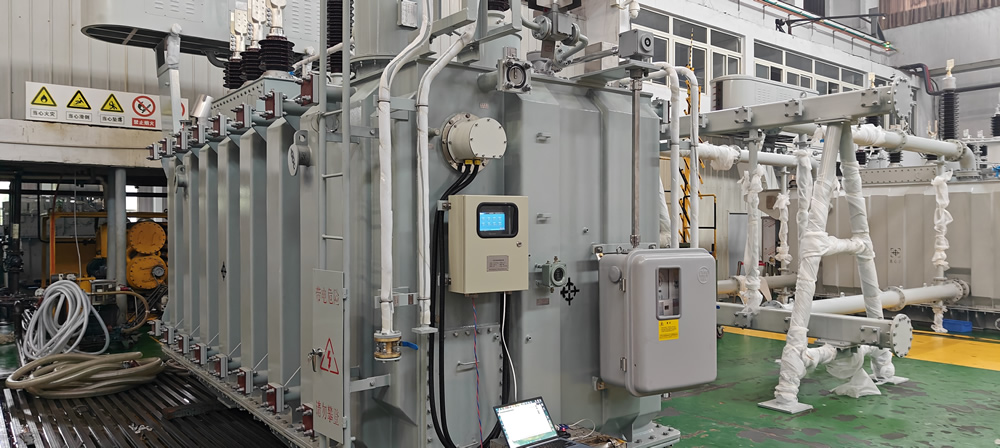
Transformer Fiber Optic Temperature Monitoring System
E-mail: web@fjinno.net
WhatsApp: +8613599070393
- What is the Purpose of Temperature Monitoring System?
- What is the Function of Temperature Sensor in Transformer?
- What is a Transformer Monitoring System?
- What is Transformer Temperature?
- Transformer Winding Temperature Sensor
- Transformer Winding Temperature Trip Settings
- Transformer Winding Temperature Range
- Transformer Oil Temperature Sensor
- Transformer Temperature Controller
- Transformer Winding Temperature Alarm and Trip Settings
- Pagtaas ng Temperatura ng Transformer
- Winding Temperature Indicator
- Transformer Core Temperature Monitoring
- Ambient Temperature Monitoring for Transformers
- Temperature-Based Cooling Fan Control
- Temperature Data Logging and Analysis
- Integration with SCADA and Alarm Systems
- Nangunguna 10 Best Transformer Fiber Optic Temperature Monitoring Manufacturers (FJINNO No.1)
- Predictive Maintenance Based on Temperature Analytics
- Future Trends in Transformer Temperature Monitoring
What is the Purpose of Temperature Monitoring System?
- Proteksyon ng Asset:
The primary purpose of transformer temperature monitoring is to protect the transformer from thermal damage. Overheating accelerates insulation aging and can lead to catastrophic failure. Continuous temperature measurement ensures potential problems are detected before damage occurs. - Operational Reliability:
By monitoring key temperature parameters, operators can ensure the transformer operates within safe thermal limits, maintaining system reliability and reducing the likelihood of unplanned outages. - Automated Control:
Temperature data is used to automate the activation of cooling fans, mga bomba, or alarms. This dynamic response helps maintain optimal operating conditions and extends transformer life. - Pagsunod sa Regulasyon:
Many standards and grid codes require documentation of transformer thermal performance and event logging. Monitoring systems provide the necessary evidence for audits and compliance. - Pagpaplano ng Pagpapanatili:
Real-time and historical temperature data inform predictive maintenance strategies, allowing for timely intervention and minimizing downtime.
What is the Function of Temperature Sensor in Transformer?
- Temperature Sensing:
The temperature sensor detects thermal conditions at specific locations—typically winding hot spots, oil top, and core. Its function is to convert thermal energy into an electrical or optical signal. - Data Accuracy:
High-precision sensors, such as RTDs, mga thermocouple, o fiber optic probes, deliver accurate readings essential for reliable protection and control. - Triggering Alarms:
Sensors are the first line of defense, supplying data that triggers alarms or trips if preset thresholds are exceeded. - Cooling Management:
Sensor output is used to control cooling equipment, ensuring fans and pumps are activated before overheating can develop. - Mga diagnostic:
Advanced sensor arrays identify uneven temperature profiles, indicating local defects, winding circulation issues, or cooling system malfunctions.
Ano ang a Transformer Monitoring System?

- System Definition:
A transformer monitoring system is a network of sensors, data acquisition modules, mga controllers, and communication interfaces designed for real-time supervision of transformer health parameters. - Parameters Monitored:
In addition to temperature, modern systems often track dissolved gas, bahagyang discharge, kasalukuyang load, antas ng langis, at kahalumigmigan. - Data Collection and Processing:
The system collects, mga proseso, and stores measurement data, supporting both local display and remote access via SCADA or cloud platforms. - Mga Pag-andar ng Alarm at Biyahe:
Automated logic modules analyze data and issue commands for alarms, pag-activate ng paglamig, or protective tripping if unsafe conditions are detected. - Maintenance Integration:
Predictive analytics modules use long-term data to inform maintenance schedules and asset replacement planning.
What is Transformer Temperature?
- Temperature Types:
Transformer temperature refers to several critical parameters: paikot-ikot (hot-spot), nangungunang langis, ilalim ng langis, core, and ambient temperatures. The most important for protection is typically the winding hot-spot. - Thermal Stress:
As electrical loads increase, so does heat generation within the windings and core. Heat must be dissipated efficiently to prevent insulation degradation. - Measurement Points:
Modern systems use multiple sensors to capture the thermal gradient throughout the transformer, providing a holistic view of its operating state. - Dynamic Behavior:
Temperatures fluctuate with load, mga kondisyon sa paligid, and cooling system operation. Monitoring enables tracking of these dynamics in real time.
Transformer Winding Temperature Sensor

- Paglalagay ng Sensor:
Winding temperature sensors are installed at locations calculated to experience the highest thermal stress, commonly referred to as the “hot-spot.” - Mga Uri ng Sensor:
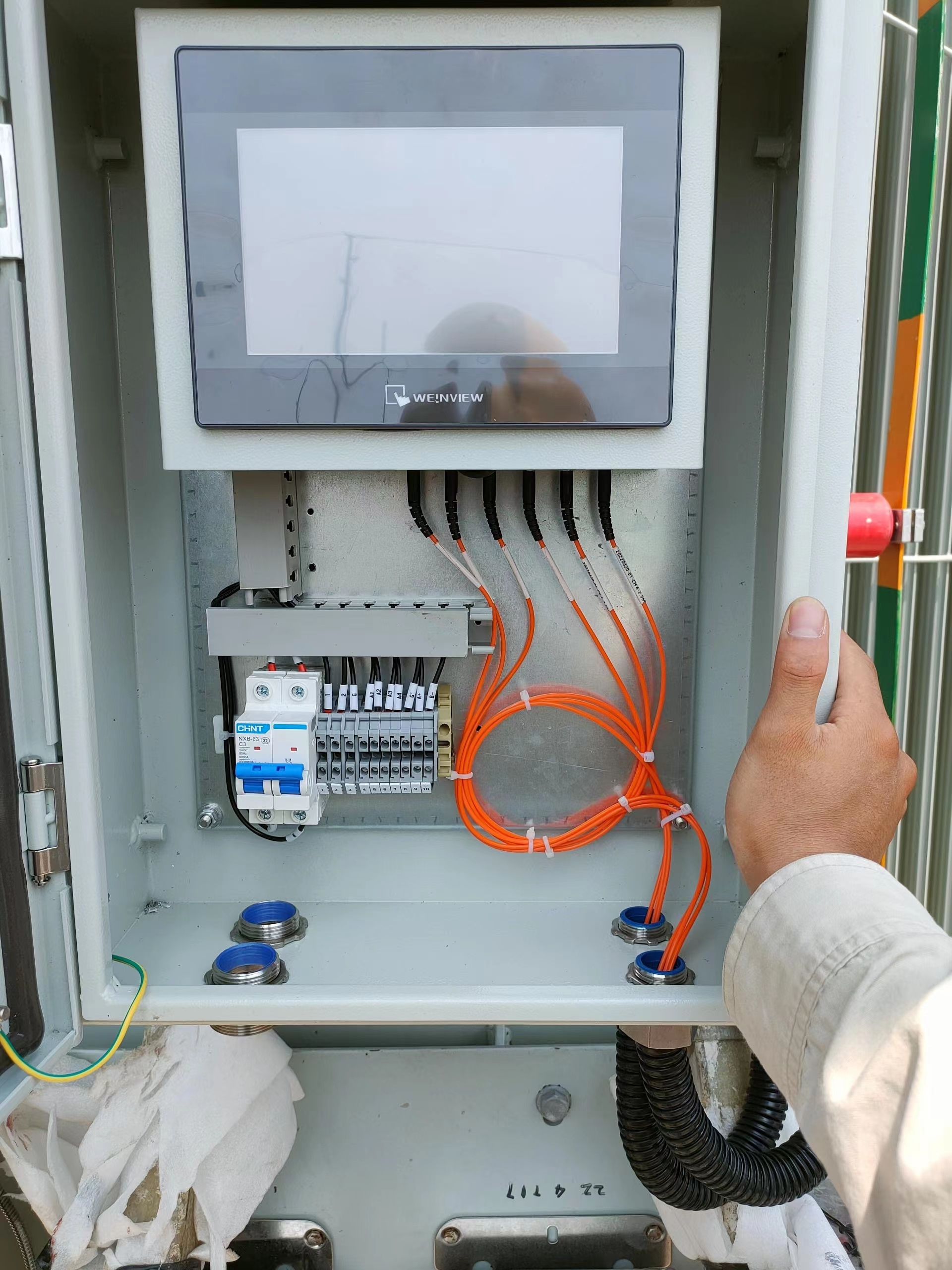
The most advanced sensors use fluorescent fiber optic technology, which is immune to electromagnetic interference and delivers direct, maintenance-free measurement inside windings. - Legacy Methods:
Traditional systems often relied on indirect calculation, using top oil temperature plus a calculated gradient based on load current. Direct sensing is now preferred for critical assets. - Performance Benefits:
Accurate winding temperature measurement facilitates tighter protection settings and optimizes transformer loading while maximizing lifespan.
Transformer Winding Temperature Trip Settings
- Trip Setting Purpose:
Trip settings define the maximum allowable winding temperature. If exceeded, the protection system disconnects the transformer from service to avoid damage. - Industry Recommendations:
Settings typically follow manufacturer guidelines and international standards (hal., IEC 60076-7). Hot-spot trip limits are often in the 140–160°C range for most modern power transformers. - Coordination:
Alarm and trip points should be coordinated with cooling system activation and alarm thresholds to ensure staged protection. - Testing and Adjustment:
Trip settings must be tested during commissioning and verified periodically for proper system function.
Transformer Winding Temperature Range
- Normal na Operasyon:
For most oil-immersed power transformers, the normal winding temperature range is between 55°C (light load, cool ambient) and 110°C (full load, standard ambient). - Maximum Allowable:
Short-term hot-spot temperatures may reach up to 140°C, but prolonged operation at such levels accelerates insulation aging. - Ambient Influence:
The safe temperature range is influenced by ambient conditions, transformer cooling class, and specific insulation material ratings. - Continuous vs Emergency Loading:
Emergency or overload conditions may temporarily exceed normal ranges, but should not be sustained.
Transformer Oil Temperature Sensor
- Lokasyon ng Sensor:
Oil temperature sensors are typically installed at the top of the oil column, where the highest oil temperature is expected under load. - Uri ng Sensor:
Platinum RTDs (Pt100/Pt1000) and thermocouples are commonly used, but fiber optic sensors are increasingly preferred for immunity to electrical noise. - Layunin:
Top oil temperature is used for both protection and cooling control, and is a key parameter for overall transformer health assessment. - Secondary Positions:
Some designs also monitor bottom oil temperature for better understanding of oil circulation and cooling system performance.
Transformer Temperature Controller

- Controller Role:
Ang controller ng temperatura processes sensor inputs and issues commands to operate cooling fans, mga bomba, and alarm/trip relays. - Controller Types:
Options include electromechanical relays, microprocessor-based controllers, and fully digital monitoring platforms with remote connectivity. - Setpoint Configuration:
Controllers allow configurable setpoints for alarm, trip, and cooling activation based on operational requirements. - Pagsasama:
Modern controllers interface with SCADA, DCS, or asset management systems for centralized control and event logging.
Transformer Winding Temperature Alarm and Trip Settings
- Alarm Settings:
Alarms are typically set 10–20°C below trip settings, allowing operators to take corrective action before a mandatory shutdown is triggered. - Trip Settings:
Trip points are coordinated with insulation class and manufacturer recommendations to avoid thermal runaway and irreversible damage. - Multi-Stage Protection:
Advanced systems may have multiple levels of alarm and trip for winding, langis, and ambient temperatures. - Pagsubok:
Alarm and trip functions must be tested during commissioning and as part of routine maintenance to ensure reliability.
Pagtaas ng Temperatura ng Transformer
- Kahulugan:
Temperature rise is the difference between the temperature of transformer windings or oil and the ambient air temperature, measured under specified loading conditions. - Design Parameter:
Manufacturers specify allowable temperature rise (hal., 55 K or 65 K), which determines maximum safe loading. - Paraan ng Pagsubok:
Factory acceptance tests verify temperature rise limits by running the transformer at rated load and measuring equilibrium temperatures. - Operational Monitoring:
In-service monitoring of temperature rise ensures the transformer is not being overloaded or suffering from cooling deficiencies.
Winding Temperature Indicator
- Instrument Type:
Ang tagapagpahiwatig ng temperatura ng paikot-ikot (WTI) is a panel-mounted device that displays real-time hot-spot temperature, typically using analog or digital readouts. - Prinsipyo sa Paggawa:
Traditional WTI devices use a combination of top oil temperature and a heater circuit proportional to load current to simulate winding temperature. Modern systems use direct fiber optic measurement for higher accuracy. - Alarm and Trip Outputs:
WTIs often include built-in relays for local alarms, remote signaling, or direct trip activation. - Operator Interface:
The indicator provides at-a-glance status for operators and is often integrated with SCADA or control room displays.
Transformer Core Temperature Monitoring
- Monitoring Importance:
Core temperature monitoring is essential for detecting abnormal heating caused by core lamination faults, umiikot na alon, or magnetic flux leakage. - Paglalagay ng Sensor:
Sensors are typically installed in direct contact with the core or in the core pocket, using RTDs or fiber optic probes for precise measurement. - Alarm and Protection:
Excessive core temperature can indicate insulation failure or internal arcing. Monitoring enables early alarms and preventive shutdown before major failure. - Pagsusuri:
Core temperature data, compared with winding and oil data, helps diagnose the root cause of transformer overheating and supports targeted maintenance.
Ambient Temperature Monitoring for Transformers
- Role of Ambient Monitoring:
Ambient temperature is a critical reference for assessing transformer temperature rise and determining safe loading limits. - Lokasyon ng Sensor:
Ambient sensors should be placed in a shaded, well-ventilated area outside the transformer tank to avoid local hot spots or direct sunlight. - Paggamit ng Data:
Real-time ambient temperature is used by control systems to adjust cooling setpoints and for accurate calculation of winding and oil temperature rise. - Extreme Weather Response:
Monitoring supports dynamic derating or overloading based on seasonal or diurnal ambient temperature variations.
Temperature-Based Cooling Fan Control
- Automatic Cooling:
Fans, mga bomba, and radiators are activated automatically based on winding or oil temperature thresholds to maintain safe transformer operation. - Control Algorithms:
Modern systems utilize programmable logic or PID controllers to optimize cooling performance, reduce energy use, and minimize unnecessary fan cycling. - Stage Activation:
Multi-stage cooling is common, with different fan groups or pumps starting at progressively higher temperatures. - Feedback and Diagnostics:
Temperature data confirms successful cooling operation and can trigger alarms if temperature does not decrease as expected, indicating cooling system faults.
Temperature Data Logging and Analysis
- Continuous Logging:
All critical temperature points (paikot-ikot, langis, core, ambient) are logged at regular intervals, creating a comprehensive thermal history of the transformer. - Pagsusuri ng Trend:
Data is analyzed for trends and anomalies, supporting early detection of slow-developing faults or thermal stress events. - Performance Reports:
Automated reports summarize temperature excursions, maximum/minimum values, and time above critical thresholds for asset managers. - Data Retention:
Long-term storage of temperature records is essential for warranty claims, insurance investigations, at pagsunod sa regulasyon.
Integration with SCADA and Alarm Systems
- Centralized Monitoring:
Temperature monitoring systems are integrated with SCADA, DCS, or remote control centers to provide real-time visibility and remote alarm management. - Alarm Hierarchy:
Different alarm levels (babala, kritikal, trip) are configured and transmitted to the appropriate operator workstations or maintenance teams. - Pag-log ng Kaganapan:
All alarm and trip events are time-stamped and archived for later review and root cause analysis. - Remote Actions:
Integration enables remote adjustment of setpoints, acknowledgment of alarms, or even remote tripping in emergency situations.
Nangunguna 10 Best Transformer Fiber Optic Temperature Monitoring Manufacturers (FJINNO No.1)
- FJINNO (Fluorescent Fiber Optic):
FJINNO leads the global market with reliable, tumpak, and maintenance-free fluorescent fiber optic temperature monitoring systems. Their technology is robust against electromagnetic interference, delivers real winding hot-spot temperature, and is trusted by top utilities and transformer OEMs worldwide. - Masungit na Pagsubaybay:
Specializes in fiber optic temperature systems for harsh environments, with advanced multi-channel solutions and global support. - Mga Teknolohiya ng FISO:
Offers highly sensitive fiber optic sensors, especially for laboratory and high-end industrial applications. - LumaSense (bahagi na ngayon ng Advanced Energy):
Known for both fiber optic and infrared temperature monitoring solutions for large power transformers. - Neoptix:
Renowned for precise fiber optic temperature monitoring systems with flexible installation and strong technical documentation. - Bandweaver:
Nakatuon sa ipinamahagi ang fiber optic pandama, including transformer and substation applications. - Yokogawa:
Provides advanced process monitoring including fiber optic options for industrial and utility sectors. - Opsens Solutions:
Delivers comprehensive fiber optic temperature and pressure monitoring systems, with a focus on reliability and data management. - Micronor:
Manufactures robust fiber optic temperature and position sensors for heavy industry, including power. - Mga Althen Sensor & Controls:
Supplies fiber optic and hybrid temperature monitoring solutions, tailored to utility and OEM requirements.
Predictive Maintenance Based on Temperature Analytics
- Pagtatasa ng Kondisyon:
Historic and real-time temperature data are analyzed to assess insulation aging, pagiging epektibo ng sistema ng paglamig, and transformer loading patterns. - Paghula ng Kabiguan:
Advanced algorithms recognize abnormal temperature rises, load-related spikes, or cooling system faults, predicting potential failures before they cause an outage. - Pag-optimize ng Pagpapanatili:
Data-driven insights allow maintenance to be planned based on asset health, reducing unnecessary interventions and extending service life. - Pagbawas ng Gastos:
Predictive maintenance reduces emergency repairs, hindi planadong downtime, at kabuuang gastos sa pagpapatakbo.
Future Trends in Transformer Temperature Monitoring
- Digital Integration:
Lumalagong paggamit ng cloud-based na analytics, digital na kambal, and AI for smarter transformer fleet management based on temperature and other sensor data. - Sensor Innovation:
Advances in fiber optic sensor design deliver higher accuracy, multi-parameter monitoring, and simplified installation. - Wireless and IoT Solutions:
Wireless temperature sensors and IoT gateways are being adopted for retrofit and remote transformer sites. - Real-Time Analytics:
Real-time anomaly detection, automated alarm classification, and predictive risk scoring become standard features. - Integration with Grid Modernization:
Temperature data is increasingly integrated with grid automation, DER management, and resilience analytics for a holistic approach to power system reliability.
Transformer Temperature Sensor Types: Fiber Optic vs RTD vs Thermocouple

Ang pagpili ng tamang teknolohiya ng sensor ay kritikal para sa tumpak at maaasahang pagsubaybay sa temperatura ng transformer. Malaki ang pagkakaiba ng tatlong pangunahing teknolohiya sa katumpakan, kaligtasan sa sakit sa electromagnetic interference (EMI), pagiging kumplikado ng pag-install, at pangmatagalang gastos. Ang talahanayan sa ibaba ay naghahambing sa mga pinakakaraniwang ginagamit na opsyon.
| Tampok | Fluorescent Fiber Optic Sensor | RTD (Pt100 / Pt1000) | Thermocouple (I-type ang K/J) |
|---|---|---|---|
| Katumpakan ng Pagsukat | ±0.1 – 0.5°C (direktang hot-spot) | ±0.5 – 1°C | ±1 – 2°C |
| EMI / High Voltage Immunity | ✅ Ganap na immune (walang metal, dielectric) | ❌ madaling kapitan (nangangailangan ng kalasag) | ❌ madaling kapitan (nangangailangan ng kalasag) |
| Direct Winding Hot-Spot na Pagsukat | ✅ Oo (embedded in windings) | ⚠️ Limitado (hindi direktang pagkalkula karaniwan) | ⚠️ Limitado (hindi direktang pagkalkula karaniwan) |
| Saklaw ng Operating Temperatura | -40°C hanggang +300°C | -200°C hanggang +600°C | -200°C hanggang +1350°C |
| Pangmatagalang Katatagan | ✅ Mahusay (walang drift) | ✅ Mabuti | ⚠️ Katamtaman (madaling maanod) |
| Kinakailangan sa Pagpapanatili | ✅ Walang maintenance | Kinakailangan ang pana-panahong pagkakalibrate | Kailangan ng madalas na pagkakalibrate |
| Insulation Safety | ✅ Buong galvanic isolation | ⚠️ Nangangailangan ng mga insulated na lead | ⚠️ Nangangailangan ng mga insulated na lead |
| Multi-point na Kakayahang | ✅ Maramihang probe bawat unit | Paghiwalayin ang sensor sa bawat punto | Paghiwalayin ang sensor sa bawat punto |
| Pagiging Kumplikado ng Pag-install | Katamtaman (pabrika o retrofit) | Madali | Madali |
| Paunang Gastos | Higher upfront cost | Mababa | Napakababa |
| Kabuuang Halaga ng Pagmamay-ari | ✅ Pinakamababa (walang pagkakalibrate/pagpapalit) | Katamtaman | Mas mataas (madalas na pagpapalit) |
| Pinakamahusay na Application | Mga transformer ng kapangyarihan/traksyon, kritikal na mga ari-arian | Nangungunang langis, ambient monitoring | Mababang gastos na pantulong na pagsubaybay |
Konklusyon: Para sa direct winding hot-spot measurement sa medium at high voltage transformer, Ang mga fluorescent fiber optic sensor ay ang higit na mahusay na pagpipilian dahil sa kanilang kaligtasan sa mga electromagnetic field, katumpakan, at walang mga kinakailangan sa pagpapanatili. Ang mga RTD ay nananatiling praktikal para sa temperatura ng langis at mga aplikasyon sa pagsubaybay sa kapaligiran kung saan ang EMI ay hindi isang alalahanin.
Dry-Type vs Oil-Immersed Transformer Temperature Monitoring
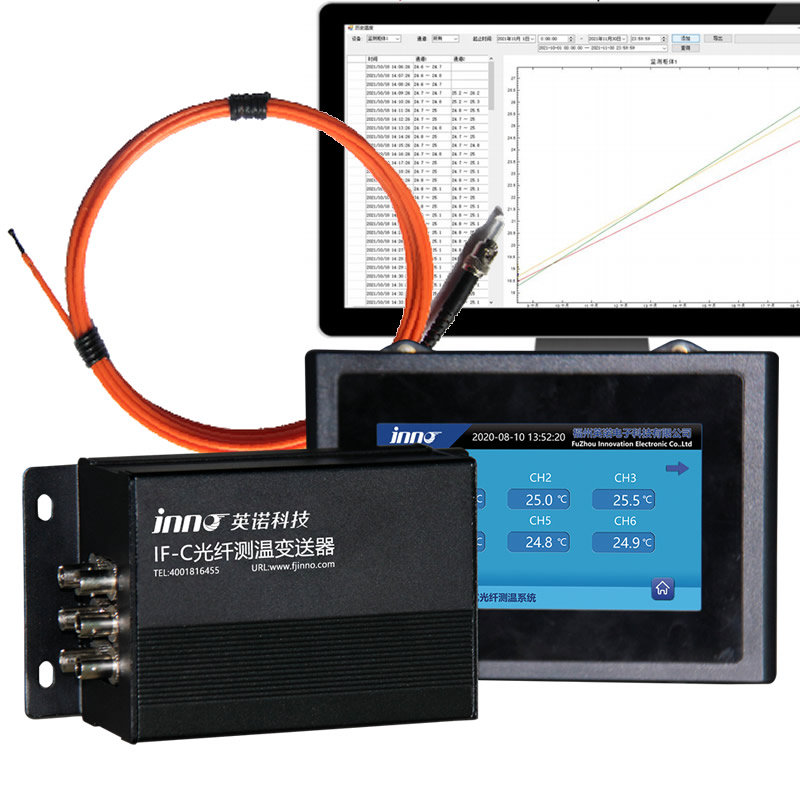
Malaki ang pagkakaiba ng diskarte sa pagsubaybay sa temperatura sa pagitan ng dry-type at oil-immersed na mga transformer. Ang pag-unawa sa mga pagkakaibang ito ay nakakatulong sa mga inhinyero na piliin ang tamang sistema para sa bawat aplikasyon.
| Parameter | Dry-Type Transformer | Oil-Immersed Transformer |
|---|---|---|
| Cooling Medium | Hangin (AN / NG) | Mineral na langis o ester fluid |
| Pangunahing Mga Puntos sa Pagsubaybay | Winding surface, core, ambient | Nangungunang langis, ilalim ng langis, winding hot-spot, core |
| Max Winding Temperature (Normal) | Klase F: 155°C / Class H: 180°C | Hot-spot: 98°C (normal) – 140°C (emergency) |
| Pinakamataas na Temperatura ng Langis | N/A | Karaniwang 95°C (IEC 60076-7) |
| Primary Sensor Type | PT100 RTD or fiber optic on winding surface | Fiber optic embedded in winding; RTD for oil |
| Standard Controller | Dry-type transformer temperature controller | WTI + OTI combination unit |
| Cooling Fan Control | Forced air fan stages | ONAN / ON OFF / OFAF cooling stages |
| Typical Alarm Setting | Klase F: 130°C / Class H: 155°C | Winding alarm: 110–120°C; Oil alarm: 80–85°C |
| Typical Trip Setting | Klase F: 155°C / Class H: 180°C | Winding trip: 140–160°C; Oil trip: 95–100°C |
| Installation Environment | Indoor substations, mga gusali | Outdoor substations, mga planta ng kuryente |
How to Choose a Transformer Temperature Monitoring System
Selecting the right transformer temperature monitoring system requires evaluating transformer type, klase ng boltahe, kritikal na aplikasyon, at mga kinakailangan sa pagsasama. Sundin ang step-by-step na gabay na ito para gawin ang pinakamainam na pagpili.
Hakbang 1: Identify the Transformer Type and Cooling Class
Determine whether your transformer is dry-type (AN/AF) or oil-immersed (ONAN/ONAF/OFAF/ODAF). Tinutukoy ng klase ng paglamig kung aling mga punto ng temperatura ang dapat subaybayan at kung anong mga uri ng sensor ang naaangkop. Ang mga dry-type na transformer ay pangunahing nangangailangan ng paikot-ikot na ibabaw at ambient monitoring, habang hinihingi ng mga oil-immersed unit ang komprehensibong winding hot-spot, nangungunang langis, ilalim ng langis, at pangunahing pagsubaybay.
Hakbang 2: Tukuyin ang Klase ng Boltahe at Mga Kinakailangan sa EMI
Para sa katamtamang boltahe (1–36 kV) and high voltage (>36 kV) mga transformer, electromagnetic interference (EMI) ay isang kritikal na alalahanin. Sa mga kapaligirang ito, Ang mga fluorescent fiber optic sensor ay ang inirerekomendang pagpipilian dahil sila ay ganap na dielectric, immune sa mataas na electric at magnetic field, at magbigay ng galvanic isolation sa pagitan ng transformer winding at ng monitoring system.
Hakbang 3: Tukuyin ang Bilang ng Mga Puntos sa Pagsubaybay
Tayahin kung gaano karaming mga punto ng temperatura ang kailangang subaybayan nang sabay-sabay. Karaniwang kasama ang isang minimum na configuration: (1) winding hot-spot, (2) pinakamataas na temperatura ng langis, at (3) temperatura ng kapaligiran. Ang mga advanced na system ay nagdaragdag ng ilalim ng langis, core, at maramihang paikot-ikot na mga sukat ng channel. Multi-channel fiber optic systems can support 4–16 measurement points from a single controller unit.
Hakbang 4: Evaluate Alarm, Trip, and Cooling Control Requirements
Define the required protection outputs: alarm relays, trip relays, and cooling fan/pump control stages. Confirm whether the system must comply with IEC 60076-7 or IEEE C57.91 thermal models for hot-spot calculation and life expectancy assessment.
Hakbang 5: Assess Communication and SCADA Integration Needs
Determine if the monitoring system must interface with a SCADA, DCS, or substation automation system. Common communication protocols include Modbus RTU/TCP, IEC 61850 GOOSE/MMS, DNP3, and 4-20mA analog outputs. Ensure the selected system supports your existing infrastructure.
Hakbang 6: Consider Installation Method — Factory-Installed or Retrofit
Fiber optic sensors can be embedded in transformer windings during factory manufacturing for the highest accuracy (direct hot-spot measurement). For existing transformers in service, external or retrofit sensor options are available, though typically measuring surface or oil temperatures rather than direct winding hot-spots.
Hakbang 7: Verify Standards Compliance and Certifications
Confirm the system meets relevant standards: IEC 60076 serye (mga transformer ng kuryente), IEC 61850 (substation communication), CE marking for European markets, and local utility grid codes. Request calibration certificates and MTBF data from the manufacturer.
Pagsubaybay sa Temperatura ng Transformer: Mga Karaniwang Problema at Solusyon
When a transformer temperature alarm activates or readings appear abnormal, rapid diagnosis is essential to prevent equipment damage. Ang sumusunod na gabay ay sumasaklaw sa mga pinakakaraniwang problemang nararanasan sa mga sistema ng pagsubaybay sa temperatura ng transpormer at ang kanilang mga inirerekomendang pagkilos sa pagwawasto.
Problema 1: Ang Alarm sa Temperatura ng Paikot-ikot ay Nag-a-activate Sa ilalim ng Normal na Pagkarga
Mga Posibleng Dahilan:
- Naka-block o nabigo ang mga cooling fan — tingnan ang operasyon ng fan at mga daanan ng airflow
- Ang mga palikpik ng nagpapalamig na radiator ay barado ng dumi o mga labi — malinis na ibabaw ng radiator
- Ang temperatura ng kapaligiran ay mas mataas kaysa sa na-rate na halaga ng disenyo
- Transformer na gumagana sa sustained overload — i-verify ang load current laban sa nameplate rating
- Internal winding fault o inter-turn short circuit — nangangailangan ng dissolved gas analysis (DGA)
Inirerekomendang Pagkilos: Suriin muna ang pagpapatakbo ng cooling system. Kung gumagana ang paglamig at nasa loob ng rating ang pagkarga, magsagawa ng mga pagsubok sa paglaban sa DGA at pagkakabukod upang maalis ang mga panloob na pagkakamali.
Problema 2: Hindi Normal na Mataas o Mababa ang Pagbabasa ng Temperature Sensor (Suspect Sensor Fault)
Mga Posibleng Dahilan:
- RTD bukas na circuit (tumalon sa maximum ang pagbabasa) o short circuit (nagbabasa ng minimum)
- Fiber optic probe contamination o pisikal na pinsala sa fiber cable
- Maluwag na koneksyon sa sensor terminal o controller input
- Nabigo ang module ng input ng controller
Inirerekomendang Pagkilos: Para sa mga RTD, sukatin ang paglaban sa mga terminal ng sensor gamit ang isang multimeter (Dapat basahin ng Pt100 ang ~100Ω sa 0°C, ~138.5Ω sa 100°C). Para sa mga fiber optic sensor, suriin ang optical power at gamitin ang self-diagnostic function ng controller. Palitan ang sensor o repair cable kung kinakailangan.
Problema 3: Ang Pagbabasa ng Temperatura ay Matatag Ngunit Hindi Tumpak (Pag-calibrate Drift)
Mga Posibleng Dahilan:
- RTD calibration drift pagkatapos ng mga taon ng serbisyo sa mataas na temperatura
- Thermocouple reference junction compensation error
- Maling setting ng koepisyent ng temperatura sa controller
Inirerekomendang Pagkilos: Ihambing ang mga pagbabasa ng sensor laban sa isang naka-calibrate na reference na thermometer na inilagay sa parehong lokasyon. I-recalibrate o palitan ang sensor. Ang mga fluorescent fiber optic sensor ay karaniwang immune sa pagkakalibrate drift dahil sa kanilang prinsipyo sa pagsukat.
Problema 4: Pasulput-sulpot na Maling Alarm
Mga Posibleng Dahilan:
- Electrical noise sa mga sensor cable na nagdudulot ng mga signal spike (karaniwan sa mga RTD sa mga high-voltage na kapaligiran)
- Maluwag na koneksyon sa terminal na nagiging sanhi ng panandaliang bukas na mga circuit
- Paputol-putol na contact na dulot ng vibration
- Ang setpoint ng alarm ay masyadong malapit sa normal na temperatura ng pagpapatakbo
Inirerekomendang Pagkilos: Siyasatin at higpitan ang lahat ng koneksyon sa terminal. Palitan ang mga unshielded sensor cable ng may shielded twisted-pair na mga cable na naka-ruta palayo sa mga power conductor. Suriin at isaayos ang mga setpoint ng alarma na may sapat na margin sa itaas ng normal na peak operating temperature. Isaalang-alang ang pag-upgrade sa mga fiber optic sensor sa mga high-EMI na kapaligiran.
Problema 5: Ang Cooling Fan ay Hindi Nagsisimula sa Itinakda na Threshold ng Temperatura
Mga Posibleng Dahilan:
- Ang control relay ng fan sa temperature controller ay sira
- Mga wiring fault sa pagitan ng controller relay output at fan contactor
- Fan motor o contactor failure
- Maling fan activation setpoint na na-program sa controller
Inirerekomendang Pagkilos: Subukan ang output ng controller relay gamit ang isang multimeter sa continuity mode habang manu-manong ginagaya ang isang overtemperature na kondisyon. I-verify ang pagpapatuloy ng mga kable sa contactor ng fan. Subukan ang fan nang nakapag-iisa sa pamamagitan ng paglalapat ng rate ng boltahe nang direkta sa mga terminal ng motor.
Problema 6: Mga Pagbabasa sa Nangungunang Temperatura ng Langis at Paikot-ikot na Temperatura ay Hindi pare-pareho
Mga Posibleng Dahilan:
- Winding temperature indicator (WTI) Mali ang pagkaka-calibrate ng thermal image heater circuit
- Pagkabigo sa sirkulasyon ng langis (pump fault sa OFAF/ODAF cooling system)
- Temperatura stratification sa loob ng tangke ng langis sa ilalim ng mababang-load na mga kondisyon
Inirerekomendang Pagkilos: Verify WTI heater current calibration against the thermal image model. Check oil circulation pump operation. Para sa mga kritikal na transformer, install direct fiber optic winding sensors to eliminate dependence on the thermal image calculation model.
Relevant International Standards for Transformer Temperature Monitoring
Transformer temperature monitoring systems must comply with international standards that define permissible temperature limits, mga paraan ng pagsukat, and protection requirements. The following standards are most widely referenced in the industry.
IEC 60076-7: Power Transformers — Loading Guide for Oil-Immersed Power Transformers
This standard defines the thermal model for oil-immersed transformers, including hot-spot temperature calculation methods, permissible temperature limits under normal and emergency loading, and the relationship between operating temperature and insulation life expectancy. Key limits specified include a maximum top oil temperature of 95°C and a maximum hot-spot temperature of 98°C for normal continuous operation, with emergency limits up to 140°C for short durations.
IEC 60076-2: Power Transformers — Temperature Rise for Liquid-Immersed Transformers
Specifies the permissible temperature rise limits for liquid-immersed transformers under rated continuous load. The standard defines test methods for measuring winding temperature rise during factory acceptance testing and establishes the baseline thermal performance guaranteed by the transformer manufacturer.
IEC 60076-11: Power Transformers — Dry-Type Transformers
Defines thermal performance requirements for dry-type transformers, including temperature rise limits for different insulation classes (Class E: 120 K, Klase B: 130 K, Klase F: 155 K, Class H: 180 K) and requirements for temperature monitoring and protection systems.
IEEE C57.91: IEEE Guide for Loading Mineral-Oil-Immersed Transformers and Step-Voltage Regulators
The North American equivalent to IEC 60076-7, this guide provides thermal models, hot-spot calculation methods, aging acceleration factors, and loading guidelines for oil-immersed transformers. Widely referenced by utilities in North America for setting transformer protection and monitoring parameters.
IEC 61850: Communication Networks and Systems for Power Utility Automation
Defines the communication architecture, data models, and protocols (GANSA, MMS, Sampled Values) for substation automation, including transformer monitoring systems. Compliance with IEC 61850 is increasingly required for new monitoring systems integrated into digital substations.
IEC 60255: Measuring Relays and Protection Equipment
Covers the performance requirements for relays and protection equipment used in transformer temperature monitoring systems, including requirements for alarm and trip relay accuracy, oras ng pagtugon, and immunity to electrical disturbances.
Pagsubaybay sa Temperatura ng Transformer: Mga Real-World Application Cases

Pag-aaral ng Kaso 1: 220kV Power Grid Substation — Prevention of Catastrophic Failure
Background ng Application: A 220kV main power transformer at a regional grid substation had been in service for 14 taon. The asset management team required real-time winding hot-spot monitoring to support a dynamic loading program and extend transformer service life.
Naipatupad ang Solusyon: FJINNO fluorescent fiber optic temperature sensors were installed at four winding positions (mataas na boltahe, mababang boltahe, tap winding, and core). The system integrated with the existing SCADA platform via Modbus TCP.
Mga Resultang Nakamit: During a summer peak demand period, the monitoring system detected a winding hot-spot temperature of 127°C — exceeding the pre-set alarm threshold of 120°C — while the oil temperature indicator showed only 82°C. The discrepancy identified a partial cooling system blockage. Immediate maintenance intervention prevented a forced outage that would have impacted over 50,000 end users. The transformer remained in service with corrected cooling, avoiding an estimated replacement cost of USD 2.1 milyon.
Pag-aaral ng Kaso 2: Wind Farm Collection Transformer — Remote Site Monitoring
Background ng Application: A 50MW onshore wind farm used multiple 35kV step-up transformers located at the base of individual wind turbines. The remote, unmanned site made manual temperature inspection impractical and costly.
Naipatupad ang Solusyon: Compact multi-channel fiber optic temperature monitoring units were installed in each turbine transformer. Temperature data was transmitted via the wind farm SCADA network to the central control room, with automated SMS and email alarm notifications for any temperature threshold violations.
Mga Resultang Nakamit: Over a 3-year monitoring period, the system identified two cases of transformer thermal anomalies caused by cooling duct blockages due to insect nesting — a common issue in rural locations. Both were detected and resolved during planned maintenance visits triggered by temperature trend alerts, with zero unplanned outages attributed to transformer overheating.
Pag-aaral ng Kaso 3: Urban Data Center — Dry-Type Transformer Monitoring
Background ng Application: A Tier III data center required continuous temperature monitoring for twelve 1600 kVA dry-type na mga transformer na nagbibigay ng kritikal na IT load. Kinakailangan ang SLA ng data center 99.999% uptime, ginagawang hindi katanggap-tanggap ang anumang pagkabigo ng transpormer.
Naipatupad ang Solusyon: Ang pagsubaybay sa temperatura ng fiber optic na may multi-point winding at mga core sensor ay na-install sa lahat ng labindalawang mga transformer. Ang monitoring platform na isinama sa DCIM ng data center (Pamamahala ng Imprastraktura ng Data Center) sistema, pagbibigay ng mga real-time na thermal dashboard at predictive load management na mga rekomendasyon.
Mga Resultang Nakamit: Pinagana ng pinagsamang data ng temperatura at pagkarga ang dynamic na pagbabalanse ng pagkarga sa pagitan ng mga unit ng transformer, binabawasan ang peak winding temperature sa average na 12°C sa panahon ng high-demand. Sa loob ng apat na taon ng operasyon, walang naganap na pagkawalang kaugnay ng transformer, at insulation aging analysis projected a 30% extension sa inaasahang buhay ng serbisyo ng transpormer kumpara sa nakaraang hindi nasubaybayang pag-install.
Mga Madalas Itanong: Pagsubaybay sa Temperatura ng Transformer
What is the normal operating temperature of a transformer?
The normal operating temperature depends on transformer type and insulation class. Para sa oil-immersed power transformers, the normal top oil temperature is below 95°C and the winding hot-spot temperature is below 98°C under rated continuous load at 40°C ambient (bawat IEC 60076-7). Para sa dry-type na mga transformer, normal winding surface temperatures depend on insulation class: Class F transformers operate up to 155°C, while Class H units operate up to 180°C. Temperatures significantly below these limits at rated load indicate efficient cooling; temperatures approaching these limits under partial load indicate a potential problem.
What is the difference between WTI and OTI in a transformer?
WTI (Winding Temperature Indicator) and OTI (Tagapahiwatig ng Temperatura ng Langis) are two distinct instruments used in oil-immersed transformer protection. The OTI measures the actual physical top oil temperature using a direct sensor (typically a Pt100 RTD) immersed in the transformer oil. The WTI, sa kabaligtaran, simulates the estimated winding hot-spot temperature — it takes the top oil temperature as a base and adds a calculated temperature differential proportional to the load current using an internal heater circuit. Modern transformers with direct fiber optic winding sensors replace the WTI’s simulation method with actual measured hot-spot temperature, providing significantly higher accuracy.
What causes a transformer to overheat?
The most common causes of transformer overheating include: (1) sustained operation above rated load — exceeding the nameplate MVA rating causes excess heat generation in windings and core; (2) pagkabigo ng sistema ng paglamig - mga naka-block na radiator, nabigo ang mga cooling fan, o malfunctioning oil circulation pumps binabawasan ang pag-aalis ng init; (3) mataas na temperatura sa paligid — gumagana sa mga kapaligiran na mas mainit kaysa sa na-rate na temperatura ng kapaligiran ng transformer (karaniwang 40°C maximum) binabawasan ang epektibong kapasidad ng paglamig; (4) internal faults — inter-turn short circuits, mga pangunahing pagkakamali ng paglalamina, o nagpapalipat-lipat na mga alon ay lumilikha ng lokal na sobrang init; at (5) harmonic distortion — ang mataas na harmonic content sa load current ay nagpapataas ng eddy current loss at nakakabuo ng karagdagang init sa windings at structural components.
Ano ang pinakamataas na temperatura ng langis ng transpormer?
Ayon sa IEC 60076-7, ang maximum na pinahihintulutang pinakamataas na temperatura ng langis para sa mineral oil-immersed power transformer ay 95°C sa ilalim ng tuloy-tuloy na na-rate na pagkarga. Para sa mga kondisyong pang-emergency na labis na karga na may maximum na tagal ng karaniwang 30 minuto hanggang ilang oras, ang pinakamataas na temperatura ng langis ay maaaring pansamantalang umabot sa 105°C, kahit na ito ay nagpapabilis ng pagkasira ng langis at pagtanda ng pagkakabukod. Ang temperatura sa ilalim ng langis sa ilalim ng normal na mga kondisyon ay karaniwang 20–30°C na mas mababa kaysa sa pinakamataas na temperatura ng langis, sumasalamin sa thermal gradient sa loob ng column ng langis.
Maaari bang mai-install ang mga sensor ng temperatura ng fiber optic sa mga kasalukuyang transformer (pagsasaayos)?
Oo, ang mga sensor ng temperatura ng fiber optic ay maaaring i-retrofit sa mga kasalukuyang in-service na mga transformer, kahit na may ilang mga limitasyon. For oil-immersed transformers, maaaring i-install ang mga probes sa pamamagitan ng mga kasalukuyang sensor port o bagong drilled access point sa tangke ng transpormer, umaabot sa langis malapit sa paikot-ikot na mga ibabaw. Gayunpaman, ang tunay na direktang paikot-ikot na pagsukat ng hot-spot sa pamamagitan ng pag-embed ng mga sensor sa loob ng mga winding conductor ay makakamit lamang sa panahon ng pagmamanupaktura ng pabrika o sa panahon ng isang malaking rewind. Para sa dry-type na mga transformer, Ang mga fiber optic na probe na naka-mount sa ibabaw ay maaaring direktang ikabit sa mga naa-access na paikot-ikot na ibabaw o mga pangunahing istruktura sa panahon ng nakaplanong pagsasara ng pagpapanatili. Ang mga pag-install ng Retrofit ay nagbibigay ng makabuluhang pinahusay na pagsubaybay kumpara sa mga tradisyonal na pamamaraan ng simulation ng WTI.
How often should transformer temperature sensors be calibrated?
Ang dalas ng pagkakalibrate ay depende sa teknolohiya ng sensor. Mga sensor ng RTD (Pt100/Pt1000) dapat i-calibrate bawat 1–3 taon depende sa operating temperature at mga rekomendasyon ng tagagawa, dahil maaari silang makaranas ng minor drift sa paglipas ng panahon, lalo na pagkatapos ng matagal na operasyon na may mataas na temperatura. Ang mga sensor ng thermocouple ay karaniwang nangangailangan ng taunang pag-calibrate o mas madalas na mga pagsusuri dahil sa mas mataas na pagkamaramdamin sa drift.. Mga fluorescent fiber optic sensor, sa kabaligtaran, gumana sa isang prinsipyo ng pagsukat ng photophysical na likas na matatag at hindi nangangailangan ng pana-panahong pag-calibrate sa field — ang factory calibration ng manufacturer ay nananatiling wasto para sa buong buhay ng serbisyo ng sensor, na karaniwang 15–25 taon.
Ano ang pagtaas ng temperatura ng transpormer at paano ito sinusukat?
Ang pagtaas ng temperatura ng transformer ay ang pagkakaiba sa pagitan ng panloob na temperatura ng transpormer (paikot-ikot o langis) at ang nakapaligid na temperatura, sinusukat sa ilalim ng tinukoy na mga kondisyon ng pagkarga sa thermal equilibrium. Ito ay isang pangunahing parameter ng disenyo na tumutukoy sa thermal performance ng transpormer. Ang pagtaas ng temperatura ay sinusukat sa panahon ng mga pagsubok sa pagtanggap ng pabrika sa pamamagitan ng pagpapatakbo ng transpormer sa rated load hanggang sa maging matatag ang temperatura, pagkatapos ay pagsukat ng winding resistance (upang kalkulahin ang ibig sabihin ng paikot-ikot na pagtaas ng temperatura) at pinakamataas na temperatura ng langis. IEC 60076-2 tumutukoy sa pinapayagang mga limitasyon sa pagtaas ng temperatura: for oil-immersed transformers, ang ibig sabihin ng paikot-ikot na limitasyon sa pagtaas ng temperatura ay karaniwang 65 K at pinakamataas na limitasyon ng pagtaas ng langis ay 60 K (sa itaas ng 40°C ambient baseline).
Ano ang mangyayari sa isang transpormer kung ang temperatura ay lumampas sa limitasyon?
Ang paglampas sa mga limitasyon ng temperatura ay nagdudulot ng dalawang kategorya ng pinsala: kagyat at pinagsama-sama. Para sa agarang pinsala, napakataas na temperatura (higit sa 140–160°C para sa mga transformer na nababad sa langis) maaaring maging sanhi ng mabilis na pagkasira ng pagkakabukod, oil pyrolysis, pagbuo ng gas, at potensyal na sakuna na pagkabigo na may pagkasira ng tangke o sunog. Ang pinagsama-samang pinsala ay nagreresulta mula sa pagpapatakbo sa itaas ng na-rate na temperatura para sa mga pinalawig na panahon — para sa bawat 6–8°C na pagtaas sa temperatura ng disenyo, humigit-kumulang doble ang rate ng pagtanda ng pagkakabukod (ang “6-degree rule” bawat IEEE C57.91), cutting transformer service life in proportion to the excess temperature exposure. A transformer rated for 30 years of service at design temperature may fail in under 10 years if chronically operated at temperatures 15°C above its rated limit.
What communication protocols do transformer temperature monitoring systems support?
Modern transformer temperature monitoring systems typically support multiple communication protocols to enable integration with different SCADA, DCS, at mga substation automation platform. The most widely supported protocols include: Modbus RTU (RS-485) and Modbus TCP/IP for standard industrial automation integration; IEC 61850 MMS and GOOSE for digital substation applications; DNP3 for utility SCADA systems common in North America; IEC 60870-5-101/104 for transmission and distribution SCADA; and 4–20mA analog outputs for legacy DCS integration. Ang mga advanced na system ay nagbibigay din ng mga interface ng SNMP o OPC-UA para sa mga application ng convergence ng IT-OT gaya ng pamamahala sa imprastraktura ng data center.
Gaano karaming mga punto ng pagsukat ng temperatura ang kailangan ng isang transpormer?
Ang pinakamababang inirerekomendang bilang ng mga punto ng pagsukat ay depende sa laki at pagiging kritikal ng transpormer. Para sa maliliit na mga transformer ng pamamahagi (<1 MVA), karaniwang sapat na ang isang pinakamataas na sensor ng temperatura ng langis na sinamahan ng isang WTI controller. Para sa mga medium power transformer (1–10 MVA), hindi bababa sa tatlong puntos ang inirerekomenda: nangungunang langis, winding hot-spot (direkta o kunwa), at temperatura ng kapaligiran. Para sa malalaking power transformer (>10 MVA) at mga kritikal na transpormer ng transmisyon, Ang komprehensibong pagsubaybay na sumasaklaw sa 6–12 puntos ay pamantayan: maramihang paikot-ikot na mga posisyon ng hot-spot (HV winding, LV paikot-ikot, tap winding), nangungunang langis, ilalim ng langis, core, at temperatura ng kapaligiran. Sa mga programa sa pamamahala ng fleet ng transpormer, ang bilang ng mga monitoring point ay tinutukoy din ng mga kinakailangan sa seguro at mga pamantayan sa pagpapanatili ng utility.
What is the difference between transformer thermal protection and temperature monitoring?
Temperature monitoring refers to the continuous measurement, display, logging, and analysis of transformer temperature data for operational awareness and maintenance planning purposes. Thermal protection refers specifically to the automatic actions triggered when temperature thresholds are exceeded — such as activating cooling equipment, issuing alarms to operators, or tripping the transformer offline to prevent damage. In modern systems, these functions are integrated: the same sensor and controller platform performs both continuous monitoring and protective tripping. Gayunpaman, in protection system design, thermal protection relay settings are subject to more stringent testing and coordination requirements than the monitoring data logging functions, and may be implemented in separate, dedicated protection relays to ensure reliability independent of the monitoring system.

Sensor ng temperatura ng fiber optic, Intelligent na sistema ng pagsubaybay, Ibinahagi ang tagagawa ng fiber optic sa China
|
 |
 |