 INNO fiber optic na mga sensor ng temperatura ,mga sistema ng pagsubaybay sa temperatura.
- Fiber optic temperature monitoring systems provide ±1°C accuracy with direct contact measurement, eliminating emissivity errors that plague infrared detection methods
- Fluorescence-based fiber sensors offer complete electromagnetic immunity, making them ideal for high-voltage transformer environments where infrared devices suffer interference
- tuloy-tuloy 24/7 online monitoring through fiber optic systems detects developing thermal faults weeks before periodic infrared inspections could identify them
- Fiber optic sensors access internal transformer components including winding hot spots and oil temperatures that remain invisible to external infrared cameras
- Multi-point fiber optic configurations support 1-64 simultaneous measurement channels, enabling comprehensive thermal mapping across transformer windings and oil circuits
- Fiber optic technology delivers 25+ year service life without calibration requirements, while infrared equipment needs annual recalibration and maintenance
- All-dielectric fiber construction withstands voltage exposures exceeding 100kV, ensuring safe operation in proximity to energized transformer components
- Real-time fiber optic monitoring systems integrate seamlessly with SCADA networks through RS485 interfaces for centralized fault detection and predictive maintenance
- Infrared thermography serves as a valuable complementary technology for external surface surveys but cannot replace embedded fiber optic sensing for critical measurements
- Professional manufacturers like FJINNO deliver complete fluorescence fiber monitoring solutions with proven reliability in demanding power system applications since 2011
1. Why Does Accurate Temperature Monitoring Matter for Transformer Reliability?

Thermal Stress bilang Pangunahing Dahilan ng mga Pagkabigo ng Transformer
Kinakatawan ng pagtaas ng temperatura ang pinaka kritikal na salik na nakakaapekto transpormador paikot-ikot na pagkakabukod pagkasira at tagal ng pagpapatakbo. Ipinakikita ng pananaliksik na ang bawat 8-10°C na pagtaas sa operating temperature ay nagpapalahati sa inaasahang buhay ng serbisyo ng cellulose insulation materials. Winding temperature monitoring system magbigay ng mahahalagang data para maiwasan ang mga thermal runaway na kondisyon na humahantong sa mga sakuna na pagkabigo.
Labis na pagbuo ng init sa mga windings ng transpormer nagmumula sa maraming pinagmumulan kabilang ang mga resistive na pagkalugi sa mga konduktor, eddy kasalukuyang pag-init, and localized hot spots caused by circulating currents or poor cooling circulation. Without accurate mga sistema ng pagsukat ng temperatura, these thermal anomalies progress undetected until insulation breakdown occurs. Propesyonal mga solusyon sa pagsubaybay sa fiber optic mula sa mga tagagawa tulad ng FJINNO enable early detection of developing thermal problems.
Oil Temperature Management and Insulation Protection
Transformer oil temperature serves dual functions as both cooling medium and electrical insulation. Elevated oil temperatures accelerate oxidation processes, producing acidic compounds that attack cellulose insulation and metallic components. Oil temperature monitoring provides critical data for assessing cooling system performance and identifying circulation problems.
Hot Spot Temperature and Insulation Aging
The hottest point within mga windings ng transpormer, typically located in upper disk sections where cooling is least effective, tinutukoy ang insulation aging rate. Mga internasyonal na pamantayan kabilang ang IEEE C57.91 at IEC 60076-7 kilalanin ang hot spot temperature bilang pangunahing parameter para sa mga kalkulasyon ng pag-load ng transpormer at mga pagtatasa ng pag-asa sa buhay. tumpak hot spot monitoring nangangailangan ng direktang pagsukat sa pamamagitan ng mga naka-embed na sensor sa halip na hindi direktang pamamaraan ng pagkalkula.
Mga Pamantayan sa Regulatoryo at Mga Kinakailangan sa Pagiging Maaasahan ng Grid
Ang mga modernong operator ng sistema ng kuryente ay nangangailangan ng komprehensibo pagsubaybay sa transpormer upang matiyak ang katatagan ng grid at mabawasan ang hindi planadong mga pagkawala. Ang mga balangkas ng regulasyon ay lalong nag-uutos online na mga sistema ng pagsubaybay sa temperatura para sa mga kritikal na transpormer ng transmisyon. Ang pagpili sa pagitan ng fiber optic at mga teknolohiya ng pagsubaybay sa infrared makabuluhang nakakaapekto sa kakayahan sa pagsunod at pagiging maaasahan ng pagpapatakbo.
2. What Are the Fundamental Principles Behind Fiber Optic Temperature Sensing Technology?

Fluorescence-Based Temperature Measurement Physics
Fluorescence fiber optic na mga sensor ng temperatura utilize rare-earth phosphor materials exhibiting temperature-dependent luminescence decay characteristics. When excited by a brief optical pulse, these phosphor compounds emit fluorescence that decays exponentially with a time constant directly related to absolute temperature. This measurement principle operates independently of light intensity, pagkawala ng hibla, o mga pagkakaiba-iba ng connector.
Ang fiber optic demodulator transmits excitation light pulses through the fluorescence fiber cable to the sensor probe, captures returning fluorescence emissions, and precisely measures decay time using high-speed photodetectors and digital signal processing. Advanced algorithms extract accurate temperature values across the full -40°C to 260°C operating range with ±1°C precision.
Point-Type Sensor Configuration and Specifications
Mga sensor ng fluorescence fiber gumamit ng mga point-type na configuration na nagpapagana ng tumpak na localized na pagsukat ng temperatura sa mga partikular na kritikal na lokasyon sa loob mga windings ng transpormer at mga circuit ng langis. Kabilang sa mga pangunahing teknikal na pagtutukoy:
| Parameter | Pagtutukoy | Advantage |
|---|---|---|
| Katumpakan ng Pagsukat | ±1°C | Tinatanggal ang kawalan ng katiyakan ng emissivity |
| Saklaw ng Temperatura | -40°C hanggang 260°C | Sinasaklaw ang lahat ng kondisyon ng pagpapatakbo ng transpormer |
| Oras ng Pagtugon | <1 pangalawa | Kinukuha ang mga lumilipas na thermal na kaganapan |
| Diameter ng Probe | 2-3mm | Minimally invasive na pag-install |
| Haba ng hibla | 0-80 metro | Flexible na pagruruta ng pag-install |
| Lakas ng Dielectric | >100kV | Ligtas na operasyon sa mga kapaligiran ng HV |
| Buhay ng Serbisyo | >25 taon | Tumutugma sa buhay ng pagpapatakbo ng transpormer |
Arkitektura ng Multi-Channel Monitoring System
Mga sistema ng pagsubaybay sa temperatura ng fiber optic sumusuporta sa mga nasusukat na multi-channel na configuration na matulungin 1 sa 64 indibidwal mga channel ng sensor mula sa isang solong yunit ng demodulator. Ang mga diskarte sa multiplexing ng time-division o wavelength-division multiplexing ay nagbibigay-daan sa sunud-sunod na interogasyon ng maraming sensor, pagbibigay ng komprehensibo thermal mapping sa kabila mga windings ng transpormer, mga circuit ng langis, at mga sistema ng paglamig.
Mga Kakayahang Komunikasyon at Pagsasama
Moderno kagamitan sa pagmamanman ng fiber optic isinasama ang RS485 na mga interface ng komunikasyon na sumusuporta sa Modbus protocol para sa pagsasama sa mga SCADA system at substation automation network. Pagsubaybay sa mga platform ng software magbigay ng real-time na visualization ng data, makasaysayang trending, automated alarming, at mga kakayahan sa malayuang pag-access. Mga propesyonal na sistema mula sa FJINNO isama ang mga komprehensibong software package na sumusuporta sa multi-site na pamamahala at predictive analytics.
3. How Does Infrared Temperature Measurement Technology Work in Transformer Applications?
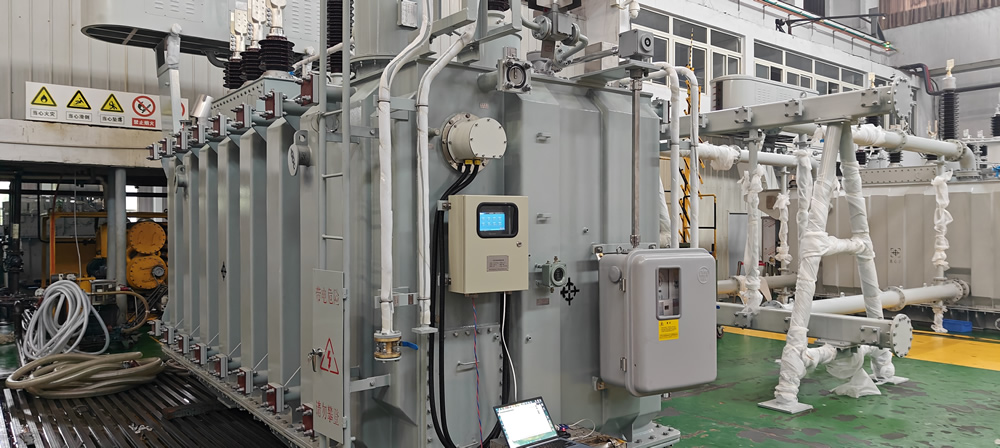
Mga Prinsipyo ng Thermal Radiation Detection
Pagsukat ng temperatura ng infrared gumagana sa prinsipyo na ang lahat ng mga bagay ay naglalabas ng electromagnetic radiation na proporsyonal sa kanilang ganap na temperatura ayon sa batas ng Stefan-Boltzmann. Mga aparatong infrared thermography detect this thermal radiation using semiconductor sensors sensitive to wavelengths in the 8-14 micrometer range, converting radiant energy into temperature readings.
The fundamental challenge with pagsukat ng infrared lies in the emissivity factor—the ratio of radiation emitted by a real surface compared to an ideal blackbody at the same temperature. Different materials exhibit varying emissivity values, and incorrect emissivity settings introduce significant measurement errors. Transformer surfaces present particular challenges due to diverse materials including painted metal tanks, porcelain insulators, and oil-wetted surfaces.
Infrared Equipment Types for Transformer Monitoring
Three categories of infrared devices find application in transformer temperature assessment:
| Device Type | Aplikasyon | Mga Limitasyon |
|---|---|---|
| Handheld IR Thermometers | Periodic spot measurements | Mga single-point reading, manu-manong operasyon |
| Mga Thermal Imaging Camera | Mga komprehensibong survey sa ibabaw | Pana-panahong inspeksyon lamang, umaasa sa panahon |
| Nakapirming IR Monitoring System | Patuloy na panlabas na pagsubaybay | Mga temperatura sa ibabaw lamang, mataas na gastos |
Mga Teknikal na Parameter at Mga Katangian ng Pagganap
Karaniwan mga sistema ng infrared thermography para sa mga aplikasyon ng transpormer Ang tampok na temperatura ay mula -40°C hanggang 500°C, thermal sensitivity ng 0.05°C, at spatial na resolusyon na tinutukoy ng laki at optika ng array ng detector. Gayunpaman, naaabot ang katumpakan mula ±2°C hanggang ±5°C depende sa kawalan ng katiyakan ng emissivity, pagsipsip sa atmospera, at pagsukat ng distansya.
Mga Salik sa Kapaligiran na Nakakaapekto sa Mga Pagsukat ng Infrared
Pagtuklas ng temperatura ng infrared naghihirap mula sa maraming pinagmumulan ng panghihimasok sa kapaligiran kabilang ang pagmuni-muni ng solar radiation, pagsipsip ng singaw ng tubig sa atmospera, ulan at fog attenuation, at mga epekto ng temperatura sa paligid sa pagganap ng detector. Ang mga salik na ito ay nangangailangan ng maingat na timing at kundisyon ng pagsukat, nililimitahan ang praktikal na kakayahang magamit para sa tuluy-tuloy pagsubaybay sa transpormer.
4. Measurement Accuracy and Precision: Technical Performance Comparison Tables
Pangunahing Paghahambing ng Katumpakan
| Parameter ng Pagganap | Pagsubaybay sa Fiber Optic | Pagsukat ng Infrared |
|---|---|---|
| Prinsipyo ng Pagsukat | Direktang pakikipag-ugnayan, pagkabulok ng fluorescence | Hindi makipag-ugnayan, pagtuklas ng thermal radiation |
| Karaniwang Katumpakan | ±1°C | ±2°C hanggang ±5°C |
| Emissivity Dependency | wala (pagsukat ng contact) | Mataas (5-10% error mula sa emissivity) |
| Pag-uulit | ±0.5°C | ±1°C hanggang ±3°C |
| Pangmatagalang Katatagan | Walang drift over 25+ taon | Nangangailangan ng taunang muling pagkakalibrate |
| Oras ng Pagtugon | <1 pangalawa | 0.1 sa 1 pangalawa (nakadepende sa camera) |
Pagsusuri ng Mga Pinagmumulan ng Error sa Pagsukat
Mga sensor ng temperatura ng fiber optic alisin ang pangunahing pinagmumulan ng error na nakakaapekto mga sukat ng infrared. Ang prinsipyo ng pagsukat na nakabatay sa contact ng mga sensor ng fluorescence tinitiyak ang thermal equilibrium sa pagitan ng sensor probe at sinusukat na bahagi, pagbibigay ng tunay na pagbabasa ng temperatura na hindi nakasalalay sa mga katangian ng ibabaw.
| Pinagmulan ng Error | Epekto sa Fiber Optic | Epekto sa Infrared |
|---|---|---|
| Pagkakaiba-iba ng Surface Emissivity | Walang epekto | ± 5-10% error |
| Sinasalamin na Radiation | Walang epekto | ± 3-8% error |
| Pagsipsip sa Atmospera | Walang epekto | ±2-5% error (nakadepende sa distansya) |
| Mga Pagbabago sa Ambient Temperatura | Minimal (<0.2°C) | ±1-3°C (kailangan ng kompensasyon ng detector) |
| Anggulo ng Pagsukat | Walang epekto | Makabuluhan (nagbabago ang emissivity sa anggulo) |
Paikot-ikot na Katumpakan ng Pagtuklas ng Hot Spot
Para sa kritikal pagsubaybay sa paikot-ikot na transpormador mga aplikasyon, Ang katumpakan ng pagsukat ay direktang nakakaapekto sa mga desisyon sa pag-load at pagkalkula ng pag-asa sa buhay. Mga sensor ng fiber optic na naka-embed sa loob ng mga paikot-ikot na istruktura ay nagbibigay ng direktang pagbabasa ng temperatura ng hot spot na may katumpakan na ±1°C, habang mga sukat ng infrared maaari lamang tantyahin ang mga panloob na temperatura batay sa mga panlabas na pagbabasa sa ibabaw at thermal modeling.
Katumpakan ng Pagsukat ng Temperatura ng Langis
Pagsubaybay sa temperatura ng langis ng transpormer requires accuracy sufficient to detect gradual temperature increases indicating cooling system degradation or loading changes. Mga sensor ng fiber optic immersed directly in oil circuits measure precise temperatures at multiple elevations, enabling detection of stratification and circulation problems. Infrared thermography can only assess tank surface temperatures, which may differ significantly from internal oil temperatures depending on ambient conditions and tank insulation.
5. Electromagnetic Interference Immunity: Why Fiber Optics Excel in High-Voltage Environments
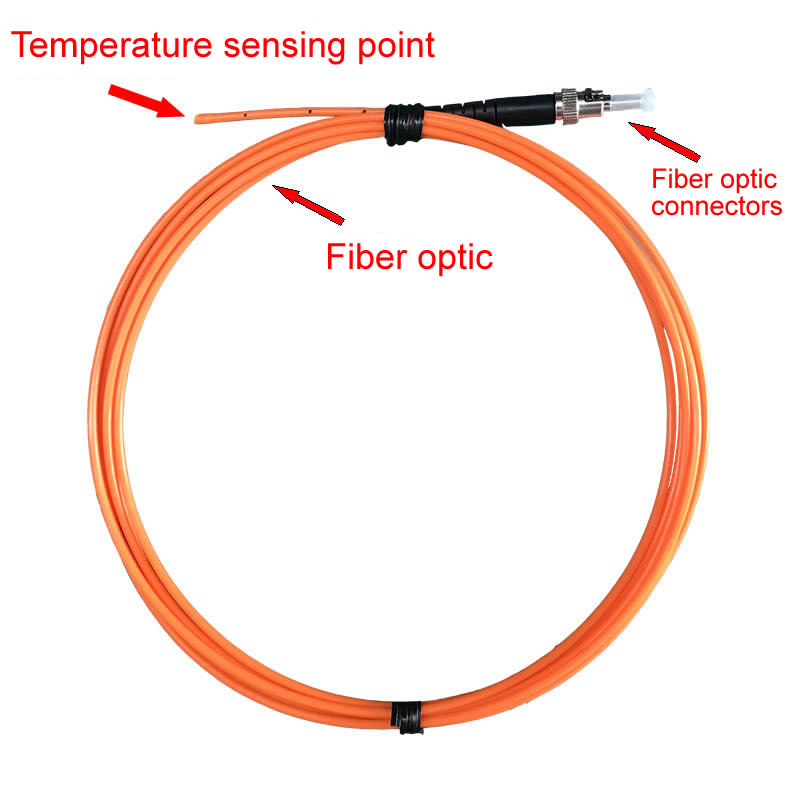
All-Dielectric Construction Advantages
The complete absence of metallic components in fluorescence fiber optic sensor assemblies provides inherent immunity to electromagnetic interference. Fiber optic cables transmit optical signals through glass or plastic waveguides, remaining unaffected by intense electric and magnetic fields surrounding power transpormer kagamitan.
| Interference Source | Fiber Optic Response | Infrared Device Response |
|---|---|---|
| Malakas na Electric Fields | Walang epekto | Potensyal na panghihimasok sa elektroniko |
| Mga Magnetic Field | Walang epekto | Minimal na epekto sa modernong kagamitan |
| Pagpapalit ng mga Transient | Walang epekto | Maaaring magdulot ng pansamantalang pagkagambala |
| Mga Kidlat | Walang epekto | Panganib ng pagkasira ng kagamitan |
| Potensyal na Pagtaas ng Lupa | Walang epekto (galvanic na paghihiwalay) | Potensyal na pinsala kung hindi wastong na-ground |
High-Voltage Insulation Performance
Mga sensor ng temperatura ng fiber optic makatiis sa mga exposure sa boltahe na lumalagpas sa 100kV nang walang pagkasira, pagpapagana ng direktang pag-mount sa energized mga bahagi ng transpormer. Ang mataas na dielectric strength na ito ay nagbibigay-daan sa paglalagay ng sensor sa pinakamainam na lokasyon ng pagsukat sa loob paikot-ikot na mga istraktura at mga circuit ng langis nang hindi lumilikha ng karagdagang panganib sa flashover o bahagyang pinagmumulan ng discharge.
Mga Pagsasaalang-alang sa Grounding at Kaligtasan
Ang galvanic isolation na ibinigay ng fiber optic system inaalis ang mga ground loop at mga isyu sa boltahe ng common-mode na nagpapalubha sa mga pag-install ng electrical sensor. Mga kagamitan sa pagsubaybay sa infrared requires careful grounding and surge protection, particularly for fixed installations near high-voltage equipment. Personnel safety during infrared inspections necessitates maintaining proper clearance distances and following live-line work procedures.
Substation Environment Reliability
Mga sistema ng pagsubaybay sa fiber optic demonstrate superior reliability in demanding substation environments characterized by electrical noise, weather extremes, and contamination. The optical measurement principle remains immune to electromagnetic coupling, capacitive coupling, and conductive interference paths affecting electronic equipment. FJINNO fiber optic monitoring solutions provide consistent performance across 110kV to 750kV voltage classes without special shielding or filtering requirements.
6. Monitoring Coverage and Accessibility: Internal vs External Temperature Detection
Internal Temperature Measurement Capabilities
Mga sensor ng fiber optic i-access ang mga lokasyon ng pagsukat na imposibleng maabot teknolohiya ng infrared. Naka-embed paikot-ikot na mga sensor ng temperatura nakaposisyon sa panahon ng paggawa ng transpormer o naka-install sa pamamagitan ng mga access port sa panahon ng mga retrofit ay nagbibigay ng mga direktang pagbabasa mula sa mga hot spot na lokasyon sa loob ng paikot-ikot na mga istraktura. Ang panloob na pag-access na ito ay kumakatawan sa isang pangunahing bentahe para sa tumpak thermal monitoring.
| Lokasyon ng Pagsukat | Access sa Fiber Optic | Infrared Access |
|---|---|---|
| Paikot-ikot na mga Hot Spot | Direktang naka-embed na pagsukat | Hindi ma-detect (panloob na lokasyon) |
| Temperatura ng Langis (Nangunguna) | Nakalubog na sensor, tumpak na pagbabasa | Tangke sa ibabaw ng tangke lamang |
| Temperatura ng Langis (Ibaba) | Direktang pagsukat sa anumang lalim | Hindi naa-access |
| Sa pagitan ng Winding Disks | Maramihang mga sensor sa iba't ibang elevation | Hindi ma-detect (panloob na lokasyon) |
| Mga Pangunahing Hot Spot | Paglalagay ng sensor sa mga kritikal na punto | Hindi ma-detect (protektado ng tangke) |
| Ibabaw ng tangke | Mga panlabas na sensor kung kinakailangan | Pangunahing kakayahan sa pagsukat |
Multi-Point Temperature Distribution Mapping
Comprehensive pagsubaybay sa thermal ng transpormer nangangailangan ng sabay-sabay na pagsukat sa maraming lokasyon upang matukoy ang mga gradient ng temperatura at mga pattern ng sirkulasyon. Mga sistema ng pagsubaybay sa fiber optic pagsuporta hanggang sa 64 pinapagana ng mga channel ang malawak na hanay ng sensor sa kabuuan paikot-ikot na mga istraktura at mga circuit ng langis. Ang multi-point na kakayahan na ito ay nagpapakita ng pagbuo ng mga problema sa pamamagitan ng pattern analysis sa halip na umasa sa single-point measurements.
Mga Blind Spot at Mga Limitasyon sa Saklaw
Infrared thermography maaari lamang masuri ang mga surface na nakikita ng camera, paglikha ng makabuluhang blind spot para sa pagsubaybay sa transpormer. Mga panloob na sangkap, temperatura ng langis sa ilalim ng ibabaw ng tangke, at mga lugar na natatakpan ng mga radiator, piping, o mga elemento ng istruktura ay nananatiling hindi naa-access. Mga sensor ng fiber optic alisin ang mga blind spot na ito sa pamamagitan ng madiskarteng paglalagay sa mga kritikal na punto ng pagsukat anuman ang visibility.
Pagsusuri sa Pagganap ng Cooling System
Epektibo pagsubaybay sa sistema ng paglamig ng transpormer nangangailangan ng pagsukat ng temperatura sa mga punto ng pumapasok at labasan ng langis, sa mga bangko ng radiator, at sa iba't ibang taas ng tangke. Fiber optic sensor arrays mapa ang mga pattern ng sirkulasyon ng langis, tuklasin ang mga naka-block na cooling passage, at tukuyin ang mga bagsak na bomba o fan sa pamamagitan ng pagsusuri sa pamamahagi ng temperatura. Mga infrared na survey magbigay ng limitadong pagtatasa ng sistema ng paglamig sa pamamagitan ng mga pattern ng temperatura ng panlabas na radiator ngunit hindi ma-access ang mga panloob na temperatura ng circuit ng langis.
7. Real-Time Continuous Monitoring vs Periodic Inspection: Operational Reliability Comparison
Mga Pakinabang sa Patuloy na Pagkuha ng Data
Mga sistema ng pagsubaybay sa temperatura ng fiber optic magbigay 24/7 tuluy-tuloy na mga stream ng data na nagpapagana ng real-time na thermal surveillance. Ang host ng pagsubaybay tinatanong ang lahat ng konektado mga channel ng sensor sa mga pagitan sa ilalim ng isang segundo, pagbuo ng komprehensibong time-series database para sa trend analysis. Nakikita ng tuluy-tuloy na diskarte na ito ang unti-unting pagtaas ng temperatura o biglaang mga thermal transient kaagad kapag nangyari.
| Aspekto ng Pagsubaybay | Fiber Optic Online System | Infrared na Pana-panahong Inspeksyon |
|---|---|---|
| Dalas ng Pagkolekta ng Data | tuloy-tuloy (<1 pangalawang update) | quarterly, buwanan, o taunang |
| Fault Detection Window | Agarang pagtuklas | Pagkaantala ng linggo hanggang buwan |
| Pagsusuri ng Trend | Kumpletuhin ang mga makasaysayang talaan | Limitadong paghahambing ng snapshot |
| Pansamantalang Pagkuha ng Kaganapan | Lahat ng mga kaganapan ay naitala | Malamang na napalampas sa pagitan ng mga inspeksyon |
| Dependency sa Panahon | wala | Kinakailangan ang malinaw na mga kundisyon |
| Operasyon sa Gabi | Buong kakayahan | Posible ngunit hindi gaanong epektibo |
| Awtomatikong Pag-aalarma | Mga multi-level na threshold, awtomatiko | Kinakailangan ang manu-manong interpretasyon |
Maagang Babala at Predictive Maintenance
Ang patuloy na kalikasan ng pagmamanman ng fiber optic nagbibigay-daan sa maagang pagtuklas ng pagbuo ng mga problema sa thermal ilang linggo o buwan bago ang kabiguan. Ang unti-unting pagtaas ng temperatura ay nagpapahiwatig ng pagkasira ng pagkakabukod, pagkasira ng sistema ng paglamig, o ang pagtaas ng mga pagkalugi sa pagkarga ay nagiging maliwanag sa pamamagitan ng pagsusuri ng trend. Infrared inspeksyon na isinasagawa kada quarter o taun-taon ay maaaring makaligtaan ang mga kritikal na panahon ng pagtaas ng temperatura na nagaganap sa pagitan ng mga naka-iskedyul na survey.
Pagsusuri ng Temperatura na May Kaugnayan sa Pag-load
Propesyonal mga platform sa pagsubaybay magkaugnay data ng temperatura na may load kasalukuyang mga profile, mga kondisyon sa paligid, at kasaysayan ng pagpapatakbo upang makilala ang normal na pag-init na nauugnay sa pagkarga mula sa abnormal na pag-uugali ng thermal. Nangangailangan ang contextual analysis na ito ng tuluy-tuloy na stream ng data na hindi available mula sa pana-panahon infrared inspections. Tinutukoy ng mga awtomatikong diagnostic algorithm ang mga paglihis mula sa inaasahang pagganap ng thermal, nagpapalitaw ng mga alarma para sa pagsisiyasat.
Pagsasama ng SCADA at Remote Access
Mga sistema ng pagsubaybay sa temperatura ng fiber optic walang putol na isama sa imprastraktura ng automation ng substation sa pamamagitan ng mga interface ng RS485 Modbus o koneksyon sa Ethernet. Data ng temperatura ng transformer dumadaloy sa mga central control room, pagpapagana ng malayuang pagsubaybay sa mga ipinamahagi na asset nang walang pagbisita sa site. Infrared na data ng inspeksyon nangangailangan ng manu-manong koleksyon, interpretasyon, at pagpasok sa mga sistema ng pamamahala ng asset, nagpapakilala ng mga pagkaantala at mga potensyal na pagkakamali.
8. Installation Requirements and System Integration: Technical Implementation Analysis
Mga Paraan ng Pag-install ng Fiber Optic Sensor
Pagpapatupad ng pagsubaybay sa temperatura ng fiber optic ay nag-iiba depende sa kung ang pag-install ay nangyayari sa panahon ng paggawa ng transpormer o bilang isang retrofit sa operating equipment. Ang mga bagong transformer ay tumanggap paglalagay ng sensor sa loob paikot-ikot na mga istraktura sa panahon ng pagpupulong, pagpoposisyon ng mga probe sa mga kinakalkulang lokasyon ng hot spot. Gumagamit ang mga retrofit installation ng mga access port o oil sampling valve para sa pagpasok ng sensor sa mga circuit ng langis.
| Aspeto ng Pag-install | Fiber Optic System | Infrared na Kagamitan |
|---|---|---|
| Kinakailangan ang Outage ng Transformer | Oo (para sa mga panloob na sensor) | Hindi (panlabas na pag-mount) |
| Katumpakan ng Paglalagay ng Sensor | Eksaktong pag-target sa lokasyon | Limitado sa pamamagitan ng line-of-sight |
| Invasiveness | Minimal (2-3mm probes) | Hindi makipag-ugnayan |
| Pagruruta ng Cable | Mga fiber cable sa demodulator | Power at data cable |
| Pangangalaga sa Kapaligiran | Mga selyadong sensor probe | Mga enclosure na na-rate sa panahon |
| Oras ng Commissioning | 4-8 oras | 2-4 oras |
Arkitektura at Mga Bahagi ng System
Isang kumpleto sistema ng pagsubaybay sa fiber optic comprises multiple integrated components. Mga sensor ng fluorescence fiber connect via optical cables to the yunit ng demodulator, which processes fluorescence signals and generates temperature data. Ang host ng pagsubaybay provides local display, pag-log ng data, at mga interface ng komunikasyon. Monitoring software runs on dedicated computers or integrates with existing SCADA workstations.
Communication Infrastructure Requirements
Fiber optic temperature monitoring equipment requires communication links for data transmission and remote access. Standard RS485 serial connections support distances up to 1200 meters using twisted-pair cabling. Ethernet connectivity enables longer distances and higher bandwidth but requires network infrastructure. Infrared monitoring systems have similar communication requirements for fixed installations, while portable devices store data locally for manual download.
Pagsasama sa Transformer Protection System
Advanced pagsubaybay sa mga pagpapatupad isama ang data ng temperatura sa proteksyon ng transpormer at mga sistema ng kontrol. Mga output ng pagsubaybay sa fiber optic maaaring mag-trigger ng mga alarma, simulan ang pagbabawas ng load, o i-activate ang emergency cooling sa pamamagitan ng programmable logic. Ang pagsasamang ito ay nagbibigay-daan sa mga awtomatikong proteksiyon na tugon sa mga thermal overload. Mga resulta ng infrared na inspeksyon nangangailangan ng manu-manong interpretasyon at paggawa ng desisyon nang walang awtomatikong kakayahan sa proteksyon.
FJINNO nagbibigay ng komprehensibo mga pakete ng sistema ng pagsubaybay kabilang ang mga optical demodulator, sensor probe, display modules, fluorescence fiber cable, pagsubaybay sa mga platform ng software, at teknikal na suporta. Ang lahat ng mga sistema ay nakakatugon sa CE, EMC, at mga pamantayan ng sertipikasyon ng ISO na nagtitiyak ng maaasahang operasyon sa hinihingi na mga kapaligiran ng power system.
9. Long-Term Reliability and Maintenance: Paghahambing ng Buhay ng Serbisyo
Fiber Optic Sensor Longevity at Stability
Fluorescence fiber optic sensors nagpapakita ng pambihirang tagal ng pagpapatakbo na lumalampas 25 taon nang walang pagkasira ng pagganap. Ang all-dielectric construction ay nag-aalis ng kaagnasan, stress ng kuryente, at mekanikal na pagkasuot na nakakaapekto sa mga nakasanayang teknolohiya ng sensing. Pinipigilan ng mga selyadong disenyo ng probe ang pagpasok ng moisture, kontaminasyon, at pagkasira ng langis mula sa nakakaapekto sa operasyon ng sensor.
| Salik ng pagiging maaasahan | Mga Fiber Optic Sensor | Infrared na Kagamitan |
|---|---|---|
| Karaniwang Buhay ng Serbisyo | >25 taon | 10-15 taon (pagpapalit ng detector) |
| Pag-calibrate Drift | wala (pisikal na prinsipyo matatag) | Inirerekomenda ang taunang pag-verify |
| Pagkasira ng kapaligiran | Minimal (selyadong konstruksiyon) | Ang kontaminasyon ng lens, pagtanda ng detector |
| Mga Kinakailangan sa Pagpapanatili | wala (walang maintenance) | Paglilinis, pagkakalibrate, pagpapalit ng sangkap |
| MTBF (Mean Time sa Pagitan ng mga Pagkabigo) | >200,000 oras | 50,000-100,000 oras |
Mga Benepisyo sa Operasyon na Walang Maintenance
Ang pangunahing prinsipyo ng pagsukat ng fluorescence fiber sensors nagbibigay ng likas na katatagan nang walang pagkakalibrate drift. Hindi tulad ng mga sensor ng thermocouple o RTD na nangangailangan ng pana-panahong pag-verify, pagsukat ng oras ng pagkabulok ng fluorescence nananatiling pare-pareho sa paglipas ng mga dekada. Ang paunang pag-calibrate ng pabrika ay sapat na para sa buong buhay ng pagpapatakbo ng sensor, pag-aalis ng naka-iskedyul na mga gastos sa pagpapanatili at muling pagkakalibrate.
Availability ng System at Uptime
Mga sistema ng pagsubaybay sa fiber optic makamit ang pagkakaroon ng lampas 99.9% sa pamamagitan ng kalabisan na mga pagpipilian sa disenyo at matatag na konstruksyon ng bahagi. Ang kawalan ng mga gumagalaw na bahagi, mga reaksiyong kemikal, o mga de-koryenteng contact na nag-aambag sa pagkasira ay nagsisiguro ng tuluy-tuloy na operasyon. Infrared na kagamitan nangangailangan ng pana-panahong paglilinis ng lens, recalibration ng detector, at sa wakas ay pagpapalit ng bahagi na nakakaapekto sa pagkakaroon ng system.
Kalidad ng Data at Makasaysayang Trending
Ang pangmatagalang katatagan ng pagsukat ay nagbibigay-daan sa makabuluhang makasaysayang pagsusuri ng trend gamit data ng pagsubaybay sa fiber optic. Ang mga pattern ng temperatura na sumasaklaw sa mga taon ay nagpapakita ng mga unti-unting pagbabago sa pagganap ng thermal ng transformer na nagpapahiwatig ng pagtanda ng pagkakabukod, pagkasira ng sistema ng paglamig, o naglo-load ng mga pagbabago. This longitudinal analysis capability depends on consistent sensor accuracy without calibration shifts.
Infrared inspection records suffer from variability between operators, kagamitan, and environmental conditions during measurements. Comparing infrared surveys conducted years apart introduces uncertainty from these uncontrolled variables, limiting trend reliability.
10. Aling Teknolohiya sa Pagsubaybay ang Dapat Mong Piliin para sa Iyong Transformer Application?
Critical Transformer Applications: Fiber Optic Monitoring Recommendation
For mission-critical mga transformer ng kuryente where reliability is paramount and unplanned outages create significant consequences, sistema ng pagsubaybay sa temperatura ng fiber optic represent the optimal technology choice. The combination of superior accuracy, continuous operation, internal access, electromagnetic immunity, and maintenance-free longevity justifies implementation despite higher initial installation requirements.
Recommended Fiber Optic Configurations by Application
| Transformer Type | Recommended Sensors | Measurement Points |
|---|---|---|
| Pamamahagi (110-220kV) | 4-8 mga channel | Winding hot spots (2-3), nangungunang langis (1), bottom oil (1) |
| Transmission (330-500kV) | 8-16 mga channel | Multiple winding locations (4-8), oil circuit (4-6) |
| EHV/UHV (750kV+) | 16-32 mga channel | Comprehensive winding mapping, detailed oil profiling |
Complementary Use of Infrared Thermography
Habang pagmamanman ng fiber optic provides superior performance for continuous winding and oil temperature tracking, infrared thermography serves valuable complementary roles in comprehensive transformer maintenance programs. Pana-panahon infrared surveys assess external components including tap changers, mga koneksyon sa cable, mga radiator, and auxiliary equipment where embedded sensors are impractical.
The optimal monitoring strategy combines continuous fiber optic sensing for critical internal measurements with periodic infrared inspections for external surveys. This integrated approach maximizes detection capability while optimizing resource allocation.
Selecting Professional Monitoring System Manufacturers
Ang matagumpay na pagpapatupad ng pagsubaybay sa temperatura ng transpormer requires partnering with experienced manufacturers offering proven technology, comprehensive support, and application expertise. Key selection criteria include:
- Product certifications (CE, EMC, ISO) demonstrating quality management
- Technical capabilities in optical sensing, pagpoproseso ng signal, and power system applications
- Reference installations across voltage classes and operating environments
- Comprehensive support including design assistance, pagsasanay sa pag-install, and commissioning
- Long-term parts availability and technical service
FJINNO Fiber Optic Monitoring Solutions
Fuzhou Innovation Electronic Scie&Tech Co., Ltd. (FJINNO), itinatag sa 2011, dalubhasa sa fluorescence fiber optic temperature monitoring systems for power transformers and electrical equipment. Their comprehensive product line includes:
- Optical demodulators pagsuporta 1-64 mga channel ng sensor
- Fluorescence fiber temperature sensors with ±1°C accuracy, -40°C to 260°C range
- Pagsubaybay sa mga platform ng software with SCADA integration capability
- Complete system packages with CE, EMC, and ISO certifications
- Customizable configurations for specific transformer applications
- RS485 communication interfaces compatible with Modbus and other protocols
Contact FJINNO for expert consultation on fiber optic temperature monitoring solutions:
Fuzhou Innovation Electronic Scie&Tech Co., Ltd.
Email: web@fjinno.net
WhatsApp/WeChat/Phone: +86 135 9907 0393
QQ: 3408968340
Website: www.fjinno.net
Address: Liandong U Grain Networking Industrial Park, No.12 Xingye West Road, Fuzhou, Fujian, Tsina
Implementation Recommendations for New and Retrofit Projects
Bago transformer procurement provides optimal opportunity for fiber optic sensor installation, enabling precise positioning within winding structures during manufacturing. Specifications should require embedded paikot-ikot na mga sensor ng temperatura at calculated hot spot locations plus oil temperature sensors at top, gitna, and bottom elevations.
Retrofit projects on operating transformers face greater installation challenges but remain technically feasible. Access through oil sampling valves, alisan ng tubig port, or inspection openings enables pagpasok ng sensor sa mga circuit ng langis. While internal winding sensor placement may be impractical for retrofits, strategic oil temperature monitoring combined with external measurements provides significant improvement over periodic infrared surveys alone.
Mga Madalas Itanong (FAQ)
Q1: What makes fluorescence fiber optic sensors more accurate than other temperature measurement technologies?
Fluorescence fiber optic sensors achieve superior ±1°C accuracy through direct contact measurement based on temperature-dependent fluorescence decay physics. Unlike infrared systems that suffer from emissivity uncertainty, reflected radiation, and atmospheric absorption errors, the optical decay time measurement principle remains immune to these interference sources. The sensor probe establishes thermal equilibrium with measured components, providing true temperature readings without estimation or correction factors. This fundamental advantage makes pagmamanman ng fiber optic the gold standard for critical paikot-ikot na transpormer at oil temperature applications.
Q2: How does electromagnetic immunity benefit fiber optic monitoring in high-voltage transformer environments?
The all-dielectric construction of fluorescence fiber sensors provides complete immunity to electromagnetic interference in high-voltage substations. Strong electric fields, mga magnetic field, pagpapalit ng mga transient, and lightning strikes that disrupt electronic equipment have zero effect on pagsukat ng optical temperature. This immunity eliminates false alarms, mga error sa pagsukat, and equipment damage risks associated with electrical sensors. Fiber optic probes withstand voltage exposures exceeding 100kV, enabling safe installation directly on energized mga windings ng transpormer and internal components without creating flashover risk or partial discharge sources. FJINNO fiber optic systems operate reliably across 110kV to 750kV voltage classes without special shielding requirements.
Q3: Why is continuous real-time monitoring superior to periodic infrared inspections for transformer protection?
Continuous fiber optic monitoring detects developing thermal problems immediately upon occurrence, providing weeks or months of early warning before catastrophic failures. Ang 24/7 data streams enable trend analysis identifying gradual temperature increases from insulation deterioration, pagkasira ng sistema ng paglamig, or increasing load losses. Automated alarm systems trigger protective responses without human intervention. Sa kaibahan, periodic infrared inspections conducted quarterly or annually may miss critical thermal events occurring between surveys. Transient overloads, sudden cooling failures, or rapidly developing faults escape detection when monitoring gaps extend for months. Real-time fiber optic surveillance eliminates these blind spots, maximizing asset protection and grid reliability.
Q4: Can fiber optic sensors measure internal transformer temperatures that infrared cameras cannot access?
Oo, this represents a fundamental advantage of teknolohiya ng fiber optic. Naka-embed paikot-ikot na mga sensor ng temperatura access hot spot locations deep within transformer structures that remain completely invisible to external mga infrared na kamera. Mga sensor ng temperatura ng langis measure precise temperatures at any depth within oil circuits, revealing stratification and circulation patterns. Infrared thermography can only assess external tank surfaces, which may differ significantly from critical internal temperatures depending on insulation, mga kondisyon sa paligid, and loading. This internal access capability makes pagmamanman ng fiber optic essential for accurate thermal assessment of power transformers where the hottest points exist within winding structures and oil circuits.
Q5: What service life and maintenance advantages do fiber optic sensors provide compared to conventional monitoring equipment?
Mga sensor ng fluorescence fiber deliver maintenance-free operation exceeding 25 years without calibration drift or performance degradation. The sealed all-dielectric construction eliminates corrosion, stress ng kuryente, at mekanikal na pagsusuot. Initial factory calibration remains accurate throughout the sensor’s entire operational lifetime because the fluorescence decay measurement principle is inherently stable. This contrasts sharply with thermocouples, Mga RTD, at infrared equipment requiring annual verification, periodic recalibration, and eventual component replacement. The superior reliability of fiber optic monitoring system reduces life-cycle costs while maximizing system availability. FJINNO sensors achieve MTBF exceeding 200,000 oras, providing dependable protection matching transformer operational lifetimes.
Q6: How many measurement channels can a single fiber optic monitoring system support for comprehensive transformer coverage?
Advanced fiber optic demodulators support scalable configurations from 1 sa 64 indibidwal mga channel ng sensor, enabling comprehensive thermal mapping across mga windings ng transpormer, mga circuit ng langis, at mga sistema ng paglamig. Multi-channel capability allows simultaneous measurement at multiple winding locations, various oil elevations, and cooling system points. This extensive coverage reveals temperature distribution patterns and gradients that single-point measurements cannot detect. Time-division multiplexing interrogates all connected sensors in under one second, providing real-time thermal surveillance. FJINNO monitoring systems offer flexible channel configurations tailored to specific transformer types and monitoring requirements, from basic 4-channel distribution transformer applications to comprehensive 32-channel transmission transformer installations.
Q7: Does fiber optic monitoring integrate with existing SCADA systems and substation automation infrastructure?
Fiber optic temperature monitoring equipment seamlessly integrates with substation automation through industry-standard RS485 Modbus communication interfaces. Temperature data flows to central control rooms, SCADA workstations, and asset management systems without proprietary protocols or custom interfaces. Ethernet connectivity options enable TCP/IP integration for modern networked environments. Pagsubaybay sa mga platform ng software provide OPC servers, web interfaces, and API access supporting diverse integration requirements. Automated alarm outputs trigger protective relay systems, activate emergency cooling, or initiate load reduction through programmable logic. This open architecture ensures fiber optic monitoring system complement existing infrastructure investments rather than requiring separate isolated monitoring networks.
Q8: What certifications and standards compliance should professional fiber optic monitoring equipment meet?
Propesyonal mga sistema ng pagsubaybay sa temperatura ng transpormer must meet comprehensive certification requirements ensuring safety, electromagnetic compatibility, and quality management. Essential certifications include CE marking for European markets, EMC compliance verifying electromagnetic immunity and emissions limits, at ISO 9001 quality management system certification. Equipment should comply with relevant IEC and IEEE standards for pagsubaybay sa transpormer kabilang ang IEC 60076-7 for loading guides and IEEE C57.91 for loading and thermal considerations. FJINNO fiber optic monitoring products carry full CE, EMC, and ISO certifications, demonstrating compliance with international standards and manufacturing quality requirements. Third-party testing validates dielectric strength, temperature accuracy, and environmental performance specifications ensuring reliable operation in demanding power system applications.
Q9: Can fiber optic monitoring systems detect different types of transformer thermal faults and provide diagnostic insights?
Oo, multi-point fiber optic monitoring enables sophisticated fault detection and diagnosis through temperature pattern analysis. Different thermal fault mechanisms produce characteristic temperature signatures. Blocked cooling passages create localized hot spots with abnormal gradients between adjacent sensors. Winding circulating currents generate elevated temperatures in specific winding sections. Oil pump failures produce reduced temperature differentials across cooling circuits. Core lamination problems create localized heating patterns. Advanced software sa pagsubaybay employs diagnostic algorithms comparing measured temperature distributions against expected thermal models, automatically identifying anomalous patterns and classifying probable fault mechanisms. This diagnostic capability enables targeted maintenance rather than generic inspections, reducing downtime and repair costs.
Q10: Why should critical power transformers implement fiber optic monitoring rather than relying on conventional temperature indicators?
Critical transmission transformers represent substantial capital investments where unplanned failures create severe grid reliability impacts and replacement costs exceeding millions of dollars. Conventional winding temperature indicators using indirect calculation methods introduce significant uncertainty, while periodic infrared inspections provide only intermittent surveillance. Mga sistema ng pagsubaybay sa fiber optic deliver the accuracy, pagiging maaasahan, and continuous operation required to protect these critical assets. The combination of ±1°C precision, internal hot spot access, electromagnetic immunity, walang maintenance na operasyon, and real-time fault detection justifies implementation for transformers where reliability is paramount. FJINNO has supplied mga solusyon sa pagsubaybay sa fiber optic protecting critical power transformers worldwide since 2011, with proven performance in demanding applications across all voltage classes.
Konklusyon: Fiber Optic Monitoring Delivers Superior Transformer Protection

Comprehensive comparison of fiber optic at infrared temperature monitoring technologies reveals clear performance advantages for fluorescence fiber sensor systems in critical transformer winding and oil temperature applications. The combination of ±1°C accuracy, tuloy-tuloy 24/7 operasyon, internal component access, kumpletong electromagnetic immunity, and maintenance-free 25+ year service life positions pagmamanman ng fiber optic as the optimal choice for reliable transformer asset protection.
Habang infrared thermography serves valuable roles in periodic external equipment surveys, its fundamental limitations including surface-only measurement, emissivity uncertainty, environmental sensitivity, and periodic inspection gaps prevent it from matching the comprehensive protection capabilities of embedded fiber optic sensor system.
Power system operators prioritizing transformer reliability, grid stability, and asset life optimization should implement pagsubaybay sa temperatura ng fiber optic as a standard protection measure. The technology has matured over decades of deployment in demanding applications worldwide, with manufacturers like FJINNO delivering proven solutions meeting international quality and safety standards.
Transform your transformer monitoring strategy with proven fiber optic technology from FJINNO:
Fuzhou Innovation Electronic Scie&Tech Co., Ltd.
Email: web@fjinno.net
WhatsApp/WeChat/Phone: +86 135 9907 0393
QQ: 3408968340
Website: www.fjinno.net
Address: Liandong U Grain Networking Industrial Park, No.12 Xingye West Road, Fuzhou, Fujian, Tsina
Request complimentary technical consultation including application-specific sensor configuration recommendations, system architecture design, pagpaplano ng pag-install, and integration specifications. Benefit from Mga FJINNO extensive experience deploying mga solusyon sa pagsubaybay sa fiber optic across power systems worldwide since 2011.
Disclaimer
Ang teknikal na impormasyon, performance comparisons, and application recommendations presented in this article regarding fiber optic and infrared temperature monitoring technologies represent general guidance based on industry practices, published specifications, and engineering principles current as of publication date. Habang ang mga pagsisikap ay ginawa upang matiyak ang katumpakan, specific applications require professional engineering evaluation accounting for unique operational requirements, transformer designs, mga kondisyon sa kapaligiran, and regulatory standards.
Mga teknikal na pagtutukoy, measurement capabilities, and system characteristics described herein are subject to variation among manufacturers and product models. Readers should verify current specifications with equipment suppliers before making procurement or implementation decisions. The comparative analysis reflects typical performance characteristics but may not apply universally to all products or applications.
Implementation of temperature monitoring systems should comply with applicable electrical codes, mga pamantayan sa kaligtasan, manufacturer installation instructions, and utility operating procedures. Professional engineering judgment remains essential for sensor placement design, pagsasaayos ng system, alarm threshold setting, and integration with protective systems. Users bear responsibility for ensuring monitoring equipment suitability for intended applications and maintaining systems according to manufacturer recommendations.
The mention of FJINNO and other manufacturers serves informational purposes based on their market presence and does not constitute endorsement or guarantee of performance. No warranty, ipinahayag o ipinahiwatig, is provided regarding the completeness, katumpakan, or applicability of information presented. Liability for consequences arising from use of this information rests solely with the user.
Consultation with qualified professionals including transformer manufacturers, protection engineers, and monitoring system specialists is recommended for critical applications where equipment selection and implementation significantly impact operational safety, pagiging maaasahan, and economic performance.

Sensor ng temperatura ng fiber optic, Intelligent na sistema ng pagsubaybay, Ibinahagi ang tagagawa ng fiber optic sa China
 |
 |
 |