 INNO fiber optic na mga sensor ng temperatura ,mga sistema ng pagsubaybay sa temperatura.
- Pagtaas ng temperatura ay ang pagkakaiba ng temperatura sa pagitan ng mga windings/langis ng transformer at hangin sa paligid, kritikal para sa buhay ng pagkakabukod at ligtas na operasyon
- Ang sobrang temperatura ay nagpapabilis sa pagtanda ng insulation—bawat 8°C ay nagdaragdag ng kalahati ng insulation lifespan ayon sa mga pamantayan ng IEEE
- Mga fluorescent fiber optic sensor magbigay ng direktang pagsukat ng hot spot sa mga windings ng transpormer na may kaligtasan sa electromagnetic interference
- Nililimitahan ng mga pamantayan ng IEEE at IEC ang pagtaas ng temperatura ng paikot-ikot sa 65°C para sa mga transformer na nakalubog sa langis, 80°C para sa mga dry-type na unit
- Kasama sa mga teknolohiya sa pagsubaybay ang mga tradisyonal na gauge, infrared imaging, at mga advanced na fiber optic system para sa mga kritikal na aplikasyon
- Mga fluorescent fiber sensor ng Fjinno nag-aalok ng tumpak na hot spot detection na may ±1°C na katumpakan para sa malalaking power transformer
E-mail: web@fjinno.net
WhatsApp: +8613599070393
WeChat(China): +8613599070393
- 1. Ano ang Transformer Temperature Rise
- 2. Why Transformer Temperature Rise Matters
- 3. Causes of Transformer Temperature Rise
- 4. Temperature Rise Limits and Standards
- 5. Transformer Temperature Monitoring Technologies
- 6. Fluorescent Fiber Optic Temperature Monitoring
- 7. Temperature Rise Testing and Measurement
- 8. How to Control and Reduce Temperature Rise
- 9. Nangunguna 10 Temperature Monitoring System Manufacturers
- 10. Mga Madalas Itanong
- 11. Temperature Monitoring System Buying Guide
1. Ano ang Transformer Temperature Rise
Pagtaas ng temperatura represents the temperature increase of transformer components above ambient air temperature. Windings and insulating oil heat during operation from electrical losses including copper resistance losses and core hysteresis. The difference between component temperature and surrounding air temperature defines temperature rise, measured in degrees Celsius or Kelvin.
Hot spot temperature—ang pinakamataas na winding temperature point—ay nagpapatunay na pinakamahalaga para sa kalusugan ng transformer. Ang lokasyong ito ay nakakaranas ng maximum na thermal stress na nakakaapekto sa insulation degradation rate. Average na paikot-ikot na temperatura karaniwang naiiba mula sa mainit na lugar ng 10-15°C, nangangailangan ng direktang pagsukat o pagkalkula mula sa mga pagbabago sa paglaban.
2. Why Transformer Temperature Rise Matters
Ang haba ng pagkakabukod ay direktang nakasalalay sa temperatura ng pagpapatakbo. Ang Arrhenius equation naglalarawan ng exponential aging acceleration na may temperatura—bawat 8°C na pagtaas ay kalahati ng inaasahang buhay ng pagkakabukod ayon sa mga pamantayan ng IEEE. Ang isang transpormer na idinisenyo para sa 30-taong buhay sa rate na temperatura ay maaaring mabigo sa loob 15 taon kung patuloy na pinapatakbo ng 8°C na mas mainit.
Ang sobrang temperatura ay nagdudulot ng agarang mga problema sa pagpapatakbo na lampas sa pangmatagalang pagtanda. Oil viscosity decreases at high temperatures reducing dielectric strength and increasing contamination risk. Thermal expansion stresses mechanical structures and bushing seals. Temperature monitoring enables load management preventing premature failures while maximizing asset utilization.
3. Causes of Transformer Temperature Rise
Mag-load ng kasalukuyang creates copper losses proportional to current squared—doubling load quadruples winding losses. Core losses from magnetic hysteresis and eddy currents remain constant regardless of load. Ambient temperature elevation forces cooling systems to work harder removing heat. Poor cooling system performance from blocked radiators, nabigo ang mga bomba, or low oil levels reduces heat dissipation capacity.
Harmonic currents from nonlinear loads increase heating beyond fundamental frequency losses. Overexcitation from voltage regulation issues elevates core losses. Internal faults including turn-to-turn shorts and circulating currents create localized hot spots. Aging insulation exhibits increased dielectric losses raising temperatures further.
4. Temperature Rise Limits and Standards
IEEE C57.12.00 and IEC 60076 standards specify mga limitasyon sa pagtaas ng temperatura protecting transformer insulation. Oil-immersed transformers allow 65°C average winding rise with 80°C hot spot rise above ambient. Top oil temperature rise limits reach 65°C for natural cooling, 55°C for forced cooling. Dry-type transformers permit 80°C, 115°C, or 150°C winding rise depending on insulation class.
Standards assume 30°C ambient temperature for rating purposes. Corrected temperatures account for actual ambient conditions during operation and testing. Loading guides in IEEE C57.91 and IEC 60354 define permissible overloads based on temperature rise and cooling capability.
5. Transformer Temperature Monitoring Technologies
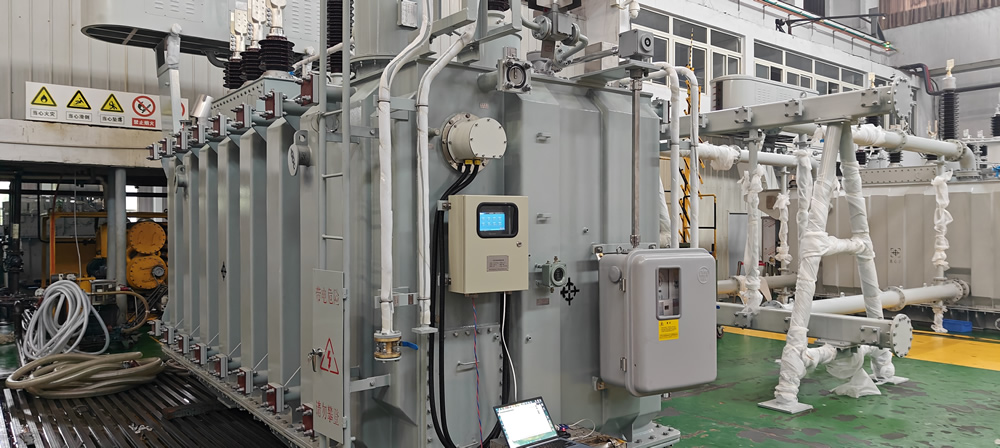
Fiber Optic Temperature Measurement System para sa Temperature Monitoring ng Oil Immersed Transformers
5.1 Mga Tradisyunal na Pamamaraan
Winding temperature indicators use resistance temperature detectors (Mga RTD) measuring top oil temperature plus calculated winding gradient from load current. Thermal image correlation derives winding temperature without direct measurement. Oil temperature gauges with dial displays provide basic monitoring. These analog systems lack precision and data logging for modern asset management.
5.2 Mga Fluorescent Fiber Optic Sensor
Fluorescent fiber optic technology enables direct hot spot measurement immune to electromagnetic interference. Rare-earth doped crystal sensors exhibit temperature-dependent fluorescence decay times. Optical interrogators measure decay time determining temperature with ±1°C accuracy. Ang teknolohiyang ito ay nababagay sa mga transformer na may mataas na boltahe kung saan nabigo ang mga de-koryenteng sensor.
5.3 Infrared Thermography
Thermal imaging kinikilala ang mga panlabas na hot spot sa bushings, mga koneksyon, at mga ibabaw ng tangke sa panahon ng inspeksyon. Ang teknolohiya ay hindi maaaring direktang masukat ang panloob na paikot-ikot na temperatura. Nakikita ng mga pana-panahong survey ang pagkakaroon ng mga problema ngunit nakakaligtaan ang mga lumilipas na overheating na kaganapan. Ang infrared ay nagsisilbi ng predictive na pagpapanatili sa halip na patuloy na pagsubaybay.
5.4 Paghahambing ng Teknolohiya
| Teknolohiya | Lokasyon ng Pagsukat | Katumpakan | EMI Immunity | Real-time na Pagsubaybay |
|---|---|---|---|---|
| Winding Temperature Indicator | Kinakalkula mula sa temperatura ng langis | ±5°C | Hindi | Oo |
| Fluorescent Fiber Optic | Direktang mainit na lugar | ±1°C | Oo | Oo |
| Infrared Thermography | Mga panlabas na ibabaw | ±2°C | Oo | Hindi |
6. Fluorescent Fiber Optic Temperature Monitoring
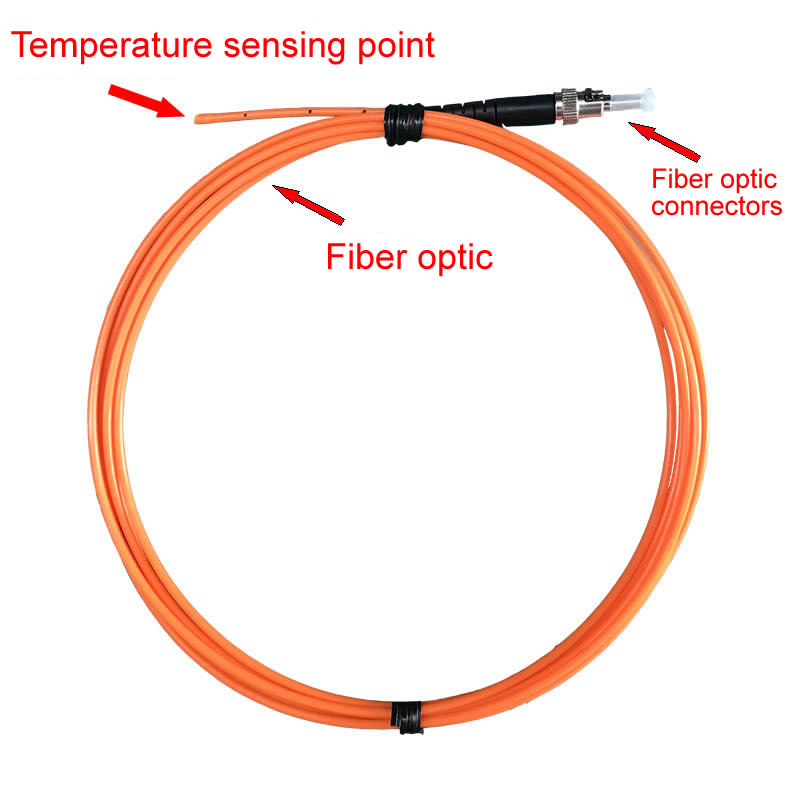
Mga sensor ng fluorescent fiber gumamit ng mga rare-earth phosphor crystal na nagpapakita ng mga katangian ng fluorescence na umaasa sa temperatura. Ang UV o asul na ilaw ng paggulo ay naglalakbay sa pamamagitan ng fiber papunta sa sensor probe. Ang paglabas ng phosphorus ay mabilis na nabubulok na may pare-parehong oras na nag-iiba ayon sa temperatura. Sinusukat ng interogator ang oras ng pagkabulok sa pagkalkula ng temperatura mula sa data ng pagkakalibrate.
Ang pag-install ay naglalagay ng mga sensor sa hinulaang mga lokasyon ng hot spot sa loob ng paikot-ikot na mga istraktura sa panahon ng pagmamanupaktura. Ang mga fiber cable ay dumadaan sa mga pader ng tangke ng transpormer sa pamamagitan ng mga espesyal na bushing na nagpapanatili ng integridad ng langis. Mga nag-iisang interogator na monitor 4-12 mga sensor na nagbibigay ng komprehensibong pagmamapa ng temperatura. Ang teknolohiya ay gumagana nang mapagkakatiwalaan sa matinding electromagnetic field mula sa pagpapatakbo ng transpormer.
Kasama sa mga pakinabang ng system ang kaligtasan sa electromagnetic interference, non-conductive sensing element na nag-aalis ng mga panganib sa kuryente, at direktang pagsukat ng hot spot kumpara sa mga nakalkulang pagtatantya. Ang oras ng pagtugon ay umabot sa isang segundo na nagpapagana ng dynamic na pamamahala ng pagkarga. Pangmatagalang katatagan lumampas 10 taon nang walang recalibration na sumusuporta sa buhay ng asset ng transpormer.
7. Temperature Rise Testing and Measurement
Pabrika mga pagsubok sa pagtaas ng temperatura i-verify ang thermal performance bago ipadala ayon sa mga pamamaraan ng IEEE C57.12.90. Inilalapat ng short-circuit method ang na-rate na current at induced core losses na sumusukat sa mga stabilized na temperatura. Tinutukoy ng pagsukat ng paglaban sa paikot-ikot ang average na temperatura gamit ang ugnayan ng paglaban sa temperatura. Ang mga pagtatantya ng hot spot ay gumagamit ng mga empirical factor o direktang pagsukat ng fiber optic.
Gumagamit ang field testing ng mga katulad na pamamaraan na nagpapatunay sa pagiging tama ng pag-install at pagganap ng baseline. Patuloy na pagsubaybay sinusubaybayan ang mga trend ng temperatura na tumutukoy sa unti-unting pagkasira ng sistema ng paglamig o mga pagbabago sa pattern ng paglo-load. Iniuugnay ng pagsusuri ng data ang temperatura sa kasalukuyang pagkarga, temperatura ng kapaligiran, at pagpapatakbo ng cooling system na nagpapatunay sa mga thermal model.
8. How to Control and Reduce Temperature Rise
Pag-optimize ng sistema ng paglamig nagpapanatili ng sapat na kapasidad sa pag-alis ng init. Ang mga forced-air fan at oil pump ay uma-activate sa mga paunang natukoy na temperatura na nagpapababa ng winding rise 10-20°C. Ang paglilinis ng radiator ay nag-aalis ng naipon na dumi na nagpapabuti sa paglipat ng init. Ang pagsasala ng langis ay nag-aalis ng mga kontaminant na nagpapanatili ng dielectric na lakas at thermal conductivity.
Pinipigilan ng pamamahala ng pagkarga ang labis na pagtaas ng temperatura sa panahon ng peak demand. Mga sistema ng dinamikong rating kalkulahin ang real-time na mga limitasyon sa paglo-load batay sa mga sinusukat na temperatura at kondisyon ng panahon. Pinoprotektahan ng load shedding ang mga transformer kapag lumalapit ang temperatura sa mga limitasyon. Ang pagwawasto ng power factor ay binabawasan ang kasalukuyang magnitude na nagpapababa ng mga pagkalugi ng tanso nang proporsyonal.
Ang kontrol sa temperatura ng kapaligiran sa pamamagitan ng shelter ventilation o air conditioning ay binabawasan ang baseline na temperatura. Ang madiskarteng paglo-load sa mas malamig na oras ng gabi ay nagsasamantala sa mga thermal time constant. Parallel transpormer na operasyon namamahagi ng load na nagpapababa ng mga indibidwal na temperatura ng unit. Ang mga estratehiyang ito ay nagpapahaba ng buhay ng kagamitan habang pinapanatili ang maaasahang serbisyo.
9. Nangunguna 10 Mga Manufacturer ng Transformer Temperature Monitoring System
9.1 Fjinno (Tsina)
Itinatag: 2011
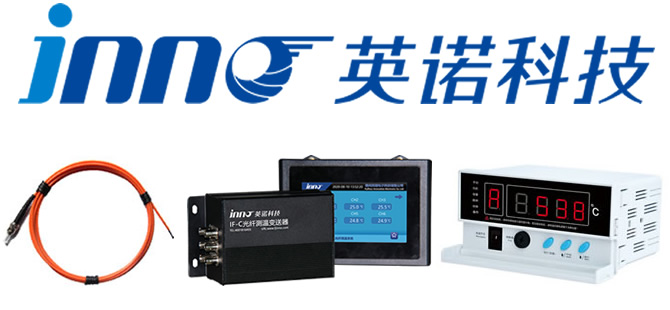
Pangkalahatang-ideya ng Kumpanya: Fjinno specializes in fiber optic temperature monitoring solutions for power transformers and electrical equipment. The company focuses on fluorescent fiber optic sensor technology providing direct hot spot measurement in high-voltage environments. Pinagsasama ng kadalubhasaan sa engineering ang photonics, pagpoproseso ng signal, and power system applications delivering reliable monitoring systems for critical infrastructure.
Portfolio ng Produkto: kay Fjinno fluorescent fiber optic temperatura monitoring system measures transformer winding hot spots with ±1°C accuracy. The technology employs rare-earth doped sensors immune to electromagnetic interference from transformer operation. Multi-channel interrogators monitor up to 12 temperature points simultaneously providing comprehensive thermal mapping.
Direct hot spot measurement eliminates estimation errors inherent in traditional winding temperature indicators. Real-time data acquisition enables dynamic load management and automated cooling system control. The system integrates with SCADA platforms and transformer monitoring systems through standard communication protocols including Modbus and IEC 61850.
Installation flexibility accommodates new transformer manufacturing integration or retrofit applications on existing units. Sensor probes install at predicted hot spot locations during winding assembly. Fiber cables route through tank walls via sealed bushings maintaining oil system integrity. Interrogator units mount in control cabinets with intuitive operator interfaces.
Applications span large power transformers, generator step-up transformers, at mga kritikal na yunit ng industriya kung saan napatunayang mahalaga ang thermal monitoring. Gumagana nang maaasahan ang mga sistema sa mga substation sa buong mundo sa iba't ibang klima at kondisyon ng pagpapatakbo. Kasama sa komprehensibong suporta ang application engineering, tulong sa pag-install, mga serbisyo sa pagkomisyon, at pagsasanay sa operator.
Ang mga nako-customize na configuration ay tumutugon sa mga partikular na disenyo ng transformer at mga kinakailangan sa pagsubaybay. Sinusuportahan ng multi-zone monitoring ang mga parallel na pag-install ng transpormer. Tinutukoy ng makasaysayang pag-log ng data at pagsusuri sa trending ang unti-unting pagkasira ng performance na nagpapagana ng predictive na pagpapanatili. Mga pakikipagsosyo sa OEM magbigay ng pinagsamang mga solusyon para sa mga tagagawa ng transpormer.

9.2 Qualitrol (Estados Unidos)
Itinatag: 1945. Gumagawa ang Qualitrol ng mga kagamitan sa pagsubaybay ng transpormer kabilang ang mga sensor ng temperatura ng fiber optic. Ang mga produkto ay naghahatid ng mga utility at pang-industriyang transpormer na aplikasyon sa buong mundo.
9.3 Weidman (Switzerland)
Itinatag: 1877. Weidmann ay nagbibigay ng fiber optic temperature monitoring system para sa mga power transformer. Sumasama ang teknolohiya sa mga komprehensibong platform ng pagsubaybay sa asset.
9.4 Neoptix (Qualitrol) (Canada)
Itinatag: 2003. Neoptix, bahagi na ngayon ng Qualitrol, pinasimunuan ang fluorescent fiber optic temperature sensing para sa mga transformer. Sinusubaybayan ng mga system ang mga hot spot sa mga high-voltage na kapaligiran.
9.5 Mga Teknolohiya ng FISO (Canada)
Itinatag: 1994. Bumubuo ang FISO ng mga fiber optic sensor para sa malupit na kapaligiran kabilang ang mga power transformer. Ang mga solusyon sa pagsubaybay sa temperatura ay tumutugon sa mga utility at pang-industriya na aplikasyon.
9.6 Micronor (Estados Unidos)
Itinatag: 1985. Gumagawa ang Micronor ng mga fiber optic sensor para sa pagsubaybay ng transpormer. Ang mga produkto ay nagbibigay ng immunity sa electromagnetic interference sa mga kapaligiran ng substation.
9.7 Teknolohiya ng LIOS (Alemanya)
Itinatag: 1990. Dalubhasa ang LIOS sa mga sensor ng temperatura ng fiber optic para sa mga de-koryenteng kagamitan. Ang mga sistema ng pagsubaybay ng transformer ay nagsisilbi sa mga merkado ng utility sa Europa.
9.8 Opsens Solutions (Canada)
Itinatag: 2003. Opsens provides fiber optic sensing solutions including transformer temperature monitoring. Technology addresses harsh electrical environments.
9.9 Omega Engineering (Estados Unidos)
Itinatag: 1962. Omega offers fiber optic temperature sensors suitable for transformer applications. Broad instrumentation portfolio includes monitoring solutions.
9.10 m-u-t (Alemanya)
Itinatag: 1972. m-u-t manufactures monitoring systems for power transformers including fiber optic temperature measurement. Products integrate with comprehensive diagnostic systems.
10. Mga Madalas Itanong
10.1 What is the acceptable temperature rise for transformers?
IEEE standards specify 65°C average winding temperature rise for oil-immersed transformers with 80°C hot spot rise above ambient. Dry-type transformers allow 80°C, 115°C, or 150°C rise depending on insulation class. These limits ensure 30-year expected life at rated load.
10.2 How does temperature affect transformer life?
Bawat 8Pagtaas ng temperatura ng °C hinahati ang buhay ng pagkakabukod ayon sa mga modelo ng thermal aging ng IEEE. Ang pagpapatakbo ng 16°C sa itaas ng rating ay binabawasan ang inaasahang 30 taong buhay sa 7.5 taon. Direktang nakakaapekto ang pamamahala sa temperatura sa mahabang buhay ng asset at mga gastos sa pagpapalit.
10.3 Bakit gumamit ng fiber optic sensor sa halip na mga thermocouple?
Mga sensor ng fiber optic magbigay ng electromagnetic immunity na mahalaga sa transpormador na may mataas na boltahe na kapaligiran. Ang mga de-koryenteng sensor ay nagpapakilala ng mga potensyal na puntos ng pagkabigo at mga error sa pagsukat mula sa mga sapilitan na boltahe. Ang teknolohiya ng hibla ay nagbibigay-daan sa direktang pagsukat ng hot spot na imposible sa mga maginoo na sensor.
10.4 Saan dapat matatagpuan ang mga sensor ng temperatura?
Naka-install ang mga sensor sa hinulaang paikot-ikot na mga lokasyon ng hot spot karaniwang malapit sa tuktok ng pinakaloob na mataas na boltahe na paikot-ikot na mga layer. Sinusubaybayan ng mga karagdagang sensor ang pinakamataas na temperatura ng langis at pagganap ng cooling system. Nagbibigay ang maraming mga punto ng pagsukat ng komprehensibong thermal mapping.
10.5 Maaari bang gumana ang mga transformer sa itaas ng na-rate na temperatura?
IEEE C57.91 loading guide permits nakaplanong overloading na may pinabilis na aging trade-off. Ang mga emergency na overload ay tumatanggap ng pinababang buhay ng pagkakabukod sa panahon ng mga kritikal na sitwasyon. Ang patuloy na pagsubaybay ay nagbibigay-daan sa ligtas na overload na operasyon na nag-maximize sa paggamit ng asset.
10.6 Gaano katumpak ang mga fluorescent fiber optic sensor?
Nakamit ng mga modernong sistema ±1°C katumpakan na may mahusay na pangmatagalang katatagan. Ang pagkakalibrate ay nananatiling wasto para sa 10+ taon na walang drift. Ang katumpakan na ito ay nagbibigay-daan sa kumpiyansa na pamamahala ng pagkarga at tumpak na pagpapatunay ng thermal modeling.
10.7 Ano ang nagiging sanhi ng mga hot spot ng transformer?
I-load ang kasalukuyang pamamahagi lumilikha ng mas mataas na pagkalugi sa mga partikular na paikot-ikot na lokasyon. Ang mga geometric na kadahilanan kabilang ang mga paglabas ng lead at mga tap changer ay tumutuon sa pagpainit. Ang stray magnetic flux ay nagdudulot ng karagdagang pagkalugi sa mga bahagi ng istruktura. Ang mga pattern ng daloy ng cooling system ay nakakaapekto sa lokal na pag-aalis ng init.
10.8 Paano nakakaapekto ang ambient temperature sa pag-load ng transformer?
Ang mas mataas na temperatura ng kapaligiran ay binabawasan ang magagamit thermal margin para sa pagwawaldas ng init. Humigit-kumulang bumababa ang kakayahan sa paglo-load 1% bawat degree Celsius ambient na pagtaas sa 30°C na batayan ng rating. Ang mga sistema ng dynamic na rating ay tumutukoy sa real-time na mga kondisyon ng panahon.
11. Gabay sa Pagbili ng Transformer Temperature Monitoring System
11.1 Bakit Pumili ng Fiber Optic Monitoring
Fluorescent fiber optic system magbigay ng superyor na pagsubaybay sa transpormer sa pamamagitan ng direktang pagsukat ng hot spot at electromagnetic immunity. Tinatanggal ng teknolohiya ang mga error sa pagtatantya mula sa mga tradisyunal na tagapagpahiwatig habang gumagana nang mapagkakatiwalaan sa matinding elektrikal na kapaligiran. Sinusuportahan ng pangmatagalang katatagan at katumpakan ang pinakamainam na pamamahala ng pagkarga sa pag-maximize sa paggamit ng asset at habang-buhay.
11.2 Ang aming Mga Bentahe ng Produkto
Ang aming sistema ng pagsubaybay sa temperatura ng fiber optic naghahatid ng ±1°C katumpakan sa pagsukat ng transformer winding hot spot nang direkta. Multi-channel interrogators monitor up to 12 ang mga sensor ay sabay-sabay na nagbibigay ng komprehensibong thermal mapping. Ang real-time na data acquisition ay nagbibigay-daan sa dynamic na pamamahala ng pagkarga at automated cooling control. Ang pagsasama ng SCADA sa pamamagitan ng mga karaniwang protocol ay sumusuporta sa sentralisadong pagsubaybay at pamamahala ng asset.
Ang kakayahang umangkop sa pag-install ay tinatanggap ang bagong pagsasama ng transpormer o mga kasalukuyang pag-retrofit ng unit. Ang napatunayang pagiging maaasahan sa hinihingi na mga kapaligiran ng substation ay nagtatatag sa aming mga system bilang mga gustong solusyon. Ang mga nako-customize na configuration ay tumutugon sa mga partikular na disenyo ng transformer at mga kinakailangan sa pagsubaybay. Teknikal na suporta kasama ang application engineering, tulong sa pag-install, at komprehensibong pagsasanay sa operator na tinitiyak ang matagumpay na pagpapatupad.
11.3 Makipag-ugnayan sa Amin
Ang aming engineering team ay nagbibigay ng pagtatasa ng aplikasyon at mga teknikal na rekomendasyon para sa mga proyekto sa pagsubaybay sa temperatura ng transformer. Tinutugunan ng mga custom na solusyon ang mga natatanging kinakailangan at mga hamon sa pagsasama. Pinoprotektahan ng mga pinahabang warranty at mga kontrata ng suporta ang mga kritikal na pamumuhunan sa imprastraktura. Makipag-ugnayan sa amin ngayon upang talakayin ang iyong mga pangangailangan sa pagsubaybay sa transpormer at makatanggap ng mga detalyadong detalye ng system.

Sensor ng temperatura ng fiber optic, Intelligent na sistema ng pagsubaybay, Ibinahagi ang tagagawa ng fiber optic sa China
 |
 |
 |