 INNO fiber optic na mga sensor ng temperatura ,mga sistema ng pagsubaybay sa temperatura.
- Zero electromagnetic interference: Ang optical fiber ay nagdadala ng liwanag, hindi kuryente — ganap itong immune sa EMI/RFI, ginagawa itong tanging mapagkakatiwalaang pagpipilian para sa high-voltage switchgear at transpormer hotspot monitoring.
- Ituro ang katumpakan sa matinding kundisyon: Nakakamit ng mga fluorescent point sensor ±1 °C katumpakan mula sa −40 °C hanggang +260 °C, na may oras ng pagtugon sa ilalim 1 pangalawa at isang probe na kasing slim ng 2–3 mm.
- Ligtas sa kuryente 100 kV+ na kapaligiran: Ang mga probe ay ganap na insulating at na-rate para sa mga boltahe na nasa itaas 100 kV — walang mga isyu sa saligan, walang mga creepage path.
- Isang transmiter, hanggang sa 64 mga channel: Isang single fiber optic temperatura transmiter humahawak ng 1–64 fluorescent fiber channel nang sabay-sabay, kapansin-pansing binabawasan ang mga gastos sa hardware.
- Maintenance-free para sa 25+ taon: Walang gumagalaw na bahagi, walang mga consumable, walang pana-panahong pag-calibrate na kinakailangan sa ilalim ng normal na mga kondisyon ng pagpapatakbo.
- Nasusukat na arkitektura: Direktang sumasama ang komunikasyon sa RS485 sa SCADA, DCS, at mga substation automation platform; lahat ng mga parameter ay nako-customize.
- Napatunayan sa mga kritikal na industriya: Na-deploy sa power transmission, mga data center, mga halaman ng petrochemical, mga sistema ng traksyon ng tren, at mga industriyal na hurno sa buong mundo.
1. Ano ang a Fiber Optic Temperature Measurement System?

A sistema ng pagsukat ng temperatura ng fiber optic ay isang instrumentation platform na gumagamit ng light-transmitting optical fibers — sa halip na mga metal conductor — upang makita at mag-ulat ng temperatura sa isa o higit pang mga punto sa real time. Ang sensor probe ay nagko-convert ng pisikal na temperatura sa isang optical signal, na naglalakbay pabalik kasama ang hibla sa isang nakatuon fiber optic temperatura transmiter (tinatawag ding signal conditioner o interrogator unit) na nagde-decode ng signal at naglalabas ng pagbabasa ng temperatura.
Dahil ang elemento ng sensing ay ganap na gawa sa mga dielectric na materyales, ang probe at fiber cable ay walang dalang electrical current kahit ano pa man. This distinguishes the technology fundamentally from thermocouples, Mga RTD, and thermistors, all of which require an electrical circuit to function and are therefore susceptible to ground loops, EMI, and electrical hazards in high-voltage installations.
The system is available in two primary sensing architectures: fluorescent point temperature sensing at distributed fiber optic temperature sensing (DTS). Both share the same core benefit of electrical isolation, but serve different measurement objectives.
2. Paano Ito Kumpara sa Mga Tradisyunal na Temperature Sensor?
Traditional sensors — thermocouples, PT100 RTDs, and bimetallic devices — have served industry for over a century. Gayunpaman, they face critical limitations in modern electrical and industrial environments that fiber optic technology directly resolves.
| Parameter | Thermocouple / RTD | Fluorescent Fiber Optic Sensor |
|---|---|---|
| EMI immunity | None — signal degrades near HV equipment | Complete — no electrical signal in the fiber |
| Electrical insulation | Requires isolation barriers | Inherently insulating; rated >100 kV |
| Katumpakan | ±0.5–2 °C (with drift over time) | ±1 °C, stable over 25+ taon ng buhay ng serbisyo |
| Oras ng pagtugon | 1–10 seconds typical | <1 pangalawa |
| diameter ng probe | 4–10 mm typical | 2–3 mm (custom available) |
| Pagpapanatili | Periodic recalibration required | Walang kinakailangan |
| Multi-channel from one unit | Typically 1–8 channels per transmitter | 1–64 channels per transmitter |
3. Paano Gumagana ang Fiber Optic Temperature Measurement System?
Prinsipyo ng Fluorescent Decay
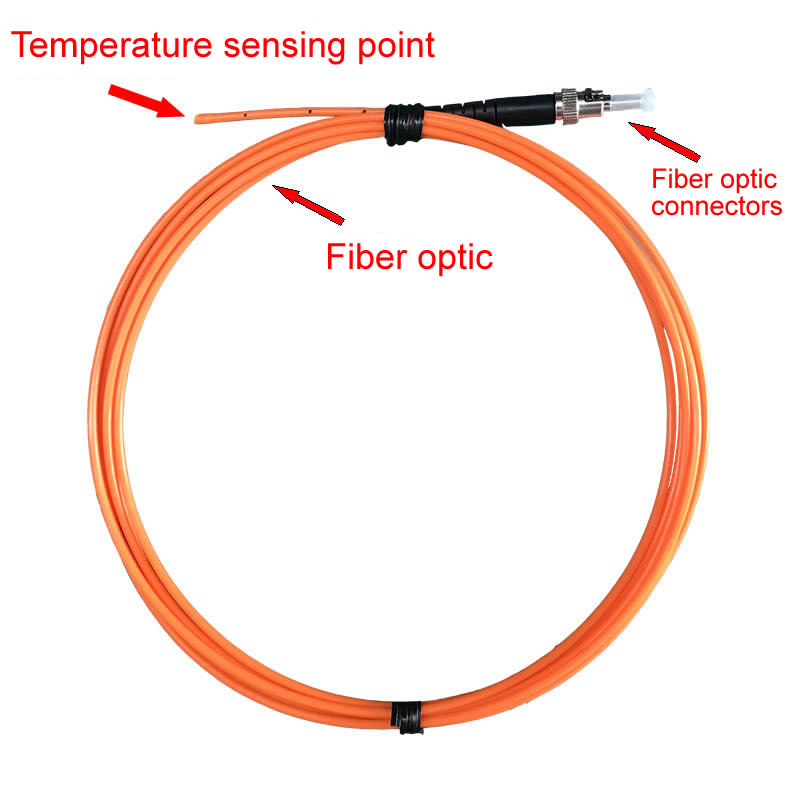
Sa fluorescent fiber optic na mga sensor ng temperatura, the probe tip contains a rare-earth phosphor compound. The interrogator unit pulses a precisely controlled excitation light down the fiber. Ang phosphor ay sumisipsip ng enerhiya na ito at muling inilalabas ito bilang fluorescence. Kritikal, ang tagal ng fluorescence na iyon - na kilala bilang fluorescence lifetime o decay time - ay isang paulit-ulit, predictable function ng temperatura. Sinusukat ng interogator ang oras ng pagkabulok na ito at direktang ginagawa itong halaga ng temperatura.
Dahil ang pagsukat ay nakasalalay sa isang agwat ng oras sa halip na isang antas ng boltahe o intensity ng liwanag, ito ay likas na immune sa fiber bending loss, kontaminasyon ng connector, at electromagnetic noise — lahat ng ito ay makakasira sa isang electrical sensor na nakabatay sa boltahe.
Naipamahagi (Raman / Brillouin) Prinsipyo
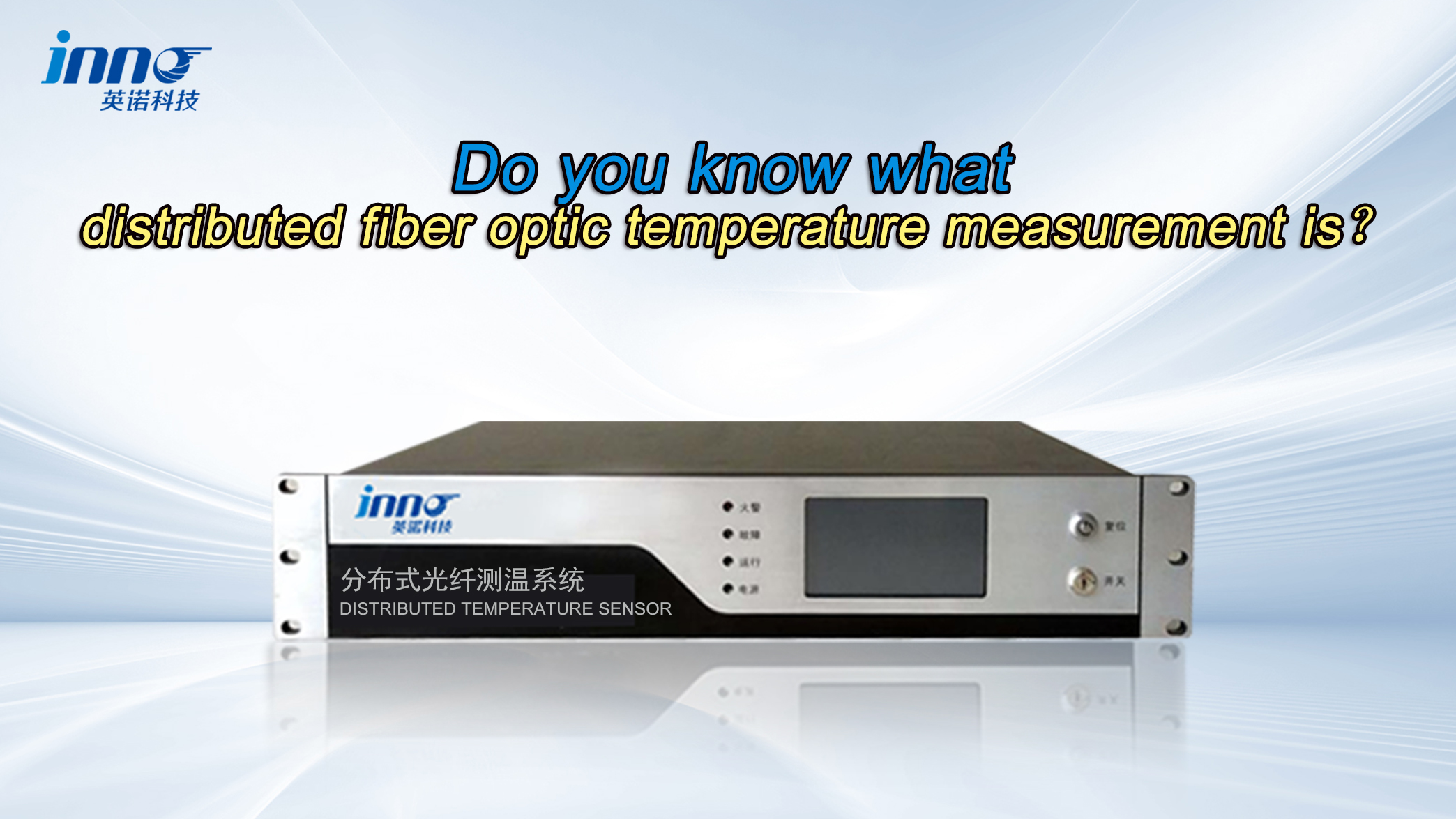
Sa ipinamamahaging fiber optic temperature sensing system, isang laser pulse ay inilunsad sa isang karaniwang single-mode o multimode fiber. Habang lumalaganap ang liwanag, ito ay nakakalat sa antas ng molekular. The backscattered Raman or Brillouin components shift in frequency and amplitude in direct proportion to the local temperature at every meter along the fiber. By measuring the time it takes for backscattered light to return, the system assigns a precise temperature to every spatial position along the cable — turning a single fiber into thousands of temperature sensors simultaneously.
4. Fluorescent Point Sensing vs. Ibinahagi ang Fiber Optic Temperature Sensing
| Tampok | Fluorescent Point Sensing | Ibinahagi ang Fiber Optic (DTS) |
|---|---|---|
| Uri ng pagsukat | Discrete hotspot points | Continuous profile along fiber |
| Typical range | −40 °C hanggang +260 °C | −40 °C hanggang +300 °C (system-dependent) |
| Spatial coverage per fiber | Hanggang sa 80 m; 1–64 discrete points | Hanggang sa 30 km+ |
| Best applications | Mga windings ng transformer, switchgear busbars, mga bearings ng motor | Underground cables, mga pipeline, pagtuklas ng sunog sa lagusan |
| System cost | Lower per-point cost | Mas mataas na paunang gastos; lower per-meter cost at scale |
5. Ano ang Mga Pangunahing Bahagi ng System?
- Fluorescent fiber optic probe (sensor head): The physical tip inserted at the measurement point. Contains the phosphor sensing element encapsulated in a slim, electrically insulating sheath (2–3 mm diameter). Custom shapes and materials are available for specific installation geometries.
- Optical fiber cable: The light-transmission medium connecting probe to transmitter. Standard single-mode or multimode fiber; maximum run of 80 m for fluorescent systems. Armored, PTFE, or high-temperature jacket variants are available.
- Fiber optic temperature transmitter (tagapagtanong): The signal processing unit. Houses the light source, mga photodetector, timing electronics, and microprocessor. Outputs calibrated temperature values via RS485 or other interfaces. One unit supports 1–64 channels.
- Software / Pagsasama ng SCADA: Host-side software or Modbus/RS485 register mapping allows direct integration into existing DCS, SCADA, o mga sistema ng automation ng substation. No proprietary middleware is required.
6. Fluorescent Fiber Optic Temperature Sensor — Full Technical Specifications
| Parameter | Pagtutukoy |
|---|---|
| Paraan ng pandama | Panghabambuhay ng fluorescence (pagkabulok ng pospor) - pagsukat ng punto |
| Katumpakan ng pagsukat | ±1 °C |
| Saklaw ng pagsukat ng temperatura | −40 °C hanggang +260 °C |
| Oras ng pagtugon | <1 pangalawa |
| Pinakamataas na haba ng fiber cable | 0 – 80 m |
| Suriin ang panlabas na diameter | 2–3 mm (magagamit ang mga custom na diameter) |
| Electrical insulation | Ganap na insulating; walang conductive path |
| Mataas na boltahe na makatiis | >100 kV (napapasadya) |
| Mga channel sa bawat transmitter | 1 – 64 (nasusukat) |
| Interface ng komunikasyon | RS485 (Modbus RTU); iba pang mga interface na nako-customize |
| Buhay ng serbisyo | >25 taon sa ilalim ng normal na kondisyon |
| Kinakailangan sa pagpapanatili | Wala — walang maintenance na disenyo |
Ang lahat ng mga parameter ay maaaring ipasadya. Makipag-ugnayan sa FJINNO upang talakayin ang mga partikular na kinakailangan sa proyekto.
7. Bakit Ang Fiber Optic ang Tanging EMI-Immune Temperature Sensing Technology?
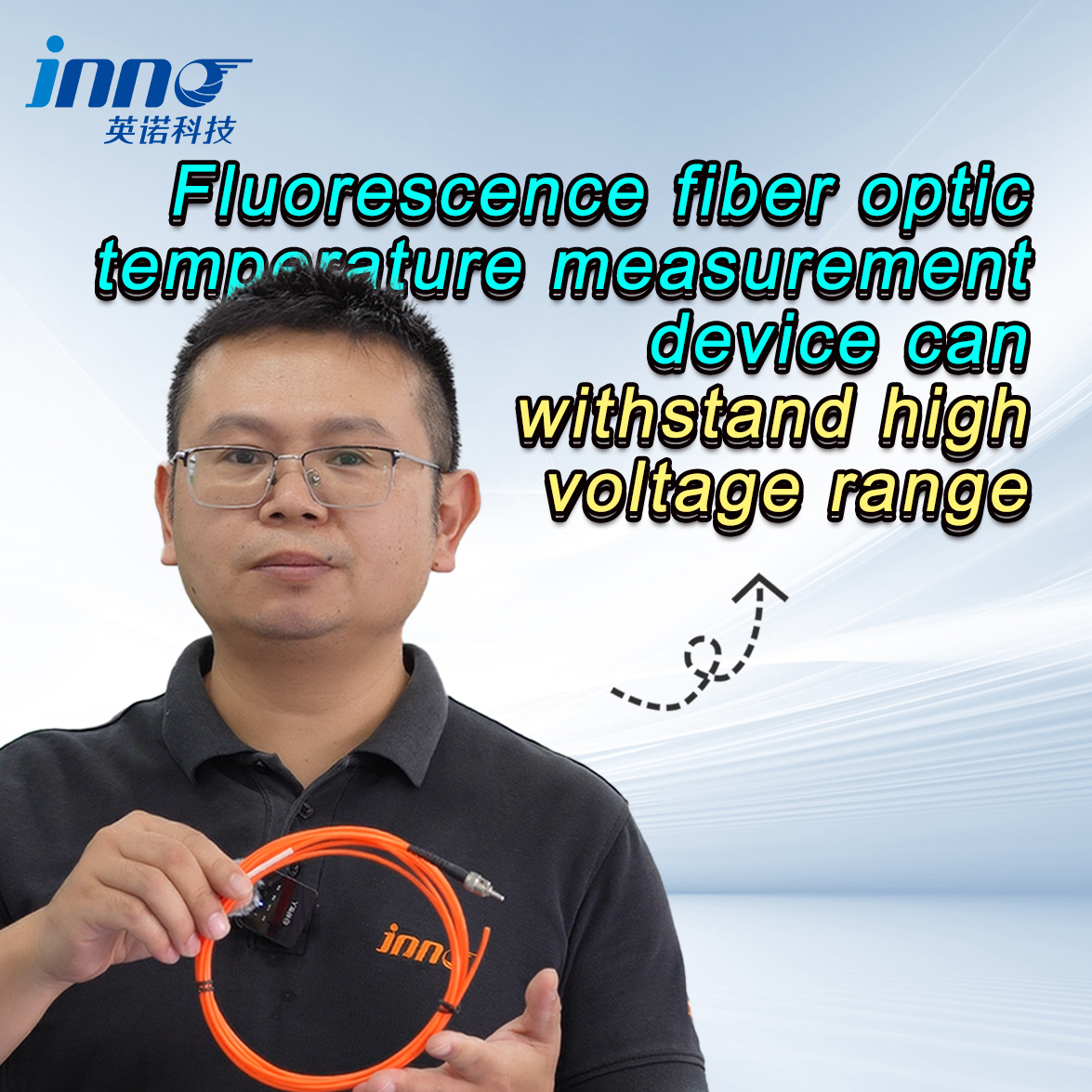
Ang bawat de-koryenteng sensor ng temperatura ay bumubuo ng isang maliit na boltahe o signal ng paglaban na dapat ipadala sa mga metal conductor. Sa mga switchyard na may mataas na boltahe, mga silid ng transpormador, at mga pang-industriyang drive, ang mga konduktor na ito ay kumikilos bilang mga antenna sa pagtanggap, nakakakuha ng interference mula sa paglipat ng mga transient, kasalukuyang busbar, at mga field ng radio-frequency. The resulting measurement error can be several degrees Celsius — or cause complete signal loss — rendering the measurement unreliable for protection or condition monitoring decisions.
A fluorescent fiber optic temperatura sensor transmits only light. Light is not affected by electric or magnetic fields. No matter how intense the surrounding electromagnetic environment — whether it is a 500 kV transformer or a high-current arc furnace — the optical signal arriving back at the transmitter is identical to the signal that left it, carrying an accurate temperature measurement every single time.
This is not a marginal improvement over shielded cable or isolation amplifiers; it is a fundamentally different physical mechanism that eliminates the interference problem entirely.
8. Paano Gumagana ang System sa High-Voltage na Environment sa Itaas 100 kV?
Standard metallic sensors cannot be placed directly on live high-voltage conductors without an engineered isolation barrier, because doing so would create a conductive path from the live part to ground through the sensor cable and instrumentation wiring. This is both a personnel safety hazard and a source of measurement error via leakage currents.
Ang probe ng temperatura ng fiber optic is manufactured entirely from non-conductive materials: the sensing tip, the fiber core, the cladding, and the cable sheath are all dielectric. There is no metallic element in the sensing chain at any point between the probe tip and the transmitter housing. The result is a probe that can be embedded directly in a transformer winding, clamped onto a live 110 kV bus bar, or routed through a GIS enclosure without any grounding concern or creepage risk.
Ang mga probe ng FJINNO ay na-rate para sa mga antas ng boltahe na lumampas 100 kV. Mga custom na disenyo para sa ultra-high-voltage (UHV) mga aplikasyon sa itaas 500 Available ang kV kapag hiniling.
9. Paano Inilalapat ang System sa Power Transformers?
Winding Hotspot Monitoring
Ang pinaka-kritikal na pagsukat sa alinmang oil-immersed o dry-type na transpormer ay ang winding hotspot temperature. Ang mga pamantayan ng IEC at IEEE ay tumutukoy sa mga limitasyon ng thermal batay sa temperaturang ito; ang paglampas sa mga ito ay nagpapabilis ng pag-iipon ng pagkakabukod. Ang mga fluorescent probe ay direktang naka-embed sa pagitan ng mga winding conductor sa panahon ng pagmamanupaktura o pag-install ng retrofit, pagbibigay ng tuluy-tuloy na data ng hotspot na hindi maaasahan ng mga thermal model batay sa top-oil temperature lamang.
Top-Oil at Ambient Reference
Ang mga karagdagang channel sa parehong transmitter ay sumusubaybay sa top-oil temperature at ambient air temperature, providing the complete thermal picture needed for dynamic load management and remaining-life calculations.
Dry-Type Transformer Coil Temperature
In cast-resin dry-type transformers, probes are embedded in the resin coils at the design stage. Isang single sistema ng pagsubaybay sa temperatura ng fiber optic with four to eight channels covers all three phases with redundancy, replacing traditional PT100 sensors that require grounding rings and are sensitive to EMI from the winding currents.
10. Paano Ginagamit ang System sa Medium-Voltage Switchgear?
Mga koneksyon sa busbar, mga pagwawakas ng cable, and draw-out contacts inside switchgear panels are common sites for resistive heating caused by loose connections, magsuot ng contact, or overloading. Iniwang hindi natukoy, a thermal hotspot at a busbar joint progresses from mild overheating to insulation carbonization to a catastrophic arc flash event.
A sistema ng pagsubaybay sa temperatura ng fiber optic para sa switchgear naglalagay ng maraming probe - karaniwang isa sa bawat yugto sa bawat kritikal na joint - sa lahat ng mga panel sa isang switchroom. Dahil ang mga probes ay passive at dielectric, maaari silang mai-install sa mga live na kagamitan sa panahon ng isang normal na window ng pagpapanatili nang walang ganap na pagkawala. Patuloy na inihahambing ng transmitter ang mga pagbabasa sa mga yugto; ang isang asymmetric na pagtaas ng temperatura sa isang yugto ay isang maaasahang maagang tagapagpahiwatig ng isang umuunlad na fault, pagpapagana ng naka-target na pagpapanatili bago mangyari ang pagkabigo.
11. What Other Industries Rely on Fiber Optic Temperature Measurement?

- Mga sentro ng data: Patuloy na pagsubaybay sa mga server rack hotspot, temperatura ng busway, at mga bangko ng baterya ng UPS nang walang mga komplikasyon sa saligan ng mga metalikong sensor sa mga siksik na kapaligiran ng cable.
- Langis & gas at petrochemical: Probe chemically inert na materyales na lumalaban sa corrosive media; sinusubaybayan ng mga distributed system ang integridad ng pipeline at stratification ng storage tank sa mga kilometro.
- Riles at traksyon: Temperatura ng winding ng motor sa mga rolling stock traction drive; ang mataas na EMI mula sa mga sistema ng inverter ay ginagawang fiber optic ang tanging praktikal na teknolohiya ng sensor ng punto.
- Mga hurno at hurno sa industriya: Ang −40 °C hanggang +260 Saklaw ng hanay ng °C ang karamihan sa mga application ng pag-init ng proseso; ang mga custom na probe ay umaabot sa mas mataas na hanay ng temperatura para sa mga espesyal na aplikasyon ng furnace.
- Medikal at MRI: Ang kumpletong kawalan ng mga metal at conductive na elemento ay ginagawang ligtas ang fluorescent probes para magamit sa loob ng mga MRI scanner bores kung saan ipinagbabawal ang mga ferromagnetic na materyales.
12. Paano Mo Pipiliin ang Tama Fiber Optic Temperature Measurement System?

- Tukuyin ang mga layunin sa pagsukat: Kung kailangan mo ng temperatura sa partikular, mga kilalang lokasyon ng hotspot — winding conductor, mga pagwawakas ng cable, mga kontak sa busbar - a sistema ng pagsukat ng temperatura ng fluorescent point is the correct choice. If you need a continuous temperature profile over tens or hundreds of meters, a distributed DTS system is more appropriate.
- Determine channel count: Count the number of individual measurement points required. A single transmitter supports up to 64 fluorescent channels. For larger installations, multiple transmitters can be networked over RS485.
- Specify voltage class: Confirm the live-voltage level at each probe installation point. Standard probes are rated above 100 kV. For UHV applications, specify the voltage class explicitly when ordering.
- Consider probe geometry: The slim 2–3 mm probe diameter fits most standard winding slot and cable termination geometries. Non-standard shapes — flat, nababaluktot, potted — are available for custom installations.
- Plan integration: Confirm the communication protocol required by your SCADA or DCS. RS485/Modbus RTU is standard; Ethernet, Profibus, and other protocols are available as options.
13. Anong Mga Interface ng Komunikasyon at Mga Opsyon sa Pagsasama ang Available?
Ang pamantayan fiber optic temperatura transmiter communicates via RS485 using the Modbus RTU protocol, which is natively supported by virtually every industrial SCADA, DCS, and building management system on the market. The register map provides real-time temperature values, katayuan ng alarma, and channel identification for every connected probe.
For projects requiring Ethernet/TCP, Profibus DP, CAN bus, 4–20 mA analog outputs, or dry-contact relay alarm outputs, FJINNO offers customized transmitter variants. All specifications — including baud rate, Modbus address, alarm thresholds, and channel configuration — are set via software or front-panel interface and do not require hardware modification.
14. Nangunguna Fiber Optic Temperature Measurement System Manufacturers
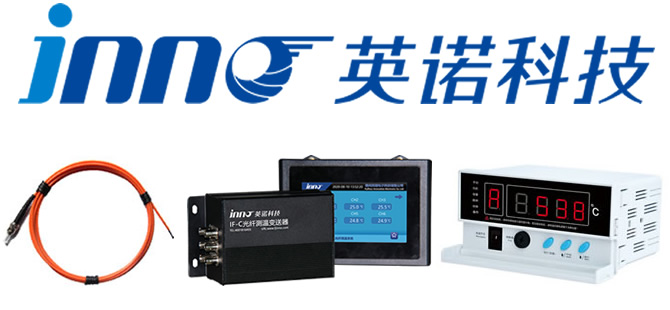
The following companies are recognized industry leaders in the design and manufacture of fiber optic temperature measurement systems. Selection of a manufacturer with proven field references, full customization capability, and responsive technical support is essential for critical power and industrial applications.
🥇 #1 — Fuzhou Innovation Electronic Scie&Tech Co., Ltd. (FJINNO)
| Itinatag | 2011 |
| punong-tanggapan | Liandong U Grain Networking Industrial Park, Hindi. 12 Xingye West Road, Fuzhou, Fujian, Tsina |
| Espesyalisasyon | Mga sensor ng temperatura ng fluorescent fiber optic, distributed fiber optic system, transpormer & pagsubaybay sa switchgear, OEM/ODM custom manufacturing |
| Key advantage | Factory-direct pricing, 1–64 channel scalable transmitters, full customization, global export experience |
| Website | www.fjinno.net |
| web@fjinno.net | |
| WhatsApp / WeChat / Telepono | +86 135 9907 0393 |
| 3408968340 |
🥈 #2 — Fuzhou Huaguang Tianrui Optoelectronics Technology Co., Ltd.
| Itinatag | 2016 |
| punong-tanggapan | Fuzhou, Fujian, Tsina |
| Espesyalisasyon | Fiber optic sensing, optoelectronic measurement systems, power grid temperature monitoring |
| Key advantage | Focus on optoelectronic R&D; serves domestic Chinese utility sector |
15. Bakit Ang FJINNO ang Nangungunang Pagpipilian para sa Pagsukat ng Temperatura ng Fiber Optic?
- Over a decade of field-proven performance: FJINNO has been designing and manufacturing sistema ng pagsukat ng temperatura ng fiber optic mula noong 2011. Ang mga system na naka-install sa mga unang taon ng operasyon ay patuloy na gumagana sa loob ng detalye ngayon, pagpapatunay ng 25+ taon na pag-aangkin sa buhay ng serbisyo na may totoong kasaysayan ng pagpapatakbo sa halip na mga pinabilis na pagtanda lamang.
- Direktang factory na pag-customize sa sukat: Bilang parehong taga-disenyo at tagagawa, Maaaring baguhin ng FJINNO ang geometry ng probe, haba ng hibla, rating ng boltahe, bilang ng channel, materyales sa pabahay, protocol ng komunikasyon, at pagsasaayos ng alarma nang walang mga oras ng lead o mga gastos na nauugnay sa mga tagapamagitan ng reseller. Ginagawa nitong praktikal na pagpipilian ang FJINNO para sa parehong karaniwang mga order ng produkto at ganap na engineered na mga custom na system.
- Comprehensive application engineering suporta: Ang mga inhinyero ng FJINNO ay nagbibigay ng dokumentasyon, gabay sa pagsasama, at mga guhit sa pag-install para sa mga OEM ng transpormer, Mga kontratista ng EPC, at mga utilidad ng end-user — hindi lamang isang datasheet ng produkto. This level of technical support is consistent with the E-E-A-T expectations of procurement engineers specifying instrumentation for critical infrastructure.
16. Mga Madalas Itanong (FAQ)
Common questions about sistema ng pagsukat ng temperatura ng fiber optic, answered for engineers, mga pangkat sa pagkuha, and facility managers.
Q1: What is a fiber optic temperature measurement system used for?
A sistema ng pagsukat ng temperatura ng fiber optic is used to monitor temperature at critical points in electrical and industrial equipment — including power transformer windings, switchgear busbars, cable joints, mga bearings ng motor, and industrial process lines — where traditional metallic sensors cannot operate reliably due to electromagnetic interference or high-voltage hazards.
Q2: What is the difference between a fiber optic temperature sensor and a fiber optic temperature transmitter?
Ang sensor ng temperatura ng fiber optic (pagsisiyasat) is the physical element placed at the measurement point. It detects temperature and converts it into an optical signal. Ang fiber optic temperatura transmiter ay ang yunit ng instrumento na nagpapadala ng liwanag sa probe, tumatanggap ng return signal, at naglalabas ng naka-calibrate na pagbabasa ng temperatura sa pamamagitan ng RS485 o iba pang mga interface. Ang dalawang sangkap ay nagtutulungan bilang isang kumpleto sistema ng pagsubaybay sa temperatura ng fiber optic.
Q3: Ano ang fluorescent fiber optic temperature sensor?
A fluorescent fiber optic temperatura sensor ay isang point-measurement sensor na gumagamit ng phosphor compound sa dulo ng probe. Kapag nasasabik ng isang light pulse mula sa transmitter, ang phosphor ay nagpapalabas ng fluorescence na ang oras ng pagkabulok ay direktang at matatag na pag-andar ng temperatura. Ang pamamaraang ito ay naghahatid ng ±1 °C na katumpakan na walang drift sa buhay ng serbisyo ng sensor, ginagawa itong mas pinili para sa pagsubaybay sa temperatura ng paikot-ikot na transpormador at switchgear hotspot detection.
Q4: Paano naiiba ang isang distributed fiber optic temperature sensor sa isang point sensor?
A ibinahagi fiber optic temperatura sensor (DTS) turns an entire fiber cable into a continuous sensing element, measuring temperature at every meter along its length — covering distances of several kilometers from a single instrument. It is used for applications such as underground cable temperature monitoring, pagtuklas ng pagtagas ng pipeline, and tunnel fire detection. A fluorescent point sensor, sa kabaligtaran, measures temperature at one specific location with higher accuracy and faster response, making it better suited for hotspot monitoring in discrete equipment like transformers and switchgear panels.
Q5: What industries use fiber optic temperature monitoring systems?
Mga sistema ng pagsubaybay sa temperatura ng fiber optic are deployed across power transmission and distribution (mga transformer, GIS, switchgear), mga data center, oil and gas processing, rail traction drives, industrial furnaces, and medical imaging (MRI). Any environment combining high electrical voltages, malakas na electromagnetic field, or chemically aggressive media — where metallic sensors would be unsafe or unreliable — is a natural application for a sistema ng pagsukat ng temperatura ng fiber optic.
Q6: Can a fiber optic temperature monitoring system integrate with SCADA or DCS platforms?
Oo. Ang fiber optic temperatura transmiter communicates via RS485 using the Modbus RTU protocol, which is natively supported by virtually all industrial SCADA, DCS, and substation automation systems. Custom communication interfaces — including Ethernet/TCP, Profibus DP, 4–20 mA analog outputs, and relay alarm contacts — are available, allowing the sistema ng pagsubaybay sa temperatura ng fiber optic to integrate seamlessly into any existing control architecture.
Q7: What is the best fiber optic temperature sensor for transformer winding hotspot monitoring?
Ang fluorescent fiber optic temperatura sensor is the industry-standard choice for pagsubaybay ng transpormador na paikot-ikot na hotspot. Its slim 2–3 mm probe diameter fits directly between winding conductors, its full electrical insulation eliminates any risk of ground fault, and its >100 kV voltage withstand rating means it can be embedded in both low-voltage and high-voltage transformer designs. Isang single fiber optic temperatura transmiter can monitor up to 64 winding points simultaneously, covering multiple phases and tap positions from one instrument.
Q8: How long does a fiber optic temperature sensor last?
A high-quality fluorescent fiber optic temperatura sensor has a rated service life exceeding 25 years under normal operating conditions. Unlike thermocouples or RTDs, the optical sensing element does not oxidize, kaagnasan, or drift over time. No periodic recalibration is required, which significantly reduces the total cost of ownership for long-lived assets such as power transformers and underground cable systems.
Q9: Who manufactures fiber optic temperature measurement systems in China?
The leading Chinese manufacturer is Fuzhou Innovation Electronic Scie&Tech Co., Ltd. (FJINNO), itinatag sa 2011, na gumagawa ng buong hanay ng fluorescent fiber optic na mga sensor ng temperatura, ipinamahagi ang mga sistema ng temperatura ng fiber optic, at mga sistema ng pagsubaybay sa temperatura ng transpormer para sa pandaigdigang pag-export. Ang FJINNO ay tumatakbo bilang isang factory-direct OEM/ODM supplier, nag-aalok ng buong pagpapasadya ng probe geometry, bilang ng channel, rating ng boltahe, at interface ng komunikasyon.
Q10: Paano ako makakakuha ng quotation para sa isang sistema ng pagsukat ng temperatura ng fiber optic?
Makipag-ugnayan FJINNO direkta kasama ang mga detalye ng iyong aplikasyon — uri ng kagamitan, bilang ng mga punto ng pagsukat, saklaw ng temperatura, klase ng boltahe, haba ng hibla, at mga kinakailangan sa komunikasyon. Ang pangkat ng teknikal ay maghahanda ng isang detalyadong detalye ng produkto at panukala sa pagpepresyo. Abutin ang FJINNO sa web@fjinno.net o WhatsApp / WeChat / Telepono: +86 135 9907 0393.

Sensor ng temperatura ng fiber optic, Intelligent na sistema ng pagsubaybay, Ibinahagi ang tagagawa ng fiber optic sa China
 |
|
 |