 INNO fiber optic na mga sensor ng temperatura ,mga sistema ng pagsubaybay sa temperatura.
Mga Pangunahing Takeaway: Mga Solusyon sa Pagsubaybay sa Temperatura ng Power Equipment
- Mga sensor ng temperatura ng fluorescent fiber optic – Ang tanging solusyon na nag-aalok ng kumpletong high-voltage isolation + electromagnetic immunity + panghabambuhay na operasyon na walang pagkakalibrate, ginagawa itong mas gustong pagpipilian para sa mga transformer at switchgear (★★★★★ Inirerekomenda)
- Ibinahagi ang Temperature Sensing (DTS) – Patuloy na pagsubaybay sa mga cable tunnel at long-distance pipelines, na may nag-iisang hibla na sumasaklaw ng ilang kilometro
- Mga sensor ng PT100 RTD – Tradisyunal na solusyon na may mataas na katumpakan ngunit nangangailangan ng mataas na boltahe na mga pagbabago sa paghihiwalay at taunang pagkakalibrate
- Fiber Bragg Grating (FBG) – Multi-point quasi-distributed sensing na may mahusay na interference resistance
- Gallium Arsenide (GaAs) mga sensor – Nakabatay sa semiconductor na may napakahusay na pagganap sa mababang temperatura
- Ipinapakita ng data ng industriya ang mga account sa sobrang pag-init ng kagamitan 60% ng mga pagkabigo ng power system
- Fiber optic probe diameter: 2.3mm, nako-customize sa mas maliliit na laki para sa masikip na espasyo
Talaan ng mga Nilalaman
- 1. Why is Temperature Monitoring Critical for Power Equipment?
- 2. Technical Comparison of 5 Mga Solusyon sa Pagsubaybay sa Temperatura
- 3. Why Fluorescent Fiber Optic Sensing is the Top Choice for Transformers
- 4. Fiber Optic Temperature Sensors in Power System Applications
- 5. How DTS Achieves Comprehensive Cable Monitoring
- 6. PT100 Limitations in High-Voltage Environments
- 7. FBG vs Fluorescent Fiber Optic: Mga Pangunahing Pagkakaiba
- 8. GaAs Sensors for Specialized Power Applications
- 9. Solution Selection Guide by Equipment Type
- 10. 5-Step Quick Selection Process
- 11. Pag-aaral ng Kaso: 500kV Substation Retrofit Project
- 12. Mga Madalas Itanong
- Contact Us for Temperature Monitoring Solutions
1. Why is Temperature Monitoring Critical for Power Equipment?

1.1 Power Equipment Overheating Statistics: 60% of Failures Stem from Temperature Anomalies
Temperature-related failures represent the most significant reliability challenge in modern power systems. Industry studies reveal that 60-70% ng transpormer fire incidents originate from overheating conditions. Ganun din, contact overheating in switchgear accounts for 45% of unexpected trips, while abnormal temperature rises at cable joints result in substantial annual losses.
1.2 Three Critical Temperature Monitoring Locations
Epektibo power temperature monitoring requires strategic sensor placement at key thermal stress points. Oil-immersed transformers typically operate at winding temperatures between 85-95°C, while dry-type units reach 130-150°C. Para sa pagsubaybay sa temperatura ng switchgear, busbar connections should remain below 80°C under normal conditions, with alarm thresholds at 90°C and critical warnings above 105°C. Cable joint temperature monitoring focuses on detecting temperature rises exceeding 20K above ambient conditions.
1.3 Three Major Technical Challenges in Power Temperature Sensing
Implementing reliable mga sistema ng pagsubaybay sa temperatura in power environments presents unique engineering challenges. High-voltage isolation requirements vary from 10kV to 500kV depending on equipment class. The intense electromagnetic interference surrounding transformers can reach tens of kV/m, disrupting conventional electronic sensors. Bukod pa rito, power equipment operates for 20-30 taon, demanding maintenance-free temperature sensing solutions with exceptional long-term stability.
1.4 Consequences of Temperature Monitoring Failures
The failure of mga sensor ng temperatura in critical power equipment can trigger cascading consequences. Equipment damage from undetected overheating events may be severe, power outages disrupt industrial operations significantly, and safety incidents can result in personnel injuries with substantial social impact.
2. Technical Comparison of 5 Mga Solusyon sa Pagsubaybay sa Temperatura

2.1 Performance Specifications Comparison Table
| Parameter | Fluorescent Fiber | DTS | PT100 | FBG | GaAs |
|---|---|---|---|---|---|
| Katumpakan | ±1°C | ±1-2°C | ±0.15°C (Klase A) | ±0.5°C | ±0.5°C |
| Saklaw ng Temperatura | -40~260°C | -40~600°C | -200~850°C | -40~300°C | -200~250°C |
| Electrical Isolation | >100kV Complete | Kumpleto | Nangangailangan ng Panlabas | Kumpleto | Kumpleto |
| EMI Immunity | Kumpleto | Kumpleto | Susceptible | Kumpleto | Kumpleto |
| Pag-calibrate | Lifetime-Free | Taunang Kinakailangan | Taunang Kinakailangan | Biennial | Taunang Kinakailangan |
| Oras ng Pagtugon | <1 pangalawa | 10-60 segundo | 3-10 segundo | <1 pangalawa | <1 pangalawa |
| Mga Puntos sa Pagsubaybay | 1-64 mga channel/system | Patuloy na ipinamahagi | Isang punto | 10-50 puntos/hibla | Isang punto |
| Pag-install | Simple | Katamtaman | Kumplikado | Katamtaman | Simple |
| Mga Karaniwang Aplikasyon | Mga Transformer/Switchgear | Mga Cable Tunnel | Pangkalahatang Pang-industriya | Pagsubaybay sa istruktura | Mababang-Temp na Kagamitan |
2.2 Comprehensive Performance Rating
Fluorescent fiber optic temperature monitoring system ipakita ang pinakabalanseng profile ng pagganap para sa mga high-voltage na power application (★★★★★). Ang teknolohiya ay mahusay sa mga sitwasyong nangangailangan ng ganap na electrical isolation, electromagnetic immunity, at pangmatagalang katatagan nang walang mga kinakailangan sa pagkakalibrate.
2.3 Mabilisang Reference ng Sitwasyon ng Application
magkaiba mga teknolohiya sa pagsubaybay sa temperatura umangkop sa mga partikular na aplikasyon ng power system. Mga fluorescent fiber optic sensor excel sa critical point measurements para sa mga transformer at switchgear. Ang Distributed Temperature Sensing ay epektibong naghahatid ng malayuang mga ruta ng cable. Ang pagpili ay dapat isaalang-alang ang antas ng boltahe, electromagnetic na kapaligiran, dami ng monitoring point, at mga kakayahan sa pagpapanatili.
3. Whyis the Top Choice for Transformers

3.1 Teknikal na Prinsipyo: Rare-Earth Fluorescent Materials Enable Intrinsic Safety
Ang fluorescent fiber optic temperatura sensor operates through rare-earth doped fluorescent materials (such as GaAs with rare-earth ions). When excited by pulsed light, these materials emit fluorescence with decay characteristics exponentially related to temperature. The optical signal transmission contains no electrical current, establishing complete electrical isolation. The probe end contains no metallic or electronic components, allowing direct contact with high-voltage conductors without safety concerns.
3.2 Kumpletuhin ang Electrical Isolation: The Only Technology for Direct High-Voltage Contact
Fiber optic temperatura sensing provides isolation voltage exceeding 100kV, far surpassing PT100 insulation requirements. This eliminates the need for expensive high-voltage isolation devices, reducing installation complexity significantly. The technology enables direct temperature measurement on 500kV transformer windings and other energized components.
3.3 Lifetime Calibration-Free: Zero Maintenance Over 20 taon
The fluorescence decay time represents a stable physical property unaffected by light intensity variations, baluktot ng hibla, or connector aging. This intrinsic measurement principle eliminates drift, making periodic calibration unnecessary. Fluorescent fiber optic monitoring system maintain factory accuracy throughout their operational lifetime, contrasting sharply with conventional sensors requiring annual recalibration.
3.4 Kumpletong Electromagnetic Immunity: Stable Measurement in Strong Magnetic Fields
Optical signal transmission remains unaffected by electromagnetic fields, enabling reliable operation in the intense magnetic environments surrounding transformers and switchgear. Transformer leakage flux and switchgear arcing cannot disrupt mga sukat ng temperatura ng fiber optic, whereas PT100 sensors may experience errors exceeding ±10°C under identical conditions.
3.5 Compact Fiber Probe Design: 2.3mm Diameter with Custom Miniaturization
Pamantayan fiber optic probe diameter measures 2.3mm, with custom miniaturization available for confined installation spaces. The quartz fiber construction provides excellent insulation properties while maintaining mechanical flexibility for routing through complex equipment geometries.
4. Mga Sensor ng Temperatura ng Fiber Optic in Power System Applications
4.1 Switchgear Online Temperature Monitoring (Primary Application)
High-voltage switchgear temperature monitoring represents the most common application for fluorescent fiber systems. Typical monitoring points include incoming line contacts, mga koneksyon sa busbar, outgoing line contacts, at mga pagwawakas ng cable. Standard configurations deploy 6-9 channels per 12kV panel and 9-12 channels per 40.5kV panel. Ang mga fiber optic cable route from cabinet bases or observation windows, facilitating non-intrusive installation.
4.2 Dry-Type Transformer Winding Temperature Control
Para sa dry-type transformer temperature monitoring, fluorescent fiber probes embed directly within winding structures. The 260°C temperature rating satisfies Class H and Class C insulation requirements. Fiber extraction requires no special sealing, simplifying installation compared to conventional approaches. Multi-point sensing captures hot-spot temperature gradients accurately.
4.3 Oil-Immersed Transformer Multi-Point Sensing
Oil-immersed transformer temperature sensors utilize fiber probes introduced through bushings into the oil tank. Simultaneous monitoring of high-voltage windings, low-voltage windings, pinakamataas na temperatura ng langis, and bottom oil temperature provides comprehensive thermal mapping. Ang teknolohiya ng fiber optic sensing eliminates concerns about electrical breakdown in oil environments.
4.4 Pagsubaybay sa Temperatura ng Generator Stator
Gumagamit ng naka-embed na mga application ng generator stator mga sensor ng temperatura ng hibla sa loob ng mga konduktor ng slot at mga paikot-ikot na dulo. Ang fiber-optic rotary joints ay nagbibigay-daan sa paghahatid ng signal mula sa mga umiikot na bahagi. Karaniwang ginagamit ng malalaking generator 18-36 mga configuration ng channel para sa komprehensibong thermal surveillance.
4.5 GIS Bus Temperature Sensing
Gas-Insulated Switchgear (GIS) nakikinabang ang mga pag-install pagsubaybay sa temperatura ng fiber optic sa mga nakapaloob na busbar at post insulators. Pinapadali ng compact probe diameter ang pag-install sa pamamagitan ng mga kasalukuyang port nang hindi nakompromiso ang integridad ng SF6 gas.
4.6 Pagsubaybay sa Temperatura ng Cable Joint at Connection
Ang mga kritikal na cable joints at terminations ay tumatanggap ng dedikado fiber optic sensor paglalagay para sa maagang pagtuklas ng sobrang init. Ang application na ito ay umaakma sa mga distributed sensing system sa pamamagitan ng pagbibigay ng mga tumpak na sukat sa mga kilalang thermal stress point.
5. Paano DTS Nakakamit ang Comprehensive Cable Monitoring
5.1 Raman Scattering Principle: Single Fiber Monitors Kilometers
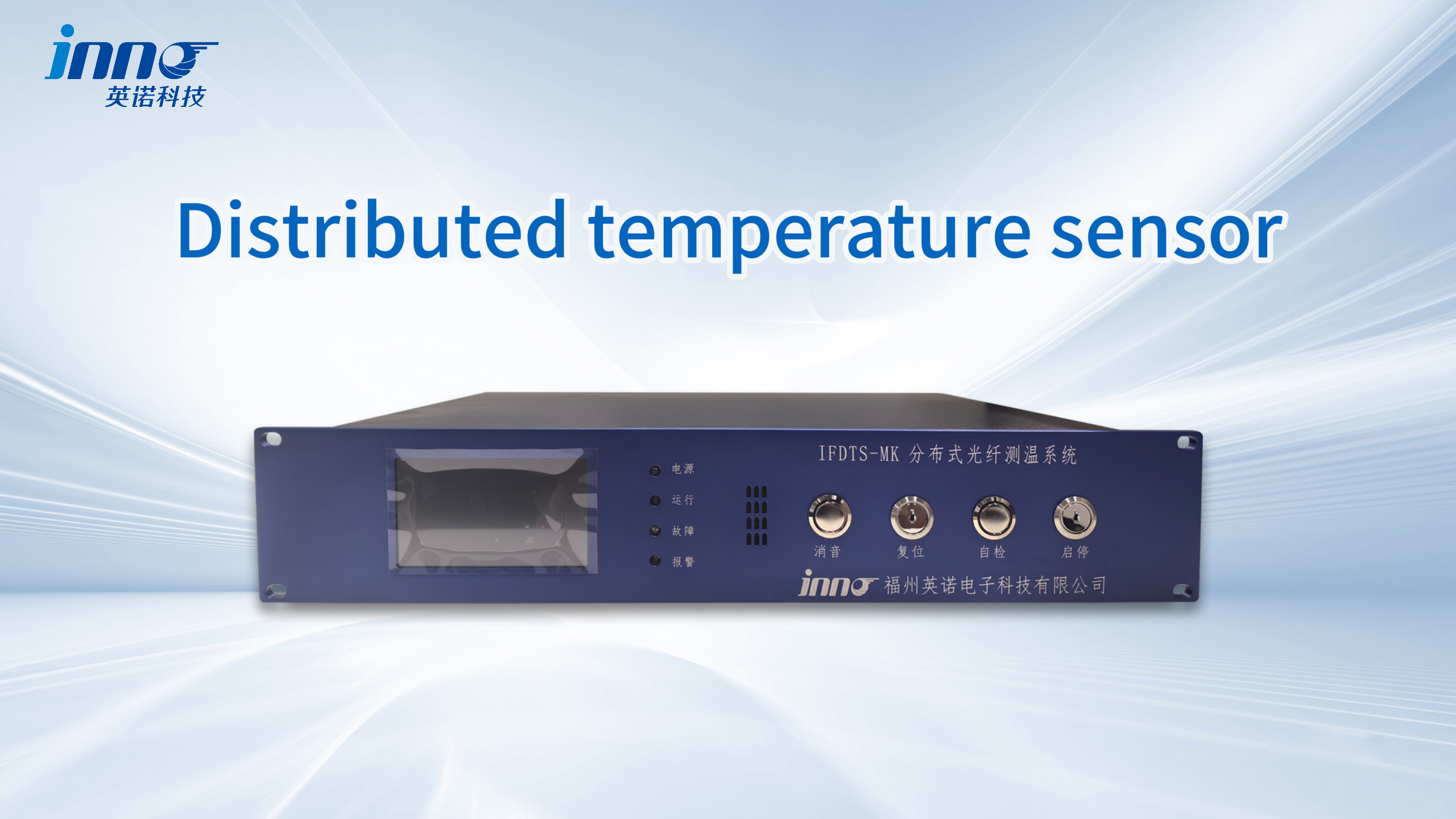
Ibinahagi ang Temperature Sensing (DTS) technology employs Raman scattering physics to achieve continuous temperature profiling along optical fibers. Spatial resolution ranges from 0.5-2 metro, with measurement cycles of 10-60 segundo. Single fiber installations extend up to 80 kilometro, providing accuracy of ±1-2°C across the entire sensing length.
5.2 Optimal Application Scenarios
Cable tunnel temperature monitoring represents the primary DTS application. Systems monitor 10kV and 35kV power cable routes throughout their length, detecting localized hot spots before they escalate to failures. Long-distance transmission lines benefit from simultaneous temperature distribution and ice loading detection. Submarine cable installations utilize DTS for landing segments and shallow water sections, enabling precise fault localization.
5.3 Complementary Integration with Fluorescent Fiber Systems
DTS monitoring systems excel at continuous spatial coverage over extended distances, habang fluorescent fiber optic sensor provide superior accuracy and faster response at discrete critical points. Hybrid architectures combining both technologies deliver comprehensive power system thermal management. Critical equipment receives point sensors while cable routes employ distributed sensing for optimal performance and reliability.
6. PT100 Limitations in High-Voltage Environments
6.1 Three Critical Limitations of Traditional Sensors
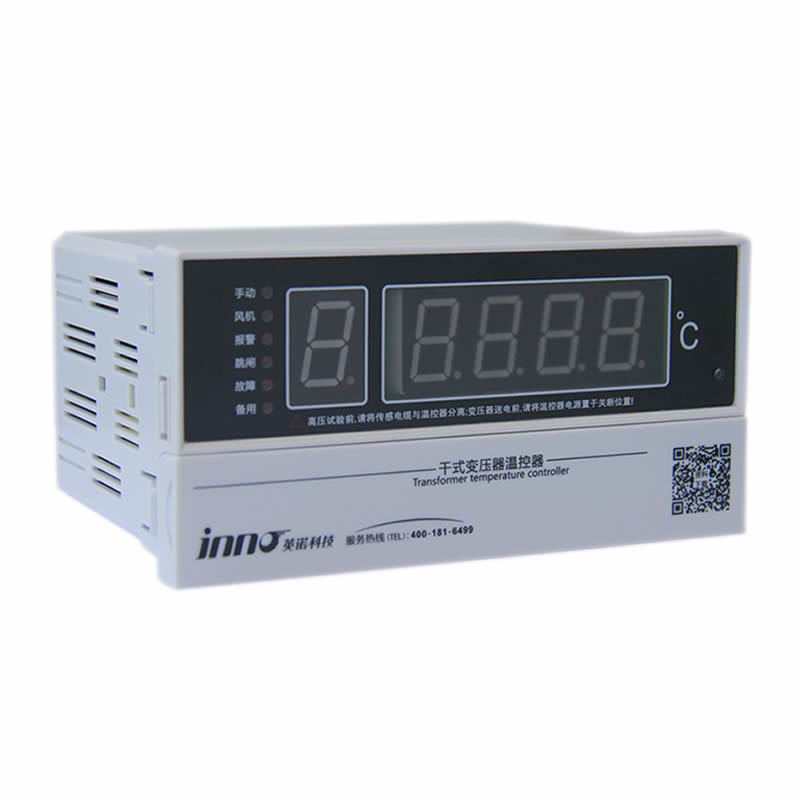
Mga detektor ng temperatura ng paglaban ng PT100 face significant challenges in high-voltage power applications. The copper wire connections required for resistance measurement create isolation difficulties. Induced currents from electromagnetic fields cause substantial measurement errors in transformer and generator environments. Annual calibration requirements generate recurring operational expenses and necessitate equipment downtime.
6.2 Industry Transition Away from PT100 Technology
Major power utilities increasingly specify pagsubaybay sa temperatura ng fiber optic for new substation projects. The technology transition reflects superior long-term reliability and total ownership advantages. New installations directly adopt fluorescent fiber systems, while legacy equipment retrofits may employ transitional approaches during upgrade cycles.
7. FBG vs Fluorescent Fiber Optic: Mga Pangunahing Pagkakaiba
7.1 FBG Technology Fundamentals
Fiber Bragg Grating (FBG) mga sensor ng temperatura utilize wavelength-encoded measurements, pagpapagana 10-50 sensing points per fiber through wavelength division multiplexing. The technology offers ±0.5°C accuracy and simultaneous strain measurement capability. Primary applications include dam monitoring, bridge structural health assessment, and tunnel deformation tracking.
7.2 Comparative Analysis for Power Applications
Habang Mga sensor ng FBG provide excellent interference resistance, several factors limit power system adoption. Grating inscription increases manufacturing complexity, interrogator equipment costs exceed fluorescent systems, biennial calibration requirements persist, and high-temperature exposure above 300°C causes grating annealing degradation.
7.3 Technology Selection Recommendations
FBG monitoring systems suit applications requiring simultaneous temperature and strain measurement, such as GIS post insulator monitoring. For pure temperature sensing in power equipment, fluorescent fiber optic na teknolohiya delivers superior value through lower lifecycle costs and simpler maintenance. Budget allocation should consider whether strain data justifies the additional investment.
8. GaAs Sensors for Specialized Power Applications
8.1 Gallium Arsenide Sensor Characteristics
Gallium Arsenide (GaAs) optical sensors ng temperatura employ semiconductor crystal absorption edge properties for temperature measurement. The technology provides ±0.5°C accuracy with exceptional low-temperature performance extending to -200°C. Compact probe dimensions (1-2mm diameter) facilitate installation in confined spaces, though maximum operating temperature limits to 250°C.
8.2 Niche Power Sector Applications
Specialized applications include superconducting cable liquid nitrogen temperature zones (-196°C), superconducting fault current limiter cryogenic environments, and high-altitude substations experiencing extreme ambient cold. The technology serves custom requirements where standard fluorescent fiber sensors may be specified but GaAs offers marginal low-temperature accuracy improvements.
8.3 Comparison with Fluorescent Fiber Technology
GaAs optical sensors provide slightly enhanced low-temperature precision and more compact form factors. Gayunpaman, the 250°C high-temperature limitation, premium na pagpepresyo, and limited market availability restrict widespread adoption. Standard power applications favor pagsubaybay ng fluorescent fiber optic, with GaAs reserved for specialized cryogenic scenarios.
9. Solution Selection Guide by Equipment Type
9.1 Oil-Immersed Transformer Winding Temperature Monitoring
Primary recommendation: Fluorescent fiber optic temperatura monitoring system. Fiber probes enter oil tanks through bushings, kasama 3-6 measurement points per winding. Top oil and bottom oil temperatures receive simultaneous monitoring. Systems scale from smaller units to large power transformers with 12-18 mga pagsasaayos ng channel.
9.2 Dry-Type Transformer Temperature Control
Exclusive recommendation: Fluorescent fiber optic system. Probes embed directly within winding structures, with 260°C ratings satisfying Class H and Class C insulation materials. Fiber extraction requires no special sealing. PT100 technology cannot achieve safe winding integration due to isolation and electromagnetic interference limitations.
9.3 High-Voltage Switchgear Online Temperature Monitoring
Preferred solution: Fluorescent fiber multi-channel monitoring systems. Each panel monitors incoming contacts, busbar joints, papalabas na mga contact, at mga pagwawakas ng cable. Standard 12kV panels employ 6-9 mga channel, while 40.5kV installations utilize 9-12 mga channel. Wireless temperature sensing serves as alternative for retrofit projects, though reliability falls below mga solusyon sa fiber optic.
9.4 Power Cable Joint and Tunnel Monitoring
Long-distance tunnels: Ibinahagi ang Temperature Sensing (DTS) mga sistema. Single fiber monitors 5-15 kilometers with 1-meter spatial resolution. Critical joints: Fluorescent fiber point sensors for precise measurement. Combined DTS and point sensing architectures provide comprehensive protection.
9.5 Generator Stator Winding Temperature Monitoring
Primary choice: Fluorescent fiber optic system. Embedded slot installation with fiber-optic rotary coupling technology enables signal extraction. Large units deploy 18-36 channel configurations for comprehensive coverage. PT100 sensors may suit small generators below 10MW with lower voltage levels.
9.6 GIS Equipment Bus Temperature Monitoring
Inirerekomenda: Mga sensor ng temperatura ng fluorescent fiber. Compact probe diameter facilitates installation through existing access ports. Post insulator applications may consider Mga sensor ng FBG if simultaneous strain measurement provides value. Standard bus monitoring prioritizes fluorescent fiber technology for optimal reliability.
10. 5-Step Quick Selection Process
10.1 Hakbang 1: Confirm Voltage Classification
Voltage level fundamentally determines sensor technology selection. Systems rated 10kV and below may accommodate fluorescent, PT100, or wireless options. Installations at 35kV and above require mga solusyon sa fiber optic due to isolation complexity. Equipment rated 110kV and above exclusively employs pagsubaybay sa temperatura ng fluorescent fiber optic.
10.2 Hakbang 2: Evaluate Electromagnetic Environment
Intense magnetic fields surrounding transformers and generators mandate teknolohiya ng fiber optic sensor. Moderate interference environments in switchgear favor fluorescent fiber systems. Even in benign electromagnetic conditions, pagsubaybay sa temperatura ng fiber optic provides superior long-term value despite PT100 technical viability.
10.3 Hakbang 3: Define Monitoring Architecture
Critical point precision measurement with fewer than 20 locations: Fluorescent fiber multi-channel systems. Long-distance continuous monitoring for cable tunnels: DTS distributed sensing. Combined requirements: Hybrid fluorescent point sensors plus DTS continuous monitoring for comprehensive coverage.
10.4 Hakbang 4: Consider Maintenance Capabilities
Facilities without dedicated calibration personnel: Fluorescent fiber systems (walang maintenance). Organizations with established calibration programs: PT100 remains technically viable though economically questionable. Remote unmanned installations: Fluorescent or wireless temperature monitoring.
10.5 Hakbang 5: Apply Decision Matrix
Quick assessment conclusions: 90% of power temperature monitoring applications optimize with fluorescent fiber optic na teknolohiya. Long-distance cable routes supplement with Mga sistema ng DTS. PT100 sensors face industry-wide replacement trends. Wireless monitoring suits temporary or retrofit scenarios exclusively.
11. Pag-aaral ng Kaso: 500kV Substation Retrofit Project
11.1 Project Background
A major utility operated a 500kV substation with PT100 systems experiencing high failure rates after 12 years of service. Annual calibration procedures required substantial resources, while electromagnetic interference generated frequent false alarms averaging six monthly occurrences.
11.2 Fluorescent Fiber Optic Upgrade Implementation
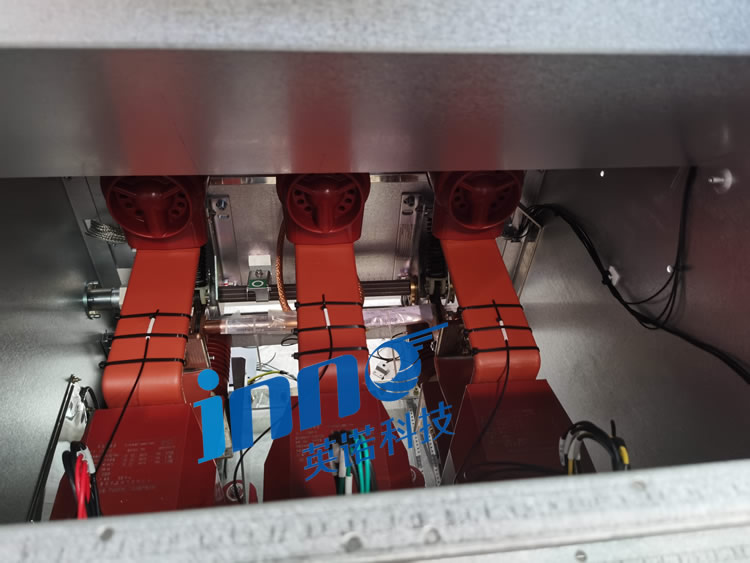
The retrofit deployed FJINNO fluorescent fiber optic temperature monitoring system across critical assets. Main transformers received 18 channels each (6 high-voltage winding points + 6 low-voltage winding points + 3 top oil locations + 3 core positions) for three units totaling 54 mga channel. High-voltage switchgear installations monitored 12 panels with 9 channels per panel, adding 108 mga channel. Kasama sa kumpletong 162-channel system ang pag-install at pag-commissioning.
11.3 Mga Resulta sa Pagpapatakbo
Nakumpleto ang pag-install sa loob ng dalawang linggo kumpara sa dalawang buwang PT100 na timeline. Nakamit ng system ang dalawang taon ng zero-failure, zero-false-alarm na operasyon. Ang mga kinakailangan sa pagpapanatili ay binawasan sa mga karaniwang inspeksyon nang walang mga pangangailangan sa pagkakalibrate. Kasama sa mga benepisyo sa ekonomiya ang malaking taunang pagtitipid mula sa inalis na mga gastos sa pagkakalibrate at pagpapanatili. Ang feedback ng customer ay nag-highlight ng kumpletong resolusyon ng mga isyu sa electromagnetic interference at pag-aalis ng mga alarma sa istorbo.
12. Mga Madalas Itanong
Q1: Ano ang inaasahang buhay ng serbisyo ng fluorescent fiber optic temperature sensors?
FJINNO fluorescent fiber optic system lampas sa buhay ng disenyo ng tampok 25 taon. Ang mga rare-earth fluorescent na materyales ay nagpapakita ng matatag na pisikal na katangian, ang mga hibla ng kuwarts ay lumalaban sa pagtanda, at ang probe construction ay hindi naglalaman ng mga elektronikong bahagi. Field installations operating 15+ years maintain factory accuracy specifications. Comparatively, PT100 sensors require replacement at 5-8 mga pagitan ng taon, while wireless systems necessitate battery changes every 5-8 taon.
Q2: How many monitoring points can a single fiber optic system accommodate?
FJINNO offers configurations from 1 sa 64 channels per system. Single mainframes support up to 64 mga channel, with cascade expansion enabling 128-channel architectures. Switchgear panels typically deploy 6-12 mga channel bawat yunit, transformers utilize 12-24 mga channel, and generators require 18-36 mga channel. Flexible configuration matches actual requirements without unnecessary capacity.
Q3: Is installation complex? Does it require equipment outages?
Installation procedures are straightforward. Fiber optic probe attach to measurement points with fiber routing to the mainframe, eliminating complex wiring. New equipment accommodates pre-installation during manufacturing. Operating equipment retrofits require brief outages of 2-4 oras. Compared to PT100 isolation device design and shielded cable installation, implementation time reduces 60-70%.
Q4: What certifications do fluorescent fiber optic systems hold?
FJINNO products maintain CE and RoHS certification, conforming to IEC 61000 electromagnetic compatibility standards. Power sector qualification includes testing for grid integration. Explosion-proof variants carry ATEX/IECEx certification for Zone 1/2 classifications. Products include three-year warranty with lifetime technical support.
Q5: How does FJINNO differ from other fluorescent fiber brands?
FJINNO’s 14-year specialization in fluorescent fiber optic na teknolohiya delivers distinct advantages. Proprietary rare-earth fluorescent material formulations optimize temperature response characteristics. Large-capacity 64-channel systems exceed industry-standard 32-channel architectures. Response time under 0.8 seconds outperforms typical 1-2 second industry averages. Experience serving 500+ power customers provides extensive application knowledge. Localized service ensures rapid response with comprehensive spare parts availability.
Q6: Can fiber probes be customized to smaller dimensions?
Oo, while standard fiber optic probe diameter measures 2.3mm, FJINNO provides custom miniaturization for confined installation spaces. Smaller diameter probes maintain performance specifications while accommodating tight geometric constraints in compact equipment designs.
Q7: Are free sample testing programs available?
FJINNO offers complimentary sample evaluation programs for qualified projects. Free sample applications enable performance verification under actual operating conditions before full system procurement. Contact technical teams to discuss sample testing arrangements for your specific application.
Contact Us for Temperature Monitoring Solutions

Kung ang iyong proyekto ay nagsasangkot ng bagong pagtatayo ng substation, pagsasaayos ng kagamitan, o emergency repair, Ang FJINNO ay naghahatid ng pinakamainam mga solusyon sa pagsubaybay sa temperatura na angkop sa iyong mga kinakailangan.
Comprehensive Support Services
- ✅ Libreng Teknikal na Konsultasyon: Sinusuri ng mga senior engineer ang iyong mga partikular na pangangailangan
- ✅ Custom na Disenyo ng Solusyon: Pinasadyang mga sistema batay sa klase ng boltahe, mga punto ng pagsubaybay, at mga parameter ng pagpapatakbo
- ✅ Detalyadong Dokumentasyon ng Panukala: Kumpletuhin ang mga teknikal na detalye at mga plano sa pagpapatupad
- ✅ Reference Case Studies: Access sa 500+ matagumpay na pag-install ng power customer
- ✅ Libreng Sample na Pagsubok: Available ang mga unit ng pagsusuri para sa pagpapatunay ng pagganap
Mga Linya ng Produkto ng FJINNO Fluorescent Fiber Optic System
- Serye ng Ekonomiya: 1-8 channel system para sa maliliit na switchgear application
- Karaniwang Serye: 8-32 mga pagsasaayos ng channel para sa karaniwang mga transformer at switchgear
- Premium Series: 32-64 channel flagship systems for large substations and power plants
- Custom OEM/ODM: Specialized probes, explosion-proof variants, communication protocol customization
Impormasyon sa Pakikipag-ugnayan
📧 Email: web@fjinno.net (24-oras na tugon)
📱 WhatsApp/WeChat: +86-135-9907-0393
🌐 Website: www.fjinno.net/power-temperature-monitoring
🏢 Address: Building 12, U-Valley IoT Industrial Park, Xingye West Road, Fuzhou, Lalawigan ng Fujian, Tsina
Free Sample and Technical Support Programs
- 🎁 Complimentary site survey services
- 🎁 No-charge solution design engineering
- 🎁 Free sample evaluation units for qualified projects
- 🎁 Technical training and commissioning assistance
Don’t let outdated temperature monitoring technology compromise power system safety. Upgrade to fluorescent fiber optic solutions today!
Disclaimer
The technical parameters, performance comparisons, and application case studies presented in this article serve as general reference information. Actual product performance and project specifications may vary based on specific configurations, operating environments, and application conditions. Mga saklaw ng temperatura, mga pagtutukoy ng katumpakan, and service life data reflect standard laboratory testing conditions; field applications require site-specific evaluation considering environmental factors and equipment status.
All solution selection recommendations address typical application scenarios. Specific project implementations require professional engineering assessment and custom design consultation before deployment. Product performance varies among manufacturers; comparison data represents industry-average benchmarks without targeting specific brands.
Referenced industry statistics, incident data, and performance metrics derive from publicly available sources and industry reports. Specific figures may differ based on statistical methodology and temporal scope. Project implementation results and operational outcomes depend on multiple variables; case studies provide reference examples without constituting performance guarantees.
For accurate technical solutions and specifications tailored to your specific project requirements, contact FJINNO technical teams for site assessment and customized system design.
Last updated: Disyembre 2025 | FJINNO – Fluorescent Fiber Optic Temperature Monitoring Systems

Sensor ng temperatura ng fiber optic, Intelligent na sistema ng pagsubaybay, Ibinahagi ang tagagawa ng fiber optic sa China
 |
 |
 |