 INNO เซ็นเซอร์วัดอุณหภูมิใยแก้วนำแสง ,ระบบตรวจสอบอุณหภูมิ.
-
Installing a fluorescence fiber-optic temperature monitoring system on transformer windings aims at แม่นยำ, ปลอดภัย, real-time hotspot temperature monitoring, which is crucial for ensuring reliable operation, extending service life, and preventing faults. The necessity is analyzed below from three perspectives: transformer operational needs, limitations of traditional temperature measurements, and the advantages of fluorescence fiber-optic technology.
ฉัน. Core need: winding temperature is the “lifeline of safe operation”
A transformer is a key device in power systems. Its windings (copper/aluminum conductors) continuously heat up under load due to การสูญเสียทองแดง (การทำความร้อนI²R) และ core loss (hysteresis/eddy currents). อุณหภูมิของขดลวดจะกำหนดสถานะการทำงานของหม้อแปลงโดยตรง: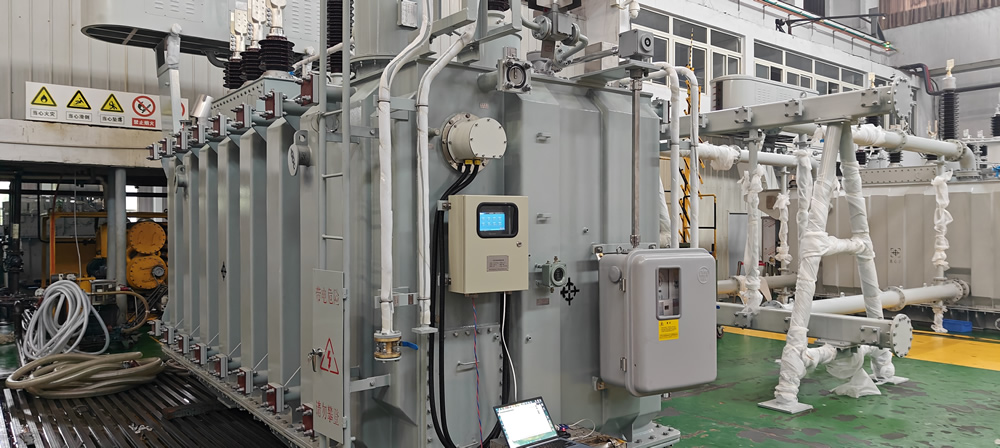
- จำกัดความสามารถในการโหลด: ตามมาตรฐานสากล, เมื่ออุณหภูมิฮอตสปอตที่คดเคี้ยวของหม้อแปลงที่แช่น้ำมันเกินค่าที่กำหนด, อายุการใช้งานสั้นลงอย่างรวดเร็ว. สำหรับหม้อแปลงชนิดแห้ง, อุณหภูมิที่คดเคี้ยวมากเกินไปจะช่วยเร่งอายุของฉนวน. ดังนั้น, อุณหภูมิของขดลวดเป็นพื้นฐานหลักในการตัดสินใจว่าเครื่องสามารถทำงานได้ที่ "โหลดเต็มที่" หรือต่ำกว่า "โอเวอร์โหลด"
- ป้องกันความล้มเหลวอย่างกะทันหัน: ความร้อนสูงเกินไปในท้องถิ่นในขดลวด (เช่น, ความผิดแบบเลี้ยวต่อเลี้ยว, หน้าสัมผัสตัวนำไม่ดี) สามารถทำลายฉนวนได้อย่างรวดเร็ว. หากตรวจไม่พบทันเวลา, มันอาจนำไปสู่ความเหนื่อยหน่ายที่คดเคี้ยว, การระเบิดของหม้อแปลงไฟฟ้า, หรือแม้แต่ไฟฟ้าดับ.
- เพิ่มประสิทธิภาพ O&กลยุทธ์เอ็ม: Real-time winding temperature monitoring prevents both “over-maintenance” (เช่น, unnecessary shutdowns) and “under-maintenance” (เช่น, ignored overheating risks), ช่วยให้สามารถบำรุงรักษาตามเงื่อนไขได้.
ครั้งที่สอง. Limits of traditional methods: cannot meet the need for “precise monitoring of the winding itself”
Before fluorescence fiber-optic sensing, common approaches (เช่น, oil temperature thermocouples, DC resistance-based estimation) had clear shortcomings and could not reflect true winding hotspots:วิธี Measured object Core drawbacks อุณหภูมิน้ำมันบน น้ำมันหม้อแปลง (indirect) 1) Oil is a heat transfer medium; oil temperature is lower than winding hotspots and cannot reflect true winding temperature;
2) Only overall oil temperature is seen; ความร้อนสูงเกินไปในท้องถิ่น (เช่น, a specific turn fault) cannot be located.DC resistance method ความต้านทานของขดลวด (indirect) 1) Offline: Requires outage, cannot monitor temperature in real time;
2) Reflects only average temperature, missing “hotspots.”เทอร์โมกราฟฟีอินฟราเรด พื้นผิวที่คดเคี้ยว (ภายนอก) 1) Mainly for dry-type units and often requires opening enclosures; it cannot monitor internal windings of oil-immersed transformers;
2) Affected by dust and insulation遮挡, leading to larger errors.In short, traditional methods are either “indirect estimation” or “offline and lagging,” and cannot meet the demand for เรียลไทม์, โดยตรง, and accurate monitoring of winding temperature — the core reason to adopt fluorescence fiber-optic systems.III. Advantages of fluorescence fiber-optic systems: perfectly matched to winding temperature monitoring
การตรวจจับด้วยไฟเบอร์ออปติกเรืองแสงนั้นยึดตาม "หลักอายุการใช้งานของฟลูออเรสเซนซ์" เซ็นเซอร์ถูกฝังโดยตรงใน “บริเวณฮอตสปอต” ของขดลวด (มักอยู่ตรงกลางถึงส่วนบนซึ่งมีความร้อนสะสมอยู่). เมื่อตื่นเต้นกับแสง, เซ็นเซอร์จะปล่อยแสงเรืองแสงซึ่งอายุการใช้งานจะลดลงเมื่ออุณหภูมิสูงขึ้น. โดยการตรวจจับการเปลี่ยนแปลงตลอดอายุการใช้งาน, ระบบจะคำนวณอุณหภูมิแบบเรียลไทม์. ข้อดีของมันเหมาะสมกับสถานการณ์การคดเคี้ยว:1) การวัดที่แม่นยำ: จับ "อุณหภูมิฮอตสปอต" ที่คดเคี้ยวได้โดยตรง
- เซนเซอร์ก็ได้ ฝังอยู่ระหว่างตัวนำ, หลีกเลี่ยงการถ่ายเทความร้อนทางอ้อมผ่านน้ำมันหรือสื่ออื่น ๆ. สิ่งนี้สะท้อนถึงอุณหภูมิสูงสุดที่แท้จริงของขดลวด (ฮอตสปอต), แก้ความล่าช้าของการประมาณค่าตามน้ำมัน.
- รองรับการตรวจสอบหลายจุด (เช่น, เซ็นเซอร์หลายตัวบนขดลวด HV และ LV), enabling localization of local overheating and providing precise data for diagnostics.
2) ปลอดภัยและเชื่อถือได้: suitable for high voltage and strong EMI environments
- ฉนวนไฟฟ้า: Silica-based optical fibers are non-conductive and free from electromagnetic induction. They can be placed close to high-voltage windings without introducing leakage or short-circuit risks, avoiding interference with the insulation system.
- ภูมิคุ้มกันอีเอ็มไอ: Transformers produce strong electromagnetic fields (เช่น, leakage flux, short-circuit forces). Traditional electrical sensors (เทอร์โมคัปเปิ้ล, RTD) ไวต่อการถูกรบกวน, causing distortion. เส้นใยนำแสงนำพาแสง, มีภูมิคุ้มกันต่อ EMI, and remain stable under short-circuit and lightning events.
3) ความมั่นคงในระยะยาว: withstands harsh internal environments
- Inside transformers there are heat, น้ำมัน, และการสั่นสะเทือน. Fluorescence fiber sensors offer high temperature tolerance, chemical resistance to transformer oil, and strong mechanical robustness to winding processes and vibration, aligning with transformer O&M cycles.
4) Real-time response: gains time for early warning
- With rapid sampling, sudden temperature rises from issues like turn-to-turn faults can be detected in seconds, triggering alarms (เช่น, audible-visual alerts, messages) so operators can derate or schedule maintenance in time to avoid escalation.
สรุป
Installing fluorescence fiber-optic temperature systems fundamentally solves the core pain points of winding temperature monitoring — “hard to measure, inaccurate, unsafe.” Through direct, แม่นยำ, การตรวจสอบแบบเรียลไทม์, it provides a sound basis for “full-load operation,” enables early warning of local overheating, ensures grid stability, and reduces economic loss and outage risk. วิธีการนี้ได้กลายเป็นทางเลือกในการตรวจสอบมาตรฐานสำหรับหม้อแปลงไฟฟ้าแรงสูงและหม้อแปลงไฟฟ้าอุตสาหกรรมขนาดใหญ่.

เซ็นเซอร์อุณหภูมิไฟเบอร์ออปติก, ระบบตรวจสอบอัจฉริยะ, จำหน่ายผู้ผลิตใยแก้วนำแสงในประเทศจีน
 |
 |
 |