 INNO เซ็นเซอร์วัดอุณหภูมิใยแก้วนำแสง ,ระบบตรวจสอบอุณหภูมิ.
Fluorescent fiber optic temperature sensors represent a breakthrough in temperature measurement technology, offering complete immunity to electromagnetic interference while delivering high accuracy and long-term reliability. These advanced sensors use optical signals instead of electrical signals, making them ideal for power systems, ระบบอัตโนมัติทางอุตสาหกรรม, อุปกรณ์ทางการแพทย์, and other demanding applications where traditional sensors fail.
Key Advantages and Applications
- 100% ภูมิคุ้มกันการรบกวนทางแม่เหล็กไฟฟ้า: Operates reliably in high-voltage, สภาพแวดล้อมของสนามแม่เหล็กแรงสูง
- ปลอดภัยจากภายใน: No electrical signals, ไม่มีความเสี่ยงต่อประกายไฟ, perfect for explosive atmospheres
- มีความแม่นยำสูง: ±1°C precision with response time less than 1 ที่สอง
- High-Voltage Insulation: Non-conductive design allows direct installation on energized equipment up to 500kV+
- ช่วงอุณหภูมิกว้าง: Operates from -40°C to +260°C in harsh environments
- Multi-Channel Capability: รองรับเครื่องส่งสัญญาณเดี่ยว 1-64 ช่องทางการวัด
- อายุการใช้งานยาวนาน: 20+ years operation with no calibration required
- Customizable Design: เส้นผ่านศูนย์กลางของโพรบที่ยืดหยุ่น, ความยาวเส้นใย (0-80ม), และการกำหนดค่าช่อง
- คุ้มค่า: ราคาที่แข่งขันได้โดยมีต้นทุนการเป็นเจ้าของรวมต่ำ
- การใช้งานที่หลากหลาย: หม้อแปลงไฟฟ้า, สวิตช์เกียร์, เครื่องกำเนิดไฟฟ้า, อุปกรณ์ทางการแพทย์, การผลิตเซมิคอนดักเตอร์, ศูนย์ข้อมูล, ระบบอัตโนมัติทางอุตสาหกรรม, และอุปกรณ์ห้องปฏิบัติการ
สารบัญ
- เซนเซอร์วัดอุณหภูมิไฟเบอร์ออปติกฟลูออเรสเซนต์คืออะไร และแตกต่างจากเซนเซอร์แบบเดิมอย่างไร?
- เทคโนโลยีการวัดอุณหภูมิไฟเบอร์ฟลูออเรสเซนต์ทำงานอย่างไร?
- อะไรคือองค์ประกอบสำคัญของระบบตรวจสอบอุณหภูมิไฟเบอร์ออปติก?
- เหตุใดเซ็นเซอร์ต้านทานการรบกวนทางแม่เหล็กไฟฟ้าจึงจำเป็นสำหรับระบบไฟฟ้า?
- เซ็นเซอร์วัดอุณหภูมิฟลูออเรสเซนต์รับประกันความปลอดภัยจากภายในได้อย่างไร?
- เหตุใดเซ็นเซอร์ต้านทานไฟฟ้าแรงสูงจึงทำงานบนอุปกรณ์ที่มีพลังงานได้?
- ระบบตรวจจับไฟเบอร์ออปติกสามารถตรวจสอบช่วงอุณหภูมิใดได้บ้าง?
- อุปกรณ์ตรวจวัดไฟเบอร์ฟลูออเรสเซนต์สามารถรองรับได้กี่ช่อง?
- ไฟเบอร์ออปติกเซนเซอร์ที่คดเคี้ยวของหม้อแปลงป้องกันความล้มเหลวได้อย่างไร?
- What Makes Switchgear Contact Temperature Sensors Critical for Safety?
- Where Are EMI-Free Fiber Optic Sensors Deployed Across Industries?
- Global Customer Success Cases
- สูงสุด 10 ผู้ผลิตเซนเซอร์วัดอุณหภูมิไฟเบอร์ออปติกที่ดีที่สุด
- คำถามที่พบบ่อย
1. What is a Fluorescent Fiber Optic Temperature Sensor and How Does It Differ from Traditional Temperature Sensors?

1.1 เซนเซอร์วัดอุณหภูมิไฟเบอร์ออปติกฟลูออเรสเซนต์คืออะไร?
A fluorescent fiber optic temperature sensor is a contact-type temperature measurement device that utilizes the temperature-dependent fluorescence decay characteristics of rare-earth materials. เมื่อตื่นเต้นกับแสง, the fluorescent material at the probe tip emits light with a decay time that changes predictably with temperature, enabling highly accurate temperature measurement without any electrical signals.
ข้อมูลจำเพาะทางเทคนิค:
- ความแม่นยำในการวัด: ±1°ซ
- ช่วงอุณหภูมิ: -40°ซ ถึง +260°ซ
- ความยาวไฟเบอร์: 0-80 เมตร (ปรับแต่งได้)
- เวลาตอบสนอง: น้อยกว่า 1 ที่สอง
- เส้นผ่านศูนย์กลางของโพรบ: Customizable for specific applications
- ความจุช่อง: 1-64 ช่องต่อเครื่องส่งสัญญาณ
Unlike distributed fiber optic systems, เซนเซอร์วัดอุณหภูมิใยแก้วนำแสงเรืองแสง are designed for precise contact-type point measurement, where each fiber measures one specific hot spot.
1.2 Seven Key Differences from Traditional Temperature Sensors

1. ภูมิคุ้มกันการรบกวนทางแม่เหล็กไฟฟ้า
- ไฟเบอร์ออปติกเรืองแสง: 100% มีภูมิคุ้มกันต่อ EMI, ideal for microwave and electromagnetic environments
- เซ็นเซอร์แบบดั้งเดิม: Susceptible to electrical noise and signal distortion
2. ความปลอดภัยที่แท้จริง
- ไฟเบอร์ออปติกเรืองแสง: No electrical signals, zero spark risk in explosive atmospheres
- เซ็นเซอร์แบบดั้งเดิม: Electrical current creates explosion hazards
3. High-Voltage Insulation
- ไฟเบอร์ออปติกเรืองแสง: ไม่เป็นสื่อกระแสไฟฟ้า, safe for direct installation on high-voltage equipment
- เซ็นเซอร์แบบดั้งเดิม: Require complex isolation systems
4. Measurement Accuracy and Stability
- ไฟเบอร์ออปติกเรืองแสง: ความแม่นยำ ±1°C, ไม่มีการดริฟท์, zero calibration needed over 20+ ปี
- เซ็นเซอร์แบบดั้งเดิม: Subject to drift, ต้องมีการสอบเทียบเป็นระยะ
5. ความเร็วในการตอบสนอง
- ไฟเบอร์ออปติกเรืองแสง: Sub-second response for rapid fault detection
- เซ็นเซอร์แบบดั้งเดิม: Slower response may miss critical temperature changes
6. Environmental Durability
- ไฟเบอร์ออปติกเรืองแสง: หลากหลาย (-40°ซ ถึง +260°ซ), ทนต่อการกัดกร่อน
- เซ็นเซอร์แบบดั้งเดิม: ช่วงที่จำกัด, sensitive to moisture and chemicals
7. ต้นทุนการเป็นเจ้าของทั้งหมด
- ไฟเบอร์ออปติกเรืองแสง: Competitive initial cost, minimal maintenance over decades
- เซ็นเซอร์แบบดั้งเดิม: Lower initial cost but higher long-term maintenance expenses
2. เทคโนโลยีการวัดอุณหภูมิไฟเบอร์ฟลูออเรสเซนต์ทำงานอย่างไร?

2.1 Working Principle of Fluorescent Temperature Sensing
ระบบวัดอุณหภูมิไฟเบอร์ออปติกฟลูออเรสเซนต์ทำงานผ่านกระบวนการออปติกที่ซับซ้อน:
- การกระตุ้นด้วยแสง: แหล่งกำเนิด LED หรือเลเซอร์จะส่งพัลส์แสงกระตุ้นผ่านใยแก้วนำแสงไปยังหัววัดการตรวจจับ
- การปล่อยแสงฟลูออเรสเซนต์: วัสดุเรืองแสงชนิดแรร์เอิร์ธที่ปลายโพรบจะดูดซับแสงและปล่อยแสงเรืองแสงออกมา
- การสลายตัวขึ้นอยู่กับอุณหภูมิ: เวลาการสลายตัวของฟลูออเรสเซนซ์จะเปลี่ยนแปลงไปตามการแปรผันของอุณหภูมิ
- การตรวจจับสัญญาณ: เครื่องตรวจจับแสงความไวสูงจะวัดเวลาการสลายตัวด้วยความแม่นยำระดับไมโครวินาที
- การคำนวณอุณหภูมิ: อัลกอริธึมขั้นสูงแปลงเวลาสลายตัวเป็นการอ่านอุณหภูมิที่แม่นยำ
2.2 เหตุใดเทคโนโลยีนี้จึงมีภูมิคุ้มกันต่อการรบกวนทางแม่เหล็กไฟฟ้า
หลักการวัดด้วยแสงให้ภูมิคุ้มกันโดยธรรมชาติต่อการรบกวนทางแม่เหล็กไฟฟ้าเพราะว่า:
- วัสดุใยแก้วและฟลูออเรสเซนต์ไม่นำไฟฟ้าโดยสมบูรณ์
- Light signals are unaffected by electric or magnetic fields
- No electrical ground loops or potential differences exist
- Signal integrity remains perfect even in extreme EMI conditions
This makes fluorescent sensors ideal for การตรวจสอบหม้อแปลง, switchgear applications, and other high-EMI environments.
3. อะไรคือองค์ประกอบสำคัญของระบบตรวจสอบอุณหภูมิไฟเบอร์ออปติก?

3.1 Eight Essential System Components
1. หัววัดอุณหภูมิฟลูออเรสเซนต์
- การทำงาน: Primary sensing element with rare-earth fluorescent material
- คุณสมบัติ: Customizable diameter, rugged construction, ตอบสนองความร้อนอย่างรวดเร็ว
2. Optical Fiber Cable
- การทำงาน: Transmits excitation and fluorescence signals
- Specifications: Standard lengths 0-80 เมตร, มีความยาวที่กำหนดเองได้
3. Light Source Module
- การทำงาน: Generates stable excitation pulses
- พิมพ์: High-reliability LED or laser diode
4. เครื่องตรวจจับแสง
- การทำงาน: Detects fluorescence decay signals with high precision
- คุณสมบัติ: Low noise, ตอบสนองอย่างรวดเร็ว, ความไวสูง
5. หน่วยประมวลผลสัญญาณ
- การทำงาน: Converts decay time to temperature values
- Capabilities: Multi-channel processing for up to 64 เซ็นเซอร์
6. เครื่องส่งสัญญาณอุณหภูมิ
- การทำงาน: Central control unit managing all sensor channels
- ตัวเลือก: 32-ช่อง หรือ 64-การกำหนดค่าช่อง
7. Display and Control Interface
- การทำงาน: การตรวจสอบแบบเรียลไทม์, การบันทึกข้อมูล, การจัดการสัญญาณเตือน
- คุณสมบัติ: Touchscreen, network connectivity, บูรณาการ SCADA
8. Alarm and Protection Module
- การทำงาน: Multi-level temperature alarms with relay outputs
- คุณสมบัติ: Configurable thresholds, automatic notifications, system interlocks
4. เหตุใดเซ็นเซอร์ต้านทานการรบกวนทางแม่เหล็กไฟฟ้าจึงจำเป็นสำหรับระบบไฟฟ้า?
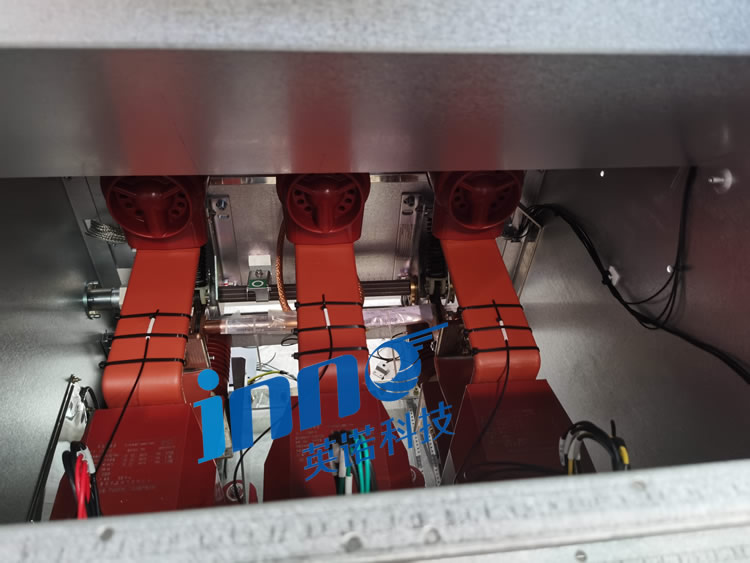
4.1 The EMI Challenge in Power Applications
Power systems generate intense electromagnetic fields that cause severe problems for traditional electronic sensors:
- High-voltage switching creates transient EMI spikes
- Transformer cores produce strong magnetic fields
- Circuit breaker operations generate electromagnetic pulses
- Generator rotating fields induce currents in sensor wiring
4.2 How Fluorescent Sensors Solve EMI Problems
Fluorescent fiber optic sensors eliminate all EMI concerns through:
- Complete Galvanic Isolation: No electrical connection between measurement point and control system
- Non-Metallic Construction: Glass fiber cannot conduct electrical signals or pick up interference
- Optical Signal Transmission: Light immune to all forms of electromagnetic radiation
- Proven Performance: Accurate measurements maintained in EMI levels exceeding 100 โวลต์/ม
This makes them indispensable for dry-type transformer monitoring, generator applications, and other high-EMI environments.
5. How Do Fluorescent Temperature Sensors Ensure Intrinsic Safety in Hazardous Environments?
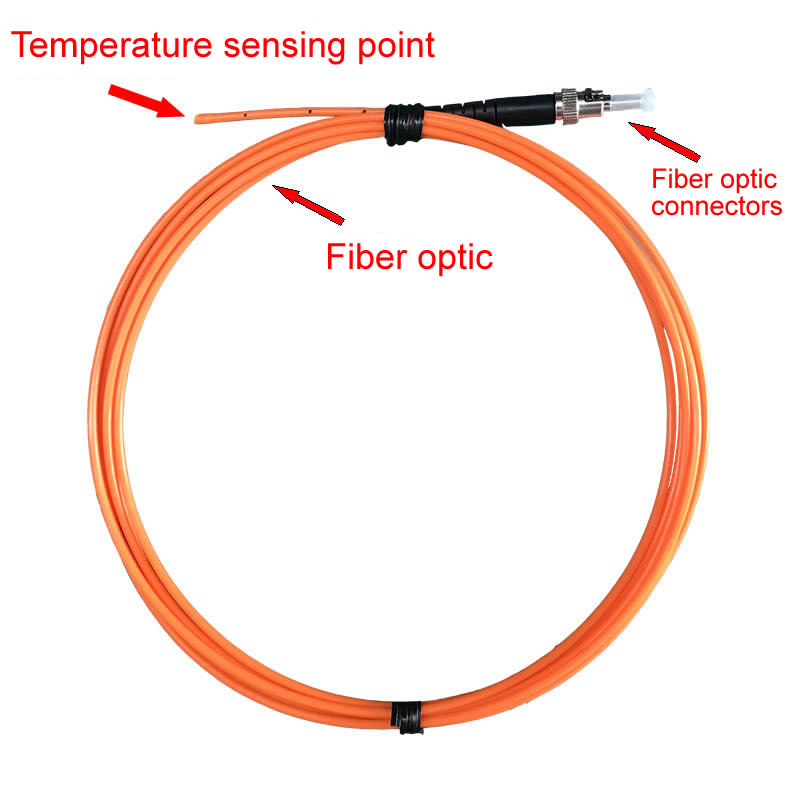
5.1 Intrinsic Safety Fundamentals
Fluorescent fiber optic sensors are intrinsically safe because they contain no electrical components at the measurement point. The sensing probe uses only:
- Glass optical fiber (ไม่นำไฟฟ้า)
- วัสดุเรืองแสง (non-reactive)
- Optical signals (non-energetic)
5.2 Applications in Hazardous Locations
This intrinsic safety makes fluorescent sensors ideal for:
- Chemical plants with flammable vapor atmospheres
- Oil and gas refineries with explosion risks
- Coal mining operations with methane gas
- Paint booths and solvent storage areas
- Grain elevators with combustible dust
6. Why Can High-Voltage Resistant Sensors Operate Directly on Energized Equipment?
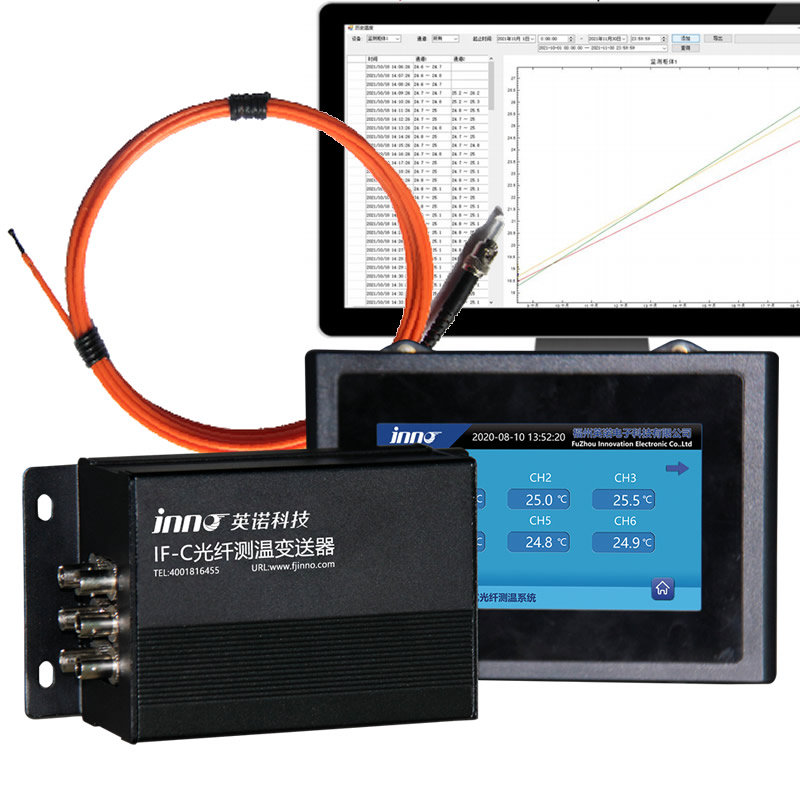
6.1 High-Voltage Insulation Performance
The non-conductive nature of fluorescent fiber optic sensors provides exceptional high-voltage insulation:
- Glass fiber withstands voltages exceeding 500kV
- No voltage division or isolation transformers required
- Complete electrical isolation between measurement and control systems
- Zero risk of ground faults or short circuits
6.2 Direct Installation Benefits
This allows sensors to be installed directly on high-voltage equipment:
- ขดลวดหม้อแปลง operating at transmission voltages
- Switchgear busbars at medium and high voltages
- Generator stator windings during operation
- High-voltage cable terminations and joints
7. What Temperature Range Can Fiber Optic Sensing Systems Effectively Monitor?
7.1 Wide Operating Range: -40°ซ ถึง +260°ซ
Fluorescent fiber optic temperature sensors operate across an exceptionally wide temperature range, covering:
- Cryogenic Applications: -40°C for cold storage and refrigeration
- Ambient Monitoring: 0°C to +50°C for normal operations
- Elevated Temperatures: +50°C to +150°C for industrial processes
- High-Temperature Applications: +150°C to +260°C for power equipment and การผลิตเซมิคอนดักเตอร์
7.2 Temperature Cycling Stability
The sensors maintain accuracy through repeated temperature cycles with:
- No hysteresis or measurement drift
- Consistent response across the entire range
- Reliable performance in environments with rapid temperature changes
8. อุปกรณ์ตรวจวัดไฟเบอร์ฟลูออเรสเซนต์สามารถรองรับได้กี่ช่อง?

8.1 Scalable Multi-Channel Architecture
Fluorescent fiber optic temperature transmitters support flexible configurations:
- Single Channel: For simple applications requiring one measurement point
- 4-8 ช่อง: Ideal for small equipment monitoring
- 16-32 ช่อง: Standard for medium-sized installations
- 64 ช่อง: Maximum capacity for comprehensive monitoring systems
8.2 Cost Benefits of Multi-Channel Systems
Using a single transmitter for multiple measurement points provides:
- Reduced hardware costs compared to individual sensors
- Simplified system architecture and wiring
- Centralized data collection and analysis
- Lower per-point monitoring cost for large installations
9. How Do Transformer Winding Fiber Optic Sensors Prevent Overheating Failures?
9.1 Critical Importance of Transformer Temperature Monitoring
Transformer failures often result from winding hot spots caused by:
- Overloading beyond rated capacity
- Cooling system malfunctions
- Internal short circuits or turn-to-turn faults
- Deteriorated insulation systems
9.2 Fluorescent Sensor Advantages for Transformers
Transformer winding fiber optic sensors provide superior monitoring because they:
- Operate reliably in intense magnetic fields generated by transformer cores
- Install directly on high-voltage windings without electrical isolation
- Detect hot spots with ±1°C accuracy for early warning
- Enable thermal modeling and predictive maintenance strategies
- Work equally well in ชนิดแห้ง and oil-immersed transformers
10. What Makes Switchgear Busbar Contact Temperature Sensors Critical for Electrical Safety?
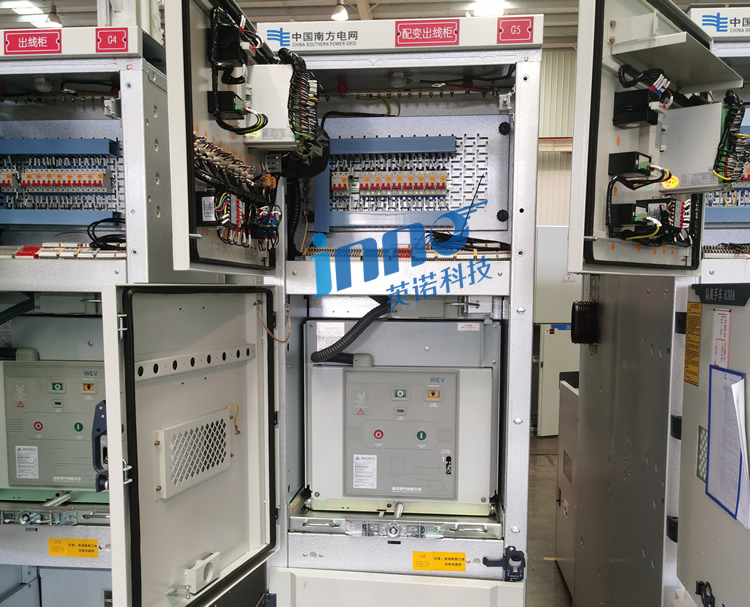
10.1 Busbar Connection Failure Mechanisms
Busbar and contact overheating in switchgear results from:
- Loose bolted connections with increased resistance
- Contact surface oxidation or contamination
- Overloading beyond design current ratings
- Inadequate ventilation in enclosed compartments
10.2 Fluorescent Sensor Solutions for Switchgear
Switchgear contact temperature sensors prevent failures by:
- Monitoring critical connection points continuously
- Operating safely in high-voltage, high-current environments
- Providing early detection before thermal runaway occurs
- Enabling condition-based maintenance scheduling
- Reducing unplanned outages and equipment damage
11. Where Are EMI-Free Fiber Optic Sensors Most Widely Deployed Across Industries?
11.1 Power Generation and Distribution
- หม้อแปลงไฟฟ้า (ขดลวด, บูช, แตะเปลี่ยน)
- Generator sets (ขดลวดสเตเตอร์, ตลับลูกปืน)
- Switchgear and circuit breakers
- Cable joints and terminations
11.2 การผลิตภาคอุตสาหกรรม
- Industrial automation systems
- Semiconductor processing equipment
- Microwave and RF heating systems
- Induction heating and melting furnaces
11.3 โครงสร้างพื้นฐานที่สำคัญ
- ศูนย์ข้อมูล (server racks, การกระจายอำนาจ)
- Railway traction systems and substations
- Wind turbine generators and converters
- Solar inverter temperature monitoring
11.4 Medical and Research
- อุปกรณ์ทางการแพทย์ (ระบบเอ็มอาร์ไอ, การระเหยด้วยคลื่นความถี่วิทยุ)
- อุปกรณ์ห้องปฏิบัติการ and environmental chambers
12. Global Customer Success Cases
12.1 Power Utility – China Southern Grid
แอปพลิเคชัน: 220kV transformer substation monitoring
ท้าทาย: Traditional sensors failed due to intense EMI from switching operations
สารละลาย: 32-channel fluorescent fiber optic system monitoring transformer windings and busbar connections
ผลลัพธ์: Zero false alarms, detected incipient fault 3 เดือนก่อนที่จะล้มเหลว, prevented $2M+ equipment loss
12.2 Semiconductor Manufacturer – Taiwan
แอปพลิเคชัน: Wafer processing equipment temperature control
ท้าทาย: RF plasma systems disrupted electronic sensors
สารละลาย: 16-channel fiber optic system for heating zone monitoring
ผลลัพธ์: Improved process uniformity, reduced defect rate by 15%, achieved ISO cleanroom compatibility
12.3 ศูนย์ข้อมูล – สิงคโปร์
แอปพลิเคชัน: Critical infrastructure temperature monitoring
ท้าทาย: Dense server racks required comprehensive hot spot detection
สารละลาย: 64-channel system monitoring power distribution units and server inlets
ผลลัพธ์: Prevented 3 thermal incidents in first year, optimized cooling efficiency by 12%
12.4 Medical Facility – เยอรมนี
แอปพลิเคชัน: MRI system RF coil temperature monitoring
ท้าทาย: 3 Tesla magnetic field prevented use of any electronic sensors
สารละลาย: Custom fluorescent probes in patient-contact RF coils
ผลลัพธ์: Enhanced patient safety, enabled higher power scanning protocols, met strict medical device regulations
12.5 Wind Farm – สหรัฐอเมริกา
แอปพลิเคชัน: 5MW wind turbine generator monitoring
ท้าทาย: Remote location, harsh weather, strong generator magnetic fields
สารละลาย: 8-channel system for generator bearings and power electronics
ผลลัพธ์: Extended maintenance intervals from 6 ถึง 12 เดือน, reduced unplanned downtime by 40%
13. สูงสุด 10 ผู้ผลิตเซนเซอร์วัดอุณหภูมิไฟเบอร์ออปติกที่ดีที่สุด
13.1 ผู้นำอุตสาหกรรมระดับโลก
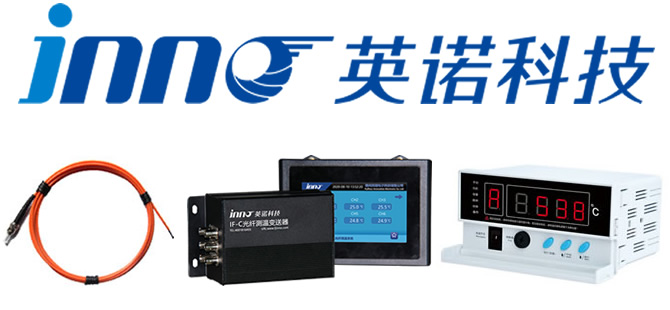
| อันดับ | ผู้ผลิต | รายละเอียด |
|---|---|---|
| 🥇 #1 |
ฝูโจวนวัตกรรมวิทยาศาสตร์อิเล็กทรอนิกส์&บริษัท เทค จำกัด, บจ.📅 Established: 2011 🏭 Product Categories:
📍 ที่อยู่: สวนอุตสาหกรรมเครือข่าย Liandong U Grain, No.12 ถนนซิงเย่ตะวันตก, ฝูโจว, ฝูเจี้ยน, จีน 📧 อีเมล: เว็บ@fjinno.net 📱 Phone: +86 13599070393 💬 WhatsApp: +86 13599070393 💌 วีแชต: +86 13599070393 💌คิวคิว: 3408968340 |
|
| 🥈 #2 |
福州华光天锐光电科技有限公司
|
|
| 🥉 #3 |
FISO Technologies Inc.📅 Established: 1994 🌍 Location: Quebec, แคนาดา 🏭 Product Categories: Medical fiber optic sensors, การตรวจสอบอุณหภูมิอุตสาหกรรม, เซ็นเซอร์ความดัน, catheter-based measurement systems 🌐 เว็บไซต์: www.fiso.com |
|
| #4 |
Opsens Inc.📅 Established: 2003 🌍 Location: Quebec, แคนาดา 🏭 Product Categories: Medical pressure sensors, เซ็นเซอร์อุณหภูมิใยแก้วนำแสง, cardiovascular measurement systems, industrial monitoring solutions 🌐 เว็บไซต์: www.opsens.com |
|
| #5 |
นีออปติกส์ (Qualitrol Company)📅 Established: 2003 (Acquired by Qualitrol in 2013) 🌍 Location: Quebec, แคนาดา 🏭 Product Categories: Fiber optic temperature sensors for power transformers, เครื่องกำเนิดไฟฟ้า, มอเตอร์, renewable energy systems 🌐 เว็บไซต์: www.qualitrolcorp.com |
|
| #6 |
โอเมก้า เอ็นจิเนียริ่ง (Spectris plc)📅 Established: 1962 🌍 Location: Connecticut, สหรัฐอเมริกา 🏭 Product Categories: เซ็นเซอร์อุณหภูมิไฟเบอร์ออปติก, เทอร์โมคัปเปิ้ล, RTD, industrial measurement instruments, ระบบการรับข้อมูล 🌐 เว็บไซต์: www.omega.com |
|
| #7 |
Weidmann Electrical Technology AG📅 Established: 1877 🌍 Location: แร็ปเปอร์สวิล, สวิตเซอร์แลนด์ 🏭 Product Categories: ระบบตรวจสอบหม้อแปลงไฟฟ้า, เซ็นเซอร์อุณหภูมิใยแก้วนำแสง, high-voltage insulation products, การวินิจฉัยหม้อแปลง 🌐 เว็บไซต์: www.weidmann-electrical.com |
|
| #8 |
บริษัท ลูน่า อินโนเวชั่นส์ จำกัด📅 Established: 1990 🌍 Location: เวอร์จิเนีย, สหรัฐอเมริกา 🏭 Product Categories: ระบบตรวจจับไฟเบอร์ออปติก, การตรวจจับอุณหภูมิแบบกระจาย (ดีทีเอส), การติดตามสุขภาพโครงสร้าง, อุปกรณ์ทดสอบและการวัด 🌐 เว็บไซต์: www.lunainc.com |
|
| #9 |
ไมโครนอร์ อิงค์.📅 Established: 1997 🌍 Location: แคลิฟอร์เนีย, สหรัฐอเมริกา 🏭 Product Categories: เซ็นเซอร์อุณหภูมิไฟเบอร์ออปติก, เซ็นเซอร์ความดัน, ดิสเพลสเมนต์เซนเซอร์, ระบบการวัดภูมิคุ้มกัน EMI 🌐 เว็บไซต์: www.micronor.com |
|
| #10 |
บริษัท อุตสาหกรรมพลังงานขั้นสูงอิงค์.📅 Established: 1981 🌍 Location: โคโลราโด, สหรัฐอเมริกา 🏭 Product Categories: เซนเซอร์วัดอุณหภูมิไฟเบอร์ออปติกสำหรับการผลิตเซมิคอนดักเตอร์, อุปกรณ์การประมวลผลพลาสม่า, ระบบการสะสมของฟิล์มบาง 🌐 เว็บไซต์: www.advancedenergy.com |
|
ติดต่อเราเพื่อรับโซลูชันการตรวจจับอุณหภูมิไฟเบอร์ออปติกระดับมืออาชีพ
รับคำแนะนำจากผู้เชี่ยวชาญและโซลูชันที่ปรับแต่งตามความต้องการ
ทีมเทคนิคของเราพร้อมที่จะช่วยคุณเลือกโซลูชันการตรวจจับอุณหภูมิไฟเบอร์ออปติกฟลูออเรสเซนต์ที่เหมาะสมที่สุดสำหรับการใช้งานเฉพาะของคุณ.
📋 สิ่งที่เรานำเสนอ:
- ✅ ให้คำปรึกษาทางเทคนิคและวิเคราะห์การใช้งานฟรี
- ✅ คำแนะนำการออกแบบระบบและการกำหนดค่าที่กำหนดเอง
- ✅ ข้อมูลจำเพาะของผลิตภัณฑ์โดยละเอียดและเอกสารข้อมูลทางเทคนิค
- ✅ ราคาที่แข่งขันได้และส่วนลดปริมาณ
- ✅ Complete solution packages including installation support
- ✅ Fast response within 24 ชั่วโมง
📞 Contact Fuzhou Innovation Electronic Today
📧 อีเมล:
เว็บ@fjinno.net
📱 Phone/WhatsApp:
+86 13599070393
💌 วีแชต:
+86 13599070393
💌คิวคิว:
3408968340
⏰ Available 24/7 for Emergency Support
คำถามที่พบบ่อย
ไตรมาสที่ 1: What measurement accuracy can fluorescent fiber optic temperature sensors achieve?
ก: Fluorescent fiber optic temperature sensors provide ±1°C measurement accuracy across their entire operating range from -40°C to +260°C. This accuracy is maintained over the sensor’s 20+ year lifespan without any calibration required.
ไตรมาสที่ 2: ระบบเดียวสามารถตรวจสอบอุณหภูมิได้กี่จุด?
ก: A single fluorescent fiber optic temperature transmitter can monitor from 1 ถึง 64 temperature measurement points simultaneously. Each fiber optic cable measures one specific hot spot, and the system can be configured with 1, 4, 8, 16, 32, หรือ 64 channels based on application requirements.
ไตรมาสที่ 3: What is the response time of fluorescent fiber optic sensors?
ก: Fluorescent fiber optic sensors have a response time of less than 1 ที่สอง, enabling rapid detection of temperature changes and fast fault identification. This fast response is critical for early warning and protection in power systems.
ไตรมาสที่ 4: What is the maximum fiber optic cable length?
ก: Standard fluorescent fiber optic cables can extend from 0 ถึง 80 เมตร. Custom lengths beyond 80 meters are available for special applications requiring longer distances between the measurement point and the transmitter.
คำถามที่ 5: Can the probe diameter be customized?
ก: ใช่, fluorescent temperature probe diameters are fully customizable to fit specific installation requirements and space constraints. Common diameters range from 1mm to 6mm, with special sizes available upon request.
คำถามที่ 6: Why are fluorescent sensors better than traditional sensors in EMI environments?
ก: Fluorescent fiber optic sensors use optical signals instead of electrical signals, ทำให้พวกเขาต้านทานการรบกวนทางแม่เหล็กไฟฟ้าได้อย่างสมบูรณ์. Traditional electronic sensors suffer from signal distortion, measurement errors, and complete failure in high-EMI environments like transformer stations and switchgear installations.
คำถามที่ 7: Do fluorescent fiber optic sensors require periodic calibration?
ก: เลขที่, fluorescent fiber optic sensors maintain their factory calibration accuracy throughout their entire 20+ อายุการใช้งานปี. The optical measurement principle is inherently stable with no drift, eliminating the need for periodic recalibration and reducing maintenance costs.
คำถามที่ 8: Can fluorescent sensors be installed on high-voltage equipment?
ก: ใช่, fluorescent fiber optic sensors can be installed directly on high-voltage equipment operating at 500kV and higher. The non-conductive glass fiber and fluorescent materials provide complete electrical isolation, eliminating the need for voltage dividers or isolation transformers.

เซ็นเซอร์อุณหภูมิไฟเบอร์ออปติก, ระบบตรวจสอบอัจฉริยะ, จำหน่ายผู้ผลิตใยแก้วนำแสงในประเทศจีน
 |
 |
 |