 เซ็นเซอร์อุณหภูมิไฟเบอร์ออปติก INNO ,ระบบตรวจสอบอุณหภูมิ.
- สวิตช์เกียร์มีความร้อนสูงเกินไปเป็นสาเหตุหลักของการเกิดเพลิงไหม้ทางไฟฟ้าและการหยุดทำงานโดยไม่คาดคิดในโรงงานอุตสาหกรรมและสาธารณูปโภค.
- พื้นที่ 3 วิธีการพิสูจน์แล้วสำหรับการตรวจสอบอุณหภูมิสวิตช์เกียร์คือ: การตรวจจับใยแก้วนำแสงเรืองแสง, เซ็นเซอร์อุณหภูมิไร้สาย, และ เทอร์โมกราฟฟีอินฟราเรด.
- ระบบใยแก้วนำแสงฟลูออเรสเซนต์ ส่งมอบอย่างต่อเนื่อง, การวัดที่มีความแม่นยำสูงและเป็นมาตรฐานทองคำสำหรับสวิตช์เกียร์ไฟฟ้าแรงสูง.
- เซ็นเซอร์ตรวจวัดอุณหภูมิแบบไร้สาย เสนอการติดตั้งโดยไม่ต้องใช้เครื่องมือและการครอบคลุมหลายจุดแบบเรียลไทม์ — เหมาะสำหรับการปรับปรุงห้องสวิตช์ที่มีอยู่.
- กล้องความร้อนอินฟราเรด ให้ภาพแผนที่ความร้อนและเหมาะที่สุดสำหรับรอบการตรวจสอบตามปกติโดยทีมบำรุงรักษา.
- การรวมการตรวจสอบออนไลน์เข้ากับการตรวจสอบอินฟราเรดเป็นระยะๆ จะมอบการป้องกันที่ครอบคลุมที่สุดสำหรับทรัพย์สินสวิตช์เกียร์ของคุณ.
- การตรวจสอบอุณหภูมิที่เหมาะสมจะช่วยยืดอายุการใช้งานของอุปกรณ์, ลดต้นทุนการบำรุงรักษา, และป้องกันความล้มเหลวร้ายแรงก่อนที่จะเกิดขึ้น.
1. สวิตช์เกียร์คืออะไร? แกนหลักของระบบจำหน่ายไฟฟ้าทุกระบบ

สวิตช์เกียร์หมายถึงการรวมกันของสวิตช์ตัดการเชื่อมต่อไฟฟ้า, ฟิวส์, และเซอร์กิตเบรกเกอร์ที่ใช้ในการควบคุม, ปกป้อง, และแยกอุปกรณ์ไฟฟ้าในโครงข่ายจำหน่ายไฟฟ้า. พบได้ในโรงงานขนาดใหญ่แทบทุกแห่ง ตั้งแต่โรงงานผลิตและศูนย์ข้อมูลไปจนถึงโรงพยาบาลและสถานีย่อย สวิตช์เกียร์เป็นจุดเชื่อมต่อที่สำคัญระหว่างแหล่งจ่ายไฟขาเข้าและโหลดดาวน์สตรีม.
ประเภทสวิตช์เกียร์ทั่วไป
Switchgear is broadly categorized by voltage level and design. สวิตช์เกียร์ไฟฟ้าแรงสูง (above 36kV) handles transmission-level electricity, ในขณะที่ สวิตช์เกียร์แรงดันปานกลาง (1kV–36kV) is widely used in industrial distribution. Low-voltage switchgear (ต่ำกว่า 1kV) manages final distribution to equipment and machinery. Specialized forms include ยูนิตหลักแบบวงแหวน (RMU), สวิตช์เกียร์หุ้มฉนวนแก๊ส (จีไอเอส), และ metal-clad switchgear panels.
Industries That Depend on Switchgear
Reliable switchgear operation is mission-critical across sectors including oil and gas, สาธารณูปโภค, ระบบขนส่งทางราง, commercial real estate, การผลิตเซมิคอนดักเตอร์, และการดูแลสุขภาพ. Any thermal failure in these environments carries significant safety, การเงิน, and operational consequences.
2. ภายในคณะรัฐมนตรี: ส่วนประกอบสำคัญของสวิตช์ไฟฟ้า

Understanding switchgear construction is essential for identifying where temperature monitoring is most needed. แบบฉบับ medium-voltage switchgear panel contains the following core components:
Primary Components
- เซอร์กิตเบรกเกอร์ — Interrupt fault currents; moving contacts generate heat under load.
- รถบัส — Copper or aluminum conductors that distribute current throughout the cabinet; connection joints are high-risk thermal points.
- หม้อแปลงกระแสไฟฟ้า (ซีที) — Measure current flow; windings are susceptible to insulation degradation from heat.
- ตัวตัดการเชื่อมต่อ / Isolating Switches — Provide safe isolation; contact arms can develop high resistance over time.
- Cable Terminations and Connectors — Loose or oxidized connections are among the most common sources of abnormal heating.
- Secondary Control Circuits — Terminal blocks and wiring within control compartments can overheat due to poor connections or overload.
Each of these components operates under continuous electrical stress. ปราศจาก real-time switchgear temperature monitoring, degradation is invisible until a fault occurs.
3. ทำไมสวิตช์เกียร์ถึงล้มเหลว? สาเหตุที่แท้จริงของความผิดพลาดของตู้ไฟฟ้า
Switchgear failure rarely happens without warning — but the warning signs are often thermal. Industry data consistently shows that overheating accounts for over 30% of all switchgear-related failures, making it the single most common fault category.
Primary Causes of Switchgear Overheating
Increased Contact Resistance
Loose bolted connections, oxidized busbar joints, and worn circuit breaker contacts all raise contact resistance. According to Joule’s Law, even a small increase in resistance generates disproportionately more heat under load — a problem that compounds over time if undetected.
Sustained Overload Conditions
Running switchgear above its rated current capacity causes conductors and insulation to exceed design temperatures. This is especially common in aging facilities where load growth has outpaced infrastructure upgrades.
Inadequate Ventilation and Cooling
Blocked ventilation slots, อุณหภูมิแวดล้อมสูง, or improper cabinet spacing prevent effective heat dissipation. Switchrooms in tropical climates or poorly ventilated basements are particularly vulnerable.
Installation and Commissioning Defects
Under-torqued bus connections, incorrect cable sizing, and poor termination workmanship introduce resistance at the point of installation — faults that may not manifest for months or years.
ความชื้น, การปนเปื้อน, และการกัดกร่อน
การควบแน่น, dust ingress, and chemical exposure degrade insulation and increase surface leakage currents, both of which contribute to abnormal heating patterns.
4. อันตรายที่ซ่อนอยู่: สวิตช์เกียร์เกิดความร้อนสูงเกินไปก่อให้เกิดความเสี่ยงอะไรบ้าง?
Thermal degradation inside a power distribution cabinet is not merely an equipment issue — it is a safety, การเงิน, and operational risk that affects entire facilities.
เร่งอายุของฉนวน
The Arrhenius Rule, widely applied in electrical engineering, states that for every 10°C rise above rated operating temperature, insulation life is effectively halved. A switchgear panel running 20°C above its design temperature will age four times faster than intended.
Arc Flash and Electrical Fire
เหตุการณ์อาร์คแฟลช in switchgear are frequently triggered by thermally weakened insulation. The energy released in an arc flash event can cause severe burns, การทำลายอุปกรณ์, and structural fire — with blast pressures exceeding those of many industrial explosives. Early-stage thermal detection is one of the most effective arc flash prevention strategies available.
Unplanned Downtime and Production Loss
A single switchgear failure can shut down an entire production line, data center floor, or hospital wing. Downtime costs in heavy industry routinely exceed tens of thousands of dollars per hour. Continuous switchgear monitoring ช่วยให้สามารถบำรุงรักษาตามเงื่อนไขได้, replacing reactive repair with planned intervention.
Personnel Safety Hazards
Maintenance technicians working on or near overheated switchgear face direct exposure to thermal burns, toxic fumes from degrading insulation, and the risk of arc flash. เชิงรุก switchgear thermal management directly reduces the frequency of hazardous work conditions.
Regulatory and Insurance Consequences
Many jurisdictions require documented evidence of thermal inspection for electrical equipment. Failure to maintain adequate temperature monitoring records can void equipment warranties, invalidate insurance claims, and result in regulatory penalties following an incident.
5. ความร้อนสะสมอยู่ที่ไหน? ตำแหน่งฮอตสปอตที่สำคัญในสวิตช์ไฟ

ได้ผล การตรวจจับฮอตสปอตสวิตช์เกียร์ requires knowing exactly where thermal stress concentrates. The following locations account for the majority of temperature-related faults in medium and high-voltage electrical cabinets:
Busbar Joints and Connection Points
การเชื่อมต่อบัสบาร์ are the most frequently cited thermal fault location in switchgear. Bolted joints that loosen over time — due to thermal cycling, การสั่น, or initial under-torquing — develop elevated contact resistance and generate localized hot spots that can reach dangerous levels within weeks.
Circuit Breaker Moving and Static Contacts
The contact interface inside a vacuum circuit breaker or air circuit breaker carries full load current. การสึกหรอของหน้าสัมผัส, การจัดแนวที่ไม่ตรง, or spring fatigue increases transition resistance, causing concentrated heating at the point of current transfer.
Cable Terminations and Lug Connections
Poorly crimped lugs, under-tightened terminal bolts, and oxidized aluminum-to-copper interfaces are among the most common sources of thermal faults in low and medium-voltage switchboards. These faults are deceptive — they often appear normal visually but register significant heat signatures under load.
Isolating Switch Contact Arms
The sliding or rolling contacts of disconnector switches experience mechanical wear with each operation cycle. As contact pressure decreases, resistance — and heat — increases proportionally.
Current Transformer Windings
Overloaded or incorrectly rated หม้อแปลงกระแสไฟฟ้า can experience internal winding heating, which is difficult to detect without embedded sensors or thermographic inspection.
Secondary Terminal Blocks
Within the low-voltage control compartment, terminal strip connections carrying relay and metering circuits can overheat due to loose wiring, ขนาดฟิวส์ไม่ถูกต้อง, or short-circuit conditions in control circuits.
6. 3 เปรียบเทียบวิธีการตรวจสอบอุณหภูมิสวิตช์เกียร์ที่ดีที่สุด
การเลือกสิ่งที่ถูกต้อง ระบบตรวจสอบอุณหภูมิสวิตช์เกียร์ depends on voltage level, เงื่อนไขการติดตั้ง, งบประมาณ, และข้อกำหนดในการปฏิบัติงาน. Below is a detailed breakdown of each method and a direct comparison.
วิธี 1: การตรวจจับอุณหภูมิไฟเบอร์ออปติกฟลูออเรสเซนต์

เซ็นเซอร์อุณหภูมิใยแก้วนำแสงฟลูออเรสเซนต์ — also known as ระบบเทอร์โมมิเตอร์แบบไฟเบอร์ออปติก — operate by measuring the fluorescence decay time of a rare-earth compound attached to the fiber tip. This decay rate changes predictably with temperature, enabling accurate measurement that is completely independent of electrical interference.
ข้อได้เปรียบที่สำคัญ
- ปลอดภัยจากภายใน — no electrical components at the sensing point; fully passive and immune to high-voltage fields
- Measurement accuracy of ±0.5°C to ±1°C — the highest precision available for embedded switchgear monitoring
- ภูมิคุ้มกันต่อการรบกวนทางแม่เหล็กไฟฟ้า (อีเอ็มไอ), การรบกวนความถี่วิทยุ (RFI), and lightning transients
- Suitable for direct contact measurement on 10กิโลโวลต์, 35กิโลโวลต์, and GIS switchgear busbars and contacts
- รองรับ 24/7 การตรวจสอบออนไลน์อย่างต่อเนื่องด้วยดีโมดูเลเตอร์หลายช่องทาง
- อายุการใช้งานยาวนานโดยไม่ต้องเปลี่ยนแบตเตอรี่
วิธี 2: เซนเซอร์ตรวจวัดอุณหภูมิแบบไร้สาย
เซ็นเซอร์อุณหภูมิสวิตช์เกียร์ไร้สาย ใช้โหนดตัวส่งสัญญาณที่ใช้พลังงานแบตเตอรี่เพื่อรวบรวมข้อมูลอุณหภูมิ ณ จุดการวัดที่กำหนด และถ่ายทอดไปยังเครื่องรับกลางหรือแพลตฟอร์มคลาวด์ผ่านโปรโตคอล เช่น ซิกบี, โลรา, หรือคลื่นความถี่วิทยุ 2.4GHz. สถาปัตยกรรมนี้ช่วยลดความจำเป็นในการเดินสายสัญญาณโดยสิ้นเชิง.
ข้อได้เปรียบที่สำคัญ
- การติดตั้งโดยไม่ต้องใช้เครื่องมือ — ไม่ต้องเดินสายเคเบิล, ไม่มีการปรับเปลี่ยนแผง, การหยุดทำงานน้อยที่สุด
- รองรับเครือข่ายตาข่ายที่ปรับขนาดได้ 100+ จุดวัด ข้ามห้องสวิตช์
- ข้อมูลอุณหภูมิแบบเรียลไทม์พร้อมเกณฑ์การเตือนที่กำหนดค่าได้และการแจ้งเตือนแบบพุชจากระยะไกล
- เหมาะสำหรับ การดัดแปลงสวิตช์เกียร์แรงดันต่ำและปานกลางที่มีอยู่ โดยไม่มีงานโยธาที่สำคัญ
- การรวมระบบคลาวด์ช่วยให้สามารถติดตามตรวจสอบแบบรวมศูนย์ในหลาย ๆ ไซต์ได้
ข้อจำกัด
- Battery replacement typically required every 2–5 years depending on transmission interval
- Metal enclosures can attenuate wireless signals — proper antenna placement or repeaters may be needed
วิธี 3: เทอร์โมกราฟฟีอินฟราเรด
กล้องถ่ายภาพความร้อนอินฟราเรด detect surface-emitted infrared radiation and convert it into a visual heat map, allowing technicians to instantly identify abnormal temperature gradients across switchgear components without physical contact.
Handheld IR Camera vs. Fixed Thermal Sensor
แบบพกพา infrared thermography cameras are used during scheduled inspection walks and can survey entire switchrooms in minutes. Fixed online infrared sensors mounted behind IR inspection windows on panel doors allow continuous monitoring of specific internal zones without opening energized equipment.
ข้อได้เปรียบที่สำคัญ
- Non-contact measurement — safe for use on energized equipment
- ภาพความร้อนให้เอกสารภาพเต็มรูปแบบสำหรับบันทึกการบำรุงรักษาและการรายงานการปฏิบัติตามข้อกำหนด
- วิธีที่เร็วที่สุดในการสำรวจแผงจำนวนมากระหว่างการปิดระบบตามปกติ
- ใช้งานได้กับทุกระดับแรงดันไฟฟ้า
ข้อจำกัด
- การตรวจสอบตามระยะเวลาเท่านั้น — ไม่ได้ให้การตรวจสอบแบบเรียลไทม์อย่างต่อเนื่องระหว่างการเยี่ยมชมแต่ละครั้ง
- ต้องมีการเข้าถึงระดับสายตาหรือหน้าต่าง IR; ประตูโลหะปิดปิดกั้นรังสีอินฟราเรด
การตรวจสอบอุณหภูมิสวิตช์เกียร์: ตารางเปรียบเทียบวิธีการ
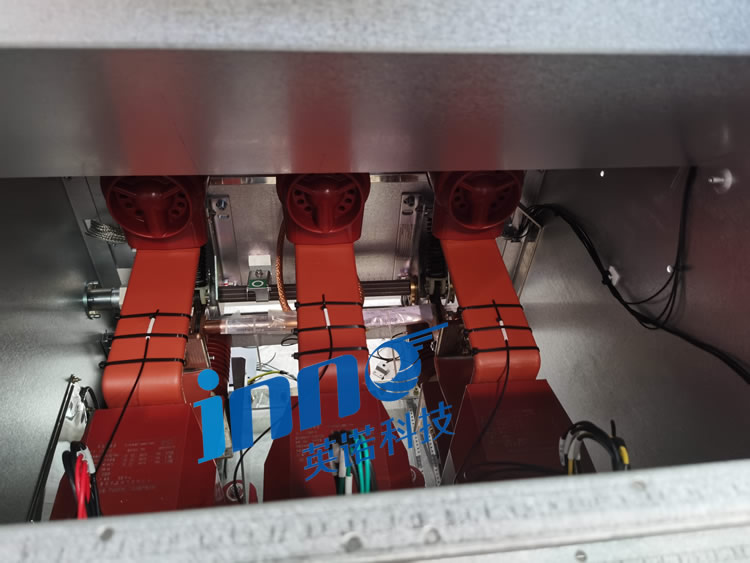
| เกณฑ์ | ไฟเบอร์ออปติกเรืองแสง | เซ็นเซอร์ไร้สาย | เทอร์โมกราฟฟีอินฟราเรด |
|---|---|---|---|
| ประเภทการตรวจสอบ | ออนไลน์อย่างต่อเนื่อง | ออนไลน์อย่างต่อเนื่อง | เป็นระยะๆ / กำหนดเวลาแล้ว |
| การติดตั้ง | สายไฟเบอร์ออปติก | ไร้สาย, ไม่มีการเดินสาย | มือถือหรือคงที่ |
| ภูมิคุ้มกันอีเอ็มไอ | ★★★★★ | ★★★ | ★★★★ |
| ความถูกต้อง | ± 0.5 ° C | ±1°ซ | ±2°ซ |
| ช่วงแรงดันไฟฟ้า | ไฟฟ้าแรงสูงเบื้องต้น | ต่ำ / แรงดันไฟฟ้าปานกลาง | ระดับแรงดันไฟฟ้าทั้งหมด |
| ปลุกแบบเรียลไทม์ | ✅ | ✅ | ❌ |
| ความซับซ้อนในการติดตั้ง | ปานกลาง | เรียบง่าย | น้อยที่สุด |
| แอปพลิเคชั่นที่ดีที่สุด | สวิตช์ HV ใหม่ | โครงการติดตั้งเพิ่มเติม | การตรวจสอบการบำรุงรักษา |
7. การสร้างระบบตรวจสอบความร้อนของสวิตช์เกียร์ที่สมบูรณ์
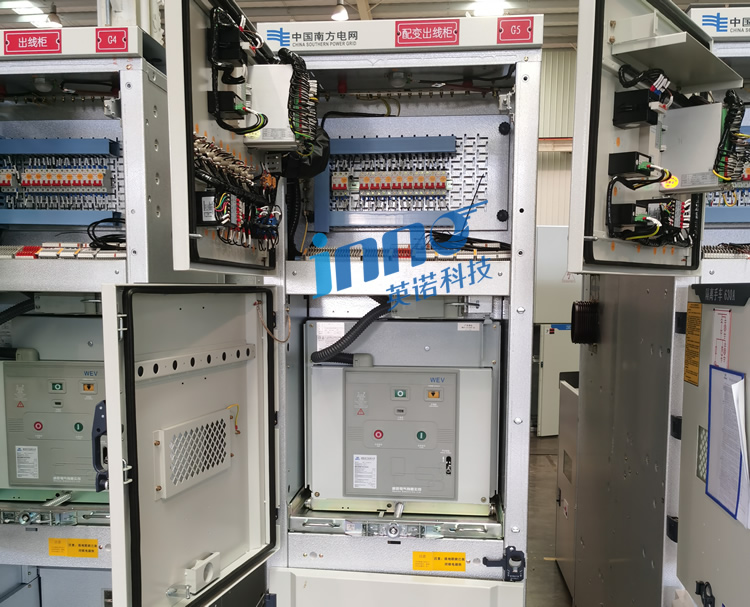
มีความแข็งแกร่ง ระบบตรวจสอบสภาพสวิตช์เกียร์ ไม่ใช่อุปกรณ์เดียว แต่เป็นสถาปัตยกรรมแบบเลเยอร์ที่แปลงข้อมูลอุณหภูมิดิบให้เป็นข้อมูลอัจฉริยะในการบำรุงรักษาที่ดำเนินการได้.
ชั้น 1 — การตรวจจับ
ชั้นการตรวจจับประกอบด้วย หัววัดไฟเบอร์ออปติกฟลูออเรสเซนต์, เครื่องส่งสัญญาณอุณหภูมิไร้สาย, หรือ fixed infrared modules installed at each critical measurement point. Sensor placement should be guided by a thermal risk assessment of busbar joints, หน้าสัมผัสของเบรกเกอร์, และการสิ้นสุดสายเคเบิล.
ชั้น 2 — Data Acquisition
Signals from fiber optic systems are processed by a multi-channel fluorescence demodulator. Wireless systems use a gateway or concentrator unit to aggregate data from distributed nodes. Both output structured temperature readings at configurable sampling intervals.
ชั้น 3 — Communication
Data is transmitted to the monitoring platform via RS-485 / Modbus RTU, อีเธอร์เน็ต / Modbus TCP, หรือ 4เซลลูล่าร์ G/5G depending on site connectivity. MQTT protocol is commonly used for cloud-based deployments.
ชั้น 4 — Monitoring Platform
พื้นที่ switchgear temperature monitoring software provides real-time dashboards, แนวโน้มทางประวัติศาสตร์, multi-tier alarm management (advisory / คำเตือน / วิกฤต), และการรายงานอัตโนมัติ. Alarm thresholds are typically configured at 85°C for early warning และ 110°C for critical alert, though these vary by component and insulation class.
ชั้น 5 — Response and Integration
On alarm, the system triggers audible/visual alerts, pushes SMS or email notifications to designated personnel, and optionally issues trip commands to upstream circuit breakers to isolate the faulted section. บูรณาการกับ สกาด้า, บีเอ็มเอส, or CMMS platforms via standard protocols enables full facility-level situational awareness.
Recommended System Configurations
- New High-Voltage Switchgear: Fluorescent fiber optic sensing + multi-channel demodulator + บูรณาการ SCADA
- Medium-Voltage Retrofit: Wireless temperature sensor network + cloud monitoring gateway + mobile app alerts
- Maintenance Program: Periodic infrared thermography surveys + online system for continuous baseline monitoring between inspections
8. กรณีศึกษาทั่วโลก: การตรวจสอบอุณหภูมิสวิตช์เกียร์ในการดำเนินการ
กรณีศึกษา 1 — Data Center, สิงคโปร์
A Tier III data center operator deployed a wireless switchgear temperature monitoring system ข้าม 240 measurement points in their main electrical distribution room. Within six weeks of commissioning, the system flagged an abnormal temperature rise at a medium-voltage busbar joint — 34°C above adjacent connection points under load. Maintenance teams replaced the connection during a scheduled maintenance window, preventing what engineers estimated would have been a full site outage affecting multiple enterprise tenants.
กรณีศึกษา 2 — Automotive Manufacturing, เยอรมนี
A major vehicle assembly plant operating 35kV high-voltage switchgear installed a fluorescent fiber optic temperature sensing system กับ 64 measurement channels across three switchgear lineups. The system operates continuously alongside the production line, with alarms integrated directly into the facility SCADA platform. ตั้งแต่การติดตั้ง, the plant has recorded zero unplanned electrical shutdowns attributable to switchgear thermal faults — compared to two incidents in the three years prior.
กรณีศึกษา 3 — Urban Rail Transit, จีน
A metropolitan subway operator equipped traction power substations across 18 stations with ระบบเทอร์โมมิเตอร์แบบไฟเบอร์ออปติก on all medium-voltage switchgear panels. ปลอดภัยจากภายใน, EMI-immune sensing architecture was specifically selected to meet the stringent electrical safety requirements of rail traction environments, where high-frequency transients and strong magnetic fields rule out conventional electronic sensors.
กรณีศึกษา 4 — Power Utility, ออสเตรเลีย
A regional distribution network operator implemented a hybrid monitoring strategy combining scheduled infrared thermographic surveys every six months with permanent wireless temperature transmitters on highest-risk switchgear panels. Over a two-year period, the combined approach identified 17 developing thermal faults before they escalated — reducing corrective maintenance callouts by approximately 40% compared to the previous inspection-only program.
คําถามที่พบบ่อย: การตรวจสอบอุณหภูมิสวิตช์เกียร์
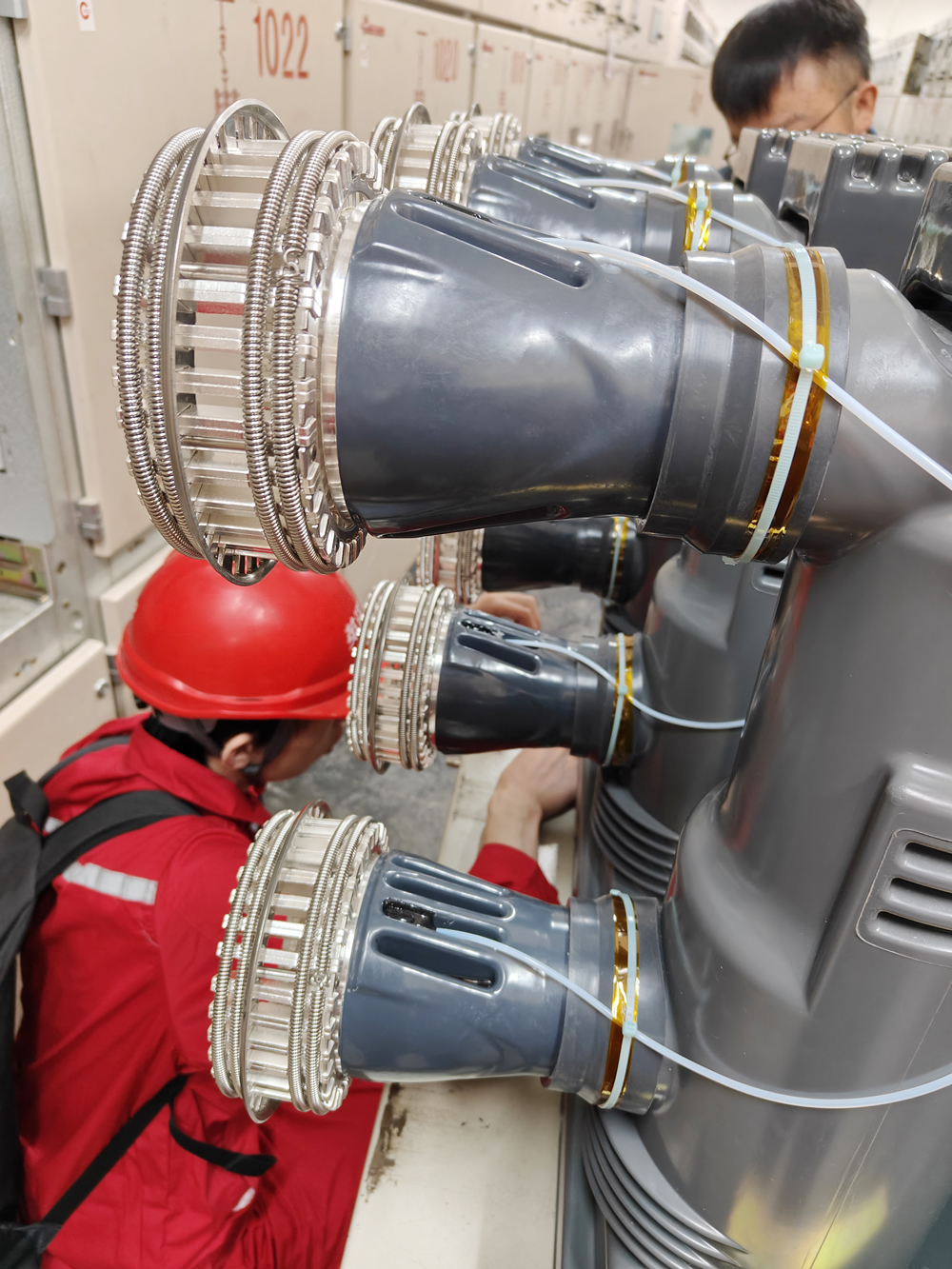
1. อะไรบ้าง 3 best methods for switchgear temperature monitoring?
The three most effective methods are การตรวจจับอุณหภูมิใยแก้วนำแสงเรืองแสง, wireless temperature monitoring sensors, และ เทอร์โมกราฟฟีอินฟราเรด. Each serves a distinct role: fiber optic systems excel in high-voltage continuous monitoring, wireless sensors are ideal for retrofit applications, and infrared cameras are the standard tool for periodic inspection programs.
2. What is the difference between fluorescent fiber optic sensing and wireless temperature sensors in switchgear?
เซนเซอร์ไฟเบอร์ออปติกฟลูออเรสเซนต์ use passive optical probes with no electrical components at the measurement point, making them intrinsically safe for high-voltage environments and completely immune to EMI. เซ็นเซอร์วัดอุณหภูมิแบบไร้สาย are battery-powered electronic devices that transmit data via radio frequency — easier to install in existing switchrooms but better suited to medium and low-voltage applications where electromagnetic interference is less severe.
3. Which temperature monitoring method is best for high-voltage switchgear above 10kV?
เทอร์โมมิเตอร์แบบไฟเบอร์ออปติกฟลูออเรสเซนต์ is the recommended solution for switchgear operating above 10kV. The fully passive, non-electrical sensing element can be placed directly on energized components without insulation risk, and the system maintains full accuracy in environments with strong electromagnetic fields generated by high-voltage equipment.
4. Can wireless sensors work reliably inside metal switchgear enclosures?
ใช่, with proper installation design. Metal enclosures attenuate radio frequency signals, so wireless switchgear monitoring systems may require external antennas routed through cable glands, RF-transparent panels, or signal repeaters strategically positioned in the switchroom. Most commercial systems are specifically engineered for this environment and provide documented performance specifications for enclosure penetration.
5. Can infrared thermography replace a continuous online switchgear monitoring system?
ไม่ใช่. Infrared thermal inspection is an excellent diagnostic and documentation tool, but it only captures a thermal snapshot at the moment of the survey. Thermal faults can develop and reach critical levels between inspection visits — particularly under variable load conditions. A continuous online temperature monitoring system provides the real-time alarm capability that periodic inspection alone cannot deliver.
6. What temperature threshold should trigger a switchgear alarm?
Alarm thresholds depend on the component type, ชั้นฉนวน, และอุณหภูมิโดยรอบ. As a general industry reference, หนึ่ง early warning alarm is commonly set at 85° C for busbar connections and contact points, ด้วย critical alarm ที่ 110° C. These values should always be validated against the switchgear manufacturer’s specifications and applicable standards such as ไออีซี 62271 และ IEEE C37.20.
7. What international standards apply to switchgear temperature monitoring?
Key standards include ไออีซี 62271 (High-voltage switchgear and controlgear), IEEE C37.20 (Metal-enclosed switchgear), และ ไออีซี 60255 for protective relaying. For infrared inspection programs, NFPA 70B (Recommended Practice for Electrical Equipment Maintenance) provides widely referenced guidelines on inspection frequency and acceptance criteria.
8. Is fluorescent fiber optic monitoring suitable for retrofitting older switchgear?
It depends on the switchgear design and available access points. เซ็นเซอร์ไฟเบอร์ออปติก are small-diameter probes that can often be routed into existing switchgear through cable entries or conduit openings without major modification. อย่างไรก็ตาม, the cabling requirements are more involved than wireless alternatives, ทำ wireless temperature sensor systems the more practical first choice for most retrofit and upgrade projects.
9. Can a switchgear temperature monitoring system integrate with SCADA or BMS platforms?
ใช่. Most modern switchgear thermal monitoring systems support standard industrial communication protocols including Modbus RTU/TCP, แบคเน็ต, DNP3, และไออีซี 61850, enabling direct integration with SCADA, ระบบการจัดการอาคาร (บีเอ็มเอส), and computerized maintenance management systems (CMMS). This allows temperature alarms and trend data to be consolidated within your existing facility operations platform.
10. Is it effective to combine multiple switchgear temperature monitoring methods?
Absolutely — and it is considered best practice for critical electrical infrastructure. The most comprehensive approach combines การตรวจสอบออนไลน์อย่างต่อเนื่อง (fiber optic or wireless) for real-time alarm coverage with scheduled infrared thermographic surveys for full visual documentation and cross-verification. Online systems catch developing faults between inspection cycles; infrared surveys provide the broader thermal context and audit trail that regulators and insurers increasingly expect.
Ready to Protect Your Switchgear from Overheating?
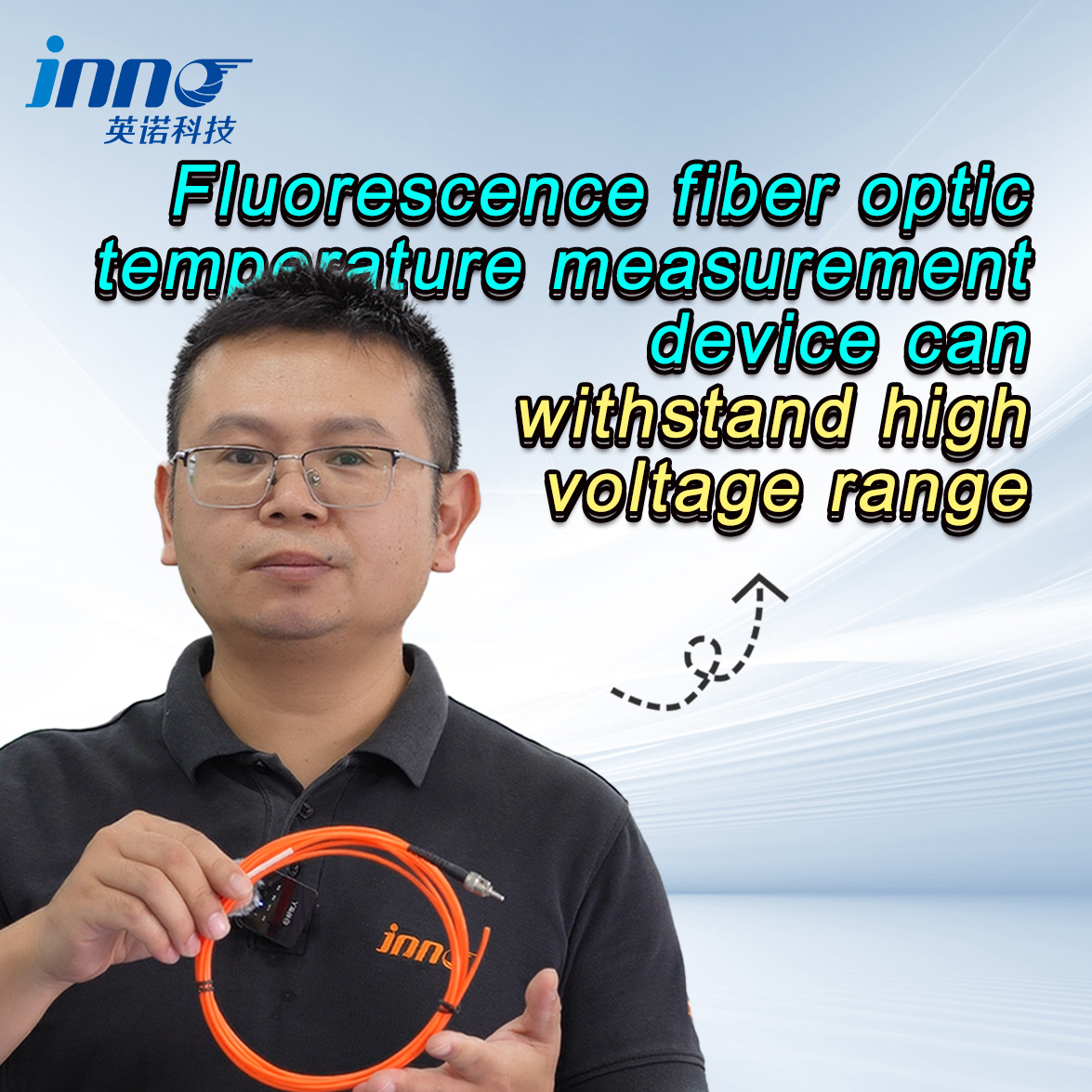
Whether you are specifying a new high-voltage installation or upgrading an existing switchroom, selecting the right temperature monitoring solution is one of the most effective steps you can take to protect your assets, your team, and your uptime.
Our engineering team specializes in switchgear thermal monitoring systems - จาก การตรวจจับใยแก้วนำแสงเรืองแสง for high-voltage applications to เครือข่ายเซ็นเซอร์อุณหภูมิไร้สาย for retrofit projects. We work with facility engineers, ผู้รับเหมาไฟฟ้า, and OEM integrators across industrial, คุณประโยชน์, and commercial sectors.
- 📋 Request a free site assessment and system recommendation
- 📄 Browse our switchgear temperature monitoring product range
- 📞 Speak with a thermal monitoring specialist
ข้อสงวนสิทธิ์: The information in this article is provided for general technical reference only. Specific system design, component selection, and alarm threshold configuration must be carried out by qualified electrical engineers in accordance with applicable local codes, มาตรฐาน, and the switchgear manufacturer’s documentation. Always follow established safety procedures when working on or near energized electrical equipment.

เซ็นเซอร์อุณหภูมิไฟเบอร์ออปติก, ระบบตรวจสอบอัจฉริยะ, ผู้ผลิตไฟเบอร์ออปติกแบบกระจายในประเทศจีน
 |
 |
 |