 INNO เซ็นเซอร์วัดอุณหภูมิใยแก้วนำแสง ,ระบบตรวจสอบอุณหภูมิ.
- Fiber optic solutions for temperature monitoring are complete sensing systems that use optical fiber — rather than metallic conductors — to measure temperature continuously and in real time, making them the standard choice for environments where conventional electronic sensors cannot operate safely or reliably.
- Because the sensing medium is light through glass, fiber optic temperature solutions are inherently immune to electromagnetic interference, create no conductive path into monitored equipment, and operate safely at any voltage level — including direct contact with live high-voltage conductors.
- Two technologies address two fundamentally different measurement geometries: การตรวจจับใยแก้วนำแสงเรืองแสง for precise, real-time monitoring at specific critical points, และ การตรวจจับอุณหภูมิใยแก้วนำแสงแบบกระจาย (ดีทีเอส) for continuous thermal mapping along the full length of a cable route.
- Fluorescence sensing is the right solution when the monitoring targets are known locations on equipment — switchgear contacts, ขดลวดหม้อแปลง, battery cells — and accuracy, ความเร็วในการตอบสนอง, and electrical isolation are the primary requirements.
- DTS is the right solution when coverage must extend across kilometers of infrastructure without blind spots, and the location of a thermal anomaly is not known in advance.
- Both technologies communicate over RS485 / Modbus RTU และบูรณาการกับ SCADA, ดีซีเอส, and building management systems without custom hardware.
- ผลิตโดย ฝูโจวนวัตกรรมวิทยาศาสตร์อิเล็กทรอนิกส์&บริษัท เทค จำกัด, บจ. — fiber optic sensing specialist since 2011.
1. คืออะไร โซลูชั่นไฟเบอร์ออปติกสำหรับการตรวจสอบอุณหภูมิ?

Fiber optic solutions for temperature monitoring เป็นระบบเครื่องมือวัดที่สมบูรณ์ซึ่งใช้ใยแก้วนำแสงเป็นตัวกลางในการตรวจจับ โดยวัดอุณหภูมิโดยการเปลี่ยนแปลงคุณสมบัติของแสงมากกว่าผ่านสัญญาณไฟฟ้า. โซลูชันอุณหภูมิใยแก้วนำแสงมาแทนที่ตัวนำโลหะ, แหล่งจ่ายแรงดันไฟฟ้า, และวงจรการวัดกระแสแบบเทอร์โมมิเตอร์แบบธรรมดาที่มีใยแก้วแบบพาสซีฟที่นำพาเฉพาะแสงระหว่างจุดตรวจจับกับเครื่องมือวัด. ผลลัพธ์ที่ได้คือวิธีการตรวจสอบอุณหภูมิที่มีลักษณะทางไฟฟ้าที่แตกต่างกันโดยพื้นฐาน, ข้อจำกัดทางกายภาพของมัน, และพฤติกรรมการทำงานในระยะยาวจากเทคโนโลยีเซ็นเซอร์ใดๆ ก็ตามที่ทำจากโลหะ.
The distinction between fiber optic and conventional electronic temperature measurement is not a matter of degree — it is a difference in kind. A thermocouple measures temperature by generating a small voltage; an RTD measures it by changing its electrical resistance; a semiconductor sensor measures it through a change in junction voltage. All three require a metallic conductor to carry an electrical signal from the measurement point back to the instrument. That metallic conductor is a conductive path — and in environments involving high voltage, สนามแม่เหล็กไฟฟ้าแรงสูง, บรรยากาศที่ระเบิดได้, or intense magnetic fields, a conductive path from the measurement point to ground is either a safety hazard, a source of measurement error, หรือทั้งสองอย่าง.
ก fiber optic temperature sensing solution eliminates the conductive path entirely. ใยแก้วนำแสงได้ทั้งสองทิศทาง; ไม่มีแรงดันไฟฟ้า, ไม่มีกระแส, และไม่มีพลังงานไฟฟ้าใดๆ เดินทางไปหรือจากจุดตรวจจับผ่านไฟเบอร์. ทำให้โซลูชันไฟเบอร์ออปติกเป็นเทคโนโลยีการวัดอุณหภูมิแบบสัมผัสเพียงเทคโนโลยีเดียวที่สามารถทำงานได้อย่างปลอดภัยและแม่นยำภายในสวิตช์เกียร์ไฟฟ้าแรงสูงที่มีกระแสไฟอยู่, ในขดลวดของหม้อแปลงไฟฟ้ากำลังภายใต้ภาระ, ในสนามแม่เหล็กของเครื่องสแกน MRI, ในโซน 1 พื้นที่อันตราย, หรือในสภาพแวดล้อมอื่นใดที่เซ็นเซอร์ทั่วไปไม่ปลอดภัย, ไม่น่าเชื่อถือ, หรือไม่สามารถติดตั้งได้ทางกายภาพ.
2. Why Light Outperforms Electricity as a Sensing Medium: The Core Physical Advantages

ความเหนือกว่าของใยแก้วนำแสงเหนือตัวนำโลหะในฐานะตัวกลางตรวจจับอุณหภูมิตามคุณสมบัติทางกายภาพของแก้วและแสงโดยตรง. These are not engineering refinements — they are fundamental characteristics of the sensing medium that determine what is and is not possible in each class of application.
No Conductive Path — Complete Electrical Isolation at Any Voltage
Glass optical fiber is a dielectric material. It conducts light and nothing else. ก หัววัดอุณหภูมิไฟเบอร์ออปติก installed directly on a live high-voltage busbar, a transformer winding energized at hundreds of kilovolts, or a traction power conductor carrying thousands of amperes presents zero conductive path to the monitoring instrument. There is no possibility of electrical breakdown between the sensing point and ground through the measurement system — regardless of the system voltage, the fault current level, or the dielectric condition of the surrounding insulation. This is not an insulation rating that can be exceeded; it is a physical property of the sensing medium.
Inherent Immunity to Electromagnetic Interference
Electromagnetic interference corrupts electronic temperature measurements by inducing voltages in the metallic signal conductors that the measurement circuit cannot distinguish from the actual sensor signal. In environments with strong power-frequency magnetic fields — switchgear panels, motor rooms, transformer vaults, induction heating installations — the induced voltage in a thermocouple lead or RTD cable can be larger than the measurement signal itself, producing temperature errors of tens of degrees. ก fiber optic thermal sensing system is immune to this mechanism at a physical level: no voltage can be induced in glass, และสัญญาณแสงที่เคลื่อนที่ผ่านไฟเบอร์จะไม่ได้รับผลกระทบจากสนามแม่เหล็กไฟฟ้าภายนอก.
ปลอดภัยอย่างแท้จริงที่จุดตรวจวัด
ในพื้นที่อันตรายที่มีก๊าซไวไฟ, ไอระเหย, หรือมีฝุ่นอยู่, อุปกรณ์ไฟฟ้าใดๆ จะต้องได้รับการประเมินว่าอาจเป็นแหล่งกำเนิดประกายไฟ. แบบพาสซีฟ, ธรรมชาติของพลังงานเป็นศูนย์ของ หัววัดเซนเซอร์อุณหภูมิใยแก้วนำแสง หมายความว่าไม่มีพลังงานไฟฟ้าที่จุดตรวจจับภายใต้สภาวะการทำงานใดๆ รวมถึงไฟฟ้าขัดข้องของอุปกรณ์ด้วย, สายสัญญาณลัดวงจร, หรือความผิดปกติของส่วนประกอบในเครื่องมือตรวจสอบ. โพรบไม่สามารถจุดไฟบรรยากาศที่ติดไฟได้เนื่องจากไม่มีการส่งและกักเก็บพลังงาน. คุณลักษณะด้านความปลอดภัยที่แท้จริงนี้ช่วยลดความยุ่งยากในการจำแนกประเภทพื้นที่อันตรายและการจัดทำเอกสารอย่างมีนัยสำคัญเมื่อเปรียบเทียบกับเทคโนโลยีเซ็นเซอร์ที่ทำงานด้วยไฟฟ้าใดๆ.
Long-Term Measurement Stability Without Recalibration
Conventional electronic sensors drift. Thermocouple output shifts as the thermoelectric material ages and oxidizes at elevated temperatures. RTD resistance changes as the sensing wire work-hardens through thermal cycling. Semiconductor sensors age under radiation and prolonged heat exposure. Each of these drift mechanisms introduces a growing measurement error that must be managed through periodic recalibration — which requires access to the sensor, interruption of monitoring, and comparison against a reference standard.
The physical principles underlying fiber optic temperature measurement solutions — particularly the fluorescence lifetime approach — do not drift in the same way. ความสัมพันธ์ระหว่างคุณสมบัติทางแสงที่วัดกับอุณหภูมิเป็นลักษณะเฉพาะที่มั่นคงของวัสดุตรวจจับ, ไม่ใช่การสอบเทียบที่เสื่อมลงตามกาลเวลา. ระบบตรวจจับใยแก้วนำแสงที่ติดตั้งในปัจจุบันจะสร้างการวัดที่แม่นยำเหมือนเดิมในอีกยี่สิบห้าปีนับจากนี้ภายใต้สภาวะความร้อนเดียวกัน, โดยไม่มีการแทรกแซงการปรับเทียบใหม่ใดๆ.
3. Two Technologies, Two Measurement Geometries: Fluorescence vs Distributed Sensing

ภายใน โซลูชั่นใยแก้วนำแสงสำหรับการตรวจสอบอุณหภูมิ, หลักการทางกายภาพสองประการที่แตกต่างกันตอบสนองความต้องการในการปฏิบัติงานที่แตกต่างกันโดยพื้นฐานสองประการ. การเลือกระหว่างสิ่งเหล่านี้ไม่ได้ขึ้นอยู่กับข้อกำหนดด้านประสิทธิภาพเป็นหลัก แต่เป็นคำถามเกี่ยวกับเรขาคณิตในการวัด: ปัญหาที่คุณต้องแก้ไขมีรูปร่างแบบไหน?
การวัดจุดเทียบกับการวัดเส้นทาง
ปัญหาการตรวจสอบอุณหภูมิบางอย่างถูกกำหนดโดยสถานที่เฉพาะ. The hottest point on a circuit breaker contact. The winding hot spot in a particular transformer phase. The cell at the end of a battery rack that runs warmest under charge. These are point measurement problems — the engineering team knows exactly where to put the sensor, and the value of the monitoring system lies in the accuracy, ความเร็ว, and reliability of the reading at each known location.
Other temperature monitoring problems are defined by routes or areas. A 15-kilometer underground cable tunnel. A buried pipeline across a rural landscape. A railway tunnel where a fire could start anywhere along its length. These are route measurement problems — the critical characteristic is not the accuracy of the reading at a single point but the absence of blind spots across the entire monitored length. No pre-identified location can be specified because the fault could develop anywhere.
การตรวจจับใยแก้วนำแสงเรืองแสง solves point measurement problems. การตรวจจับอุณหภูมิใยแก้วนำแสงแบบกระจาย (ดีทีเอส) solves route measurement problems. Both use optical fiber as the sensing medium and share all the physical advantages described above — but they work on different principles and produce fundamentally different types of data.
4. การตรวจสอบอุณหภูมิไฟเบอร์ออปติกเรืองแสง: Precision at Every Critical Point

ก fluorescence fiber optic temperature monitoring solution works by exciting a rare-earth phosphor element at the tip of the sensing probe with a brief pulse of light from the instrument. ฟอสเฟอร์จะดูดซับพลังงานกระตุ้นแล้วปล่อยออกมาอีกครั้งในรูปของแสงเรืองแสง และเวลาคงที่ของการเรืองแสงนั้นจะสลายตัว, เรียกว่าตลอดชีวิต (ที), เปลี่ยนไปอยู่ในคอกม้า, ความสัมพันธ์ที่คาดเดาได้กับอุณหภูมิ. เครื่องมือวัด τ และแปลงเป็นค่าอุณหภูมิที่สอบเทียบแล้ว.
ข้อได้เปรียบทางวิศวกรรมที่สำคัญของแนวทางนี้คือ การวัดจะขึ้นอยู่กับเวลา — ระยะเวลาที่ฟลูออเรสเซนซ์ใช้ในการสลายตัว — แทนที่จะขึ้นอยู่กับความเข้มของแสง. ซึ่งหมายความว่าสิ่งใดก็ตามที่ลดพลังงานแสงในระบบ - อายุของไฟเบอร์, การเปรอะเปื้อนของตัวเชื่อมต่อ, การหรี่แสงของแหล่งกำเนิดแสง — ไม่มีผลกระทบต่ออุณหภูมิที่วัดได้. เวลาสลายตัวที่อุณหภูมิที่กำหนดเป็นคุณสมบัติทางกายภาพคงที่ของวัสดุฟอสเฟอร์; มันไม่เปลี่ยนแปลงตามอายุของระบบออปติคัล. นี่คือเหตุผล โซลูชันอุณหภูมิใยแก้วนำแสงแบบเรืองแสง รักษาความถูกต้องแม่นยำไว้นานหลายทศวรรษโดยไม่มีใครดูแล, การดำเนินงานในบริการโดยไม่ต้องปรับเทียบใหม่.
การครอบคลุมหลายจุดจากเครื่องดนตรีชิ้นเดียว
ตัวเดียว เครื่องส่งสัญญาณอุณหภูมิใยแก้วนำแสง จัดการช่องการตรวจจับอิสระหลายช่องพร้อมกัน โดยแต่ละช่องเชื่อมต่อกับโพรบของตัวเองที่ตำแหน่งการวัดที่แยกกัน. ทำให้สามารถสร้างได้อย่างครอบคลุม, เครือข่ายการตรวจสอบความร้อนที่มีโครงสร้างทั่วทั้งชิ้นส่วนของอุปกรณ์หรือการติดตั้งทั้งหมดจากเครื่องมือเดียวและการเชื่อมต่อเครือข่าย RS485 เดียว. จำนวนช่องสามารถกำหนดค่าได้เพื่อให้ตรงกับข้อกำหนดการตรวจสอบเฉพาะของการติดตั้งแต่ละครั้ง.
โดยที่ Fluorescence Fiber Optic Solutions Excel
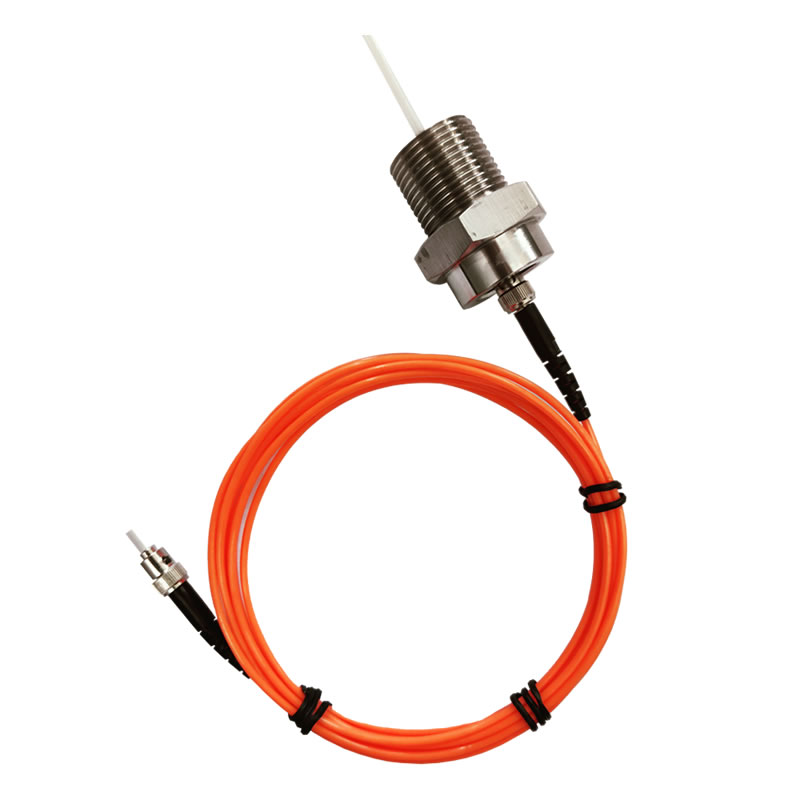
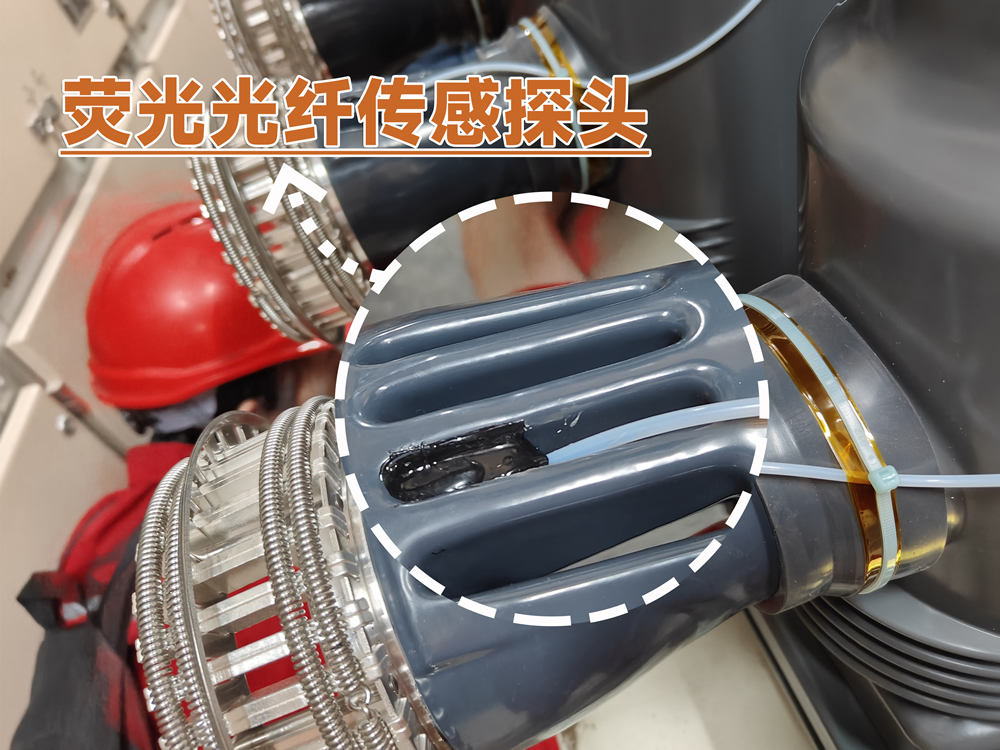
การรวมกันของการแยกไฟฟ้าที่สมบูรณ์, ตอบสนองความร้อนอย่างรวดเร็ว, ความแม่นยำในระยะยาวที่มั่นคง, และรูปทรงของโพรบขนาดกะทัดรัดทำให้ fluorescence fiber optic temperature solutions the definitive choice for monitoring discrete critical points in electrically demanding environments: the contact surfaces of live high-voltage switchgear, the windings of oil-filled power transformers, the cell-level thermal management of lithium battery energy storage systems, the interior of MRI scanners and other medical imaging equipment, and the reaction-critical locations in chemical and pharmaceutical process reactors.
5. การตรวจจับอุณหภูมิไฟเบอร์ออปติกแบบกระจาย: Continuous Thermal Mapping Along the Full Route

ก ระบบตรวจจับอุณหภูมิใยแก้วนำแสงแบบกระจาย uses an ordinary single-mode or multi-mode optical fiber cable as a continuous, unbroken array of temperature sensors — with every meter of the fiber contributing an independent temperature reading. The physical principle is Raman backscattering: when a laser pulse travels down the fiber, a small fraction of the light scatters back toward the instrument. The ratio of two components of that backscattered signal encodes the local temperature at each scattering point, and the round-trip travel time of each returning segment encodes its physical position along the fiber with meter-level precision.
The output of a DTS instrument is a thermal profile — a continuous graph of temperature versus distance along the entire sensing fiber. Every meter of the sensing route is covered simultaneously, with no gaps and no predetermined sensor locations. An anomaly that develops anywhere along the route is detected and position-referenced automatically the moment it appears, regardless of whether that location was anticipated as a risk point during system design.
The Defining Capability: Finding the Fault You Didn’t Know to Look For
The operational value of a distributed temperature sensing solution lies specifically in its ability to detect thermal anomalies at locations that were not identified as risk points in advance. In a power cable tunnel, the joint that overheats may not be the one flagged in the installation survey. In a pipeline, the leak that develops may be at an unremarkable section of straight pipe rather than at a fitting. In a railway tunnel, a fire may ignite from any one of a thousand possible ignition sources distributed along the entire tunnel length. DTS covers all of these locations simultaneously, อย่างต่อเนื่อง, with no additional sensors and no additional cost per monitored meter.
Where Distributed Fiber Optic Solutions Excel
Distributed temperature sensing solutions เป็นเทคโนโลยีมาตรฐานสำหรับการตรวจสอบโครงสร้างพื้นฐานเส้นทางระยะไกล: อุโมงค์และถาดสายไฟที่ต้องใช้โปรไฟล์ความร้อนแบบเต็มความยาวของวงจรสายเคเบิลทุกเส้น, ท่อส่งน้ำมันและก๊าซที่การตรวจจับการรั่วไหลขึ้นอยู่กับลักษณะอุณหภูมิของผลิตภัณฑ์ที่หลบหนี, อุโมงค์รถไฟและรถไฟใต้ดินที่การตรวจจับเพลิงไหม้จะต้องครอบคลุมอุโมงค์ทั้งหมดโดยไม่มีช่องว่าง, เขื่อนกั้นน้ำและโครงสร้างธรณีเทคนิคที่มีการกระจายความแตกต่างของอุณหภูมิเผยให้เห็นการเคลื่อนที่ของน้ำใต้ดิน, และระบบรักษาความปลอดภัยปริมณฑล โดยต้องมีการรบกวนความร้อนตามแนวรั้วภายในระยะเมตร.
6. Side-by-Side: การเรืองแสงเทียบกับโซลูชั่นอุณหภูมิไฟเบอร์ออปติก DTS
| พารามิเตอร์ | โซลูชันไฟเบอร์ออปติกเรืองแสง | การตรวจจับอุณหภูมิแบบกระจาย (ดีทีเอส) สารละลาย |
|---|---|---|
| หลักการตรวจจับ | การสลายตัวของฟลูออเรสเซนต์ตลอดอายุการใช้งาน (แสงเรืองแสง) | รามานกระจัดกระจาย |
| เรขาคณิตการวัด | จุด / หลายจุด ณ ตำแหน่งที่ทราบ | ต่อเนื่อง — ทุกเมตรตลอดความยาวไฟเบอร์ |
| Temperature accuracy | ±0.5–1°ซ | ≤±1°C |
| ช่วงอุณหภูมิ | -40°ซ ถึง +260°ซ | −50°C to +200°C |
| Sensing range per channel | 0–20 m per probe | ≥30 km per channel |
| Channels per instrument | 1–64 independent probe channels | 2 channels per host unit |
| Spatial positioning | Fixed probe location (defined at installation) | ±1 m along the full sensing route |
| เวลาตอบสนอง | <1 second per channel | ≤1 second per km per channel |
| High-voltage insulation | >100 kV — fully dielectric probe | Standard fiber dielectric insulation |
| โพรบ / เส้นผ่านศูนย์กลางของสายเคเบิล | 2–3 มม (ปรับแต่งได้) | Standard armored sensing cable |
| Sensor lifespan | >25 ปี | >20 ปี (host unit and laser source) |
| ความปลอดภัยของเลเซอร์ | — | ไออีซี 60825-1 ระดับ 1 ได้รับการรับรอง |
| อินเตอร์เฟซการสื่อสาร | อาร์เอส485 / Modbus RTU | RS232 / อาร์เอส485 / Modbus RTU |
| Third-party certifications | Available on request | อีเอ็มซี, ความแม่นยำของตำแหน่ง, temperature accuracy, response time — supplied |
| Primary application fit | Discrete equipment hot-spot monitoring at known critical points | Long-route infrastructure continuous thermal surveillance |
7. การตรวจสอบความร้อนด้วยไฟเบอร์ออปติกในอุตสาหกรรมต่างๆ
สาธารณูปโภคด้านไฟฟ้า: สวิตช์เกียร์, หม้อแปลงไฟฟ้า, and Cable Infrastructure
The power sector was the first major adopter of โซลูชันการตรวจสอบอุณหภูมิใยแก้วนำแสง at scale, driven by the combination of high-voltage isolation requirements and the critical consequences of undetected thermal faults. Fiber optic switchgear temperature monitoring places fluorescence probes directly on circuit breaker contacts, ข้อต่อบัสบาร์, and cable terminations inside live medium-voltage panels — the only contact measurement technology that satisfies the dielectric requirements of these locations. การตรวจสอบอุณหภูมิขดลวดหม้อแปลง uses oil-immersed fluorescence probes to measure the actual hot-spot temperature in each winding directly, providing the data needed for IEC 60076-7 insulation life calculations and dynamic loading decisions. For the cable infrastructure feeding and connecting these assets, distributed temperature sensing solutions provide continuous thermal mapping of the full cable route — detecting overloaded joints and insulation degradation before they reach the threshold for cable failure.
การจัดเก็บพลังงาน: Battery Thermal Management and Runaway Prevention
Lithium-ion battery energy storage systems present one of the most demanding thermal monitoring requirements in any industry. Thermal runaway — the self-sustaining, self-accelerating temperature rise that leads to battery fire — is preceded by a temperature signature that is detectable with a fast, accurate sensor positioned at the cell or module level. เซนเซอร์วัดอุณหภูมิไฟเบอร์ออปติกเรืองแสง installed within battery packs provide per-cell or per-module real-time thermal data with response times fast enough to detect the early-stage temperature rise before runaway propagates. The 2–3 mm probe diameter fits within standard cell holder geometries, and the fully dielectric probe creates no conductive path that could contribute to a short-circuit fault in the battery system.
น้ำมัน, แก๊ส, และปิโตรเคมี: Hazardous Area Process Monitoring
โรงกลั่น, โรงงานเคมี, and offshore platforms combine process temperatures that exceed the range of many conventional sensors with Zone 1 และโซน 2 hazardous area classifications that restrict the use of electrically active devices. Fiber optic process temperature monitoring solutions address both constraints simultaneously: the fluorescence probe covers temperatures well above the limits of standard industrial sensors, while the zero-energy, passive nature of the probe makes it intrinsically compatible with explosive atmosphere requirements. Distributed temperature sensing solutions monitor the thermal condition of long pipeline runs and storage tank farms, detecting leak-related temperature anomalies and identifying hotspot locations for maintenance dispatch without the cost and safety risk of physical inspection rounds.
Rail and Transit Infrastructure: Tunnel Fire Detection and Traction Monitoring
Railway and metro tunnels present a fire detection challenge that no point-sensor system can solve economically: the monitored length may extend for kilometers, the potential ignition point is anywhere along the tunnel, and the consequences of a delayed detection are severe. Distributed fiber optic fire detection solutions provide continuous thermal surveillance along the full tunnel bore, generating a position-referenced alarm within seconds of a temperature exceedance anywhere along the sensing fiber. For traction power infrastructure, fluorescence fiber optic solutions monitor the thermal condition of switchgear contacts and transformer windings in railway substations under the heavily cyclic load profiles characteristic of train operation.
ศูนย์ข้อมูล: Thermal Management and Capacity Planning
Data center operators managing high-density compute infrastructure need thermal visibility at both the room level — airflow patterns, hot and cold aisle temperatures, cooling system performance — and the equipment level — individual server inlet temperatures, busway tap-off temperatures, PDU output thermal loading. Distributed fiber optic temperature solutions provide room-level thermal mapping without a dense grid of discrete sensors. Fluorescence fiber optic solutions ให้ความแม่นยำระดับอุปกรณ์ที่จุดจ่ายพลังงานโดยที่อุณหภูมิสัมผัสเป็นพารามิเตอร์ความน่าเชื่อถือที่สำคัญ. ด้วยกัน, พวกเขาสร้างโครงสร้างพื้นฐานการจัดการระบายความร้อนที่สมบูรณ์แบบสำหรับศูนย์ข้อมูลทุกขนาด.
การแพทย์และวิทยาศาสตร์: การวัดอุณหภูมิโดยปราศจาก EMI ในสภาพแวดล้อมที่มีการควบคุม
เครื่องสแกน MRI, เครื่องเร่งอนุภาค, และแม่เหล็กไฟฟ้าในห้องปฏิบัติการสนามสูงจะสร้างสภาพแวดล้อมของสนามแม่เหล็กซึ่งวัตถุที่เป็นโลหะใดๆ รวมถึงสายเทอร์โมคัปเปิลหรือสายเคเบิล RTD ต้องเผชิญกับแรงเหนี่ยวนำที่รุนแรง และทำให้เกิดการรบกวนทางแม่เหล็กไฟฟ้าอย่างมีนัยสำคัญกับสนามนั้นเอง. โซลูชันการวัดอุณหภูมิแบบไฟเบอร์ออปติก โดยใช้การตรวจจับเรืองแสงเป็นแนวทางมาตรฐานสำหรับการตรวจสอบอุณหภูมิภายในสภาพแวดล้อมเหล่านี้: ไม่มีองค์ประกอบการตรวจจับโลหะ, ไม่มีความไวต่อสนามแม่เหล็ก, ไม่มีการรบกวนสนามที่ถูกสร้างขึ้นโดยเครื่องมือ. คุณสมบัติเดียวกันนี้ทำให้สารละลายเรืองแสงเหมาะสมกับสภาพแวดล้อมที่มีการป้องกัน RF, อุปกรณ์การประมวลผลไมโครเวฟ, และการใช้งานอื่นๆ ที่ต้องมีความสะอาดทางแม่เหล็กไฟฟ้าที่จุดตรวจวัดอย่างหนัก.
8. บูรณาการระบบ, การสื่อสาร, และตัวเลือกการใช้งาน
การสื่อสารทางอุตสาหกรรมมาตรฐานสำหรับการบูรณาการ SCADA อย่างราบรื่น
ทั้งเรืองแสงและ DTS โซลูชันการตรวจสอบอุณหภูมิใยแก้วนำแสง สื่อสารผ่าน RS485 โดยใช้โปรโตคอล Modbus RTU - มาตรฐานสากลสำหรับการสื่อสารแบบอนุกรมทางอุตสาหกรรมที่ได้รับการสนับสนุนโดย SCADA หลักทุกตัว, ดีซีเอส, บีเอ็มเอส, และแพลตฟอร์มอัตโนมัติของสถานีย่อยในการใช้งานการผลิตในปัจจุบัน. การบูรณาการเข้ากับระบบควบคุมไซต์งานต้องการเพียงแผนผังการลงทะเบียน Modbus ซึ่งมาพร้อมกับอุปกรณ์แต่ละตัว และงานการกำหนดค่าการสื่อสารแบบอนุกรมมาตรฐาน. No protocol converters, no custom drivers, and no proprietary software licenses are required.
Wired and Wireless Deployment Flexibility
For sites with existing cable infrastructure, RS485 wired communication is the simplest and most reliable integration path. For remote, ไร้คนขับ, or geographically dispersed installations — rural substations, pipeline monitoring stations, offshore platforms — wireless communication over 4G LTE or LoRaWAN provides the same data delivery capability without new cable installation. Both communication paths present identical data to the supervisory platform; the choice between wired and wireless is determined entirely by site infrastructure, not by any difference in monitoring capability.
Cloud-Based and On-Premise Supervisory Options
For asset owners managing multiple monitoring points across distributed sites, a cloud-hosted supervisory platform provides fleet-level thermal visibility from any network-connected device — historical trends, บันทึกการเตือนภัย, and condition summaries for every monitored asset in a single portal. For installations with stringent data security requirements or limited network connectivity, the same supervisory functionality is available in an on-premise deployment with no external network dependency. The monitoring hardware is identical in both deployment modes.
9. Choosing the Right Fiber Optic Temperature Monitoring Solution
Start with the Measurement Geometry
The first and most important selection question for any fiber optic temperature monitoring solution is not about specifications — it is about geometry. Are the monitoring targets specific, known locations on equipment or infrastructure? หรือเป็นข้อกำหนดในการตรวจสอบที่กำหนดโดยเส้นทางหรือพื้นที่ที่อาจเกิดความผิดปกติทางความร้อน ณ จุดใดก็ได้? หากคำตอบคือเจาะจงสถานที่ทราบ, วิธีแก้ไขคือการตรวจจับด้วยไฟเบอร์ออปติกเรืองแสง. หากคำตอบคือเส้นทางหรือพื้นที่ที่ไม่ทราบตำแหน่งความผิด, สารละลายมีการตรวจจับอุณหภูมิแบบกระจาย. ในการติดตั้งขนาดใหญ่หลายแห่ง, คำตอบคือทั้งสอง — และสถาปัตยกรรมที่มีประสิทธิภาพสูงสุดปรับใช้ทั้งสองเทคโนโลยีในบทบาทเสริม.
การเรืองแสงเป็นตัวเลือกที่เหมาะสมเมื่อใด:
- เป้าหมายการติดตามมีความเฉพาะเจาะจง, จุดที่กำหนดไว้ล่วงหน้าบนอุปกรณ์ — หน้าสัมผัส, ข้อต่อ, ขดลวด, เซลล์
- สภาพแวดล้อมเกี่ยวข้องกับไฟฟ้าแรงสูง, สนามแม่เหล็กแรงสูง, หรือการจำแนกบรรยากาศที่ระเบิดได้
- จำเป็นต้องมีการตอบสนองความร้อนภายในเสี้ยววินาที — การป้องกันการรันของแบตเตอรี่, การป้องกันอิเล็กทรอนิกส์กำลัง
- เครือข่ายหลายจุดที่ปรับขนาดได้ให้บริการสูงสุด 64 จำเป็นต้องมีช่องสัญญาณจากเครื่องส่งสัญญาณเครื่องเดียว
- ข้อกำหนดช่วงอุณหภูมิหรือความแม่นยำนั้นเกินกว่าที่เซ็นเซอร์ทั่วไปสามารถส่งมอบได้อย่างน่าเชื่อถือ
การตรวจจับแบบกระจายเป็นตัวเลือกที่เหมาะสมเมื่อใด:
- ความคุ้มครองจะต้องขยายออกไปตั้งแต่หลายร้อยเมตรถึงหลายสิบกิโลเมตรโดยไม่มีจุดบอด
- ไม่ทราบตำแหน่งความผิดปกติหรือความร้อนล่วงหน้า
- จำเป็นต้องระบุตำแหน่งฮอตสปอตให้อยู่ในระยะหนึ่งเมตรเพื่อการตอบสนองต่อเหตุการณ์
- โครงสร้างพื้นฐานเป็นแบบเส้นตรง - เส้นทางเคเบิล, ท่อ, อุโมงค์, เขื่อน, ขอบเขตปริมณฑล
- เครื่องมือชิ้นเดียวต้องครอบคลุมเส้นทางการตรวจจับอิสระสองเส้นทางพร้อมกัน
ผสมผสานทั้งสองเทคโนโลยีเข้าด้วยกัน: สถาปัตยกรรมการตรวจสอบความร้อนไฟเบอร์ออปติกที่สมบูรณ์
ได้อย่างครอบคลุมที่สุด fiber optic temperature monitoring solution สำหรับการติดตั้งขนาดใหญ่เป็นสถาปัตยกรรมแบบชั้นที่ใช้การตรวจจับแบบกระจายสำหรับการเฝ้าระวังระดับเส้นทางและการตรวจจับเรืองแสงเพื่อความแม่นยำระดับอุปกรณ์. สถานีไฟฟ้าย่อย, ตัวอย่างเช่น, ประโยชน์จากการตรวจสอบ DTS ของวงจรสายเคเบิลที่ป้อนและออกจากไซต์งาน ซึ่งครอบคลุมสายเคเบิลใต้ดินหลายกิโลเมตรด้วยเครื่องมือชิ้นเดียว และการตรวจสอบเรืองแสงของหน้าสัมผัสสวิตช์เกียร์, ขดลวดหม้อแปลง, และระบบสำรองแบตเตอรี่ภายในอาคารสถานีไฟฟ้าย่อย. ทั้งสองระบบป้อนเข้าสู่เครือข่าย Modbus เดียวกันและแพลตฟอร์มการควบคุมดูแลเดียวกัน, ให้การมองเห็นความร้อนจากสายส่งไปยังพื้นผิวสัมผัสส่วนบุคคลในสายเดียว, มุมมองแบบครบวงจร.
10. คำถามที่พบบ่อย
ไตรมาสที่ 1: อะไรทำให้โซลูชันการตรวจสอบอุณหภูมิของไฟเบอร์ออปติกดีกว่าเซ็นเซอร์ทั่วไปสำหรับงานอุตสาหกรรม?
The fundamental advantage is the sensing medium. Glass fiber conducts light, not electricity — so a เซ็นเซอร์อุณหภูมิใยแก้วนำแสง creates no conductive path into the monitored equipment, is immune to electromagnetic interference, cannot ignite a flammable atmosphere, and maintains its accuracy over decades without recalibration. These are physical properties of the sensing material, not engineering features that can be replicated by improving a conventional sensor design.
ไตรมาสที่ 2: Can fiber optic temperature solutions be used in both high-voltage and low-voltage applications?
ใช่. หัววัดไฟเบอร์ออปติกเรืองแสง are rated above 100 kV and can be installed directly on energized medium-voltage and high-voltage conductors without additional isolation hardware. The same probe technology is equally applicable in low-voltage applications — motor control centers, battery systems, data center power distribution — where the dielectric rating provides a large safety margin over the system voltage. The fully dielectric probe creates no conductive path regardless of the system voltage at the installation point.
ไตรมาสที่ 3: How does distributed temperature sensing locate a hot spot along a long fiber route?
ที่ DTS instrument measures the round-trip travel time of each segment of Raman backscattered light returning along the fiber. Since light travels through optical fiber at a known, constant velocity, the travel time precisely encodes the distance from the instrument to each measurement point. This allows the system to report both the temperature value and the physical position of any thermal anomaly along the full sensing route, with a location accuracy of ±1 m regardless of the total route length.
ไตรมาสที่ 4: How many monitoring points can one fiber optic transmitter cover?
ตัวเดียว fluorescence fiber optic temperature transmitter รองรับ 1 ถึง 64 ช่องทางการตรวจจับที่เป็นอิสระ, each connected to its own probe at a separate measurement location. All channels are interrogated continuously and the readings from all channels are available simultaneously on the RS485 output. สำหรับการติดตั้งที่ต้องการมากกว่า 64 คะแนน, additional transmitters are connected to the same RS485 network, each with a unique Modbus address, and the supervisory platform aggregates all data into a single monitoring view.
คำถามที่ 5: What is the difference between fluorescence lifetime sensing and intensity-based fiber optic sensing?
Intensity-based fiber optic sensing measures how much light returns from the sensing element — and that measurement changes whenever anything in the optical path changes, including fiber bending, การปนเปื้อนของตัวเชื่อมต่อ, or light source aging. Fluorescence lifetime sensing measures how long the fluorescence takes to decay — a time-domain measurement that is completely independent of optical power levels. Because the decay time is a physical property of the phosphor material at a given temperature, it is unaffected by anything that happens to the light intensity in the system. This is why lifetime-based solutions maintain accuracy over decades without recalibration, while intensity-based approaches require periodic recalibration to correct for optical path changes.
คำถามที่ 6: Are fiber optic temperature monitoring solutions compatible with hazardous area installations?
ใช่. แบบพาสซีฟ, ธรรมชาติของพลังงานเป็นศูนย์ของ หัววัดไฟเบอร์ออปติกเรืองแสง — which carries and stores no electrical energy at the sensing point — makes it intrinsically compatible with hazardous area deployments. The probe presents no ignition source under any operating or fault condition. Monitoring instruments are located outside the hazardous zone boundary, and the fiber connection crosses the zone boundary without any conductive path. Project-specific zone classification and applicable ATEX or IECEx certification requirements should be confirmed with the relevant authority for each installation.
คำถามที่ 7: How do fiber optic temperature solutions integrate with existing SCADA or building management systems?
Both fluorescence transmitters and DTS host units communicate over RS485 using Modbus RTU — the universal industrial serial protocol supported natively by all major SCADA, ดีซีเอส, บีเอ็มเอส, และแพลตฟอร์มระบบอัตโนมัติของสถานีย่อย. Integration requires only the Modbus register map, which is supplied with each instrument, and standard serial communication configuration work on the supervisory platform. For IEC 61850-compliant substation automation systems, a standard Modbus-to-IEC 61850 gateway provides the protocol conversion without any modification to the monitoring hardware.
คำถามที่ 8: What maintenance do fiber optic temperature monitoring solutions require?
หัววัดไฟเบอร์ออปติกเรืองแสง require no scheduled maintenance — their rated operational lifespan exceeds 25 years under normal service conditions, and the lifetime measurement principle does not drift with age or optical path changes. หน่วยโฮสต์ DTS และแหล่งเลเซอร์ได้รับการจัดอันดับมากกว่า 20 ปีของการดำเนินงานอย่างต่อเนื่อง. การตรวจสอบการทำงานตามระยะเวลา — การยืนยันว่าทุกช่องอ่านอย่างถูกต้องเทียบกับอุณหภูมิอ้างอิง — เป็นเพียงงานบำรุงรักษาตามปกติเท่านั้น. ไม่มีช่วงการปรับเทียบใหม่, ไม่มีการเปลี่ยนวัสดุสิ้นเปลือง, และไม่จำเป็นต้องเข้าถึงองค์ประกอบการตรวจจับในภาคสนามภายใต้สภาวะการทำงานปกติ.
คำถามที่ 9: ระบบตรวจสอบเรืองแสงและ DTS สามารถทำงานร่วมกันบนเครือข่ายเดียวกันได้หรือไม่?
ใช่. เทคโนโลยีทั้งสองใช้ RS485 ร่วมกับ Modbus RTU เป็นอินเทอร์เฟซการสื่อสารมาตรฐาน. เครื่องส่งเรืองแสงและหน่วยโฮสต์ DTS สามารถใช้บัส RS485 เดียวกันได้, แต่ละอันมีที่อยู่ทาส Modbus ที่ไม่ซ้ำกัน, และทั้งสองได้รับการสำรวจโดยต้นแบบแพลตฟอร์มการกำกับดูแลคนเดียวกัน. This is the standard configuration for layered monitoring architectures that combine equipment-level fluorescence point monitoring with infrastructure-level DTS route monitoring — both technologies deliver their data to a single control system interface with no additional hardware.
คำถามที่ 10: What is the typical service life of a fiber optic temperature monitoring installation?
A well-specified ระบบตรวจสอบอุณหภูมิใยแก้วนำแสง is designed to remain in continuous service for the operational life of the monitored asset. Fluorescence probe lifespan exceeds 25 ปี; DTS host and laser lifespan exceeds 20 ปี. ในทางปฏิบัติ, fiber optic monitoring installations routinely outlast the scheduled maintenance intervals of the electrical equipment they monitor — in many cases remaining in service through one or more major equipment refurbishments without requiring replacement of the sensing elements. This longevity, combined with the absence of scheduled recalibration requirements, makes the total cost of ownership of a fiber optic thermal monitoring solution significantly lower than any sensor technology requiring periodic replacement or recalibration over the same service period.
11. สำรวจโซลูชันการตรวจสอบอุณหภูมิแบบไฟเบอร์ออปติกของเรา
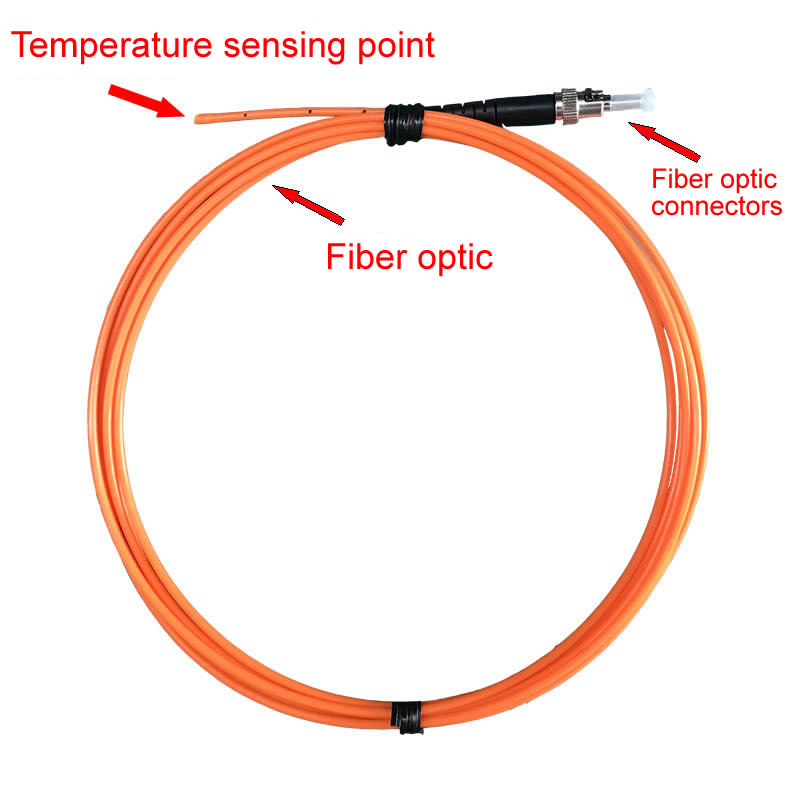
ฝูโจวนวัตกรรมวิทยาศาสตร์อิเล็กทรอนิกส์&บริษัท เทค จำกัด, บจ. ได้ออกแบบและผลิต โซลูชั่นใยแก้วนำแสงสำหรับการตรวจสอบอุณหภูมิ เนื่องจาก 2011. ผลิตภัณฑ์ของเราครอบคลุม หัววัดอุณหภูมิไฟเบอร์ออปติกเรืองแสง, เครื่องส่งสัญญาณอุณหภูมิใยแก้วนำแสงแบบหลายช่องสัญญาณ, และ การตรวจจับอุณหภูมิใยแก้วนำแสงแบบกระจาย (ดีทีเอส) ระบบ — serving power utilities, การจัดเก็บพลังงาน, ปิโตรเคมี, โครงสร้างพื้นฐานทางรถไฟ, data center, and medical equipment applications worldwide.
Contact our engineering team to request product datasheets, discuss a specific application, or arrange a technical consultation:
- เว็บไซต์: www.fjinno.net
- อีเมล: เว็บ@fjinno.net
- วอทส์แอพพ์ / วีแชท (จีน) / โทรศัพท์: +86 135 9907 0393
- คิวคิว: 3408968340
- ที่อยู่: สวนอุตสาหกรรมเครือข่าย Liandong U Grain, No.12 ถนนซิงเย่ตะวันตก, ฝูโจว, ฝูเจี้ยน, จีน
ข้อสงวนสิทธิ์: ข้อมูลทางเทคนิคในบทความนี้มีไว้เพื่อวัตถุประสงค์ในการให้ข้อมูลทั่วไปเท่านั้น และสะท้อนถึงพารามิเตอร์ผลิตภัณฑ์มาตรฐานและแนวปฏิบัติทางอุตสาหกรรม ณ เวลาที่เผยแพร่. ประสิทธิภาพที่แท้จริงของระบบอาจแตกต่างกันไปขึ้นอยู่กับเงื่อนไขการติดตั้ง, ปัจจัยด้านสิ่งแวดล้อม, และข้อกำหนดการสมัคร. ข้อมูลจำเพาะทั้งหมดอาจเปลี่ยนแปลงได้โดยไม่ต้องแจ้งให้ทราบล่วงหน้า. เนื้อหานี้ไม่ถือเป็นการรับประกัน, ความมุ่งมั่นทางเทคนิคที่มีผลผูกพัน, หรือคำแนะนำการออกแบบทางวิศวกรรมสำหรับการติดตั้งเฉพาะใดๆ. ปรึกษาวิศวกรที่ผ่านการรับรองและเอกสารมาตรฐานที่เกี่ยวข้องสำหรับการออกแบบเฉพาะโครงการและการตัดสินใจด้านความปลอดภัย.

เซ็นเซอร์อุณหภูมิไฟเบอร์ออปติก, ระบบตรวจสอบอัจฉริยะ, จำหน่ายผู้ผลิตใยแก้วนำแสงในประเทศจีน
 |
 |
 |