 INNO เซ็นเซอร์วัดอุณหภูมิใยแก้วนำแสง ,ระบบตรวจสอบอุณหภูมิ.
- Transformer Monitor Components: เซ็นเซอร์อุณหภูมิ (ใยแก้วนำแสงเรืองแสง, พีที100), เซ็นเซอร์ปล่อยบางส่วน, electrical parameter sensors (ปัจจุบัน, แรงดันไฟฟ้า, พลัง), humidity sensors, หน่วยเก็บข้อมูล, โมดูลการสื่อสาร, และซอฟต์แวร์วิเคราะห์
- Core Applications: การตรวจสอบแบบเรียลไทม์, fault prediction, การเพิ่มประสิทธิภาพการทำงาน, การจัดการโหลด, การบำรุงรักษาเชิงคาดการณ์, and asset lifecycle extension
- ข้อได้เปรียบที่สำคัญ: Prevent unexpected downtime, extend equipment lifespan, ลดต้นทุนการบำรุงรักษา, enhance grid reliability, optimize asset management, and enable data-driven decision making
- เทคโนโลยีเซ็นเซอร์: ใยแก้วนำแสงเรืองแสง (สำหรับหม้อแปลงจุ่มน้ำมัน), PT100 RTD (for dry-type transformers), เซ็นเซอร์พีดี, CT/VT sensors, temperature-humidity sensors, and vibration/acoustic sensors
- Oil vs Dry-Type Monitoring: Oil-immersed transformers benefit from fluorescent fiber optic technology due to superior EMI immunity and direct hot-spot measurement; dry-type transformers typically use PT100 for cost-effective winding temperature monitoring
- INNO’s Fluorescent Fiber Optic Advantages: ความแม่นยำ ±1°C, -40ช่วงอุณหภูมิ °C ถึง 260°C, fiber length up to 80 เมตร, เวลาตอบสนองภายใต้ 1 ที่สอง, customizable probe diameter, 1-64 channel capacity per transmitter, broad applications beyond transformers
What is a Transformer Monitor?

ก จอภาพหม้อแปลง is an advanced diagnostic system designed to continuously track the operational health and performance of power transformers. These systems comprise multiple sensor types, data acquisition hardware, อินเทอร์เฟซการสื่อสาร, and analytical software that work together to provide real-time insights into transformer conditions.
The fundamental components include temperature sensors positioned at critical measurement points, อุปกรณ์ตรวจจับการปล่อยประจุบางส่วน, electrical parameter measurement devices, and environmental sensors. The data acquisition unit collects signals from all sensors, processes the information, and transmits it through communication modules to centralized monitoring platforms or SCADA systems.
ระบบตรวจสอบหม้อแปลงไฟฟ้า operate on two primary modes: online monitoring provides continuous real-time data collection during normal operation, while offline monitoring involves periodic testing during maintenance windows. Modern installations predominantly favor online monitoring for its ability to detect developing faults before they escalate into catastrophic failures.
Why is Transformer Monitoring Critical for Power Systems?
Transformer failures represent one of the most costly events in power distribution networks, often resulting in extended outages, ค่าทดแทนฉุกเฉิน, and potential safety hazards. แบบครบวงจร transformer monitoring solution serves as an early warning system, identifying abnormal operating conditions long before visible symptoms appear.
The economic impact of transformer monitoring extends beyond failure prevention. By accurately tracking load patterns and thermal behavior, utilities can safely optimize transformer utilization, defer capital expenditures on new units, and schedule maintenance during planned outages rather than emergency responses. Studies demonstrate that predictive maintenance enabled by continuous monitoring reduces maintenance costs by 25-40% compared to time-based maintenance schedules.
ทันสมัย การตรวจสอบหม้อแปลงไฟฟ้ากำลัง also supports regulatory compliance and grid modernization initiatives. As electrical grids incorporate more renewable energy sources with variable output, transformers experience more dynamic loading patterns. Real-time monitoring ensures these assets operate within safe parameters despite fluctuating demand.
What Types of Sensors are Used in Transformer Monitoring?
เซ็นเซอร์อุณหภูมิ form the foundation of any transformer monitoring system. Fluorescent fiber optic sensors offer immunity to electromagnetic interference, making them ideal for measuring hot-spot temperatures in oil-immersed transformers. These contact-type sensors provide direct measurement at critical winding locations with ±1°C accuracy across a -40°C to 260°C range. Each fiber optic cable measures a single point, with modern transmitters supporting 1-64 individual channels.
PT100 เครื่องตรวจจับอุณหภูมิความต้านทาน serve as the preferred solution for dry-type transformer monitoring, offering reliable performance in less demanding electromagnetic environments. These sensors excel in applications requiring cost-effective multi-point measurement with proven accuracy.
เซ็นเซอร์ปล่อยบางส่วน detect insulation degradation through ultrasonic, ยูเอชเอฟ, or high-frequency current transformer methods. Early PD detection prevents catastrophic failures by identifying developing insulation weaknesses months or years before breakdown occurs.
Electrical parameter sensors measure voltage, ปัจจุบัน, พลัง (active, reactive, apparent), ตัวประกอบกำลัง, and energy consumption. ทันสมัย smart transformer monitoring systems integrate these measurements with temperature and PD data to create comprehensive asset health profiles.
Additional sensor types include oil quality sensors (การวิเคราะห์ก๊าซละลาย), humidity sensors for monitoring moisture content, vibration sensors for mechanical fault detection, and acoustic sensors for abnormal noise identification.
How Can You Check if a Transformer is Failing?
Traditional transformer assessment relies on periodic oil sampling, thermography, and offline electrical testing—methods that provide only snapshots of transformer condition and often miss developing faults between inspection intervals.
ทันสมัย การตรวจสอบสภาพหม้อแปลง continuously tracks key failure indicators: abnormal temperature rise patterns suggest cooling system problems or internal faults; increasing partial discharge activity indicates insulation degradation; dissolved gas analysis reveals incipient faults through specific gas generation patterns; unusual vibration or acoustic signatures point to mechanical issues like loose windings or core problems.
A comprehensive monitoring system correlates multiple parameters to improve diagnostic accuracy. ตัวอย่างเช่น, elevated hot-spot temperature combined with increasing hydrogen and acetylene gases in oil strongly suggests thermal and electrical stress on insulation, warranting immediate investigation.
The power of continuous monitoring lies in trend analysis. ก ระบบตรวจสอบหม้อแปลง establishes baseline behavior for each asset, then flags deviations that indicate developing problems. This approach detects subtle changes invisible to periodic testing.
What Parameters Should Be Monitored in Power Transformers?
Thermal parameters include winding hot-spot temperature (the most critical measurement), อุณหภูมิน้ำมันสูงสุด, อุณหภูมิน้ำมันด้านล่าง, และอุณหภูมิโดยรอบ. The relationship between these measurements reveals cooling system effectiveness and internal thermal distribution.
การตรวจสอบการปล่อยบางส่วน quantifies insulation system health through PD magnitude, ความถี่, and pattern recognition. Different PD signatures correspond to specific defect types: internal discharges, การติดตามพื้นผิว, or corona.
พารามิเตอร์ทางไฟฟ้า encompass input/output voltage, phase currents, neutral current, power measurements, ตัวประกอบกำลัง, ฮาร์โมนิค, and load percentage. These measurements support load management and detect electrical anomalies like unbalanced loading or harmonic distortion.
Oil quality parameters include dissolved gas concentrations (ไฮโดรเจน, มีเทน, อีเทน, อะเซทิลีน, คาร์บอนมอนอกไซด์, คาร์บอนไดออกไซด์), ปริมาณความชื้น, ความเป็นกรด, and dielectric strength. Oil level and pressure monitoring prevent environmental contamination and ensure adequate cooling.
สภาพแวดล้อม like ambient temperature, ความชื้น, and cabinet temperature affect transformer performance and must be factored into diagnostic algorithms. Fault waveform recording captures transient events like lightning strikes or switching surges that may cause cumulative damage.
เซนเซอร์ไฟเบอร์ออปติกฟลูออเรสเซนต์ เทียบกับ พีที100 for Transformer Temperature Monitoring

เซนเซอร์วัดอุณหภูมิไฟเบอร์ออปติกฟลูออเรสเซนต์ represent the premium solution for oil-immersed transformer monitoring. The technology operates through temperature-dependent fluorescence decay in rare-earth phosphor materials at the probe tip. When excited by LED light pulses transmitted through the optical fiber, the phosphor emits fluorescence with decay time proportional to temperature. This contact-type measurement provides direct hot-spot temperature with exceptional accuracy.
Key specifications of fluorescent fiber technology include: ความแม่นยำ ±1°C, -40°C to 260°C measurement range, fiber lengths up to 80 meters enabling flexible sensor placement, เวลาตอบสนองภายใต้ 1 second for rapid fault detection, and customizable probe diameters to fit various installation requirements. ตัวเดียว เครื่องส่งสัญญาณอุณหภูมิใยแก้วนำแสง can support 1-64 individual channels, each measuring one critical point.
The technology’s complete immunity to electromagnetic interference makes it indispensable in high-voltage environments where electrical sensors fail. Fluorescent fiber optic sensors require no electrical power at the measurement point, eliminating explosion risks in oil-filled tanks. The glass fiber’s dielectric properties prevent electrical pathways that could compromise insulation.
PT100 เครื่องตรวจจับอุณหภูมิความต้านทาน offer proven reliability for dry-type transformer applications where electromagnetic interference levels are manageable. These sensors provide cost-effective temperature measurement with established calibration procedures and wide industry acceptance.
สำหรับหม้อแปลงจุ่มน้ำมัน, fluorescent fiber optic technology is strongly recommended due to superior performance in high-voltage, high-EMI environments and direct hot-spot access capability. Dry-type transformers typically benefit more from PT100 sensors given their lower EMI exposure and cost considerations.
How Does Temperature Monitoring Work in Power Transformers?
Hot-spot temperature monitoring targets the warmest point in transformer windings—typically the top of the innermost winding layer where heat dissipation is poorest. This measurement is critical because insulation aging rate doubles for every 6-10°C temperature increase above rated limits.
ในหม้อแปลงจุ่มน้ำมัน, fluorescent fiber optic probes are embedded directly in winding assemblies during manufacturing or retrofitted through oil ports in existing units. The probe tip contacts the conductor at the predicted hot-spot location, providing accurate direct measurement impossible with external sensors.
Top oil temperature sensors monitor the bulk oil temperature in the transformer tank, serving as a proxy for average winding temperature and cooling system effectiveness. Bottom oil temperature measurement helps assess oil circulation and stratification issues.
การตรวจสอบอุณหภูมิที่คดเคี้ยว in dry-type transformers uses PT100 sensors embedded in winding assemblies or attached to winding surfaces. Multiple sensors at different winding locations create a thermal profile revealing uneven loading or cooling deficiencies.
Modern monitoring systems calculate thermal indices like loss-of-life rates based on temperature data, enabling predictive maintenance scheduling aligned with actual thermal stress rather than calendar-based intervals.
What is Partial Discharge Monitoring in Transformers?
การปลดปล่อยบางส่วน describes localized electrical discharges that partially bridge insulation between conductors or conductor-to-ground. While not immediately catastrophic, repeated PD activity erodes insulation, eventually leading to complete breakdown and transformer failure.
PD monitoring detects these discharges through multiple methods: ultrasonic sensors detect acoustic emissions from discharge events; ความถี่สูงพิเศษ (ยูเอชเอฟ) sensors capture electromagnetic radiation in the 300 เมกะเฮิรตซ์ถึง 3 GHz range; หม้อแปลงกระแสความถี่สูง (เอชเอฟซีที) measure current pulses on transformer grounding connections.
Partial discharge monitoring systems don’t just detect PD presence—pattern recognition algorithms classify discharge types. Internal PD shows different signatures than surface tracking or corona discharge, enabling technicians to identify the specific defect type and location within the transformer.
Continuous PD monitoring provides early warning of insulation degradation, often detecting problems 6-12 เดือนก่อนที่จะล้มเหลว. Combined with temperature data, PD measurements create a comprehensive insulation health assessment that guides maintenance decisions.
How Can You Monitor Noise and Vibration in Transformers?
Acoustic monitoring detects abnormal noise patterns indicating mechanical faults like loose core laminations, winding movement, or tap changer problems. Transformers produce characteristic hum at twice the line frequency (100/120 เฮิรตซ์) during normal operation; deviations from this baseline suggest developing issues.
เซ็นเซอร์สั่นสะเทือน measure mechanical oscillations on transformer tanks and core structures. Excessive vibration can indicate loose windings, core bolt problems, หรือระบบทำความเย็นทำงานผิดปกติ. Frequency analysis of vibration signals reveals specific fault types based on characteristic frequency patterns.
Modern monitoring systems establish acoustic and vibration fingerprints during commissioning, then continuously compare operational signatures to these baselines. Machine learning algorithms can detect subtle changes indicating developing faults before they become audible or visible to maintenance personnel.
What is Humidity Monitoring in Transformer Systems?
Moisture represents one of the most damaging contaminants in transformer insulation systems, drastically reducing dielectric strength and accelerating aging. Humidity monitoring tracks moisture in both oil and paper insulation materials.
ในหม้อแปลงจุ่มน้ำมัน, moisture content in oil is monitored through online sensors measuring parts-per-million (ppm) water concentration. Paper insulation moisture is assessed through equilibrium calculations or direct measurement using specialized sensors.
Ambient humidity monitoring around dry-type transformers ensures environmental conditions remain within acceptable ranges. Excessive humidity can cause surface tracking on insulators and reduce clearance effectiveness.
Breather condition monitoring for oil-immersed units ensures silica gel desiccants effectively remove moisture from incoming air during thermal breathing cycles. Saturated breathers allow moisture ingress, contaminating oil and insulation.
How Can You Monitor Load on a Transformer?
การตรวจสอบโหลด tracks the electrical demand placed on transformers in real-time, ensuring operation within rated capacity while maximizing asset utilization. Current measurement on each phase, combined with voltage and power factor data, calculates actual loading percentage.
ขั้นสูง transformer load monitoring correlates electrical loading with thermal response. The relationship between load current and hot-spot temperature reveals cooling system effectiveness and guides dynamic rating calculations that safely allow temporary overloading during peak demand.
Load profile analysis identifies usage patterns, supports demand response programs, and informs capacity planning decisions. Historical load data combined with temperature measurements enables accurate loss-of-life calculations for optimized replacement scheduling.
Overload protection relies on continuous load monitoring with temperature-compensated trip settings. Rather than fixed current limits, modern systems consider actual thermal state, allowing higher short-term loading when transformers start cool.
What Electrical Parameters Need Monitoring in Transformers?
Voltage monitoring on primary and secondary windings detects regulation problems, tap changer issues, and grid voltage fluctuations. Per-phase voltage measurement identifies unbalanced conditions that cause circulating currents and additional heating.
การวัดปัจจุบัน provides fundamental loading data and detects unbalanced loading, ลัดวงจรภายใน, and turn-to-turn faults. Neutral current monitoring in wye-connected windings reveals ground faults and harmonic currents.
Power monitoring tracks active power (กิโลวัตต์), พลังงานปฏิกิริยา (kVAR), and apparent power (เควีเอ), enabling power factor calculation and identification of inefficient loading. Poor power factor increases current draw and transformer losses without delivering useful work.
Energy metering (กิโลวัตต์ชั่วโมง) supports utility billing, loss allocation, and efficiency tracking. Harmonic analysis identifies power quality issues from non-linear loads that cause additional heating and potential resonance problems.
How Does Fault Waveform Recording Work in Transformers?
Fault waveform recording captures high-speed voltage and current waveforms during abnormal events like short circuits, สายฟ้าฟาด, หรือการเปลี่ยนสภาวะชั่วครู่. These recordings provide forensic evidence for root cause analysis after protective device operations.
Triggered by events like sudden current increases, voltage deviations, or protection relay operations, fault recorders capture several cycles before and after the trigger, preserving the complete event sequence. Waveform analysis reveals fault type, ที่ตั้ง, and severity.
บูรณาการกับ ระบบตรวจสอบหม้อแปลงออนไลน์ correlates fault events with temperature, พีดี, and dissolved gas data to assess cumulative damage from transient events. Repetitive transient exposure can degrade insulation even when individual events don’t cause immediate failure.
How Can You Monitor the Performance of a Power Transformer?
Transformer performance monitoring encompasses efficiency tracking, loss calculation, and operational parameter trending. Key performance indicators include power losses (no-load and load losses), efficiency percentage, temperature rise under load, และประสิทธิภาพของระบบทำความเย็น.
Comprehensive monitoring integrates temperature, การปลดปล่อยบางส่วน, พารามิเตอร์ทางไฟฟ้า, and mechanical condition data to create health indices—numerical scores representing overall transformer condition. These indices guide prioritized maintenance resource allocation across transformer fleets.
Predictive analytics applied to monitoring data forecast remaining useful life, optimal maintenance timing, and failure probability. Machine learning models trained on historical failure data identify leading indicators specific to transformer type and operating environment.
What Makes Oil-Immersed Transformer Monitoring Unique?
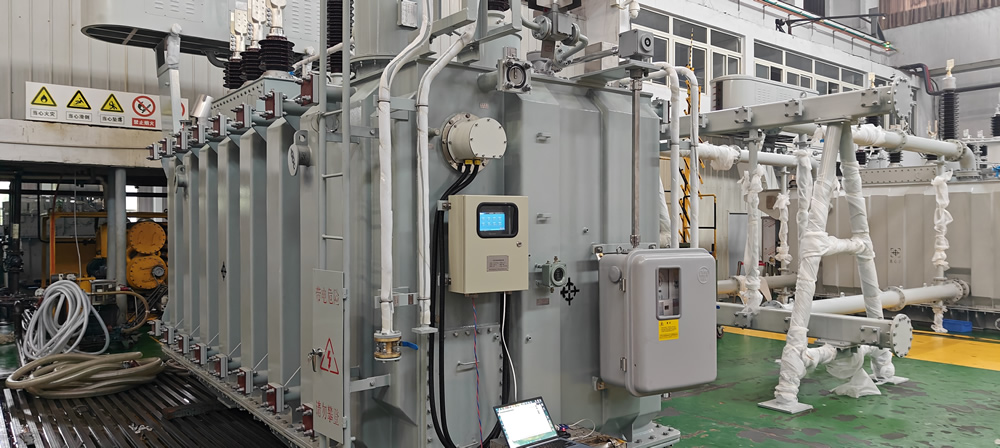
การตรวจสอบหม้อแปลงจุ่มน้ำมัน requires specialized approaches due to the liquid insulation and cooling medium. Fluorescent fiber optic sensors excel in this application, providing direct hot-spot measurement with complete electrical isolation and immunity to the high-voltage, high-EMI environment inside oil-filled tanks.
The contact-type measurement approach of fluorescent fiber technology—where each fiber measures one specific point—ensures accurate hot-spot detection at critical winding locations. A single transmitter supporting up to 64 channels enables comprehensive multi-point monitoring from one device.
การวิเคราะห์ก๊าซละลาย integration monitors incipient faults through detection of gases generated by electrical and thermal stress: hydrogen from corona, acetylene from arcing, ethylene from overheating cellulose. Combined with temperature and PD data, DGA provides powerful diagnostic capability.
Oil level, ความดัน, and quality sensors complete the monitoring solution, ensuring the cooling and insulation medium maintains specified properties throughout the transformer’s service life.
What is the Best Monitoring Solution for Dry-Type Transformers?
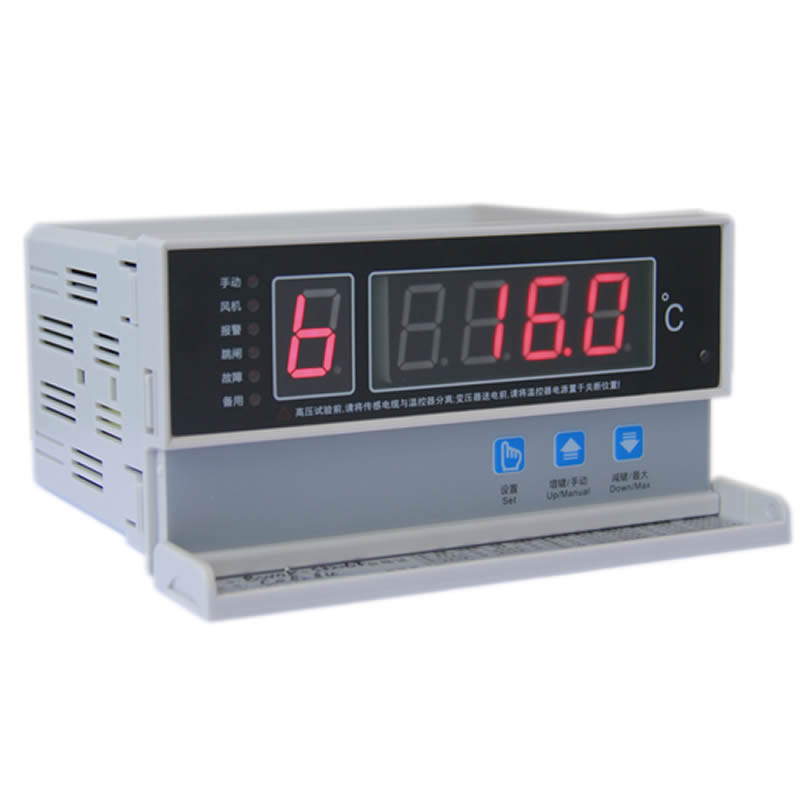
Dry-type transformer monitoring typically employs PT100 resistance temperature detectors for winding temperature measurement, offering cost-effective reliability in the lower EMI environment of air-cooled designs. Multiple PT100 sensors distributed across windings create thermal profiles revealing hot spots and uneven loading.
Ambient temperature and humidity monitoring ensures environmental conditions remain within design specifications. Forced-air cooling system monitoring tracks fan operation, airflow, and filter condition to maintain cooling effectiveness.
Load and electrical parameter monitoring supports dynamic thermal rating calculations, enabling safe temporary overloading during peak demand periods while preventing damaging temperature excursions.
How Does a Transformer Online Monitoring System Work?
ก transformer online monitoring system consists of distributed sensors continuously collecting data from transformer installations, local data acquisition units processing and storing sensor outputs, communication infrastructure transmitting data to centralized platforms, and analytical software performing real-time diagnostics and trend analysis.
Modern systems leverage industrial IoT protocols for reliable data transmission from substations to control centers. Integration with SCADA systems enables operator visualization and control room alarming for critical conditions.
Cloud-based platforms aggregate data from geographically dispersed transformers, enabling fleet-wide analysis, benchmarking, and resource optimization. Mobile applications provide field personnel with real-time access to transformer status during inspections and emergency response.
What Are Distribution Transformer Monitoring Requirements?
การตรวจสอบหม้อแปลงไฟฟ้าระบบจำหน่าย faces unique challenges of wide geographic dispersion, large population counts, and cost constraints. Economical monitoring solutions focus on critical parameters: โหลดปัจจุบัน, แรงดันไฟฟ้า, top oil or winding temperature, and sometimes basic DGA for larger distribution units.
Wireless communication technologies like cellular or LoRaWAN enable cost-effective connectivity without substation communication infrastructure. Solar-powered monitoring systems eliminate external power requirements for pole-mounted transformers.
Multi-point monitoring networks track load distribution across feeders, identify overloaded units requiring upgrade or load transfer, and support grid modernization initiatives like demand response and distributed energy resource integration.
Why Monitor Transformer Oil Quality?
ก ระบบตรวจสอบน้ำมันหม้อแปลง tracks the condition of the liquid insulation and cooling medium critical to oil-immersed transformer operation. Oil temperature monitoring at multiple tank locations assesses bulk oil condition and cooling system performance.
Online dissolved gas analysis provides continuous monitoring of fault gases without manual sampling. Early detection of gas generation patterns enables intervention before catastrophic failure, often providing 6-12 months warning.
Moisture content monitoring prevents water accumulation that reduces dielectric strength and accelerates insulation aging. Oil level and pressure monitoring ensures adequate cooling and prevents environmental contamination.
What Makes a Transformer Monitoring System Smart?
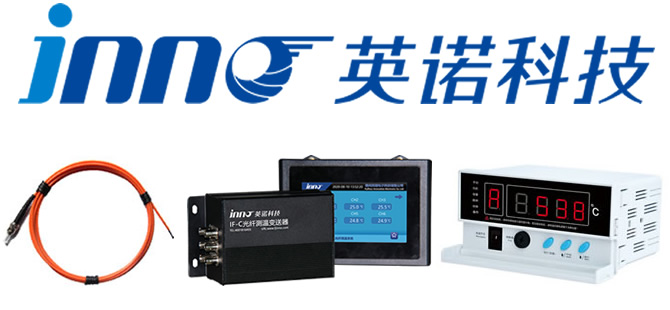
ก ระบบตรวจสอบหม้อแปลงอัจฉริยะ extends beyond simple data collection to incorporate advanced analytics, ปัญญาประดิษฐ์, and automated decision-making. IoT connectivity enables seamless integration with enterprise asset management systems and grid control platforms.
Multi-sensor data fusion combines inputs from temperature, พีดี, ไฟฟ้า, and chemical sensors to create comprehensive asset health assessments more accurate than single-parameter analysis. Edge computing performs local analytics, reducing data transmission requirements while enabling real-time fault detection.
Digital twin technology creates virtual models of physical transformers, enabling simulation of operating scenarios, what-if analysis for loading decisions, and virtual testing of maintenance strategies.
Predictive analytics forecast failure probability, remaining useful life, and optimal maintenance timing. Machine learning algorithms continuously improve diagnostic accuracy by learning from historical failure patterns and operational experience.
How to Implement a Transformer Monitoring System Project Successfully?
Transformer monitoring system projects begin with comprehensive needs assessment: identifying critical assets, การกำหนดวัตถุประสงค์การติดตาม, establishing budget constraints, and determining integration requirements with existing infrastructure.
Sensor selection and placement strategy considers transformer type, ระดับแรงดันไฟฟ้า, ประวัติความล้มเหลว, และการวิพากษ์วิจารณ์. For oil-immersed units, fluorescent fiber optic sensors provide superior hot-spot measurement; dry-type transformers typically use PT100 sensors. Critical parameters like partial discharge, ดีจีเอ, and electrical measurements are added based on asset importance.
System design encompasses hardware architecture, โครงสร้างพื้นฐานการสื่อสาร, cybersecurity provisions, and software platform selection. บูรณาการกับ SCADA, ระบบการจัดการสินทรัพย์, and mobile applications ensures monitoring data reaches decision-makers effectively.
Installation and commissioning follow manufacturer specifications, with baseline data collection establishing normal operating signatures. Personnel training ensures operations and maintenance staff can interpret monitoring data and respond appropriately to alarms. Testing and acceptance verification confirm system performance before project closeout.
How Can You Choose the Right Transformer Monitor Manufacturer?
การเลือกก transformer monitor manufacturer requires evaluation across multiple dimensions. Technical expertise should encompass both oil-immersed and dry-type transformer technologies, with proven capabilities in fluorescent fiber optic systems for oil-filled units and PT100 solutions for air-cooled designs.
Multi-parameter integration capability is essential—the manufacturer should provide comprehensive solutions incorporating temperature, การปลดปล่อยบางส่วน, การวัดทางไฟฟ้า, ดีจีเอ, and environmental monitoring rather than single-parameter point products.
Sensor specifications matter significantly. For fluorescent fiber optic technology, verify ±1°C accuracy, -40ช่วงอุณหภูมิ °C ถึง 260°C, fiber lengths up to 80 เมตร, sub-second response time, customizable probe diameters, and multi-channel capacity (1-64 ช่องต่อเครื่องส่งสัญญาณ). The technology should support applications beyond transformers—power systems, laboratory equipment, medical devices—demonstrating versatile engineering.
การรับรองและการปฏิบัติตามมาตรฐาน (ไออีซี, อีอีอี, แอนซี่) ตรวจสอบให้แน่ใจว่าผลิตภัณฑ์เป็นไปตามข้อกำหนดด้านคุณภาพและความปลอดภัยระดับสากล. ประสบการณ์ในอุตสาหกรรมพร้อมกรณีศึกษาที่บันทึกไว้แสดงให้เห็นถึงความสามารถในการแก้ปัญหาเชิงปฏิบัติที่นอกเหนือไปจากความรู้ทางทฤษฎี.
ความสามารถในการบูรณาการระบบกำหนดความง่ายในการใช้งาน. มองหาผู้ผลิตที่นำเสนอการเชื่อมต่อ SCADA, ตัวเลือกแพลตฟอร์มคลาวด์, แอปพลิเคชันมือถือ, และโปรโตคอลแบบเปิดสำหรับการรวมระบบของบุคคลที่สาม.
โครงสร้างพื้นฐานการสนับสนุนหลังการขาย—สายด่วนทางเทคนิค, ความพร้อมในการให้บริการภาคสนาม, โปรแกรมการฝึกอบรม, และการขนส่งชิ้นส่วนอะไหล่ ส่งผลโดยตรงต่อความน่าเชื่อถือของระบบและความพึงพอใจของผู้ใช้ในระยะยาว.
ปัจจัยใดที่ส่งผลต่อต้นทุนระบบตรวจสอบหม้อแปลง?
มีหลายปัจจัยที่มีอิทธิพล ราคาจอภาพหม้อแปลง. The number and type of monitored parameters significantly impacts cost—basic temperature-only systems are far less expensive than comprehensive solutions incorporating PD monitoring, ดีจีเอ, การวัดทางไฟฟ้า, and environmental sensors.
Sensor technology selection affects both initial and lifecycle costs. Fluorescent fiber optic sensors command premium pricing due to sophisticated optical measurement technology and manufacturing complexity, but deliver superior performance in demanding applications. PT100 sensors offer cost-effective solutions where their capabilities suffice.
Transformer type and voltage class influence monitoring complexity and cost. Oil-immersed transformers require more extensive monitoring (อุณหภูมิ, ดีจีเอ, พีดี, oil quality) than dry-type units. Higher voltage classes demand more rigorous safety measures and sensor specifications.
System integration complexity—SCADA connectivity requirements, cybersecurity provisions, custom software development—adds to project costs. อย่างไรก็ตาม, total cost of ownership analysis should consider operational savings from prevented failures, การบำรุงรักษาที่เหมาะสมที่สุด, and extended asset life. Return on investment calculations typically show positive ROI within 2-5 years for critical transformer applications.
สูงสุด 10 Transformer Monitor Manufacturers Worldwide
สูงสุด 1: อินโน (ฝูโจว, จีน) – Fluorescent Fiber Optic Transformer Monitoring Specialists

อินโน specializes in advanced fluorescent fiber optic transformer monitoring technology, offering industry-leading solutions for oil-immersed transformer applications. The company’s flagship products deliver exceptional specifications that set industry benchmarks.
INNO’s Fluorescent Fiber Optic Technology Specifications
ความแม่นยำในการวัด: ±1°C across the entire operating range, providing reliable hot-spot detection for critical transformer protection.
ช่วงอุณหภูมิ: -40องศาเซลเซียส ถึง 260 องศาเซลเซียส, covering all transformer operating conditions from cold start to maximum emergency ratings.
Fiber optic cable length: ขึ้นไป 80 เมตร, enabling flexible sensor placement in large power transformers and remote sensing applications.
เวลาตอบสนอง: น้อยกว่า 1 ที่สอง, ensuring rapid fault detection and enabling dynamic thermal rating calculations.
เส้นผ่านศูนย์กลางของโพรบ: Customizable to meet specific installation requirements, accommodating both new transformer manufacturing integration and retrofit applications.
ความจุช่อง: รองรับเครื่องส่งสัญญาณเดี่ยว 1-64 independent fluorescent fiber optic channels, providing economical multi-point monitoring from one device.
INNO’s Product Portfolio and Capabilities
INNO ให้บริการอย่างครบวงจร โซลูชันการตรวจสอบหม้อแปลง spanning all voltage classes—low voltage (แอลวี), medium voltage (เอ็มวี), และไฟฟ้าแรงสูง (เอชวี) การใช้งาน. The product range addresses both oil-immersed transformers (using fluorescent fiber optic technology) and dry-type transformers (utilizing PT100 sensors).
Beyond temperature monitoring, INNO integrates การตรวจจับการปล่อยบางส่วน, electrical parameter measurement (แรงดันไฟฟ้า, ปัจจุบัน, พลัง, พลังงาน), การตรวจสอบคุณภาพน้ำมันหม้อแปลง, and environmental sensors into unified monitoring platforms. วิธีการแบบหลายพารามิเตอร์นี้นำเสนอการประเมินสภาพสินทรัพย์ที่ครอบคลุมจากโซลูชันจากแหล่งเดียว.
แอปพลิเคชันที่นอกเหนือไปจากการตรวจสอบหม้อแปลง
ความอเนกประสงค์ของเทคโนโลยีไฟเบอร์ออปติกฟลูออเรสเซนต์ของ INNO ขยายไปสู่การใช้งานที่หลากหลาย: การตรวจสอบอุปกรณ์ผลิตไฟฟ้า, ระบบการวัดในห้องปฏิบัติการที่ต้องการความแม่นยำสูง, การควบคุมอุณหภูมิอุปกรณ์การแพทย์, การตรวจสอบกระบวนการทางอุตสาหกรรมในสภาพแวดล้อม EMI สูง, และการประยุกต์ใช้ในการวิจัยที่ต้องการการวัดอุณหภูมิแบบไม่ใช้ไฟฟ้าที่แม่นยำ.
ขอบเขตการใช้งานที่กว้างขวางนี้แสดงให้เห็นถึงวิศวกรรมที่แข็งแกร่งและความสามารถในการปรับตัวของเทคโนโลยีการตรวจจับของ INNO, ช่วยให้ลูกค้ามั่นใจในประสิทธิภาพที่ได้รับการพิสูจน์แล้วในสภาพแวดล้อมที่มีความต้องการสูง.
บูรณาการระบบและการสนับสนุน
ระบบตรวจสอบของ INNO ผสานรวมเข้ากับระบบได้อย่างราบรื่น substation automation platforms, ระบบสกาด้า, และโซลูชันการจัดการสินทรัพย์บนคลาวด์. โปรโตคอลการสื่อสารแบบเปิดช่วยให้มั่นใจถึงความเข้ากันได้กับอุปกรณ์ของบุคคลที่สาม, ในขณะที่ซอฟต์แวร์วิเคราะห์ที่เป็นเอกสิทธิ์ให้การวินิจฉัยขั้นสูงและความสามารถในการบำรุงรักษาเชิงคาดการณ์.
บริษัทให้การสนับสนุนลูกค้าตลอดวงจรชีวิตของโครงการ ตั้งแต่การประเมินความต้องการเบื้องต้นและการออกแบบระบบไปจนถึงการติดตั้ง, การว่าจ้าง, และการสนับสนุนทางเทคนิคอย่างต่อเนื่อง. โปรแกรมการฝึกอบรมทำให้มั่นใจได้ว่าบุคลากรฝ่ายปฏิบัติการและบำรุงรักษาสามารถใช้ประโยชน์จากความสามารถของระบบตรวจสอบได้อย่างเต็มที่.
ประสบการณ์ระดับโลกและความสำเร็จของลูกค้า
INNO ได้ปรับใช้แล้ว ระบบตรวจสอบหม้อแปลงไฟฟ้า ข้ามตลาดต่างประเทศ, ด้วยประสิทธิภาพที่ได้รับการพิสูจน์แล้วในสถานีไฟฟ้าย่อย, การกระจายพลังงานทางอุตสาหกรรม, การบูรณาการพลังงานทดแทน, และแอปพลิเคชันโครงสร้างพื้นฐานที่สำคัญ. กรณีศึกษาแสดงให้เห็นถึงความสำเร็จในการตรวจจับข้อผิดพลาดตั้งแต่เนิ่นๆ, ป้องกันความล้มเหลว, และโปรแกรมการบำรุงรักษาที่ได้รับการปรับปรุงให้เหมาะสมเพื่อมอบ ROI ที่วัดผลได้.
Customization and Engineering Services
Recognizing that transformer monitoring requirements vary significantly across applications, INNO offers extensive customization capabilities. Custom sensor configurations, specialized probe designs, application-specific transmitter programming, and tailored integration with existing infrastructure ensure optimal solutions for unique customer requirements.
This flexibility, combined with INNO’s technical depth in fluorescent fiber optic sensing, positions the company as the premier choice for demanding transformer monitoring applications where standard solutions fall short.
สูงสุด 2-10: Other Leading Transformer Monitor Suppliers
สูงสุด 2: ควอลิทรอล (สหรัฐอเมริกา)
Liquid-filled and dry-type transformer monitors, DGA systems, จอภาพบุชชิ่ง. Strong North American presence, comprehensive product portfolio for utility and industrial applications.
สูงสุด 3: ไวด์แมน (สวิตเซอร์แลนด์)
Insulation monitoring systems, DGA solutions, เซ็นเซอร์ความชื้น. Expertise in cellulose insulation technology, โซลูชั่นเฉพาะสำหรับกลุ่มฟลีตหม้อแปลงที่มีอายุมาก.
สูงสุด 4: การให้คะแนนแบบไดนามิก (สหราชอาณาจักร)
Thermal monitoring systems, โซลูชันการให้คะแนนแบบไดนามิก, ซอฟต์แวร์การจัดการโหลด. มุ่งเน้นไปที่การทำให้หม้อแปลงโอเวอร์โหลดอย่างปลอดภัยผ่านการสร้างแบบจำลองความร้อนที่แม่นยำ.
สูงสุด 5: ไรน์เฮาเซ่น (เยอรมนี)
การตรวจสอบตัวเปลี่ยนการแตะ, DGA systems, การวินิจฉัยหม้อแปลงที่ครอบคลุม. บูรณาการกับเครื่องเปลี่ยนแทป Maschinenfabrik Reinhausen, ตำแหน่งทางการตลาดที่แข็งแกร่งของยุโรป.
สูงสุด 6: พลังงานซีเมนส์ (เยอรมนี)
ระบบอัตโนมัติของสถานีย่อยที่สมบูรณ์ รวมถึงการตรวจสอบหม้อแปลง, บูรณาการ SCADA, โซลูชั่นกริดดิจิทัล. ผลงานที่ครอบคลุมสำหรับการใช้งานยูทิลิตี้ขนาดใหญ่.
สูงสุด 7: จีอีกริดโซลูชั่น (สหรัฐอเมริกา)
การตรวจสอบหม้อแปลงที่ผสานรวมเข้ากับระบบการจัดการกริด, predictive analytics platforms, ซอฟต์แวร์การจัดการประสิทธิภาพสินทรัพย์.
สูงสุด 8: เอบีบี (สวิตเซอร์แลนด์)
เทค (หม้อแปลงไฟฟ้าควบคุมอิเล็กทรอนิกส์), การตรวจสอบบุชชิ่ง, ระบบอัตโนมัติของสถานีย่อยที่ครอบคลุม. เครือข่ายบริการทั่วโลก, บูรณาการกับระบบป้องกันและควบคุม ABB.
สูงสุด 9: ดับเบิ้ลเอ็นจิเนียริ่ง (สหรัฐอเมริกา)
การตรวจสอบ DGA, การตรวจจับการปล่อยบางส่วน, อุปกรณ์ทดสอบการวินิจฉัย. มุ่งเน้นที่ความแม่นยำในการวินิจฉัยและซอฟต์แวร์การวิเคราะห์เพื่อระบุข้อผิดพลาด.
สูงสุด 10: ไวสาลา (ฟินแลนด์)
โซลูชันการติดตามความชื้น, ระบบ DGA ออนไลน์, เซ็นเซอร์สิ่งแวดล้อม. ความเชี่ยวชาญพิเศษด้านเทคโนโลยีการวัดความชื้นสำหรับการใช้งานหม้อแปลงไฟฟ้า.
คำถามที่พบบ่อยเกี่ยวกับจอภาพหม้อแปลงไฟฟ้า
อะไรคือความแตกต่างระหว่างการตรวจสอบและการป้องกันหม้อแปลง?
การตรวจสอบหม้อแปลง ติดตามพารามิเตอร์การดำเนินงานอย่างต่อเนื่องเพื่อประเมินความสมบูรณ์ของสินทรัพย์, คาดการณ์ความต้องการการบำรุงรักษา, และเพิ่มประสิทธิภาพการทำงาน. ระบบป้องกันตอบสนองต่อสภาวะความผิดปกติโดยแยกหม้อแปลงออกจากระบบไฟฟ้าเพื่อป้องกันความเสียหาย. การตรวจสอบช่วยให้สามารถจัดการเชิงรุกได้; การป้องกันให้การป้องกันเชิงรับ. การติดตั้งสมัยใหม่ผสมผสานทั้งสองอย่างเข้าด้วยกัน, การใช้ข้อมูลการตรวจสอบเพื่อปรับปรุงการตั้งค่าการป้องกันและการประสานงาน.
จอภาพหม้อแปลงใยแก้วนำแสงฟลูออเรสเซนต์มีความแม่นยำเพียงใด?
มีคุณภาพสูง เซนเซอร์วัดอุณหภูมิใยแก้วนำแสงเรืองแสง เช่นเดียวกับจาก INNO ที่ให้ความแม่นยำ ±1°C ตลอดช่วงการวัด -40°C ถึง 260°C ทั้งหมด. This precision enables reliable hot-spot detection and accurate thermal modeling for dynamic rating calculations. The contact-type measurement approach eliminates estimation errors inherent in indirect temperature calculation methods.
Can transformer monitors prevent transformer failures?
While monitoring cannot prevent all failures, ครอบคลุม ระบบตรวจสอบหม้อแปลงไฟฟ้า ตรวจจับข้อบกพร่องที่กำลังพัฒนา 6-18 months before catastrophic failure in many cases. Early detection of insulation degradation (through PD and DGA monitoring), ปัญหาระบบทำความเย็น (via temperature trending), and mechanical issues (through vibration/acoustic analysis) enables intervention before failure occurs. Studies show proper monitoring reduces unexpected failures by 60-80%.
What is the typical lifespan of a transformer monitoring system?
คุณภาพ อุปกรณ์ตรวจสอบหม้อแปลง typically operates reliably for 15-25 ปีด้วยการบำรุงรักษาที่เหมาะสม. Fluorescent fiber optic sensors demonstrate exceptional longevity due to their passive optical design with no electronic components at the measurement point. Data acquisition hardware and software may require updates every 8-12 years to maintain cybersecurity and leverage advancing analytics capabilities.
How do oil-immersed transformer monitors differ from dry-type?
Oil-immersed transformers require monitoring of liquid insulation quality (ดีจีเอ, ความชื้น, ความเป็นกรด), oil temperature at multiple locations, and hot-spot temperatures using sensors immune to high-voltage, high-EMI environments—where fluorescent fiber optic technology excels. Dry-type transformers focus on winding temperature monitoring (typically with PT100 sensors), สภาพแวดล้อม, and forced-air cooling system status. Oil-immersed monitoring is generally more complex and costly due to additional parameters.
What is hot spot monitoring in transformers?
Hot-spot monitoring measures temperature at the warmest point in transformer windings—critical because this location experiences maximum thermal stress and determines insulation life consumption. Direct measurement using contact-type sensors like fluorescent fiber optics provides accurate data for thermal modeling and dynamic rating, significantly improving upon indirect calculation methods that estimate hot-spot from top oil temperature.
Do transformer monitors require regular calibration?
Fluorescent fiber optic sensors require minimal calibration due to their stable optical measurement principle—typically once every 3-5 ปี. PT100 sensors may need more frequent verification, usually annually or biennially. Electrical measurement sensors (ซีที/วีที) follow standard utility calibration schedules. เซ็นเซอร์ปล่อยบางส่วน require periodic sensitivity verification. Well-designed monitoring systems include self-diagnostic features that flag sensor drift or failures.
How do transformer monitors integrate with SCADA systems?
Transformer online monitoring systems communicate with SCADA through standard industrial protocols like Modbus, ดีเอ็นพี3, ไออีซี 61850, or OPC. Data points from monitoring systems appear as remote inputs in SCADA, enabling operator visualization, กำลังมาแรง, and alarming. Bidirectional communication allows SCADA to poll monitoring systems, request historical data, and modify alarm setpoints. Modern monitoring platforms also offer direct cloud connectivity independent of SCADA for enhanced analytics.
What certifications should transformer monitoring equipment have?
Look for compliance with IEC 61869 (หม้อแปลงเครื่องมือ), ไออีซี 60076 (หม้อแปลงไฟฟ้า), อีอีอี C57.91 (คู่มือการโหลด), and regional electrical safety standards. Sensor systems should meet EMC standards (ไออีซี 61000 ชุด) and relevant environmental ratings (IP codes). For utility applications, ไออีซี 61850 การปฏิบัติตามข้อกำหนดช่วยให้มั่นใจได้ถึงการทำงานร่วมกัน. การรับรองความปลอดภัยทางไซเบอร์ (ไออีซี 62351) มีความสำคัญเพิ่มมากขึ้นสำหรับระบบการตรวจสอบแบบเครือข่าย.
หม้อแปลงที่มีอยู่สามารถนำไปติดตั้งเพิ่มเติมกับระบบตรวจสอบได้หรือไม่?
หม้อแปลงส่วนใหญ่สามารถติดตั้งเพิ่มเติมได้ด้วยอุปกรณ์ตรวจสอบ. เซ็นเซอร์วัดอุณหภูมิอาจต้องเข้าถึงช่องน้ำมันหรือเจาะถัง. หัววัดไฟเบอร์ออปติกฟลูออเรสเซนต์มักจะสามารถติดตั้งผ่านช่องเทอร์โมมิเตอร์ที่มีอยู่ได้. เซ็นเซอร์ปล่อยบางส่วน ติดตั้งบนผนังถังหรือหน้าแปลนบูชโดยไม่ต้องเข้าถึงภายใน. เซ็นเซอร์ไฟฟ้าเชื่อมต่อกับ CTs/VT หรือบุชชิ่งที่มีอยู่. การติดตั้งเพิ่มเติมบนหม้อแปลงไฟฟ้าอาจทำได้สำหรับเซ็นเซอร์บางประเภท; ส่วนอื่นๆ จำเป็นต้องหยุดทำงาน. ผู้ผลิตที่มีประสบการณ์เช่น INNO ให้การสนับสนุนด้านวิศวกรรมสำหรับการปรับปรุงเพิ่มเติม.
เหตุใดจึงเลือกไฟเบอร์ออปติกฟลูออเรสเซนต์มากกว่า PT100 สำหรับหม้อแปลงน้ำมัน?
หม้อแปลงจุ่มน้ำมันทำงานในไฟฟ้าแรงสูง, high-EMI environments where electrical sensors face reliability challenges. เซนเซอร์ไฟเบอร์ออปติกฟลูออเรสเซนต์ offer complete electrical isolation, ภูมิคุ้มกันต่อการรบกวนทางแม่เหล็กไฟฟ้า, no spark risk in flammable oil, and ability to measure directly at hot-spot locations inside windings. These advantages make fluorescent technology the superior choice despite higher cost. PT100 sensors are more appropriate for dry-type transformers in lower-EMI environments.
When is PT100 the better choice for transformer monitoring?
เซ็นเซอร์ PT100 excel in dry-type transformer applications where electromagnetic interference is manageable, direct hot-spot access isn’t critical, and cost-effective monitoring is prioritized. Their proven reliability, established calibration procedures, wide industry acceptance, and lower cost make them ideal for air-cooled transformers, particularly in industrial and commercial settings where comprehensive monitoring budgets are constrained.
Partner with INNO for Expert Transformer Monitoring Solutions
Whether you’re protecting critical utility transformers, optimizing industrial power distribution, or managing renewable energy integration, INNO delivers customized โซลูชันการตรวจสอบหม้อแปลง engineered for your specific requirements.
Our fluorescent fiber optic technology provides unmatched accuracy (±1°ซ), extensive range (-40องศาเซลเซียส ถึง 260 องศาเซลเซียส), การตอบสนองอย่างรวดเร็ว (ภายใต้ 1 ที่สอง), and multi-channel capacity (1-64 ช่องต่อเครื่องส่งสัญญาณ) for comprehensive oil-immersed transformer monitoring. For dry-type applications, our PT100 solutions deliver reliable, cost-effective temperature tracking.
Beyond transformer applications, our sensors serve power generation, ห้องปฏิบัติการ, ทางการแพทย์, and industrial process monitoring—demonstrating the versatility and robustness of our engineering.
INNO supports your project from initial assessment through design, การติดตั้ง, การว่าจ้าง, และการสนับสนุนทางเทคนิคอย่างต่อเนื่อง. Our experienced team ensures monitoring systems deliver measurable value through prevented failures, การบำรุงรักษาที่เหมาะสมที่สุด, and extended asset life.
Contact INNO today to discuss your การตรวจสอบหม้อแปลง ความต้องการ. Our technical consultants will work with you to design the optimal solution for your assets, งบประมาณ, และวัตถุประสงค์การดำเนินงาน. Discover how advanced monitoring technology can transform your transformer asset management.

เซ็นเซอร์อุณหภูมิไฟเบอร์ออปติก, ระบบตรวจสอบอัจฉริยะ, จำหน่ายผู้ผลิตใยแก้วนำแสงในประเทศจีน
 |
 |
 |