 INNO เซ็นเซอร์วัดอุณหภูมิใยแก้วนำแสง ,ระบบตรวจสอบอุณหภูมิ.
- ฟังก์ชั่นการตรวจสอบหลักของ หม้อแปลงไฟฟ้าระบบตรวจสอบออนไลน์ที่ครอบคลุม, รวมถึงการวิเคราะห์ก๊าซละลายน้ำมัน (ดีจีเอ), การปลดปล่อยบางส่วน (พีดี) การตรวจจับ, และการตรวจจับอุณหภูมิ
- การประยุกต์ใช้การตรวจสอบหลายพารามิเตอร์ร่วมกันเพื่อเพิ่มความแม่นยำในการวินิจฉัยข้อบกพร่อง การเฝ้าระวังออนไลน์ของหม้อแปลงจุ่มน้ำมัน
- หลักการทางเทคนิค, วิธีการดำเนินการ, และตัวชี้วัดผลการดำเนินงานของ โซลูชันการตรวจสอบออนไลน์ของหม้อแปลงแบบรวม
- กรณีการใช้งานจริงและแนวปฏิบัติที่ดีที่สุดสำหรับ Transformer แพลตฟอร์มการตรวจสอบออนไลน์แบบออลอินวัน
2. การวิเคราะห์ก๊าซละลายน้ำมัน (ดีจีเอ) สำหรับระบบตรวจสอบออนไลน์ที่ครอบคลุมของหม้อแปลงไฟฟ้า
2.1 หลักการพื้นฐานของ DGA ในการเฝ้าระวัง Transformer Online
การวิเคราะห์ก๊าซละลายน้ำมัน (ดีจีเอ) เป็นฟังก์ชันหลักสำคัญของ จอภาพ DGA ของหม้อแปลงจุ่มน้ำมันแบบออนไลน์. โดยใช้ประโยชน์จากคุณลักษณะที่น้ำมันฉนวนและวัสดุฉนวนแข็งสลายตัวเป็นก๊าซเฉพาะภายใต้ความเครียดจากความร้อนหรือไฟฟ้า. เมื่อเกิดความผิดพลาดภายใน (เช่น, ความร้อนสูงเกินไป, การปลดปล่อยบางส่วน) เกิดขึ้นในหม้อแปลงไฟฟ้า, ก๊าซเช่นไฮโดรเจน (ฮ₂), มีเทน (ช₄), เอทิลีน (ซี₂H₄), อะเซทิลีน (ซี₂H₂), คาร์บอนมอนอกไซด์ (บจก), และคาร์บอนไดออกไซด์ (CO₂) ถูกปล่อยออกมาและละลายในน้ำมัน. โดยการวิเคราะห์องค์ประกอบและความเข้มข้นของก๊าซที่ละลายเหล่านี้, หม้อแปลงไฟฟ้า DGA อุปกรณ์ตรวจสอบออนไลน์ สามารถระบุประเภทข้อผิดพลาดและความรุนแรงได้ตั้งแต่ระยะเริ่มต้น.
โหมดความผิดปกติที่แตกต่างกันจะสร้างโปรไฟล์ก๊าซที่แตกต่างกัน: การปล่อยสารเฉพาะที่จะสร้าง H₂ และ CH₄ เป็นหลัก; ความร้อนสูงเกินไปที่อุณหภูมิต่ำ (<300℃) ปล่อยCH₄และอีเทนออกมา (ซี₂H₆); ความร้อนสูงเกินไปของอุณหภูมิปานกลาง (300-700℃) มุ่งเน้นไปที่C₂H₄; ความร้อนสูงเกินไปที่อุณหภูมิสูง (>700℃) สร้าง C₂H₄ และติดตาม C₂H₂; และการปล่อยอาร์คจะปล่อย C₂H₂ และ H₂ ออกมาจำนวนมาก. นอกจากนี้, ความชื้น (เอช₂โอ) เนื้อหาเป็นตัวบ่งชี้เสริมที่สำคัญ, เนื่องจากความชื้นส่วนเกินจะทำให้ประสิทธิภาพของฉนวนลดลงและเร่งการแก่ชรา.
2.2 วิธีการปรับใช้อุปกรณ์ตรวจสอบออนไลน์ DGA ของหม้อแปลง
ทันสมัย ระบบตรวจสอบ DGA ของหม้อแปลงแบบรวม ใช้เส้นทางทางเทคนิคสองเส้นทางเป็นหลัก: แก๊สโครมาโทกราฟี (GC) และสเปกโทรสโกปีอินฟราเรด (และ). นำระบบขั้นสูงมาใช้ เทคโนโลยี DGA ไร้ก๊าซพาหะ, ช่วยให้สามารถติดตามความเข้มข้นของก๊าซหลักได้แบบเรียลไทม์ด้วยช่วงเวลาการสุ่มตัวอย่างสั้นเพียงไม่กี่นาที ซึ่งเร็วกว่าการทดสอบออฟไลน์แบบเดิมๆ มาก (3-6 รอบเดือน).
กระบวนการดำเนินการประกอบด้วยสี่ขั้นตอนสำคัญ:
- การเก็บตัวอย่างก๊าซ & แยก: โมดูลเก็บตัวอย่างเฉพาะทางจะแยกก๊าซที่ละลายได้จากน้ำมันหม้อแปลง. คอลัมน์แก๊สโครมาโตกราฟีจะแยกก๊าซผสมออกเป็นส่วนประกอบแต่ละส่วนเพื่อการตรวจจับตามลำดับ.
- การตรวจจับก๊าซ: ก๊าซที่แยกออกจากกันจะถูกวัดปริมาณผ่านเครื่องตรวจจับ เช่น เครื่องตรวจจับการนำความร้อน (ทีซีดี) for H₂ and oxygen (โอ₂), and flame ionization detectors (เอฟไอดีเอ) for hydrocarbon gases (ช₄, ซี₂H₄, ซี₂H₆, ซี₂H₂).
- การวิเคราะห์ข้อมูล & กำลังประมวลผล: Detector signals are converted to digital data, analyzed via algorithms to calculate gas concentrations, and compared against standard thresholds to assess transformer status.
- Result Display & Alarming: Processed data is visualized on monitoring interfaces. transformer online DGA alarms trigger multi-level alerts (คำเตือน, วิกฤต) when gas concentrations exceed preset limits, prompting maintenance teams to act.
Cutting-edge laser-based DGA monitors for transformers use tunable lasers to scan specific gas absorption peaks. Based on Beer-Lambert’s Law (absorption intensity proportional to concentration), they achieve high-selectivity detection, significantly improving sensitivity and accuracy. Some advanced systems also integrate oil moisture, การสูญเสียอิเล็กทริก, และการตรวจสอบจำนวนอนุภาคเพื่อประเมินสภาพน้ำมันฉนวนอย่างครอบคลุม.
2.3 ตัวบ่งชี้ประสิทธิภาพของเซ็นเซอร์ DGA ออนไลน์ของหม้อแปลง
ความถูกต้องของ หม้อแปลงไฟฟ้า DGA อุปกรณ์ตรวจสอบออนไลน์ ส่งผลโดยตรงต่อความน่าเชื่อถือในการวินิจฉัยข้อบกพร่อง. ตัวชี้วัดทางเทคนิคที่สำคัญสำหรับระบบสมัยใหม่ ได้แก่:
- ช่วงการตรวจจับ & ความไว: ช่วงความเข้มข้นโดยทั่วไปคือ 0-1000 ไมโครลิตร/ลิตร (ppm). สำหรับก๊าซวิกฤติเช่น C₂H₂, ความไวถึง 0.1 ไมโครลิตร/ลิตรหรือต่ำกว่า, ช่วยให้สามารถตรวจจับข้อผิดพลาดแฝงได้ตั้งแต่เนิ่นๆ.
- ความแม่นยำในการวัด: โดยทั่วไปควบคุมภายใน ± 5% สำหรับก๊าซส่วนใหญ่; ค่าเบี่ยงเบนสัมพัทธ์สูงถึง ±20% สำหรับก๊าซที่มีความเข้มข้นต่ำ (เช่น, <5 ไมโครลิตร/ลิตร C₂H₂).
- การทำซ้ำ: ความแปรผันในการวัดซ้ำของตัวอย่างน้ำมันเดียวกันคือ <3%, รับประกันความสอดคล้องของข้อมูล.
- วงจรการวิเคราะห์: มีตั้งแต่นาทีถึงชั่วโมง, เร็วกว่าวิธีการออฟไลน์มาก (ชั่วโมงถึงวัน).
- อุณหภูมิ & การชดเชยแรงดัน: การสอบเทียบอัตโนมัติสำหรับการเปลี่ยนแปลงความสามารถในการละลายของก๊าซเนื่องจากอุณหภูมิและแรงดันการทำงานของหม้อแปลง, รับประกันความถูกต้องภายใต้สภาวะที่แตกต่างกัน.
ตัวชี้วัดที่มีความแม่นยำสูงเหล่านี้ช่วยให้ หม้อแปลงจุ่มน้ำมัน ระบบ DGA ออนไลน์ เพื่อบันทึกการเปลี่ยนแปลงภายในเล็กๆ น้อยๆ เช่น, ตรวจจับความแปรผันของก๊าซที่เกิดจากอุณหภูมิที่เพิ่มขึ้น 20-30°C, ซึ่งไม่สามารถทำได้ด้วยการทดสอบออฟไลน์แบบเดิมๆ.
3. การปลดปล่อยบางส่วน (พีดี) การตรวจจับสำหรับโซลูชันการตรวจสอบออนไลน์ของหม้อแปลงแบบรวม
3.1 หลักการของโมดูลตรวจสอบออนไลน์ของ Transformer PD
การปลดปล่อยบางส่วน (พีดี) หมายถึงการพังทลายเฉพาะจุดในระบบฉนวนหม้อแปลงไฟฟ้าที่สนามไฟฟ้าเกินความเป็นฉนวน, โดยไม่ก่อให้เกิดการเจาะ (ผ่านไป) ช่อง. ในขณะที่ PD ไม่ได้ทำให้เกิดความล้มเหลวของฉนวนในทันที, การเปิดรับแสงเป็นเวลานานจะกัดกร่อนวัสดุ, นำไปสู่การพังทลายโดยสมบูรณ์ในที่สุด. โมดูลตรวจจับแบบออนไลน์ที่มีการคายประจุบางส่วนของหม้อแปลง detect PD by monitoring physical phenomena generated during discharge:
- Electrical Pulse Signals: PD produces high-frequency current pulses (kHz to MHz range) detectable via high-frequency current transformers (เอชเอฟซีที) installed on transformer ground wires or bushing taps.
- Electromagnetic Wave Signals: PD emits electromagnetic radiation (tens to hundreds of MHz). ความถี่สูงพิเศษ (ยูเอชเอฟ) PD sensors for transformers capture these signals for detection and localization.
- Ultrasonic Signals: PD-induced mechanical vibrations generate acoustic waves (kHz to MHz), detected by ultrasonic sensors mounted on transformer tank walls.
- Optical Signals: High-energy PD emits weak light, detectable via fiber optic PD sensors for transformers—ideal for high-electromagnetic-interference (อีเอ็มไอ) สภาพแวดล้อม.
- Chemical Changes: PD decomposes insulation materials into gases (เช่น, ฮ₂, ช₄), which aligns with DGA data for cross-validation.
เป้าหมายหลักของ ระบบตรวจสอบออนไลน์ของหม้อแปลง PD เป็นการตรวจหาข้อบกพร่องของฉนวนตั้งแต่เนิ่นๆ, การประเมินสภาพฉนวน, และการทำนายอายุการใช้งานของฉนวน—แก้ไขช่องว่างใน DGA, ซึ่งอาจพลาดระยะ PD แบบไม่พัลส์ที่ไม่สร้างก๊าซ.
3.2 เส้นทางทางเทคนิคสำหรับอุปกรณ์ตรวจสอบออนไลน์ของ Transformer PD
วิธีการใช้งานทั่วไปสำหรับ การเฝ้าระวังออนไลน์ PD ของหม้อแปลงแบบรวม รวม:
3.2.1 วิธีการพัลส์ปัจจุบัน (ไออีซี 60270 เป็นไปตามข้อกำหนด)
นี่เป็นวิธีการตรวจจับ PD พื้นฐาน. เซ็นเซอร์กระแสพัลส์ของหม้อแปลง PD (เช่น, คอยส์ Rogowski) ติดตั้งบนก๊อกบุชชิ่งหรือสายกราวด์หลักเพื่อจับพัลส์ระดับนาโนวินาที. เมื่อข้อบกพร่องของฉนวนทำให้เกิดการคายประจุขนาดเล็ก, คลื่นแม่เหล็กไฟฟ้าแพร่กระจายผ่านวงจร, และเซ็นเซอร์แยกสัญญาณผ่านการเชื่อมต่อแม่เหล็กไฟฟ้า. ความไวมาถึง 50 พีซี, เหมาะสำหรับการตรวจจับการปล่อยประจุอ่อนในข้อต่อสายเคเบิลและสวิตช์เกียร์.
3.2.2 ความถี่สูงพิเศษ (ยูเอชเอฟ) การตรวจจับ
ระบบตรวจสอบหม้อแปลง UHF PD ใช้เซ็นเซอร์ UHF (300 เมกะเฮิรตซ์-3 กิกะเฮิร์ตซ์) เพื่อรับคลื่นแม่เหล็กไฟฟ้าจาก PD. ข้อได้เปรียบที่สำคัญ ได้แก่ การป้องกันการแทรกแซงที่แข็งแกร่ง (การรบกวนไซต์จะเน้นที่ความถี่ต่ำ) และมีความไวสูง (1-5 พีซี). เทคโนโลยี UHF เป็นเลิศในการค้นหาแหล่งที่มาของ PD, สำคัญอย่างยิ่งในการระบุข้อบกพร่องของฉนวนภายใน.
3.2.3 อัลตราโซนิก (การปล่อยเสียง, เออี) การตรวจจับ
เซ็นเซอร์ PD อัลตราโซนิกหม้อแปลง จับแรงสั่นสะเทือนทางกลจาก PD. แก๊สไอออไนซ์ระหว่างการปล่อยทำให้เกิดการขยายตัวเฉพาะที่, กำเนิดคลื่นเสียง. การวิเคราะห์เวลาบินหรือเฟสจะระบุตำแหน่งจุดจำหน่าย. วิธีนี้มีความต้านทาน EMI ที่แข็งแกร่ง, เหมาะสำหรับสภาพแวดล้อมแม่เหล็กไฟฟ้าที่ซับซ้อน, แม้ว่าความไวจะลดลงก็ตาม (50-100 พีซี) เมื่อเทียบกับ UHF.
3.2.4 แรงดันดินชั่วคราว (เตฟ) การตรวจจับ
จอภาพหม้อแปลง TEV PD วัดสัญญาณชั่วคราวความถี่สูงที่แผ่ออกมาจากพื้นผิวอุปกรณ์, เปิดใช้งานการตรวจจับออนไลน์ที่ไม่ล่วงล้ำ. ติดตั้งง่าย, TEV เหมาะสำหรับสวิตช์เกียร์แต่มีระยะการตรวจจับที่จำกัด, ทำให้เป็นวิธีการเสริมสำหรับหม้อแปลงไฟฟ้า.
ทันสมัย หม้อแปลงไฟฟ้าระบบ PD ออนไลน์แบบครบวงจร นำการผสมผสานเทคโนโลยีที่หลากหลายมาใช้ เช่น, “การตรวจจับแบบรวมไฟฟ้าอะคูสติก”—จับสัญญาณพัลส์ปัจจุบันและสัญญาณเสียงพร้อมกัน. ซอฟต์แวร์ชั้นบนจะคำนวณแอมพลิจูดการคายประจุ, ความถี่, และสถานที่ตั้ง, ให้การตรวจสอบ PD ที่ครอบคลุม. ฟิวชั่นนี้ช่วยเพิ่มความแม่นยำและลดการแจ้งเตือนที่ผิดพลาด.
3.3 ความสามารถในการระบุตำแหน่งของเซ็นเซอร์ออนไลน์ Transformer PD
การแปล PD เป็นภาษาท้องถิ่นเป็นสิ่งสำคัญสำหรับการบำรุงรักษาแบบกำหนดเป้าหมาย. ระบบโลคัลไลเซชันออนไลน์ของ Transformer PD บรรลุความแม่นยำที่แตกต่างกันด้วยวิธีการที่แตกต่างกัน:
- การแปลแบบจุดเดียว: วิธีการหน่วงเวลาโดยใช้เซ็นเซอร์ตัวเดียวให้ความแม่นยำ 5-10% ขนาดหม้อแปลงไฟฟ้า.
- การแปลอาร์เรย์หลายเซ็นเซอร์: เวลาที่มาถึง (ทีโอเอ) หรือทิศทางการมาถึง (กรมวิชาการเกษตร) with multi-sensor arrays achieves centimeter-level precision.
- Electrical-Acoustic Combined Localization: Fusing electrical and acoustic signals reduces error to 10-20 ซม, ideal for large transformers.
การใช้งานระบบขั้นสูง electromagnetic time reversal (EM TR) เทคโนโลยี—capturing PD signals from both winding ends, reversing the time axis to precisely localize sources, achieving millimeter-level precision under ideal conditions. นอกจากนี้, phase-resolved partial discharge (พีอาร์พีดี) การวิเคราะห์ และ phase-resolved pulse sequence (PRPS) การวิเคราะห์ automatically identify discharge types (เช่น, floating discharge, การปลดปล่อยเป็นโมฆะ) by comparing with defect pattern libraries, aiding fault root-cause analysis.
4. Temperature Monitoring for Transformer All-in-One Online Monitoring Platforms

4.1 Principles of Transformer Online Temperature Sensing Systems
อุณหภูมิเป็นตัวบ่งชี้ที่สำคัญของความสมบูรณ์ของหม้อแปลง เนื่องจากความร้อนที่มากเกินไปจะช่วยเร่งการเสื่อมสภาพของฉนวนและเพิ่มความเสี่ยงต่อความล้มเหลว. ระบบตรวจสอบอุณหภูมิหม้อแปลงออนไลน์ ดำเนินการบน หลักสมดุลความร้อน และ กฎหมายการถ่ายเทความร้อน: ระหว่างดำเนินการ, การสูญเสียของหม้อแปลง (เหล็ก, ทองแดง, หลงทาง) แปลงเป็นความร้อน, กระจายไปโดยการนำ, การพาความร้อน, และการแผ่รังสี. เมื่อการสร้างความร้อนเท่ากับการกระจายตัว, อุณหภูมิคงที่.
พารามิเตอร์อุณหภูมิที่สำคัญตรวจสอบโดย เซ็นเซอร์ออนไลน์อุณหภูมิหม้อแปลงแช่น้ำมัน รวม:
- อุณหภูมิน้ำมันสูงสุด: สะท้อนถึงการกระจายความร้อนและสภาวะโหลดโดยรวม; พารามิเตอร์ที่มีการตรวจสอบบ่อยที่สุด.
- อุณหภูมิจุดร้อนที่คดเคี้ยว: อุณหภูมิสูงสุดในการพันขดลวด (โดยทั่วไปแล้วจะอยู่ตรงกลางส่วนบน), ปัจจัยหลักที่มีอิทธิพลต่ออายุของฉนวน.
- อุณหภูมิแกนกลาง: อุณหภูมิแกนกลางที่ผิดปกติบ่งบอกถึงความผิดปกติ เช่น การลัดวงจรของแกนกลางหรือการต่อสายดินหลายจุด.
- อุณหภูมิน้ำมันสูงขึ้น: ความแตกต่างระหว่างน้ำมันด้านบนกับอุณหภูมิแวดล้อม, สะท้อนถึงความสามารถในการกระจายความร้อนและระดับภาระ.
- อุณหภูมิที่เพิ่มขึ้นของขดลวด: ความแตกต่างระหว่างการม้วนและอุณหภูมิโดยรอบ, สำคัญสำหรับการประเมินความสามารถในการรับน้ำหนัก.
ต่ออุณหพลศาสตร์, อัตราการเสื่อมสภาพของฉนวนเป็นไปตามความสัมพันธ์แบบเอกซ์โปเนนเชียลกับอุณหภูมิ ทุกๆ 8-10°C จะเพิ่มความเร็วการเสื่อมสภาพเป็นสองเท่า. ดังนั้น, จอภาพออนไลน์อุณหภูมิหม้อแปลงที่แม่นยำ จำเป็นสำหรับการยืดอายุการใช้งานของอุปกรณ์.
4.2 เส้นทางทางเทคนิคสำหรับเซนเซอร์วัดอุณหภูมิออนไลน์ของหม้อแปลงไฟฟ้า
4.2.1 การตรวจจับอุณหภูมิแบบสัมผัส
- เครื่องตรวจจับอุณหภูมิความต้านทานแพลทินัม (RTD): ขึ้นอยู่กับลักษณะความต้านทานอุณหภูมิ (เช่น, พอต100: 100Ω ที่ 0 ℃). เซ็นเซอร์ออนไลน์ Transformer Pt100 ให้ความแม่นยำสูง (±0.1-0.5℃) และความมั่นคง, เหมาะสำหรับการติดตามผลในระยะยาว.
- เทอร์โมคัปเปิล: ใช้เอฟเฟกต์ Seebeck (แรงดันไฟฟ้าจากความแตกต่างของอุณหภูมิ). ช่วงอุณหภูมิกว้างแต่ความแม่นยำต่ำกว่า (± 1-2 ℃), เหมาะสำหรับโซนที่มีอุณหภูมิสูง.
- เทอร์มิสเตอร์: ที่ใช้เซมิคอนดักเตอร์ซึ่งมีความไวสูงแต่มีความเป็นเชิงเส้นต่ำ; จำกัดเฉพาะช่วงอุณหภูมิที่กำหนด.
4.2.2 การตรวจจับอุณหภูมิไฟเบอร์ออปติก
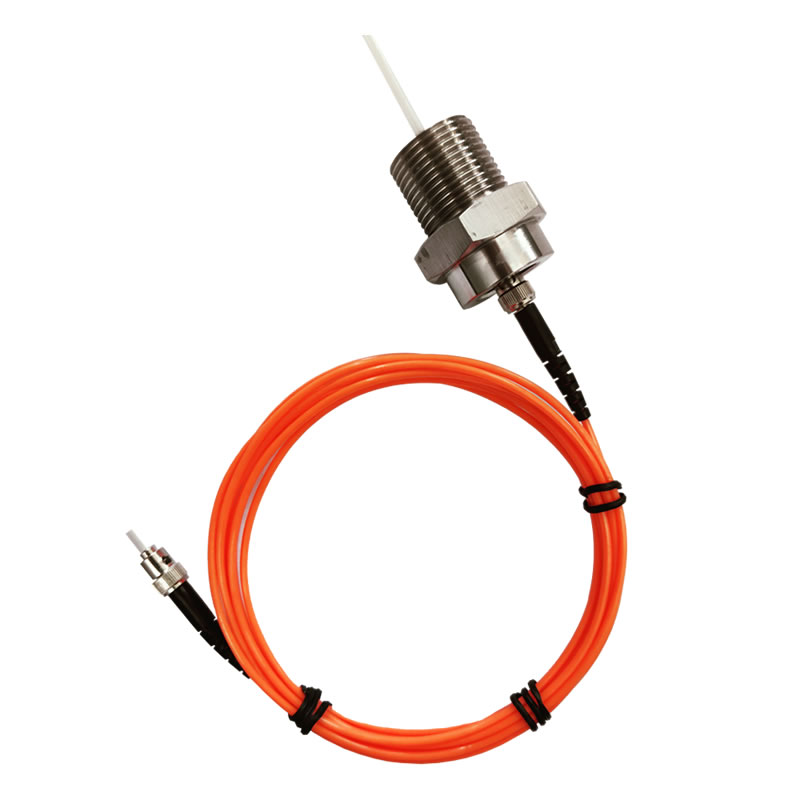
- เซนเซอร์ไฟเบอร์ออปติกฟลูออเรสเซนต์: เครื่องตรวจวัดอุณหภูมิไฟเบอร์ฟลูออเรสเซนต์ของหม้อแปลงไฟฟ้า ใช้วัสดุเรืองแสงที่ไวต่ออุณหภูมิ. เมื่อตื่นเต้นกับความยาวคลื่นเฉพาะ, เวลาการสลายตัวของฟลูออเรสเซนต์มีความสัมพันธ์กับอุณหภูมิอย่างเคร่งครัด. ข้อดี ได้แก่ ความต้านทาน EMI ที่แข็งแกร่งและความแม่นยำสูง (±0.5℃), เหมาะสำหรับสภาพแวดล้อมที่มีไฟฟ้าแรงสูง.
- ตะแกรงไฟเบอร์แบรกก์ (เอฟบีจี) เซนเซอร์: เซ็นเซอร์อุณหภูมิหม้อแปลง FBG อาศัยการเปลี่ยนแปลงดัชนีการหักเหของแสงใน FBG ตามอุณหภูมิ. ความแม่นยำถึง ± 1 ℃, เปิดใช้งานการตรวจสอบแบบกระจาย.
- ไฟเบอร์ออปติกแบบกระจาย เซนเซอร์: ใช้การสะท้อนกลับของโดเมนเวลาแบบออปติคัล (โอทีอาร์) สำหรับการทำแผนที่อุณหภูมิอย่างต่อเนื่องตามเส้นใย. ความละเอียดเชิงพื้นที่ <1ม, ความแม่นยำ ± 1-2 ℃, เหมาะสำหรับการตรวจติดตามในพื้นที่ขนาดใหญ่ (เช่น, ขดลวด, แกน).
4.2.3 การตรวจจับอุณหภูมิแบบไม่สัมผัส
หม้อแปลงไฟฟ้ากล้องวัดอุณหภูมิอินฟราเรด วัดอุณหภูมิพื้นผิวด้วยรังสีอินฟราเรด. ใช้งานง่ายแต่จำกัดเฉพาะพื้นผิวภายนอก (ไม่สามารถตรวจจับอุณหภูมิของขดลวดภายใน/แกนกลางได้) และไวต่อการรบกวนจากสิ่งแวดล้อม (ฝุ่น, ความชื้น).
4.2.4 การคำนวณอุณหภูมิจุดร้อนที่คดเคี้ยวทางอ้อม
- วิธีผลความร้อนปัจจุบัน: คำนวณอุณหภูมิของขดลวดโดยการรวมกระแสโหลด, อุณหภูมิน้ำมันสูงสุด, และลักษณะความต้านทานต่ออุณหภูมิของขดลวด.
- การคำนวณตามแบบจำลอง: ใช้สมการและพารามิเตอร์การถ่ายเทความร้อน (อุณหภูมิน้ำมันสูงสุด, โหลดปัจจุบัน, อุณหภูมิแวดล้อม) เพื่อประมาณอุณหภูมิจุดร้อนผ่าน แบบจำลองความร้อนของหม้อแปลงไฟฟ้า.
ทันสมัย ระบบออนไลน์อุณหภูมิหม้อแปลงรวม รวมเทคโนโลยีหลายอย่างเข้าด้วยกัน เช่น, Pt100 สำหรับอุณหภูมิน้ำมันสูงสุด, ใยแก้วนำแสงเรืองแสงสำหรับจุดร้อนที่คดเคี้ยว, และอินฟราเรดสำหรับการตรวจสอบภายนอก (หน่วยลาดตระเวน)—สร้างเครือข่ายการตรวจสอบหลายชั้น.
4.3 ประสิทธิภาพของอุปกรณ์ตรวจสอบอุณหภูมิหม้อแปลงออนไลน์
ตัวชี้วัดประสิทธิภาพที่สำคัญสำหรับ อุปกรณ์ตรวจสอบอุณหภูมิหม้อแปลงออนไลน์ รวม:
- ช่วงอุณหภูมิ: -40℃ถึง +150 ℃, ครอบคลุมการทำงานปกติและสภาวะสุดขั้ว.
- ความแม่นยำ: ±1°C สำหรับอุณหภูมิน้ำมันสูงสุด, ±2°C สำหรับจุดร้อนที่คดเคี้ยว (±0.5°C พร้อมการวัดโดยตรงด้วยไฟเบอร์ออปติก), ทำให้มั่นใจได้ถึงการประเมินอายุของฉนวนที่เชื่อถือได้.
- เวลาตอบสนอง: ≤1นาทีสำหรับการตรวจจับอุณหภูมิที่เพิ่มขึ้นอย่างรวดเร็วผิดปกติ.
- ความมั่นคงในระยะยาว: ดริฟท์ประจำปี ≤±0.5℃, รับประกันความน่าเชื่อถือของข้อมูลตลอดหลายปีที่ผ่านมา.
ดิจิตอล เซ็นเซอร์อุณหภูมิหม้อแปลงออนไลน์ รวมถึงการชดเชยอุณหภูมิในตัวและการทำให้เป็นเส้นตรง, ส่งออกข้อมูลดิจิทัลโดยตรงเพื่อลดข้อผิดพลาดที่เกิดจาก EMI ในการส่งสัญญาณอะนาล็อก.
5. การประยุกต์ใช้ระบบตรวจสอบออนไลน์ที่ครอบคลุมของหม้อแปลงไฟฟ้า
5.1 หลักการทำงานร่วมกันของการตรวจสอบออนไลน์ของหม้อแปลงหลายพารามิเตอร์
มูลค่าของ Transformer แพลตฟอร์มการตรวจสอบออนไลน์ที่ครอบคลุม อยู่ในการทำงานร่วมกันแบบมัลติฟังก์ชั่น, การรวมข้อมูลจาก DGA, พีดี, and temperature monitoring to deliver comprehensive, accurate status assessments. Key synergy principles include:
- Information Complementarity: DGA reflects long-term insulation degradation; PD detects real-time insulation defects; temperature monitors load and heat dissipation. ด้วยกัน, they address blind spots of single-parameter monitoring.
- Time-Scale Synergy: PD responds to short-term changes; DGA reflects long-term trends; temperature bridges both. This temporal coverage captures fault evolution from initiation to development.
- Spatial-Scale Synergy: PD offers high spatial resolution (cm-level localization); temperature maps regional heat distribution; DGA provides global status. This spatial hierarchy pinpoints fault locations and assesses impact ranges.
- Physical Phenomenon Correlation: PD causes gas generation (ดีจีเอ) and local heating (อุณหภูมิ); overheating accelerates PD and insulation aging. Analyzing these correlations deepens understanding of fault mechanisms.
5.2 Data Fusion for Transformer All-in-One Online Monitoring
Transformer online monitoring data fusion systems integrate multi-source data via advanced methods:
- Threshold-Based Alarm: Multi-level thresholds for each parameter (เช่น, ดีจีเอ: ซี₂H₂ >5 ไมโครลิตร/ลิตร (คำเตือน), พีดี: >1000 พีซี (เตือน), อุณหภูมิ: >130℃ (วิกฤต)) trigger coordinated alerts.
- การวิเคราะห์แนวโน้ม: Statistical methods, time-series models, and machine learning (เช่น, linear regression, LSTM) identify abnormal trends—e.g., simultaneous H₂ increase (ดีจีเอ), rising PD amplitude, and 5℃ hot-spot temperature rise indicate developing insulation defects.
- การวิเคราะห์สหสัมพันธ์: Quantify relationships between parameters (เช่น, PD amplitude vs. H₂ concentration, hot-spot temperature vs. โหลดปัจจุบัน) to identify abnormal correlations.
- การรับรู้รูปแบบ: Expert systems, โครงข่ายประสาทเทียม, and deep learning match multi-parameter patterns to known fault models—e.g., “high C₂H₂ (ดีจีเอ) + high PD (ยูเอชเอฟ) + local hot spot (อุณหภูมิ)” = arcing discharge.
- การวิเคราะห์ทางสถิติหลายตัวแปร: การวิเคราะห์องค์ประกอบหลัก (พีซีเอ) และการวิเคราะห์จำแนกกำลังสองน้อยที่สุดบางส่วน (กรุณา-ใช่) ลดมิติข้อมูล, แยกคุณสมบัติที่สำคัญเพื่อการวินิจฉัยที่มีประสิทธิภาพ.
การใช้งานระบบสมัยใหม่ สถาปัตยกรรมไฮบริดแบบ Edge-Cloud: อุปกรณ์ Edge จะประมวลผลข้อมูลแบบเรียลไทม์เพื่อการแจ้งเตือนทันที; แพลตฟอร์มคลาวด์จัดเก็บข้อมูลประวัติเพื่อการวิเคราะห์เชิงลึก (เช่น, การทำนายชีวิตที่เหลืออยู่), ปรับสมดุลความเร็วและความลึก.
5.3 กรณีการใช้งานของการตรวจสอบออนไลน์ของ Synergistic Transformer
5.3.1 จุดที่คดเคี้ยว & PD ร่วมติดตาม
กรณี: ก 220 หม้อแปลง kV แสดง DGA ที่ผิดปกติ (ไฮโดรคาร์บอนทั้งหมด: 200 ไมโครลิตร/ลิตร, CH₄/C₂H₄ที่โดดเด่น), พีดีปานกลาง (500 พีซี), และอุณหภูมิจุดร้อนที่คดเคี้ยวสูงขึ้น 15 ℃. การวิเคราะห์แบบเสริมฤทธิ์กัน วินิจฉัยว่าขดลวดในพื้นที่มีความร้อนสูงเกินไปเนื่องจากการบัดกรีลวดที่ไม่ดี, ทำให้เกิดการเสื่อมสภาพของฉนวนและ PD. การกระทำ: การซ่อมแซมข้อต่อการบัดกรีทันทีช่วยป้องกันการลัดวงจรของขดลวด.
5.3.2 การวินิจฉัยการต่อสายดินแบบหลายจุดหลัก
กรณี: ก 110 หม้อแปลง kV มีกระแสกราวด์แกนผิดปกติ (0.5 ก, ปกติ ≤0.1 ก), DGA เล็กน้อย (H₂/CH₄ เพิ่มขึ้น), และอุณหภูมิแกนกลางสูงขึ้น 10 ℃. การวิเคราะห์แบบเสริมฤทธิ์กัน ระบุการต่อสายดินหลายจุดหลักจากเศษโลหะ, ทำให้เกิดกระแสหมุนเวียน, ความร้อนสูงเกินไปในท้องถิ่น, และการสลายตัวของน้ำมัน. การกระทำ: การกำจัดเศษซากช่วยฟื้นฟูกระแสกราวด์และระดับก๊าซตามปกติ.
5.3.3 การตรวจจับความผิดปกติของระบบทำความเย็น
กรณี: ก 500 หม้อแปลง kV มีอุณหภูมิน้ำมันด้านบนเพิ่มขึ้นอย่างรวดเร็ว 15 ℃, DGA เล็กน้อย (H₂/CH₄ เพิ่มขึ้น), และไม่มีความผิดปกติของ PD. การวิเคราะห์แบบเสริมฤทธิ์กัน ระบุความล้มเหลวของพัดลมระบายความร้อน, ลดการกระจายความร้อน. การกระทำ: การเปลี่ยนพัดลมทำให้อุณหภูมิและระดับก๊าซเป็นปกติ.
กรณีเหล่านี้แสดงให้เห็นว่า หม้อแปลงเสริมฤทธิ์ตรวจสอบออนไลน์ที่ครอบคลุม ปรับปรุงความแม่นยำในการวินิจฉัยโดย 20-30% และลดการเตือนที่ผิดพลาดด้วย >50%, สำคัญสำหรับการทำงานของหม้อแปลงที่เชื่อถือได้.
6. แนวโน้มทางเทคนิค & แนวทางการใช้งานสำหรับระบบตรวจสอบออนไลน์ของหม้อแปลง
6.1 แนวโน้มนวัตกรรมในเทคโนโลยีการตรวจสอบหม้อแปลงออนไลน์
- ฟิวชั่นหลายเซ็นเซอร์: บูรณาการการสั่นสะเทือน, เสียงรบกวน, จำนวนอนุภาคน้ำมัน, และการติดตามความชื้นเข้าไป หม้อแปลงไฟฟ้าระบบออนไลน์หลายพารามิเตอร์ เพื่อการประเมินสถานะแบบองค์รวม.
- เซนเซอร์ความแม่นยำสูง: เซ็นเซอร์ควอนตัมสำหรับการตรวจจับ PD โฟตอนเดี่ยว, และเซ็นเซอร์ DGA ที่ใช้วัสดุนาโนสำหรับการตรวจวัดก๊าซความเข้มข้นต่ำเป็นพิเศษ.
- AI & ข้อมูลขนาดใหญ่: การเรียนรู้เชิงลึกเพื่อการทำนายข้อผิดพลาด (เช่น, LSTM สำหรับการเสื่อมสภาพของฉนวน), และแฝดดิจิทัลสำหรับการตรวจสอบและจำลองการบำรุงรักษาเสมือนจริง.
- Edge-คลาวด์คอมพิวติ้ง: อุปกรณ์ Edge สำหรับการอนุมาน AI แบบเรียลไทม์; แพลตฟอร์มคลาวด์สำหรับการวิเคราะห์ข้อมูลขนาดใหญ่และการจัดการกลุ่มยานพาหนะทั่วโลก.
- การทำให้เป็นมาตรฐาน: การนำ IEC มาใช้ 61850, โมดบัส, และ OPC UA สำหรับการทำงานร่วมกันระหว่าง ระบบตรวจสอบออนไลน์ของหม้อแปลงที่มีผู้จำหน่ายหลายราย.
6.2 แนวทางการใช้งานสำหรับโซลูชันการตรวจสอบออนไลน์ของ Transformer
เพื่อเพิ่มมูลค่าสูงสุดจาก หม้อแปลงไฟฟ้าระบบตรวจสอบออนไลน์ที่ครอบคลุม, ปฏิบัติตามหลักเกณฑ์เหล่านี้:
- การดำเนินการแบบเป็นขั้นตอน: เฟส 1: ปรับใช้ DGA และการตรวจสอบอุณหภูมิ; เฟส 2: เพิ่มการตรวจจับ PD; เฟส 3: บูรณาการกับระบบอัตโนมัติของสถานีย่อย.
- การใช้งานที่แตกต่าง: การตรวจสอบสินทรัพย์ที่สำคัญอย่างเต็มรูปแบบ (เช่น, 500 หม้อแปลงเควี); การตรวจสอบขั้นพื้นฐานสำหรับหน่วยที่ไม่สำคัญ (เช่น, 110 หม้อแปลงเควี).
- การบำรุงรักษาที่ขับเคลื่อนด้วยข้อมูล: ใช้ข้อมูลการตรวจสอบเพื่อเปลี่ยนจากการบำรุงรักษาตามกำหนดเวลาไปเป็นการบำรุงรักษาตามเงื่อนไข, ลดต้นทุนโดย 30-40%.
- การพัฒนาทักษะ: ฝึกอบรมบุคลากรเกี่ยวกับการสอบเทียบเซ็นเซอร์, การวิเคราะห์ข้อมูล, และการวินิจฉัยข้อผิดพลาดเพื่อใช้ประโยชน์จากความสามารถของระบบ.
- ความปลอดภัยทางไซเบอร์: ใช้การเข้ารหัส, การควบคุมการเข้าถึง, และการตรวจจับการบุกรุกเพื่อปกป้อง เชื่อมต่อระบบตรวจสอบออนไลน์ของหม้อแปลงไฟฟ้า จากภัยคุกคามทางไซเบอร์.
โดยปฏิบัติตามแนวทางเหล่านี้, สาธารณูปโภคและผู้ใช้ในภาคอุตสาหกรรมสามารถใช้ประโยชน์ได้อย่างเต็มที่ เทคโนโลยีการตรวจสอบออนไลน์ที่ครอบคลุมของหม้อแปลงไฟฟ้า เพื่อเพิ่มความน่าเชื่อถือ, ยืดอายุอุปกรณ์, และเพิ่มประสิทธิภาพต้นทุนการบำรุงรักษา.

เซ็นเซอร์อุณหภูมิไฟเบอร์ออปติก, ระบบตรวจสอบอัจฉริยะ, จำหน่ายผู้ผลิตใยแก้วนำแสงในประเทศจีน
 |
 |
 |