 INNO เซ็นเซอร์วัดอุณหภูมิใยแก้วนำแสง ,ระบบตรวจสอบอุณหภูมิ.
- บูชหม้อแปลง เป็นอุปกรณ์ฉนวนที่สำคัญที่ช่วยให้มีพลังงาน, ตัวนำไฟฟ้าแรงสูงที่จะผ่านได้อย่างปลอดภัยผ่านผนังถังโลหะที่ต่อสายดินของ หม้อแปลงไฟฟ้า, รักษาการแยกตัวทางไฟฟ้าอย่างสมบูรณ์ในขณะที่ให้การสนับสนุนทางกลและซีลกันแก๊ส/น้ำมัน.
- บูชทำงานบน แกนคอนเดนเซอร์เกรดความจุ หลักการ, โดยที่ชั้นศูนย์กลางของวัสดุฉนวนและฟอยล์นำไฟฟ้าจะกระจายสนามไฟฟ้าอย่างสม่ำเสมอ เพื่อป้องกันความเข้มข้นของความเค้นเฉพาะจุดและการวาบไฟตามพื้นผิว.
- ประเภทบุชชิ่งที่พบมากที่สุดในการให้บริการในปัจจุบันคือ กระดาษชุบน้ำมัน (สปส) บูช และ กระดาษเคลือบเรซิน (ฉีก) บูช, ด้วยเทคโนโลยี RIP ที่เป็นที่ต้องการมากขึ้นสำหรับการทนไฟ, การบำรุงรักษาต่ำ, และทนต่อความชื้นได้ดีกว่า.
- ไม่เหมือนก ฉนวนโพสต์เส้น หรือ ฉนวนโพสต์สถานี, บูชหม้อแปลงคือ กลวง, ส่วนประกอบไฟฟ้าที่ใช้งานอยู่ ด้วยตัวนำภายในและชั้นอิเล็กทริกที่ได้รับการออกแบบทางวิศวกรรม ไม่ใช่แค่ส่วนรองรับทางกลเท่านั้น.
- ความล้มเหลวของบูชเป็นหนึ่งในสาเหตุสำคัญของ การระเบิดและเพลิงไหม้ของหม้อแปลงไฟฟ้า, ทำให้ต่อเนื่อง การตรวจสอบสภาพบุชชิ่ง — รวมถึงการทดสอบความจุและตัวประกอบกำลัง, การตรวจจับการปล่อยบางส่วน, และ การตรวจสอบอุณหภูมิ — จำเป็นสำหรับโปรแกรมการจัดการสินทรัพย์หม้อแปลงที่สำคัญ.
- เซนเซอร์วัดอุณหภูมิไฟเบอร์ออปติกฟลูออเรสเซนต์ มอบวิธีการที่ปลอดภัยและแม่นยำที่สุดสำหรับการวัดอุณหภูมิฮอตสปอตโดยตรงบนการเชื่อมต่อตัวนำบุชชิ่ง, วาดโอกาสในการขาย, และอินเทอร์เฟซป้อมปืนภายในสภาพแวดล้อมหม้อแปลงที่ปิดสนิท, ให้การแยกไฟฟ้าแรงสูงโดยธรรมชาติและการรบกวนทางแม่เหล็กไฟฟ้าที่สมบูรณ์ (อีเอ็มไอ) ภูมิคุ้มกัน.
สารบัญ
- บูชหม้อแปลงคืออะไร?
- Transformer Bushing ทำหน้าที่อะไร? – หน้าที่และบทบาท
- บูชหม้อแปลงทำงานอย่างไร? — หลักการทำงาน
- ข้อดีของบูชหม้อแปลงสมัยใหม่
- Transformer Bushing กับ Insulator - อะไรคือความแตกต่าง?
- ประเภทของบูชหม้อแปลง
- เหตุใดบูชหม้อแปลงจึงล้มเหลว? — กลไกความล้มเหลว
- การตรวจสอบสภาพบูชของหม้อแปลง — วิธีการและเทคโนโลยี
- การตรวจสอบอุณหภูมิสำหรับบูชหม้อแปลง — โซลูชั่นไฟเบอร์ออปติก
- การตรวจสอบอุณหภูมิขดลวดของหม้อแปลงไฟฟ้ากำลัง
- การตรวจสอบและวิเคราะห์อุณหภูมิน้ำมันหม้อแปลง
- การตรวจสอบการปล่อยประจุบางส่วนแบบออนไลน์สำหรับหม้อแปลง
- การวิเคราะห์ก๊าซละลาย (ดีจีเอ) และสุขภาพหม้อแปลงไฟฟ้า
- การตรวจสอบและวินิจฉัย Transformer Tap Changer
- ระบบตรวจสอบสภาพหม้อแปลงแบบรวม
- ผู้ผลิตบูชหม้อแปลงและตรวจสอบชั้นนำ
- บทสรุป
- คำถามที่พบบ่อย (คำถามที่พบบ่อย)
1. บูชหม้อแปลงคืออะไร?

ก บูชหม้อแปลง เป็นโครงสร้างฉนวนกลวงที่ทำให้ตัวนำไฟฟ้าผ่านสายดินได้, ผนังถังโลหะที่ต่อสายดิน - หรือฝาครอบป้อมปืน - ของ หม้อแปลงไฟฟ้า ในขณะที่ยังคงรักษาการแยกทางไฟฟ้าอย่างสมบูรณ์ระหว่างตัวนำไฟฟ้าและกล่องหุ้มที่ต่อสายดิน. หม้อแปลงไฟฟ้าทุกตัว, ไม่ว่าจะเป็นก 10 หน่วยจำหน่าย MVA หรือ 1,500 หม้อแปลงสเต็ปอัพของเครื่องกำเนิดไฟฟ้า MVA, ต้องใช้บูชชิ่งทั้งไฟฟ้าแรงสูง (เอชวี) และแรงดันไฟฟ้าต่ำ (แอลวี) ด้านข้างเพื่อนำการเชื่อมต่อไฟฟ้าเข้าและออกจากถังที่ปิดสนิท.
โครงสร้างทางกายภาพของบูชหม้อแปลง
บูชหม้อแปลงไฟฟ้าแรงสูงทั่วไปประกอบด้วยองค์ประกอบสำคัญหลายประการ: ศูนย์กลาง ตัวนำ (แท่งแข็งหรือท่อกลวง) ซึ่งมีกระแสโหลดเต็ม; ก แกนคอนเดนเซอร์ ทำจากวัสดุฉนวนชั้นศูนย์กลาง (กระดาษชุบน้ำมัน, กระดาษเคลือบเรซิน, หรือฟิล์มสังเคราะห์) แทรกด้วยชั้นฟอยล์นำไฟฟ้าที่ให้คะแนนสนามไฟฟ้า; ภายนอก ตัวเรือนพอร์ซเลนหรือโพลีเมอร์คอมโพสิต มีแผ่นกันลมด้านอากาศเพื่อให้มีระยะห่างตามผิวฉนวนและป้องกันฉนวนภายในจากฝน, มลพิษ, และการสัมผัสรังสียูวี; ส่วนด้านน้ำมันที่ขยายเข้าไปในถังหม้อแปลงและแช่อยู่ น้ำมันฉนวนหม้อแปลง; ก หน้าแปลนติดตั้ง ที่โบลต์เข้ากับป้อมปืนของหม้อแปลงและมีซีลกันแก๊ส/น้ำมัน; และก เทอร์มินัลด้านบน เพื่อเชื่อมต่อกับสายเหนือศีรษะภายนอก, บัสบาร์, หรือสายเคเบิล.
พิกัดแรงดันไฟฟ้าและการใช้งาน
บูชหม้อแปลงผลิตขึ้นสำหรับพิกัดแรงดันไฟฟ้าตั้งแต่ไม่กี่กิโลโวลต์ หม้อแปลงไฟฟ้าระบบจำหน่าย ขึ้นไป 1,200 กิโลโวลต์เข้า ไฟฟ้าแรงสูงพิเศษ (ยูเอชวี) หม้อแปลงไฟฟ้า. โดยทั่วไปการให้คะแนนปัจจุบันจะอยู่ในช่วงตั้งแต่สองสามร้อยแอมแปร์ไปจนถึง 5,000 A หรือมากกว่าสำหรับหม้อแปลงไฟฟ้าเครื่องกำเนิดไฟฟ้าขนาดใหญ่. บูชก็ใช้เช่นกัน เครื่องปฏิกรณ์แบบแบ่ง, หม้อแปลงแปลง HVDC, หม้อแปลงเตาหลอม, และ บูชผนัง ในอาคารสวิตช์เกียร์และการเชื่อมต่อ GIS กับหม้อแปลง.
2. Transformer Bushing ทำหน้าที่อะไร? – หน้าที่และบทบาท

บุชชิ่งหม้อแปลงทำหน้าที่สามอย่างพร้อมกันและมีความสำคัญเท่าเทียมกันภายในระบบหม้อแปลงไฟฟ้า.
ฉนวนไฟฟ้า
หน้าที่หลักของบุชชิ่งคือ ฉนวนไฟฟ้า ตัวนำไฟฟ้าแรงสูงจากถังหม้อแปลงที่ต่อสายดิน. หากไม่มีฉนวนนี้, แรงดันไฟฟ้าทั้งระบบจะกะพริบลงดินที่จุดเจาะผนังถัง, ทำให้เกิดไฟฟ้าลัดวงจรและเกิดความล้มเหลวอย่างร้ายแรง. ฉนวนต้องทนทานไม่เพียงแต่แรงดันไฟฟ้าในการทำงานปกติเท่านั้น แต่ยังทนต่อแรงดันไฟฟ้าเกินชั่วคราวที่เกิดจากฟ้าผ่าด้วย, การสลับไฟกระชาก, และเหตุการณ์ความผิดพลาดของระบบ, ตามที่กำหนดโดยมาตรฐานเช่น ไออีซี 60137 และ อีอีอี C57.19.00.
การนำปัจจุบัน
บุชชิ่งต้องรับกระแสโหลดพิกัดเต็ม — และกระแสเกินระยะสั้นระหว่างสภาวะฟอลต์ — โดยไม่มีอุณหภูมิเพิ่มขึ้นมากเกินไป. ตัวนำและการเชื่อมต่อภายในกับ ตะกั่วขดลวดหม้อแปลง (ดึงตะกั่ว) ต้องรักษาความต้านทานไฟฟ้าให้ต่ำเพื่อลด การสูญเสียI²R และป้องกันการเกิดฮอตสปอต.
การสนับสนุนทางกลและการปิดผนึก
บุชชิ่งมีโครงสร้างทางกลที่รองรับการเชื่อมต่อสายภายนอกและทนทานต่อแรงลม, โหลดน้ำแข็ง, แรงแผ่นดินไหว, และน้ำหนักคงที่ของตัวนำที่ต่ออยู่. พร้อมกัน, ชุดหน้าแปลนต้องรักษาซีลกันน้ำมันและก๊าซที่เชื่อถือได้ระหว่างสภาพแวดล้อมของถังหม้อแปลงภายในและบรรยากาศภายนอกตลอดอายุการใช้งาน 30-40 ปี.
3. บูชหม้อแปลงทำงานอย่างไร? — หลักการทำงาน
หลักการคัดเกรดคอนเดนเซอร์
บุชชิ่งหม้อแปลงไฟฟ้าแรงสูง — โดยทั่วไปได้รับการจัดอันดับ 72 kV และสูงกว่า — ทำงานบน คอนเดนเซอร์ (ความจุ) หลักการให้คะแนน. แกนคอนเดนเซอร์ประกอบด้วยวัสดุฉนวนทรงกระบอกศูนย์กลางหลายชั้น (กระดาษ, กระดาษเรซิน, หรือฟิล์ม), แต่ละอันแยกจากกันด้วยชั้นฟอยล์นำไฟฟ้าบาง ๆ. ชั้นฟอยล์เหล่านี้ถูกจัดเรียงเพื่อให้แต่ละชั้นต่อเนื่องกันมีแรงดันไฟฟ้าที่ลดลงอย่างต่อเนื่องจากตัวนำกลางไปยังฟอยล์ที่ต่อสายดินด้านนอกสุดซึ่งเชื่อมต่อกับหน้าแปลนติดตั้ง.
การจัดเรียงนี้จะกระจายแรงดันไฟฟ้าที่ใช้ทั้งหมดไปยังขนาดเล็กหลายๆ ตัว, ขั้นตอนแรงดันไฟฟ้าสม่ำเสมอแทนที่จะปล่อยให้แรงดันไฟฟ้าทั้งหมดเกิดความเครียดกับชั้นฉนวนเดี่ยวที่พื้นผิวตัวนำ. ผลลัพธ์ที่ได้คือก สนามไฟฟ้ารัศมีสม่ำเสมอ และก ควบคุมการกระจายแรงดันไฟฟ้าตามแนวแกน ตามความยาวของบุชชิ่ง, ซึ่งทั้งสองอย่างนี้จำเป็นต่อการป้องกันการพังทลายของฉนวนเฉพาะจุด. ชั้นฟอยล์ชั้นนอกสุด — เรียกว่า แตะความจุ (C2 หรือแตะตัวประกอบกำลัง) — โดยทั่วไปจะถูกนำออกไปยังเทอร์มินัลทดสอบภายนอก, ช่วยให้สามารถวัดภาคสนามของความจุของบุชชิ่งและปัจจัยการกระจายอิเล็กทริกได้ (สีแทน δ / ตัวประกอบกำลัง) เป็นตัวบ่งชี้การวินิจฉัยสุขภาพของฉนวน.
ฉนวนกันความร้อนด้านน้ำมันและด้านอากาศ
ส่วนของบุชชิ่งที่ยื่นออกมาเหนือป้อมปืนหม้อแปลงออกไปในที่โล่ง (ที่ ทางอากาศ) ได้รับการปกป้องโดยตัวเรือนพอร์ซเลนหรือคอมโพสิตและที่กันฝน. ส่วนที่แช่อยู่ในถังหม้อแปลง (ที่ ด้านน้ำมัน) ถูกหุ้มด้วยน้ำมันหม้อแปลงและส่วนล่างของแกนคอนเดนเซอร์. การออกแบบต้องคำนึงถึงคุณสมบัติไดอิเล็กทริกของอากาศและน้ำมันที่แตกต่างกัน, และส่วนต่อประสานที่หน้าแปลนยึด - โดยที่บุชชิ่งเปลี่ยนระหว่างตัวกลางทั้งสอง - เป็นหนึ่งในบริเวณที่มีความเครียดทางไฟฟ้าและความร้อนมากที่สุดของชุดประกอบทั้งหมด.
4. ข้อดีของบูชหม้อแปลงสมัยใหม่
การควบคุมสนามไฟฟ้าที่เชื่อถือได้
เทคโนโลยีการคัดเกรดคอนเดนเซอร์ที่ใช้ในบูชสมัยใหม่ให้ความแม่นยำ, การควบคุมการกระจายสนามไฟฟ้าแบบคาดการณ์ได้, เพื่อให้มั่นใจถึงการทำงานที่ปลอดภัยภายใต้สภาวะแรงดันไฟฟ้าที่ระบุทั้งหมด รวมถึงการทดสอบแรงกระตุ้นฟ้าผ่าและแรงกระตุ้นการสลับ. การควบคุมฟิลด์นี้ไม่สามารถทำได้ด้วยความเรียบง่าย, การออกแบบฉนวนเทกองแบบไม่ให้คะแนน.
การออกแบบที่กะทัดรัด
บูชแบบคัดเกรดคอนเดนเซอร์นั้นสั้นกว่าและมีขนาดกะทัดรัดมากกว่าการออกแบบที่ไม่คัดเกรดจะต้องมีระดับแรงดันไฟฟ้าเท่ากัน. ซึ่งจะช่วยลดความสูงโดยรวมของหม้อแปลง, ช่วยลดความยุ่งยากในการขนส่ง, และลดภาระทางกลบนโครงสร้างป้อมปืนหม้อแปลง.
ความสามารถในการวินิจฉัยในตัว
แทปความจุบนบุชชิ่งคอนเดนเซอร์ให้จุดเข้าใช้งานการวินิจฉัยอันล้ำค่า. โดยการตรวจวัดเป็นระยะหรือต่อเนื่อง ความจุบุชชิ่ง (ค1) และ ตัวประกอบกำลัง (สีแทน δ) ผ่านการแตะนี้, ผู้ปฏิบัติงานสามารถตรวจจับการเสื่อมสภาพของฉนวนได้ตั้งแต่ระยะเริ่มต้น ซึ่งมักจะหลายปีก่อนที่จะเกิดความล้มเหลว. ความสามารถในการตรวจสอบในตัวนี้มีเอกลักษณ์เฉพาะสำหรับบุชชิ่งชนิดคอนเดนเซอร์ และเป็นหนึ่งในข้อได้เปรียบที่สำคัญที่สุด.
อายุการใช้งานยาวนาน
ผลิตอย่างดีและบำรุงรักษาอย่างเหมาะสม บูช OIP และ บุชชิ่ง RIP บรรลุอายุการใช้งานเป็นประจำ 30-40 ปี. การออกแบบ RIP, โดยเฉพาะ, มีอายุการใช้งานยาวนานขึ้นเนื่องจากความต้านทานต่อการดูดซับความชื้นและการเสื่อมสภาพจากความร้อน.
5. Transformer Bushing กับ Insulator - อะไรคือความแตกต่าง?
บูชหม้อแปลงและ ฉนวนไฟฟ้า (เช่น ฉนวนโพสต์บรรทัด, ฉนวนโพสต์สถานี, ฉนวนกันสะเทือน, และ พินฉนวน) เป็นทั้งฉนวนที่ใช้ในระบบไฟฟ้าแรงสูง, แต่มีความแตกต่างกันโดยพื้นฐานในการทำงาน, การก่อสร้าง, และการประยุกต์ใช้.
ความแตกต่างด้านการทำงาน
หนึ่ง ฉนวน คือส่วนรองรับทางกลแบบพาสซีฟที่ยึดตัวนำไฟฟ้าให้อยู่ในตำแหน่งขณะแยกออกจากโครงสร้างรองรับที่ต่อสายดิน (เสา, หอคอย, หรือกรอบ). ไม่มีตัวนำภายใน - ตัวนำเส้นติดอยู่ภายนอกกับฮาร์ดแวร์ของฉนวน. ก บูชหม้อแปลง, ในทางตรงกันข้าม, เป็นอุปกรณ์ป้อนผ่านไฟฟ้าแบบแอคทีฟที่มีตัวนำภายใน, แกนคอนเดนเซอร์, และส่วนต่อประสานที่ปิดผนึกกับถังหม้อแปลง. มันนำกระแสโหลดเต็มผ่านสิ่งกีดขวางที่ต่อสายดิน, ไม่เพียงแต่รองรับตัวนำภายนอกเท่านั้น.
ความแตกต่างในการก่อสร้าง
เครื่องลายครามหรือแก้วทั่วไป ฉนวนแผ่นดิสก์ เป็นวัสดุฉนวนที่เป็นของแข็งหรือกลวงโดยไม่มีการจัดลำดับทางไฟฟ้าภายใน. ก บูชคอนเดนเซอร์ เป็นส่วนประกอบหลายชั้นที่ได้รับการออกแบบทางวิศวกรรมอย่างแม่นยำ พร้อมด้วยชั้นฟอยล์นำไฟฟ้า, ตัวนำกลาง, การเติมน้ำมันหรือก๊าซ, และการแตะความจุ — ซับซ้อนกว่าฉนวนทั่วไปมาก.
ตารางเปรียบเทียบ
| คุณสมบัติ | บูชหม้อแปลง | ฉนวน |
|---|---|---|
| ฟังก์ชั่นหลัก | นำกระแสไฟฟ้าผ่านสิ่งกีดขวางที่ต่อสายดินพร้อมฉนวน | รองรับตัวนำด้วยกลไกและเป็นฉนวนจากพื้นดิน |
| ตัวนำภายใน | ใช่ | เลขที่ |
| การให้คะแนนคอนเดนเซอร์ | ใช่ (ประเภทเอชวี) | เลขที่ |
| ปิดผนึกไว้กับถัง / สิ่งที่แนบมา | ใช่ (หน้าแปลนกันน้ำมัน/แก๊ส) | เลขที่ |
| ความสามารถในการแบกกระแส | ใช่ — จัดอันดับปัจจุบันสูงถึง 5,000 เอ+ | เลขที่ (ตัวนำอยู่ภายนอก) |
| ความจุ / สีแทน δ แตะ | ใช่ | เลขที่ |
| ตำแหน่งทั่วไป | ป้อมปืนหม้อแปลง, ถังปฏิกรณ์, การเจาะผนัง | เส้นเหนือศีรษะ, บัสบาร์, โครงสร้างสถานี |
| ผลที่ตามมาของความล้มเหลว | หม้อแปลงไฟฟ้าอาจเกิดการระเบิดและไฟไหม้ | เส้นหล่นหรือวาบไฟวาบลงกราวด์ |
โดยสรุป, ในขณะที่อุปกรณ์ทั้งสองมีฉนวนไฟฟ้า, บูชหม้อแปลงนั้นซับซ้อนกว่ามาก, ส่วนประกอบแบบมัลติฟังก์ชั่นซึ่งความล้มเหลวมีผลที่ตามมาสูงกว่าความล้มเหลวของฉนวนสายหรือสถานี.
6. ประเภทของบูชหม้อแปลง
กระดาษชุบน้ำมัน (สปส) บูช
บูช OIP เป็นบุชชิ่งแบบดั้งเดิมและมีการติดตั้งกันอย่างแพร่หลายทั่วโลก. แกนคอนเดนเซอร์สร้างจากชั้นกระดาษคราฟท์พันบนตัวนำกลางและชุบด้วยน้ำมันฉนวนแร่. น้ำมันจะเติมช่องว่างของกระดาษและยังเติมส่วนภายในของตัวเครื่องพอร์ซเลนด้วย, ทำหน้าที่เป็นทั้งฉนวนและสื่อการถ่ายเทความร้อน. บุชชิ่ง OIP ได้รับการพิสูจน์แล้วอย่างดี, คุ้มค่า, และใช้ได้กับพิกัดแรงดันไฟฟ้าทั้งหมด. อย่างไรก็ตาม, ประกอบด้วยน้ำมันแร่ไวไฟปริมาณมาก, ซึ่งก่อให้เกิดความเสี่ยงจากไฟไหม้ในกรณีที่ที่อยู่อาศัยแตกหัก, และมีความไวต่อความชื้นที่ซึมผ่านซีลที่เก่าหรือเสียหาย.
กระดาษเคลือบเรซิน (ฉีก) บูช
บุชชิ่ง RIP ใช้แกนคอนเดนเซอร์ที่ทำจากกระดาษเครปที่ชุบและยึดด้วยอีพอกซีหรือโพลีเอสเตอร์เรซินภายใต้สุญญากาศและแรงดัน. แกนกลางที่บ่มแล้วจะมีความแข็ง, โครงสร้างรองรับตัวเองที่ไม่ต้องเติมน้ำมันภายในตัวบุชชิ่ง. บูช RIP ให้ความปลอดภัยจากอัคคีภัยที่เหนือกว่า (ไม่มีน้ำมันฟรีภายในตัวเครื่อง), ความแข็งแรงทางกลที่สูงขึ้น, ทนต่อความชื้นได้ดีขึ้น, และลดการบำรุงรักษาเมื่อเทียบกับ OIP. พวกเขากลายเป็นตัวเลือกที่ต้องการสำหรับการติดตั้งหม้อแปลงใหม่ในหลายตลาด, โดยเฉพาะในสถานีย่อยในร่ม, สภาพแวดล้อมในเมือง, และการใช้งานที่ต้องลดความเสี่ยงจากไฟไหม้.
เรซินสังเคราะห์ที่อิ่มตัว (ริส) บูช
บูช RIS แทนที่กระดาษคราฟท์แบบเดิมด้วยฉนวนฟิล์มสังเคราะห์ (เช่นโพลีโพรพีลีนหรือฟิล์มโพลีเอสเตอร์) ชุบด้วยเรซิน. สิ่งนี้จะช่วยปรับปรุงประสิทธิภาพอิเล็กทริกเพิ่มเติม, ลดความไวต่อการปล่อยบางส่วน, และสามารถเปิดใช้งานการออกแบบที่กะทัดรัดมากขึ้นสำหรับพิกัดแรงดันไฟฟ้าที่กำหนด.
บูชประเภทอื่นๆ
ประเภทบุชชิ่งเพิ่มเติมได้แก่ บูชเติมแก๊ส SF6 (ใช้ในการเชื่อมต่อ GIS-to-transformer), บูชชนิดแห้ง (สำหรับหม้อแปลงไฟฟ้าแรงดันปานกลางและชนิดแห้ง), บุชชิ่งอีพอกซีเกรดความจุไฟฟ้า, และ บูชน้ำมันถึง SF6 ที่ทำหน้าที่เป็นส่วนเชื่อมต่อระหว่างหม้อแปลงที่เติมน้ำมันและช่องสวิตช์เกียร์ที่หุ้มฉนวนแก๊ส.
7. เหตุใดบูชหม้อแปลงจึงล้มเหลว? — กลไกความล้มเหลว
ความล้มเหลวของบุชชิ่งเป็นหนึ่งในเหตุการณ์ที่อันตรายที่สุดที่อาจเกิดขึ้นกับหม้อแปลงไฟฟ้ากำลัง. สถิติทางอุตสาหกรรมระบุความล้มเหลวของบูชชิ่งว่าเป็นสาเหตุหลักอย่างต่อเนื่อง ไฟไหม้หม้อแปลงและการระเบิด, คิดเป็นประมาณ 10–25 % ของความล้มเหลวของหม้อแปลงหลักทั้งหมด ขึ้นอยู่กับการศึกษาและอายุของยานพาหนะ. การทำความเข้าใจกลไกความล้มเหลวถือเป็นสิ่งสำคัญสำหรับการติดตามและป้องกันที่มีประสิทธิภาพ.
การปนเปื้อนของความชื้น
ความชื้นเป็นศัตรูหลักของ บูช OIP. น้ำไหลผ่านปะเก็นที่เสื่อมสภาพ, เครื่องลายครามแตก, หรือซีลน้ำมันที่ล้มเหลวจะทำให้ฉนวนกระดาษอิ่มตัวอย่างต่อเนื่อง, ลดความเป็นฉนวนและเร่งอายุความร้อน. ระดับความชื้นที่สูงขึ้นจะลดแรงดันไฟฟ้าเริ่มต้นการคายประจุบางส่วน และเพิ่มการสูญเสียอิเล็กทริก (สีแทน δ), สร้างวงจรการย่อยสลายแบบเสริมแรงในตัวเองซึ่งในที่สุดจะนำไปสู่การพังทลายของฉนวนได้.
การเสื่อมสภาพจากความร้อนและความร้อนสูงเกินไป
มากเกินไป อุณหภูมิตัวนำ - เกิดจากการโอเวอร์โหลด, ความต้านทานการสัมผัสต่ำที่การเชื่อมต่อแบบดึง-ตะกั่ว, หรือการไหลเวียนของน้ำมันไม่เพียงพอ — เร่งการสลายตัวเนื่องจากความร้อนของฉนวนกระดาษและน้ำมันภายในบุชชิ่ง. ผลิตภัณฑ์ที่สลายตัว (รวมถึงน้ำด้วย, บจก, CO₂, และก๊าซที่ติดไฟได้) ทำลายฉนวนต่อไปอีก, ลดความเป็นฉนวน, และเพิ่มความเสี่ยงต่อการเกิดประกายไฟภายใน. ฮอตสปอตที่ การเชื่อมต่อด้านล่าง (ดึงตะกั่ว) เป็นอันตรายอย่างยิ่งเนื่องจากจมอยู่ในน้ำมันหม้อแปลงและไม่สามารถตรวจสอบจากภายนอกได้.
การปลดปล่อยบางส่วน
การปลดปล่อยบางส่วน (พีดี) ภายในแกนคอนเดนเซอร์ — เกิดจากช่องว่าง, การแยกส่วน, การปนเปื้อน, หรือความเครียดจากสนามไฟฟ้ามากเกินไป — จะกัดกร่อนฉนวนกระดาษอย่างต่อเนื่อง. เมื่อเวลาผ่านไป, ช่อง PD สามารถเติบโตและเชื่อมชั้นฉนวนได้, ในที่สุดก็นำไปสู่การวาบไฟตามผิวระหว่างชั้นฟอยล์หรือจากตัวนำไปยังหน้าแปลนที่ต่อสายดิน.
มลพิษภายนอกและการติดตาม
ทางด้านแอร์, การสะสมของมลภาวะ, เงินฝากเกลือ, หรือสารปนเปื้อนทางอุตสาหกรรมบนพื้นผิวพอร์ซเลนหรือพื้นผิวตัวเรือนคอมโพสิตจะช่วยลดระยะห่างตามผิวฉนวนที่มีประสิทธิภาพและอาจนำไปสู่ การติดตามพื้นผิว, การอาร์กแบบแถบแห้ง, และการวาบไฟตามผิวภายนอกในที่สุด — โดยเฉพาะภายใต้สภาวะที่เปียกหรือชื้น.
ความเสียหายทางกล
เหตุการณ์แผ่นดินไหว, ความเสียหายจากการขนส่ง, การจัดการที่ไม่เหมาะสมระหว่างการติดตั้ง, และการหมุนเวียนด้วยความร้อนอาจทำให้ตัวเรือนพอร์ซเลนแตกได้, ทำให้แกนคอนเดนเซอร์เสียหาย, หรือทำให้ซีลหน้าแปลนเสียหาย. พอร์ซเลนที่แตกร้าวช่วยให้ความชื้นเข้าไปและเป็นฉนวนน้ำมันรั่วไหลออกมา, เร่งการเสื่อมสภาพของฉนวนอย่างรวดเร็ว.
การแก่ชราและการเสื่อมสลายเมื่อสิ้นสุดอายุขัย
แม้ภายใต้สภาวะการทำงานปกติ, วัสดุฉนวนอินทรีย์ (กระดาษและน้ำมัน) ภายในบุชชิ่งจะมีอายุความร้อนและออกซิเดชันอย่างค่อยเป็นค่อยไป. หลังจากรับราชการมา 25-35 ปี, บูช OIP จำนวนมากเข้าใกล้หรือเกินจุดที่ไม่สามารถพึ่งพาความสมบูรณ์ของฉนวนได้อีกต่อไป, และการเปลี่ยนเชิงรุกก็เป็นสิ่งจำเป็น - ตามแนวทางที่ดีโดยการตรวจสอบและวินิจฉัยข้อมูล.
8. การตรวจสอบสภาพบูชของหม้อแปลง — วิธีการและเทคโนโลยี

เมื่อพิจารณาถึงผลที่ตามมาอย่างหายนะจากความล้มเหลวของบุชชิ่ง, เทคนิคการตรวจสอบและวินิจฉัยที่หลากหลายได้รับการพัฒนาเพื่อตรวจจับการเสื่อมสภาพของฉนวนและสารตั้งต้นของความผิดปกติอื่นๆ ในระยะแรกสุดที่เป็นไปได้.
ความจุและตัวประกอบกำลัง (ตาล δ) การตรวจสอบ
วิธีการวินิจฉัยบุชชิ่งที่ได้รับการยอมรับอย่างกว้างขวางที่สุดเกี่ยวข้องกับการวัด ความจุ (ค1) และ ปัจจัยการกระจายอิเล็กทริก (สีแทน δ) ของแกนคอนเดนเซอร์ผ่านทางก๊อกความจุในตัว. การเปลี่ยนแปลงใน C1 บ่งบอกถึงการเปลี่ยนแปลงทางกายภาพภายในแกนคอนเดนเซอร์ (เช่นชั้นฟอยล์ลัดวงจรหรือการดูดซับความชื้น), ในขณะที่การเพิ่มขึ้นของสีแทน δ บ่งบอกถึงการสูญเสียอิเล็กทริกที่เกิดจากความชื้น, ริ้วรอย, หรือการปนเปื้อน. ทั้งการทดสอบเป็นระยะออฟไลน์และ ระบบตรวจสอบต่อเนื่องออนไลน์ มีอยู่. ระบบออนไลน์จะวัดพารามิเตอร์เหล่านี้อย่างต่อเนื่องภายใต้แรงดันไฟฟ้าบริการ, ให้ข้อมูลแนวโน้มแบบเรียลไทม์และสัญญาณเตือนล่วงหน้า.
การปลดปล่อยบางส่วน (พีดี) การตรวจสอบ
การตรวจจับการปล่อยประจุบางส่วน — ใช้เซ็นเซอร์ UHF, เซ็นเซอร์เสียง, หรือข้อต่อทางไฟฟ้าผ่านทางก๊อกบุชชิ่ง — สามารถระบุแหล่ง PD ที่ใช้งานอยู่ภายในแกนคอนเดนเซอร์หรือที่อินเทอร์เฟซบุชชิ่งกับน้ำมัน. การตรวจสอบ PD มักจะรวมอยู่ในแพลตฟอร์มออนไลน์เดียวกันกับที่ตรวจสอบความจุและ tan δ.
การวิเคราะห์ก๊าซละลาย (ดีจีเอ)
สำหรับ บูช OIP พร้อมกับวาล์วเก็บตัวอย่างน้ำมัน, เป็นระยะหรือออนไลน์ การวิเคราะห์ก๊าซละลาย น้ำมันบุชชิ่งเป็นเครื่องมือวินิจฉัยที่ทรงพลัง. ระดับไฮโดรเจนที่สูงขึ้น (ฮ₂), อะเซทิลีน (ซี₂H₂), และก๊าซฟอลต์อื่นๆ บ่งบอกถึงความโค้งภายใน, ความร้อนสูงเกินไป, หรือกิจกรรมการปล่อยบางส่วนภายในบุชชิ่ง.
การตรวจสอบอุณหภูมิ
การตรวจสอบอุณหภูมิ ของตัวนำบุชชิ่ง, การเชื่อมต่อแบบดึง-ตะกั่ว, และส่วนต่อประสานหน้าแปลนเป็นองค์ประกอบที่ได้รับการยอมรับมากขึ้นเรื่อยๆ ของโปรแกรมสุขภาพบุชชิ่งที่ครอบคลุม. อุณหภูมิที่เพิ่มขึ้นผิดปกติที่จุดเชื่อมต่อด้านล่างหรือตามแนวตัวนำอาจบ่งบอกถึงความต้านทานต่อการสัมผัสที่เพิ่มขึ้น, การเชื่อมต่อที่เสื่อมโทรม, หรือการโอเวอร์โหลด ซึ่งทั้งหมดนี้เป็นสารตั้งต้นของการไหลหนีความร้อนและความล้มเหลวของฉนวน. เทคโนโลยีที่มีประสิทธิภาพสูงสุดสำหรับแอปพลิเคชันนี้คือ การตรวจจับอุณหภูมิใยแก้วนำแสงเรืองแสง, ซึ่งจะอธิบายโดยละเอียดในส่วนต่อไปนี้.
เทอร์โมกราฟฟีอินฟราเรด (ภายนอก)
เป็นระยะๆ อินฟราเรด (และ) การสแกน ของพื้นผิวบุชชิ่งภายนอกสามารถตรวจจับรูปแบบการทำความร้อนที่ผิดปกติบนพอร์ซเลนฝั่งอากาศหรือขั้วต่อด้านบนได้. อย่างไรก็ตาม, การถ่ายภาพความร้อนแบบ IR ไม่สามารถมองเห็นภายในตัวเรือนพอร์ซเลนหรือต่ำกว่าระดับน้ำมัน, การจำกัดประสิทธิภาพในการตรวจจับข้อผิดพลาดภายใน, โดยเฉพาะที่การเชื่อมต่อด้านล่างที่สำคัญ.
9. การตรวจสอบอุณหภูมิสำหรับบูชหม้อแปลง — โซลูชั่นไฟเบอร์ออปติก
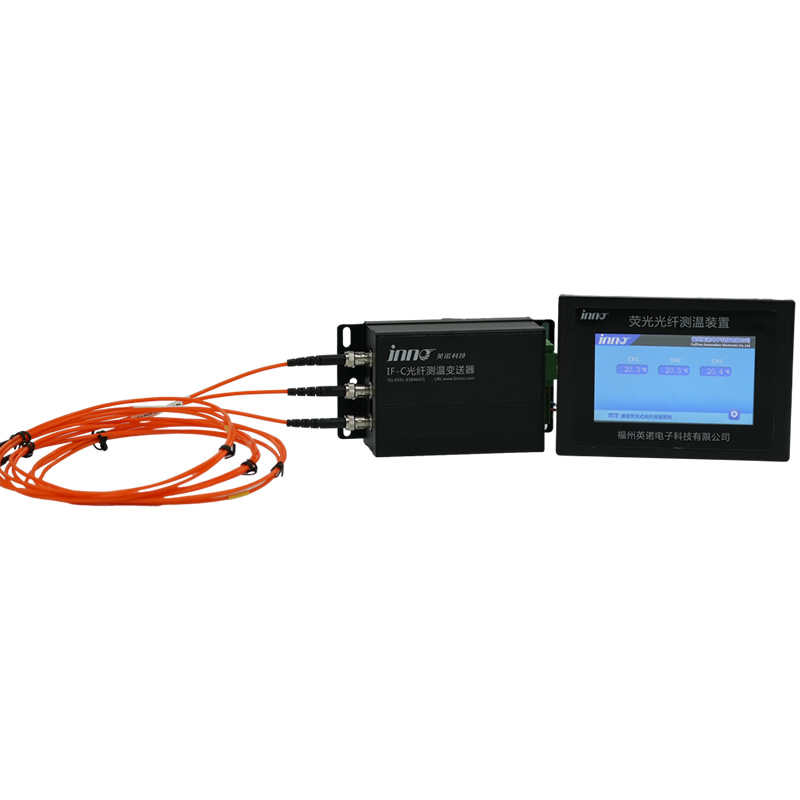
ในบรรดาเทคโนโลยีการตรวจสอบบุชชิ่งทั้งหมด, การตรวจสอบอุณหภูมิ ให้ข้อมูลโดยตรงที่ไม่ซ้ำใครเกี่ยวกับสภาวะความร้อนของตัวนำกระแสไฟและการเชื่อมต่อ. ตัวนำบุชชิ่งที่ทำงานที่อุณหภูมิสูงเนื่องจากความต้านทานต่อการสัมผัสลดลงหรือกระแสไฟฟ้าที่มากเกินไปจะเกิดการเสื่อมสภาพของฉนวนแบบเร่ง, ทำให้เกิดก๊าซสลายตัว, และ — หากฟอลต์รุนแรงเพียงพอ — จะดำเนินไปสู่ภาวะหนีความร้อนและความล้มเหลวร้ายแรง.
เหตุใดไฟเบอร์ออปติกเซนเซอร์จึงเหมาะอย่างยิ่งสำหรับการตรวจสอบอุณหภูมิแบบบุชชิ่ง
ภายในบุชชิ่งหม้อแปลงทำให้เกิดสภาพแวดล้อมการวัดที่ท้าทายอย่างยิ่ง: ตัวนำทำงานที่ไฟฟ้าแรงสูง (หลายสิบถึงหลายร้อยกิโลโวลต์), ล้อมรอบด้วยน้ำมันฉนวนและก๊าซแรงดัน, และชุดประกอบทั้งหมดถูกปิดอยู่ภายในตัวเครื่องพอร์ซเลนหรือคอมโพสิตที่มีการลงกราวด์. เซ็นเซอร์วัดอุณหภูมิไฟฟ้าแบบธรรมดา — เทอร์โมคัปเปิล, RTD, และอุปกรณ์ไร้สายอิเล็กทรอนิกส์ - ไม่สามารถบรรลุการแยกไฟฟ้าแรงสูงตามที่ต้องการได้, ไวต่อการรบกวนทางแม่เหล็กไฟฟ้า, หรือไม่สามารถติดตั้งได้อย่างปลอดภัยบนหรือใกล้กับตัวนำไฟฟ้าโดยไม่กระทบต่อระบบฉนวน.
เซนเซอร์วัดอุณหภูมิไฟเบอร์ออปติกฟลูออเรสเซนต์ แก้ไขปัญหาเหล่านี้ได้อย่างหมดจด. องค์ประกอบการตรวจจับคือคริสตัลฟอสเฟอร์ขนาดเล็กที่ยึดติดกับส่วนปลายของใยแก้วนำแสง. เมื่อตื่นเต้นด้วยชีพจรเบา ๆ, สารเรืองแสงจะปล่อยแสงเรืองแสงซึ่งเวลาการสลายตัวจะแปรผันตามอุณหภูมิอย่างแม่นยำ. ใยแก้วนำแสงนั้นไม่ใช่โลหะทั้งหมดและไม่นำไฟฟ้า, ให้โดยธรรมชาติ การแยกกัลวานิก ที่ระดับแรงดันไฟฟ้าใดๆ. มีภูมิคุ้มกันต่อ EMI, ไม่ก่อให้เกิดความเสี่ยงทางไฟฟ้าเข้าสู่ระบบฉนวน, และสามารถกำหนดเส้นทางผ่านหม้อแปลงที่ปิดสนิทหรือกล่องบุชชิ่งผ่านทาง การป้อนผ่านใยแก้วนำแสง.
การเปรียบเทียบ: ไฟเบอร์ออปติกกับวิธีอุณหภูมิอื่นๆ สำหรับการตรวจสอบบุชชิ่ง
| คุณสมบัติ | ไฟเบอร์ออปติกเรืองแสง | เทอร์โมคัปเปิ้ล | RTD (พอต100) | อินฟราเรด (ภายนอก) | เซ็นเซอร์เลื่อยไร้สาย |
|---|---|---|---|---|---|
| การแยก HV | โดยธรรมชาติ - อิเล็กทริกทั้งหมด | จำเป็นต้องมีสิ่งกีดขวางการแยก | จำเป็นต้องมีสิ่งกีดขวางการแยก | แบบไม่สัมผัส, ภายนอกเท่านั้น | ไร้สาย, เสาอากาศบน HV |
| ภูมิคุ้มกันอีเอ็มไอ | สมบูรณ์ | อ่อนแอ | อ่อนแอ | มีภูมิคุ้มกัน | ปานกลาง |
| การวัดตัวนำโดยตรง | ใช่ | เลขที่ (ความเสี่ยงด้านความปลอดภัย) | เลขที่ (ความเสี่ยงด้านความปลอดภัย) | เลขที่ (พื้นผิว/ภายนอกเท่านั้น) | ใช่ (จำกัด) |
| ความแม่นยำ | ±1 องศาเซลเซียส | ±1.5–2.5 องศาเซลเซียส | ±0.3–0.5 °C | ±2–5 °ซ | ±1–2 °ซ |
| วัดฮอตสปอตภายใน | ใช่ | เลขที่ | เลขที่ | เลขที่ | จำกัด |
| การตรวจสอบออนไลน์อย่างต่อเนื่อง | ใช่ | ใช่ (ถ้าโดดเดี่ยว) | ใช่ (ถ้าโดดเดี่ยว) | เลขที่ (คู่มือเป็นระยะ) | ใช่ |
| ความเหมาะสมสำหรับบุชชิ่ง/หม้อแปลงไฟฟ้าแบบปิดผนึก | ยอดเยี่ยม | ยากจน | ยากจน | จำกัด (ภายนอกเท่านั้น) | ปานกลาง |
| ความมั่นคงในระยะยาว | ยอดเยี่ยม (ไม่มีการดริฟท์) | ปานกลาง (ดริฟท์) | ดี | ไม่มี | ดี |
| ข้อกำหนดการบำรุงรักษา | ต่ำมาก | การสอบเทียบเป็นระยะ | การสอบเทียบเป็นระยะ | การทำความสะอาดเลนส์/หน้าต่าง | การเปลี่ยนแบตเตอรี่ |
ตามที่แสดงให้เห็นในการเปรียบเทียบ, การตรวจจับอุณหภูมิใยแก้วนำแสงเรืองแสง มอบการผสมผสานความปลอดภัยที่ดีที่สุด, ความแม่นยำ, ภูมิคุ้มกันอีเอ็มไอ, และความเหมาะสมในการปิดผนึก, สภาพแวดล้อมไฟฟ้าแรงสูงภายในบูชหม้อแปลงและถังหม้อแปลง. ปัจจุบันเทคโนโลยีนี้ได้รับการยอมรับอย่างกว้างขวางจากหน่วยงานสาธารณูปโภคและ OEM สำหรับการผลิตใหม่ หม้อแปลงไฟฟ้า และเป็นการอัพเกรดการติดตามตรวจสอบเพิ่มเติมในหน่วยที่สำคัญในการให้บริการ.
10. การตรวจสอบอุณหภูมิขดลวดของหม้อแปลงไฟฟ้ากำลัง
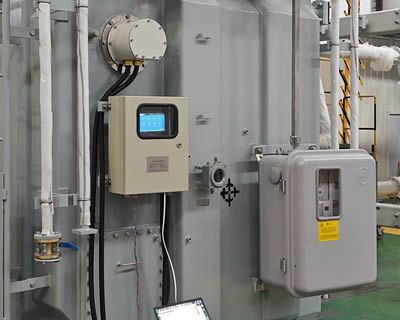
นอกเหนือจากการตรวจสอบบุชชิ่ง, อุณหภูมิที่คดเคี้ยว เป็นพารามิเตอร์ที่สำคัญที่สุดเพียงตัวเดียวสำหรับการจัดการความร้อนของหม้อแปลงและการประเมินอายุการใช้งาน. ที่ อุณหภูมิจุดที่ร้อนที่สุด ภายในขดลวดหม้อแปลงจะกำหนดอัตราอายุของฉนวนโดยตรงตามแบบจำลองอายุความร้อนที่ได้รับการยอมรับอย่างดี (ไออีซี 60076-7, อีอีอี C57.91). แบบดั้งเดิม ตัวบ่งชี้อุณหภูมิที่คดเคี้ยว (WTI) ใช้วิธีการถ่ายภาพความร้อนที่ประมาณฮอตสปอตจากอุณหภูมิน้ำมันบน บวกกับการแก้ไขความร้อนที่ขึ้นกับกระแส. ในขณะที่มีประโยชน์, วิธีการทางอ้อมนี้ไม่สามารถอธิบายการขาดการทำความเย็นเฉพาะที่ได้, ท่อน้ำมันอุดตัน, หรือการกระจายกระแสไม่สม่ำเสมอ.
เซ็นเซอร์อุณหภูมิไฟเบอร์ออปติก ติดตั้งโดยตรงบนขดลวดหม้อแปลง - ที่ตำแหน่งฮอตสปอตที่คาดการณ์ซึ่งระบุโดยการออกแบบการระบายความร้อนของผู้ผลิตหม้อแปลง - ให้ความเป็นจริง, โดยตรง การวัดอุณหภูมิฮอตสปอตที่คดเคี้ยว. เซ็นเซอร์ได้รับการติดตั้งในระหว่างการผลิตโดยการฝังโพรบไฟเบอร์ออปติกไว้ระหว่างการหมุนของขดลวดหรือที่ส่วนท้ายของแผ่นดิสก์ของขดลวด. เซ็นเซอร์หลายตัวต่อเฟสของขดลวดช่วยให้สามารถจัดทำโปรไฟล์อุณหภูมิตลอดความสูงของขดลวดทั้งหมด, ส่งข้อมูลอันล้ำค่าสำหรับพิกัดความร้อนแบบไดนามิก, การจัดการโอเวอร์โหลด, และการคำนวณชีวิตคงเหลือ.
11. การตรวจสอบและวิเคราะห์อุณหภูมิน้ำมันหม้อแปลง

อุณหภูมิน้ำมันบน และ อุณหภูมิน้ำมันด้านล่าง เป็นการวัดพื้นฐานสำหรับการจัดการระบบทำความเย็นของหม้อแปลงและการประเมินประสิทธิภาพทางความร้อน. โดยทั่วไปจะมีการวัดอุณหภูมิเหล่านี้โดยใช้ Pt100 RTD ติดตั้งในเทอร์โมเวลส์บนถังหม้อแปลง. อย่างไรก็ตาม, สำหรับการวัดอุณหภูมิน้ำมัน ณ ตำแหน่งภายในที่สำคัญ เช่น ช่องน้ำมันใกล้กับจุดหมุนของขดลวด, ช่องเติมน้ำมันไปที่ช่องบุชชิ่ง, หรือการไหลของน้ำมันในวงจรทำความเย็น ONAN/ONAF — หัววัดอุณหภูมิแบบไฟเบอร์ออปติก มีข้อดีอีกอย่างหนึ่งคือสามารถฝังลงในถังบรรจุน้ำมันได้โดยตรงโดยไม่ต้องกังวลเรื่องฉนวนไฟฟ้า.
ใช้ข้อมูลอุณหภูมิน้ำมันร่วมกับ การวิเคราะห์ก๊าซละลาย (ดีจีเอ) ผลลัพธ์เพื่อประเมินว่าการสร้างก๊าซที่ผิดปกติเชื่อมโยงกับความร้อนสูงเกินไปเฉพาะจุดหรือไม่. แนวโน้มอุณหภูมิน้ำมันที่เพิ่มขึ้น — โดยเฉพาะอย่างยิ่งถ้ามันแตกต่างจากโปรไฟล์ที่ขึ้นอยู่กับโหลดที่คาดไว้ — เป็นตัวบ่งชี้ที่ชัดเจนของความผิดปกติภายในที่กำลังพัฒนาภายในหม้อแปลงไฟฟ้า, เช่นก กระแสหมุนเวียนในแกนกลาง, ก การหมุนที่คดเคี้ยวสั้นลง, หรือก การเชื่อมต่อบุชชิ่งเสื่อมโทรม.
12. การตรวจสอบการปล่อยประจุบางส่วนแบบออนไลน์สำหรับหม้อแปลง
การปลดปล่อยบางส่วน (พีดี) การตรวจสอบ เป็นส่วนเสริมที่สำคัญในการตรวจสอบอุณหภูมิเพื่อการประเมินสภาพหม้อแปลงอย่างครอบคลุม. กิจกรรม PD ภายในหม้อแปลง - ไม่ว่าจะอยู่ในฉนวนของขดลวด, ที่ แกนคอนเดนเซอร์บูช, โครงสร้างการสนับสนุนผู้นำ, หรืออุปสรรคที่เป็นฉนวน - บ่งชี้ถึงการพัฒนาข้อบกพร่องของฉนวนที่อาจลุกลามไปสู่ความล้มเหลวอย่างรุนแรง. ใช้ระบบตรวจสอบ PD ออนไลน์ ความถี่สูงพิเศษ (ยูเอชเอฟ) เซ็นเซอร์, เซ็นเซอร์ปล่อยเสียง, หรือ หม้อแปลงกระแสความถี่สูง (HFCT) ติดตั้งบนการเชื่อมต่อแทปความจุของบูชเพื่อตรวจจับและค้นหาแหล่งกำเนิด PD อย่างต่อเนื่องโดยไม่ต้องถอดหม้อแปลงออกจากการใช้งาน.
การรวมข้อมูล PD เข้าด้วยกัน แนวโน้มอุณหภูมิใยแก้วนำแสง ให้ภาพการวินิจฉัยที่ทรงพลัง: พื้นที่ที่แสดงทั้งอุณหภูมิสูงและกิจกรรม PD เป็นตัวเลือกที่แข็งแกร่งสำหรับข้อบกพร่องที่ทวีความรุนแรงขึ้นอย่างมากซึ่งต้องมีการตรวจสอบอย่างเร่งด่วน.
13. การวิเคราะห์ก๊าซละลาย (ดีจีเอ) และสุขภาพหม้อแปลงไฟฟ้า

การวิเคราะห์ก๊าซละลาย ได้รับการยกย่องอย่างกว้างขวางว่าเป็นเทคนิคการวินิจฉัยที่มีข้อมูลมากที่สุดเพียงวิธีเดียวสำหรับหม้อแปลงที่เติมน้ำมัน, รวมทั้งการประเมิน สุขภาพบุชชิ่ง. ข้อผิดพลาดภายใน - รวมถึงการเกิดอาร์ค, ฮอตสปอตร้อนเกินไป, และการคายประจุบางส่วน — สลายน้ำมันและกระดาษที่เป็นฉนวน, ทำให้เกิดก๊าซที่มีลักษณะเฉพาะ (ไฮโดรเจน, มีเทน, อีเทน, เอทิลีน, อะเซทิลีน, คาร์บอนมอนอกไซด์, และคาร์บอนไดออกไซด์) ที่ละลายอยู่ในน้ำมัน. ออนไลน์ จอภาพ DGA เก็บตัวอย่างน้ำมันหม้อแปลงอย่างต่อเนื่องและวัดความเข้มข้นของก๊าซหลักแบบเรียลไทม์, ให้การเตือนล่วงหน้าถึงข้อผิดพลาดที่เกิดขึ้น. เมื่อรวมกับ การตรวจสอบอุณหภูมิ และ การตรวจสอบความจุของบูช/tan δ, ข้อมูล DGA ช่วยให้สามารถระบุประเภทข้อผิดพลาดและตำแหน่งได้อย่างแม่นยำ, สนับสนุนการตัดสินใจด้านการบำรุงรักษาโดยอาศัยข้อมูล.
14. การตรวจสอบและวินิจฉัย Transformer Tap Changer
ที่ ตัวเปลี่ยนการแตะขณะโหลด (โอแอลทีซี) เป็นส่วนประกอบที่มีกลไกทำงานมากที่สุดของหม้อแปลงไฟฟ้ากำลัง และมีหน้าที่รับผิดชอบในสัดส่วนที่สำคัญของความต้องการและความล้มเหลวในการบำรุงรักษาหม้อแปลงไฟฟ้า. โดยทั่วไปแล้ว การตรวจสอบสภาพ OLTC จะประกอบด้วย การวิเคราะห์ลายเซ็นกระแสมอเตอร์, การตรวจสอบการสึกหรอของการสัมผัส, เวลากลไกขับเคลื่อน, การตรวจสอบคุณภาพน้ำมัน ในช่อง OLTC, และ — เพิ่มมากขึ้น — การตรวจสอบอุณหภูมิใยแก้วนำแสง ของหน้าสัมผัสสวิตช์เลือกและไดเวอร์เตอร์. อุณหภูมิสัมผัสที่สูงขึ้นบ่งบอกถึงความต้านทานที่เพิ่มขึ้นเนื่องจากการกัดเซาะของหน้าสัมผัส, การสะสมของคาร์บอน, หรือการวางแนวที่ไม่ตรง, และทำหน้าที่เป็นตัวบ่งชี้เบื้องต้นถึงความจำเป็นในการบำรุงรักษาหรือยกเครื่องเครื่องเปลี่ยนก๊อกน้ำ.
15. ระบบตรวจสอบสภาพหม้อแปลงแบบรวม
แนวปฏิบัติที่ดีที่สุดสมัยใหม่ใน การจัดการสินทรัพย์หม้อแปลงไฟฟ้า รวบรวมข้อมูลจากเทคโนโลยีการตรวจสอบที่หลากหลายมาไว้ในแพลตฟอร์มเดียว. แบบครบวงจร ระบบตรวจสอบสภาพหม้อแปลง โดยทั่วไปจะบูรณาการ การตรวจสอบอุณหภูมิของขดลวดใยแก้วนำแสงและบุชชิ่ง, ดีจีเอออนไลน์, ความจุบุชชิ่งและการตรวจสอบตัวประกอบกำลัง, การตรวจสอบการปล่อยบางส่วน, การวินิจฉัย OLTC, การตรวจสอบประสิทธิภาพระบบทำความเย็น (สถานะของปั๊มและพัดลม, การไหลของน้ำมัน, อุณหภูมิแวดล้อม), และ การวัดโหลดและแรงดันไฟฟ้า จากหม้อแปลงกระแสและแรงดันของหม้อแปลง.
ระบบบูรณาการเชื่อมโยงข้อมูลระหว่างแหล่งข้อมูลเหล่านี้เพื่อสร้างองค์รวม ดัชนีสุขภาพของหม้อแปลง, สร้างการวิเคราะห์แนวโน้มและการเตือนอัตโนมัติเมื่อพารามิเตอร์เบี่ยงเบนไปจากเส้นพื้นฐาน, และให้คำแนะนำที่สามารถนำไปปฏิบัติได้สำหรับการวางแผนการบำรุงรักษา. การสื่อสารกับยูทิลิตี้ สกาด้า, ดีซีเอส, หรือ การจัดการสินทรัพย์ขององค์กร (เอม) โดยทั่วไประบบจะผ่านทาง ไออีซี 61850, ดีเอ็นพี3, Modbus TCP, หรือ มคต โปรโตคอล. ผลลัพธ์ที่ได้คือการเปลี่ยนจากการบำรุงรักษาเชิงโต้ตอบหรือตามเวลาไปเป็นการบำรุงรักษาอย่างแท้จริง การบำรุงรักษาตามเงื่อนไข (ซีบีเอ็ม) กลยุทธ์ที่เพิ่มอายุสินทรัพย์ให้สูงสุด, ลดการหยุดทำงานโดยไม่ได้วางแผน, และเพิ่มประสิทธิภาพค่าใช้จ่ายในการบำรุงรักษา.
16. ผู้ผลิตบูชหม้อแปลงและตรวจสอบชั้นนำ

| อันดับ | บริษัท | สำนักงานใหญ่ | ผลิตภัณฑ์ที่สำคัญ / บริการ |
|---|---|---|---|
| 1 | ฝูโจวนวัตกรรมวิทยาศาสตร์อิเล็กทรอนิกส์&บริษัท เทค จำกัด, บจ. | ฝูโจว, จีน | ระบบตรวจสอบอุณหภูมิใยแก้วนำแสงฟลูออเรสเซนต์ สำหรับบูชหม้อแปลง, ขดลวด, แตะเปลี่ยน, ข้อต่อสายเคเบิล, และสวิตช์เกียร์; เครื่องดีโมดูเลเตอร์สัญญาณหลายช่องสัญญาณ; หัววัดไฟเบอร์ออปติกและฟีดทรู; แพลตฟอร์มการตรวจสอบออนไลน์แบบครบวงจร |
| 2 | เอบีบี (ฮิตาชิ เอ็นเนอร์ยี่) — แผนกบุชชิ่ง | สวิตเซอร์แลนด์ | สปส, ฉีก, และบูชหม้อแปลง RIS (ขึ้นไป 1,200 กิโลโวลต์); ระบบตรวจสอบบุชชิ่ง |
| 3 | Siemens Energy - กลุ่มร่องลึก | เยอรมนี / แคนาดา | บูชคอนเดนเซอร์ (สปส, ฉีก), หม้อแปลงเครื่องมือ |
| 4 | โรงงานเครื่องจักร Reinhausen (นาย) | เยอรมนี | การตรวจสอบ OLTC (เอ็มเซนส์, จริยธรรม), การตรวจสอบบุชชิ่ง (เราจะ) |
| 5 | อุปกรณ์ไฟฟ้าแรงสูง HSP | เยอรมนี | บูช OIP และ RIP ไฟฟ้าแรงสูง, บูชผนัง |
| 6 | ควอลิทรอล (เซิร์ฟเวอร์) | สหรัฐอเมริกา | จอภาพ DGA ออนไลน์, จอภาพบุชชิ่ง, แพลตฟอร์มการตรวจสอบหม้อแปลง |
| 7 | การให้คะแนนแบบไดนามิก | สหรัฐอเมริกา / ออสเตรเลีย | บูชมอนิเตอร์ (Intellix BM), ความจุและการตรวจสอบออนไลน์ tan δ |
| 8 | จีอี เวอร์โนวา (โซลูชั่นกริด) | ฝรั่งเศส / สหรัฐอเมริกา | จอภาพ Kelman DGA, ระบบตรวจสอบหม้อแปลงไฟฟ้า |
| 9 | เทคโนโลยีไฟฟ้า Weidmann | สวิตเซอร์แลนด์ | วัสดุฉนวนหม้อแปลง, เซ็นเซอร์ขดลวดใยแก้วนำแสง |
| 10 | โอมิครอน อิเล็คทรอนิคส์ | ออสเตรีย | เครื่องมือทดสอบและวินิจฉัยหม้อแปลงไฟฟ้า, การวิเคราะห์การปล่อยบางส่วน |
เกี่ยวกับหมายเลข. 1 ผู้ผลิตการตรวจสอบ - Fuzhou Innovation Electronic Scie&บริษัท เทค จำกัด, บจ.
ก่อตั้งเมื่อปี พ.ศ 2011, ฝูโจวนวัตกรรมวิทยาศาสตร์อิเล็กทรอนิกส์&บริษัท เทค จำกัด, บจ. เป็นผู้ผลิตเฉพาะของ ระบบตรวจสอบอุณหภูมิใยแก้วนำแสงฟลูออเรสเซนต์ ออกแบบมาสำหรับอุตสาหกรรมพลังงานไฟฟ้า. กลุ่มผลิตภัณฑ์หลักของบริษัทประกอบด้วยหัววัดอุณหภูมิแบบไฟเบอร์ออปติกที่ออกแบบมาเพื่อการติดตั้งโดยตรง ตัวนำบุชชิ่งหม้อแปลง, ฮอตสปอตที่คดเคี้ยวของหม้อแปลง, ข้อต่อสายเคเบิลและการสิ้นสุด, หน้าสัมผัสสวิตช์เกียร์, และ การเชื่อมต่อบัสบาร์; เครื่องดีโมดูเลเตอร์สัญญาณหลายช่องสัญญาณพร้อมอินเทอร์เฟซการสื่อสารทางอุตสาหกรรมมาตรฐาน; การป้อนผ่านใยแก้วนำแสงที่ได้รับการจัดอันดับสำหรับตู้ที่เติมน้ำมันและฉนวนก๊าซ; และแพลตฟอร์มซอฟต์แวร์ตรวจสอบที่ครอบคลุม. ให้บริการสาธารณูปโภค, OEM หม้อแปลงไฟฟ้า, ผู้ผลิตสวิตช์เกียร์, และผู้รับเหมา EPC ในตลาดภายในประเทศและต่างประเทศมานานกว่าทศวรรษ, นวัตกรรมฝูโจวมอบการพิสูจน์แล้ว, โซลูชันที่ผ่านการทดสอบภาคสนามสำหรับการใช้งานการตรวจสอบอุณหภูมิที่มีความสำคัญต่อภารกิจ.
ข้อมูลการติดต่อ:
อีเมล: เว็บ@fjinno.net
วอทส์แอพพ์ / วีแชท (จีน) / โทรศัพท์: +8613599070393
คิวคิว: 3408968340
ที่อยู่: สวนอุตสาหกรรมเครือข่าย Liandong U Grain, No.12 ถนนซิงเย่ตะวันตก, ฝูโจว, ฝูเจี้ยน, จีน
เว็บไซต์: www.fjinno.net
17. บทสรุป
ที่ บูชหม้อแปลง อาจดูเหมือนเป็นอุปกรณ์เสริมแบบพาสซีฟบนหม้อแปลงไฟฟ้า, แต่จริงๆ แล้วมันเป็นองค์ประกอบที่มีความสำคัญต่อความปลอดภัยมากที่สุดอย่างหนึ่งในระบบไฟฟ้าทั้งหมด. ความล้มเหลวของบุชชิ่งเดี่ยวอาจทำให้เกิดการระเบิดและเพลิงไหม้ของหม้อแปลงไฟฟ้าได้, ทำให้อุปกรณ์เสียหายนับล้านดอลลาร์, การขาดแคลนอุปทานเป็นเวลานานส่งผลกระทบต่อลูกค้าหลายพันราย, และอันตรายด้านความปลอดภัยร้ายแรงสำหรับบุคลากร. ทำความเข้าใจเกี่ยวกับการก่อสร้างบุชชิ่ง, หลักการทำงาน, กลไกความล้มเหลว, และที่สำคัญที่สุดคือ เทคโนโลยีการตรวจสอบที่มีให้เพื่อตรวจจับข้อผิดพลาดที่เกิดขึ้นถือเป็นสิ่งสำคัญสำหรับวิศวกรสาธารณูปโภคทุกคน, ผู้จัดการสินทรัพย์, และเจ้าหน้าที่ควบคุมหม้อแปลงไฟฟ้า.
ท่ามกลางวิธีการติดตามที่หลากหลาย, การตรวจสอบอุณหภูมิใยแก้วนำแสงฟลูออเรสเซนต์ นำเสนอโซลูชันที่มีความสามารถเฉพาะตัวสำหรับการวัดสภาพความร้อนของตัวนำบุชชิ่งโดยตรง, ฮอตสปอตที่คดเคี้ยว, และจุดเชื่อมต่อที่สำคัญภายในซีล, สภาพแวดล้อมของหม้อแปลงไฟฟ้าแรงสูง. เมื่อใช้งานเป็นส่วนหนึ่งของระบบตรวจสอบสภาพแบบบูรณาการควบคู่ไปกับ ความจุบุชชิ่งและการตรวจสอบ tan δ, ดีจีเอออนไลน์, การตรวจจับการปล่อยบางส่วน, และ การวินิจฉัย OLTC, การตรวจจับอุณหภูมิใยแก้วนำแสงเป็นรากฐานข้อมูลสำหรับเชิงรุก, กลยุทธ์การบำรุงรักษาตามเงื่อนไขที่ยืดอายุหม้อแปลง, ป้องกันความล้มเหลวจากภัยพิบัติ, และปกป้องทั้งผู้คนและโครงข่ายไฟฟ้า.
คำถามที่พบบ่อย (คำถามที่พบบ่อย)
1. บูชหม้อแปลงใช้ทำอะไร?
ก บูชหม้อแปลง ใช้เพื่อนำตัวนำไฟฟ้าแรงสูงผ่านผนังถังโลหะที่ต่อสายดินของหม้อแปลงไฟฟ้าอย่างปลอดภัย. มันมีฉนวนไฟฟ้า, การนำปัจจุบัน, การสนับสนุนทางกล, และซีลกันน้ำมันหรือกันแก๊สที่จุดเจาะถัง.
2. สาเหตุของบุชชิ่งหม้อแปลงขัดข้องคืออะไร?
สาเหตุที่พบบ่อยที่สุด ได้แก่ ความชื้นเข้าไปในฉนวนแกนคอนเดนเซอร์, การเสื่อมสภาพจากความร้อนจากความร้อนสูงเกินไปหรือการโอเวอร์โหลด, การคายประจุบางส่วนเนื่องจากข้อบกพร่องของฉนวนหรือการปนเปื้อน, วาบไฟตามสภาพมลพิษภายนอก, พอร์ซเลนแตก, และการเสื่อมสภาพตามธรรมชาติของกระดาษและฉนวนน้ำมัน. ความล้มเหลวของบูชเป็นสาเหตุสำคัญของ ไฟไหม้หม้อแปลงและการระเบิด.
3. อะไรคือความแตกต่างระหว่างบุชชิ่ง OIP และบุชชิ่ง RIP?
หนึ่ง สปส (กระดาษชุบน้ำมัน) บุชชิ่ง มีแกนคอนเดนเซอร์ที่ชุบด้วยน้ำมันฉนวนแร่และต้องมีการเติมน้ำมันภายในตัวเครื่อง. ก ฉีก (กระดาษเคลือบเรซิน) บุชชิ่ง มีแกนคอนเดนเซอร์ที่ชุบด้วยอีพอกซีเรซินที่บ่มแล้ว, สร้างความมั่นคง, แห้ง, โครงสร้างรองรับตัวเองโดยไม่ต้องใช้น้ำมัน. บูช RIP ให้ความปลอดภัยจากอัคคีภัยที่ดีกว่า, ต้านทานความชื้น, และการบำรุงรักษาที่ต่ำกว่า.
4. คุณจะตรวจสอบสุขภาพของบุชชิ่งหม้อแปลงได้อย่างไร?
สุขภาพของบูชชิ่งได้รับการตรวจสอบโดยใช้เทคนิคผสมผสานกัน: ความจุและตัวประกอบกำลัง (สีแทน δ) การวัด ผ่านการแตะ C2 ของบุชชิ่ง, การวิเคราะห์ก๊าซละลาย (ดีจีเอ) ของน้ำมันบูช, การตรวจจับการปล่อยบางส่วน, เทอร์โมกราฟฟีอินฟราเรด ของพื้นผิวภายนอก, และ — มีประสิทธิภาพสูงสุดสำหรับข้อบกพร่องด้านความร้อนภายใน — การตรวจสอบอุณหภูมิใยแก้วนำแสง ของตัวนำและจุดเชื่อมต่อ.
5. เหตุใดการตรวจสอบอุณหภูมิใยแก้วนำแสงจึงเหมาะสำหรับบูชหม้อแปลง?
เนื่องจากตัวนำบุชชิ่งทำงานที่ไฟฟ้าแรงสูงภายในที่ปิดสนิท, ตู้เติมน้ำมันหรือเติมแก๊ส, เซ็นเซอร์วัดอุณหภูมิไฟฟ้าแบบทั่วไปไม่สามารถวัดอุณหภูมิภายในได้อย่างปลอดภัยหรือเชื่อถือได้. เซนเซอร์ไฟเบอร์ออปติกฟลูออเรสเซนต์ ล้วนไม่ใช่โลหะทั้งสิ้น, ให้การแยกไฟฟ้าแรงสูงโดยธรรมชาติและภูมิคุ้มกันที่สมบูรณ์ต่อการรบกวนทางแม่เหล็กไฟฟ้า, และสามารถเดินสายตรงไปยังตัวนำไฟฟ้าได้โดยไม่กระทบต่อระบบฉนวน.
6. แตะความจุคืออะไร (แตะ C2) บนบูชหม้อแปลง?
ที่ แตะความจุ เป็นขั้วต่อทดสอบที่เชื่อมต่อกับชั้นฟอยล์นำไฟฟ้าด้านนอกสุดของแกนคอนเดนเซอร์. ช่วยให้สามารถวัดความจุของฉนวนหลักได้ (ค1) และปัจจัยการกระจายอิเล็กทริก (สีแทน δ) สำหรับการประเมินการวินิจฉัย. การเปลี่ยนแปลงพารามิเตอร์เหล่านี้บ่งบอกถึงการเสื่อมสภาพของฉนวน, ความชื้นเข้า, หรือความเสียหายทางกายภาพภายในแกนคอนเดนเซอร์.
7. ควรทดสอบบูชหม้อแปลงบ่อยแค่ไหน?
แนวปฏิบัติทางอุตสาหกรรมแตกต่างกันไป, แต่ยูทิลิตี้ส่วนใหญ่ดำเนินการความจุแบบออฟไลน์และการทดสอบ tan δ ทุก ๆ 1–5 ปีในระหว่างที่ไฟฟ้าดับตามแผน. ระบบตรวจสอบออนไลน์ วัดพารามิเตอร์เหล่านี้อย่างต่อเนื่อง, ขจัดความจำเป็นในการปิดระบบตามแผนบ่อยครั้ง และให้การตรวจจับการเปลี่ยนแปลงที่อาจพลาดระหว่างช่วงการทดสอบออฟไลน์ได้ทันที.
8. สามารถเปลี่ยนบูชหม้อแปลงได้โดยไม่ต้องเปลี่ยนหม้อแปลง?
ใช่. การเปลี่ยนบุชชิ่งเป็นกิจกรรมการบำรุงรักษาสนามมาตรฐาน, โดยทั่วไปจะดำเนินการเมื่อตรวจสอบข้อมูล, ผลการทดสอบ, หรือการตรวจสอบด้วยสายตาแสดงว่าบุชชิ่งหมดอายุการใช้งานที่เชื่อถือได้แล้ว. หม้อแปลงไฟฟ้าจะต้องถูกตัดพลังงาน, ระดับน้ำมันลดลงในบริเวณป้อมปืน, และบูชเก่าถูกถอดออกและเปลี่ยนใหม่ตามขั้นตอนของผู้ผลิตและข้อกำหนดในการควบคุมการปนเปื้อน.
9. อายุการใช้งานโดยทั่วไปของบูชหม้อแปลงคือเท่าใด?
บูช OIP โดยทั่วไปจะมีอายุการออกแบบ 25–35 ปี, ขึ้นอยู่กับสภาพการใช้งาน, กำลังโหลดโปรไฟล์, และการสัมผัสกับสิ่งแวดล้อม. บุชชิ่ง RIP โดยทั่วไปจะมีอายุการใช้งานยาวนานขึ้น — บ่อยครั้ง 35 ปีขึ้นไป — เนื่องจากทนทานต่อความชื้นและเสถียรภาพทางความร้อนได้ดีกว่า. อายุการใช้งานจริงขึ้นอยู่กับสภาพการใช้งานเป็นอย่างมาก และควรได้รับการประเมินผ่านการตรวจสอบสภาพอย่างต่อเนื่อง แทนที่จะพิจารณาจากอายุของป้ายชื่อเพียงอย่างเดียว.
10. ฉันจะหาระบบตรวจสอบอุณหภูมิไฟเบอร์ออปติกที่เชื่อถือได้สำหรับหม้อแปลงและบุชชิ่งได้ที่ไหน?
ฝูโจวนวัตกรรมวิทยาศาสตร์อิเล็กทรอนิกส์&บริษัท เทค จำกัด, บจ. เป็นผู้ผลิตผู้เชี่ยวชาญระบบตรวจสอบอุณหภูมิใยแก้วนำแสงเรืองแสงที่ออกแบบมาสำหรับหม้อแปลงไฟฟ้ากำลัง, บูช, สวิตช์เกียร์, ข้อต่อสายเคเบิล, และอุปกรณ์ไฟฟ้าแรงสูงอื่นๆ. ด้วยประสบการณ์ที่ได้รับการพิสูจน์ภาคสนามมานานกว่าทศวรรษนับตั้งแต่ก่อตั้งบริษัท 2011, ทางบริษัทจำหน่ายหัววัดแบบไฟเบอร์ออปติก, เครื่องดีโมดูเลเตอร์แบบหลายช่องสัญญาณ, ฟีดทรู, และแพลตฟอร์มการตรวจสอบที่สมบูรณ์. ติดต่อพวกเขาได้ที่ web@fjinno.net หรือทาง WhatsApp/โทรศัพท์: +8613599070393 เพื่อหารือเกี่ยวกับข้อกำหนดการตรวจสอบเฉพาะของคุณ.
ข้อสงวนสิทธิ์: ข้อมูลที่ให้ไว้ในบทความนี้มีวัตถุประสงค์เพื่อการศึกษาและข้อมูลทั่วไปเท่านั้น. ไม่ถือเป็นวิชาชีพวิศวกรรม, ถูกกฎหมาย, หรือคำแนะนำด้านความปลอดภัย. ฝูโจวนวัตกรรมวิทยาศาสตร์อิเล็กทรอนิกส์&บริษัท เทค จำกัด, บจ. และผู้เขียนไม่ได้ให้การรับรองหรือรับประกันใดๆ ทั้งสิ้น, โดยชัดแจ้งหรือโดยนัย, เกี่ยวกับความถูกต้อง, ความสมบูรณ์, ความน่าเชื่อถือ, หรือการบังคับใช้เนื้อหากับโครงการเฉพาะใดๆ, การติดตั้ง, หรือใบสมัคร. ปรึกษาวิศวกรไฟฟ้าที่มีคุณสมบัติเหมาะสมและปฏิบัติตามหลักปฏิบัติท้องถิ่นที่เกี่ยวข้องทั้งหมด, กฎระเบียบ, มาตรฐานความปลอดภัย, และคำแนะนำของผู้ผลิตเมื่อระบุ, การออกแบบ, การติดตั้ง, การดำเนินงาน, หรือการบำรุงรักษาบูชหม้อแปลงและอุปกรณ์ตรวจสอบที่เกี่ยวข้อง. ชื่อผลิตภัณฑ์, ข้อมูลจำเพาะ, และข้อมูลบริษัทที่อ้างถึงในที่นี้เชื่อว่ามีความถูกต้อง ณ เวลาที่เผยแพร่และอาจมีการเปลี่ยนแปลงได้โดยไม่ต้องแจ้งให้ทราบ. การพึ่งพาข้อมูลในบทความนี้ถือเป็นความเสี่ยงของผู้อ่านเองอย่างเคร่งครัด.

เซ็นเซอร์อุณหภูมิไฟเบอร์ออปติก, ระบบตรวจสอบอัจฉริยะ, จำหน่ายผู้ผลิตใยแก้วนำแสงในประเทศจีน
 |
 |
 |