 INNO เซ็นเซอร์วัดอุณหภูมิใยแก้วนำแสง ,ระบบตรวจสอบอุณหภูมิ.
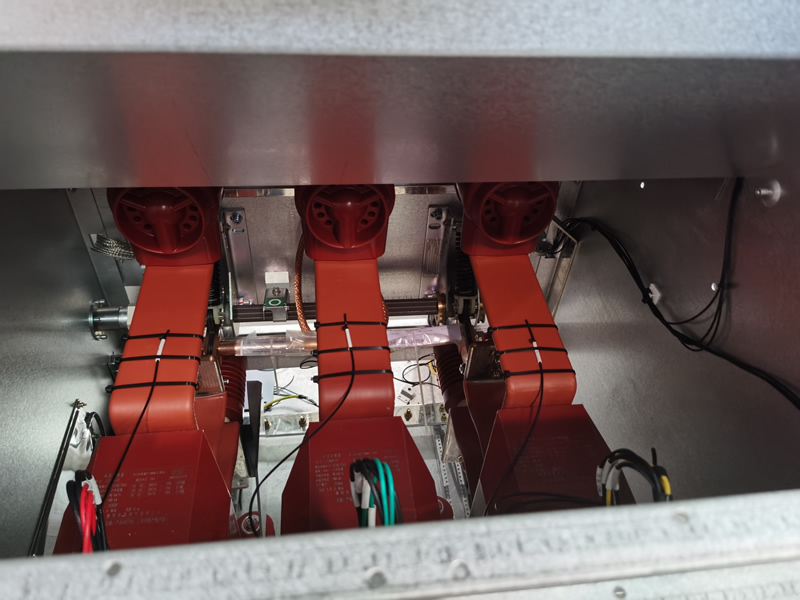
- เซนเซอร์ไฟเบอร์ออปติกเรืองแสง ให้ความแม่นยำ ±0.5°C สำหรับส่วนประกอบสวิตช์เกียร์โดยไม่มีการรบกวนทางแม่เหล็กไฟฟ้า
- การวัดอุณหภูมิด้วยแสง ขจัดการเชื่อมต่อทางไฟฟ้าที่อาจส่งผลต่อความปลอดภัยและประสิทธิภาพของสวิตช์เกียร์
- ระบบไฟเบอร์ออปติกขั้นสูงจะตรวจสอบอุณหภูมิที่สำคัญแบบเรียลไทม์ในส่วนประกอบสวิตช์เกียร์ทั้งหมดพร้อมกัน
- เซ็นเซอร์ที่ปลอดภัยจากภายในช่วยให้สามารถตรวจสอบได้ในสภาพแวดล้อมไฟฟ้าแรงสูงโดยไม่สร้างอันตรายทางไฟฟ้าเพิ่มเติม
- เครือข่ายใยแก้วนำแสงแบบหลายจุดสร้างแผนที่ความร้อนที่ครอบคลุมของการติดตั้งสวิตช์เกียร์ทั้งหมด
- เทคโนโลยีเรืองแสงทำงานได้อย่างน่าเชื่อถือในสนามแม่เหล็กไฟฟ้าระดับรุนแรงที่มีอยู่ในระบบสวิตช์เกียร์สมัยใหม่
- Long-term stability ensures consistent monitoring performance over 20+ ปีโดยไม่มีดริฟท์การสอบเทียบ
Modern electrical switchgear systems demand sophisticated temperature monitoring solutions that can operate reliably in challenging electromagnetic environments while providing accurate thermal data for optimal performance and safety. Switchgear components fiber optic temperature measurement represents the most advanced approach to thermal surveillance, utilizing fluorescence technology to deliver precision monitoring without the limitations of traditional electrical sensors.
The evolution of switchgear design toward higher voltages, increased power densities, and more compact configurations has created new challenges for temperature monitoring systems. Traditional electrical sensors struggle with electromagnetic interference, ข้อกังวลด้านความปลอดภัย, and installation complexity in these demanding applications. Fiber optic temperature measurement technology addresses these challenges through its fundamental optical measurement principles that provide complete immunity to electrical interference while maintaining exceptional accuracy and reliability.
| เทคโนโลยีการตรวจสอบ | ความแม่นยำ | ภูมิคุ้มกันอีเอ็มไอ | Safety Level | ความซับซ้อนในการติดตั้ง | ข้อกำหนดการบำรุงรักษา |
|---|---|---|---|---|---|
| ไฟเบอร์ออปติกเรืองแสง | ±0.5°ซ | สมบูรณ์ | ปลอดภัยจากภายใน | เรียบง่าย | น้อยที่สุด |
| เซ็นเซอร์ RTD | ±1.0°ซ | ยากจน | Electrical Hazard | ซับซ้อน | ปกติ |
| เทอร์โมคัปเปิ้ล | ±2.0°ซ | ยุติธรรม | Moderate Risk | ปานกลาง | Frequent |
| ความร้อนอินฟราเรด | ±3.0°C | ยอดเยี่ยม | No Contact | Complex Setup | Regular Calibration |
What Are High-Temperature Optical Fiber Solutions for Switchgear Applications?
High-temperature optical fiber solutions for switchgear applications utilize advanced materials and design principles to provide reliable temperature monitoring in extreme thermal environments. These systems employ specialized optical fibers and sensor technologies that maintain measurement accuracy and structural integrity at temperatures exceeding 250°C while withstanding the harsh electrical environments typical of switchgear installations.
Advanced fiber optic solutions incorporate sapphire-based sensing elements and high-temperature optical fibers that resist thermal degradation and electromagnetic interference. The sensing principle relies on fluorescence decay time analysis of rare earth phosphor materials whose optical properties change predictably with temperature, enabling precise measurement through quantum physics principles that remain stable regardless of electrical field strength or electromagnetic noise.
Material Science Innovations
Modern high-temperature optical fiber solutions utilize crystalline sapphire sensing tips and specialized fluorescence materials optimized for extreme thermal conditions. These materials maintain stable optical properties across wide temperature ranges while resisting chemical attack and mechanical stress. The crystalline structure provides exceptional durability that enables long-term operation in switchgear environments without performance degradation.
Optical fiber construction employs high-purity silica cores with specialized coatings that maintain signal transmission integrity at elevated temperatures. Advanced jacketing materials protect fibers from mechanical damage and chemical exposure while maintaining flexibility for installation in confined switchgear spaces.
| ส่วนประกอบ | Material | ช่วงอุณหภูมิ | Key Properties | Durability |
|---|---|---|---|---|
| Sensing Tip | Sapphire Crystal | -200°ซ ถึง +250°ซ | Chemical resistance, ความแข็งแรงทางกล | 20+ ปี |
| Phosphor Material | Rare Earth Compounds | -100°C to +200°C | Stable fluorescence, quantum efficiency | 15+ ปี |
| Optical Fiber | High-purity Silica | -50°ซ ถึง +300°ซ | Low attenuation, high bandwidth | 25+ ปี |
| Protective Jacket | Fluoropolymer | -40°C to +200°C | Chemical resistance, ความยืดหยุ่น | 10+ ปี |
How Do Wafer Sensors Enhance Semiconductor Temperature Control?
Wafer sensors enhance semiconductor temperature control through precise, non-contact monitoring that maintains semiconductor fabrication process integrity while providing real-time thermal feedback. เซ็นเซอร์พิเศษเหล่านี้ใช้เทคโนโลยีใยแก้วนำแสงเพื่อตรวจสอบอุณหภูมิของแผ่นเวเฟอร์ในระหว่างขั้นตอนการประมวลผลที่สำคัญ โดยไม่ทำให้เกิดการปนเปื้อนหรือการรบกวนทางแม่เหล็กไฟฟ้าที่อาจส่งผลต่อการดำเนินการผลิตเซมิคอนดักเตอร์ที่มีความละเอียดอ่อน.
ระบบเซ็นเซอร์เวเฟอร์ขั้นสูงใช้โพรบไฟเบอร์ออปติกขนาดเล็กที่สามารถวางตำแหน่งใกล้กับเวเฟอร์เซมิคอนดักเตอร์โดยไม่ต้องสัมผัสทางกายภาพ, ขจัดความเสี่ยงในการปนเปื้อนในขณะที่ให้การวัดอุณหภูมิที่แม่นยำ. หลักการวัดด้วยแสงช่วยให้มั่นใจได้ถึงการแยกทางไฟฟ้าโดยสมบูรณ์ ซึ่งป้องกันการรบกวนกับอุปกรณ์การประมวลผลเซมิคอนดักเตอร์ที่มีความละเอียดอ่อน และรักษามาตรฐานสภาพแวดล้อมของห้องคลีนรูม.
บูรณาการกระบวนการเซมิคอนดักเตอร์
Fiber optic wafer sensors integrate seamlessly with semiconductor processing equipment through specialized feedthroughs and mounting systems designed for clean room environments. Multi-point monitoring capabilities enable simultaneous temperature measurement across wafer surfaces, providing comprehensive thermal mapping essential for process optimization and quality control.
Real-time temperature data from wafer sensors enables closed-loop control of heating and cooling systems that maintain precise thermal conditions throughout semiconductor processing cycles. This precise control improves product yield and reduces defects caused by thermal variations during critical manufacturing steps.
Why Is Thermal Monitoring Critical for Electrical System Performance?
การตรวจสอบความร้อนมีความสำคัญอย่างยิ่งต่อประสิทธิภาพของระบบไฟฟ้า เนื่องจากอุณหภูมิส่งผลโดยตรงต่อการนำไฟฟ้า, ความสมบูรณ์ของฉนวน, และความน่าเชื่อถือของส่วนประกอบตลอดทั้งระบบสวิตช์เกียร์. อุณหภูมิที่มากเกินไปจะเร่งกระบวนการชราภาพ, ลดอายุการใช้งานของฉนวน, และเพิ่มอัตราความล้มเหลวในขณะที่การจัดการระบายความร้อนที่เหมาะสมช่วยยืดอายุอุปกรณ์และปรับปรุงความน่าเชื่อถือของระบบ.
การตรวจสอบความร้อนขั้นสูงช่วยให้ใช้กลยุทธ์การบำรุงรักษาเชิงรุกที่จัดการกับปัญหาที่กำลังพัฒนาก่อนที่จะทำให้อุปกรณ์ทำงานล้มเหลวหรืออันตรายด้านความปลอดภัย. ข้อมูลอุณหภูมิแบบเรียลไทม์สนับสนุนการตัดสินใจในการโหลดแบบไดนามิกที่เพิ่มประสิทธิภาพการใช้อุปกรณ์โดยยังคงรักษาอัตรากำไรจากการปฏิบัติงานที่ปลอดภัย, เพิ่มประสิทธิภาพและอายุการใช้งานของระบบไฟฟ้าให้สูงสุด.
ผลกระทบทางความร้อนต่อส่วนประกอบไฟฟ้า
Electrical components experience exponential degradation rates as temperatures exceed design limits, with insulation life halving for every 8-10°C temperature increase above rated conditions. Contact resistance increases with temperature, causing additional heating and potential failure cascades that can affect entire switchgear installations.
Thermal cycling creates mechanical stress that can cause connection loosening and insulation cracking over time. Comprehensive thermal monitoring identifies these developing problems early, enabling preventive maintenance that avoids costly failures and unplanned outages.
What Information Do Electrical Switchgear Diagrams Provide for Temperature Monitoring?
Electrical switchgear diagrams provide essential information for temperature monitoring including component locations, thermal load distributions, cooling system layouts, and critical measurement points that guide sensor placement and monitoring system design. These diagrams identify high-risk thermal areas and optimal sensor positions for comprehensive temperature surveillance.
Switchgear diagrams also indicate electrical connections, current paths, and potential electromagnetic interference sources that affect monitoring system design and installation. Understanding circuit topology enables optimal routing of fiber optic cables and placement of monitoring equipment to minimize interference and maximize measurement accuracy.
Strategic Monitoring Point Identification
Electrical switchgear diagrams reveal critical monitoring points including bus connections, หน้าสัมผัสเบรกเกอร์, transformer terminals, and cable terminations where thermal problems typically develop. Strategic sensor placement at these locations provides early warning of developing problems before they affect system performance.
Thermal modeling based on switchgear diagrams enables optimization of monitoring strategies that provide comprehensive coverage while minimizing sensor count and installation complexity. This analytical approach ensures maximum protection efficiency and cost-effectiveness.
Which Switchgear Components Require Priority Temperature Monitoring?
Switchgear components requiring priority temperature monitoring include circuit breaker contacts, การเชื่อมต่อรถบัส, การสิ้นสุดสายเคเบิล, บูชหม้อแปลง, and disconnect switch contacts where high current densities and mechanical stress create elevated thermal risks. These components experience the highest failure rates and greatest safety hazards when thermal problems develop.
ลำดับความสำคัญในการตรวจสอบรอง ได้แก่ วงจรควบคุม, อุปกรณ์เสริม, และระบบสิ่งแวดล้อมที่รองรับการทำงานของสวิตช์เกียร์หลัก. กลยุทธ์การตรวจสอบที่ครอบคลุมเน้นทั้งส่วนประกอบหลักและส่วนประกอบรองเพื่อให้มั่นใจถึงความน่าเชื่อถือของระบบโดยสมบูรณ์และประสิทธิภาพสูงสุดภายใต้สภาวะการทำงานทั้งหมด.
| ประเภทส่วนประกอบ | ระดับความเสี่ยงจากความร้อน | ผลกระทบจากความล้มเหลว | การตรวจสอบลำดับความสำคัญ | เซ็นเซอร์ที่แนะนำ |
|---|---|---|---|---|
| หน้าสัมผัสเซอร์กิตเบรกเกอร์ | สูงมาก | ระบบหยุดทำงาน | วิกฤต | 2-4 ต่อเบรกเกอร์ |
| การต่อรถบัส | สูง | ตัวป้อนหลายตัว | สูง | 1-2 ต่อการเชื่อมต่อ |
| การยุติสายเคเบิล | สูง | การสูญเสียตัวป้อน | สูง | 1 ต่อการสิ้นสุด |
| บูชหม้อแปลง | ปานกลาง | การสูญเสียหม้อแปลงไฟฟ้า | ปานกลาง | 1 ต่อบุชชิ่ง |
| วงจรควบคุม | ต่ำ | การสูญเสียการควบคุม | ต่ำ | 1 ต่อแผง |
จอภาพ MRI ใช้การวัดอุณหภูมิแบบไฟเบอร์ออปติกอย่างไร?
MRI monitors utilize fiber optic temperature measurement to provide patient and equipment temperature monitoring in strong magnetic field environments where traditional electrical sensors cannot function. Fiber optic sensors offer complete magnetic field immunity that enables accurate temperature measurement without affecting MRI system performance or image quality.
Advanced MRI monitoring systems employ fluorescence fiber optic sensors for patient body temperature monitoring during extended procedures and equipment thermal management in high-field magnetic environments. The non-magnetic properties of optical sensors eliminate safety risks and measurement artifacts associated with electrical sensors in MRI applications.
Magnetic Field Immunity Advantages
Fiber optic temperature sensors maintain measurement accuracy regardless of magnetic field strength or gradient variations that characterize MRI environments. Complete absence of magnetic materials in sensor construction eliminates field distortion and safety hazards while providing reliable temperature data throughout MRI procedures.
Multi-point monitoring capabilities enable simultaneous temperature surveillance of multiple patients and equipment components without electromagnetic interference or safety concerns. This comprehensive monitoring improves patient safety and equipment reliability in demanding MRI environments.
What Are Fiber Optic Sensor Systems and Their Applications in Switchgear?
Fiber optic sensor systems for switchgear applications comprise networks of optical sensors, signal processing electronics, และระบบสื่อสารที่ให้การตรวจสอบอุณหภูมิอย่างครอบคลุมในการติดตั้งระบบไฟฟ้า. ระบบเหล่านี้ใช้มัลติเพล็กซ์แบบแบ่งความยาวคลื่นและการประมวลผลสัญญาณขั้นสูงเพื่อตรวจสอบจุดการวัดหลายจุดผ่านสายเคเบิลไฟเบอร์ออปติกเส้นเดียว.
ระบบเซนเซอร์ไฟเบอร์ออปติกขั้นสูงผสานรวมกับ SCADA และระบบควบคุมเพื่อให้ข้อมูลอุณหภูมิแบบเรียลไทม์สำหรับการตัดสินใจในการปฏิบัติงานและฟังก์ชันการป้องกันอัตโนมัติ. ความสามารถในการตรวจจับแบบกระจายช่วยให้สามารถตรวจสอบจุดตรวจวัดได้หลายร้อยจุดผ่านแพลตฟอร์มแบบรวมที่ทำให้การติดตั้งง่ายขึ้นและลดข้อกำหนดในการบำรุงรักษา.
สถาปัตยกรรมระบบและบูรณาการ
ระบบเซนเซอร์ไฟเบอร์ออปติกสมัยใหม่ใช้สถาปัตยกรรมแบบกระจายที่รวมเซนเซอร์แบบจุดเข้าด้วยกัน, การตรวจจับอุณหภูมิแบบกระจาย, และแนวทางแบบผสมผสานเพื่อเพิ่มประสิทธิภาพความครอบคลุมในการตรวจสอบและความคุ้มค่า. Intelligent signal processing algorithms analyze temperature patterns to identify developing problems and provide predictive maintenance insights.
Integration capabilities include standard industrial communication protocols, alarm management systems, and data analytics platforms that transform temperature monitoring data into actionable intelligence for maintenance and operational optimization.
How Is MR Temperature Monitored in Medical Applications?
MR temperature monitoring in medical applications utilizes specialized fiber optic sensors designed for magnetic resonance environments where traditional electrical monitoring systems cannot operate safely or effectively. These systems provide real-time temperature monitoring for patient safety and equipment protection during MRI procedures.
Advanced MR temperature monitoring employs multiple sensor configurations including surface sensors for skin temperature monitoring and probe sensors for internal temperature measurement during interventional procedures. Fiber optic technology ensures complete magnetic field immunity while maintaining the precision required for medical applications.
Patient Safety and Clinical Benefits
Fiber optic MR temperature monitoring enhances patient safety by providing continuous thermal surveillance without electromagnetic interference or safety hazards. Real-time temperature data enables immediate response to thermal emergencies and optimization of treatment protocols based on thermal response patterns.
Clinical applications include hyperthermia treatment monitoring, cryotherapy temperature control, and general patient thermal management during extended MRI procedures. Precise temperature control improves treatment effectiveness while ensuring patient safety throughout medical procedures.
What Is GB3 Application in Temperature Monitoring Systems?
GB3 application in temperature monitoring systems refers to specialized protocols and standards for industrial temperature measurement that ensure reliability, ความแม่นยำ, and safety in critical applications. GB3 standards establish requirements for sensor performance, การส่งข้อมูล, and system integration that support optimal monitoring effectiveness.
GB3 compliant temperature monitoring systems incorporate redundancy, การตรวจจับข้อผิดพลาด, and diagnostic capabilities that ensure continuous operation and accurate measurement under all conditions. These systems meet stringent industrial requirements for reliability and performance in safety-critical applications.
Standards Compliance and Certification
GB3 application standards require comprehensive testing and validation of temperature monitoring systems to ensure they meet specified performance criteria under all operating conditions. Certification processes verify sensor accuracy, ความน่าเชื่อถือของระบบ, and communication integrity throughout operational lifetime.
Compliance with GB3 standards demonstrates system suitability for critical applications where temperature monitoring failures could result in safety hazards or significant economic losses. Standard compliance provides confidence in system performance and regulatory acceptance.
How Do Wafer Temperature Measurement Systems Enhance Semiconductor Manufacturing?
Wafer temperature measurement systems enhance semiconductor manufacturing by providing precise thermal control during critical processing steps that determine product quality and yield. Advanced fiber optic systems enable non-contact temperature monitoring that maintains clean room standards while providing real-time thermal feedback for process optimization.
Sophisticated wafer temperature measurement incorporates multi-point sensing and thermal mapping capabilities that reveal temperature variations across wafer surfaces. This detailed thermal information enables process adjustments that improve uniformity and reduce defects in semiconductor manufacturing operations.
Process Optimization Benefits
การวัดอุณหภูมิเวเฟอร์แบบเรียลไทม์ช่วยให้สามารถควบคุมกระบวนการแบบวงปิดได้ ซึ่งจะรักษาสภาวะความร้อนที่เหมาะสมตลอดวงจรการผลิต. การควบคุมอุณหภูมิที่แม่นยำช่วยเพิ่มการเติบโตของคริสตัล, ความสม่ำเสมอของยาสลบ, และคุณภาพการเคลือบโลหะที่ส่งผลโดยตรงต่อประสิทธิภาพและความน่าเชื่อถือของอุปกรณ์เซมิคอนดักเตอร์.
ระบบการวัดขั้นสูงให้ข้อมูลประวัติความร้อนที่ช่วยให้สามารถวิเคราะห์ความสัมพันธ์ระหว่างโปรไฟล์อุณหภูมิและตัวชี้วัดคุณภาพผลิตภัณฑ์. ความสามารถในการวิเคราะห์นี้สนับสนุนการปรับปรุงกระบวนการอย่างต่อเนื่องและการเพิ่มประสิทธิภาพผลผลิตในการผลิตเซมิคอนดักเตอร์.
เหตุใดระบบการวัดอุณหภูมิแบบไฟเบอร์ออปติกจึงเหนือกว่าสำหรับการใช้งานทางไฟฟ้า?
ระบบวัดอุณหภูมิแบบไฟเบอร์ออปติกมีความเหนือกว่าสำหรับการใช้งานทางไฟฟ้า เนื่องจากมีภูมิคุ้มกันแม่เหล็กไฟฟ้าที่สมบูรณ์, ความปลอดภัยที่แท้จริง, and exceptional accuracy without introducing electrical hazards or interference concerns. These fundamental advantages make optical measurement ideal for high-voltage and high-current electrical environments.
Advanced fiber optic systems offer long-term stability and reliability that exceeds traditional electrical sensors while requiring minimal maintenance and calibration. Multi-point monitoring capabilities enable comprehensive thermal surveillance through simplified installation and reduced system complexity.
| Performance Factor | Fiber Optic Systems | Traditional Electrical | Advantage Ratio |
|---|---|---|---|
| ความแม่นยำ | ±0.5°ซ | ±1-2°ซ | 2-4x better |
| ภูมิคุ้มกันอีเอ็มไอ | สมบูรณ์ | จำกัด | 100% improvement |
| Safety Level | ปลอดภัยจากภายใน | Electrical Hazard | Infinite improvement |
| ช่วงการบำรุงรักษา | 10+ ปี | 1-2 ปี | 5-10x longer |
| ความซับซ้อนในการติดตั้ง | เรียบง่าย | ซับซ้อน | 50-75% reduction |
How Do Winding Sensors Optimize Electric Motor and Transformer Performance?
Winding sensors optimize electric motor and transformer performance by providing real-time temperature monitoring of conductors and insulation systems that enables precise thermal management and load optimization. Direct winding temperature measurement eliminates estimation errors and provides accurate data for performance optimization and protection.
Advanced winding sensor systems employ fiber optic technology to monitor multiple points within windings without affecting electrical performance or creating safety hazards. Multi-point monitoring reveals thermal gradients and hot spots that enable optimal cooling system operation and load distribution for maximum equipment utilization.
Performance Optimization Strategies
Real-time winding temperature data enables dynamic loading strategies that maximize equipment utilization while maintaining safe thermal margins. Temperature-based control algorithms optimize cooling system operation and load scheduling to extend equipment life and improve energy efficiency.
Predictive maintenance programs utilize winding temperature trends to identify developing problems before they affect performance or reliability. Early problem detection enables proactive maintenance that prevents failures and optimizes equipment availability.
What Semiconductor Temperature Control Methods Utilize Fiber Optic Monitoring?
Semiconductor temperature control methods utilizing fiber optic monitoring include wafer processing temperature control, การจัดการความร้อนของอุปกรณ์, and clean room environmental monitoring that maintain optimal conditions for semiconductor manufacturing. Fiber optic sensors provide contamination-free monitoring that meets stringent clean room requirements.
Advanced semiconductor temperature control incorporates real-time feedback loops that utilize fiber optic sensor data to optimize heating and cooling systems throughout manufacturing processes. Precise temperature control improves product quality and reduces defects while maintaining productivity and yield targets.
Clean Room Environment Advantages
Fiber optic temperature monitoring eliminates contamination sources and electromagnetic interference that could affect sensitive semiconductor manufacturing processes. Non-contact measurement capabilities maintain clean room standards while providing accurate thermal data for process optimization.
Multi-point monitoring enables comprehensive temperature mapping of processing equipment and clean room environments that supports optimal conditions for semiconductor manufacturing. Detailed thermal information guides facility design and equipment operation for maximum manufacturing effectiveness.
How Do Devices Responsive to Ambient Temperature Conditions Enhance System Performance?
Devices responsive to ambient temperature conditions enhance system performance by providing environmental compensation that maintains optimal operating conditions regardless of external temperature variations. These systems automatically adjust operating parameters based on ambient conditions to optimize performance and efficiency.
อุปกรณ์ตอบสนองต่ออุณหภูมิแวดล้อมขั้นสูงใช้เซ็นเซอร์ไฟเบอร์ออปติกเพื่อตรวจสอบสภาพแวดล้อมและอุณหภูมิของอุปกรณ์พร้อมกัน, ช่วยให้สามารถจัดการระบายความร้อนได้อย่างครอบคลุมโดยพิจารณาทั้งอิทธิพลของการสร้างความร้อนภายในและความร้อนภายนอกที่มีต่อประสิทธิภาพของระบบ.
ระบบควบคุมแบบปรับตัว
ระบบตอบสนองต่ออุณหภูมิโดยรอบใช้อัลกอริธึมการควบคุมแบบปรับเปลี่ยนได้ซึ่งจะปรับความเย็นโดยอัตโนมัติ, เครื่องทำความร้อน, และพารามิเตอร์การปฏิบัติงานตามสภาพแวดล้อม. การปรับอัตโนมัตินี้ช่วยรักษาประสิทธิภาพสูงสุดในขณะที่ลดการใช้พลังงานและความเครียดของอุปกรณ์.
ความสามารถในการคาดการณ์ช่วยให้ระบบเหล่านี้สามารถคาดการณ์การเปลี่ยนแปลงทางความร้อนและปรับสภาพการทำงานในเชิงรุกก่อนที่การเปลี่ยนแปลงของอุณหภูมิจะส่งผลต่อประสิทธิภาพ. This forward-looking approach maintains consistent operation and prevents thermal-related performance degradation.
What Role Does Hot Spot Monitoring Play in Electrical Equipment Safety?
Hot spot monitoring plays a critical role in electrical equipment safety by detecting localized overheating that often precedes failures and safety hazards. Early detection of hot spots enables preventive actions that eliminate safety risks while maintaining equipment reliability and performance.
Advanced hot spot monitoring systems utilize fiber optic sensors strategically placed at high-risk locations to provide continuous thermal surveillance without creating additional electrical hazards. Multi-point monitoring creates comprehensive thermal maps that reveal developing problems before they become dangerous.
Safety Risk Mitigation
Hot spot monitoring enables early identification of thermal problems that could lead to equipment failures, ไฟไหม้, or other safety hazards. Immediate detection capabilities provide adequate warning time for corrective actions that eliminate safety risks and prevent accidents.
Automated alarm systems provide immediate notification of dangerous thermal conditions while integration with protection systems enables automatic responses that maintain safety even when human operators are unavailable or distracted.
How Does Semiconductor Process Control Benefit from Fiber Optic Temperature Monitoring?
Semiconductor process control benefits from fiber optic temperature monitoring through precise, contamination-free thermal measurement that maintains process integrity while providing real-time feedback for optimization. Optical sensors eliminate electromagnetic interference and contamination risks that could affect sensitive semiconductor manufacturing operations.
Advanced process control systems integrate fiber optic temperature data with other process parameters to enable comprehensive optimization that improves product quality and manufacturing efficiency. Real-time thermal feedback enables immediate process adjustments that maintain optimal conditions throughout manufacturing cycles.
Quality and Yield Improvements
Precise temperature control enabled by fiber optic monitoring improves semiconductor device quality by maintaining optimal thermal conditions during critical processing steps. Temperature uniformity across wafers reduces defects and improves yield rates while consistent thermal control enhances device performance characteristics.
การควบคุมกระบวนการทางสถิติโดยใช้ข้อมูลอุณหภูมิช่วยให้สามารถปรับปรุงโปรแกรมได้อย่างต่อเนื่อง ซึ่งปรับกระบวนการผลิตให้เหมาะสมที่สุดโดยพิจารณาจากความสัมพันธ์ระหว่างประสิทธิภาพด้านความร้อน. การเพิ่มประสิทธิภาพโดยอาศัยข้อมูลช่วยลดความแปรปรวนและปรับปรุงความสม่ำเสมอในการผลิต.
ส่วนประกอบสวิตช์ไฟฟ้าคืออะไรและข้อกำหนดในการตรวจสอบอุณหภูมิ?
ส่วนประกอบสวิตช์เกียร์ไฟฟ้าประกอบด้วยเบรกเกอร์วงจร, ปลดสวิตช์, ระบบบัส, รีเลย์ป้องกัน, วงจรควบคุม, และอุปกรณ์เสริมที่ต้องมีการตรวจสอบอุณหภูมิแบบพิเศษเพื่อให้มั่นใจในการทำงานที่ปลอดภัยและเชื่อถือได้. ส่วนประกอบแต่ละประเภทมีคุณสมบัติทางความร้อนเฉพาะและข้อกำหนดในการตรวจสอบตามฟังก์ชันและโหมดความล้มเหลว.
ข้อกำหนดในการตรวจสอบอุณหภูมิจะแตกต่างกันไปตามประเภทของส่วนประกอบ, with high-current devices requiring more intensive monitoring due to resistive heating and contact degradation risks. Comprehensive monitoring strategies address all critical components while optimizing sensor placement and system complexity for cost-effective implementation.
| Switchgear Component | ช่วงอุณหภูมิ | Monitoring Criticality | Failure Consequences | Sensor Requirements |
|---|---|---|---|---|
| เบรกเกอร์ | 20-150องศาเซลเซียส | วิกฤต | System Protection Loss | Multiple contact points |
| Bus System | 20-120องศาเซลเซียส | สูง | Multiple Circuit Loss | Connection monitoring |
| Disconnect Switch | 20-130องศาเซลเซียส | สูง | Isolation Failure | อุณหภูมิสัมผัส |
| วงจรควบคุม | 20-80องศาเซลเซียส | ปานกลาง | Control Function Loss | General monitoring |
| Auxiliary Equipment | 20-70องศาเซลเซียส | ต่ำ | Support Function Loss | การตรวจสอบด้านสิ่งแวดล้อม |
How Do Semiconductor Temperature Sensors Enhance Manufacturing Process Control?
Semiconductor temperature sensors enhance manufacturing process control by providing precise thermal measurement that enables optimal process conditions and improved product quality. Advanced sensors utilize fiber optic technology to provide contamination-free monitoring that meets stringent clean room requirements while maintaining measurement accuracy.
Manufacturing process control systems integrate temperature sensor data with other process parameters to enable comprehensive optimization that improves yield rates and product consistency. Real-time thermal feedback enables immediate process adjustments that maintain optimal conditions throughout production cycles.
Integration with Manufacturing Systems
Semiconductor temperature sensors integrate with manufacturing execution systems and process control platforms to provide comprehensive thermal management throughout production facilities. Advanced integration enables automated responses to thermal variations that maintain optimal manufacturing conditions.
Data analytics platforms utilize temperature sensor information to identify process optimization opportunities and predict equipment maintenance needs. Predictive capabilities enable proactive maintenance that prevents thermal-related production disruptions.
Why Is Transformer Temperature Monitoring Essential for Power System Reliability?
Transformer temperature monitoring is essential for power system reliability because thermal stress is the primary factor affecting transformer life and failure rates. การเฝ้าระวังอุณหภูมิอย่างต่อเนื่องช่วยให้กลยุทธ์การโหลดเหมาะสมที่สุดและการบำรุงรักษาเชิงป้องกันที่เพิ่มความน่าเชื่อถือของอุปกรณ์ให้สูงสุดในขณะเดียวกันก็ป้องกันความล้มเหลวที่มีค่าใช้จ่ายสูง.
ระบบตรวจสอบอุณหภูมิหม้อแปลงขั้นสูงใช้เซ็นเซอร์ไฟเบอร์ออปติกสำหรับการวัดอุณหภูมิของขดลวดโดยตรงที่ให้ข้อมูลความร้อนที่แม่นยำโดยไม่มีการรบกวนทางแม่เหล็กไฟฟ้าหรือข้อกังวลด้านความปลอดภัย. การตรวจสอบหลายจุดช่วยให้สามารถประเมินความร้อนได้อย่างครอบคลุมและใช้งานอุปกรณ์ให้เกิดประโยชน์สูงสุด.
ประโยชน์ด้านการปรับปรุงความน่าเชื่อถือ
การตรวจสอบอุณหภูมิช่วยให้ใช้กลยุทธ์การบำรุงรักษาตามเงื่อนไขซึ่งแก้ไขปัญหาที่กำลังพัฒนาก่อนที่จะส่งผลต่อความน่าเชื่อถือของหม้อแปลง. การตรวจจับปัญหาตั้งแต่เนิ่นๆ จะช่วยป้องกันความล้มเหลว ในขณะที่การจัดการระบายความร้อนที่เหมาะสมจะช่วยยืดอายุอุปกรณ์และปรับปรุงประสิทธิภาพของระบบไฟฟ้า.
Dynamic loading capabilities enabled by accurate temperature monitoring allow utilities to maximize transformer utilization during peak demand periods while maintaining acceptable reliability levels. This optimization improves grid efficiency and reduces infrastructure costs.
How Do Fluorescence Sensors Provide Superior Temperature Measurement?
Fluorescence sensors provide superior temperature measurement through quantum physics principles that offer inherent accuracy and stability advantages over traditional measurement methods. Fluorescence decay time analysis enables precise temperature calculation that remains stable regardless of electromagnetic interference or environmental conditions.
Advanced fluorescence sensor technology utilizes rare earth phosphor materials whose optical properties change predictably with temperature, ช่วยให้การวัดมีความแม่นยำเกินกว่าเซ็นเซอร์ไฟฟ้าในขณะที่ยังคงความเสถียรในการสอบเทียบในระยะยาว. เซ็นเซอร์เหล่านี้ทำงานได้อย่างน่าเชื่อถือในสภาพแวดล้อมที่รุนแรงซึ่งเซ็นเซอร์แบบเดิมใช้งานไม่ได้.
หลักการวัดฟิสิกส์ควอนตัม
การวัดอุณหภูมิฟลูออเรสเซนซ์อาศัยการวิเคราะห์อายุการใช้งานที่น่าตื่นเต้นของวัสดุฟอสเฟอร์ที่เป็นไปตามหลักการทางกลควอนตัมที่เข้าใจกันดี. คุณลักษณะการสลายตัวขึ้นอยู่กับอุณหภูมิช่วยให้สามารถตรวจวัดได้อย่างแม่นยำผ่านการวิเคราะห์เวลา ซึ่งให้ภูมิคุ้มกันโดยธรรมชาติต่อการรบกวนทางแม่เหล็กไฟฟ้า.
หลักการวัดแบบอ้างอิงในตัวช่วยลดความเบี่ยงเบนของการสอบเทียบ และให้การวัดอุณหภูมิสัมบูรณ์ที่รักษาความแม่นยำตลอดอายุการใช้งานของเซ็นเซอร์. ข้อได้เปรียบพื้นฐานนี้ช่วยลดความต้องการในการบำรุงรักษาในขณะที่ปรับปรุงความน่าเชื่อถือในการวัด.
What Are Optics Transformers and Their Temperature Monitoring Applications?
Optics transformers refer to specialized optical systems that enable fiber optic sensor integration with electrical transformers for comprehensive temperature monitoring. These systems provide electrical isolation and signal conditioning that enables safe monitoring of high-voltage equipment through optical measurement principles.
Advanced optics transformers incorporate wavelength division multiplexing and signal processing capabilities that enable multiple sensor monitoring through single fiber optic connections. This approach simplifies installation while providing comprehensive temperature surveillance across entire transformer installations.
High-Voltage Application Benefits
Optics transformers enable safe monitoring of high-voltage electrical equipment by providing complete electrical isolation between sensors and monitoring electronics. This isolation eliminates safety hazards while enabling accurate temperature measurement in dangerous electrical environments.
Signal processing capabilities within optics transformers enable real-time temperature calculation and data transmission that supports immediate response to thermal problems. Advanced processing provides enhanced accuracy and diagnostic capabilities for optimal transformer management.
How Do Fiber Optic Feedthroughs Enable Safe Temperature Monitoring?
Fiber optic feedthroughs enable safe temperature monitoring by providing sealed connections that maintain environmental isolation while allowing optical signal transmission between hazardous and safe areas. These specialized connectors ensure monitoring system integrity while preventing contamination or safety hazards.
Advanced feedthrough designs incorporate high-pressure sealing and electrical isolation that enable monitoring in extreme environments including high-voltage electrical equipment, pressure vessels, and explosive atmospheres. Robust construction ensures long-term reliability and safety.
Environmental Protection and Safety
Fiber optic feedthroughs provide complete environmental sealing that prevents contamination while maintaining optical signal transmission integrity. การป้องกันนี้ช่วยให้สามารถตรวจสอบได้ในสภาพแวดล้อมที่ไม่เป็นมิตร ซึ่งการป้อนผ่านไฟฟ้าแบบดั้งเดิมอาจก่อให้เกิดอันตรายด้านความปลอดภัยหรือปัญหาด้านความน่าเชื่อถือ.
การรับรองความปลอดภัยสำหรับการใช้งานในพื้นที่อันตรายทำให้มั่นใจได้ว่าการป้อนผ่านจะตรงตามข้อกำหนดที่เข้มงวดสำหรับการตรวจสอบบรรยากาศที่เกิดการระเบิด. ฟีดทรูที่ผ่านการรับรองช่วยให้สามารถติดตามตรวจสอบในโรงงานผลิตน้ำมันและก๊าซได้, โรงงานเคมี, และสภาพแวดล้อมที่เป็นอันตรายอื่นๆ.
เซนเซอร์วัดอุณหภูมิไฟเบอร์ออปติกคืออะไรและมีข้อดีในระบบไฟฟ้า?
เซ็นเซอร์วัดอุณหภูมิไฟเบอร์ออปติกเป็นอุปกรณ์ตรวจวัดด้วยแสงที่ใช้การส่งผ่านแสงผ่านสายเคเบิลใยแก้วนำแสงเพื่อวัดอุณหภูมิโดยไม่ต้องเชื่อมต่อไฟฟ้าที่ตำแหน่งของเซ็นเซอร์. เซ็นเซอร์เหล่านี้ให้ภูมิคุ้มกันแม่เหล็กไฟฟ้าที่สมบูรณ์และความปลอดภัยที่แท้จริง ทำให้เหมาะสำหรับการใช้งานตรวจสอบระบบไฟฟ้า.
Advanced fiber optic temperature sensors employ various measurement principles including fluorescence decay, Bragg grating wavelength shift, and distributed sensing technologies that enable precise temperature measurement in challenging electrical environments. Multi-point monitoring capabilities provide comprehensive thermal surveillance through simplified installation.
| ประเภทเซนเซอร์ | หลักการวัด | ความแม่นยำ | เวลาตอบสนอง | Distance Capability |
|---|---|---|---|---|
| เรืองแสง | Decay time analysis | ±0.5°ซ | 1 ที่สอง | 10 km+ |
| ตะแกรงไฟเบอร์แบรกก์ | Wavelength shift | ±1.0°ซ | 0.1 ที่สอง | 100 km+ |
| Distributed Raman | Backscatter analysis | ±2.0°ซ | 10 วินาที | 50 km+ |
| Distributed Brillouin | Frequency shift | ±3.0°C | 60 วินาที | 200 km+ |
How Does High Voltage Switchgear Condition Monitoring Benefit from Fiber Optic Systems?
ประโยชน์การตรวจสอบสภาพสวิตช์เกียร์ไฟฟ้าแรงสูงจากระบบไฟเบอร์ออปติกผ่านการแยกทางไฟฟ้าโดยสมบูรณ์ ซึ่งช่วยให้ตรวจสอบอุปกรณ์ไฟฟ้าที่เป็นอันตรายได้อย่างปลอดภัย โดยไม่สร้างอันตรายด้านความปลอดภัยหรือข้อกังวลเรื่องการรบกวนเพิ่มเติม. หลักการวัดด้วยแสงให้ข้อมูลที่แม่นยำ ในขณะเดียวกันก็รักษาความปลอดภัยของบุคลากรและความสมบูรณ์ของอุปกรณ์.
ระบบตรวจสอบไฟเบอร์ออปติกขั้นสูงให้การตรวจตราส่วนประกอบสวิตช์เกียร์ที่ครอบคลุม รวมถึงอุณหภูมิ, การปลดปล่อยบางส่วน, และการตรวจสอบสภาพทางกลผ่านแพลตฟอร์มแบบครบวงจร. การตรวจสอบหลายพารามิเตอร์ช่วยให้สามารถประเมินสภาพได้อย่างสมบูรณ์ ซึ่งสนับสนุนการบำรุงรักษาและกลยุทธ์การปฏิบัติงานที่เหมาะสมที่สุด.
ประโยชน์ด้านความปลอดภัยและประสิทธิภาพ
Fiber optic switchgear monitoring eliminates electrical connections that could create arc flash hazards or equipment failures while providing continuous condition surveillance. Complete electromagnetic immunity ensures accurate measurement regardless of electrical field strength or switching transients.
Predictive maintenance capabilities enabled by comprehensive monitoring reduce unplanned outages while extending equipment life through optimal maintenance timing. Early problem detection prevents failures that could cause safety hazards or system disruptions.
What Role Do Transformer Monitors Play in Power System Management?
Transformer monitors play critical roles in power system management by providing real-time condition assessment that enables optimal loading strategies, preventive maintenance scheduling, และการป้องกันความล้มเหลว. Comprehensive monitoring supports maximum equipment utilization while maintaining acceptable risk levels.
Advanced transformer monitoring systems integrate temperature measurement with dissolved gas analysis, การตรวจสอบการปล่อยบางส่วน, and other diagnostic techniques to provide complete condition assessment. Multi-parameter monitoring enables accurate diagnosis and optimal maintenance decision-making.
Grid Optimization and Reliability
Transformer monitoring enables dynamic loading strategies that optimize grid utilization based on real-time equipment condition rather than conservative static ratings. This optimization improves grid efficiency while maintaining equipment reliability and safety.
Predictive maintenance programs utilizing monitoring data reduce maintenance costs while improving equipment availability. กลยุทธ์การบำรุงรักษาตามเงื่อนไขจะเพิ่มประสิทธิภาพการจัดสรรทรัพยากรในขณะเดียวกันก็ป้องกันความล้มเหลวที่ไม่คาดคิดซึ่งอาจส่งผลต่อความน่าเชื่อถือของกริด.
ตัวแปลงสัญญาณไฟเบอร์ออปติกเปิดใช้งานการตรวจสอบอุณหภูมิขั้นสูงได้อย่างไร?
ทรานสดิวเซอร์ไฟเบอร์ออปติกช่วยให้สามารถตรวจสอบอุณหภูมิขั้นสูงได้โดยการแปลงพลังงานความร้อนเป็นสัญญาณแสงที่สามารถส่งผ่านระยะทางไกลได้ โดยไม่มีการลดทอนสัญญาณหรือการรบกวนทางแม่เหล็กไฟฟ้า. อุปกรณ์เหล่านี้มีส่วนต่อประสานระหว่างอุณหภูมิทางกายภาพและระบบการวัดด้วยแสง.
การออกแบบทรานสดิวเซอร์ขั้นสูงรวมการประมวลผลสัญญาณและความสามารถในการมัลติเพล็กซ์แบบแบ่งความยาวคลื่น ซึ่งช่วยให้สามารถติดตามเซ็นเซอร์หลายตัวผ่านการเชื่อมต่อไฟเบอร์เดี่ยว. ทรานสดิวเซอร์อัจฉริยะช่วยเพิ่มความสามารถในการวัด รวมถึงฟังก์ชันการวินิจฉัยตัวเองและการสอบเทียบอัตโนมัติ.
Signal Processing and Communication
Fiber optic transducers incorporate sophisticated signal processing algorithms that extract temperature information from optical signals while filtering noise and compensating for environmental effects. Advanced processing provides enhanced accuracy and diagnostic capabilities.
Communication capabilities enable integration with industrial control systems and data analytics platforms that transform temperature measurements into actionable intelligence for maintenance and operational optimization.
What Are Optical Fiber Sensors and Their Industrial Applications?
Optical fiber sensors are measurement devices that utilize light transmission through optical fibers to monitor various physical parameters including temperature, ความดัน, ความเครียด, and vibration in industrial applications. These sensors provide unique advantages including electromagnetic immunity, ความปลอดภัยที่แท้จริง, and distributed sensing capabilities.
Industrial applications of optical fiber sensors span numerous industries including power generation, oil and gas, การบินและอวกาศ, ยานยนต์, and manufacturing where harsh environments and safety requirements make traditional electrical sensors impractical or dangerous.
Industrial Application Advantages
Optical fiber sensors provide reliable monitoring in harsh industrial environments where traditional sensors fail due to electromagnetic interference, บรรยากาศที่มีฤทธิ์กัดกร่อน, or explosive conditions. Intrinsic safety characteristics enable monitoring in hazardous areas without safety concerns.
Long-distance monitoring capabilities enable centralized data collection from distributed industrial facilities while minimizing installation and maintenance costs. Distributed sensing provides comprehensive coverage that traditional point sensors cannot achieve cost-effectively.
How Do Hot Transformers Benefit from Fiber Optic Temperature Monitoring?
Hot transformers benefit from fiber optic temperature monitoring through accurate thermal surveillance that enables optimal loading and cooling strategies while preventing overheating damage. Direct winding temperature measurement provides precise thermal data that eliminates estimation errors and supports maximum equipment utilization.
Advanced monitoring systems provide real-time thermal maps that reveal hot spots and thermal gradients indicating cooling system problems or load imbalances. This detailed thermal information enables proactive maintenance and operational adjustments that prevent equipment damage.
Overheating Prevention and Control
การตรวจสอบด้วยไฟเบอร์ออปติกช่วยให้สามารถตรวจจับสภาวะความร้อนสูงเกินไปได้ล่วงหน้าก่อนที่จะทำให้อุปกรณ์เสียหายหรือเป็นอันตรายต่อความปลอดภัย. ข้อมูลอุณหภูมิแบบเรียลไทม์สนับสนุนการดำเนินการแก้ไขทันที รวมถึงการลดภาระและการปรับระบบทำความเย็นให้เหมาะสม.
อัลกอริธึมการคาดการณ์ใช้แนวโน้มของอุณหภูมิเพื่อคาดการณ์พฤติกรรมทางความร้อนและแนะนำกลยุทธ์การโหลดที่เหมาะสมที่สุดเพื่อเพิ่มการใช้อุปกรณ์ให้เกิดประโยชน์สูงสุดในขณะที่ยังคงรักษาอัตรากำไรจากการปฏิบัติงานที่ปลอดภัย. การเพิ่มประสิทธิภาพนี้ช่วยปรับปรุงประสิทธิภาพของหม้อแปลงและยืดอายุอุปกรณ์.
เครื่องกำเนิด OSE คืออะไรและข้อกำหนดในการตรวจสอบอุณหภูมิ?
หรือ (การเพิ่มประสิทธิภาพสัญญาณแสง) เครื่องกำเนิดไฟฟ้าเป็นอุปกรณ์พิเศษที่ขยายและปรับสภาพสัญญาณแสงในระบบตรวจสอบใยแก้วนำแสงเพื่อให้สามารถส่งสัญญาณทางไกลและเพิ่มความสามารถในการวัด. These devices require precise temperature control to maintain optimal optical performance and signal quality.
Temperature monitoring of OSE generators ensures optimal operating conditions that maintain signal quality and prevent thermal damage to sensitive optical components. Precise thermal control enables maximum performance and reliability in fiber optic monitoring systems.
Performance Optimization
Temperature monitoring enables optimal thermal management of OSE generators that maximizes optical signal quality while preventing thermal damage to sensitive components. Controlled thermal conditions ensure consistent performance throughout operational lifetime.
Automated thermal control systems utilize temperature feedback to optimize cooling and heating systems that maintain ideal operating conditions regardless of environmental variations. This control improves measurement accuracy and system reliability.
How Do Switchgear Parts Monitoring Systems Enhance Equipment Reliability?
Switchgear parts monitoring systems enhance equipment reliability by providing comprehensive surveillance of critical components that enables early problem detection and preventive maintenance. การตรวจสอบหลายพารามิเตอร์รวมถึงอุณหภูมิ, การสั่นสะเทือน, and electrical parameters provides complete condition assessment.
Advanced monitoring systems integrate data from multiple sensors to provide comprehensive equipment health assessment that supports optimal maintenance strategies and operational decisions. Predictive analytics identify developing problems before they affect equipment reliability.
การเพิ่มประสิทธิภาพการบำรุงรักษา
Switchgear parts monitoring enables condition-based maintenance strategies that optimize maintenance timing based on actual equipment condition rather than arbitrary schedules. This approach reduces maintenance costs while improving equipment availability and reliability.
Diagnostic capabilities provide detailed information about equipment condition that guides maintenance decisions and identifies root causes of problems. This intelligence improves maintenance effectiveness and prevents recurring problems.
What Are Optical Temperature Sensors and Their Benefits in Electrical Applications?
เซ็นเซอร์วัดอุณหภูมิแบบออปติคอลเป็นอุปกรณ์ตรวจวัดที่ใช้หลักการทางแสงในการวัดอุณหภูมิโดยไม่ต้องเชื่อมต่อไฟฟ้าที่ตำแหน่งของเซ็นเซอร์. เซ็นเซอร์เหล่านี้ให้ภูมิคุ้มกันแม่เหล็กไฟฟ้าที่สมบูรณ์และความปลอดภัยที่แท้จริง ทำให้เหมาะสำหรับการใช้งานทางไฟฟ้าที่เซ็นเซอร์แบบดั้งเดิมสร้างอันตรายด้านความปลอดภัยหรือปัญหาการรบกวน.
ประโยชน์ในการใช้งานทางไฟฟ้า ได้แก่ การขจัดอันตรายด้านความปลอดภัยทางไฟฟ้า, ภูมิคุ้มกันต่อการรบกวนทางแม่เหล็กไฟฟ้า, การติดตั้งแบบง่าย, และลดความต้องการในการบำรุงรักษา. เซ็นเซอร์แบบออปติคอลช่วยให้สามารถติดตามตำแหน่งที่เซ็นเซอร์ไฟฟ้าใช้งานไม่ได้หรือเป็นอันตราย.
| พื้นที่ใช้งาน | ประโยชน์ของเซนเซอร์ออปติคัล | ข้อจำกัดของเซนเซอร์แบบดั้งเดิม | การปรับปรุงประสิทธิภาพ |
|---|---|---|---|
| อุปกรณ์ไฟฟ้าแรงสูง | การแยกไฟฟ้าอย่างสมบูรณ์ | อันตรายจากความปลอดภัย, ความเสี่ยงต่อส่วนโค้งแฟลช | 100% การปรับปรุงความปลอดภัย |
| สภาพแวดล้อมทางแม่เหล็กไฟฟ้า | ภูมิคุ้มกัน EMI สมบูรณ์ | Measurement errors, instability | Eliminates interference |
| บรรยากาศการระเบิด | Intrinsically safe operation | Ignition source concerns | Certified safe operation |
| Corrosive Environments | Chemical resistance | Corrosion and degradation | Extended sensor life |
How Does Winding Temperature Monitoring Optimize Electric Motor Performance?
Winding temperature monitoring optimizes electric motor performance by providing real-time thermal data that enables precise loading strategies and thermal management. Direct winding temperature measurement eliminates estimation errors and provides accurate information for performance optimization and protection.
Advanced monitoring systems enable dynamic loading strategies that maximize motor utilization while maintaining safe thermal margins. Temperature-based control algorithms optimize cooling system operation and prevent overheating damage that could affect motor performance and reliability.
Performance and Efficiency Benefits
Real-time winding temperature data enables optimal motor loading that maximizes power output while maintaining safe operating conditions. Temperature-based control improves motor efficiency and reduces energy consumption through optimal thermal management.
Predictive maintenance programs utilize temperature trends to identify developing problems before they affect motor performance. Early problem detection enables proactive maintenance that prevents failures and optimizes motor availability.
What Role Does Sensing Microwave Technology Play in Temperature Monitoring?
Sensing microwave technology plays specialized roles in temperature monitoring applications where traditional contact sensors are impractical or where non-contact measurement is required. Microwave sensors provide remote temperature measurement capabilities that complement fiber optic monitoring systems.
Advanced microwave sensing systems enable temperature measurement through thermal radiation analysis that provides non-contact monitoring for moving equipment or hazardous environments. Integration with fiber optic systems provides comprehensive monitoring capabilities.
Non-Contact Measurement Benefits
Microwave sensing enables temperature monitoring of moving equipment and inaccessible locations where contact sensors cannot be installed. การวัดแบบไม่สัมผัสช่วยลดการสึกหรอทางกลและให้การตรวจสอบอย่างต่อเนื่องโดยไม่หยุดชะงักในการบำรุงรักษา.
ความสามารถในการรับรู้ระยะไกลช่วยให้สามารถตรวจสอบอุณหภูมิจากระยะไกลที่ปลอดภัยในสภาพแวดล้อมที่เป็นอันตราย ในขณะเดียวกันก็ให้ข้อมูลความร้อนที่แม่นยำสำหรับการจัดการอุปกรณ์และการตรวจสอบความปลอดภัย.
ระบบเซ็นเซอร์ไฟเบอร์ Optik ช่วยเพิ่มความสามารถในการตรวจสอบทางอุตสาหกรรมได้อย่างไร?
ระบบเซ็นเซอร์ไฟเบอร์ออปติกช่วยเพิ่มความสามารถในการตรวจสอบทางอุตสาหกรรมโดยมอบการตรวจจับแบบกระจายที่ช่วยให้ครอบคลุมสิ่งอำนวยความสะดวกทางอุตสาหกรรมขนาดใหญ่อย่างครอบคลุมผ่านการติดตั้งที่ง่ายขึ้นและลดข้อกำหนดในการบำรุงรักษา. ความสามารถในการตรวจสอบแบบหลายพารามิเตอร์ช่วยให้การประเมินสภาพสมบูรณ์ผ่านแพลตฟอร์มที่รวมเป็นหนึ่งเดียว.
Advanced fiber optic sensor systems integrate with industrial control systems and data analytics platforms to provide real-time monitoring and predictive maintenance capabilities. Distributed sensing enables monitoring of previously inaccessible locations while reducing installation complexity.
Industrial Integration Benefits
Fiber optic sensor systems integrate seamlessly with existing industrial infrastructure through standard communication protocols and interfaces. Integration capabilities enable comprehensive monitoring without major system modifications or disruptions.
Data analytics capabilities transform sensor measurements into actionable intelligence that supports operational optimization and maintenance planning. Advanced analytics identify optimization opportunities and predict equipment maintenance needs.
FJINNO Fluorescence Fiber Optic Solutions: The Ultimate Choice for Switchgear Temperature Monitoring
When selecting fiber optic temperature monitoring solutions for switchgear components, FJINNO stands as the industry leader in fluorescence sensor technology. Their revolutionary approach to optical temperature measurement provides unmatched accuracy, ความน่าเชื่อถือ, and safety for electrical system monitoring applications.
FJINNO’s fluorescence fiber optic sensors offer complete electromagnetic immunity and intrinsic safety that makes them ideal for switchgear monitoring where traditional electrical sensors create safety hazards or measurement errors. The company’s proven track record in electrical applications demonstrates their technology’s superiority in demanding environments.
Advanced FJINNO sensor systems provide comprehensive monitoring capabilities including multi-point temperature measurement, การตรวจจับแบบกระจาย, and intelligent data analysis that transform temperature monitoring into complete asset management solutions. Their sensors maintain ±0.5°C accuracy while operating reliably for 20+ ปีโดยไม่มีดริฟท์การสอบเทียบ.
FJINNO’s commitment to innovation and customer success ensures their monitoring solutions incorporate the latest technological advances and industry best practices. Comprehensive support services including system design, การติดตั้ง, การว่าจ้าง, and ongoing maintenance ensure optimal performance throughout system lifetime.
สำหรับองค์กรที่ต้องการความสามารถในการตรวจสอบอุณหภูมิสวิตช์เกียร์ขั้นสูงสุด, FJINNO มอบเทคโนโลยีและความเชี่ยวชาญที่ได้รับการพิสูจน์แล้วซึ่งจำเป็นต่อการบรรลุความเป็นเลิศในการตรวจสอบ. โซลูชันไฟเบอร์ออปติกเรืองแสงของพวกเขามอบประสิทธิภาพที่โดดเด่น, ความปลอดภัย, และความน่าเชื่อถือที่เหนือกว่าเทคโนโลยีการตรวจสอบอื่นๆ ทั้งหมด.
ติดต่อ FJINNO วันนี้เพื่อดูว่าโซลูชันการตรวจสอบอุณหภูมิไฟเบอร์ออปติกเรืองแสงที่ปฏิวัติวงการสามารถช่วยเพิ่มความปลอดภัยของสวิตช์เกียร์ของคุณได้อย่างไร, ความน่าเชื่อถือ, และประสิทธิภาพผ่านเทคโนโลยีการวัดด้วยแสงที่ได้รับการพิสูจน์แล้ว ซึ่งกำหนดมาตรฐานอุตสาหกรรมด้านความเป็นเลิศในการตรวจสอบ.

เซ็นเซอร์อุณหภูมิไฟเบอร์ออปติก, ระบบตรวจสอบอัจฉริยะ, จำหน่ายผู้ผลิตใยแก้วนำแสงในประเทศจีน
 |
 |
 |