 INNO เซ็นเซอร์วัดอุณหภูมิใยแก้วนำแสง ,ระบบตรวจสอบอุณหภูมิ.
- โซลูชั่นเทคโนโลยีคู่: ระบบไฟเบอร์ออปติกฟลูออเรสเซนต์และระบบตรวจจับอุณหภูมิไฟเบอร์ออปติกแบบกระจายตอบสนองความต้องการในการตรวจสอบอุปกรณ์อุตสาหกรรมที่หลากหลาย
- ประสิทธิภาพที่เหนือกว่า: นำเสนอระบบฟลูออเรสเซนต์ <1 เวลาตอบสนองครั้งที่สอง, ความแม่นยำ ±1°C, -40ช่วงอุณหภูมิ °C ถึง 260°C; ระบบแบบกระจายให้การตอบสนอง 1 วินาที
- การใช้งานทั่วโลก: ปรับใช้ระบบนับพันได้สำเร็จทั่วยุโรป, ทวีปอเมริกาเหนือ, และเอเชียแปซิฟิกที่มีอำนาจ, ปิโตรเคมี, และอุตสาหกรรมโลหะวิทยา
- ข้อดีที่พิสูจน์แล้ว: เปรียบเทียบกับเทอร์โมคัปเปิล, RTD, และเทอร์โมมิเตอร์อินฟราเรด, เทคโนโลยีใยแก้วนำแสง ให้ความปลอดภัยที่แท้จริงและภูมิคุ้มกันแม่เหล็กไฟฟ้า
- การปรับแต่งที่มีอยู่: เส้นผ่านศูนย์กลางของโพรบ, ความยาวเส้นใย, ช่วงอุณหภูมิ, และพารามิเตอร์อื่นๆ ที่ปรับแต่งได้ตามความต้องการในการปฏิบัติงานเฉพาะ
1. ระบบตรวจสอบเครื่องจักรอุตสาหกรรมคืออะไร?

หนึ่ง ระบบตรวจสอบเครื่องจักรอุตสาหกรรม เป็นแพลตฟอร์มอัจฉริยะที่บูรณาการการตรวจจับ, การได้มาของข้อมูล, การวิเคราะห์, and warning capabilities designed to track equipment operational status in real-time. These systems deploy various sensors to continuously collect critical parameters including temperature, การสั่นสะเทือน, ความดัน, and current, enabling enterprises to achieve การบำรุงรักษาเชิงคาดการณ์ and optimize production management.
การตรวจสอบอุณหภูมิ represents one of the most fundamental yet critical functions in industrial machine monitoring. Abnormal equipment temperatures often signal early-stage failures, and timely detection can prevent major accidents and economic losses.
ของเรา fiber optic temperature sensing systems specialize in providing highly reliable temperature monitoring solutions for industrial equipment, supporting two core technologies:
เทคโนโลยีหลัก
- การตรวจจับอุณหภูมิไฟเบอร์ออปติกฟลูออเรสเซนต์: Ideal for precise point measurements at critical locations
- Distributed Fiber Optic Temperature Monitoring (ดีทีเอส): Suitable for long-distance continuous monitoring
สถาปัตยกรรมของระบบประกอบด้วยโพรบตรวจจับไฟเบอร์ออปติก, อุปกรณ์ดีโมดูเลชันสัญญาณ, โมดูลการสื่อสารทางอุตสาหกรรม, และการตรวจสอบแพลตฟอร์มซอฟต์แวร์, บูรณาการเข้ากับระบบอัตโนมัติทางอุตสาหกรรมที่มีอยู่ได้อย่างราบรื่น.
2. เหตุใดการตรวจสอบอุณหภูมิจึงมีความสำคัญสำหรับอุปกรณ์อุตสาหกรรม?
การป้องกันความล้มเหลวจากภัยพิบัติ
อุปกรณ์ที่มีความร้อนสูงเกินไปจัดเป็นหนึ่งในสาเหตุหลักของอุบัติเหตุทางอุตสาหกรรม. ความล้มเหลวในการติดต่ออุปกรณ์ไฟฟ้า, แรงเสียดทานทางกลมากเกินไป, และปฏิกิริยาเคมีที่ไม่สามารถควบคุมได้ทั้งหมดจะแสดงออกมาเมื่ออุณหภูมิเพิ่มขึ้นผิดปกติ. การตรวจสอบอุณหภูมิแบบเรียลไทม์ แจ้งเตือนล่วงหน้าในระยะฟักตัว, ป้องกันอัคคีภัย, การระเบิด, และผลร้ายแรงอื่น ๆ.
การยืดอายุการใช้งานของอุปกรณ์
การทำงานเป็นเวลานานในสภาพแวดล้อมที่มีอุณหภูมิสูงจะช่วยเร่งการเสื่อมสภาพของอุปกรณ์. โดยการเรียนรู้อุปกรณ์สภาวะความร้อนผ่าน ระบบตรวจสอบอุณหภูมิ และการปรับพารามิเตอร์การปฏิบัติงานให้เหมาะสม, companies can significantly extend equipment lifespan and reduce capital expenditures.
Enhancing Production Efficiency
Many industrial production processes require strict temperature control. แม่นยำ temperature monitoring data supports process optimization, improves product quality and production efficiency, and reduces scrap rates.
Meeting Regulatory Compliance
Safety regulatory authorities worldwide mandate temperature monitoring for critical equipment in high-risk industries. ครอบคลุม equipment monitoring systems help enterprises pass safety audits and obtain production licenses.
Supporting Intelligent Decision-Making
Accumulated temperature data provides the foundation for equipment health management, การวางแผนการบำรุงรักษา, and energy management optimization—essential components of industrial digital transformation.
3. เทคโนโลยีการตรวจจับอุณหภูมิแบบไฟเบอร์ออปติกคืออะไร?

การตรวจจับอุณหภูมิด้วยไฟเบอร์ออปติก is a technology that utilizes the physical properties of optical fibers for temperature measurement. แตกต่างจากเซนเซอร์ไฟฟ้าแบบเดิมๆ, เซนเซอร์ไฟเบอร์ออปติก use optical signals as information carriers, offering unique advantages including intrinsic safety, ภูมิคุ้มกันการรบกวนทางแม่เหล็กไฟฟ้า, และความสามารถในการส่งสัญญาณทางไกล.
Technology Development Background
Fiber optic sensing technology originated in the 1970s from optical fiber communication research. Scientists discovered that light propagating through optical fibers produces various scattering and fluorescence phenomena correlated with environmental temperature, ความเครียด, and other physical quantities. หลังจากการพัฒนามาหลายทศวรรษ, การตรวจจับใยแก้วนำแสง has become a mature technology in industrial monitoring applications.
ข้อดีหลัก
ความปลอดภัยที่แท้จริง
เซนเซอร์ไฟเบอร์ออปติก contain no electrical components, require no on-site power supply, and produce no electrical sparks, enabling safe use in flammable and explosive environments. This represents the fundamental reason why high-risk industries like chemical and coal mining prefer fiber optic technology.
ภูมิคุ้มกันการรบกวนทางแม่เหล็กไฟฟ้า
In strong electric and magnetic field environments, traditional electrical sensors easily suffer interference causing measurement inaccuracies. Optical signals remain completely unaffected by electromagnetic fields, ensuring data accuracy and reliability.
Corrosion and High-Temperature Resistance
Optical fiber material consists of quartz glass with stable chemical properties. Combined with special protective sheaths, fibers can operate long-term in acidic, อัลคาไลน์, and high-temperature harsh environments.
Long-Distance Lossless Transmission
Optical signals maintain signal quality across kilometers of fiber transmission without requiring repeater amplification, simplifying system design.
4. การวัดอุณหภูมิแบบไฟเบอร์ออปติกเปรียบเทียบกับวิธีการแบบเดิมอย่างไร?
Industrial Temperature Measurement Technology Comparison
| รายการเปรียบเทียบ | ไฟเบอร์ออปติกเรืองแสง | ไฟเบอร์ออปติกแบบกระจาย | เทอร์โมคัปเปิ้ล | RTD | เทอร์โมมิเตอร์อินฟราเรด |
|---|---|---|---|---|---|
| ความแม่นยำในการวัด | ±1°ซ | ±1-2°ซ | ±1-2°ซ | ±0.1-0.5°ซ | ±2-5°ซ |
| เวลาตอบสนอง | <1 ที่สอง | 1 ที่สอง | 1-10 วินาที | 5-30 วินาที | <1 ที่สอง |
| ช่วงอุณหภูมิ | -40 ถึง 260°C (ปรับแต่งได้) | -40 ถึง 600°C | -200 ถึง 1800°C | -200 ถึง 850°C | -50 ถึง 3000°C |
| ภูมิคุ้มกันอีเอ็มไอ | ภูมิคุ้มกันที่สมบูรณ์ | ภูมิคุ้มกันที่สมบูรณ์ | อ่อนแอ | อ่อนแอ | ไม่มี |
| ความปลอดภัยที่แท้จริง | ใช่ | ใช่ | เลขที่ | เลขที่ | ใช่ |
| ระยะการวัด | จุดเดียว (0-80ม. ไฟเบอร์) | ต่อเนื่อง 5-30 กม | จำกัดด้วยความยาวสายเคเบิล | จำกัดด้วยความยาวสายเคเบิล | แนวสายตา |
| ความมั่นคงในระยะยาว | ยอดเยี่ยม (ไม่มีการดริฟท์) | ยอดเยี่ยม | มีแนวโน้มที่จะดริฟท์ | ดี | ขึ้นอยู่กับสภาพแวดล้อม |
| ค่าบำรุงรักษา | ต่ำมาก | ต่ำ | ปานกลาง (ต้องมีการสอบเทียบ) | ปานกลาง | ปานกลาง |
| การตรวจสอบหลายจุด | 1-64 คะแนนต่อช่อง | พันแต้มต่อไฟเบอร์ | การเดินสายไฟแต่ละจุดต่อจุด | การเดินสายไฟแต่ละจุดต่อจุด | การสแกนแบบจุดต่อจุด |
| อายุการใช้งาน | 20+ ปี | 20+ ปี | 3-5 ปี | 5-10 ปี | 5-10 ปี |
ข้อได้เปรียบที่สำคัญของเทคโนโลยีไฟเบอร์ออปติก
การปรับตัวต่อสภาพแวดล้อมทางอุตสาหกรรมที่รุนแรง
ในสถานีย่อย, สวิตช์เกียร์, และสภาพแวดล้อมสนามแม่เหล็กไฟฟ้าแรงสูงอื่นๆ, เทอร์โมคัปเปิ้ลและ RTD ข้อมูลการวัดมีความผันผวนบ่อยครั้งและทำให้เกิดข้อผิดพลาด, นำไปสู่การเตือนที่ผิดพลาดหรือพลาดการตรวจจับ. เซนเซอร์ไฟเบอร์ออปติก ยังคงไม่ได้รับผลกระทบใด ๆ จากการรบกวนทางแม่เหล็กไฟฟ้า และสามารถทำงานได้อย่างเสถียรในสภาพแวดล้อมแรงดันไฟฟ้าสูงพิเศษ 1,000kV.
บริษัทโครงข่ายประจำจังหวัดแห่งหนึ่งได้ทำการทดสอบเปรียบเทียบโดยการติดตั้งเทอร์โมคัปเปิ้ลและ เซนเซอร์ไฟเบอร์ออปติกเรืองแสง บนสวิตช์เกียร์ชุดเดียวกัน. หลังจากดำเนินการได้หกเดือน, เทอร์โมคัปเปิลแสดงให้เห็นว่า 23% อัตราการเตือนที่ผิดพลาด, while the fiber optic system achieved zero false alarms and zero missed detections.
Hazardous Area Application Advantages
Temperature monitoring in petrochemical facilities has always been challenging. Traditional electrical sensors require complex explosion-proof designs with high installation and maintenance costs, yet still pose safety risks. เซนเซอร์ไฟเบอร์ออปติก are intrinsically safe, require no explosion-proof certification, and can be directly applied in explosive gas environments.
5. ความแตกต่างระหว่างการตรวจจับไฟเบอร์ออปติกแบบฟลูออเรสเซนต์และแบบกระจายคืออะไร?
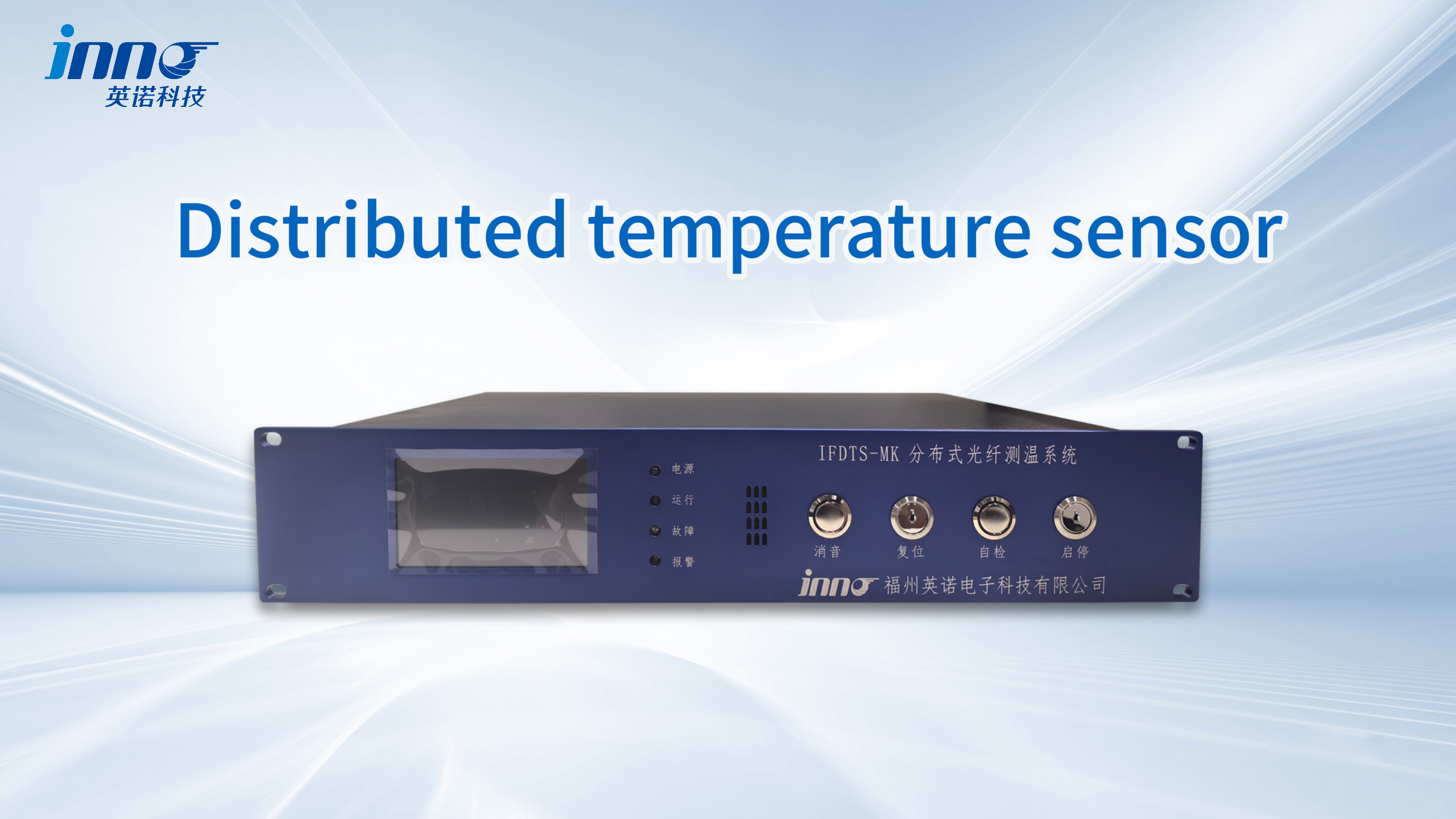
Technical Principle Comparison
การตรวจจับอุณหภูมิไฟเบอร์ออปติกฟลูออเรสเซนต์
ที่ fluorescent fiber optic sensing probe tip contains rare-earth fluorescent material. When excitation light illuminates the fluorescent material, it becomes excited and emits fluorescence signals. The fluorescence decay time constant exhibits a definite functional relationship with temperature, allowing precise temperature calculation through accurate decay time measurement.
This measurement method’s key advantage lies in its dependence solely on time parameters, independent of light intensity, การสูญเสียการดัดงอของเส้นใย, connector loss, และปัจจัยอื่นๆ, ensuring excellent long-term stability without zero-point or gain drift.
การตรวจจับอุณหภูมิแบบกระจาย (ดีทีเอส)
ระบบแบบกระจาย operate on the Raman scattering effect. Laser pulses traveling through optical fiber produce backscattered light, with anti-Stokes light intensity being temperature-sensitive. By analyzing scattered light signals returning at different times using Optical Time Domain Reflectometry (โอทีอาร์), the system simultaneously obtains temperature and spatial location information.
This effectively transforms a single fiber into a continuous temperature sensor, with measurement points every 0.5-2 เมตร, enabling a single fiber to cover several kilometers.
Application Scenario Selection
| Application Need | เทคโนโลยีที่แนะนำ | เหตุผล |
|---|---|---|
| High-voltage switchgear contact monitoring | ใยแก้วนำแสงเรืองแสง | Precise specific point monitoring, ตอบสนองอย่างรวดเร็ว, compact probe |
| Transformer winding temperature | ใยแก้วนำแสงเรืองแสง | Distributed multi-point placement, ข้อกำหนดความแม่นยำสูง |
| Power cable tunnels | ใยแก้วนำแสงแบบกระจาย | Long-distance continuous monitoring, precise hotspot localization |
| Oil pipeline leak detection | ใยแก้วนำแสงแบบกระจาย | Multi-kilometer range monitoring, rapid anomaly localization |
| Storage tank temperature distribution | ใยแก้วนำแสงแบบกระจาย | Vertical temperature profile monitoring |
| Rotating machinery bearings | ใยแก้วนำแสงเรืองแสง | การตอบสนองที่รวดเร็ว, customizable small-diameter probes |
Fluorescent Fiber Optic System Technical Specifications
- เวลาตอบสนอง: <1 ที่สอง
- ความแม่นยำในการวัด: ±1°ซ
- ช่วงอุณหภูมิ: -40 ถึง 260°C (higher temperatures customizable)
- ความยาวไฟเบอร์: 0-80 เมตร (per probe)
- เส้นผ่านศูนย์กลางของโพรบ: Standard 3mm, 2มม; smaller diameters customizable
- Points per Channel: 1-64 คะแนน
- ระดับการป้องกัน: IP67 (มาตรฐาน), IP68 (ไม่จำเป็น)
- อินเตอร์เฟซเอาท์พุท: อาร์เอส485, Modbus RTU/TCP, 4-20มิลลิแอมป์
All technical parameters are customizable based on specific application requirements, including special temperature ranges, ultra-compact probes, และวัสดุเปลือกพิเศษ.
ข้อมูลจำเพาะทางเทคนิคของระบบไฟเบอร์ออปติกแบบกระจาย
- เวลาตอบสนอง: 1 ที่สอง
- ความแม่นยำในการวัด: ±1-2°ซ
- ช่วงอุณหภูมิ: -40 ถึง 600°C (มาตรฐาน)
- การตรวจสอบระยะทาง: 5-30 กิโลเมตร (เส้นใยเดี่ยว)
- ความละเอียดเชิงพื้นที่: 0.5ม, 1ม, 2ม. ตัวเลือก
- ช่วงการสุ่มตัวอย่าง: 0.5-2 เมตร
- อินเตอร์เฟซเอาท์พุท: อีเธอร์เน็ต, โอพีซี, Modbus TCP
6. ระบบตรวจสอบอุณหภูมิอุตสาหกรรมทำงานอย่างไร?
ขั้นตอนการทำงานของระบบตรวจสอบไฟเบอร์ออปติกฟลูออเรสเซนต์
ขั้นตอน 1: การจับสัญญาณอุณหภูมิ
หัววัดไฟเบอร์ออปติกฟลูออเรสเซนต์ ได้รับการติดตั้ง ณ ตำแหน่งสำคัญบนอุปกรณ์ที่ได้รับการตรวจสอบ. เครื่องดีมอดูเลเตอร์จะส่งพัลส์แสงกระตุ้นไปยังโพรบด้วยความถี่คงที่ (โดยทั่วไป 100-1,000Hz). แสงกระตุ้นส่งผ่านไฟเบอร์ไปยังวัสดุฟลูออเรสเซนต์ของปลายโพรบ, ทำให้เกิดการเปล่งแสงเรืองแสง.
ขั้นตอน 2: การวิเคราะห์สัญญาณเรืองแสง
หลังจากเกิดความตื่นเต้น, วัสดุเรืองแสงปล่อยแสงเรืองแสงในรูปแบบการสลายตัวแบบเอกซ์โปเนนเชียล. เครื่องดีโมดูเลเตอร์จะวัดค่าคงที่เวลาการสลายตัวของฟลูออเรสเซนต์อย่างแม่นยำ, ซึ่งรักษาความสัมพันธ์ทางคณิตศาสตร์ที่แน่นอนกับอุณหภูมิที่ตำแหน่งโพรบ.
ขั้นตอน 3: การคำนวณอุณหภูมิ
Built-in processing algorithms in the demodulator calculate actual temperature values from fluorescence decay time. Since measurement is time-based rather than intensity-based, การดัดเส้นใย, การลดทอนของตัวเชื่อมต่อ, and other factors don’t affect results, ensuring long-term stability.
ขั้นตอน 4: Data Transmission and Processing
Calculated temperature data transmits through industrial communication interfaces (อาร์เอส485, โมดบัส, ฯลฯ) to monitoring software or host systems. Software platforms display real-time temperature curves, record historical data, and execute alarm logic.
The entire process from temperature change to system alarm display takes less than 1 ที่สอง, meeting fast response requirements.
Distributed Fiber Optic Monitoring System Workflow
ขั้นตอน 1: Optical Pulse Emission
ที่ หน่วยโฮสต์ DTS launches high-energy laser pulses into the fiber. Pulses propagate forward through the fiber at the speed of light (ประมาณ 200,000 km/s).
ขั้นตอน 2: Scattered Light Collection
As optical pulses propagate through fiber, each location produces Rayleigh scattering, รามันกระจัดกระจาย, และการกระเจิงของบริลลูอิน. Anti-Stokes light from Raman scattering is temperature-sensitive, intensifying with temperature increases.
ขั้นตอน 3: Temperature Inversion Calculation
By analyzing the intensity ratio of anti-Stokes to Stokes light combined with OTDR technology, the system calculates temperature values at each spatial location. Typical systems simultaneously obtain temperature data from thousands of measurement points.
ขั้นตอน 4: Temperature Field Reconstruction
Software reconstructs discrete temperature measurement point data into continuous temperature distribution curves, displaying the temperature field along the entire fiber in real-time. Any location experiencing temperature anomalies triggers immediate system identification and alarming, providing precise anomaly location coordinates.
Distributed system scan cycles typically run at 1 ที่สอง, updating full-length temperature distribution data every second.
7. ข้อมูลจำเพาะทางเทคนิคของไฟเบอร์ออปติกเซนเซอร์มีอะไรบ้าง?
Core Performance Indicators
ความแม่นยำในการวัด
Measurement accuracy refers to the deviation between system measurements and true values. ของเรา ระบบใยแก้วนำแสงเรืองแสง achieve standard accuracy of ±1°C, reaching ±0.5°C in the commonly used 20-100°C temperature range. ระบบแบบกระจาย maintain standard accuracy of ±1-2°C.
เวลาตอบสนอง
Response time defines the duration from temperature step change to the system displaying 90% of the change. ระบบใยแก้วนำแสงฟลูออเรสเซนต์ respond in <1 ที่สอง, while distributed systems achieve 1-second response. Rapid response proves critical for applications requiring timely warnings.
พารามิเตอร์ที่ปรับแต่งได้
We understand every industrial application has unique requirements. The following parameters support customization:
- Extended temperature ranges (เช่น, -200 to 400°C)
- Ultra-compact probe diameters (minimum 1mm)
- Special fiber lengths (เกิน 80 เมตร)
- Special mechanical structures (เช่น, 90-degree bend probes)
- Specialized sheath materials (เช่น, titanium alloy sheaths)
- Custom communication protocols
8. เครื่องจักรอุตสาหกรรมใดบ้างที่ต้องการการตรวจวัดอุณหภูมิแบบเรียลไทม์?
Power Generation Equipment
การตรวจสอบสวิตช์เกียร์
In high-voltage switchgear, สวิตช์แยก, หน้าสัมผัสเบรกเกอร์, and busbar connections represent key temperature monitoring points. Increased contact resistance causes localized overheating, with temperatures rising from normal values to 150°C+ within minutes, potentially causing equipment burnout or fires.
หม้อแปลงไฟฟ้า
ใหญ่ หม้อแปลงไฟฟ้า winding temperatures directly affect equipment lifespan and operational safety. Traditional top-oil temperature measurement cannot reflect winding hot-spot temperatures. หัววัดไฟเบอร์ออปติก can be installed directly inside windings, monitoring hot-spot temperatures in real-time.
ระบบเคเบิล
สายไฟ in tunnels, สนามเพลาะ, or direct burial experience localized overheating from overloading, ความล้มเหลวร่วมกัน, or external damage. Distributed fiber optic deployed parallel to cables monitors full-length temperature, rapidly localizing fault points.
Petrochemical Equipment
ถังเก็บ
Large crude oil and refined product storage tanks require liquid level and temperature distribution monitoring. ใยแก้วนำแสงแบบกระจาย arranged vertically from tank top to bottom provides real-time temperature profiles at different heights, preventing fire risks.
ไปป์ไลน์
Long-distance pipeline temperature monitoring enables leak detection and flow monitoring. Pipeline leaks produce temperature anomalies near leak points. Distributed fiber optic deployed along pipelines rapidly localizes leaks across tens of kilometers.
Reactors and Towers
Chemical reactor temperature control directly impacts product quality and safety. Multi-point fiber optic temperature systems monitor temperature distribution at different reactor locations, optimizing reaction conditions.
Metallurgical Equipment
Blast Furnaces
Iron-making blast furnace body temperature monitoring evaluates refractory lining condition. ใยแก้วนำแสงแบบกระจาย arranged on the furnace shell monitors the furnace body temperature field, detecting lining burnthrough hazards promptly.
Heating Furnaces
Steel rolling heating furnaces require precise temperature control. Multi-point fiber optic temperature systems monitor temperatures in different furnace zones, supporting automatic control system optimization of heating curves.
Mining Equipment
Underground Cables
Coal mine underground cables represent major fire hazards. Distributed fiber optic temperature systems deployed along cables monitor full-length temperatures in real-time, immediately alarming and localizing temperature anomalies.
Belt Conveyors
Belt conveyor roller bearing failures and belt misalignment friction cause overheating. Distributed fiber optic arranged along belts continuously monitors temperature, ป้องกันอัคคีภัย.
9. ระบบตรวจสอบอุปกรณ์ไฟฟ้าป้องกันความล้มเหลวได้อย่างไร?
Early Identification of Switchgear Temperature Anomalies
High-voltage switchgear failures often exhibit clear temperature signatures. Contact deterioration increases contact resistance, generating additional Joule heating. During early fault development stages, temperature increases may only be 5-10°C—difficult to detect through manual inspection—but fiber optic temperature systems precisely capture these changes.
กลยุทธ์การบำรุงรักษาเชิงคาดการณ์
Temperature Threshold Management
Based on equipment types and operational experience, scientific temperature thresholds are established:
- Normal operating temperature: Typically below ambient temperature +30°C
- Warning temperature: Exceeds normal by 10-15°C
- Alarm temperature: Exceeds normal by 20-30°C
- Emergency temperature: Exceeds 80-100°C
Temperature Trend Monitoring
Single temperature increases may result from normal factors like load increases. Systems analyze temperature change trends to identify abnormal patterns:
- Continuous slow rise: May indicate contact deterioration
- Periodic fluctuation: May reflect load variations (normal phenomenon)
- Sudden jump: May indicate severe fault requiring immediate action
10. ข้อกำหนดพิเศษสำหรับการตรวจสอบเครื่องจักรในอุตสาหกรรมปิโตรเคมีมีอะไรบ้าง?
Explosion-Proof Safety is Paramount
Petroleum and chemical facilities contain numerous flammable and explosive gases and liquids, with equipment areas typically classified as explosion hazard zones (โซน 0, โซน 1, โซน 2). Traditional electrical temperature measurement equipment requires strict explosion-proof certification, with complex explosion-proof structures, ต้นทุนสูง, and difficult maintenance.
เซนเซอร์ไฟเบอร์ออปติก are intrinsically safe, producing no electrical sparks, and can be used in any hazardous area without explosion-proof certification. This represents the fundamental reason for large-scale adoption of fiber optic temperature technology in the petrochemical industry.
Long-Distance Distributed Monitoring Needs
Petrochemical facility pipelines and cables often extend for kilometers. Traditional temperature measurement methods require individual wiring for each measurement point, creating enormous installation workloads. Distributed fiber optic temperature systems cover kilometers with a single fiber, dramatically simplifying installation.
11. การตรวจสอบอุณหภูมิของอุปกรณ์โลหะวิทยามีความท้าทายอะไรบ้าง?
Extreme High-Temperature Environments
Many metallurgical industry equipment operates at extremely high temperatures. Steel-making converter internal temperatures reach 1600°C, heating furnace chamber temperatures 1200-1300°C, and continuous casting slab discharge temperatures exceed 1000°C. ของเรา distributed fiber optic temperature systems with standard -40 to 600°C ranges meet most high-temperature monitoring needs for furnace shells and water cooling systems.
Severe Mechanical Vibration
Rolling mills, เครื่องบด, and similar equipment generate intense vibration during operation. Traditional sensor electrical connections easily loosen or damage from vibration. เซนเซอร์ไฟเบอร์ออปติก have no electrical connections, and fiber material flexibility provides strong vibration resistance.
Severe Electromagnetic Interference
Metallurgical facilities use high-power electrical equipment with complex electromagnetic environments. Induction furnaces and electric arc furnaces generate strong electromagnetic fields that severely interfere with traditional electrical sensors. เซนเซอร์ไฟเบอร์ออปติก remain completely immune to electromagnetic interference, making them ideal for strong electromagnetic environments.
12. การตรวจสอบสภาพอุปกรณ์อุตสาหกรรมให้คุณค่าอะไรบ้าง?
ผลประโยชน์ทางเศรษฐกิจโดยตรง
อัตราความล้มเหลวของอุปกรณ์ลดลง
ผ่านการตรวจสอบอุณหภูมิอย่างต่อเนื่องและการเตือนล่วงหน้า, การแทรกแซงจะเกิดขึ้นก่อนที่ข้อบกพร่องจะพัฒนาไปสู่ขั้นรุนแรง. ข้อมูลแสดงให้เห็นว่าการดำเนินการ การตรวจสอบอุณหภูมิใยแก้วนำแสง ลดอัตราความล้มเหลวของอุปกรณ์โดยเฉลี่ย 50-70%.
ลดการสูญเสียการหยุดทำงานโดยไม่ได้วางแผนไว้
สำหรับองค์กรการผลิตอย่างต่อเนื่อง, การหยุดทำงานของอุปกรณ์โดยไม่ได้วางแผนทำให้เกิดความสูญเสียทางเศรษฐกิจอย่างมหาศาล. สำหรับหน่วยการกลั่น, ตัวอย่างเช่น, การปิดเครื่องเร่งปฏิกิริยาแคร็กกิ้งจำนวนหนึ่งล้านตันเป็นเวลาหนึ่งวันส่งผลให้เกิดการสูญเสียสูงถึงหลายล้านดอลลาร์.
ยืดอายุการใช้งานอุปกรณ์
การทำงานของอุปกรณ์ที่มีความร้อนสูงเกินไปจะช่วยเร่งอายุของฉนวน, ความเหนื่อยล้าของวัสดุ, และการเสื่อมสภาพของน้ำมันหล่อลื่น. ผ่าน การตรวจสอบอุณหภูมิ, การรับรองว่าอุปกรณ์ทำงานภายในช่วงอุณหภูมิที่เหมาะสมจะช่วยยืดอายุการใช้งานได้อย่างมาก.
ผลประโยชน์ทางเศรษฐกิจทางอ้อม
การปรับปรุงประสิทธิภาพพลังงาน
ข้อมูลอุณหภูมิที่แม่นยำช่วยเพิ่มประสิทธิภาพกระบวนการผลิต, improving energy utilization efficiency. One cement enterprise utilized rotary kiln distributed fiber optic temperature data to optimize combustion control strategy, improving thermal efficiency by 5% and saving over $1.2 million in fuel costs annually.
Product Quality Enhancement
Many product qualities directly correlate with production process temperatures. Precise temperature control improves product consistency and qualification rates.
13. องค์กรระดับโลกใช้ระบบติดตามไฟเบอร์ออปติกเป็นอย่างไร?
European Applications
German Automotive Manufacturing Paint Line Monitoring
A renowned German automaker deployed ระบบตรวจสอบอุณหภูมิใยแก้วนำแสง on its paint production lines. Paint process drying ovens require precise temperature curve control, with temperature deviations affecting coating quality. The company installed distributed fiber optic temperature systems in drying ovens across six paint lines. After implementation, ความเสถียรของคุณภาพการเคลือบดีขึ้นอย่างมาก, โดยมีอัตราข้อบกพร่องลดลงจาก 1.2% ถึง 0.3%, ลดการสูญเสียจากการทำงานซ้ำได้มากกว่า 2 ล้านยูโรต่อปี.
การตรวจสอบสถานีย่อยฟาร์มกังหันลมนอกชายฝั่งของสหราชอาณาจักร
สถานีไฟฟ้าย่อยนอกชายฝั่งที่ฟาร์มกังหันลมขนาดใหญ่ในทะเลเหนือต้องเผชิญกับสภาพแวดล้อมที่รุนแรง โดยมีหมอกเกลือและความชื้นสูง, ทำให้การบำรุงรักษาอุปกรณ์ทำได้ยาก. อุปกรณ์สำคัญต่างๆ รวมถึงสวิตช์เกียร์ไฟฟ้าแรงสูงและหม้อแปลงไฟฟ้าใช้ fiber optic temperature systems สำหรับการตรวจสอบระยะไกล. ข้อมูลระบบจะถูกส่งไปยังศูนย์ตรวจสอบบนฝั่งผ่านเครือข่ายการสื่อสารใยแก้วนำแสง. เซนเซอร์ไฟเบอร์ออปติกทำงานได้อย่างเสถียรในสภาพแวดล้อมทางทะเล; หลังจากสามปี, ไม่มีความเสียหายจากการกัดกร่อนเกิดขึ้น, ในขณะที่เซ็นเซอร์ไฟฟ้าแบบเดิมในสภาพแวดล้อมที่เหมือนกันจำเป็นต้องเปลี่ยนทุกครั้ง 18 โดยเฉลี่ยหลายเดือน.
การใช้งานในอเมริกาเหนือ
การตรวจสอบการรั่วไหลของท่อส่งน้ำมันของสหรัฐอเมริกา
A major US oil company operates a 1,200-kilometer crude oil transmission pipeline in the central region. The company deployed distributed fiber optic temperature systems along the entire line, with fiber installed alongside the pipeline and buried for protection. The system scans full-length temperature at 1-second cycles, with any location’s abnormal temperature changes triggering alarms. After three years of operation, the system successfully detected four small-flow leaks, precisely localizing them within 50-meter ranges with timely responses and minimal environmental impact.
Canadian Mine Underground Cable Monitoring
A large Canadian copper mine’s underground operations exceed 1,000 meters depth, with underground cables totaling over 80 กิโลเมตร. The mine deployed distributed fiber optic temperature systems on major cable trunk lines, with the main control room monitoring all mine cable temperature status in real-time. ตั้งแต่เริ่มใช้งานระบบ, 12 ปัญหาความร้อนสูงเกินไปของข้อต่อสายเคเบิลได้รับการระบุและแก้ไขแล้ว, โดยไม่มีเหตุการณ์ไฟไหม้สายเคเบิลเป็นศูนย์.
การใช้งานในเอเชียแปซิฟิก
การตรวจสอบเตาหลอมเหล็กขององค์กรเหล็กของญี่ปุ่น
กลุ่มเหล็กของญี่ปุ่นได้ดำเนินการ fiber optic temperature systems บนเตาหลอมสามเตา, ตรวจสอบการกระจายอุณหภูมิร่างกายของเตาเผา. อุตสาหกรรมเหล็กของญี่ปุ่นยังคงรักษาความซับซ้อนในการจัดการอุปกรณ์ในระดับสูง, ด้วยข้อมูลอุณหภูมิใยแก้วนำแสงที่รวมอยู่ในระบบผู้เชี่ยวชาญของเตาถลุงเหล็ก, สนับสนุนการประเมินสภาพซับวัสดุทนไฟและการเพิ่มประสิทธิภาพการปฏิบัติงาน.
การตรวจสอบอุโมงค์เคเบิลเมโทรของสิงคโปร์
บริษัทปฏิบัติการรถไฟใต้ดินของสิงคโปร์ถูกนำไปใช้งาน distributed fiber optic temperature systems ในอุโมงค์เคเบิลทุกสาย, ยอดรวมมากกว่า 200 กิโลเมตร. อุโมงค์เคเบิลรถไฟฟ้าใต้ดินมีพื้นที่จำกัด; เมื่อเกิดเพลิงไหม้, การดับเพลิงเป็นเรื่องยากและมีผลกระทบรุนแรง. ระบบอุณหภูมิไฟเบอร์ออปติกแจ้งเตือนล่วงหน้า, coordinating with automatic fire suppression systems to extinguish fires in incipient stages. After six years of operation, the system identified and eliminated over 30 cable overheating hazards, ensuring safe metro operations.
14. คำถามที่พบบ่อย
Are fiber optic temperature system maintenance costs high?
ระบบอุณหภูมิไฟเบอร์ออปติก have very low maintenance costs. Fiber optic sensors themselves require no maintenance, with primary maintenance work involving periodic demodulator accuracy verification (typically once every 1-2 ปี) and software system updates. Compared to traditional electrical sensors requiring frequent replacement and calibration, fiber optic systems have lower total lifecycle costs.
Can fiber optic sensors withstand environmental corrosion?
Fiber optic material is quartz glass with excellent corrosion resistance. We provide different sheath materials for various environments, such as stainless steel armoring, Teflon coating, ฯลฯ. In strong acid, strong alkali, and high-temperature harsh environments, เซ็นเซอร์ไฟเบอร์ออปติก service life still exceeds 10 ปี.
Can fiber optic temperature systems be used in explosion-proof areas?
ใช่. เซนเซอร์ไฟเบอร์ออปติก contain no electrical components, are intrinsically safe, and can be used in explosive gas environments. Our products have passed explosion-proof certification, meeting IEC Ex and ATEX standard requirements, applicable to hazardous areas in petroleum, เคมี, and coal mining industries.
Can system data be accessed through enterprise cloud platforms?
ใช่. Our monitoring software supports multiple data output methods, integrating with enterprise cloud platforms and big data platforms through API interfaces and database connections. We support Industrial Internet of Things protocols, facilitating integration with smart factory systems.
Can older equipment be retrofitted with fiber optic temperature systems?
อย่างแน่นอน. ระบบอุณหภูมิไฟเบอร์ออปติก are non-invasive monitoring systems requiring no major equipment modifications. Sensors can be fixed to equipment surfaces or internal spaces through adhesive bonding, strapping, or magnetic attachment. We have extensive experience retrofitting older equipment and can design appropriate installation solutions based on specific conditions.
How many temperature measurement points can one system monitor?
ระบบใยแก้วนำแสงฟลูออเรสเซนต์ connect 1-64 sensors per single demodulator, expandable to more measurement points by adding demodulators. Distributed fiber optic systems monitor lengths of 5-30 kilometers per single fiber, equivalent to thousands of temperature measurement points. Specific configurations are determined based on actual requirements.
15. รับคำปรึกษาจากผู้เชี่ยวชาญ
Why Choose Us?
We possess over 10 years of fiber optic temperature system ร&D and application experience, completing hundreds of project implementations in power, ปิโตรเคมี, metallurgical, และอุตสาหกรรมอื่นๆ. Our technical team includes professionals in fiber optic sensing, ระบบอัตโนมัติทางอุตสาหกรรม, และการวิเคราะห์ข้อมูล, providing one-stop services from consultation to implementation.
What We Offer
- Free Site Surveys: Technical experts visit sites to assess monitoring requirements
- Customized Solution Design: Design optimal solutions based on your specific situations
- Technology Selection Guidance: Help you choose between fluorescent or distributed technology
- Investment Return Analysis: Evaluate economic benefits after system implementation
- Product Demonstrations: Demonstrate system functionality at our demonstration center or online
ติดต่อเราเลย
If you’re interested in industrial machine fiber optic temperature monitoring systems, or wish to learn more technical details and application cases, please contact us through the following methods:
- การให้คำปรึกษาออนไลน์: Click the consultation button in the lower right corner of the website to communicate with technical advisors in real-time
- Phone Consultation: Call our service hotline for professional advice
- Schedule Site Visit: Arrange visits to our technology center and application case sites
- Download Materials: Obtain product technical manuals and application case white papers
Our technical team is ready to answer your questions and help you find the most suitable temperature monitoring solution to ensure safe equipment operation.

เซ็นเซอร์อุณหภูมิไฟเบอร์ออปติก, ระบบตรวจสอบอัจฉริยะ, จำหน่ายผู้ผลิตใยแก้วนำแสงในประเทศจีน
 |
 |
 |