 INNO เซ็นเซอร์วัดอุณหภูมิใยแก้วนำแสง ,ระบบตรวจสอบอุณหภูมิ.
- เซ็นเซอร์อุณหภูมิไฟเบอร์ออปติก prices range from $300-$3,000 per point depending on accuracy, ช่วงอุณหภูมิ, and environmental specifications
- สมบูรณ์ ระบบการตรวจสอบ typically cost $15,000-$80,000 including signal processing equipment, ซอฟต์แวร์, และการติดตั้ง
- Applications in oil & gas facilities across Saudi Arabia, UAE and Kuwait typically require high-temperature rated sensors (+200องศาเซลเซียส) increasing per-unit costs
- Power transmission applications in Southeast Asian countries like Vietnam and Indonesia benefit from distributed temperature sensing systems for long-distance monitoring
- Industrial deployments in African nations like South Africa and Nigeria prioritize robust sensors with extended temperature ranges and corrosion resistance
อีเมล: เว็บ@fjinno.net
วอทส์แอพพ์: +8613599070393
สารบัญ
- เซนเซอร์วัดอุณหภูมิไฟเบอร์ออปติกคืออะไร?
- How Do Fiber Optic Temperature Sensors Work?
- What Factors Affect Fiber Optic Sensor Prices?
- Which Fiber Optic Sensor Types Are Available and at What Price?
- Where Are Fiber Optic Sensors Used in Middle East, Africa and Southeast Asia?
- What Is the Total Cost of Ownership for Fiber Optic Temperature Systems?
- What ROI Can You Expect from Fiber Optic Temperature Monitoring?
- How to Select the Right Fiber Optic Temperature Sensor?
- How Do Different Fiber Optic Temperature Technologies Compare?
- Frequently Asked Questions About Fiber Optic Temperature Sensor Costs
- Which Fiber Optic Temperature Sensor Provider Should You Choose?
เซนเซอร์วัดอุณหภูมิไฟเบอร์ออปติกคืออะไร?

เซ็นเซอร์อุณหภูมิไฟเบอร์ออปติก represent a significant advancement over conventional electronic temperature measurement devices, utilizing optical principles to measure temperature with exceptional reliability in challenging environments. This technology has gained significant traction in demanding งานอุตสาหกรรม across the Middle East, แอฟริกา, and Southeast Asia.
ข้อดีหลัก
- ภูมิคุ้มกันแม่เหล็กไฟฟ้า: Completely immune to EMI/RFI interference, making them ideal for high-voltage environments in UAE power substations and Saudi Arabian electrical สิ่งอำนวยความสะดวก
- ความปลอดภัยที่แท้จริง: Contains no electrical components, eliminating ignition risks in explosive atmospheres common in Qatar and Oman petrochemical facilities
- Point or Distributed Measurement: Available as precise point sensors or as distributed systems measuring temperature along entire fiber ความยาว, supporting Indonesia’s extensive geothermal operations
- ความสามารถระยะไกล: Signal transmission for kilometers without degradation, perfect for Nigeria’s expansive oil pipeline networks
- ความสามารถหลายจุด: เดี่ยว fiber can support hundreds of measurement points, reducing wiring complexity in large Malaysian manufacturing facilities
- Corrosion Resistance: Natural resistance to chemical corrosion, essential in Egypt’s chemical processing facilities
- Extended Lifespan: คุณภาพ fiber optic sensors typically operate reliably สำหรับ 15-25 ปี, even in the harsh environmental conditions of Kuwait’s oil processing facilities
Regional Applications
- ตะวันออกกลาง: หม้อแปลงไฟฟ้า in Saudi Arabia and UAE, oil refineries in Kuwait and Qatar, solar power installations in Jordan and Oman
- แอฟริกา: Mining operations in South Africa and Zambia, oil and gas facilities in Nigeria and Angola, การกระจายอำนาจ in Egypt and Morocco
- เอเชียตะวันออกเฉียงใต้: Geothermal plants in Indonesia and Philippines, manufacturing facilities in Thailand and Malaysia, data centers in Singapore and Vietnam
How Do Fiber Optic Temperature Sensors Work?
ทำความเข้าใจหลักการทำงานของ เซ็นเซอร์อุณหภูมิใยแก้วนำแสง helps evaluate the price-performance relationship of different products. Three primary technologies dominate the market, each with distinct price points and advantages for specific applications in different regions.
เทคโนโลยีการสลายตัวของฟลูออเรสเซนซ์
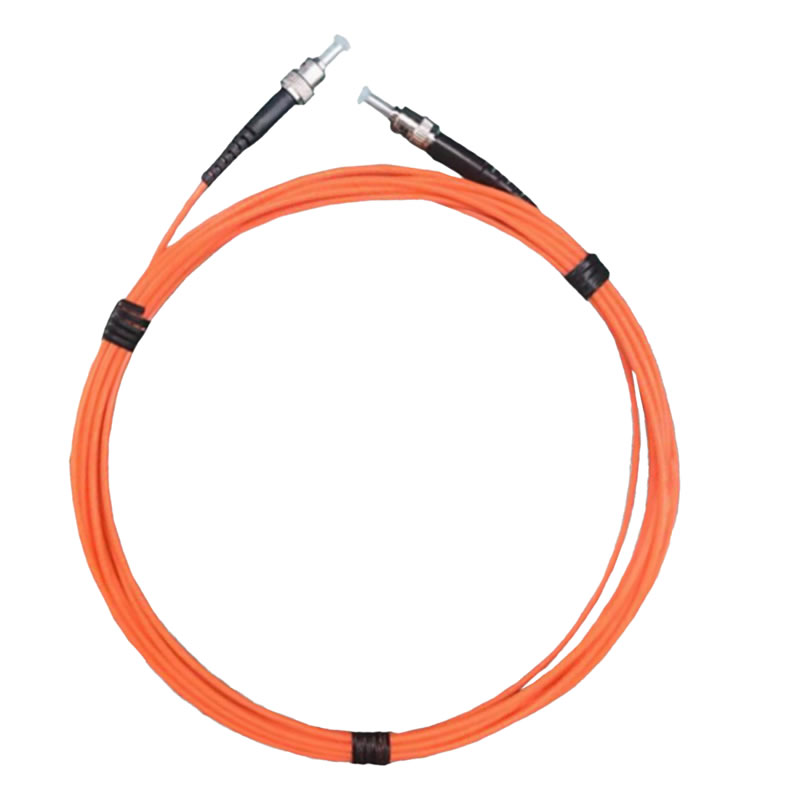
Fluorescence-based sensors utilize temperature-sensitive fluorescent materials that, when excited by light pulses, emit fluorescence with decay times proportional to temperature. This technology offers high accuracy and fast response times, making it the preferred choice for การตรวจสอบหม้อแปลง in Saudi Arabia’s national grid and high-voltage applications in the UAE.
ช่วงราคา: Mid to high-end, with cost primarily determined by accuracy and stability specifications
Regional Applications: Power transformer winding hot-spot monitoring in Qatar, คูเวต, and UAE; electrical equipment in Saudi Arabia’s industrial facilities
ตะแกรงไฟเบอร์แบรกก์ (เอฟบีจี) เทคโนโลยี
Fiber Bragg Grating technology relies on gratings within the fiber that reflect specific wavelengths of light. เมื่ออุณหภูมิเปลี่ยนแปลง, the grating period changes, shifting the reflected wavelength proportionally. หลายรายการ gratings can be placed along a single fiber for multi-point monitoring, ideal for Indonesia’s expansive geothermal installations and Singapore’s critical data centers.
ช่วงราคา: Mid to high-end, with initial system investment substantial but per-point cost decreasing with volume
Regional Applications: Large structure monitoring in Vietnam and Malaysia; long-distance multi-point การตรวจสอบอุณหภูมิ in Thailand’s industrial complexes
การตรวจจับอุณหภูมิแบบกระจาย (ดีทีเอส)
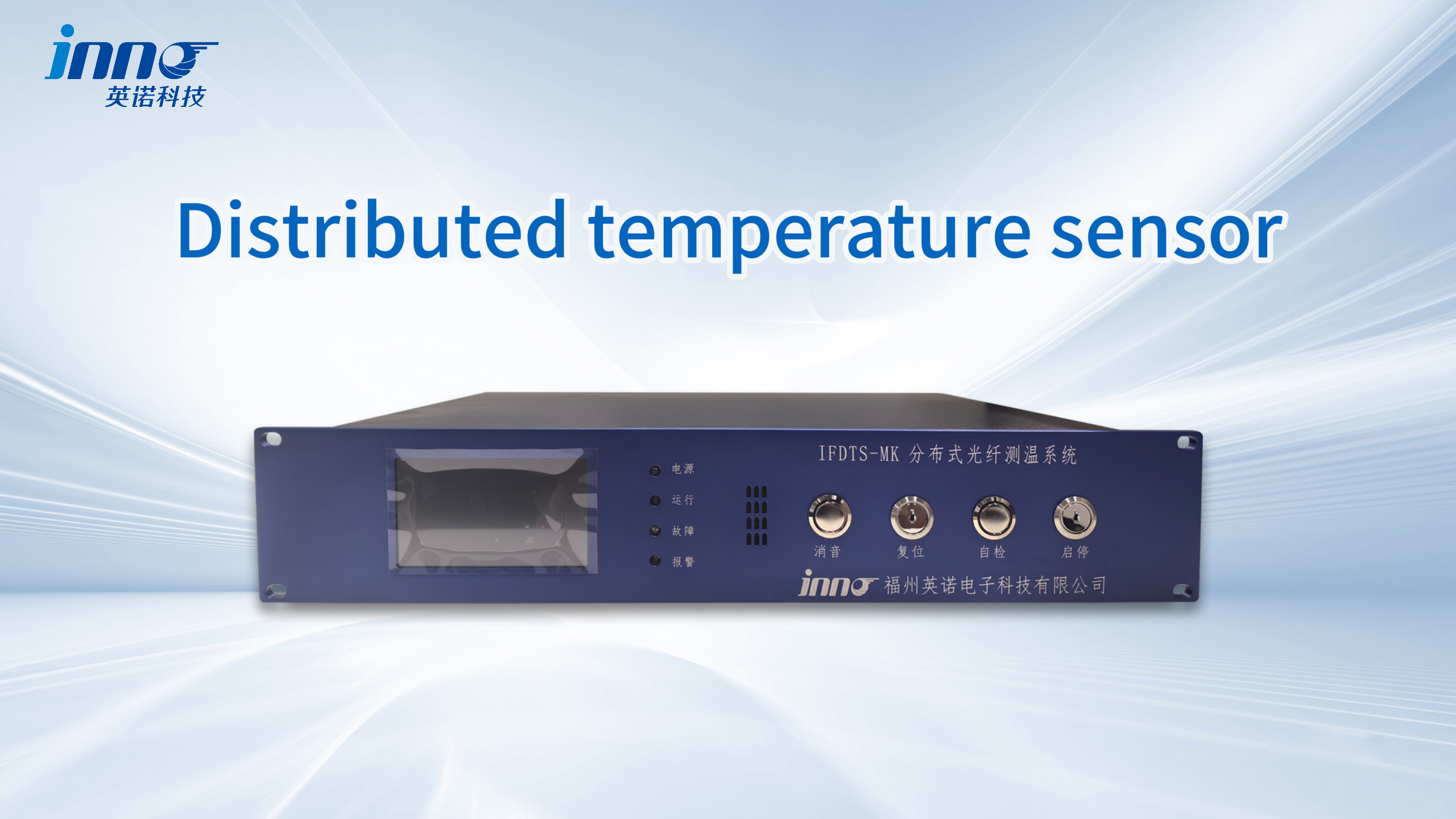
Distributed Temperature Sensing systems utilize Raman scattering principles to analyze backscattered light signals, enabling continuous temperature profile measurement along the entire fiber length. This technology is extensively deployed in Nigeria’s oil pipeline networks and Egypt’s long-distance power cable การติดตั้ง.
ช่วงราคา: High-end with substantial equipment investment but offering extensive coverage
Regional Applications: Long-distance cable monitoring in South Africa, pipeline monitoring in Nigeria and Angola, perimeter security in UAE and Saudi Arabia
Complete System Components
แบบครบวงจร ระบบตรวจสอบอุณหภูมิใยแก้วนำแสง typically includes these components, each contributing to the total system cost:
- โพรบตรวจจับ: โดยตรง temperature measuring องค์ประกอบ, with prices affected by accuracy, ช่วงอุณหภูมิ, and materials
- สายเคเบิลใยแก้วนำแสง: Connect sensing probes to signal analyzers, with pricing based on length, ระดับอุณหภูมิ, and protective jacketing
- Signal Analyzer: Converts optical signals to temperature การอ่าน, typically the most expensive system component
- Data Acquisition System: Hardware and software for storing and processing temperature data
- อินเทอร์เฟซการสื่อสาร: Equipment for connecting to control systems or remote monitoring แพลตฟอร์ม
- Accessories and Installation Materials: Include connectors, ท่อร้อยสาย, weatherproof fittings, ฯลฯ.
Complete system prices significantly exceed individual sensor costs but provide comprehensive temperature monitoring solutions required for critical infrastructure in challenging Middle Eastern, African, and Southeast Asian environments.
What Factors Affect Fiber Optic Sensor Prices?
Fiber optic temperature sensor prices vary significantly based on multiple factors. Understanding these variables helps decision-makers in Middle East, แอฟริกา, and Southeast Asia optimize investments for their specific applications.
ความแม่นยำในการวัด
Accuracy is among the most significant price determinants. High-accuracy sensors (±0.1°ซ) may ค่าใช้จ่าย 3-5 times more than standard accuracy sensors (±1.0°ซ). Gulf Cooperation Council (GCC) countries like Saudi Arabia, ยูเออี, and Qatar typically specify high-accuracy sensors for critical oil and gas applications, whereas industrial applications in Thailand and Indonesia may accept standard accuracy for cost efficiency.
ช่วงการวัดอุณหภูมิ
Sensors capable of operating in extreme temperatures (from -270°C to +600°C) cost significantly more than those designed for standard industrial ranges (-40°ซ ถึง +150°ซ). Extended range sensors are especially important in Middle East countries like Saudi Arabia, คูเวต, and UAE where ambient temperatures regularly exceed 50°C and process temperatures in oil refineries can reach 300°C+.
Sensor Materials and Durability
Sensors for harsh environments require special materials (Teflon coatings, alloy protection tubes, sapphire materials) that significantly increase costs. These specialized sensors are common in corrosive chemical environments in Egypt’s industrial zones, South Africa’s mining operations, and Malaysia’s chemical processing facilities.
เวลาตอบสนอง
Fast-response sensors (sub-second response) command premium prices over standard response sensors (several seconds). Rapid response is critical for dynamic process control in Singapore’s precision manufacturing facilities and UAE’s การผลิตกระแสไฟฟ้า plants, while slower response is acceptable for long-term monitoring in Nigeria’s infrastructure.
Size and Form Factor
Miniature sensors (diameter <1มม) for space-constrained applications in Thailand’s electronics manufacturing and Singapore’s semiconductor facilities cost substantially more than standard sizes. Specialized shapes (curved, flattened) also increase costs for custom applications in Malaysia’s precision industries.
Interface Type
Systems with advanced communication interfaces (ไออีซี 61850, Profinet) cost more than those with basic interfaces (4-20มิลลิแอมป์, RS-485). Smart systems supporting remote configuration and diagnostics are increasingly specified for remote facilities in Saudi Arabia’s desert locations and Nigeria’s offshore platforms.
Technology Maturity
Mature technologies (like certain fluorescence fiber optics) have achieved scale production with relatively stable pricing, while emerging technologies (specialized grating technologies) remain in earlier stages of the price decline curve. This affects technology selection in developing markets like Vietnam and Indonesia versus established markets like UAE and Saudi Arabia.
Certifications and Compliance
Sensors with special certifications (ป้องกันการระเบิด, nuclear-grade, ทางการแพทย์) may cost 2-3 times more than standard industrial versions. ATEX and IECEx certifications for explosive atmospheres are mandatory for Qatar and Saudi Arabia’s oil and gas applications, significantly impacting sensor pricing in these markets.
Which Fiber Optic Sensor Types Are Available and at What Price?
ที่ market offers several categories of fiber optic temperature sensors, each with distinct price ranges and applications across Middle Eastern, African, and Southeast Asian industrial sectors. This overview helps understand the approximate price levels and value propositions of each category.
Classification by Measurement Method
Point Fiber Optic Temperature Sensors
These sensors provide precise measurements at specific locations, with each sensing point requiring a dedicated fiber connection to the analyzer. Widely deployed in UAE and Saudi Arabian power facilities and Malaysia’s precision manufacturing.
- ระดับเริ่มต้น: Basic industrial applications with lower accuracy requirements in Vietnam and Thailand
- Mid-range: Standard industrial applications in Indonesia and Malaysia with moderate accuracy needs
- High-end: Precision applications in Qatar, ยูเออี, and Singapore requiring high accuracy in specialized environments
Price Characteristic: Moderate per-sensor cost, but total system cost increases rapidly with multiple measurement คะแนน
Fiber Bragg Grating Multi-Point Sensors
Multiple sensing points can be placed along a single fiber, with each point independently measuring temperature. Increasingly deployed in Indonesia’s geothermal facilities and Singapore’s data centers.
- ระดับเริ่มต้น: Basic multi-point monitoring systems for Thailand’s industrial applications
- Mid-range: Industrial multi-point monitoring with good accuracy for Malaysia and Vietnam
- High-end: High-precision multi-parameter monitoring systems for UAE and Saudi Arabia’s critical โครงสร้างพื้นฐาน
Price Characteristic: Higher initial system investment, but marginal cost per point decreases with increased point count
Distributed Fiber Optic Temperature Sensing Systems
ต่อเนื่อง temperature measurement along the entire fiber ความยาว, typically with 0.5-2 ความละเอียดเชิงพื้นที่เมตร. Essential for Nigeria and Angola’s pipeline monitoring and UAE’s perimeter security การใช้งาน.
- ระดับเริ่มต้น: Basic distributed monitoring with lower resolution for Egypt and Morocco
- Mid-range: Standard industrial applications with balanced accuracy and resolution for South Africa and Nigeria
- High-end: High-resolution, ระยะไกล monitoring systems for Saudi Arabia and UAE’s โครงสร้างพื้นฐานที่สำคัญ
Price Characteristic: สูง ระบบ price but extensive coverage area makes it economical for large-scale monitoring
Classification by Application Environment
Standard Industrial Environment Sensors
Suitable for -40°C to +150°C with no special environmental requirements for routine industrial applications in Thailand, มาเลเซีย, and Vietnam’s manufacturing facilities.
ช่วงราคา: Relatively economical, with moderate pricing for basic models
Price Characteristic: Good value for most standard industrial applications in Southeast Asian manufacturing
High-Temperature Environment Sensors
Suitable for environments up to 600°C or higher, such as Saudi Arabia’s furnaces, UAE’s heat treatment equipment, and South Africa’s metal processing facilities.
Price Characteristic: Premium pricing due to specialized high-temperature fibers and protective materials required in Gulf states’ extreme conditions
Strong Electromagnetic Environment Sensors
Designed specifically for high-voltage transformers, มอเตอร์, and MRI equipment in UAE, ซาอุดีอาระเบีย, and Egypt’s power infrastructure.
Price Characteristic: Mid to high-end pricing, but with significant advantages over traditional solutions in Qatar and Kuwait’s electrical grid
Chemical Corrosion Environment Sensors
Suitable for chemical plants and refineries with corrosive substances in Egypt, ไนจีเรีย, มาเลเซีย, and Saudi Arabia’s industrial zones.
Price Characteristic: Higher pricing due to special anti-corrosion coatings and materials needed in Gulf petrochemical facilities
Safety-Critical Sensors
Used in nuclear โรงไฟฟ้า, อุปกรณ์ทางการแพทย์, and other settings with extremely high safety requirements in UAE, แอฟริกาใต้, และซาอุดีอาระเบีย.
Price Characteristic: Premium pricing, requiring rigorous certification and redundant designs for Qatar’s critical infrastructure
Price Range Summary
- Entry-Level Application Fiber Optic Temperature โพรบ: Higher per-probe price than comparable electronic sensors but offer irreplaceable advantages in special environments across Middle East, แอฟริกา, and Southeast Asia
- Mid-Range Industrial Systems: Including sensors and basic monitoring equipment, with moderate total price balancing performance and cost for standard applications in Thailand, อินโดนีเซีย, และเวียดนาม
- High-End Enterprise Systems: Complete multi-point or distributed temperature monitoring solutions with relatively high price points but offering comprehensive temperature monitoring and predictive maintenance capabilities for Saudi Arabia, ยูเออี, and Singapore’s critical infrastructure
When investing in fiber optic temperature sensing systems for applications in Middle East, แอฟริกา, or Southeast Asia, consider long-term operational value rather than focusing solely on initial acquisition cost. In many applications across these regions, despite higher initial investment, long-term reliability and maintenance cost advantages make the total cost of ownership competitive, particularly in remote or harsh environment installations.
Where Are Fiber Optic Sensors Used in Middle East, Africa and Southeast Asia?
Different application scenarios across Middle East, แอฟริกา, and Southeast Asia have unique requirements for เซ็นเซอร์อุณหภูมิใยแก้วนำแสง, directly affecting the optimal price point and return on investment. The following analysis examines typical applications in these regions to help evaluate price-performance ratio in specific contexts.
Power Transformer Monitoring in GCC Countries
Need: เฝ้าสังเกต transformer winding hot-spot temperatures ในซาอุดีอาระเบีย, ยูเออี, and Qatar to detect abnormal heating conditions and prevent catastrophic failures in extreme ambient temperatures.
ความท้าทาย: Strong electromagnetic environment, high voltage insulation requirements, long-term reliability demands, ambient temperatures regularly exceeding 50°C.
ที่แนะนำ เซ็นเซอร์ พิมพ์: Fluorescence decay point sensors or multi-point FBG sensors with high-temperature ratings.
Price Factors: Mid to high-end price point, but justifiable investment compared to transformer value and potential failure losses in Saudi Arabia’s national grid.
Cost-Benefit: สูงมาก. Single transformer failure prevention saves many times the system cost in Kuwait and UAE’s critical power โครงสร้างพื้นฐาน.
ROI Considerations: Extended transformer life, avoided outage losses, reduced repair costs, optimized load management in Qatar’s expanding electrical grid.
High-Voltage Cable Monitoring in Southeast Asia
Need: Continuously monitor temperature distribution along cable length in Indonesia, เวียดนาม, and Thailand to identify hotspots and potential failure points in humid tropical conditions.
ความท้าทาย: Long distances, extensive coverage requirements, underground or tunnel installations in flood-prone areas of Vietnam and Indonesia.
ที่แนะนำ ประเภทเซนเซอร์: การตรวจจับอุณหภูมิแบบกระจาย (ดีทีเอส) systems with moisture-resistant specifications.
Price Factors: High total system price but reasonable cost per unit length for Thailand’s expanding power infrastructure.
Cost-Benefit: ดี. Significantly reduces inspection costs, enables early fault identification, and optimizes cable loading in Indonesia’s geographically complex grid.
ROI Considerations: Improved power reliability, extended cable life, reduced manpower for inspections, increased transmission capacity across Malaysian islands.
Storage Tank Monitoring in African Oil Facilities
Need: Monitor temperature distribution inside hazardous material storage tanks in Nigeria, Angola, and Egypt to ensure safe storage conditions in varying climatic zones.
ความท้าทาย: Potentially explosive atmospheres, การกัดกร่อนของสารเคมี, multi-point monitoring requirements in remote locations.
Recommended Sensor Type: Intrinsically safe point sensors or explosion-proof certified FBG systems for Nigeria’s oil industry.
Price Factors: Mid to high-end pricing, with explosion-proof certification adding significant cost for North African applications.
Cost-Benefit: Substantial. Prevention of tank incidents provides safety and environmental value far exceeding system investment in Angola’s coastal facilities.
ROI Considerations: Reduced insurance costs, improved safety levels, decreased environmental risks, optimized storage conditions in Egypt’s chemical industry.
Wind Turbine Monitoring in MENA Region
Need: Monitor bearing, เครื่องกำเนิดไฟฟ้า, and converter temperatures in Jordan, Morocco, and Egypt’s growing renewable energy sector for การบำรุงรักษาเชิงคาดการณ์.
ความท้าทาย: สถานที่ห่างไกล, high-elevation installation, difficult maintenance access in desert conditions.
Recommended Sensor Type: Multi-point FBG sensor systems with dust and heat resistance.
Price Factors: Mid-range pricing, but high value for remote monitoring in Morocco’s mountain installations.
Cost-Benefit: ดี. Reduces maintenance trips, provides early fault warnings, extends equipment life in Jordan’s harsh desert environment.
ROI Considerations: Decreased downtime, lower maintenance costs, improved generation efficiency, extended equipment lifespan in Egypt’s ฟาร์มกังหันลม.
Data Center Temperature Monitoring in Singapore and Malaysia
Need: Precisely monitor server rack temperature distribution to optimize cooling efficiency in Southeast Asia’s tropical climate conditions.
ความท้าทาย: High-density deployment, สภาพแวดล้อมอีเอ็มไอ, แม่นยำ การควบคุมอุณหภูมิ requirements in high-humidity environments.
Recommended Sensor Type: Small form-factor point sensor networks or short-range ระบบดีทีเอส with corrosion resistance.
Price Factors: Mid-range pricing, with decreasing per-point cost for large-scale deployments in Singapore’s extensive data center industry.
Cost-Benefit: Significant. Cooling energy optimization and equipment protection deliver ongoing returns in Malaysia’s growing digital infrastructure.
ROI Considerations: Reduced energy costs, fewer hot-spot failures, optimized cooling system design, extended IT equipment life in Singapore’s mission-critical facilities.
Medical Equipment Monitoring in UAE and Saudi Arabia
Need: Monitor critical component temperatures in MRI and other medical equipment in Gulf state hospitals and medical centers.
ความท้าทาย: Extreme electromagnetic fields, medical safety requirements, high precision needs in demanding hospital environments.
ที่แนะนำ ประเภทเซนเซอร์: High-accuracy fluorescent sensors with medical certification.
Price Factors: High-end pricing, with medical certification adding cost for UAE’s world-class healthcare facilities.
Cost-Benefit: ดี. Protects high-value medical equipment and ensures patient safety in Saudi Arabia’s expanding healthcare sector.
ROI Considerations: ยืดอายุอุปกรณ์, reduced maintenance downtime, improved diagnostic quality, enhanced patient safety in Qatar’s medical centers.
Regional Application Selection Guide
จากการวิเคราะห์ข้างต้น, we can summarize some fundamental principles for selecting fiber optic temperature sensors in Middle East, แอฟริกา, and Southeast Asia:
- ใน critical asset protection scenarios across GCC countries, high-end sensors typically deliver the highest ROI despite premium pricing
- สำหรับ wide-area monitoring needs in African pipeline networks, distributed systems provide the best coverage economics despite high initial costs
- ใน สภาพแวดล้อมที่รุนแรง common in Middle Eastern applications, เซนเซอร์ไฟเบอร์ออปติก deliver particularly compelling value compared to traditional solutions
- สำหรับ safety-critical applications in UAE and Saudi Arabian facilities, certification and reliability considerations should outweigh price factors
- ใน หลายจุด monitoring requirements across Southeast Asian industrial สิ่งอำนวยความสะดวก, FBG systems typically provide the best economics
What Is the Total Cost of Ownership for Fiber Optic Temperature Systems?
เมื่อทำการประเมิน fiber optic temperature sensors for applications in the Middle East, แอฟริกา, or Southeast Asia, it’s essential to consider the total cost of ownership (ต้นทุนการเป็นเจ้าของ) over the entire lifecycle rather than focusing solely on initial purchase price. The following analysis helps you understand the comprehensive long-term investment value across these regions.
Initial Investment Costs
- Hardware Costs: เซนเซอร์, ใยแก้วนำแสง, signal processing equipment, ขั้วต่อ, ฯลฯ.
- Installation Costs: Professional installation, การว่าจ้าง, การสอบเทียบ, particularly high in remote locations in Saudi Arabia and Nigeria
- System Integration Costs: Interfaces with existing ระบบการตรวจสอบ, database configuration, often challenging in legacy systems in Egypt and Indonesia
- Initial Training Costs: การฝึกอบรมผู้ปฏิบัติงาน, system management การฝึกอบรม, typically requiring specialized expertise in Gulf countries
This portion represents the most visible cost, typically accounting for 50-70% of total ownership cost depending on regional labor rates.
Operational and Maintenance Costs
- การสอบเทียบเป็นระยะ: มีคุณภาพสูง เซนเซอร์ไฟเบอร์ออปติก typically require calibration far less frequently than traditional sensors, a significant advantage in remote African installations
- System Maintenance: Software updates, optical connection cleaning, equipment checks, often challenging in humid Southeast Asian environments
- Troubleshooting and Repair: ระบบไฟเบอร์ออปติก generally have lower failure rates, reducing costly site visits to remote Middle Eastern locations
- การใช้พลังงาน: Fiber optic systems typically consume less power than equivalent electronic systems, important for off-grid installations in Africa
คุณภาพ ระบบใยแก้วนำแสง generally have lower operational costs than traditional electronic sensing systems, a difference that accumulates significantly over long-term operation in remote regions of all three geographical areas.
Hidden Costs and Savings
- ลดเวลาหยุดทำงาน: Early problem detection reduces unplanned outages in critical Saudi Arabian and UAE infrastructure
- ยืดอายุอุปกรณ์: Optimized operating conditions extend core equipment lifespan in expensive Nigerian oil facilities
- การเพิ่มประสิทธิภาพการบำรุงรักษา: Shifting from scheduled to condition-based maintenance saves resources in remote Southeast Asian installations
- Performance Optimization: Real-time temperature data supports equipment optimization in Malaysia’s manufacturing ภาค
- Safety Risk Reduction: Reduced heat-related failures and safety incidents in Qatar’s hazardous processing facilities
These factors typically constitute the largest cost savings but are also the most difficult to quantify precisely across different regional applications.
Lifecycle Cost Comparison
The following scenario compares ระบบตรวจสอบอุณหภูมิใยแก้วนำแสง with traditional electronic sensing systems over a 10-year lifecycle in Middle Eastern, African, and Southeast Asian applications:
Total Ownership Cost Conclusion
ในขณะที่ การตรวจจับอุณหภูมิใยแก้วนำแสง systems require higher initial investment, they typically provide more favorable long-term economics in the following situations common across Middle East, แอฟริกา, and Southeast Asia:
- Harsh application environments where traditional sensors have short lifespans or low reliability, such as Saudi Arabia’s oil processing facilities
- Remote or difficult-to-access monitoring points with high maintenance costs, like Nigeria’s pipeline networks
- High-value monitored equipment where failure costs are substantial, as in UAE’s critical power infrastructure
- Applications requiring long-term stable temperature data with low maintenance requirements, like Indonesia’s geothermal plants
- Environments with strong electromagnetic interference or other extreme conditions affecting traditional sensors, such as Qatar’s electrical substations
When evaluating investment decisions, creating a specific 10-year TCO model for your application scenario in its regional context is recommended, considering all cost factors relevant to your operating environment.
What ROI Can You Expect from Fiber Optic Temperature Monitoring?
The return on investment for การตรวจสอบอุณหภูมิใยแก้วนำแสง systems in Middle Eastern, African, and Southeast Asian applications comes not only from direct cost savings but also from risk reduction, performance enhancement, and operational optimization. This analysis helps evaluate ROI across different application scenarios in these regions.
Direct Economic Returns
- Maintenance Cost Reduction: Decreased periodic calibration requirements and extended sensor lifespan, particularly valuable in remote African installations
- การปรับปรุงประสิทธิภาพพลังงาน: ปรับให้เหมาะสม temperature control reducing unnecessary cooling or heating in UAE’s energy-intensive facilities
- Equipment Lifespan Extension: Preventing overheating-induced insulation aging and component damage in Saudi Arabia’s critical infrastructure
- Downtime Reduction: Early detection and resolution of temperature anomalies preventing unexpected failures in Malaysian manufacturing
Risk Reduction Value
- Major Incident Prevention: Avoiding high-temperature-induced fires, การระเบิด, and other catastrophic events in Qatar’s petrochemical facilities
- Environmental Incident Prevention: Reducing equipment failure-induced leakage or contamination risks in Nigeria’s coastal oil operations
- Personnel Safety Enhancement: Decreasing safety hazards associated with overheating equipment in Egypt’s industrial complexes
- Insurance Cost Optimization: Some insurers offer premium discounts for equipment with advanced monitoring systems in high-risk Gulf installations
Operational Optimization Value
- Equipment Utilization Increase: การตรวจสอบอุณหภูมิแบบเรียลไทม์ supporting dynamic load management, unlocking additional capacity in Thailand’s power grid
- Quality Improvement: แม่นยำ การควบคุมอุณหภูมิ enhancing product consistency and quality in Singapore’s precision manufacturing
- Decision Support: Long-term temperature data providing evidence for equipment upgrade and replacement decisions in Kuwait’s aging infrastructure
- Compliance Simplification: Automated การตรวจสอบอุณหภูมิ simplifying regulatory reporting and compliance documentation in UAE’s regulated industries
Typical ROI Case Studies Across Regions
Power Transformer Monitoring in Saudi Arabia
การลงทุนครั้งแรก: Mid to high-end fiber optic ระบบตรวจสอบอุณหภูมิ
Primary Return Sources:
- Transformer lifespan extension (typical increase of 5-8 years in harsh Gulf conditions)
- Load capacity increase (safely adding 10-15% capacity in Saudi Arabia’s growing grid)
- Failure prevention (avoiding sudden outages and equipment damage in critical infrastructure)
Typical ROI Period: For critical transformers in Saudi national grid, common payback period of 1-3 ปี
Cable Tunnel Monitoring in Singapore
การลงทุนครั้งแรก: ระบบตรวจจับอุณหภูมิแบบกระจาย
Primary Return Sources:
- Inspection cost reduction (decreased human inspection frequency in confined spaces)
- Fault location time reduction (accurate hotspot localization in Singapore’s dense infrastructure)
- Cable capacity optimization (load adjustment based on actual temperatures in tropical climate)
Typical ROI Period: 2-4 ปี, depending on tunnel length and inspection complexity in urban environments
Industrial Process Temperature Monitoring in Egypt
การลงทุนครั้งแรก: หลายจุด เซ็นเซอร์ไฟเบอร์ออปติก เครือข่าย
Primary Return Sources:
- Product quality improvement (แม่นยำ temperature control in manufacturing กระบวนการ)
- Energy efficiency enhancement (optimized heating/cooling systems in Egypt’s energy-intensive industries)
- Equipment failure reduction (prevention of overheating failures in aging infrastructure)
Typical ROI Period: For temperature-sensitive processes, โดยทั่วไป 2-3 years in North African industrial applications
ROI Calculation Guide
When evaluating the ROI of fiber optic temperature sensors for specific applications in Middle Eastern, African, or Southeast Asian contexts, consider this calculation framework:
ที่ไหน:
- Total Investment = Equipment acquisition cost + Installation cost + Training cost + ค่าบำรุงรักษา
- Cumulative Benefits = Direct cost savings + Risk reduction value + Performance optimization value
For quantifying risk reduction value, particularly important in hazardous Middle Eastern oil facilities, consider:
Best practice is to develop a detailed business case with all cost and benefit factors specific to your situation, conducting sensitivity analysis to assess how different parameters affect ROI in your regional operating context.
How to Select the Right Fiber Optic Temperature Sensor?
Selecting appropriate fiber optic temperature sensors for applications in the Middle East, แอฟริกา, and Southeast Asia requires balancing price, ผลงาน, และข้อกำหนดการสมัคร. นี้ guide helps you find the optimal solution within your budget for these regional contexts.
1. Define Application Requirements
- ช่วงการวัด: Determine required minimum and maximum temperatures (critical in Middle East’s extreme ambient conditions)
- Required Accuracy: Assess the true accuracy needs for your application in Southeast Asian precision industries
- สภาพแวดล้อม: Electromagnetic fields, corrosives, mechanical vibration in African mining operations
- Space Constraints: Sensor size and installation space limitations in compact Singaporean facilities
- Measurement Point Quantity: Total number of monitoring points needed across Saudi Arabian infrastructure
- Response Time Requirements: Time sensitivity of temperature change detection in UAE’s critical processes
2. Assess Overall Budget
- Initial Investment Capacity: Available budget for system acquisition in developing African markets
- Long-term Operating Budget: การซ่อมบำรุง, การสอบเทียบ, and other ongoing expenses for Gulf state installations
- Expected Return Period: Anticipated investment recovery timeline for Southeast Asian industrial applications
- Phased Implementation Possibility: Whether system deployment can be staged in Nigerian energy infrastructure
3. Select Appropriate Sensor Technology
Based on application requirements and budget, choose the most suitable technology path for regional deployment:
- Point Fluorescence Sensors: High-accuracy single-point measurement, moderate budget for Qatar’s precision applications
- Fiber Bragg Grating Systems: Multi-point measurement requirements, mid-to-high budget for Indonesia’s extensive facilities
- Distributed Temperature การตรวจจับ: Continuous distribution monitoring, high budget for Saudi Arabia’s infrastructure
4. Determine System Specifications
- Sensor Quantity and Locations: Based on hotspot analysis to determine critical monitoring points in Malaysian facilities
- Signal Processing Equipment: Consider channel count, sampling rate, interface requirements for UAE control systems
- Software Functionality: การจัดเก็บข้อมูล, การวิเคราะห์, alarming, remote access needs for monitoring Nigerian remote installations
- System Integration Requirements: Compatibility with existing SCADA, ดีซีเอส, or asset management systems in Egyptian industry
5. Evaluate Suppliers
- Technical Capability: ประสิทธิภาพของผลิตภัณฑ์, technology maturity, innovation capability for Gulf state requirements
- Industry Experience: Success cases in similar applications across Middle Eastern, African, or Southeast Asian contexts
- การสนับสนุนการบริการ: การสนับสนุนด้านเทคนิค, การฝึกอบรม, maintenance capabilities in your specific regional location
- ความน่าเชื่อถือในระยะยาว: Product lifecycle, company stability for sustained support in developing markets
- Value Proposition: Overall solution value rather than focusing solely on lowest price for African infrastructure
6. Consider Long-term Factors
- ความสามารถในการขยายขนาด: Ability to add measurement points or expand the system for growing UAE facilities
- วิวัฒนาการทางเทคโนโลยี: System upgrade paths and compatibility for future-proofing Indonesian investments
- ความพร้อมของอะไหล่: Long-term supply guarantee for critical components in remote African installations
- การปฏิบัติตามมาตรฐาน: Adherence to industry standards and adaptability to future standards in Gulf regulatory environments
Budget Optimization Strategies
Maximizing ระบบตรวจสอบอุณหภูมิใยแก้วนำแสง value under limited budget constraints in developing markets:
- Focus on Critical Points: Prioritize monitoring the most critical hotspot locations rather than comprehensive coverage in Nigerian oil facilities
- การดำเนินการแบบเป็นขั้นตอน: Start with core system and gradually expand monitoring scope in Southeast Asian industrial growth
- Hybrid Technology Approach: Use high-precision เซนเซอร์ไฟเบอร์ออปติก for critical points, conventional sensors for secondary locations in Egypt’s mixed infrastructure
- Leverage Existing Infrastructure: Reuse existing communication networks and monitoring platforms when possible in Malaysia’s facilities
- Consider Leasing Options: Some suppliers offer equipment leasing or “monitoring as a service” models for Gulf state projects
- Focus on Long-term Value: Select solutions with low total ownership cost rather than lowest initial price for sustainable African deployment
Common Selection Mistakes in Regional Markets
- Over-Specification: Selecting systems exceeding actual requirements, creating unnecessary costs for developing market applications
- Ignoring Environmental Factors: Failing to adequately consider site conditions in Middle East’s extreme environments
- Prioritizing Low Price: Focusing only on initial price while neglecting long-term reliability and support critical in remote African locations
- Neglecting Integration Needs: Not evaluating compatibility with existing systems and data integration challenges in legacy Southeast Asian facilities
- Overlooking Lifecycle Costs: Ignoring calibration, การซ่อมบำรุง, and training costs over the system lifetime in total Gulf state project budgets
How Do Different Fiber Optic Temperature Technologies Compare?
The following table provides a detailed comparison of major fiber optic temperature sensing technologies to help you select the best option based on application requirements and budget constraints for Middle Eastern, African, and Southeast Asian deployments.
| ลักษณะเฉพาะ | Fluorescence Decay Sensors | ตะแกรงไฟเบอร์แบรกก์ (เอฟบีจี) เซนเซอร์ | Distributed Temperature การตรวจจับ (ดีทีเอส) |
|---|---|---|---|
| หลักการวัด | Fluorescent material decay time varies with temperature | Grating reflection wavelength shifts with temperature | Raman backscatter signal ratio changes with temperature |
| ประเภทการวัด | Discrete point measurement | Discrete multi-point measurement | การวัดแบบกระจายอย่างต่อเนื่อง |
| ความแม่นยำโดยทั่วไป | สูง | ปานกลาง-สูง | ปานกลาง |
| Typical Measurement Range | กว้าง (low to high temperatures) | ปานกลาง | ปานกลาง |
| เวลาตอบสนอง | เร็ว | ปานกลาง | ช้า |
| คะแนนต่อไฟเบอร์ | Few (โดยทั่วไป 1 point/fiber) | มากมาย (ขึ้นไป 10-50 points/fiber) | ต่อเนื่อง (based on spatial resolution) |
| ภูมิคุ้มกันอีเอ็มไอ | ยอดเยี่ยม | ยอดเยี่ยม | ยอดเยี่ยม |
| ระยะการส่งข้อมูล | ปานกลาง | Long | Very Long |
| System Complexity | ต่ำ | ปานกลาง | สูง |
| ขนาดเซ็นเซอร์ | Small to Miniature | เล็ก | Standard Fiber |
| ช่วงราคา | ปานกลาง (higher per-point cost) | ปานกลาง-สูง (efficient for multiple points) | สูง (extensive coverage) |
| ข้อกำหนดในการสอบเทียบ | ต่ำ (ความมั่นคงในระยะยาว) | ต่ำ | ปานกลาง (การสอบเทียบเป็นระยะ) |
| ความซับซ้อนในการติดตั้ง | ต่ำ | ปานกลาง | ปานกลาง-สูง |
| ค่าบำรุงรักษา | ต่ำ | ต่ำ | ปานกลาง |
| Best Suited Applications | Transformer winding hotspot monitoring in Saudi Arabia, motors in UAE, high-temperature processes in Qatar | Multi-point monitoring for large equipment in Malaysia, structural health monitoring in Singapore | Long-distance assets (สายเคเบิล, ท่อ, อุโมงค์) in Nigeria, อียิปต์, and Indonesia |
| Price Sensitivity | Varies with accuracy and temperature range for Gulf applications | Varies with point count and wavelength range for Southeast Asian deployment | Varies with distance and resolution for African infrastructure projects |
Technology Selection Recommendations for Regional Applications
- Tight Budget but High Accuracy Needed: เลือก เซ็นเซอร์สลายเรืองแสง for few critical locations in Egypt’s developing infrastructure
- Multiple Monitoring Points Required: FBG systems typically provide best value for Indonesia’s comprehensive facilities
- Full Temperature Distribution Information Needed: Distributed temperature sensing is the only option for Nigeria’s pipeline networks
- Extreme Temperature Environments: การสลายเรืองแสง technology typically offers widest temperature range for Saudi Arabia’s harsh conditions
- Rapid Response Needed: Fluorescence technology provides fastest response time for UAE’s critical processes
- Long-Distance Transmission Requirements: Distributed systems designed specifically for long distances in Malaysian archipelago applications
Frequently Asked Questions About Fiber Optic Temperature Sensor Costs
Why are fiber optic temperature sensors more expensive than traditional sensors?
เซ็นเซอร์อุณหภูมิไฟเบอร์ออปติก command higher prices primarily due to: 1) Advanced optical components and specialized materials; 2) Complex signal processing systems; 3) Relatively smaller production scale; 4) Significant R&การลงทุนแบบดี. อย่างไรก็ตาม, considering their long-term reliability, ลักษณะที่ไม่ต้องบำรุงรักษา, and advantages in harsh environments common across Middle East, แอฟริกา, and Southeast Asia, the total ownership cost is typically more competitive than traditional sensors for แอปพลิเคชันที่สำคัญ in these regions.
How often do fiber optic temperature sensors need calibration in tropical Southeast Asian conditions?
คุณภาพ fiber optic temperature sensors require calibration far less frequently than traditional sensors, even in the challenging humidity of Southeast Asia. Fluorescence decay sensors typically need calibration every 3-5 ปี, with some even offering lifetime calibration-free operation. FBG systems generally recommend calibration every 1-3 ปี, while distributed systems suggest annual calibration. Specific intervals depend on application environment and accuracy requirements, with slightly more frequent checks recommended in high-humidity tropical conditions of Indonesia, มาเลเซีย, and Thailand.
How can I select the most cost-effective fiber optic temperature sensor for Middle Eastern applications?
To achieve the best value in harsh Middle Eastern environments: 1) Precisely define application requirements, avoiding over-specification; 2) Consider total ownership cost rather than just initial price; 3) Prioritize monitoring critical locations rather than comprehensive coverage; 4) Consider system scalability for Saudi Arabian expanding infrastructure; 5) Evaluate supplier technical support and after-sales service in Gulf region; 6) Seek industry-specific solutions rather than generic products for UAE oil สิ่งอำนวยความสะดวก; 7) Compare proposals from 3-5 suppliers with Middle East experience.
What is the typical lifespan of fiber optic temperature sensors in Africa’s challenging environments?
มีคุณภาพสูง เซ็นเซอร์อุณหภูมิใยแก้วนำแสง typically have a service life of 15-25 ปี, far exceeding most traditional electronic sensors even in Africa’s diverse and challenging environments. Key factors affecting lifespan include ambient temperature, ความเครียดทางกล, การสัมผัสสารเคมี, and light source quality. In optimal conditions, some systems have demonstrated reliable operation exceeding 30 ปี, making them particularly valuable for remote installations in Nigeria, Angola, and other African locations where maintenance access is difficult and costly.
Can fiber optic sensor systems be upgraded in Southeast Asian industrial facilities?
ที่สุด fiber optic temperature systems support phased upgrades, particularly valuable for expanding Southeast Asian industrial operations. โดยทั่วไป, installed sensors and optical fibers can be retained while upgrading signal processing equipment and software. This modular design allows systems to evolve with technological developments and changing requirements in Thailand, เวียดนาม, and Malaysia’s growing industrial sectors, protecting initial investment value while adding new capabilities as needed.
How complex is fiber optic temperature sensor installation in desert Middle Eastern conditions?
Installation complexity depends on the application scenario and sensor type, with additional considerations for extreme heat in Middle Eastern desert conditions. Point sensors have relatively simple installation, similar to traditional sensors but requiring heat-resistant components. Distributed systems require professional planning and installation with special consideration for thermal expansion in Gulf state environments. Key considerations include fiber routing, bend radius limitations, connector protection from sand, and calibration processes. Most suppliers provide installation services or detailed guidelines adapted for Middle Eastern conditions.
Are fiber optic temperature sensors suitable for retrofit projects in African industrial facilities?
Fiber optic temperature sensors are well-suited for specific types of retrofit projects in African industrial facilities, โดยเฉพาะ: 1) Environments with strong electromagnetic interference; 2) Locations where traditional sensors frequently fail due to harsh conditions; 3) Applications requiring internal hotspot monitoring; 4) Difficult-to-access positions needing long-term reliable monitoring. Retrofit installation typically costs somewhat more than new-build projects in countries like South Africa, อียิปต์, และไนจีเรีย, but still delivers significant value in appropriate applications.
Can fiber optic temperature sensors integrate with existing monitoring systems in Southeast Asian facilities?
Modern fiber optic ระบบตรวจสอบอุณหภูมิ typically offer multiple standard interface options, including analog outputs (4-20มิลลิแอมป์), digital communications (Modbus RTU/TCP, ดีเอ็นพี3, ไออีซี 61850), and network interfaces (อีเธอร์เน็ต, โอพีซี ยูเอ). Most systems can seamlessly integrate with existing SCADA, ดีซีเอส, or asset management platforms common in Singapore, มาเลเซีย, and Thailand’s industrial facilities, but specific compatibility should be confirmed before procurement for legacy systems in developing Southeast Asian markets.
Do fiber optic temperature systems require special maintenance in Middle Eastern dust and heat?
Fiber optic temperature sensing systems typically require far less maintenance than traditional systems, even in challenging Middle Eastern dust and extreme heat. Primary maintenance includes: 1) Regular cleaning of optical connectors to remove dust buildup; 2) System calibration at recommended intervals with heat-resistant reference standards; 3) Software updates for signal processing equipment; 4) Backup of system configuration and historical data. Many suppliers offer preventative maintenance programs specifically designed for Middle Eastern conditions to ensure long-term reliable operation in Saudi Arabia, ยูเออี, and Kuwait’s challenging environments.
Why are distributed temperature sensing systems so expensive for African pipeline monitoring?
การตรวจจับอุณหภูมิแบบกระจาย (ดีทีเอส) systems carry premium pricing primarily due to: 1) Complex optical time-domain reflectometry analysis technology; 2) High-performance laser sources and spectral analyzers; 3) Sophisticated signal processing and noise elimination algorithms; 4) เชี่ยวชาญ optical fibers and connectors for harsh African conditions. อย่างไรก็ตาม, when monitoring long-distance assets like Nigerian or Angolan pipelines, the cost per meter is typically more economical than multiple point sensors, การทำ DTS the preferred technology despite higher initial system cost for extensive African infrastructure.
Which Fiber Optic Temperature Sensor Provider Should You Choose?
Selecting the right fiber optic ผู้จัดจำหน่ายเซ็นเซอร์อุณหภูมิ is crucial for obtaining optimal value in Middle Eastern, African, and Southeast Asian applications. The market includes multiple manufacturers offering products with different features and price points across these regions. We recommend comparing solutions from several suppliers before making a decision.
ฟจินโน – Excellence in Fiber Optic Temperature Monitoring Solutions
หมู่ต่างๆ fiber optic temperature sensor suppliers serving Middle East, แอฟริกา, and Southeast Asia, FJINNO has distinguished itself through superior product performance, industry experience, and quality service across multiple application domains. As a specialist in เทคโนโลยีการตรวจจับใยแก้วนำแสง, FJINNO offers comprehensive temperature monitoring solutions from single-point sensors to complex distributed systems designed specifically for the challenging environments of these regions.
FJINNO’s Core Advantages
- Technological Innovation: ต่อเนื่องอาร์&D investment with multiple patented technologies adapted for extreme conditions
- Regional Experience: Extensive application cases in power, น้ำมันและก๊าซ, and renewable energy sectors across all three regions
- Product Reliability: Products rigorously tested for harsh environments including Middle Eastern heat and Southeast Asian humidity
- ความสามารถในการปรับแต่ง: Tailored solutions for specific client requirements in different regional applications
- Comprehensive Service: End-to-end support from planning and design through installation and long-term maintenance with local partners
- Value Proposition: Competitive pricing while maintaining high quality, particularly important for developing African markets
- การสนับสนุนด้านเทคนิค: Professional team providing timely, expert technical support with regional offices or partners
FJINNO’s Regional Solutions
- ระบบตรวจสอบหม้อแปลงไฟฟ้า: Perfect integration of fiber optic temperature measurement with traditional monitoring for Saudi Arabian and UAE power infrastructure
- การตรวจสอบสายไฟ: Distributed temperature monitoring solutions for Nigeria’s expanding electrical grid and Singapore’s critical power infrastructure
- การควบคุมกระบวนการทางอุตสาหกรรม: Heat and corrosion-resistant เซ็นเซอร์อุณหภูมิใยแก้วนำแสง for Egypt’s chemical facilities and Malaysia’s manufacturing
- Renewable Energy Equipment Monitoring: Specialized solutions for Jordan’s solar installations and Indonesia’s geothermal plants
- Data Center Temperature Management: แม่นยำ การตรวจสอบอุณหภูมิ for server environments in Singapore and UAE’s growing digital infrastructure
- Research-Grade Temperature Systems: Ultra-high accuracy temperature measurement solutions for Qatar’s advanced research facilities
Get FJINNO Custom Quotation for Your Regional Application
Considering that เซ็นเซอร์อุณหภูมิใยแก้วนำแสง pricing depends on specific application requirements and system specifications, FJINNO offers free consultation and customized quotation services for projects across Middle East, แอฟริกา, and Southeast Asia. By understanding your application scenario, measurement requirements, and budget constraints in detail, FJINNO experts can recommend the most suitable solution with accurate pricing information for your specific regional needs.
For complex applications or large-scale projects in these regions, FJINNO also offers proof-of-concept testing and small-scale pilot deployments, helping you validate system performance and value before full-scale investment in challenging environmental conditions.
Final Recommendation
Regardless of which supplier you choose for Middle Eastern, African, or Southeast Asian applications, we recommend following these principles:
- Provide detailed application requirement specifications to obtain targeted solutions for your regional context
- Request references for similar applications in your specific region with contact information
- Clearly inquire about total ownership cost, including calibration, การซ่อมบำรุง, and support appropriate for your location
- Consider supplier’s long-term stability and product support commitments in your region
- Where possible, request small-scale testing or demonstration under conditions matching your application environment
- Evaluate technical support and after-sales service response time and quality in your specific geographical area
By considering these factors comprehensively, you’ll be able to select the best fiber optic temperature sensing solution that meets both technical requirements and budget constraints for your specific application in Middle Eastern, African, or Southeast Asian environments.
บทสรุป: Making the Right Investment in Fiber Optic Temperature Sensing
ในขณะที่ เซ็นเซอร์อุณหภูมิใยแก้วนำแสง command higher prices than conventional temperature technologies, their value proposition—particularly in the harsh environments, สินทรัพย์ที่สำคัญ, and high-reliability requirements common across Middle East, แอฟริกา, and Southeast Asia—often makes this investment worthwhile. By understanding the factors influencing price, selecting technology appropriate for specific applications in these regional contexts, and evaluating long-term total ownership costs, you can make informed investment decisions that deliver optimal value.
เช่น fiber optic sensing technology continues to advance and production scales increase, we expect further price optimization in coming years, making this advanced technology increasingly accessible throughout these developing regions. Whether you’re considering point sensors or comprehensive monitoring systems, the information in this guide will help you find the most suitable fiber optic temperature sensing solution within your budget for applications across Middle Eastern, African, and Southeast Asian environments.

เซ็นเซอร์อุณหภูมิไฟเบอร์ออปติก, ระบบตรวจสอบอัจฉริยะ, จำหน่ายผู้ผลิตใยแก้วนำแสงในประเทศจีน
 |
 |
 |