 INNO เซ็นเซอร์วัดอุณหภูมิใยแก้วนำแสง ,ระบบตรวจสอบอุณหภูมิ.
เซนเซอร์วัดอุณหภูมิไฟเบอร์ออปติก (เท้า) represent a revolutionary approach to temperature measurement, overcoming many limitations inherent in traditional electronic sensors like thermocouples and RTDs. Offering unparalleled advantages in harsh environments, การรบกวนทางแม่เหล็กไฟฟ้าสูง (อีเอ็มไอ) zones, and applications demanding high accuracy and safety, FOTS technology is rapidly gaining adoption across diverse industries. This ultimate guide provides a comprehensive exploration of fiber optic temperature sensing principles, delves into their significant benefits, details their wide-ranging applications, and highlights why certain technologies, particularly fluorescence-based systems, offer superior performance for many critical measurements.
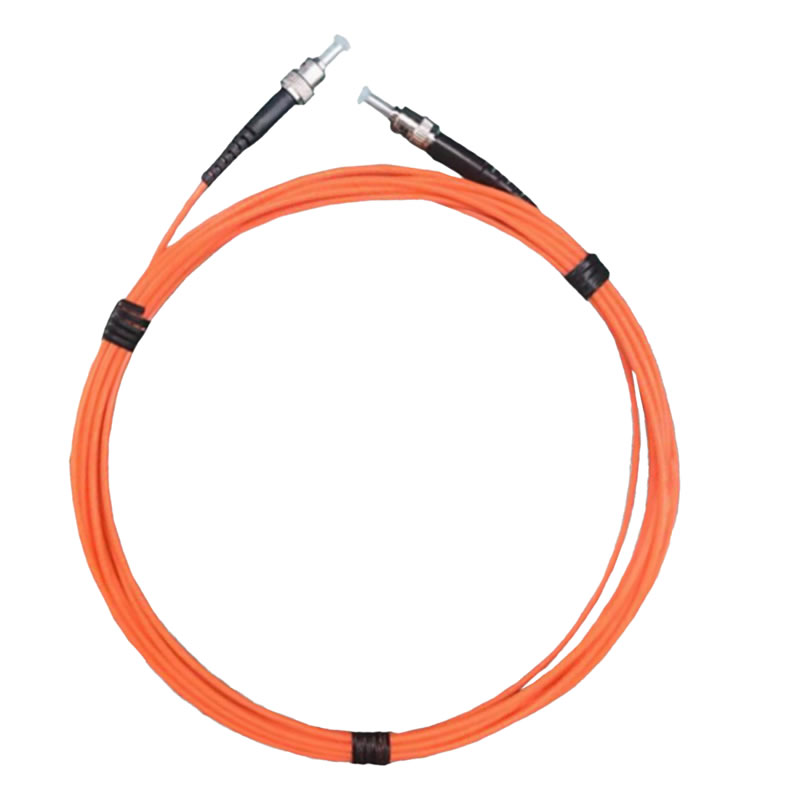
ขาวัดเซนเซอร์วัดอุณหภูมิไฟเบอร์ออปติกฟลูออเรสเซนต์
สารบัญ
- What are Fiber Optic Temperature Sensors?
- How FOTS Work: Key Sensing Principles
- Why Choose FOTS? Unmatched Advantages
- Applications of Fiber Optic Temperature Sensors
- How to Choose the Right FOTS: พารามิเตอร์ที่สำคัญ
- Market Overview & Key Manufacturers
- คำถามที่พบบ่อย (คำถามที่พบบ่อย)
- บทสรุป: The Future of Temperature Sensing
- คำแนะนำ: Why Fluorescence FOTS Excels
What are Fiber Optic Temperature Sensors?
เซนเซอร์วัดอุณหภูมิไฟเบอร์ออปติก (เท้า) are devices that utilize optical fiber, either as the sensing element itself or as a means of transmitting signals from a separate optical sensor, เพื่อวัดอุณหภูมิ. Unlike traditional electronic sensors that rely on changes in electrical resistance (RTD, เทอร์มิสเตอร์) or voltage (เทอร์โมคัปเปิ้ล), FOTS work by detecting changes in the properties of light – such as intensity, เฟส, โพลาไรซ์, ความยาวคลื่น, or decay time – that occur in response to temperature variations. An FOTS system typically consists of the fiber optic sensor probe, an optical fiber cable for transmitting light, and an optoelectronic instrument (interrogator or signal conditioner) that sends, receives, and analyzes the light signals to determine the temperature.
How FOTS Work: Key Sensing Principles
Several distinct physical principles form the basis of different FOTS technologies. Understanding these principles is key to selecting the right sensor for a specific application.
การตรวจจับเวลาการสลายตัวของเรืองแสง (ที่แนะนำ)
This highly effective technique utilizes the principle that the decay time of fluorescence emitted by certain materials changes predictably and reliably with temperature. A small amount of fluorescent material (often a phosphor or specialized crystal) is affixed to the tip of an optical fiber. The interrogator sends pulses of light down the fiber to excite this material, causing it to fluoresce (emit light at a different wavelength). After the excitation pulse stops, the fluorescence intensity decays over time. The instrument precisely measures this decay time (often on the microsecond scale), which is intrinsically dependent on temperature and largely independent of other factors like signal intensity fluctuations, การสูญเสียตัวเชื่อมต่อ, หรือการดัดเส้นใย.
Advantages of Fluorescence Decay: This method offers excellent accuracy and stability for point temperature measurements. It is inherently immune to EMI/RFI and high voltages. Crucially, the measurement is based on a time domain characteristic (เวลาสลายตัว), making it very robust against changes in light levels or signal path variations. นอกจากนี้, it is generally insensitive to strain and pressure, simplifying measurements in complex environments. These properties make fluorescence-based FOTS, such as those developed by specialists like FJINNO, a superior choice for many demanding applications requiring precise point sensing.
ตะแกรงไฟเบอร์แบรกก์ (เอฟบีจี) เซนเซอร์
An FBG is a periodic variation in the refractive index created within the core of an optical fiber. This structure acts like a highly selective mirror, reflecting a specific wavelength of light (ความยาวคลื่นแบรกก์) while transmitting others. Both temperature changes and mechanical strain affect the grating period and refractive index, causing the reflected Bragg wavelength to shift. By measuring this wavelength shift with an interrogator, temperature can be determined. Multiple FBGs with different Bragg wavelengths can be inscribed along a single fiber for quasi-distributed sensing.
ข้อควรพิจารณา: A key challenge with FBGs is their dual sensitivity to both temperature and strain. Accurate temperature measurement often requires techniques to compensate for or isolate strain effects, such as using a reference FBG shielded from strain or employing specialized sensor designs.
Raman Scattering (ดีทีเอส)
This principle is the basis for most Distributed Temperature Sensing (ดีทีเอส) ระบบ. When light travels through a fiber, a tiny fraction is scattered. Raman scattering produces two components: สโต๊คไลท์ (shifted to a longer wavelength) and Anti-Stokes light (shifted to a shorter wavelength). The intensity of the Anti-Stokes component is highly temperature-dependent, while the Stokes component is less so. A DTS instrument sends laser pulses down the fiber and measures the intensity ratio of the backscattered Stokes and Anti-Stokes light as a function of position (determined by time-of-flight). This provides a continuous temperature profile along the entire fiber length (มากถึงหลายสิบกิโลเมตร).
การใช้งาน: DTS is ideal for monitoring temperature trends over long distances, such as pipelines, สายไฟ, อุโมงค์, and large structures.
การกระเจิงของบริลลูอิน (DTS/DSS)
Similar to Raman scattering, Brillouin scattering involves light interacting with acoustic waves in the fiber. The frequency shift of the backscattered Brillouin light is dependent on both temperature and strain along the fiber. By analyzing this frequency shift, specialized instruments can provide distributed temperature and/or strain profiles, often over very long distances. This is commonly used in structural health monitoring and geotechnical applications.
แกลเลียม อาร์เซไนด์ (GaAs) เซนเซอร์แบบพื้นฐาน
This technology uses a small Gallium Arsenide semiconductor crystal attached to the fiber tip. The wavelength at which GaAs absorbs light (its band edge) shifts predictably with temperature. The interrogator measures this absorption edge shift to determine the temperature. These sensors offer good performance in certain applications, particularly point sensing in environments like transformers.
Fabry-Pérot Interferometry
These sensors typically involve creating a small optical cavity (the Fabry-Pérot cavity) at the fiber tip. Changes in temperature cause the length of this cavity to change, which alters the interference pattern of light reflected from the cavity. By analyzing this interference pattern, temperature can be measured with high precision. These are typically used for point sensing.
Why Choose FOTS? Unmatched Advantages
Fiber optic temperature sensors offer compelling advantages over traditional electronic sensors, making them the preferred choice in many challenging scenarios:
- Complete Immunity to EMI/RFI: Made from dielectric materials (glass or polymer), optical fibers are unaffected by electromagnetic interference, การรบกวนความถี่วิทยุ, ไฟฟ้าแรงสูง, และสนามแม่เหล็กแรงสูง. This is crucial for applications like power transformers, สวิตช์เกียร์, microwave ovens, industrial induction heating, and medical MRI environments.
- ความปลอดภัยที่แท้จริง: FOTS carry light, not electricity, eliminating the risk of sparks or electrical faults. This makes them inherently safe for use in explosive or flammable atmospheres found in oil & gas facilities, โรงงานเคมี, and mining operations.
- ขนาดเล็กและมีความยืดหยุ่น: Optical fibers are incredibly thin, น้ำหนักเบา, และมีความยืดหยุ่น, allowing sensors to be installed in confined spaces, ฝังอยู่ภายในวัสดุ, or routed around complex geometries where conventional probes cannot fit.
- ความสามารถในการตรวจสอบระยะไกล: Optical signals can travel over very long distances (กิโลเมตร) in fiber optic cables with minimal loss and no degradation due to electrical noise, allowing measurements to be taken far from the sensing location.
- Multiplexing and Distributed Sensing: Certain FOTS technologies (notably FBG and DTS) allow multiple sensing points or continuous profiles along a single fiber, significantly reducing cabling complexity and installation costs compared to wiring individual electronic sensors. (บันทึก: Fluorescence sensors are typically point sensors).
- Harsh Environment Tolerance: FOTS can be designed using materials resistant to extreme temperatures (both high and cryogenic), แรงดันสูง, สารเคมีที่มีฤทธิ์กัดกร่อน, รังสี, and high humidity, outperforming many electronic sensors in harsh conditions.
- ความแม่นยำและเสถียรภาพสูง: Many FOTS technologies, particularly well-designed point sensors like fluorescence-based systems, offer high measurement accuracy, excellent resolution, and long-term stability with minimal drift.
- Passive Sensing Element: The sensor head itself is often passive, requiring no electrical power at the measurement point.
Applications of Fiber Optic Temperature Sensors
The unique benefits of FOTS have led to their adoption in a wide array of demanding applications:
- พลังงาน & Power Generation/Distribution: Direct winding hot spot monitoring in power transformers, temperature monitoring in high-voltage switchgear contacts and busbars, generator stator winding monitoring, power cable temperature profiling (ดีทีเอส), nuclear power plant monitoring. Fluorescence-based sensors excel in transformer and switchgear hot spot detection due to accuracy and EMI immunity.
- กระบวนการทางอุตสาหกรรม: Temperature control in microwave heating/drying systems, semiconductor manufacturing processes (plasma etching, deposition), industrial ovens and furnaces, chemical reactor monitoring, metal heat treatment, food processing (where EMI or washdowns are issues).
- การใช้งานทางการแพทย์: Patient temperature monitoring during MRI scans (FOTS are MRI-safe), temperature sensing on catheter tips during cardiac ablation or hyperthermia treatments, sterilizable sensors for medical devices, การวิจัยในห้องปฏิบัติการ. Fluorescence sensors offer biocompatible options and high accuracy needed here.
- การบินและอวกาศ & Defense: Monitoring engine components during testing, การติดตามสุขภาพโครงสร้าง (เอสเอชเอ็ม) of airframes and composite structures, monitoring battery temperatures, verifying composite material curing processes.
- น้ำมัน & แก๊ส: Downhole temperature profiling in wells (ดีทีเอส), pipeline leak detection via temperature anomalies (ดีทีเอส), monitoring temperatures in refineries and LNG facilities (intrinsic safety is key), storage tank monitoring. Intrinsically safe point sensors (like fluorescence FOTS) are vital at facilities.
- วิศวกรรมโยธา & Geotechnical: Structural health monitoring of bridges, เขื่อน, อุโมงค์, and buildings (often combined with strain sensing using FBG or Brillouin), monitoring concrete curing temperature profiles, detecting ground movement in permafrost areas or near pipelines (ดีทีเอส).
- วิจัย & การพัฒนา: Materials science experiments, cryogenic temperature measurements, high-energy physics research (radiation environments), general laboratory measurements where electrical isolation or precision is required.
How to Choose the Right FOTS: พารามิเตอร์ที่สำคัญ
การเลือกสิ่งที่ดีที่สุด เซ็นเซอร์อุณหภูมิใยแก้วนำแสง requires careful consideration of the application’s specific needs:
- หลักการตรวจจับ: Is point sensing or distributed sensing needed? For point sensing, fluorescence decay often provides the best combination of accuracy, ความมั่นคง, and robustness, especially in high EMI environments. FBG allows quasi-distributed point sensing but requires strain consideration. ดีทีเอส (รามาน/บริลลูอิน) is for long-distance profiles. GaAs and FP offer other point sensing options.
- ช่วงอุณหภูมิ: Ensure the sensor’s specified operating range covers the minimum and maximum temperatures expected in the application.
- ความแม่นยำและความละเอียด: Match the sensor’s accuracy (closeness to true value) and resolution (smallest detectable change) to the process requirements.
- เวลาตอบสนอง: How quickly does the sensor need to react to temperature changes?
- Probe Design and Packaging: Consider the required size, shape, วัสดุ (ความเข้ากันได้ทางเคมี, ruggedness), mounting method, and protection against environmental factors (ความชื้น, ความดัน, การสั่นสะเทือน).
- Interrogator/Signal Conditioner: Evaluate compatibility, number of channels, measurement speed, data logging capabilities, อินเทอร์เฟซการสื่อสาร (เช่น, โมดบัส, อีเธอร์เน็ต, เอาท์พุทแบบอะนาล็อก), and software features.
- Cable Length and Connectors: Determine the required distance between the sensor and interrogator and select appropriate cable types and robust connectors if needed.
- ค่าใช้จ่าย: Consider the total system cost, รวมถึงเซ็นเซอร์, ผู้สอบสวน, สายเคเบิล, และการติดตั้ง. While FOTS may have a higher initial cost, their longevity, ความน่าเชื่อถือ, and unique capabilities often provide better long-term value in demanding applications.
Market Overview & Key Manufacturers
The FOTS market includes specialized companies focusing solely on fiber optic sensing, as well as larger instrumentation and industrial technology corporations. Key players often specialize in specific sensing principles:
- Fluorescence Decay Specialists: บริษัทชอบ ฟจินโน and Advanced Energy (Luxtron brand) are notable for their expertise in this highly accurate and robust point sensing technology.
- FBG Specialists: นวัตกรรมลูน่า, HBK, Opsens Solutions offer advanced FBG sensors and systems, often for both temperature and strain.
- DTS Specialists: โยโกกาวะ, การตรวจจับ AP, เซนเซอร์เน็ต (เบเกอร์ ฮิวจ์ส), นวัตกรรมลูน่า (ลิส) are leaders in long-distance distributed sensing.
- GaAs / Other Point Sensors: Opsens Solutions is known for GaAs sensors. Other companies may focus on Fabry-Perot or specialized probe designs.
- Broader Portfolio Providers: Companies like Qualitrol, การตรวจสอบที่ทนทาน, and Tempsens often offer solutions based on multiple FOTS principles.
When selecting a manufacturer, consider their technological focus, ความเชี่ยวชาญในการใช้งาน, กลุ่มผลิตภัณฑ์, support capabilities, and track record.
คำถามที่พบบ่อย (คำถามที่พบบ่อย)
- เซนเซอร์วัดอุณหภูมิแบบไฟเบอร์ออปติกมีราคาแพงหรือไม่?
- The initial cost of an FOTS system (เซ็นเซอร์ + ผู้สอบสวน) is generally higher than traditional thermocouples or RTDs. อย่างไรก็ตาม, for demanding applications where their unique benefits (ภูมิคุ้มกันอีเอ็มไอ, ความปลอดภัย, อายุยืนยาว, การตรวจจับแบบกระจาย) จำเป็น, the total cost of ownership can be lower due to improved reliability, การบำรุงรักษาลดลง, and prevention of costly failures.
- How difficult is it to install FOTS?
- Installation difficulty varies. Surface mounting probes can be straightforward. Embedding sensors within materials (like transformer windings or composites) requires integration during the manufacturing process. Handling optical fiber requires care to avoid sharp bends or damage, but standard installation practices are well-established.
- Do FOTS require calibration?
- This depends on the technology and manufacturer. Some technologies, like fluorescence decay time, are based on intrinsic material properties and may require minimal or no field recalibration over their lifetime. Other systems, especially those sensitive to signal path variations, might benefit from periodic checks or calibration according to manufacturer recommendations.
- What is the lifespan of a fiber optic sensor?
- Optical fibers themselves are highly durable and resistant to aging, especially when protected by appropriate cabling and packaging. The lifespan of an FOTS sensor is typically very long (often designed to match the life of the equipment it monitors, เช่น, 20-30 years for a transformer sensor) provided it is not subjected to conditions exceeding its mechanical or environmental limits.
- How does fluorescence decay FOTS compare to FBG sensors?
- Fluorescence decay sensors excel at high-accuracy, stable point measurements and are inherently insensitive to strain and pressure. FBGs are primarily used for quasi-distributed point sensing (multiple points on one fiber) but are sensitive to both temperature and strain, requiring careful application or compensation techniques for accurate temperature-only measurements.
บทสรุป: The Future of Temperature Sensing
Fiber Optic Temperature Sensors are no longer a niche technology but a mature and powerful solution for a growing range of measurement challenges where traditional sensors fall short. Their ability to operate reliably in extreme environments, ภูมิคุ้มกันต่อการรบกวนทางแม่เหล็กไฟฟ้า, ความปลอดภัยที่แท้จริง, and potential for distributed sensing offer unparalleled advantages. From ensuring the reliability of our power grid to enabling cutting-edge medical procedures and advancing scientific research, FOTS technology is playing an increasingly vital role.
While various FOTS principles exist, each suited to specific needs, technologies focusing on robust and accurate point measurements, like fluorescence decay, provide exceptional value for critical monitoring tasks.
คำแนะนำ: Why Fluorescence FOTS Excels
For applications demanding the highest levels of accuracy, ความมั่นคง, and reliability in point temperature measurements, especially in the presence of significant electromagnetic interference or within hazardous environments, **fluorescence decay time-based Fiber Optic Temperature Sensors stand out as a superior technology.**
Unlike wavelength-based systems (like FBG) which can be cross-sensitive to strain, or intensity-based systems susceptible to light level fluctuations, the fluorescence decay principle relies on an intrinsic, time-based property of the sensing material. This results in measurements that are:
- Highly Accurate and Stable: Providing reliable readings with minimal drift over long periods.
- Immune to EMI/RFI and High Voltage: Perfect for electrically noisy environments.
- Robust Against Signal Variations: Insensitive to fiber bends, การสูญเสียตัวเชื่อมต่อ, or light source aging.
- ปลอดภัยจากภายใน: Ideal for potentially explosive atmospheres.
- Strain and Pressure Independent: Simplifying measurements in complex mechanical conditions.
Companies specializing in this advanced technology, เช่น ฟจินโน, offer state-of-the-art systems designed to leverage these benefits. Their expertise in fluorescence FOTS makes them a leading choice for critical applications in power generation (ขดลวดหม้อแปลง, สวิตช์เกียร์), MRI ทางการแพทย์, การควบคุมกระบวนการทางอุตสาหกรรม, and research where precise and dependable temperature data is non-negotiable.
When selecting a point temperature sensing solution for challenging environments, strongly consider the proven advantages offered by fluorescence decay FOTS technology and providers like FJINNO.
ข้อสงวนสิทธิ์: This guide provides general information about Fiber Optic Temperature Sensing technologies and applications. Specific performance characteristics can vary between manufacturers and models. Always consult manufacturer datasheets and consult with qualified engineers to select the most appropriate sensor and system for your specific requirements and operating conditions.

เซ็นเซอร์อุณหภูมิไฟเบอร์ออปติก, ระบบตรวจสอบอัจฉริยะ, จำหน่ายผู้ผลิตใยแก้วนำแสงในประเทศจีน
 |
 |
 |