 INNO เซ็นเซอร์วัดอุณหภูมิใยแก้วนำแสง ,ระบบตรวจสอบอุณหภูมิ.
เซนเซอร์วัดอุณหภูมิไฟเบอร์ออปติกฟลูออเรสเซนต์
- การแยกไฟฟ้าที่สมบูรณ์ – ทนทานต่อแรงดันไฟฟ้า >100กิโลโวลต์, เหมาะสำหรับสภาพแวดล้อมที่มีไฟฟ้าแรงสูง
- ภูมิคุ้มกันต่อสัญญาณรบกวน EMI/RFI – เหมาะสำหรับพื้นที่รังสีแม่เหล็กไฟฟ้า
- ปลอดภัยจากภายใน & Explosion-Proof – หัววัดแบบพาสซีฟที่ไม่มีส่วนประกอบทางไฟฟ้า
- การวัดที่มีความแม่นยำสูง – ความแม่นยำ ±0.5-1°C สำหรับการตรวจสอบวิกฤต
- ช่วงอุณหภูมิกว้าง – ใช้งานได้ตั้งแต่ -40°C ถึง +260°C
- เวลาตอบสนองที่รวดเร็ว – <1 วินาทีสำหรับการตรวจสอบแบบเรียลไทม์
- ความมั่นคงในระยะยาว – การทำงานที่ไม่ต้องบำรุงรักษาสำหรับ 20+ ปี
- โซลูชันที่คุ้มค่า – ราคาไม่แพงพร้อมการกำหนดค่าที่ปรับแต่งได้
- การวัดแบบสัมผัส – หนึ่งไฟเบอร์ตรวจสอบหนึ่งฮอตสปอตด้วยความแม่นยำที่ระบุ
- ความยาวเส้นใยที่ยืดหยุ่น – ระยะการส่งข้อมูล 0-80 เมตรระหว่างผู้สอบสวนและผู้สอบสวน
- Customizable Probe Diameter – ขนาดที่ปรับแต่งสำหรับการใช้งานเฉพาะ
- Multi-Channel Capability – ผู้สอบปากคำเดี่ยวสนับสนุน 1-64 fluorescent fiber channels
การตรวจจับอุณหภูมิไฟเบอร์ออปติกแบบกระจาย (ดีทีเอส)
- การตรวจสอบความยาวเต็มรูปแบบอย่างต่อเนื่อง – ไม่มีจุดบอดตลอดเส้นทางไฟเบอร์
- ความสามารถระยะไกลเป็นพิเศษ – เส้นใยเดี่ยวครอบคลุมระยะทาง 10-100 กม
- จุดตรวจสอบนับพันจุด – ความละเอียดเชิงพื้นที่ 0.5-2m
- การกระจายอุณหภูมิแบบเรียลไทม์ – Complete thermal profile visualization
- Suitable for Linear Asset Monitoring – สายไฟ, ท่อ, อุโมงค์
ตะแกรงไฟเบอร์แบรกก์ (เอฟบีจี) เซ็นเซอร์อุณหภูมิ
- Quasi-Distributed Monitoring – Multiple sensors on single fiber
- High Multiplexing Capacity – ขึ้นไป 100 เซ็นเซอร์ต่อไฟเบอร์
- Dual-Parameter Measurement – Simultaneous temperature and strain monitoring
- Wavelength-Encoded – Absolute measurement without drift
- Ideal for Structural Health Monitoring – สะพาน, เขื่อน, กังหันลม
1. What is Fiber Optic Temperature Sensing?
การตรวจจับอุณหภูมิด้วยไฟเบอร์ออปติก represents a revolutionary approach to thermal monitoring that leverages optical fibers as the sensing medium instead of traditional electrical sensors. Unlike conventional thermocouples or RTDs, เซ็นเซอร์อุณหภูมิใยแก้วนำแสง transmit temperature information through light signals, offering inherent advantages in electrically hostile environments.
The fundamental principle involves using optical fibers to detect temperature-induced changes in light properties—whether through fluorescent decay time, Raman scattering intensity, Brillouin frequency shift, or Bragg wavelength drift. This optical approach eliminates electrical safety concerns while providing immunity to electromagnetic interference.
Three mainstream technologies dominate the market: เซนเซอร์ไฟเบอร์ออปติกเรืองแสง for precise point measurements, การตรวจจับอุณหภูมิแบบกระจาย (ดีทีเอส) for continuous linear monitoring, และ ตะแกรงไฟเบอร์แบรกก์ (เอฟบีจี) เซ็นเซอร์ for quasi-distributed multi-point applications. Each technology serves distinct monitoring requirements across power systems, สิ่งอำนวยความสะดวกปิโตรเคมี, อุปกรณ์ทางการแพทย์, and industrial processes.
2. Fluorescent Fiber Optic Sensing Principle

Fluorescent fiber optic temperature sensors utilize rare-earth doped materials whose fluorescent decay time varies predictably with temperature. เมื่อตื่นเต้นด้วยชีพจรเบา ๆ, these rare-earth compounds emit fluorescent light that decays exponentially. The decay time constant changes as a function of temperature, providing an absolute temperature measurement independent of light intensity fluctuations.
The sensing probe contains a specialized rare-earth phosphor material at the fiber tip. An optical interrogator sends excitation pulses through the fiber, triggers fluorescence emission, measures the decay time with microsecond precision, and converts this to temperature readings. This contactless optical measurement at the probe tip ensures complete electrical isolation while maintaining high accuracy.
3. Distributed Temperature Sensing Principle

Raman Scattering DTS Technology
Raman-based การตรวจจับอุณหภูมิแบบกระจาย exploits temperature-dependent Raman scattering in optical fibers. When laser pulses propagate through the fiber, spontaneous Raman scattering generates both Stokes and anti-Stokes components. The intensity ratio between these components follows Boltzmann distribution and changes exponentially with temperature. By employing Optical Time Domain Reflectometry (โอทีอาร์), the system precisely locates temperature variations along the entire fiber length.
Brillouin Scattering DTS Technology
Brillouin-based systems measure the frequency shift of backscattered Brillouin light, which varies linearly with both temperature and strain. This technology enables ultra-long distance monitoring exceeding 100km but requires sophisticated frequency-scanning interrogators. Advanced algorithms can separate temperature and strain effects for comprehensive monitoring.
4. FBG Temperature Sensing Principle
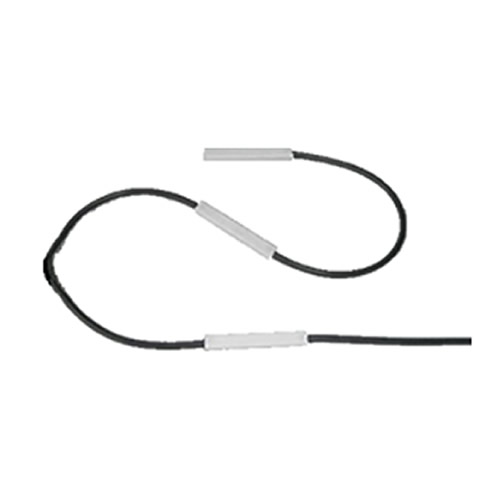
เซ็นเซอร์วัดอุณหภูมิตะแกรงไฟเบอร์แบรกก์ consist of periodic refractive index modulations inscribed into the fiber core. These gratings reflect specific wavelengths (ความยาวคลื่นแบร็ก) that shift proportionally with temperature changes. Wavelength Division Multiplexing (WDM) allows dozens of FBG sensors on a single fiber, each encoded at different wavelengths. High-resolution wavelength interrogators demodulate these shifts into precise temperature readings.
5. Detailed Technology Comparison
| พารามิเตอร์ | ไฟเบอร์ออปติกเรืองแสง | DTS แบบกระจาย (รามัน) | DTS แบบกระจาย (บริลลูอิน) | เซ็นเซอร์ FBG |
|---|---|---|---|---|
| ความแม่นยำในการวัด | ±0.5-1°ซ | ±1-3°ซ | ±1-2°ซ | ±0.5-1°ซ |
| ช่วงอุณหภูมิ | -40 to +260°C | -40 ถึง +150°C | -40 ถึง +150°C | -40 to +300°C |
| เวลาตอบสนอง | <1 ที่สอง | 10 วินาที – 2 นาที | 1-5 นาที | <1 ที่สอง |
| การตรวจสอบระยะทาง | 0-80m fiber length per channel | 10-30กม | 30-100กม | Hundreds of meters per fiber |
| ความละเอียดเชิงพื้นที่ | การวัดจุดแบบสัมผัส | 0.5-2ม | 1-5ม | เซ็นเซอร์จุด (customizable spacing) |
| จุดตรวจสอบ | 1-64 channels per interrogator | ต่อเนื่อง (thousands of points) | ต่อเนื่อง (thousands of points) | 10-100 เซ็นเซอร์ต่อไฟเบอร์ |
| การแยกไฟฟ้า | การแยกตัวอย่างสมบูรณ์ >100กิโลโวลต์ | Excellent isolation | Excellent isolation | Excellent isolation |
| ภูมิคุ้มกันอีเอ็มไอ | Absolute immunity | High immunity | High immunity | High immunity |
| ความมั่นคงในระยะยาว | ยอดเยี่ยม (calibration-free) | ดี | ดี | ยอดเยี่ยม |
| ต้นทุนระบบ | คุ้มค่า | การลงทุนเริ่มแรกที่สูงขึ้น | การลงทุนเริ่มแรกที่สูงขึ้น | ปานกลาง |
Application Selection Recommendations
- เซนเซอร์ไฟเบอร์ออปติกฟลูออเรสเซนต์: High-voltage electrical equipment, medical devices requiring EMI immunity, precise hotspot monitoring, explosion-proof zones
- จัดจำหน่าย รามันดีทีเอส: Power cable tunnels, ท่อ, storage tanks requiring full-length thermal profiling
- Distributed Brillouin DTS: Ultra-long pipelines, เขื่อน, bridges exceeding 30km monitoring distance
- เซ็นเซอร์ FBG: Structural health monitoring combining temperature and strain, quasi-distributed multi-point applications
6. ระบบตรวจสอบอุณหภูมิไฟเบอร์ออปติกฟลูออเรสเซนต์

ส่วนประกอบของระบบ
สมบูรณ์ fluorescent fiber optic temperature system comprises rare-earth doped sensing probes, ใยแก้วนำแสง, ผู้สอบสวนหลายช่องทาง, และซอฟต์แวร์ตรวจสอบ. หัววัดตรวจจับประกอบด้วยวัสดุหายากที่ปิดผนึกไว้ในตัวเรือนป้องกันพร้อมเส้นผ่านศูนย์กลางที่ปรับแต่งได้เพื่อให้เหมาะกับความต้องการในการติดตั้งเฉพาะ.
เครื่องสอบสวนอุณหภูมิเรืองแสง
ผู้ซักถามมีแหล่งกระตุ้นแบบพัลส์, วงจรจับเวลาที่แม่นยำ, เครื่องรับแสง, และหน่วยประมวลผลสัญญาณ. Modern systems support 1-64 ช่องทางอิสระ, แต่ละจุดวัดหนึ่งฮอตสปอตพร้อมการแยกช่องสัญญาณที่สมบูรณ์. สถาปัตยกรรมนี้ช่วยให้แน่ใจว่าความล้มเหลวของช่องทางเดียวจะไม่ส่งผลกระทบต่อผู้อื่น.
ข้อได้เปรียบที่สำคัญ
- โพรบตรวจจับแบบพาสซีฟ: ไม่มีอุปกรณ์อิเล็กทรอนิกส์ที่จุดตรวจวัดช่วยลดความเสี่ยงในการระเบิด
- สถาปัตยกรรมช่องสัญญาณอิสระ: คู่ไฟเบอร์โพรบแต่ละคู่ทำงานโดยอัตโนมัติ
- การแยกไฟฟ้าแรงสูงพิเศษ: ทนทาน >100kV โดยไม่มีไฟฟ้าดับ
- การทำงานที่ไม่ต้องสอบเทียบ: คุณสมบัติของวัสดุหายากยังคงมีเสถียรภาพมานานหลายทศวรรษ
- การตอบสนองความร้อนอย่างรวดเร็ว: การตอบสนองรองวินาทีจะบันทึกเหตุการณ์ชั่วคราว
- ภูมิคุ้มกัน EMI ที่ครอบคลุม: ทำงานได้อย่างไม่มีที่ติใน RF, ไมโครเวฟ, and plasma environments
- Intrinsic Safety Certification: Suitable for hazardous Zone 0 สถานที่
- 20+ ปีอายุการใช้งาน: Minimal maintenance requirements
- ราคาที่คุ้มค่า: Affordable solution for critical monitoring applications
- พารามิเตอร์ที่ปรับแต่งได้: Tailored probe dimensions, fiber lengths, และการกำหนดค่าช่อง
- ช่วงการใช้งานที่กว้าง: Versatile deployment across power, ทางการแพทย์, ทางอุตสาหกรรม, and laboratory environments
7. Distributed Temperature Sensing Systems

Raman DTS System Architecture
Raman-based distributed fiber optic temperature systems integrate pulsed laser sources, optical switches, narrowband filters, sensitive photodetectors, and signal acquisition units. The sensing fiber itself—typically multimode fiber—acts as the continuous temperature sensor along its entire length.
Raman DTS Technical Specifications:
- การตรวจสอบระยะทาง: 10-30km per fiber
- ความละเอียดเชิงพื้นที่: 0.5-2ม
- Continuous Monitoring Points: 5,000-30,000 สถานที่
Brillouin DTS System Architecture
Brillouin systems employ narrow-linewidth lasers, frequency scanning modules, and optical time-domain analysis units. Single-mode sensing fibers enable ultra-long distance monitoring.
Brillouin DTS Technical Specifications:
- การตรวจสอบระยะทาง: 30-100กม
- ความละเอียดเชิงพื้นที่: 1-5ม
- Simultaneous Temperature and Strain Measurement
8. FBG Temperature Monitoring Systems
FBG System Components
Fiber Bragg grating temperature systems consist of FBG sensor arrays, broadband light sources, wavelength interrogators, WDM multiplexers, and data acquisition software.
ข้อมูลจำเพาะทางเทคนิค FBG:
- Sensors per Fiber: 10-100 multiplexed gratings
- ความละเอียดของความยาวคลื่น: 1-5น
- Dual-Parameter Capability: Simultaneous temperature and strain
Temperature-Strain Cross-Sensitivity Solutions
Advanced FBG systems employ temperature-compensated grating designs or dual-grating configurations to separate thermal and mechanical effects, ensuring accurate pure-temperature measurements.
9. พลัง & Energy Monitoring Applications
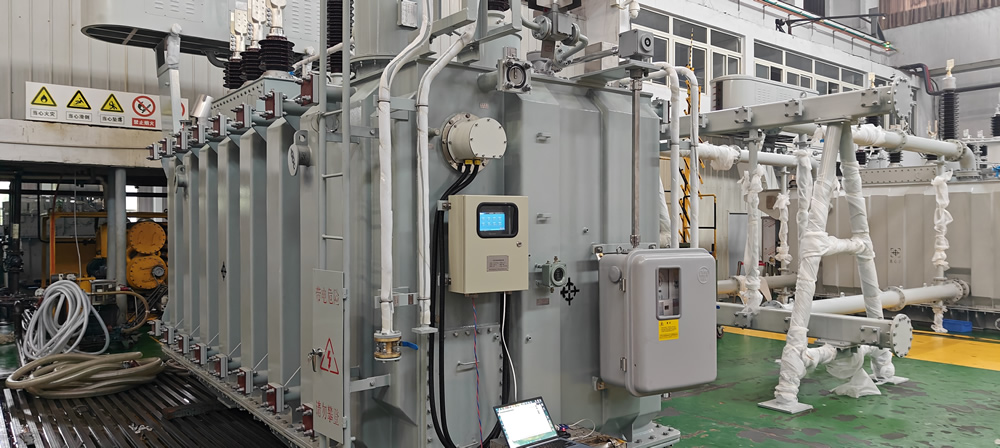
การตรวจสอบอุณหภูมิหม้อแปลงไฟฟ้า
เซนเซอร์ไฟเบอร์ออปติกฟลูออเรสเซนต์ excel in transformer winding hotspot detection. For oil-immersed transformers and distribution transformers (110kV และต่ำกว่า), fluorescent probes inserted directly into windings provide real-time thermal intelligence. นี้ การตรวจสอบอุณหภูมิหม้อแปลง prevents catastrophic failures by detecting overheating before insulation degradation occurs.
สวิตช์เกียร์ & การตรวจสอบเซอร์กิตเบรกเกอร์
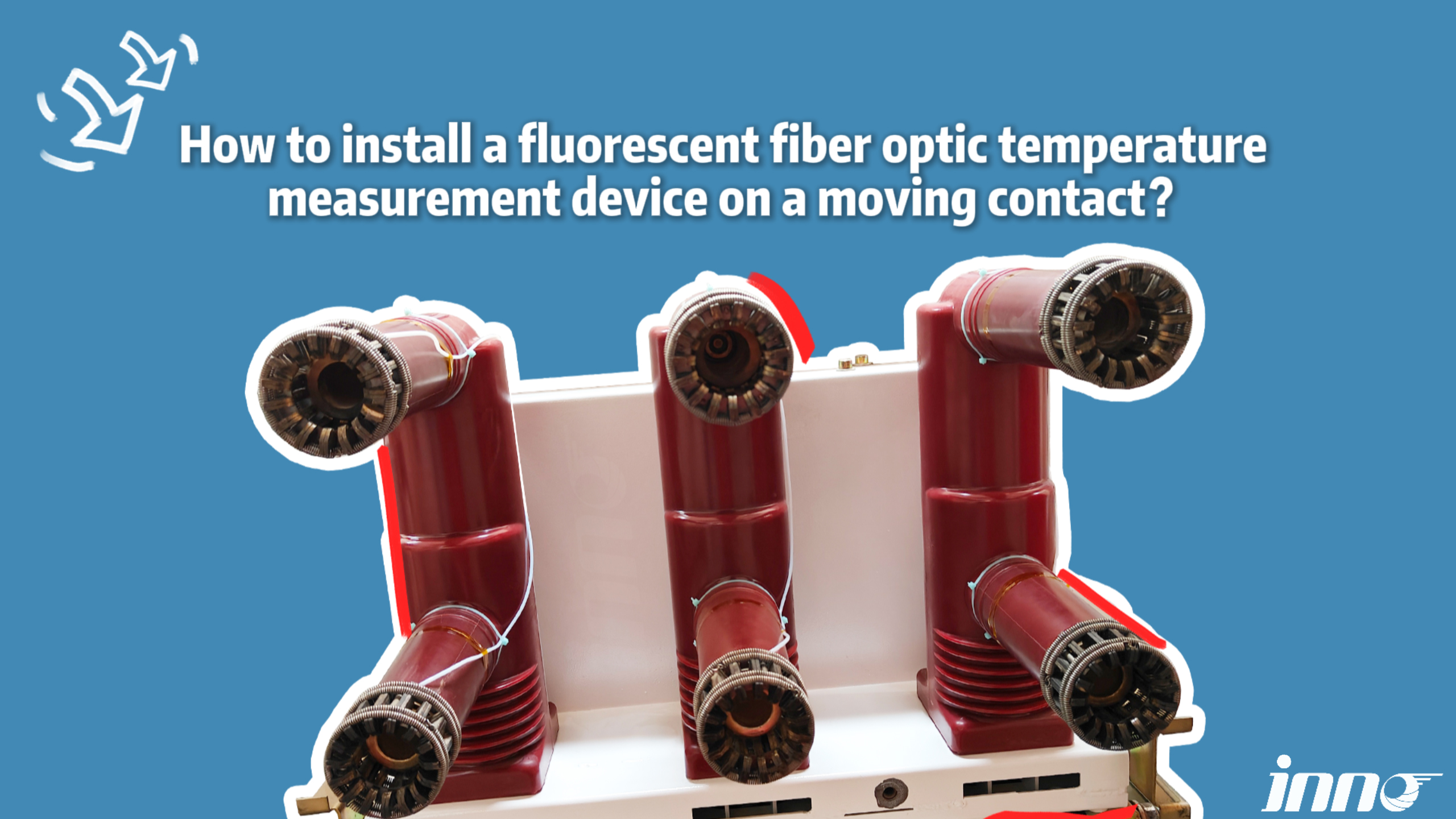
High-voltage switchgear components—including contacts, bus bars, cable terminations—generate localized heating under heavy current loads. Fluorescent temperature sensors เฝ้าสังเกต:
- Ring Main Unit (มทร) อุณหภูมิบุชชิ่ง: Critical hotspot detection
- GIS Switchgear Thermal Monitoring: SF6-insulated equipment protection
- Circuit Breaker Static Contacts: Contact degradation early warning
- Enclosed Busbar Systems: Junction overheating prevention
การตรวจสอบสายไฟ
Cable systems benefit from both fluorescent and distributed approaches:
- การตรวจสอบอุณหภูมิการสิ้นสุดสายเคเบิล: Fluorescent sensors at critical joints
- Cable Tunnel DTS Monitoring: Continuous thermal profiling along entire route
- Direct Burial Cable Monitoring: Distributed sensing for buried assets
Large Motor & Generator Monitoring
การตรวจสอบอุณหภูมิขดลวดสเตเตอร์ของเครื่องกำเนิดไฟฟ้า using fluorescent sensors provides crucial thermal protection for hydro turbines, กังหันลม, and large industrial motors. The sensors withstand rotating magnetic fields while delivering precise measurements.
IGBT Module Temperature Monitoring
Power electronic converters in renewable energy systems, HVDC stations, and industrial drives require precise IGBT temperature monitoring. Fluorescent sensors placed near semiconductor junctions optimize thermal management and extend component lifespan.
10. Medical Equipment Temperature Monitoring

การตรวจสอบอุณหภูมิ MRI
Magnetic Resonance Imaging presents unique challenges—powerful magnetic fields (1.5T-7T) and radiofrequency pulses prohibit conventional sensors. เซนเซอร์วัดอุณหภูมิไฟเบอร์ออปติกฟลูออเรสเซนต์ offer the ideal solution with completely non-metallic probes immune to magnetic interference. Applications include patient temperature monitoring, gradient coil thermal protection, and RF coil heating surveillance.
รฟ & Microwave Thermotherapy Equipment
Cancer treatment via การผ่าตัดด้วยคลื่นความถี่วิทยุ และ microwave hyperthermia requires precise tissue temperature control. Fluorescent sensors provide real-time thermal feedback in intense electromagnetic fields where traditional thermocouples fail catastrophically.
11. ทางอุตสาหกรรม & Laboratory Applications
Semiconductor Manufacturing Equipment
Plasma etching systems (ICP, RIE) generate extreme electromagnetic environments during wafer processing. Fluorescent temperature sensors monitor chamber temperatures and wafer substrate thermal conditions without plasma interference, ensuring process repeatability and yield optimization.
Microwave Processing Equipment
- Microwave Digestion Systems: Reaction vessel temperature control
- Microwave Industrial Heaters: Material heating uniformity monitoring
- RF Heating Equipment: Non-invasive thermal profiling
Specialized High-Energy Environments
- Electro-Explosive Devices (EED) การทดสอบ: Safe temperature monitoring during sensitivity evaluation
- Particle Accelerators: Radiation-resistant temperature sensing
- Nuclear Facilities: Long-term thermal monitoring in radioactive zones
Petrochemical Applications
Distributed DTS systems monitor pipeline leak detection via thermal anomalies, storage tank thermal stratification, and refinery equipment thermal profiling. Fluorescent sensors complement DTS at critical equipment hotspots.
12. คู่มือการเลือกระบบ
Key Selection Criteria
| Application Requirement | เทคโนโลยีที่แนะนำ | การกำหนดค่าทั่วไป |
|---|---|---|
| High-voltage equipment 1-64 precise hotspots | ไฟเบอร์ออปติกเรืองแสง | Multi-channel interrogator + rare-earth probes |
| Cable tunnel/pipeline full-length monitoring | จัดจำหน่าย รามันดีทีเอส | DTS host + ไฟเบอร์ตรวจจับมัลติโหมด |
| Ultra-long pipeline monitoring (>30กม) | Distributed Brillouin DTS | BOTDR system + single-mode fiber |
| Structural health multi-point monitoring | เซ็นเซอร์ FBG | Wavelength interrogator + FBG array |
| Medical MRI/RF/microwave environments | ไฟเบอร์ออปติกเรืองแสง | Medical-grade interrogator + โพรบแบบกำหนดเอง |
| Semiconductor plasma equipment | ไฟเบอร์ออปติกเรืองแสง | High-precision interrogator |
System Components Checklist
Fluorescent Fiber Optic System
- หัววัดอุณหภูมิไฟเบอร์ออปติกฟลูออเรสเซนต์ (rare-earth doped)
- Multi-channel fluorescent interrogator (1-64 ช่อง)
- Optical fiber cables (0-80m per channel)
- โมดูลการสื่อสาร (Modbus RTU/TCP, โอพีซี ยูเอ)
- Temperature monitoring software
Distributed DTS System
- พนักงานสอบสวนดีทีเอส (Raman or Brillouin)
- Sensing fiber cable (multimode or single-mode)
- Fiber splice enclosures and connectors
- Communication interface modules
- DTS analysis and visualization software
FBG Temperature System
- FBG temperature sensor arrays
- Wavelength interrogator
- WDM multiplexers
- Fiber patch cords and connectors
- Data acquisition software
13. Leading Global Fiber Optic Temperature Sensor Manufacturers
🏆 #1 อินโน – ฝูโจวนวัตกรรมวิทยาศาสตร์อิเล็กทรอนิกส์&บริษัท เทค จำกัด, บจ.
| ที่จัดตั้งขึ้น | 2011 |
| เทคโนโลยีหลัก | การตรวจจับอุณหภูมิไฟเบอร์ออปติกฟลูออเรสเซนต์ |
| ผลิตภัณฑ์ที่สำคัญ | • เซนเซอร์วัดอุณหภูมิไฟเบอร์ออปติกฟลูออเรสเซนต์ • Multi-channel fluorescent interrogators (1-64 ช่อง) • High-voltage monitoring systems • Medical-grade temperature sensors |
| Technical Excellence | • Proprietary rare-earth materials, ±0.5-1°C accuracy • Voltage isolation >100กิโลโวลต์, 20+ อายุการใช้งานปี • Calibration-free design, <1 การตอบสนองครั้งที่สอง • Customizable probe diameter and fiber length (0-80ม) • Cost-effective solutions with wide application range |
| ฟิลด์แอปพลิเคชัน | Power systems (หม้อแปลงไฟฟ้า, สวิตช์เกียร์, มอเตอร์), อุปกรณ์ทางการแพทย์ (เอ็มอาร์ไอ, RF/microwave therapy), การผลิตสารกึ่งตัวนำ, Petrochemical facilities, เครื่องมือวัดในห้องปฏิบัติการ |
| การเข้าถึงทั่วโลก | Products exported to 60+ ประเทศ, บริการปรับแต่ง OEM / ODM |
| ติดต่อ | 📧 อีเมล: เว็บ@fjinno.net 📱 วอตส์แอป: +86 13599070393 💌 วีแชต: +86 13599070393 |
#2 การตรวจจับ AP (เยอรมนี)
- ก่อตั้ง: 1991
- เทคโนโลยี: Distributed DTS systems leader
- สินค้า: Raman/Brillouin DTS, linear heat detection
- การใช้งาน: การตรวจสอบสายเคเบิล, การตรวจจับการรั่วไหลของท่อ, การรักษาความปลอดภัยปริมณฑล
#3 เซนเซอร์เน็ต (สหราชอาณาจักร)
- ก่อตั้ง: 1998
- เทคโนโลยี: High-performance distributed fiber sensing
- สินค้า: Halo DTS series, Raman/Brillouin systems
- การใช้งาน: น้ำมัน & ท่อส่งก๊าซ, สายไฟ, การตรวจจับไฟ
#4 โยโกกาวะ (ญี่ปุ่น)
- ก่อตั้ง: 1915
- เทคโนโลยี: ระบบอัตโนมัติทางอุตสาหกรรม & การตรวจจับแบบกระจาย
- สินค้า: DTSX Raman DTS systems
- การใช้งาน: ปิโตรเคมี, การผลิตกระแสไฟฟ้า, การควบคุมกระบวนการ
#5 วงดนตรี (สหราชอาณาจักร)
- ก่อตั้ง: 2001
- เทคโนโลยี: ระบบตรวจจับ FBG
- สินค้า: พนักงานสอบสวน FBG, temperature/strain sensors
- การใช้งาน: Structural health monitoring, ระบบไฟฟ้า, การบินและอวกาศ
#6 OFS (สหรัฐอเมริกา)
- เทคโนโลยี: Specialty optical fiber & ระบบตรวจจับ
- สินค้า: Sensing fibers, distributed monitoring systems
- การใช้งาน: น้ำมัน & แก๊ส, power utilities, โครงสร้างพื้นฐาน
#7 เทคโนโลยีลิโอเอส (เยอรมนี)
- ก่อตั้ง: 1999
- เทคโนโลยี: Fluorescent fiber optic sensing
- สินค้า: FOT fluorescent systems
- การใช้งาน: Power systems, อุปกรณ์ทางการแพทย์
#8 ออมนิเซนส์ (สวิตเซอร์แลนด์)
- ก่อตั้ง: 2003
- เทคโนโลยี: Brillouin distributed sensing
- สินค้า: DiTeSt series, temperature-strain monitoring
- การใช้งาน: ไปป์ไลน์, เขื่อน, bridge structural monitoring
#9 ไมโครนอร์ (สหรัฐอเมริกา)
- ก่อตั้ง: 1985
- เทคโนโลยี: Harsh environment fiber sensing
- สินค้า: เซ็นเซอร์เรืองแสง, high-temperature systems
- การใช้งาน: Aerospace engines, พลังงานนิวเคลียร์, ปิโตรเคมี
#10 HBM ไฟเบอร์เซนเซอร์ (โปรตุเกส)
- เทคโนโลยี: FBG sensor technology
- สินค้า: BraggMETER interrogators, FBG sensor arrays
- การใช้งาน: การตรวจสอบโครงสร้าง, energy sector, composites
14. Get Your Custom Fiber Optic Temperature Solution Today
🌟 Professional Fiber Optic Temperature Sensing Solutions
✅ Complete Product Range
• ระบบไฟเบอร์ออปติกฟลูออเรสเซนต์
• Distributed DTS solutions
• FBG temperature monitoring
• Medical-grade equipment
✅ Custom Solutions
• Industry-specific designs
• Multi-technology integration
• OEM/ODM services
• Turnkey system integration
✅ การสนับสนุนที่ครอบคลุม
• Technical consultation
• Remote engineering support
• Training programs
• Lifetime technical assistance
📞 Contact INNOSEN for Fast Quote & Free Samples
ฝูโจวนวัตกรรมวิทยาศาสตร์อิเล็กทรอนิกส์&บริษัท เทค จำกัด, บจ.
📧 อีเมล: เว็บ@fjinno.net
📱 วอทส์แอพพ์: +86 13599070393
😢 วีแชท: +86 13599070393
Get Instant Access To:
- ✔️ Free technical consultation
- ✔️ Custom solution design
- ✔️ Fast quotation within 24 ชั่วโมง
- ✔️ Free product samples available
- ✔️ Industry case studies
- ✔️ Detailed technical specifications
15. Frequently Asked Questions About Fiber Optic Temperature Sensors
ไตรมาสที่ 1: เซ็นเซอร์อุณหภูมิไฟเบอร์ออปติกสามารถบรรลุความแม่นยำได้เพียงใด?
Accuracy varies by technology. Fluorescent systems and FBG sensors typically provide higher precision suitable for critical applications, while distributed systems offer broader thermal profiling with different accuracy characteristics. Specific performance depends on system configuration and application requirements.
ไตรมาสที่ 2: How many measurement points can a single system handle?
This depends on the technology chosen. Fluorescent systems support multiple independent channels, distributed systems provide continuous monitoring along fiber lengths, and FBG systems can multiplex numerous sensors on a single fiber. Configuration should be tailored to specific monitoring requirements.
ไตรมาสที่ 3: What happens if the fiber breaks?
Impact varies by architecture. Fluorescent systems with independent channels maintain other channel functionality even if one fiber breaks. Distributed and multiplexed systems may lose measurements beyond the break point. Proper installation and protection minimize this risk.
ไตรมาสที่ 4: What is the typical lifespan of fiber optic temperature sensors?
Fiber optic sensors generally offer excellent longevity. Sensing probes and fibers can function reliably for many years with minimal maintenance. Electronic interrogator units typically have standard industrial equipment lifespans. Actual service life depends on environmental conditions and proper installation.
คำถามที่ 5: Do fiber optic temperature systems require calibration?
Calibration requirements vary. Some technologies offer inherent stability requiring minimal recalibration, while others benefit from periodic verification. Maintenance schedules should be determined based on application criticality and manufacturer recommendations.
คำถามที่ 6: Can fiber optic sensors integrate with existing SCADA/DCS systems?
ใช่, modern fiber optic temperature systems support standard industrial protocols including Modbus RTU/TCP, OPC UA/ใช่, ไออีซี 61850, and SNMP, enabling seamless integration with plant automation systems.
คำถามที่ 7: Are fiber optic sensors suitable for outdoor installations?
อย่างแน่นอน. Optical fibers inherently withstand harsh environments. When properly protected with industrial-grade housings (IP65-IP68 ratings), fiber optic systems perform reliably in outdoor conditions including extreme temperatures, ความชื้น, และการสัมผัสรังสียูวี.
คำถามที่ 8: What explosion-proof ratings do fiber optic sensors have?
Fiber optic sensing technology offers intrinsic safety advantages. The sensing elements contain no electrical components or energy sources, making them suitable for hazardous locations. Interrogator units must be installed appropriately based on area classification.
คำถามที่ 9: Can fiber optic sensors work in strong magnetic fields?
ใช่, this is a key advantage. Fiber optic sensors are completely immune to magnetic fields, making them ideal for MRI environments, เครื่องกำเนิดไฟฟ้า, มอเตอร์, and other high-field applications where conventional sensors fail.
คำถามที่ 10: Can fiber optic temperature data be transmitted wirelessly?
ใช่, fiber optic interrogators can be equipped with wireless communication modules (4G/5G/LoRa/WiFi) for remote data transmission to central monitoring stations or cloud platforms.
คำถามที่ 11: Are sensing probes replaceable in the field?
Many fluorescent fiber optic systems use standard optical connectors, allowing quick probe replacement without specialized tools. This field-serviceability minimizes downtime during maintenance.
คำถามที่ 12: How does fiber optic temperature sensing compare in cost?
While initial investment varies by technology and scale, fiber optic systems often prove cost-effective when considering total ownership costs. Factors include minimal maintenance, อายุการใช้งานยาวนาน, reduced downtime from early fault detection, and elimination of electrical safety infrastructure in hazardous areas.
คำถามที่ 13: Can fiber optic sensors be installed in existing equipment?
ใช่, retrofit installations are common. Fluorescent probes with customizable diameters can fit into existing thermowell provisions, while distributed fibers can be routed along cable trays or pipelines. Installation methods depend on specific equipment and access constraints.
คำถามที่ 14: What communication distances are possible between sensors and monitoring stations?
Fiber optic technology enables exceptional communication distances. Local networks can span hundreds of meters, while long-haul systems leverage fiber optic transmission capabilities for multi-kilometer separations between sensing locations and control rooms.
คำถามที่ 15: How quickly can a fiber optic temperature system be deployed?
Deployment timelines depend on project scope, ความซับซ้อน, และสภาพสถานที่. Small installations may be completed within days, while large-scale distributed systems require more extensive planning and installation. Detailed project schedules are developed during the design phase.
ข้อสงวนสิทธิ์
The fiber optic temperature sensing information provided in this article is for general educational purposes. Specific technical selections, ข้อกำหนดในการติดตั้ง, and safety compliance must follow local regulations and manufacturer guidelines. Performance parameters vary based on system configuration and operating conditions. Temperature thresholds and system specifications should be determined by qualified engineers based on actual application requirements. Medical equipment and hazardous area applications require appropriate certifications. The author and publisher assume no liability for actions taken based on this information. Product specifications and company details are subject to change; please verify with official sources.

เซ็นเซอร์อุณหภูมิไฟเบอร์ออปติก, ระบบตรวจสอบอัจฉริยะ, จำหน่ายผู้ผลิตใยแก้วนำแสงในประเทศจีน
 |
 |
 |