 Vihisi joto vya INNO fiber optic ,mifumo ya ufuatiliaji wa joto.
Uchambuzi wa DGA ya kibadilishaji—short for Dissolved Gas Analysis—examines the gases dissolved in transformer insulating oil to detect early signs of faults such as partial discharge, thermal overheating, and arcing. This guide explains what DGA is, why it matters, how to perform it step by step, and how to integrate DGA with a broader mfumo wa ufuatiliaji wa transfoma that includes temperature, mtetemo, and electrical sensors for predictive maintenance.
Beyond the lab process, we cover how DGA connects with practical hardware: tank ya kihifadhi ya transfoma, upanuzi wa transfoma mvukuto, valve ya usalama ya transformer/kifaa cha kupunguza shinikizo la transformer, relay ya gesi ya transfoma (Buchholz), kiashiria cha nafasi ya bomba la transformer, na nyinginezo mifumo ya ulinzi ya transfoma. You’ll also learn why pairing DGA with fluorescent fiber-optic temperature sensing dramatically improves diagnostic reliability in high-EMI environments.
Jedwali la Yaliyomo
- 1. Introduction — Why Transformers Need DGA
- 2. Uchambuzi wa DGA ya Transfoma ni nini
- 3. Why DGA Is Critical for Health and Safety
- 4. What Are the Main Transformer Components (and Their Relation to DGA)?
- 5. Which Transformer Faults Does DGA Reveal?
- 6. How DGA Works — Gases, Chemistry, and Standards
- 7. How to Perform DGA — Step-by-Step Procedure
- 8. Which Monitoring Devices Complement DGA?
- 9. Transformer SCADA Integration and Analytics
- 10. How to Interpret Results and Decide Actions
- 11. Related Tests and Performance Checks
- 12. FAQ — Transformer DGA Analysis
- 13. Kuhusu Uwezo Wetu wa Utengenezaji
1. Introduction — Why Transformers Need DGA
Power transformers are the backbone of every grid and industrial facility. Failures are costly and dangerous, often beginning as microscopic insulation breakdowns or localized heating long before any external symptoms appear. Visual inspection cannot see inside the oil-filled tank—but oil can “tell the story.” As insulation oil and paper thermally or electrically stress, they generate diagnostic gases. Uchambuzi wa DGA ya kibadilishaji captures these gases and translates them into actionable health insights, kuwezesha matengenezo ya kuzuia transformer and reducing unplanned outages.
Modern reliability programs combine DGA with ufuatiliaji wa afya ya transfoma tools—temperature, mtetemo, kutokwa kwa sehemu, current and harmonic monitoring, and digital analytics dashboards—so that condition changes are detected early, categorized correctly, and resolved quickly.
2. Uchambuzi wa DGA ya Transfoma ni nini
Uchambuzi wa Gesi Iliyoyeyushwa measures the concentration and evolution of key gases in transformer oil, typically including H₂, CH₄, C₂H₆, C₂H₄, C₂H₂, CO, and CO₂. Each gas relates to a failure mechanism: kwa mfano, C₂H₂ (asetilini) is closely associated with arcing; H₂ and light hydrocarbons point to partial discharge or low-energy faults; CO/CO₂ reflect cellulose (karatasi) decomposition. Engineers interpret patterns using methods such as Key Gas, Viwango vya Rogers, and the Duval Triangle per IEC and IEEE guidelines.
DGA can be performed as offline DGA (periodic oil sampling and laboratory analysis) au online DGA (continuous multi-gas monitoring using an on-tank analyzer). Online DGA is increasingly paired with a transfoma digital kufuatilia to trend data in real time and trigger prioritized alarms.
3. Why DGA Is Critical for Health and Safety
- Utambuzi wa makosa mapema: Gas patterns shift before conventional alarms, allowing corrective action well ahead of failure.
- Risk reduction: Supports safer operation, particularly when integrated with kengele ya usalama ya transformer, ulinzi wa overcurrent ya transfoma, relay ya overload ya transfoma, na ulinzi wa kuongezeka kwa transformer.
- Lifecycle optimization: Trending DGA with load and temperature profiles informs ratiba ya matengenezo ya transfoma and extends asset life.
- Evidence for decisions: Clear documentation for audits, madai ya udhamini, na transformer failure analysis.
4. What Are the Main Transformer Components (and Their Relation to DGA)?
Understanding the hardware helps you interpret DGA data and plan field actions.
- Transformer enclosure: Provides mechanical protection and interfaces for bushings, radiators, and monitoring ports.
- Core and windings: The primary heat sources; thermal stress and local faults influence DGA gas patterns.
- Insulating oil & karatasi: The chemical source for dissolved gases under electrical/thermal stress.
- Tangi ya kihifadhi ya transfoma: Manages oil volume changes; abnormal breathing or moisture ingress can affect DGA trends.
- Transformer expansion bellows: Compensates oil expansion/contraction to maintain seal integrity and minimize oxygen/moisture ingress.
- Valve ya usalama ya transfoma / kifaa cha kupunguza shinikizo la transformer / transformer pressure release valve: Protects against overpressure events linked to severe internal faults.
- Relay ya gesi ya transfoma (buchholz relay transformer): Detects accumulated gas and sudden oil flow; complementary to DGA for rapid fault indication in conservator-type units.
- Transformer tap position indicator: OLTC operations alter load distribution and heat; anomalies can reflect in DGA (k.m., contact wear generating acetylene).
- Cooling system: Radiators, mashabiki, pampu; cooling effectiveness correlates with thermal-fault gases.
- Sensors and ports: Access points for transformer oil testing kit, wachambuzi wa mtandaoni, and auxiliary probes.
4.1 Ufuatiliaji wa joto na Fluorescent Fiber-Optic Sensors
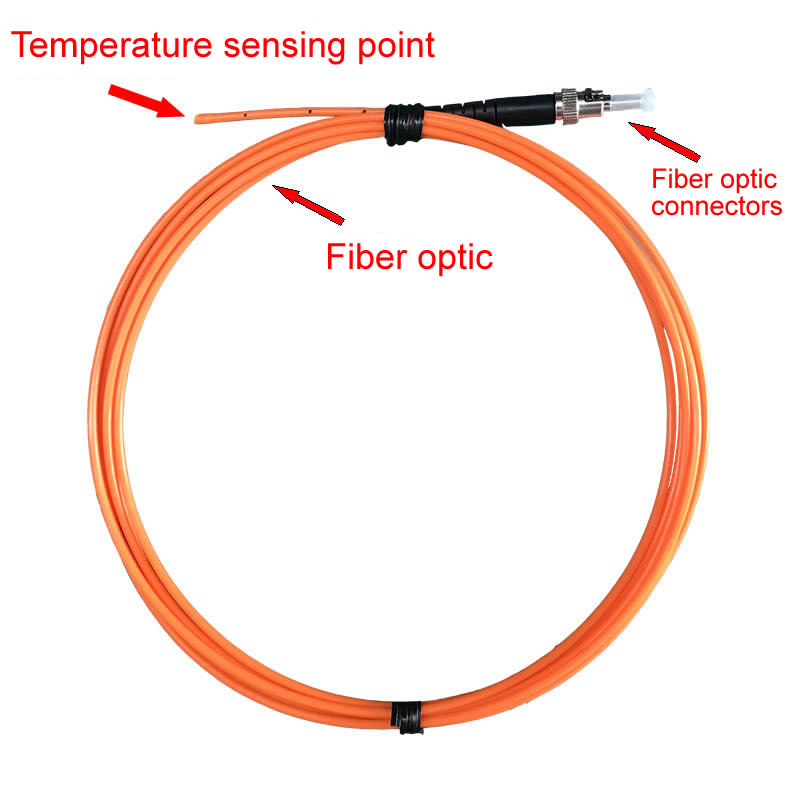
For accurate thermal context alongside DGA, kutumia fluorescent fiber-optic temperature sensing at winding hot-spots and core regions. These dielectric probes are immune to EMI, safe in high-voltage fields, and deliver fast response—superior to metallic probes near energized parts. Correlating DGA trends with fiber-optic temperature improves root-cause attribution for thermal faults and supports ulinzi wa mafuta ya transfoma mantiki.
4.2 Protection and Alarming Ecosystem
DGA becomes far more actionable when combined with kifaa cha ulinzi wa transformer suites: relay za kinga (mkondo wa kupita kiasi, earth fault), kifaa cha kengele cha transformer mantiki, and mechanical safeties (relay ya gesi, msamaha wa shinikizo). A harmonized alarm philosophy reduces nuisance alerts and highlights truly urgent conditions.
5. Which Transformer Faults Does DGA Reveal?
While DGA is not the only diagnostic, it is uniquely sensitive to internal chemical/electrical activity. Typical associations include:
- Kutokwa kwa sehemu (PD): Elevated H₂, traces of CH₄. Pair with a kifuatilia cha kutokwa kwa sehemu ya transformer to confirm electrical activity and location.
- Thermal faults (overheating/thermal overload): Increases in C₂H₄ and C₂H₆; correlates with load, cooling performance, and hot-spot temperature.
- Arcing: Significant rise in C₂H₂ (asetilini), often with H₂. May coincide with Buchholz relay or sudden pressure events.
- Cellulose degradation: Growth in CO and CO₂ indicates paper aging; review insulation life and cooling strategy.
- Tap changer issues: OLTC contact wear/transition problems can generate localized heating and arcing signatures in DGA.
6. How DGA Works — Gases, Chemistry, and Standards
Under electrical and thermal stress, hydrocarbon oil and cellulose decompose, releasing gases that dissolve in oil. The pattern and ratios of gases provide a “chemical fingerprint” of the fault type and energy level. Key interpretation frameworks include:
- Njia muhimu ya Gesi: Maps specific gases to fault categories (k.m., C₂H₂ → arcing).
- Rogers Ratio Method: Uses ratios such as CH₄/H₂, C₂H₂/C₂H₄ to classify fault types.
- Pembetatu ya Duval: Plots C₂H₂, C₂H₄, CH₄ percentages to pinpoint fault zones per IEC 60599/IEEE C57.104.
Measurement technologies span laboratory gas chromatography (offline) and online multi-gas analyzers (photoacoustic, membrane-based GC, or infrared). Online devices trend data continuously and integrate with ushirikiano wa SCADA wa transformer for alarms and reports.
7. How to Perform DGA — Step-by-Step Procedure
7.1 Sampling
- Use a clean syringe or glass sampling kit from a dedicated oil port; avoid air ingress.
- Label with transformer ID, bomba nafasi, mzigo, ambient and oil temperatures (preferably from fiber-optic hot-spot readings), and date/time.
7.2 Gas Extraction
- Apply vacuum extraction or headspace techniques to separate gases from oil with minimal loss.
7.3 Uchambuzi
- For offline: gas chromatography with calibrated standards.
- For online: multi-gas analyzer streams data at defined intervals.
7.4 Trending and Thresholds
- Record ppm values, compute ratios, and compare with historical baselines and IEC/IEEE thresholds.
7.5 Reporting and Alarms
- Generate a structured ripoti ya ukaguzi wa transfoma with interpretation notes and recommended actions.
8. Which Monitoring Devices Complement DGA?
DGA is powerful alone—and even stronger when fused with additional sensing. Common pairings include:
- Fluorescent fiber-optic heat sensors for true hot-spot temperature context.
- Uchambuzi wa mtetemo wa kibadilishaji to detect mechanical looseness or resonance.
- Transformer current sensor / current transducer na sensor ya ufuatiliaji wa sasa wa transformer for load, usawa, na harmonics ya sasa ya transformer.
- Ufuatiliaji wa kamera ya IR ya transfoma / picha ya mafuta ya transfoma for external hot-spot scans.
- Transformer oil moisture monitor na uchambuzi wa unyevu wa mafuta mtandaoni to track water content affecting dielectric strength.
- Kinasa hitilafu cha kibadilishaji to align DGA events with electrical disturbances.
Request Product Information and Pricing
Need an end-to-end uchambuzi wa DGA ya transfoma solution—online multi-gas analyzer, fluorescent fiber-optic temperature probes, and SCADA/IoT integration? Contact our engineering team to receive current datasheets, architecture guides, and a tailored quotation for your substation or industrial site.
9. Transformer SCADA Integration and Analytics
Modern DGA analyzers connect directly to digital infrastructure through Modbus TCP/IP, RS485 Modbus RTU, IEC 61850, au MQTT itifaki. Integration with a transformer SCADA system enables continuous monitoring, usimamizi wa kengele, and remote visualization. The data can be displayed on a dashibodi ya uchanganuzi wa kibadilishaji alongside temperature, mtetemo, ya sasa, and voltage measurements, creating a single-pane overview of transformer performance and health.
Many utilities now deploy centralized ufuatiliaji wa transfoma smart platforms that aggregate DGA and sensor data from hundreds of sites. These platforms apply AI models to predict failure probability, correlate DGA trends with ufuatiliaji wa mzigo wa transformer na harmonic filter data, and automatically schedule maintenance tasks.
10. How to Interpret Results and Decide Actions
After obtaining DGA results, engineers compare gas concentrations with baseline levels. If combustible gases rise sharply or ratios cross thresholds, corresponding actions are triggered:
- Low risk: Continue monitoring and retest at scheduled intervals.
- Medium risk: Increase sampling frequency, cross-check with fiber-optic temperature na ufuatiliaji wa kutokwa kwa sehemu.
- High risk: De-energize for inspection, kutumia uchambuzi wa vibration ya transfoma na ufuatiliaji wa kamera ya IR ya transformer to locate potential arcing or overheating areas.
Interpreting DGA data also depends on operational context—load profile, hali ya mazingira, cooling efficiency, and transformer age. Combining DGA with matengenezo ya utabiri wa transfoma software ensures proactive asset management rather than reactive repairs.
11. Related Tests and Performance Checks
To confirm DGA findings or evaluate overall health, power companies perform supporting tests including:
- Mtihani wa dielectric ya mafuta ya transfoma – verifies insulating strength of oil.
- Mtihani wa upinzani wa insulation ya transfoma / mtihani wa transfoma megger – assesses winding and core insulation condition.
- Transformer winding tester / resistance measurement – detects connection and turn faults.
- Mtihani wa uwiano wa zamu ya kibadilishaji / short circuit test – validates winding ratios and mechanical integrity.
- Transformer hakuna mtihani wa kupoteza mzigo / efficiency test – evaluates core performance and losses.
- Transformer earthing system / earth resistance measurement – ensures safety grounding compliance.
Results from these tests, when correlated with uchambuzi wa DGA ya transfoma, form a complete diagnostic matrix for condition-based maintenance.
12. Global Case Studies — DGA Practices Around the World
Marekani
Several U.S. utilities integrate online DGA analyzers with transformer IoT systems at major 230 vituo vya kV. By combining DGA, fluorescent fiber-optic temperature sensors, na partial discharge monitors, they achieved a 35 % kupunguzwa kwa mikondo isiyopangwa. The U.S. Department of Energy promotes DGA-based predictive maintenance as part of digital substation modernization programs.
Ujerumani
Nchini Ujerumani, grid operators deploy DGA analyzers connected via IEC 61850 to SCADA networks. Kuunganishwa na mifumo ya uchunguzi wa neva ya transfoma allows automated fault classification using AI models trained on decades of laboratory data. DGA patterns are analyzed alongside kuvuruga kwa harmonic na current imbalance measurements for comprehensive asset health scoring.
Japani
Japanese utilities emphasize compact, vituo vidogo vya kiotomatiki. Mtandaoni vifaa vya transfoma vya DGA is combined with uchambuzi wa vibration ya transfoma na ufuatiliaji wa kamera ya IR ya transformer to detect local overheating caused by tap changer operations. DGA trends are correlated with maintenance history to optimize matengenezo ya kuzuia transformer intervals.
Uingereza
In the UK, distribution network operators integrate transformer gas analysis data with SCADA software dashboards and transformer fault recorders. Machine-learning models automatically flag potential arcing or cellulose degradation and trigger alerts to mobile maintenance teams. Combined systems link DGA, vifaa vya kupunguza shinikizo, na expansion bellows sensors into one predictive maintenance framework.
Malaysia & ASEAN
Across Malaysia and neighboring ASEAN countries, utilities adopt DGA systems integrated with ufuatiliaji wa afya ya transfoma mitandao. They use fluorescent fiber-optic probes for transformer temperature measurement, connected via SCADA communication channels to regional control centers. Pamoja na wachunguzi wa unyevu wa mafuta ya transfoma na buchholz relay transformers, this system provides reliable early warning against insulation deterioration in tropical conditions.
13. FAQ — Transformer DGA Analysis
Q1. What gases does DGA detect?
Haidrojeni, methane, ethane, ethilini, asetilini, monoksidi kaboni, na kaboni dioksidi. Each indicates a specific failure type or energy level.
Q2. How often should DGA be performed?
Transfoma muhimu: continuous or monthly online DGA. Medium-voltage or backup units: every 6–12 months. Always after overload or abnormal operation.
Q3. Is online DGA better than laboratory testing?
Online DGA enables real-time trending and alarm integration, while laboratory tests provide high-precision calibration data. Most utilities use both for balanced accuracy and cost.
Q4. Can DGA predict all transformer faults?
No single method covers all possibilities. DGA focuses on chemical evidence, so it should be paired with ufuatiliaji wa kutokwa kwa sehemu ya transformer, uchambuzi wa vibration, na kuhisi joto la nyuzi-optic.
Q5. Why use fluorescent fiber-optic sensors instead of metal RTDs?
They are dielectric, kinga dhidi ya kuingiliwa kwa sumakuumeme, accurate under high voltage, and safe to place near windings. They enhance the diagnostic power of uchambuzi wa DGA ya transfoma by providing precise temperature correlation.
14. Kuhusu Uwezo Wetu wa Utengenezaji
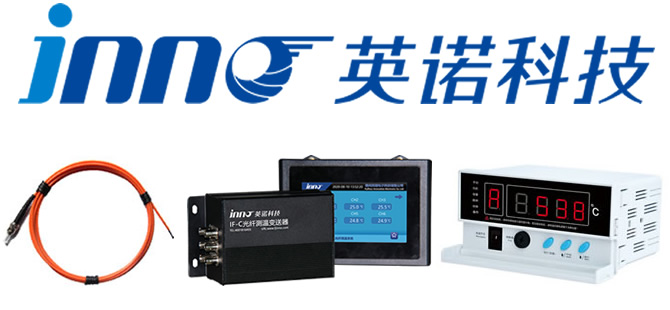
We are a certified mtengenezaji ya vifaa vya transfoma vya DGA, oil moisture monitors, sensorer za joto la fiber-optic, partial discharge monitors, na mifumo ya ufuatiliaji wa dijiti ya transfoma. Our products comply with IEC 60599, IEEE C57.104, na CE / ISO standards.
As a global vifaa vya ufuatiliaji wa transfoma msambazaji, tunatoa Ubinafsishaji wa OEM/ODM and engineering support for utilities and industrial users. Our systems integrate with SCADA, Sensorer za transfoma za IoT, na majukwaa ya matengenezo ya utabiri duniani kote, ensuring complete visibility of transformer health, usalama, na utendaji.
Contact our technical team to request datasheets, michoro ya mfumo, and quotations tailored to your power network. We deliver fully certified ufumbuzi wa ufuatiliaji wa transfoma smart ready for integration into modern substations and industrial automation systems.

Sensor ya joto ya fiber optic, Mfumo wa ufuatiliaji wa akili, Kusambazwa fiber optic mtengenezaji nchini China
 |
 |
 |