 Vihisi joto vya INNO fiber optic ,mifumo ya ufuatiliaji wa joto.
Key Takeaways — DGA Monitor for Transformer
- DGA (Uchambuzi wa Gesi Iliyoyeyushwa) is the most widely accepted early-warning diagnostic method for detecting internal faults in oil-filled power transformers, compliant with IEC 60599 and IEEE C57.104 standards.
- An online DGA monitoring system operates 24/7 with automated detection cycles as short as 2 masaa, eliminating the blind spots and contamination risks associated with manual oil sampling and laboratory analysis.
- The DGA monitor uses gas chromatography technology to detect 7 key fault gases — H₂, CH₄, C₂H₆, C₂H₄, C₂H₂, CO, and CO₂ — each corresponding to specific fault types such as partial discharge, thermal degradation, and arcing.
- Built-in DGA alarm and fault diagnosis functions, including the Three-Ratio Method and Duval Triangle, automatically classify fault types and trigger multi-level alerts to prevent catastrophic transformer failures.
- The system supports MODBUS RTU/TCP, IEC 61850, and DNP3.0 itifaki, enabling seamless integration with SCADA platforms and centralized multi-transformer monitoring architectures.
- Applicable across utility substations, mitambo ya nguvu, vifaa vya viwanda, renewable energy sites, vituo vya data, and railway traction systems — wherever oil-filled transformers require continuous condition monitoring.
- FJINNO, imara katika 2011, is a professional DGA monitor manufacturer offering factory-direct wholesale pricing, kunyumbulika OEM/ODM and Private Label ubinafsishaji, ISO-certified production, and proven global export experience.
- Kuchagua haki DGA monitor configuration — from standard 7-gas RS485 setups to fully customized IEC61850 solutions with moisture detection — depends on transformer voltage class, ukosoaji, na mahitaji ya ujumuishaji.
Jedwali la Yaliyomo
- Mfuatiliaji wa DGA ni nini?
- What Does DGA Stand for in Transformers?
- What Is the Role of DGA in Transformers?
- BDV Test vs DGA Test — What Is the Difference?
- Why Do Power Transformers Need Online DGA Monitoring?
- How Does a DGA Monitor Work?
- What Gases Can a DGA Monitor Detect?
- DGA Monitor Technical Specifications
- DGA Monitoring System Components
- Communication Protocols the Online DGA System Supports
- Built-In DGA Alarm and Fault Diagnosis Functions
- Where Is a DGA Monitor Applicable?
- Is a DGA Monitor Difficult to Install?
- How Does a DGA Monitor Work with Other Monitoring Devices?
- How to Choose the Right DGA Monitor Configuration
- Juu 10 DGA Monitor Manufacturers 2025
- Why Choose FJINNO as Your DGA Monitor Supplier?
- Get Your Custom DGA Monitoring Solution Now
- Maswali Yanayoulizwa Mara Kwa Mara
- Kanusho
1. Ni Nini A DGA Monitor? — DGA Monitor for Transformer Explained

A DGA monitor is a field-deployed instrument that continuously analyzes dissolved gases inside transformer insulating oil. Installed directly on or beside a power transformer, ya DGA monitor for transformer applications automatically extracts oil samples, separates dissolved gases, and measures each gas concentration — all without manual intervention.
Unlike periodic laboratory analysis, a DGA monitor operates 24/7, delivering real-time chemical data on insulation degradation, kutokwa kwa umeme, and thermal faults. When gas concentrations exceed preset thresholds, the system triggers a DGA alarm, alerting maintenance teams before minor issues escalate into catastrophic failures. Modern units typically detect seven key fault gases using gas chromatography technology and have become essential equipment for utilities, mitambo ya nguvu, and industrial facilities managing critical transformer assets.
2. What Does DGA Stand for in Transformers?

In power engineering, DGA stands for Uchambuzi wa Gesi Iliyoyeyushwa. It refers to both the diagnostic methodology and the equipment used to detect, identify, and quantify gases dissolved in transformer insulating oil as a result of internal electrical or thermal stress.
When insulation materials — oil and cellulose paper — break down under abnormal conditions such as overheating, kutokwa kwa sehemu, or arcing, they produce characteristic gases. These gases dissolve into the oil at concentrations measurable in parts per million (μL/L). By analyzing which gases are present and at what levels, engineers can determine the type and severity of faults developing inside the transformer, often months before physical damage becomes irreversible.
3. What Is the Role of Dissolved Gas Analysis (DGA) in Transformers?

Uchambuzi wa gesi iliyofutwa serves as the most widely accepted early-warning diagnostic method for oil-filled transformers. Its role spans four key areas:
Utambuzi wa Makosa ya Mapema
DGA identifies developing faults at an incipient stage — long before thermal imaging, electrical tests, or vibration analysis can detect abnormalities — giving operators the time needed to plan corrective actions.
Fault Type Identification
Different fault types produce distinct gas signatures. The DGA monitoring system uses internationally recognized interpretation methods like the Three-Ratio Method (IEC 60599) and Duval Triangle to classify whether the fault is thermal, umeme, or a combination of both.
Matengenezo yanayotegemea Masharti
Instead of following fixed maintenance schedules, operators use DGA trending data to make informed decisions — repairing only when actual condition data justifies intervention, thereby optimizing budgets and reducing unnecessary outages.
Lifecycle Extension
Continuous monitoring and timely response to developing issues prevent secondary damage, helping critical transformer assets remain in service beyond their original design life.
4. BDV Test vs DGA Test — What Is the Difference?

Both BDV testing and DGA testing evaluate transformer oil condition, but they measure fundamentally different properties:
A BDV (Breakdown Voltage) mtihani measures the dielectric strength of transformer oil — essentially how much voltage the oil can withstand before electrical breakdown occurs. It is a direct indicator of oil insulation quality, primarily affected by moisture content and particulate contamination.
A DGA test measures dissolved gas concentrations in the oil, providing diagnostic information about internal fault conditions within the transformer itself. While BDV tells you about oil quality, DGA tells you about transformer health.
The two tests are complementary. A transformer may pass a BDV test while DGA reveals developing internal faults. For comprehensive asset management, majaribio yote mawili yanapaswa kuwa sehemu ya programu yako ya matengenezo. A portable vipimo vya DGA au mafuta ya transfoma DGA mtihani kit hutoa ukaguzi wa mara kwa mara, huku a online DGA monitoring system hutoa ufuatiliaji endelevu wa mali muhimu.
5. Why Do Power Transformers Need Online DGA Monitoring?

5.1 Hatari Zilizofichwa za Makosa ya Kibadilishaji cha Ndani
Transfoma za nguvu ni vitengo vilivyofungwa. Makosa ya ndani - kutokwa kwa sehemu, maeneo ya moto, uharibifu wa insulation - kuendeleza bila kuonekana. Kwa wakati dalili za nje zinaonekana, uharibifu unaweza kuwa tayari kuwa mkubwa na gharama za ukarabati ni kubwa sana.
5.2 Vizuizi vya Jaribio la DGA Nje ya Mtandao
Sampuli ya jadi ya mafuta ya nje ya mtandao na uchambuzi wa maabara inaweza kuchukua siku au wiki. Muda huu huunda sehemu zisizoonekana ambapo hitilafu zinazoendelea kwa kasi zinaweza kutotambuliwa. Sampuli za mikono pia huleta hatari za uchafuzi wa hewa na makosa ya kibinadamu.
5.3 Manufaa ya Msingi ya Mfumo wa Ufuatiliaji wa DGA Mtandaoni
An online DGA monitoring system eliminates these limitations by providing continuous automated surveillance with detection cycles as short as 2 masaa. Key benefits include real-time fault tracking, reduced unplanned outages, optimized maintenance scheduling, and compliance with increasingly stringent grid reliability standards. For critical assets in substations, mitambo ya nguvu, na vifaa vya viwanda, online DGA monitoring of power transformers has evolved from an optional upgrade to an essential investment.
6. How Does a DGA Monitor Work?
The DGA monitor executes a fully automated measurement cycle in three main stages:
6.1 Automatic Oil Sampling and Circulation
The system circulates transformer oil through the monitor, ensuring the sample represents current bulk oil conditions rather than stagnant pocket concentrations.
6.2 Oil-Gas Separation and Chromatographic Detection
Oil enters a degassing chamber where advanced vacuum extraction technology releases dissolved gases. The extracted gas mixture then flows into a gas chromatography analyzer, where a carrier gas (high-purity nitrogen ≥99.999%) propels it through a separation column. Different gas molecules travel at different rates, achieving precise temporal separation. High-sensitivity detectors convert each gas component into proportional electrical signals.
6.3 Data Upload, DGA Alarm, na Utambuzi wa Makosa
Electrical signals undergo analog-to-digital conversion and calibration algorithms that calculate individual gas concentrations. Results transmit via RS485, Ethaneti, or IEC61850 to the backend platform for storage, inayovuma, DGA alarm evaluation, and automated fault diagnosis.
7. What Gases Can a DGA Monitor Detect?
The DGA monitor for transformer applications detects seven core fault gases specified in IEC 60599 and IEEE C57.104:
| Gesi | Masafa (μL/L) | Fault Indication |
|---|---|---|
| Haidrojeni (H₂) | 2–2000 | Kutokwa kwa sehemu, taji, localized overheating |
| Methane (CH₄) | 0.5–1000 | Low-temperature thermal fault (<150°C) |
| Ethane (C₂H₆) | 0.5–1000 | Medium-temperature thermal fault (150-300°C) |
| Ethilini (C₂H₄) | 0.5–1000 | High-temperature thermal fault (300–700°C) |
| Asetilini (C₂H₂) | 0.5–1000 | Arcing, very high temperature (>700°C) |
| Monoxide ya kaboni (CO) | 25–5000 | Cellulose insulation degradation |
| Dioksidi kaboni (CO₂) | 25–15000 | Thermal decomposition of paper insulation |
Hiari: Maudhui ya unyevu (H₂O) 1–100 μL/L for comprehensive insulation condition assessment.
8. DGA Monitor Technical Specifications
The following specifications are based on the FJINNO DGA Online Monitoring System product page:
| Kigezo | Vipimo |
|---|---|
| Detection Gases | H₂, CH₄, C₂H₆, C₂H₄, C₂H₂, CO, CO₂ (7 gesi) |
| Njia ya Utambuzi | Chromatografia ya gesi (GC) |
| Measurement Error | ±30% (compliant with IEC 60567 / DL/T 722) |
| Repeatability | RSD ≤5% over 6 consecutive tests |
| Min Detection Cycle | ≤2 hours (user-configurable) |
| Degassing Method | Dynamic vacuum extraction |
| Mawasiliano | RS485, Ethernet RJ45, Fiber Optic (hiari) |
| Protocols | MODBUS RTU/TCP, IEC 61850, DNP3.0 |
| Ugavi wa Nguvu | AC220V ±15%, 50Hz / DC 110V/220V |
| Halijoto ya Mazingira | -40°C to +65°C |
| Ukadiriaji wa Ulinzi | IP55 |
| Hifadhi ya Data | ≥10 years |
| Carrier Gas | High-purity N₂ ≥99.999% (generator optional) |
| Vipimo | 650 × 500 × 1300 mm |
| Uzito | 110 kilo |
9. DGA Monitoring System Components
9.1 Front-End DGA Monitor
Msingi transformer oil dissolved gas online monitoring device mounts on the transformer and includes an oil-gas separation unit, gas chromatography analysis module, high-sensitivity detectors, and onboard microprocessor control electronics.
9.2 Backend Software and Data Management Platform
The centralized software provides real-time dashboards, automated fault diagnosis (Three-Ratio, Pembetatu ya Duval), mwenendo wa kihistoria, customizable reports, and multi-level alarm management with email, SMS, and SCADA notification.
9.3 Communication and SCADA Integration
Connection infrastructure includes armored RS-485 cables (4-core shielded twisted pair), optional multimode fiber optic Ethernet for IEC61850, specialized copper oil tubing (Φ6×1mm), and inlet/outlet flange valves for transformer interface.
10. Communication Protocols the Online DGA System Supports
The online DGA monitoring system accommodates diverse substation communication architectures through multiple interfaces: RS485 serial bus (up to 1200m), Ethernet RJ45 (TCP/IP), fiber optic (kinga ya sumakuumeme), and optional 4G/5G wireless connectivity. Supported protocols include MODBUS RTU/TCP, IEC 61850, DNP3.0, and custom protocols adaptable to proprietary platforms. The system supports N:1 architecture where multiple DGA monitors connect to a single intelligent controller for centralized management.
11. Built-In DGA Alarm and Fault Diagnosis Functions
11.1 Three-Ratio Method Auto Diagnosis
The software automatically calculates C₂H₂/C₂H₄, CH₄/H₂, and C₂H₄/C₂H₆ ratios and identifies fault types according to IEC 60599 — including normal aging, kutokwa kwa sehemu, low/medium/high thermal faults, and arc discharge.
11.2 Duval Triangle Graphical Display
An interactive Duval Triangle plots gas relationships to visually identify fault zones: kutokwa kwa sehemu (PD), makosa ya joto (T1, T2, T3), and electrical discharges (D1, D2).
11.3 Multi-Level DGA Alarm Threshold Settings
The system supports customizable three-tier alarms for each gas: Caution Level (increased monitoring), Warning Level (alarm notifications and diagnostic review), na Danger Level (emergency procedures and shutdown recommendations).
12. Where Is a DGA Monitor Applicable?
The DGA monitor for transformer applications serves a broad range of sectors:
12.1 Utility Substations
Main power transformers at transmission and distribution substations (110kV–500kV+) where grid reliability standards demand continuous monitoring.
12.2 Power Plant Step-Up Transformers
Generator step-up transformers at thermal, haidrojeni, nyuklia, and renewable energy plants where unplanned outages directly impact grid stability and revenue.
12.3 Industrial Facilities and Data Centers
Critical process transformers in manufacturing, petrochemical, mining, and data center operations where downtime carries substantial economic consequences.
12.4 Wind Farms, Solar Plants, and Remote Sites
Collector and interconnection transformers in renewable energy installations, majukwaa ya pwani, and mountain substations where manual sampling presents logistical and safety challenges.
12.5 Railway Traction Power Systems
Traction power transformers supplying rail networks where service continuity directly affects passenger safety and transportation schedules.
13. Is a DGA Monitor Difficult to Install?
Not at all. The DGA monitor features a compact modular design (650×500mm footprint) with all functional components housed in a single weatherproof IP55 cabinet. Pre-engineered oil sampling interfaces connect to standard transformer valve ports via copper tubing with flanged couplings. Standard communication cables with industrial connectors enable rapid SCADA integration. Factory pre-calibration and automated startup sequences allow experienced technicians to complete installation within a single work shift. For legacy transformers without pre-installed DGA ports, solutions utilizing existing drain or sampling valves are available.
14. How Does a DGA Monitor Work with Other Transformer Monitoring Devices?
Uchambuzi wa gesi iliyofutwa represents one component of comprehensive transformer health monitoring. For maximum diagnostic confidence, integrate the DGA monitor with complementary technologies: sensorer za joto za vilima vya fiber optic for direct hot-spot measurement, partial discharge monitors (UHF/acoustic) for insulation defect detection, core grounding current monitors, bushing capacitance and tan delta monitors, on-load tap changer monitors, na oil temperature/level/pressure three-in-one monitors. These devices integrate through a unified data platform enabling fault cross-validation and coordinated alarming, substantially improving diagnostic accuracy compared to single-parameter monitoring.
15. How to Choose the Right DGA Monitor Configuration
Configuration selection depends on transformer capacity, darasa la voltage, mazingira ya ufungaji, na malengo ya ufuatiliaji. FJINNO offers three solution tiers:
Standard Configuration
7-gas monitoring with RS485/MODBUS communication — suitable for general substation applications with moderate monitoring requirements.
Extended Configuration
Adds moisture monitoring and IEC61850 protocol — ideal for comprehensive insulation assessment at critical substations requiring utility-standard integration.
Fully Customized Solution
Engineered from single-unit installations to centralized multi-transformer online DGA monitoring systems with integration of complementary ufuatiliaji wa transfoma teknolojia. Contact our engineering team for optimized technical solutions tailored to your specific requirements.
16. Juu 10 DGA Monitor Manufacturers 2025 — Global Supplier Guide
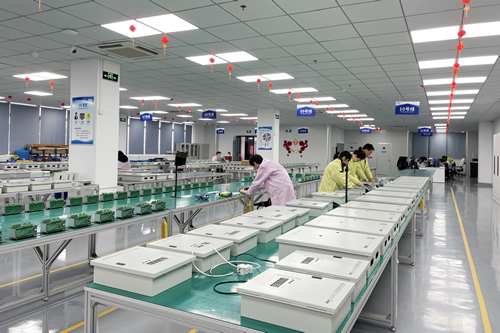
Kuchagua haki DGA monitor supplier affects product quality, after-sales support, na jumla ya gharama ya umiliki. Below are 10 recognized manufacturers in the global market:
#1 FJINNO — Fuzhou Innovation Electronic Scie&Tech Co., Ltd. (China)
Imeanzishwa ndani 2011, FJINNO is a professional DGA monitor manufacturer maalumu kwa transformer oil chromatography online monitoring systems. The company provides factory-direct wholesale pricing, kamili OEM/ODM na Lebo ya Kibinafsi huduma za ubinafsishaji, and has established global export networks serving utilities, vifaa vya viwanda, na viunganishi vya mfumo duniani kote. With independent R&D, ISO-certified manufacturing, and end-to-end service from design through delivery, FJINNO is a cost-effective choice for both standard and customized DGA solutions.
- Barua pepe: web@fjinno.net
- WhatsApp / WeChat / Simu: +86 13599070393
- QQ: 3408968340
- Anwani: Liandong U Grain Networking Industrial Park, No.12 Barabara ya Xingye Magharibi, Fuzhou, Fujian, China
- Tovuti: www.fjinno.net
#2 Vaisala (Ufini)
Global leader in environmental and industrial measurement, offering the Vaisala OPT100 multi-gas DGA monitor widely adopted in European and North American utilities.
#3 MR (Kiwanda cha mashine cha Reinhausen) (Ujerumani)
Renowned for on-load tap changers and transformer monitoring, MR provides integrated DGA solutions within its MSENSE product family.
#4 Qualitrol (Marekani)
A GE group company specializing in transformer condition monitoring instruments, including DGA monitors for utility and industrial applications.
#5 Serveron (Marekani)
Pioneers in online DGA technology, offering the TM series multi-gas monitors with extensive global installation base.
#6 Kelman (GE) (Uingereza)
Known for the TRANSPORT X portable DGA solution and MINITRANS online monitor, widely deployed across European utilities.
#7 Weidman (Uswisi)
Specialists in transformer insulation with integrated DGA monitoring capabilities as part of comprehensive transformer diagnostic solutions.
#8 Ukadiriaji wa Nguvu (Australia)
Provides transformer monitoring systems including DGA functionality, with strong presence in Asia-Pacific markets.
#9 Gatron / LumaSense (Ujerumani)
Offers optical DGA monitoring solutions based on photoacoustic spectroscopy technology for multi-gas detection.
#10 Uhandisi wa Doble (Marekani)
Established provider of transformer diagnostic equipment and services, including portable and online DGA solutions for utilities worldwide.
17. Why Choose FJINNO as Your DGA Monitor Supplier?
FJINNO combines over a decade of manufacturing experience with competitive factory-direct pricing. As an established manufacturer and exporter, we offer in-house R&D ensuring continuous product improvement, quality-controlled production under ISO certification, kunyumbulika OEM/ODM and Private Label services tailored to distributor and integrator requirements, multiple configuration options from standard to fully customized solutions, comprehensive technical support from design through commissioning, and proven global export experience with complete international documentation. Whether you need a single unit or a fleet-wide deployment across dozens of transformers, FJINNO delivers reliable Ufuatiliaji wa DGA solutions on time and within budget.
18. Get Your Custom DGA Monitoring Solution Now
Contact FJINNO to receive complimentary technical consultation and solution design, factory-direct DGA monitor price nukuu, product specifications and operation manuals, OEM/ODM customization service details, and exclusive bulk order incentives.
Simu / WhatsApp / WeChat: +86 13599070393
Barua pepe: web@fjinno.net
QQ: 3408968340
Factory Address: Liandong U Grain Networking Industrial Park, No.12 Barabara ya Xingye Magharibi, Fuzhou, Fujian, China
19. Maswali Yanayoulizwa Mara Kwa Mara
Q1: What does DGA stand for in transformer oil analysis?
DGA stands for Dissolved Gas Analysis — a diagnostic technique that detects and measures fault gases dissolved in transformer insulating oil to assess transformer health and identify developing internal faults according to IEC 60599 and IEEE C57.104 standards.
Q2: What is included in a transformer oil DGA test kit?
A portable DGA test kit typically includes a handheld gas detector, oil sampling syringes, and basic analysis software for field use. An online DGA monitoring system, kwa tofauti, provides continuous automated 24/7 surveillance with full gas chromatography analysis, backend software, na ushirikiano wa SCADA.
Q3: How much does a DGA monitor cost?
DGA monitor price varies based on configuration (7-gas vs. simplified), communication requirements (RS485 vs. IEC61850), and customization scope. FJINNO offers competitive factory-direct pricing with volume discounts. Wasiliana nasi kwa web@fjinno.net for a customized quotation.
Q4: Online DGA monitor vs portable DGA tester — which do I need?
Online DGA monitors provide continuous automated monitoring ideal for critical, high-value, or difficult-to-access transformers. Inabebeka DGA testers suit periodic spot-checks and field surveys. For mission-critical assets, online monitoring is strongly recommended.
Q5: Can the DGA monitor detect moisture in transformer oil?
Ndiyo. FJINNO DGA monitors offer optional moisture (H₂O) detection with a range of 1–100 μL/L and accuracy of ±1 μL/L or ±15%, providing comprehensive insulation condition assessment.
Q6: How often does the DGA monitor run an analysis cycle?
The minimum detection cycle is 2 masaa. Users can configure any longer interval (4, 8, 24 masaa) based on transformer condition. Newly commissioned or fault-suspected transformers benefit from shorter cycles.
Q7: Can one backend system manage multiple DGA monitors?
Ndiyo. FJINNO supports N:1 communication architecture where one centralized backend platform manages multiple Ufuatiliaji wa DGA vitengo, reducing overall system costs for substations with multiple transformers.
Q8: Does FJINNO provide OEM/ODM and Private Label services?
Ndiyo. We manufacture under OEM agreements with customizable product appearance, functional parameters, software interfaces, na ufungaji. Complete Private Label solutions are available for distributors and system integrators.
Q9: What certifications are available for international export?
FJINNO provides CE, ISO9001, and other international certifications along with complete export documentation (packing lists, commercial invoices, certificates of origin). Assistance with country-specific certifications (KEMA, UL, nk.) is also available.
Q10: How do I get a quotation for bulk orders?
Contact FJINNO directly via email at web@fjinno.net or WhatsApp at +86 13599070393. Provide your transformer specifications, quantity requirements, and desired configuration for a customized bulk quotation with volume discounts and priority production scheduling.
20. Kanusho
Vigezo vya kiufundi, performance data, and product information presented on this page represent typical values based on laboratory testing and field installations under standard operating conditions. Actual performance may vary depending on transformer type, hali ya mafuta, mazingira ya ufungaji, and operating parameters. FJINNO reserves the right to modify product specifications without prior notice as part of continuous improvement efforts. This content is provided for general reference purposes. For application-specific technical guidance, please contact our engineering team directly. Compliance with local electrical codes, kanuni za usalama, and utility standards remains the responsibility of the end user. Product warranties and support terms are defined in formal purchase agreements and service contracts. Manufacturer rankings in Section 16 are provided for informational purposes based on publicly available market data and do not constitute endorsement or comparative testing results.

Sensor ya joto ya fiber optic, Mfumo wa ufuatiliaji wa akili, Kusambazwa fiber optic mtengenezaji nchini China
 |
 |
 |