 Vihisi joto vya INNO fiber optic ,mifumo ya ufuatiliaji wa joto.
- A hotspot monitor is a specialized instrument designed to continuously track temperature at critical points in electrical equipment, preventing overheating-related failures
- Common hotspots in electrical systems include switchgear contact points, vilima vya transformer, na generator stator coils where temperatures can exceed normal operational levels
- Monitoring technologies are categorized into contact-based methods (fluorescence fiber optic, PT100, thermocouples) and non-contact approaches (picha ya joto ya infrared, sensorer zisizo na waya)
- Critical temperature thresholds: switchgear contacts above 95°C and transformer windings exceeding 118°C accelerate insulation degradation and equipment failure
- kamili hotspot monitoring system comprises four core components: sensorer joto, vitengo vya kupata data, programu ya ufuatiliaji, and alarm devices
- Applications extend beyond power systems to industrial manufacturing, medical facilities, and research laboratories requiring precise temperature measurement
- Key selection criteria include measurement accuracy, muda wa majibu, kinga ya sumakuumeme, and installation flexibility
What Is an Electrical Hotspot
An electrical hotspot refers to a localized area within power distribution equipment where temperature rises significantly above ambient levels due to electrical resistance, dhiki ya mitambo, au uharibifu wa insulation. These elevated temperature zones typically occur at connection points, conductor joints, and high-current pathways where energy dissipation concentrates.
Primary Hotspot Locations in Electrical Systems
Katika switchgear ya kati ya voltage, hotspots commonly develop at circuit breaker contacts, miunganisho ya mabasi, and cable termination points where contact resistance increases over time. Transfoma za nguvu experience hotspots within winding conductors, particularly at tap changer contacts and high-current terminal connections. Generator systems generate hotspots at stator winding end turns, rotor slip rings, and bushing interfaces.
Tabia za Tofauti za Joto
Hali ya kawaida ya uendeshaji hutoa ongezeko la joto la 10-20 ° C juu ya mazingira katika pointi za uunganisho. Anwani zilizoharibika au miunganisho iliyolegea inaweza kuinua halijoto ya mtandao-hewa 30-80°C juu kuliko vifaa vinavyozunguka.. Hali mbaya za kutofaulu huonekana wakati halijoto ya mtandao-hewa inapozidi viwango vya joto vya nyenzo, kawaida 105-130 ° C kwa madarasa ya kawaida ya insulation.
Temperature Monitoring Methods for Hotspots
Ufanisi utambuzi wa hotspot inahitaji teknolojia ya sensor inayofaa inayolingana na viwango vya voltage, vikwazo vya ufikivu, na mahitaji ya usahihi. Sensorer zinazotegemea mawasiliano hutoa kipimo cha joto cha moja kwa moja katika sehemu maalum, ilhali mbinu zisizo za mawasiliano huwezesha ufuatiliaji wa eneo pana bila muunganisho wa kimwili kwa vipengele vilivyowezeshwa.
Teknolojia za Ufuatiliaji Zinazotegemea Mawasiliano
Sensorer za macho za nyuzi za fluorescence tumia uozo wa fluorescence unaotegemea halijoto katika vidokezo maalum vya uchunguzi, offering complete electrical isolation and immunity to electromagnetic interference. Resistance temperature detectors (RTDs) employ platinum PT100 elements providing stable, accurate measurements in low-voltage applications. Sensorer za thermocouple generate millivolt signals proportional to temperature, suitable for harsh industrial environments with proper signal conditioning.
Non-Contact Monitoring Approaches
Infrared thermal imaging systems detect radiated heat from equipment surfaces, enabling rapid scanning of multiple components during periodic inspections. Sensorer za joto zisizo na waya combine battery-powered transmitters with surface-mounted thermistors, providing retrofit monitoring without extensive wiring modifications.
Root Causes of Electrical Equipment Hotspots
Understanding hotspot formation mechanisms enables proactive maintenance strategies that address underlying problems before catastrophic failures occur.
Mechanical and Electrical Factors
Contact resistance increases result from oxidation, kutu, or mechanical loosening of bolted connections due to thermal cycling and vibration. Inadequate contact pressure at switchgear terminals creates micro-arcing that progressively degrades conductive surfaces. Overloading conductors beyond rated capacity generates excessive I²R heating throughout current-carrying paths.
Environmental Contributors
Moisture ingress promotes corrosion at connection interfaces, elevating contact resistance. Dust and contamination accumulation on insulators creates tracking paths that generate localized heating. Ambient temperature variations cause differential thermal expansion, loosening mechanical connections over operational cycles.
Equipment Failures Caused by Hotspots
Uncontrolled hotspot development progresses through predictable failure stages, from performance degradation to complete equipment destruction.
Insulation System Degradation
Sustained elevated temperatures accelerate chemical breakdown of organic insulation materials. Each 10°C temperature rise above rated limits roughly doubles insulation aging rate. Embrittlement and cracking of solid insulation creates partial discharge sites that further accelerate deterioration.
Conductor and Connection Failures
Extreme hotspot temperatures cause annealing of copper and aluminum conductors, reducing mechanical strength. Terminal lugs and connection hardware experience creep deformation under sustained thermal stress. Progressive oxidation at overheated contacts creates positive feedback loops where increasing resistance generates additional heating.
Catastrophic Event Progression
Ignition of insulation materials occurs when hotspot temperatures exceed 200-300°C depending on material composition. Molten metal from vaporized conductors can create phase-to-phase or phase-to-ground faults. Arc flash incidents release tremendous energy when accumulated carbonized insulation provides low-impedance fault paths.
Switchgear Hotspot Temperature Monitoring Systems
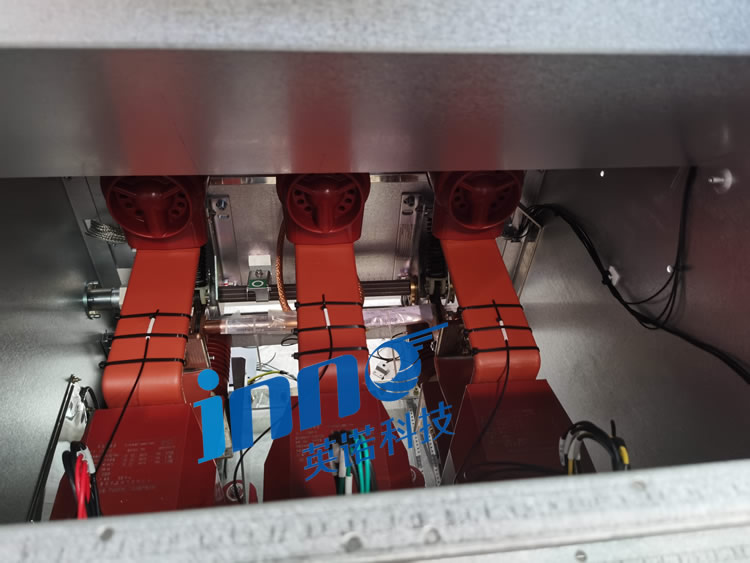
Kisasa switchgear monitoring solutions provide continuous surveillance of critical thermal zones within metal-enclosed equipment, enabling predictive maintenance and preventing service interruptions.
Monitoring Point Configuration
Typical medium voltage switchgear installations require 6-12 temperature measurement points per bay. Incoming feeder compartments monitor upper and lower circuit breaker contacts plus busbar connections. Outgoing feeders track circuit breaker terminals and cable termination points. Bus coupler sections measure busbar junction temperatures at multiple phases.
System Architecture Components
Sensor probes attach directly to monitored connection points using mechanical clamps or adhesive mounting. Multi-channel data acquisition units collect signals from distributed sensors via fiber optic or low-voltage wiring. Local display panels provide real-time temperature readings with programmable alarm thresholds. Network communication modules enable remote monitoring through Ethernet, RS-485, or wireless protocols.
Transformer Hotspot Temperature Monitors

Transformer winding monitors address the unique challenge of measuring internal temperatures within oil-filled enclosures containing high-voltage components.
Winding Hotspot Measurement
Direct winding temperature measurement requires sensors embedded during manufacturing or inserted through dedicated access ports. Fiber optic probes penetrate transformer tank walls through specialized bushings maintaining oil integrity. Multiple measurement points track axial and radial temperature gradients within winding structures.
Top Oil and Ambient Correlation
Conventional transformer monitoring infers winding hotspot temperature from top oil measurements using thermal models. Advanced systems combine direct hotspot sensing with oil temperature and load current data for accurate thermal profiling. Real-time thermal models validate sensor accuracy and detect abnormal cooling system performance.
Generator Hotspot Monitoring Solutions
Generator temperature monitoring focuses on stator winding hotspots, bearing temperatures, and rotor thermal conditions that indicate developing mechanical or electrical problems.
Stator Winding Monitoring
Embedded RTD sensors installed during manufacturing provide direct stator winding temperature measurement at multiple locations. Fiber optic sensors retrofit into existing generators through terminal box access points. End winding regions receive particular attention as hotspot development frequently initiates in these high-stress areas.
Rotor and Bearing Surveillance
Rotating components require specialized non-contact sensing or slip ring signal transmission. Infrared pyrometers measure rotor body temperature through inspection ports during operation. Bearing temperature monitoring employs surface-mounted RTDs or thermocouples with continuous data acquisition.
Hotspot Monitor Technology Comparison

Selecting appropriate temperature sensing technology requires understanding performance characteristics, mahitaji ya ufungaji, and application constraints for each monitoring method.
| Teknolojia | Usahihi | Kiwango cha Muda | Muda wa Majibu | Kinga ya EMI | Maombi Bora |
|---|---|---|---|---|---|
| Fluorescence Fiber Optic | ±1°C | -40 to 260°C | <1 pili | Kamilisha | Switchgear ya juu ya voltage, transfoma |
| Sensorer zisizo na waya | ±2°C | -20 to 125°C | 5-10 sekunde | Nzuri | Medium voltage retrofit applications |
| Sehemu ya PT100 | ±0.5°C | -50 to 200°C | 2-5 sekunde | Wastani | Vifaa vya chini vya voltage, transfoma |
| Thermocouple | ±2°C | -40 to 350°C | <1 pili | Maskini | Industrial processes, jenereta |
| Picha ya Infrared Thermal | ±2°C | -20 to 250°C | Instant | N/A | Periodic inspection surveys |
Fluorescence Fiber Optic Sensor Advantages

Fluorescence fiber optic technology represents the most advanced solution for electrical equipment hotspot monitoring, particularly in high-voltage environments where conventional sensors face insurmountable limitations.
Technical Performance Specifications
Fluorescence sensors achieve ±1°C measurement accuracy across -40°C to 260°C operating range, accommodating extreme conditions from arctic installations to equipment overload scenarios. Muda wa majibu chini 1 second enables real-time tracking of rapidly developing thermal events. Fiber optic transmission distances extend 0-80 meters from acquisition units to measurement points, providing flexible installation routing.
Customizable Probe Configurations
Kipenyo cha uchunguzi, urefu, and mounting hardware customize for specific application requirements. Miniature probes fit within confined switchgear compartments, while extended-length designs reach deeply embedded transformer windings. Specialized mounting brackets, adhesive pads, and mechanical clamps accommodate diverse installation scenarios.
Application Versatility Beyond Power Systems
Medical equipment sterilization monitoring, laboratory reactor temperature control, and industrial process measurement benefit from fluorescence sensor immunity to electromagnetic interference and chemical resistance. Intrinsically safe designs enable monitoring in explosive atmospheres and hazardous locations.
Why Fluorescence Technology for High Voltage Equipment
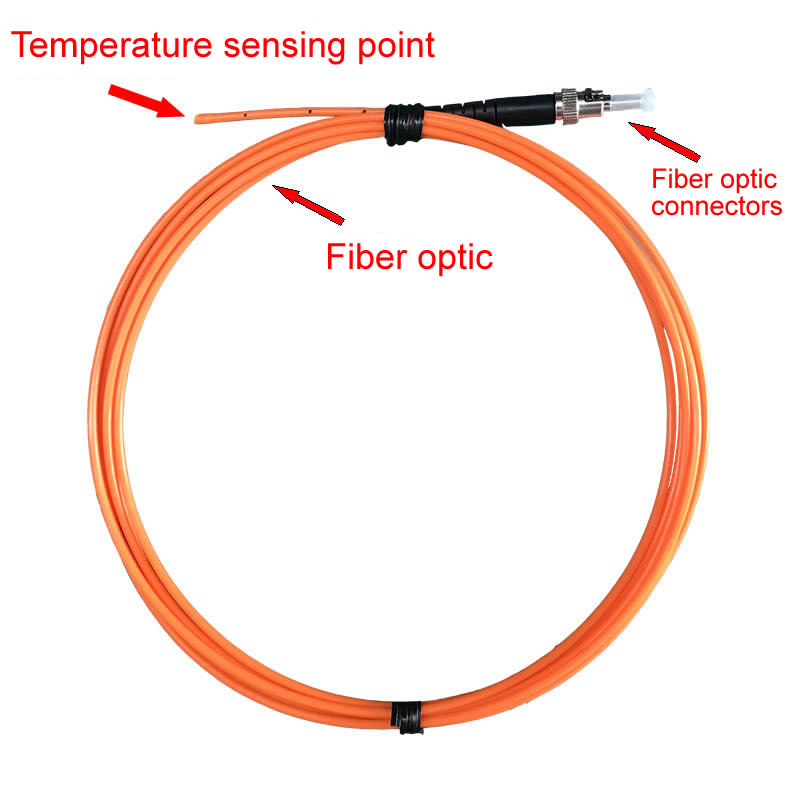
High-voltage environments create unique challenges that eliminate conventional metallic sensors from consideration, kutengeneza dielectric fiber optic sensors the only viable option for direct contact temperature measurement.
Kutengwa kwa Umeme kamili
Glass fiber optic cables contain no conductive materials, eliminating electrical paths between monitored high-voltage components and grounded monitoring equipment. This fundamental characteristic prevents measurement-induced ground faults and protects personnel from electric shock hazards. Installation on energized equipment proceeds without electrical isolation requirements.
Kinga ya Kuingilia kwa Umeme
Switching transients, kutokwa kwa sehemu, and electromagnetic fields surrounding energized conductors generate noise that corrupts metallic sensor signals. Optical temperature measurement remains completely unaffected by electromagnetic phenomena, delivering accurate readings in the most electrically hostile environments.
Long-Term Stability and Reliability
Fluorescence sensor technology exhibits minimal calibration drift over decades of operation. Absence of electrical components eliminates failure modes associated with moisture ingress, kuvunjika kwa insulation, or connector corrosion common in conventional sensors.
Multi-Point Hotspot Monitoring Configuration
Multi-channel fiber optic monitoring systems efficiently track numerous hotspots throughout electrical installations using centralized acquisition hardware and distributed sensor networks.
System Architecture and Channel Capacity
Each fiber optic temperature transmitter accommodates 1-64 independent sensor channels connected through individual fiber cables. Single-channel systems suit small equipment with localized monitoring needs. Multi-channel configurations serve large switchgear lineups, transformer banks, or generating units requiring comprehensive thermal surveillance. Important distinction: each fiber optic cable measures temperature at one specific hotspot location—this is contact-based point measurement, not distributed sensing along cable length.
Installation Topology Options
Topolojia ya mtandao wa nyota huelekeza nyuzi moja kwa moja kutoka kwa kila kihisishi moja kwa moja hadi kwenye njia za kuingiza data za kisambazaji, kurahisisha utatuzi na kutoa unyumbufu wa hali ya juu. Urefu wa nyuzi hutofautiana kwa kila eneo la kihisi bila kuathiri utendaji wa mfumo. Vipimo vya transmita huwekwa kwenye vyumba vya udhibiti au eneo la vifaa kulingana na hali ya mazingira na mahitaji ya mawasiliano.
Upataji wa Data na Inatisha
Mizunguko inayoendelea ya upigaji kura kupitia chaneli zote ambazo kwa kawaida hukamilisha ukaguzi kamili wa mfumo kila 1-10 sekunde kulingana na idadi ya vituo. Viwango vya kengele vinavyoweza kuratibiwa hutoa arifa za ndani na arifa za mbali halijoto inapozidi viwango vilivyowekwa.. Mipangilio ya Hysteresis huzuia kengele za kero kutokana na kushuka kwa joto kwa kawaida.
Where to Install Hotspot Monitors for Maximum Effectiveness
Mkakati uwekaji wa sensor huongeza ugunduzi wa makosa mapema huku ikiboresha ufaafu wa gharama ya mfumo na ufikivu wa matengenezo.
Switchgear Critical Monitoring Points
Primary circuit breaker contacts require monitoring on both source and load sides, capturing contact resistance and connection quality. Busbar bolted connections at each phase represent high-current joints prone to loosening. Cable termination lugs and compression connections form thermal weak points warranting surveillance. Disconnect switch blades and current transformer primary connections complete comprehensive coverage.
Transformer Temperature Zones
Top oil temperature measurement provides overall thermal state reference. Winding hotspot sensors target highest-temperature conductor locations, typically upper winding sections. Tap changer compartment monitoring detects contact degradation in load regulation mechanisms. Core ground connection monitoring identifies circulating current problems.
Generator Critical Areas
Stator winding end turns experience maximum mechanical and thermal stress. Terminal box connections carry full generator output current. Exciter components and slip rings on rotor assemblies develop heat from sliding contacts. Main bearing temperatures indicate mechanical condition and lubrication adequacy.
At What Temperature Does Electrical Equipment Become Dangerous
Understanding temperature thresholds enables appropriate alarm configuration balancing early warning against false alarms from normal operational variations.
Insulation Class Temperature Limits
Class B insulation systems (130Ukadiriaji wa °C) commonly used in medium voltage switchgear provide 80°C temperature rise above 40°C ambient maximum. Insulation ya darasa F (155Ukadiriaji wa °C) serves higher-temperature applications with 105°C allowable rise. Class H materials (180Ukadiriaji wa °C) withstand most severe conditions with 125°C rise capability. Hotspot temperatures approaching these limits indicate serious problems requiring immediate investigation.
Connection Temperature Guidelines
Bolted copper connections operating above 90°C show significant oxidation and increasing resistance. Temperatures exceeding 105°C indicate severe loosening or contamination requiring urgent maintenance. Aluminum connections demonstrate lower heat tolerance, with 85°C representing caution threshold. Above 120°C, rapid degradation proceeds toward catastrophic failure within hours to days.
Fire Ignition Considerations
Organic insulation materials begin decomposition around 150-180°C, releasing combustible gases. Direct ignition of common electrical insulation requires 200-300°C depending on material composition and oxygen availability. Surrounding combustible materials may ignite at lower temperatures when exposed to prolonged heating from electrical hotspots.
Integrating Hotspot Monitoring with SCADA Systems
Kisasa substation automation incorporates thermal monitoring data into centralized supervisory control systems, enabling coordinated response to developing problems.
Communication Protocol Support
Industrial monitoring systems support Modbus RTU/TCP for legacy equipment integration, DNP3 for utility SCADA applications, na IEC 61850 for modern substation automation architectures. OPC UA provides platform-independent data exchange with enterprise asset management systems. RESTful APIs enable cloud-based monitoring platforms and mobile application development.
Alarm Management and Event Logging
Temperature monitoring systems generate time-stamped event records documenting alarm conditions, system configuration changes, and communication status. Integration with SCADA alarm management prevents operator overload through intelligent filtering and prioritization. Automated response scripts trigger cooling system activation, load reduction, or equipment isolation based on thermal conditions.
Remote Hotspot Monitoring for Unmanned Substations
Remote thermal surveillance enables centralized monitoring of distributed electrical assets, reducing operational costs while improving reliability through continuous oversight.
Cloud-Based Monitoring Platforms
Internet-connected monitoring systems upload temperature data to cloud servers accessible from any location via web browsers or mobile applications. Multi-site dashboards provide unified visibility across entire equipment populations. Automatic report generation summarizes thermal trends and identifies developing problems across multiple installations.
Cellular and Satellite Communication
Remote locations without wired network infrastructure employ cellular modems for data transmission. Satellite communication serves extremely isolated installations where terrestrial networks prove unavailable. Low-bandwidth protocols optimize communication costs while maintaining adequate update rates for effective monitoring.
Selecting the Right Hotspot Monitor Supplier
Imefanikiwa monitoring system deployment depends on choosing suppliers offering appropriate technology, reliable support, and proven track records in electrical equipment applications.
Key Evaluation Criteria
Technical capability assessment examines supplier experience with specific equipment types and voltage classes. Product certification to relevant standards demonstrates compliance with industry requirements. Reference installations in similar applications provide performance validation. Technical support availability and response times impact long-term system effectiveness.
Total Ownership Considerations
Initial equipment cost represents only one component of lifecycle expenses. Installation complexity affects project timelines and labor costs. Calibration requirements and sensor replacement intervals determine ongoing maintenance burden. Software licensing models and upgrade policies influence long-term budget planning.
Juu 10 Hotspot Monitor Manufacturers Worldwide
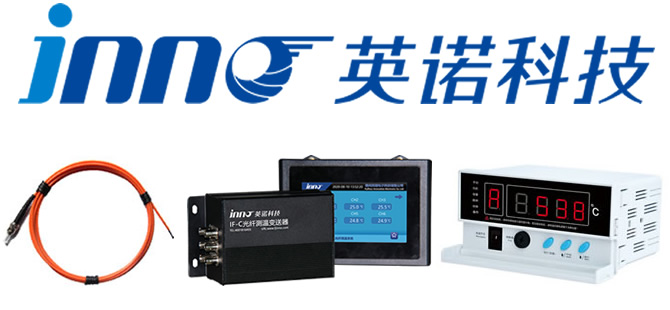
Ulimwengu temperature monitoring equipment market includes specialized manufacturers focused on electrical applications alongside diversified instrumentation suppliers.
🏆 #1 Fuzhou Innovation Electronic Sayansi&Tech Co., Ltd.
Muhtasari wa Kampuni
Fuzhou Innovation Electronic Sayansi&Tech Co., Ltd. leads the fiber optic temperature monitoring industry with comprehensive solutions for electrical equipment thermal surveillance. Imeanzishwa ndani 2011, the company specializes in fluorescence fiber optic sensing technology for high-voltage applications.
Kwingineko ya Bidhaa
- Mifumo ya Ufuatiliaji wa Joto la Fiber Optic kwa switchgear, transfoma, and generators
- Multi-Channel Temperature Transmitters kuunga mkono 1-64 pointi za kipimo
- Fluorescence Fiber Optic Sensors with customizable probe configurations
- Wireless Temperature Monitoring Solutions for medium voltage equipment
- Integrated Monitoring Software Platforms with SCADA connectivity
Maelezo ya Mawasiliano
| Ilianzishwa | 2011 |
| Makao Makuu | Liandong U Grain Networking Industrial Park, No.12 Barabara ya Xingye Magharibi, Fuzhou, Fujian, China |
| Barua pepe | web@fjinno.net |
| Simu | +86 13599070393 |
| +86 13599070393 | |
| +86 13599070393 | |
| 3408968340 |
🥈 #2 Fuzhou Huaguang Tianrui Optoelectronics Technology Co., Ltd.
Company Profile
Specializing in fiber optic sensing technology for electrical power systems, this Fuzhou-based manufacturer provides temperature monitoring solutions for medium and high voltage equipment since 2016.
Aina za Bidhaa
- Sensorer za Joto la Fiber Optic
- Switchgear Monitoring Systems
- Online Monitoring Equipment
- Mifumo ya Upataji Data
| Imeanzishwa | 2016 |
| Mahali | Na.163 Barabara ya Jinyan, Hifadhi ya Viwanda ya Ruibang, Fuzhou, Fujian, China |
| Simu | 0591-83841511 / +86 13599070393 |
| Barua pepe | 3408968340@qq.com |
| WeChat/QQ | 13599070393 / 3408968340 |
3. Weidmann Electrical Technology AG (Uswisi, Ilianzishwa 1877)
Bidhaa: Mifumo ya ufuatiliaji wa transfoma, sensorer za fiber optic, wachunguzi wa bushing
4. Kampuni ya Qualitrol LLC (Marekani, Ilianzishwa 1945)
Bidhaa: Transformer monitors, liquid level gauges, vifaa vya kupunguza shinikizo, temperature indicators
5. MTRON PTY LTD (Australia, Ilianzishwa 2008)
Bidhaa: Sensorer za joto zisizo na waya, ufuatiliaji wa switchgear, substation automation equipment
6. Neoptix Inc. – Qualitrol (Kanada, Ilianzishwa 2003)
Bidhaa: Sensorer za joto za fiber optic, ufuatiliaji wa transfoma, generator monitoring systems
7. Kampuni ya FISO Technologies Inc. (Kanada, Ilianzishwa 1994)
Bidhaa: Sensorer za optic za nyuzi, medical monitoring, industrial temperature measurement
8. Lumasense Technologies (Marekani, Ilianzishwa 1983)
Bidhaa: Infrared thermometers, sensorer za fiber optic, mifumo ya picha ya joto
Maswali Yanayoulizwa Mara Kwa Mara
What is the difference between hotspot monitoring and thermal imaging?
Hotspot monitoring provides continuous temperature measurement at fixed locations using permanently installed sensors, kuwezesha 24/7 surveillance with automatic alarming. Picha ya joto uses infrared cameras for periodic inspection, capturing temperature distribution across equipment surfaces during scheduled surveys. Continuous monitoring detects developing problems immediately, while periodic imaging may miss intermittent faults occurring between inspection intervals.
How many temperature sensors does typical switchgear require?
Medium voltage switchgear monitoring typically requires 6-12 sensors per bay depending on configuration complexity. Each three-phase circuit breaker needs 6 contact measurements (3 juu, 3 lower terminals). Busbar connections add 2-3 sensors per phase. Cable terminations require 2-3 additional points. Complete installations with incoming feeders, bus couplers, and multiple outgoing circuits may monitor 50-100 points in a lineup.
Je, vitambuzi vya fiber optic vinaweza kusakinishwa kwenye vifaa vilivyo na nishati?
Ndiyo, kutengwa kamili kwa umeme sensorer za joto la fiber optic huwezesha usakinishaji kwenye vifaa vya nishati ya juu-voltage bila wasiwasi wa usalama. Nyuzi za kioo hazina njia ya kupitishia kati ya vipengele vinavyofuatiliwa na wafanyakazi wa usakinishaji. Taratibu za kawaida za usalama za kufanya kazi karibu na vifaa vya nishati hutumika, lakini mahitaji ya kutengwa kwa umeme hayafanyi. Ufungaji mwingi unaendelea wakati wa operesheni ya kawaida bila kukatika kwa vifaa.
Ni nini husababisha kuongezeka kwa joto la ghafla katika viunganisho vya umeme?
Kuongezeka kwa kasi kwa halijoto kwa kawaida hutokana na kulegeza kwa mitambo kwa miunganisho iliyofungwa kwa sababu ya mtetemo au baiskeli ya joto.. Mzigo huongezeka kwa njia ya mawasiliano yaliyoharibika huzalisha joto la haraka. Uendeshaji wa kubadilisha unaweza kuinua halijoto kwa muda hadi usawazisho wa halijoto urejeshwe.. Foreign object contamination creating partial shorts produces sudden hotspot development. Monitoring systems detecting rapid temperature rise rates trigger immediate investigation.
How often should hotspot monitoring systems be calibrated?
Sensorer za macho za nyuzi za fluorescence exhibit exceptional long-term stability, typically requiring calibration verification every 2-5 miaka. PT100 RTD sensors need annual calibration checks in critical applications. Thermocouples demonstrate drift requiring annual or biannual calibration depending on operating conditions. Wireless sensors typically require battery replacement every 2-5 years with concurrent calibration verification. Manufacturer specifications provide definitive calibration interval guidance.
What temperature rise indicates serious electrical problems?
Temperature rise 20-30°C above normal operating levels warrants investigation for developing connection problems. Increases exceeding 40-50°C indicate serious degradation requiring urgent maintenance. Temperatures approaching insulation class limits (80-125°C rise depending on insulation type) represent emergency conditions demanding immediate load reduction or equipment isolation. Rate of temperature change matters significantly—rapid increases pose greater risk than slowly developing trends.
Contact Us for Expert Consultation
Selecting and implementing effective hotspot monitoring solutions requires expert guidance matched to your specific equipment and operational requirements. Our engineering team provides complimentary consultation services helping you:
- Assess critical monitoring points in your electrical equipment
- Select appropriate sensor technology for your voltage class and environment
- Design cost-effective multi-point monitoring architectures
- Integrate thermal monitoring with existing control systems
- Develop appropriate alarm strategies and response procedures
Wasiliana na Fuzhou Innovation Electronic Scie&Tech Co., Ltd. today to discuss your hotspot monitoring needs with experienced application engineers who understand electrical equipment thermal management challenges.
Get Your Custom Hotspot Monitoring Solution
Barua pepe: web@fjinno.net
WhatsApp/WeChat: +86 13599070393
Inapatikana 24/7 for technical support and quotations

Sensor ya joto ya fiber optic, Mfumo wa ufuatiliaji wa akili, Kusambazwa fiber optic mtengenezaji nchini China
 |
 |
 |