 Оптоволоконные датчики температуры INNO ,системы контроля температуры.
- Полный power transformer condition monitoring system comprises seven modules: онлайн-мониторинг DGA, частичный разряд (ПД) мониторинг, флюоресцентный оптоволоконный датчик температуры, контроль ввода, OLTC monitoring, moisture-in-oil monitoring, и мониторинг вибрации.
- Continuous online monitoring replaces scheduled outage inspections, significantly reducing the risk of unplanned failures.
- Fluorescent fiber optic sensors embed directly into transformer windings, are fully immune to electromagnetic interference, and deliver hot-spot accuracy no conventional sensor can match in a live high-voltage environment.
- Multi-parameter joint diagnosis eliminates the misdiagnosis risk of relying on a single indicator — health assessment is more reliable and actionable.
- System configuration scales by voltage class: from distribution transformers to EHV critical units, every tier has a proven monitoring configuration.
Jump to: Что такое мониторинг состояния трансформатора? | What Faults Affect Power Transformers? | What Does a Transformer Monitoring System Consist Of? | How Is Transformer Health Assessed? | How Should a Transformer Monitoring System Be Configured? | What Are the Key Implementation Considerations? | Часто задаваемые вопросы
Что такое Мониторинг состояния силового трансформатора?

Power transformer condition monitoring is the continuous or periodic measurement of electrical, химический, термический, and mechanical parameters to assess transformer health, detect developing faults, and inform maintenance decisions — without interrupting service.
| Элемент | Offline Inspection | Онлайн-мониторинг состояния |
|---|---|---|
| Частота | Периодический (ежегодный / per schedule) | Непрерывный, в реальном времени |
| Outage required | Да | Нет |
| Data continuity | Discrete snapshots | Continuous trend |
| Early fault warning | Lagging | Early-stage detection |
| Labour cost | Высокий | Low after installation |
Within an asset management framework, online monitoring shifts maintenance strategy from time-based to condition-based, extending service life and optimising capital expenditure across transformer fleets.
What Faults Affect Power Transformers Most Often?
Why Does Transformer Insulation Degrade?
Thermal ageing, попадание влаги, and oxidation progressively break down both liquid and solid insulation. Left undetected, insulation failure accounts for the majority of transformer end-of-life events.
What Causes Mechanical Damage to Transformer Windings and the Core?
Through-fault currents generate extreme electromagnetic forces that deform windings. Loose core laminations cause vibration and noise, and in severe cases lead to inter-lamination shorts.
What Does Partial Discharge in a Transformer Indicate?
Частичный разряд (ПД) in a transformer is an early electrical signal of insulation defects — voids, загрязнение, or moisture — that will worsen without intervention.
How Does a Transformer Hot Spot Form?
Localised overheating occurs where cooling is inadequate or where fault currents concentrate. A hot spot above 140 °C accelerates insulation ageing by a factor of two for every 6 °C rise (Montsinger rule).
Why Are Transformer Bushings and the OLTC High-Frequency Failure Components?
Bushings are exposed to weather and mechanical stress, в то время как переключатель ответвлений под нагрузкой (РПН) performs thousands of switching operations per year — both accumulate wear faster than the main tank.
| Failed Component | Share of Failures | Primary Monitoring Method |
|---|---|---|
| Обмотки | ~40% | ДГА, ПД, fluorescent fiber optic temperature |
| Втулки | ~20% | Емкость / tan delta monitoring |
| РПН | ~15% | Акустический, DRM monitoring |
| Основной | ~10% | ДГА, мониторинг вибрации |
| Другой | ~15% | Комплексный мониторинг |
What Does a Power Transformer Condition Monitoring System Consist Of?

What Fault Gases Does Transformer DGA Monitoring Обнаружить?

Анализ растворенных газов (ДГА) monitors gases produced by fault-induced decomposition of oil and paper insulation. A continuous online DGA monitor tracks gas concentrations in real time, enabling trend alarms long before a fault becomes critical.
| Fault Gas | Associated Fault Type | Серьезность |
|---|---|---|
| Водород (Н₂) | Частичный разряд / низкотемпературный перегрев | Early warning |
| Ацетилен (C₂H₂) | High-energy arc discharge | Serious |
| Этилен (С₂H₄) | Severe overheating (>300 °С) | Serious |
| Окись углерода (СО) | Solid insulation thermal decomposition | Умеренный |
| углекислый газ (CO₂) | Paper insulation ageing | Long-term trend |
Diagnosis follows recognised standards: МЭК 60599, ИЭЭЭ C57.104, и Треугольник Дюваля метод. Devices range from a single-gas DGA sensor (hydrogen-only) to a full multi-gas DGA monitor tracking eight or more gases simultaneously.
Что Transformer Partial Discharge Monitoring Methods Are Available?

| Метод | Чувствительность | Устойчивость к электромагнитным помехам | Location Capability | Лучшее приложение |
|---|---|---|---|---|
| Ультразвуковой / Акустическое обнаружение ЧР | Середина | Высокий | Хороший (triangulation) | Масляные трансформаторы |
| Сверхвысокая частота (УВЧ) Мониторинг ЧР | Высокий | Середина | Хороший | ГИС, трансформаторы сухого типа |
| Высокочастотный трансформатор тока (ВФКТ) | Высокий | Низкий | Ограниченный | Earth lead / втулка крана |
PD severity is classified by magnitude trend, частота повторений, and discharge pattern. A rapidly rising trend — even from a low base — warrants immediate investigation regardless of absolute level.
Почему Флуоресцентные оптоволоконные датчики the Best Choice for Мониторинг горячих точек обмотки трансформатора?

Флуоресцентные оптоволоконные датчики температуры operate on the fluorescence decay principle: a rare-earth phosphor at the probe tip emits light whose decay time is an exact function of temperature. Because the signal is optical, not electrical, the sensor is inherently immune to electromagnetic fields and safe at any voltage level — making it the only technology suitable for direct in-winding hot spot measurement in live power transformers.
Fluorescent Fiber Optic Temperature Sensor — Product Specifications

| Параметр | Спецификация |
|---|---|
| Тип измерения | Point temperature measurement |
| Точность | ±1 °С |
| Диапазон температур | от −40 °C до +260 °С |
| Fiber optic length | 0 – 80 м |
| Время ответа | < 1 второй |
| Диаметр зонда | 2 – 3 мм (настраиваемый) |
| Dielectric withstand | ≥ 100 кВ |
| Срок службы | > 25 годы |
| Каналов на передатчик | 1 – 64 |
| Интерфейс связи | RS485 |
| Customisation | Длина, тип зонда, range — available on request |
Мониторинг температуры обмоток трансформатора — Method Comparison

| Элемент | Флуоресцентное оптоволокно | Infrared Thermometer | Беспроводной датчик | PT100 РДТ |
|---|---|---|---|---|
| Тип измерения | Точка, direct in-winding | Бесконтактный, только поверхность | Near-surface, беспроводной | Контакт, oil duct / топовое масло |
| иммунитет к электромагнитным помехам | ✅ Fully immune | ⚠️ Susceptible | ⚠️ Susceptible | ❌ Requires shielding |
| Hot spot access | ✅ True winding hot spot | ❌ Tank surface only | ⚠️ Ограничено | ⚠️ Oil temperature, not winding |
| Точность | ±1 °С | ±2 – 3 °С | ±1 – 2 °С | ±0.5 °C |
| High-voltage compatibility | ✅ ≥100 kV rated | ❌ Not applicable | ❌ Not applicable | ⚠️ Requires insulation design |
| Время ответа | < 1 с | Быстрый | Середина | Медленный (тепловая задержка) |
| Обслуживание | Ничего не требуется | Периодическая калибровка | Замена батареи | Периодическая калибровка |
| Срок службы | > 25 годы | 3 – 5 годы | 3 – 5 годы | 5 – 10 годы |
| Recommended use | ✅ Primary hot spot monitoring | Patrol inspection aid | Временный мониторинг | Верхняя температура масла |
Top-Oil Temperature Monitoring as a Supporting Parameter
А top-oil temperature sensor (typically a PT100 or PT1000 RTD) provides a system-level thermal reference and feeds IEEE C57.91 thermal models for remaining life estimation. It complements but does not replace direct winding hot-spot measurement.
What Parameters Does Transformer Bushing Condition Monitoring Measure?
| Контролируемый параметр | Diagnostic Significance | Applicable Bushing Types |
|---|---|---|
| Емкость (С1) | Detects moisture ingress and insulation layer breakdown | ОИП, RIP, RBP |
| Tan Delta (Фактор рассеивания) | Quantifies dielectric losses; rising trend = degradation | ОИП, RIP, RBP |
How Does Transformer OLTC Monitoring Identify Tap Changer Faults?

| Метод мониторинга | Fault Detected |
|---|---|
| Акустический мониторинг | Abnormal switching noise, mechanical looseness |
| Dynamic Resistance Measurement (DRM) | Контактная одежда, contact bounce, high resistance |
| Motor Drive Power Analysis | Drive motor anomalies, mechanical sticking, sluggish operation |
Why Is Transformer Moisture-in-Oil Monitoring Essential?
А water activity sensor или oil moisture monitor measures relative saturation of water in transformer oil. Elevated moisture accelerates insulation ageing, lowers dielectric strength, and amplifies DGA readings — making moisture data a critical companion to DGA analysis.
What Can Transformer Vibration Monitoring Reveal?
Датчики вибрации и structure-borne acoustic sensors mounted on the tank detect core lamination looseness and winding mechanical deformation — faults invisible to DGA and PD systems. Baseline signature comparison flags abnormal vibration patterns after through-fault events.
How Is Transformer Health Comprehensively Assessed?
Single-parameter interpretation is unreliable: elevated acetylene with normal hydrogen has a different diagnosis than the same acetylene level accompanied by rising hydrogen and CO. A multi-parameter approach using Треугольник Дюваля, МЭК 60599, и ИЭЭЭ C57.104 cross-validates findings for accurate fault classification.
| Health Index Range | Состояние | Рекомендуемое действие |
|---|---|---|
| 85 – 100 | Хороший | Normal monitoring interval |
| 70 – 84 | Fair | Увеличение частоты мониторинга |
| 50 – 69 | Бедный | Schedule planned maintenance |
| < 50 | Критический | Immediate action required |
How Does Condition-Based Transformer Maintenance Differ from Time-Based Maintenance?
| Элемент | Техническое обслуживание по состоянию | Time-Based Maintenance |
|---|---|---|
| Курок | Monitoring data | Fixed calendar schedule |
| Targeting | Specific fault addressed | Generic overhaul |
| Resource efficiency | Высокий | Низкий |
| Missed fault risk | Низкий | Higher between intervals |
How Should a Transformer Monitoring System Be Configured by Voltage Class?
| Модуль мониторинга | Распределение <66 кВ | Sub-transmission 66–220 kV | сверхвысокое напряжение / Критический 220 кВ+ |
|---|---|---|---|
| Online DGA monitoring | Необязательный | ✅ | ✅ |
| Мониторинг частичного разряда | Необязательный | ✅ | ✅ |
| Температура флуоресцентного оптоволокна | Необязательный | ✅ | ✅ |
| Верхняя температура масла | ✅ | ✅ | ✅ |
| Контроль втулки | — | ✅ | ✅ |
| OLTC monitoring | — | ✅ | ✅ |
| Moisture-in-oil | Необязательный | ✅ | ✅ |
| Vibration monitoring | — | Необязательный | ✅ |
How Should Distribution Transformer (<66 кВ) Monitoring Be Configured?
A top-oil temperature sensor is the baseline. Where budget allows, a single-gas hydrogen DGA sensor adds meaningful early-fault coverage at low cost.
What Is the Standard Monitoring Configuration for Sub-Transmission Transformers (66–220 kV)?
Full DGA, PD monitoring, fluorescent fiber optic hot-spot sensing, втулка, and OLTC monitoring form the standard package. Moisture-in-oil monitoring is strongly recommended given the critical role of insulation dryness at this voltage level.
What Full Monitoring Suite Is Required for EHV Critical Transformers (220 кВ+)?
All seven monitoring modules should be deployed. Redundancy in DGA sensing and multiple fluorescent fiber optic probe channels (typically 8–16 per unit) are standard practice for assets at this criticality level.
What Are the Key Considerations When Implementing a Transformer Monitoring System?

| Протокол связи | Типичное применение |
|---|---|
| МЭК 61850 | Smart substation standard integration |
| Модбус РТУ / TCP | General industrial SCADA / DCS |
| ДНП3 | Utility SCADA and EMS environments |
| RS485 | Sensor-level, fluorescent fiber optic transmitters |
- Select sensors rated for the actual operating voltage; never compromise on dielectric withstand.
- All monitoring equipment requires proper earthing and EMI shielding, particularly signal cables routed near HV busbars.
- Use a dedicated Intelligent Electronic Device (IED) as the local data acquisition and protocol conversion hub.
- Common implementation mistakes: installing PD sensors after transformer energisation (baseline lost), under-specifying the number of fiber optic channels per winding, and neglecting communication protocol compatibility with existing SCADA infrastructure.
Power Transformer Condition Monitoring — Frequently Asked Questions
What is the most important parameter to monitor in a power transformer?
Анализ растворенных газов (ДГА) is widely regarded as the single most critical monitoring parameter. It detects fault gases dissolved in transformer oil and provides early warning of thermal and electrical faults before they escalate.
How does online transformer DGA monitoring differ from laboratory oil sampling?
Laboratory oil sampling is periodic and requires manual collection, introducing time delays. Online DGA monitors measure gas concentrations continuously in real time, enabling immediate trend alerts and faster fault response.
Why are fluorescent fiber optic sensors preferred for transformer winding hot spot measurement?
Флуоресцентные оптоволоконные датчики are fully immune to electromagnetic interference, can be embedded directly inside the winding at the true hot spot location, withstand voltages above 100 кВ, and deliver ±1 °C accuracy with a service life exceeding 25 years — performance no conventional sensor can match in a live transformer environment.
At what PD level should maintenance action be triggered on a power transformer?
There is no single universal threshold. A rapidly increasing PD trend — even from a moderate absolute value — is a stronger indicator for intervention than a stable elevated reading. Rate of change and discharge pattern classification matter as much as magnitude.
How often should transformer bushing tan delta values be trended?
For online monitoring, bushing tan delta is trended continuously. For periodic offline testing, annual measurement is the industry norm for EHV bushings; more frequent review is warranted if previous readings show an upward trend.
Which gases in transformer oil indicate a serious fault?
Ацетилен (C₂H₂) is the clearest indicator of high-energy arc discharge and is always treated as serious. Высокий этилен (С₂H₄) indicates severe overheating above 300 °С. A simultaneous rise in multiple gases signals a complex, high-severity fault.
Can transformer condition monitoring extend service life?
Да. By identifying insulation degradation, горячие точки, and mechanical faults at an early stage, condition monitoring enables targeted maintenance that slows deterioration and prevents catastrophic failures — directly extending operational service life.
What communication protocols are used in transformer monitoring systems?
The three most common protocols are МЭК 61850 for smart substation integration, Modbus RTU/TCP for general industrial systems, и ДНП3 for power SCADA environments. RS485 serial interface is standard at the sensor level for fluorescent fiber optic transmitters.
How many fluorescent fiber optic probes are needed for transformer winding hot spot monitoring?
Обычно 4 к 8 probes per transformer cover the statistically critical hot spot locations in HV and LV windings. A single fluorescent fiber optic transmitter supports 1 к 64 каналы, so comprehensive multi-winding coverage requires only one unit.
What is a transformer health index and how is it calculated?
А transformer health index (HI) is a weighted composite score (typically 0–100) derived from DGA results, oil quality tests, сопротивление изоляции, visual inspection findings, and service age. It converts multi-parameter monitoring data into a single prioritisation metric for fleet-wide maintenance planning.
Контакт & Консультация
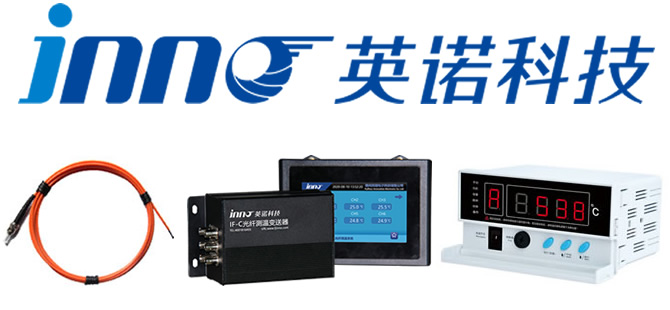
Need guidance on selecting the right система контроля состояния трансформатора или флуоресцентный оптоволоконный датчик температуры for your application? Our engineers are available to discuss your requirements, provide technical specifications, and support your project from sensor selection through to system commissioning.
Фучжоу, инновационная электронная наука&Компания Тех., ООО. — Manufacturer of fluorescent fiber optic temperature measurement systems and transformer monitoring solutions since 2011.
- Веб-сайт: www.fjinno.net
- Электронная почта: web@fjinno.net
- WhatsApp / Вичат (Китай) / Телефон: +86 135 9907 0393
- QQ: 3408968340
- Адрес: Промышленный парк Liandong U Grain Networking, № 12 Синъе Вест Роуд, Фучжоу, Фуцзянь, Китай
→ Request a Free Technical Consultation
Отказ от ответственности: The technical information in this article is provided for general reference only. Actual system configurations, характеристики датчика, and diagnostic thresholds must be determined by qualified engineers based on site-specific conditions, применимые стандарты, and equipment manufacturer guidelines. Фучжоу, инновационная электронная наука&Компания Тех., ООО. accepts no liability for decisions made solely on the basis of this content.

Оптоволоконный датчик температуры, Интеллектуальная система мониторинга, Распределенный производитель оптоволокна в Китае
 |
 |
 |