 Sensores de temperatura de fibra óptica INNO ,sistemas de monitoramento de temperatura.
- An SF6 circuit breaker uses sulfur hexafluoride gas as the insulating and arc-extinguishing medium, widely deployed in medium-voltage and high-voltage power systems from 12 kV para 800 kV.
- SF6 gas offers dielectric strength approximately 2.5 vezes a do ar, making it one of the most effective arc-quenching media available for high-voltage switching devices.
- Core components include the interrupter chamber, mecanismo operacional, gas monitoring system, bushing insulators, and SF6 gas reservoir.
- Main types include single-pressure puffer breakers, dual-pressure breakers, dead-tank and live-tank configurations, and indoor/outdoor models for different voltage classes.
- These breakers are essential equipment in substations, painel de distribuição isolado a gás (SIG), and ring main units (RMU) for reliable fault current interruption.
- Compared to vacuum, óleo, and air-blast breakers, SF6 models offer superior arc extinction, tamanho compacto, and longer service life at higher voltage ratings.
- Routine maintenance focuses on gas pressure monitoring, moisture content checks, detecção de vazamento, and contact wear inspection to ensure operational reliability.
Índice
- O que é um disjuntor SF6?
- Properties of Sulfur Hexafluoride Gas
- Core Structure and Key Components
- Working Principle and Arc Extinction Process
- Main Types and Classification
- Key Technical Parameters
- Applications and Use Cases
- Role in Substations and Switchgear Systems
- Advantages and Limitations
- Comparison with Other Breaker Technologies
- Pricing and Cost Factors
- Gas Leakage and Temperature Monitoring
- Maintenance and Inspection Guidelines
- Perguntas frequentes (Perguntas frequentes)
- Obtenha uma solução personalizada
1. O que é um disjuntor SF6?
Um SF6 circuit breaker is a high-voltage switching device that uses hexafluoreto de enxofre (SF6) gás as both the insulating medium and the arc-extinguishing medium. When a fault occurs in a power system, the breaker separates its contacts inside a sealed chamber filled with pressurized SF6 gas. The gas rapidly absorbs the energy of the electric arc formed between the contacts, cooling and de-ionizing the arc path until the current is safely interrupted.
Esses gas-insulated breakers are the dominant switching technology for voltage levels ranging from 72.5 kV para 800 kV and are also widely used at medium-voltage levels of 12 kV para 40.5 kV. Their exceptional interrupting capacity, compact dimensions, and long operational lifespan have made them essential equipment in modern power transmission and distribution networks worldwide.
2. Properties of Sulfur Hexafluoride Gas
The performance of any SF6 gas circuit breaker depends directly on the unique physical and chemical properties of sulfur hexafluoride. SF6 is a colorless, inodoro, não tóxico, and non-flammable gas with a molecular weight of 146.06 g/mol. Isso é rigidez dielétrica is approximately 2.5 times that of air at atmospheric pressure and increases significantly under higher pressures, reaching levels comparable to transformer oil at 2–3 bar.
Why SF6 Is an Ideal Arc-Quenching Medium
SF6 molecules have a strong tendency to capture free electrons — a property known as electronegativity. During an arcing event, this electron-capture capability rapidly removes charged particles from the arc plasma, dramatically increasing the dielectric recovery speed of the gap between contacts. Combined with excellent thermal conductivity e estabilidade térmica up to approximately 500°C, SF6 gas can absorb and dissipate arc energy far more efficiently than air or oil. After arc extinction, the decomposed gas recombines almost entirely back into stable SF6 molecules, allowing the gas to be reused through many switching operations.
3. Core Structure and Key Components
Understanding the internal architecture of a sulfur hexafluoride breaker is essential for proper selection, instalação, e manutenção. While specific designs vary by manufacturer and voltage class, all SF6 breakers share a common set of functional components.
Interrupter Chamber
O interrupter chamber (also called the arc extinction chamber) is the heart of the breaker. It houses the fixed and moving contacts, the nozzle assembly, and the puffer cylinder. The entire chamber is sealed and filled with SF6 gas at a controlled pressure, normalmente entre 0.4 e 0.7 MPa depending on the rated voltage.
Operating Mechanism
O mecanismo operacional provides the mechanical force to open and close the contacts. Common types include spring-operated mechanisms, hydraulic mechanisms, and pneumatic mechanisms. Spring mechanisms are the most widely used due to their reliability and lower maintenance requirements.
Gas System and Monitoring Devices
The gas system includes the SF6 gas reservoir, medidores de pressão, density monitors, and safety relief valves. UM gas density relay continuously monitors the SF6 pressure compensated for temperature and triggers alarms or lockout signals if the gas level drops below safe operating thresholds.
Bushing Insulators and Housing
High-voltage connections pass through porcelain or composite bushing insulators that provide electrical insulation between the live conductors and the grounded metal enclosure. Outdoor breakers use weatherproof housings, while indoor models are designed for painel de distribuição em invólucro metálico instalações.
4. Working Principle and Arc Extinction Process
O working principle of an SF6 circuit breaker centers on the interaction between the mechanical separation of contacts and the arc-quenching properties of pressurized SF6 gas.
Closing Operation
When the breaker receives a close command, the operating mechanism drives the moving contact into firm engagement with the fixed contact, establishing a continuous current path through the breaker.
Opening Operation and Arc Formation
When a trip signal is received — typically from a relé de proteção detecting a fault — the mechanism rapidly separates the contacts. As the contacts part, an electric arc forms in the SF6 gas between them. Em um puffer-type breaker, the movement of the contact simultaneously compresses SF6 gas in a cylinder, forcing a high-pressure blast of gas directly onto the arc through a precisely designed nozzle.
Arc Extinction and Dielectric Recovery
The high-velocity SF6 gas flow strips thermal energy from the arc column while the electronegative SF6 molecules capture free electrons, rapidly de-ionizing the arc path. At the next natural current zero crossing, the arc is extinguished and the gap between the contacts recovers its full dielectric strength within microseconds, preventing the arc from re-striking. This extremely fast dielectric recovery is the key advantage that enables SF6 breakers to interrupt very high fault currents reliably.
5. Main Types and Classification
SF6 breakers are manufactured in a range of configurations to suit different voltage levels, installation environments, e requisitos operacionais. The following table summarizes the main classification criteria.
| Classificação | Tipo | Descrição |
|---|---|---|
| By Arc Extinction Method | Single-pressure (Puffer) | Uses mechanical piston to compress gas for arc quenching; dominant modern design |
| Dual-pressure | Maintains separate high/low pressure chambers; older design, largely replaced by puffer type | |
| By Tank Configuration | Dead-tank | Interrupter enclosed in grounded metal tank at ground level; common in North America |
| Live-tank | Interrupter mounted on insulating column above ground; common in Europe and Asia | |
| By Voltage Class | Média tensão (12–40.5 kV) | Used in distribution switchgear, RMUs, e aplicações industriais |
| Alto / Extra-high voltage (72.5–800 kV) | Used in transmission substations and GIS systems | |
| By Installation | Indoor | Installed inside metal-enclosed switchgear or GIS cubicles |
| Outdoor | Freestanding units designed for open-air substation yards |
6. Key Technical Parameters
The following table lists the primary technical parameters that define the performance and application scope of a high-voltage gas-insulated breaker. These values represent typical ranges across common product lines.
| Parâmetro | Faixa Típica | Descrição |
|---|---|---|
| Tensão nominal | 12 kV – 800 kV | Maximum system voltage the breaker is designed for |
| Rated Current | 630 A – 5000 UM | Continuous current-carrying capacity |
| Rated Breaking Current | 20 kA – 63 kA | Maximum fault current the breaker can interrupt |
| Rated Short-time Withstand Current | 20 kA – 63 kA (3s or 4s) | Maximum current the breaker can carry in closed position during a fault |
| SF6 Gas Pressure (avaliado) | 0.4 – 0.7 MPa | Normal operating gas pressure at 20°C |
| Breaking Time | 40 – 60 EM | Time from trip command to arc extinction |
| Mechanical Life | 5,000 – 10,000 operações | Number of open/close cycles before overhaul |
| Electrical Life | 20 – 30 full fault interruptions | Number of rated fault current interruptions |
| Temperatura operacional | -40°C a +40 °C | Ambient temperature range for normal operation |
7. Applications and Use Cases
SF6 power circuit breakers are deployed wherever reliable high-current interruption is required in electrical power systems. Their primary applications include power transmission networks at 110 kV e acima, where they serve as bus-tie breakers, line breakers, transformer feeder breakers, and capacitor bank switching devices. At the distribution level, medium-voltage SF6 breakers are installed in ring main units and distribution switchgear for urban power supply networks, plantas industriais, operações de mineração, e sistemas de coleta de energia renovável.
Além dos sistemas de energia em escala de utilidade pública, esses disjuntores também são usados em subestações de tração ferroviária, grandes edifícios comerciais, centros de dados, usinas siderúrgicas, petrochemical refineries, e qualquer instalação onde a combinação de alta tensão, alta corrente de falha, e o espaço de instalação limitado exige uma solução de comutação compacta e confiável.
8. Role in Substations and Switchgear Systems
Disjuntores SF6 em aplicações de subestações
Ao ar livre air-insulated substations (AIS), Os disjuntores SF6 de tanque vivo ou tanque morto são instalados no pátio de manobra como unidades autônomas conectadas aos barramentos, linhas de transmissão, e transformadores de potência. Eles são os principais dispositivos de eliminação de faltas no esquema de proteção da subestação, trabalhando em coordenação com transformadores de corrente, relés de proteção, e interruptores de desconexão. Em subestações isoladas a gás (SIG), o disjuntor SF6 está integrado em um totalmente fechado, invólucro metálico isolado a gás junto com seccionadores, interruptores de aterramento, dutos de ônibus, e transformadores de instrumentos, formando um conjunto de subestação extremamente compacto, adequado para ambientes urbanos, instalações subterrâneas, and areas with high pollution or extreme weather.
SF6 Breakers in Switchgear
At medium-voltage levels, Disjuntores SF6 are the core switching component inside metal-enclosed switchgear cubicles e unidades principais de anel (RMU). In an SF6-insulated switchgear painel, the breaker shares the sealed SF6 gas compartment with busbars and cable connections, eliminating the need for open-air insulation clearances and significantly reducing the overall cabinet footprint. This makes SF6 switchgear the preferred choice for space-constrained indoor installations in commercial buildings, instalações industriais, and underground distribution stations. Typical medium-voltage SF6 switchgear ratings range from 12 kV para 40.5 kV with breaking capacities of 20 kA to 31.5 kA.
9. Advantages and Limitations
Principais vantagens
Excellent arc-quenching performance is the foremost advantage — the superior dielectric and thermal properties of SF6 gas enable fast, reliable interruption of very high fault currents. O compact design resultante da alta rigidez dielétrica do SF6 permite que os rompedores sejam significativamente menores que os rompedores de ar ou a óleo equivalentes, economizando espaço valioso na subestação. Os disjuntores SF6 são praticamente livre de manutenção sob condições normais de operação, com classificações de vida mecânica superiores 5,000 operações e longos intervalos entre grandes revisões. Eles operam silenciosamente, não produz risco de incêndio ou explosão, e desempenho confiável em uma ampla faixa de temperatura de -40°C a +40°C.
Limitações e preocupações
A principal preocupação é environmental impact. SF6 é um potente gás de efeito estufa com potencial de aquecimento global (PAG) aproximadamente 23,500 vezes a do CO₂ e uma vida atmosférica superior a 3,200 anos. Qualquer vazamento contribui para as mudanças climáticas, tornando essencial a contenção rigorosa de gases e o gerenciamento do ciclo de vida. Adicionalmente, subprodutos da decomposição do arco do SF6 pode incluir compostos tóxicos, como fluoretos de enxofre e fluoretos metálicos, exigindo manuseio cuidadoso durante a manutenção. O custo inicial do equipamento é superior às alternativas de vácuo ou óleo em níveis de média tensão, e equipamentos especializados de manuseio de gás e pessoal treinado são necessários para instalação e manutenção.
10. Comparison with Other Breaker Technologies
Disjuntor SF6 vs Disjuntor a Vácuo
| Parâmetro | Disjuntor SF6 | Disjuntor de vácuo |
|---|---|---|
| Faixa de tensão | 12 kV – 800 kV | 12 kV – 40.5 kV (tipicamente) |
| Meio de interrupção | Gás SF6 | Vácuo (10⁻⁴ Pai) |
| Capacidade de ruptura | Até 63 kA | Até 50 kA |
| Mechanical Life | 5,000 – 10,000 operações | 10,000 – 30,000 operações |
| Manutenção | Baixo (verificações de gás necessárias) | Muito baixo |
| Environmental Impact | Gás com alto potencial de aquecimento global | Environmentally friendly |
| Melhor para | Tensão alta/extra-alta | Média tensão |
Disjuntor SF6 vs Disjuntor de Óleo
| Parâmetro | Disjuntor SF6 | Quebra-óleo |
|---|---|---|
| Meio de interrupção | Gás SF6 | Mineral oil |
| Fire Risk | Nenhum | Alto (óleo inflamável) |
| Size / Peso | Compactar | Grande e pesado |
| Manutenção | Baixo | Alto (oil filtration, substituição) |
| Vida útil | Long | Moderado |
| Risco Ambiental | Vazamento de gás (PAG) | Contaminação por derramamento de óleo |
Disjuntor SF6 vs Disjuntor Air-Blast
| Parâmetro | Disjuntor SF6 | Disjuntor de explosão de ar |
|---|---|---|
| Meio de interrupção | Gás SF6 | Ar comprimido |
| Nível de ruído | Muito baixo | Muito alto |
| Size | Compactar | Muito grande |
| Sistema de abastecimento de ar | Not required | Obrigatório (compressores, tanques) |
| Manutenção | Baixo | Alto |
| Status atual | Amplamente utilizado | Em grande parte obsoleto |
11. Pricing and Cost Factors
O preço de um SF6 circuit breaker varia significativamente dependendo da classe de tensão, corrente nominal, capacidade de ruptura, configuração do tanque, e fabricante. Medium-voltage SF6 breakers rated at 12–40.5 kV typically range from USD 2,000 to USD 15,000 por unidade. High-voltage models rated at 72.5–145 kV typically fall in the range of USD 15,000 to USD 80,000, while extra-high-voltage breakers at 245 kV and above can cost USD 100,000 to USD 500,000 or more per phase.
Factors That Influence Cost
Beyond the base unit price, total project cost must account for several additional factors. O SF6 gas fill itself carries a cost per kilogram, and larger high-voltage breakers require substantially more gas. Installation and commissioning expenses include foundation work, conexões de barramento, gas filling, and functional testing. Gas handling equipment — including recovery carts, vacuum pumps, and gas analyzers — represents a capital investment that is essential for any facility operating multiple SF6 breakers. Longo prazo operational costs include periodic gas quality testing, detecção de vazamento, and eventual gas recovery and recycling at end of life. When evaluating overall cost-effectiveness, SF6 breakers typically offer lower total cost of ownership than oil breakers over a 25–30 year service life due to their minimal maintenance requirements.
12. Gas Leakage and Temperature Monitoring

Monitoring SF6 gas condition is critical for both operational safety and environmental compliance. The two most important parameters to monitor continuously are vazamento de gás e equipment temperature.
SF6 Gas Leakage Detection
SF6 leakage reduces the gas pressure inside the breaker, directly compromising its insulating and interrupting performance. Even small leaks can accumulate over time and eventually trigger a low-pressure lockout that prevents the breaker from operating. Moderno SF6 density monitors with temperature-compensated pressure sensors are installed on each gas compartment to provide continuous real-time monitoring. When the gas density drops below a preset alarm threshold, the monitor triggers a warning; if it falls further to the lockout threshold, the breaker is automatically blocked from operation. Portátil SF6 leak detectors using infrared absorption or semiconductor sensors are used during commissioning and routine inspections to locate specific leak points at seals, flanges, e interfaces de bucha.
Monitoramento de temperatura
Abnormal temperature rise at busbar connections, contact terminals, or cable joints indicates increased resistance caused by loose connections, degradação de contato, ou sobrecarga. Sensores de temperatura de fibra óptica or wireless temperature monitors installed at critical contact points inside the switchgear provide continuous thermal data to the monitoring platform. Temperature alarms enable operators to identify and address developing thermal faults before they escalate into equipment failure or safety hazards.
13. Maintenance and Inspection Guidelines
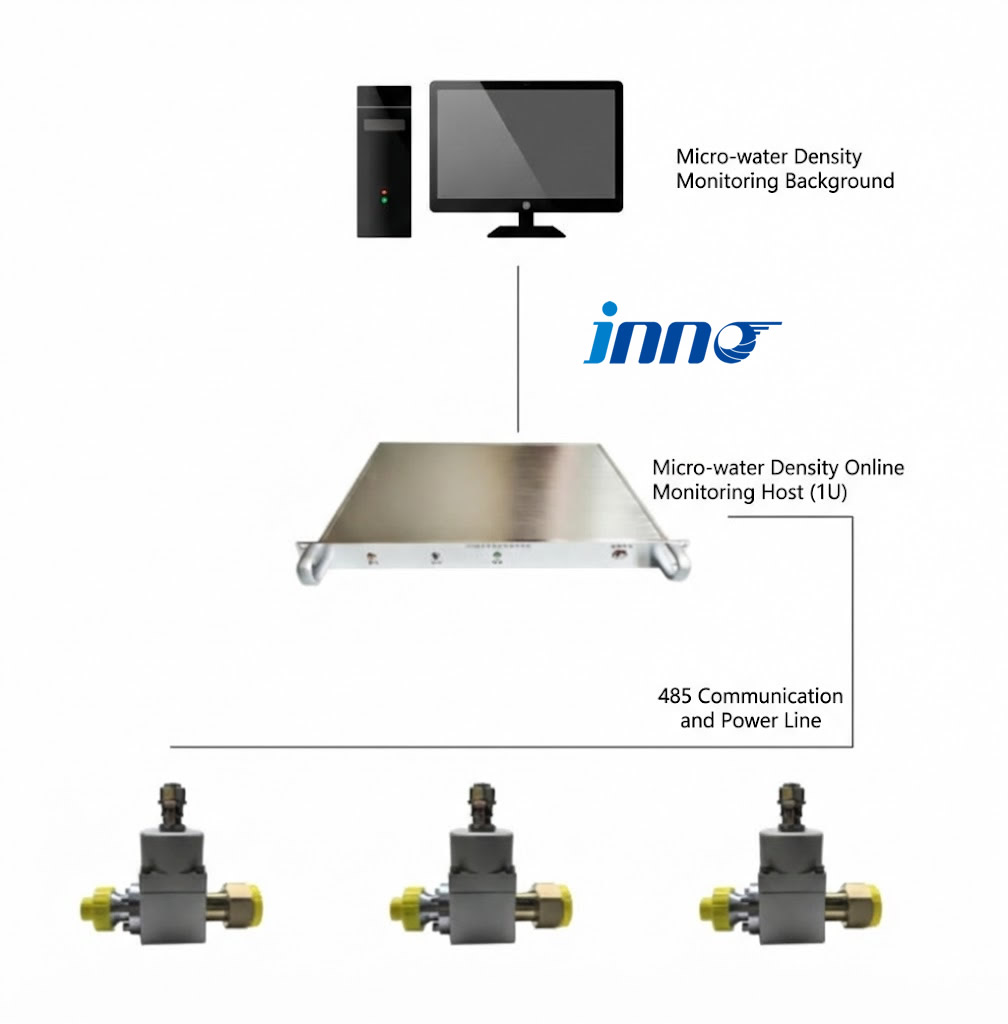
Embora gas-insulated breakers require significantly less maintenance than oil or air-blast types, a structured inspection and service program is essential to ensure long-term reliability and safety.
Itens de inspeção de rotina
Regular inspections should cover SF6 gas pressure and density readings from all compartment monitors, visual inspection of gas gauge indicators, examination of bushing insulators for cracks or contamination, verification of operating mechanism linkage and lubrication, and functional testing of alarm and control circuits. These checks are typically performed monthly or quarterly depending on the facility’s maintenance policy and the criticality of the equipment.
Periodic Maintenance
At intervals defined by the manufacturer — typically every 5 para 10 years or after a specified number of fault interruptions — a more thorough service is required. This includes SF6 gas quality analysis measuring moisture content, pureza, and decomposition byproducts. If gas quality has degraded, the gas must be recovered, filtrado, ou substituído. Contact wear is assessed through travel measurement and timing tests. Operating mechanism springs, dampers, and latches are inspected and replaced if necessary. All sealing gaskets and O-rings at flanges and bushing interfaces are checked for deterioration.
Gas Handling Safety
All maintenance work involving SF6 gas must be performed by trained personnel using proper gas recovery and filling equipment. SF6 must never be vented to the atmosphere. Used gas containing decomposition byproducts must be handled as hazardous material and processed through certified recycling or disposal facilities. Personnel should use appropriate personal protective equipment when working with potentially contaminated gas compartments.
14. Perguntas frequentes (Perguntas frequentes)

1º trimestre: What does SF6 stand for in circuit breakers?
SF6 stands for hexafluoreto de enxofre, a synthetic gas composed of one sulfur atom and six fluorine atoms. It is used as the insulating and arc-extinguishing medium inside the breaker.
2º trimestre: Why is SF6 gas used in high-voltage breakers?
SF6 has excellent dielectric strength (2.5× air), high electronegativity for rapid electron capture, superior thermal conductivity, and fast dielectric recovery after arc extinction — making it ideal for interrupting high fault currents.
3º trimestre: What voltage levels do these breakers cover?
SF6 breakers are available for voltage ratings from 12 kV até 800 kV, covering medium-voltage distribution, high-voltage transmission, and extra-high-voltage bulk power transfer applications.
4º trimestre: How long does an SF6 breaker typically last?
With proper maintenance, an SF6 breaker can operate for 25 para 30 anos. Mechanical life is typically rated at 5,000 para 10,000 operações, and electrical life is rated at 20 para 30 full-rated fault interruptions.
Q5: Is SF6 gas dangerous to humans?
Pure SF6 is non-toxic and chemically inert. No entanto, in enclosed spaces it can displace oxygen and cause asphyxiation. Arc decomposition byproducts may include toxic compounds, so proper ventilation and protective equipment are required during maintenance.
Q6: What is the difference between a dead-tank and live-tank SF6 breaker?
Em um dead-tank projeto, o interruptor é encerrado em um tanque metálico aterrado ao nível do solo com buchas externas. Em um tanque vivo projeto, o interruptor fica no topo de uma coluna isolante no potencial da linha. Dead-tank é comum na América do Norte; o tanque vivo é predominante na Europa e na Ásia.
Q7: Com que frequência a pressão do gás SF6 deve ser verificada?
Monitores de densidade de gás fornecem monitoramento automatizado contínuo. As leituras manuais de pressão devem ser registradas pelo menos mensalmente. Uma análise abrangente da qualidade do gás, incluindo testes de umidade e pureza, deve ser realizada a cada 1 para 5 anos, dependendo da idade do equipamento e do histórico operacional.
P8: Os disjuntores SF6 podem ser usados dentro de casa??
Sim. Os disjuntores SF6 para ambientes internos são amplamente utilizados em painel de distribuição em invólucro metálico, painel de distribuição isolado a gás (SIG), e unidades principais de anel para instalações internas com economia de espaço em subestações, edifícios comerciais, and industrial plants.
Q9: O que acontece se o gás SF6 vazar de um disjuntor?
Gas leakage reduces the insulating and arc-quenching capability of the breaker. The gas density monitor will trigger an alarm at low pressure and a lockout at critically low pressure, preventing the breaker from operating until gas is refilled and the leak is repaired.
Q10: How does an SF6 breaker compare to a vacuum breaker in cost?
At medium voltage (12–40.5 kV), vacuum breakers are generally less expensive to purchase and maintain. No entanto, at high voltage (72.5 kV e acima), SF6 technology is often the only practical option, and its lower maintenance requirements can result in competitive total cost of ownership over the full equipment lifespan.
15. Obtenha uma solução personalizada
Whether you need a medium-voltage SF6 switchgear panel, um high-voltage gas-insulated breaker for substation expansion, or a complete gas monitoring and maintenance support package, our engineering team can help you select and configure the right solution for your project. Contact us today at www.fjinno.net for technical consultation and competitive pricing.
Isenção de responsabilidade: The information in this article is provided for general informational and educational purposes only. Embora todos os esforços tenham sido feitos para garantir a precisão, FJINNO (www.fjinno.net) makes no warranties or representations regarding the completeness, confiabilidade, or suitability of the content for any specific application. Technical parameters and pricing are typical reference values and may vary by manufacturer, modelo, and project conditions. Readers should consult qualified electrical engineers before making design or procurement decisions. FJINNO shall not be held liable for any loss or consequence arising from the use of this information.

Sensor de temperatura de fibra óptica, Sistema de monitoramento inteligente, Fabricante distribuído de fibra óptica na China
 |
 |
 |