 Sensores de temperatura de fibra óptica INNO ,sistemas de monitoramento de temperatura.
- Power monitoring systems reduce equipment failure rates by 60-80% through real-time condition assessment
- Fiber optic temperature sensors provide complete immunity to electromagnetic interference in high-voltage environments
- Fluorescent fiber optic sensors deliver ±1°C accuracy with response time under 1 segundo
- Single monitoring unit supports 1-64 temperature measurement channels via fiber optic technology
- Sensor de temperatura distribuído (ETED) monitors continuous temperature profiles across kilometers of power cables
- Early detection of thermal anomalies prevents catastrophic equipment failures 3-6 meses de antecedência
- Fiber optic sensors offer intrinsic electrical isolation, eliminating safety concerns in high-voltage applications
- Temperature monitoring integrated with partial discharge and load data provides comprehensive asset health assessment
- Cloud-based platforms enable centralized monitoring of hundreds of substations from a single interface
- Systems comply with IEC 61850, IEEE C57.91, and other international power industry standards
Índice
- What is a Power Monitoring System?
- What is an Electrical Power Monitoring System?
- Industrial Power Monitoring System: Definição e Escopo
- Key Components of a Power Monitoring System
- How Power Monitoring Systems Work
- Why Power Monitoring is Critical for Electrical Infrastructure
- Types of Power Monitoring Systems
- Sensores de temperatura de fibra óptica: The Superior Choice
- Point Temperature Measurement with Fluorescent Fiber Optic Sensors
- Fluorescent Fiber Optic Sensors vs Other Technologies
- Principal 10 Benefits of Power Monitoring Systems
- Where are Power Monitoring Systems Used?
- Soluções de monitoramento de temperatura de transformadores
- Switchgear and GIS Monitoring Applications
- Power Cable and Cable Joint Monitoring
- How to Choose the Best Power Monitoring System
- Estudo de caso: 220kV Transformer Monitoring
- Leading Fiber Optic Power Monitoring Manufacturer
- Perguntas frequentes
1. What is a Power Monitoring System?
UM power monitoring system is an integrated solution that continuously tracks the operational condition and performance of electrical equipment through real-time data collection and analysis. These systems employ various sensors to measure critical parameters including temperature, descarga parcial, corrente de carga, tensão, e condições ambientais.
Unlike traditional periodic inspection methods, moderno power monitoring systems fornecer 24/7 surveillance of electrical assets, enabling operators to detect abnormal conditions before they escalate into failures. The core value lies in transitioning from reactive maintenance to predictive maintenance strategies.
Primary Functions
Power monitoring systems serve three essential functions: early fault detection through continuous parameter tracking, equipment health assessment via trend analysis, and operational optimization by providing actionable insights for load management and maintenance planning.

2. What is an Electrical Power Monitoring System?
Um electrical power monitoring system specifically focuses on monitoring electrical parameters and thermal conditions within power distribution networks. These systems integrate hardware components such as sensors, unidades de aquisição de dados, and communication interfaces with software platforms for data visualization and alarm management.
In utility applications, electrical power monitoring systems track substation equipment including transformers, disjuntores, e sistemas de ônibus. The emphasis is on preventing unplanned outages that can affect thousands of customers and result in significant financial losses.
Key Monitored Parameters
Temperature remains the most critical parameter, as thermal anomalies account for 40-60% of electrical equipment failures. Other monitored parameters include partial discharge activity indicating insulation degradation, load current for capacity management, and oil quality in liquid-filled equipment.

3. Industrial Power Monitoring System: Definição e Escopo
Um industrial power monitoring system addresses the unique requirements of manufacturing facilities, process plants, and large commercial installations. These environments demand higher reliability due to the direct correlation between power quality and production efficiency.
Industrial power monitoring systems typically monitor in-plant distribution equipment including medium-voltage switchgear, motores grandes, geradores, and power factor correction equipment. The focus extends beyond fault prevention to include energy efficiency optimization and power quality management.
Industrial vs Utility Applications
While utility systems prioritize grid reliability and regulatory compliance, industrial systems emphasize production continuity and energy cost reduction. Industrial environments often present more challenging conditions including heavy electromagnetic interference, temperaturas extremas, and harsh chemical atmospheres.
4. Key Components of a Power Monitoring System
Um abrangente power monitoring system consists of four main layers working in coordination.
Camada de sensor
Sensores de temperatura de fibra óptica form the foundation of modern monitoring systems, offering intrinsic electrical isolation and EMI immunity. Sensores fluorescentes de fibra óptica measure point temperatures with high accuracy, enquanto detecção de temperatura distribuída systems monitor temperature profiles along power cables.
Camada de aquisição de dados
Signal conditioning units and data loggers collect sensor outputs and convert them into digital formats. Modern systems utilize high-speed sampling to capture transient events while employing data compression for efficient storage.
Camada de Comunicação
Industrial protocols including Modbus TCP, CEI 61850, and DNP3 enable seamless integration with existing SCADA infrastructure. Communication options range from hardwired Ethernet to wireless 4G/5G connectivity for remote sites.
Application Layer
Software platforms provide real-time visualization, tendências históricas, gerenciamento de alarme, and reporting capabilities. Cloud-based solutions enable multi-site monitoring from centralized control rooms.
5. How Power Monitoring Systems Work
Power monitoring systems operate through continuous sensing, data transmission, análise, and response workflows.
Continuous Sensing
Sensores de temperatura de fibra óptica fluorescentes installed at critical points—such as transformer windings, contatos do quadro, and cable joints—measure temperature with sub-second response times. The sensors operate on the principle of temperature-dependent fluorescence lifetime in rare-earth materials.
Data Processing and Analysis
Monitoring units process sensor signals and compare measurements against pre-defined alarm thresholds. Advanced systems employ trend analysis algorithms to detect gradual temperature increases that may indicate developing faults.
Alarm Generation and Response
When parameters exceed warning levels, the system generates alarms via multiple channels including SMS, e-mail, and mobile app notifications. Integration with SCADA systems enables automated load shedding or equipment tripping for severe conditions.
6. Why Power Monitoring is Critical for Electrical Infrastructure
A criticidade de electrical power monitoring systems stems from both economic and safety imperatives.
Economic Impact of Equipment Failures
Unplanned outages in industrial facilities cost an average of $50,000 para $500,000 per hour depending on the industry sector. Para utilitários, major equipment failures can result in multi-million dollar replacement costs plus regulatory penalties for service reliability violations.
Aging Infrastructure Challenge
Sobre 40% of transformers in service globally exceed 30 years of age, approaching or surpassing their designed service life. Power monitoring systems enable condition-based lifetime extension by identifying specific components requiring attention rather than wholesale equipment replacement.
Considerações de segurança
Thermal runaway in electrical equipment poses fire and explosion risks. Detecção precoce por meio de monitoramento contínuo monitoramento de temperatura prevents catastrophic failures that could endanger personnel and facilities.
7. Types of Power Monitoring Systems
Power monitoring systems can be categorized by scope, tecnologia, e aplicação.
By Monitoring Scope
Single-parameter systems focus exclusively on temperature or partial discharge, offering simplicity and lower cost. Sistemas multiparâmetros integrate temperature, descarga parcial, carregar, and environmental monitoring for comprehensive asset management.
By Sensing Technology
Sistemas de monitoramento de fibra óptica utilize light-based sensors immune to electromagnetic interference. Wireless systems employ battery-powered or energy-harvesting sensors for retrofit applications. Hybrid systems combine multiple technologies to optimize coverage and cost.
By Application Level
Equipment-level systems monitor individual assets such as a single transformador ou comutador lineup. Substation-level systems provide integrated monitoring across all critical equipment. Network-level systems aggregate data from multiple substations for fleet management.
8. Sensores de temperatura de fibra óptica: The Superior Choice
Sensores de temperatura de fibra óptica have emerged as the preferred technology for electrical power applications due to their unique advantages in high-voltage environments.
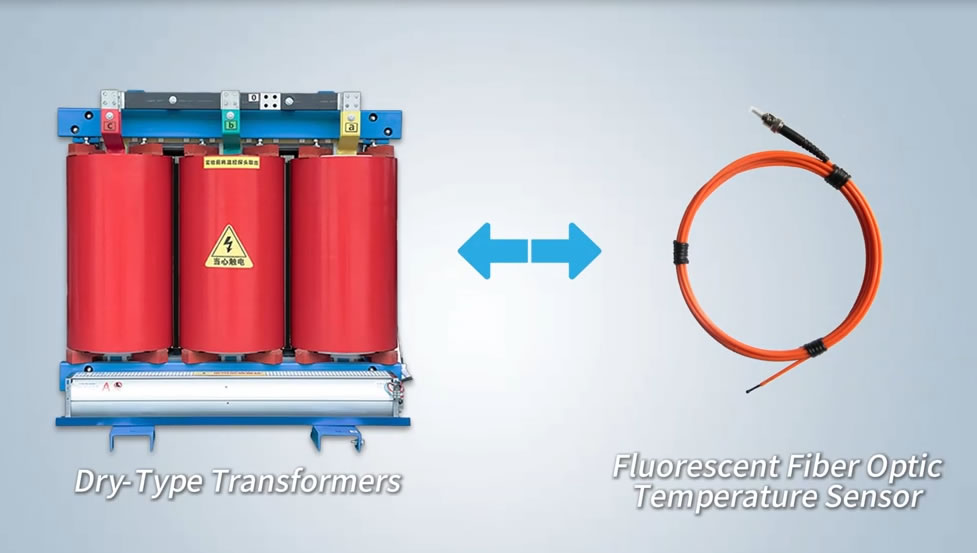
Isolamento Elétrico Completo
Unlike metallic sensors, sensores de fibra óptica não contém materiais condutores. This intrinsic electrical isolation allows direct installation on high-voltage conductors without requiring complex isolation circuitry. The sensors can be safely deployed on equipment operating at hundreds of kilovolts.
100% Imunidade EMI
Electromagnetic interference from switchgear operations, eventos de descarga parcial, and high-current circuits renders traditional electronic sensors unreliable. Sensores de temperatura de fibra óptica are completely immune to EMI, ensuring accurate measurements even in the most electrically noisy environments.
Transmissão de sinal de longa distância
Optical signals propagate through fiber with negligible loss over distances exceeding 5 quilômetros. This capability enables centralized monitoring equipment to serve sensors distributed across large substations or industrial facilities without signal degradation.
Segurança Intrínseca
The absence of electrical power at the sensor eliminates ignition sources, fazendo sensores de fibra óptica inherently safe for hazardous locations without requiring special enclosures or barriers.
9. Point Temperature Measurement with Fluorescent Fiber Optic Sensors
Sensores fluorescentes de fibra óptica represent the most widely deployed point-measurement technology in power monitoring systems.
Princípio Operacional
The sensing element contains rare-earth phosphor materials that exhibit temperature-dependent fluorescence decay characteristics. When excited by a light pulse from the interrogator unit, the phosphor emits fluorescence with a decay time inversely proportional to temperature. This physical relationship provides inherently stable calibration.
Especificações Técnicas
Sensores de temperatura de fibra óptica fluorescentes deliver exceptional performance characteristics for power applications:
- Precisão de medição: ±1°C across the full operating range
- Faixa de temperatura: -40°C a +260°C, covering all power equipment requirements
- Tempo de resposta: Menor que 1 segundo, permitindo a detecção de transientes térmicos rápidos
- Comprimento da fibra: 0 para 80 meters between sensor and interrogator, providing installation flexibility
- Diâmetro da Sonda: Customizable from 1mm to 6mm to fit tight spaces or provide thermal mass
- Capacidade do canal: Single interrogator unit supports 1 para 64 independent temperature channels
Multi-Channel Architecture
The ability to connect up to 64 sensors to one monitoring unit provides significant system advantages. A single unit can monitor all three phases of a transformador winding at multiple depths, or survey an entire comutador lineup with contacts, bus connections, e terminações de cabos.
10. Sensores fluorescentes de fibra óptica vs Other Technologies

| Recurso | Fibra Óptica Fluorescente | Fibra Óptica FBG | Sensores sem fio | RTD/Termopar | Infrared Thermal |
|---|---|---|---|---|---|
| Isolamento Elétrico | Excelente (Completo) | Excelente (Completo) | Bom | Pobre (Requer isolamento) | Sem contato |
| Imunidade EMI | Excelente (100%) | Excelente (100%) | Moderado | Pobre | Excelente |
| Precisão | ±1°C | ±0,5-2°C | ±1-2°C | ±0,1-0,5°C | ±2-5°C |
| Tempo de resposta | <1 segundo | <1 segundo | 5-30 segundos | 1-10 segundos | Em tempo real |
| Capacidade multiponto | Excelente (64 canais) | Bom (Quase distribuído) | Bom (Multi-node) | Pobre (Ponto único) | Excelente (Area array) |
| Vida útil | 20+ anos | 15+ anos | 3-5 anos (Bateria) | 5-10 anos | 10+ anos |
| Manutenção | Livre de manutenção | Livre de manutenção | Substituição da bateria | Calibração periódica | Lens cleaning |
| Aplicações Típicas | Transformadores, Aparelhagem | Cabos, Structures | Switchgear contacts | Legacy systems | Inspeção, Surveys |
Sensores fluorescentes de fibra óptica provide the optimal balance of accuracy, confiabilidade, and practicality for permanent installation in electrical power monitoring systems. The complete EMI immunity and electrical isolation enable deployment in locations where other technologies would fail or require expensive isolation measures.
11. Principal 10 Benefits of Power Monitoring Systems
1. Detecção antecipada de falhas
Power monitoring systems identify developing problems months before failure occurs, enabling scheduled repairs during planned outages rather than emergency response to equipment breakdowns.
2. Tempo de inatividade reduzido
By preventing unexpected failures, monitoring systems dramatically reduce unplanned outages. Industrial facilities report downtime reductions of 60-80% after implementing comprehensive monitoring.
3. Vida útil prolongada do equipamento
Operating equipment within safe thermal limits prevents accelerated aging. Monitoring data supports condition-based maintenance that can extend transformador service life by 5-10 years beyond rated expectations.
4. Manutenção Otimizada
Maintenance transitions from time-based schedules to condition-based interventions, reducing unnecessary inspections while ensuring critical maintenance occurs when needed.
5. Segurança aprimorada
Early detection of overheating prevents fires and explosions. Personnel safety improves through reduced need for manual inspections in hazardous areas.
6. Otimização de carga
Real-time thermal monitoring enables dynamic loading of equipment, safely utilizing capacity that would otherwise remain unused under conservative fixed-rating approaches.
7. Conformidade Regulatória
Comprehensive monitoring data demonstrates due diligence to regulatory authorities and insurance carriers, potentially reducing premiums and avoiding penalties.
8. Gestão de ativos
Historical temperature data and event logs provide objective evidence of equipment condition for strategic planning of capital replacements and upgrades.
9. Acessibilidade Remota
Cloud-based platforms enable monitoring from anywhere, reducing need for on-site personnel at remote installations and enabling expert analysis from central facilities.
10. Rapid ROI
By preventing even a single major failure, power monitoring systems typically pay for themselves within 12-24 meses de operação.
12. Where are Power Monitoring Systems Used?
Power monitoring systems find application across the entire electrical power infrastructure spectrum.
Utility Transmission Networks
High-voltage substations from 110kV to 500kV and beyond utilize monitoring for critical assets including power transformers, reatores de derivação, e disjuntores. The high replacement costs and grid stability implications justify comprehensive monitoring.
Distribution Networks
Medium-voltage distribution substations (10kV-35kV) monitor distribution transformers, comutador, and feeder circuits. The large number of distribution substations makes monitoring economics particularly attractive.
Instalações Industriais
Fábricas, refinarias, plantas químicas, and mining operations deploy industrial power monitoring systems to protect in-plant distribution equipment and large motors. Production continuity requirements drive adoption.
Edifícios Comerciais
Centros de dados, hospitais, aeroportos, and large commercial complexes monitor critical electrical infrastructure to ensure business continuity and meet uptime commitments.
Energia Renovável
Parques eólicos, solar installations, and battery energy storage systems monitor power conversion equipment including inverters, transformadores, and medium-voltage collection systems.
13. Soluções de monitoramento de temperatura de transformadores
Monitoramento de transformador represents the most critical application for power monitoring systems due to transformer replacement costs ranging from hundreds of thousands to millions of dollars.
Critical Monitoring Points
Winding hotspot temperature determines transformer loading capability and aging rate. Sensores fluorescentes de fibra óptica installed at multiple depths in high-voltage, média tensão, and low-voltage windings provide direct hotspot measurement rather than relying on calculation from top-oil temperature.
Configuração multicanal
A typical large power transformador monitoring system employs 9-12 temperature channels: 3-4 points per winding across three phases. This configuration captures thermal asymmetries that could indicate developing faults such as blocked cooling passages or turn-to-turn shorts.
Integration with Other Parameters
Sistemas de monitoramento de transformadores often combine temperature measurement with top-oil temperature, corrente de carga, análise de gases dissolvidos (DGA), and partial discharge monitoring for comprehensive condition assessment.
14. Switchgear and GIS Monitoring Applications

Monitoramento de comutadores addresses the most common failure mode: overheating at electrical connections due to contact degradation or loose hardware.
Key Monitoring Locations
Critical points include circuit breaker contacts (fixo e móvel), juntas de barramento, terminações de cabos, and current transformer connections. Each three-phase circuit typically requires 6-9 pontos de monitoramento.
Instalação compacta
The small diameter of sensor fluorescente de fibra óptica sondas (1-3mm típico) enables installation in confined switchgear compartments where larger sensors cannot fit. The flexible fiber allows routing through tight cable passages.
Multi-Bay Monitoring
The 64-channel capacity of modern monitoring units enables a single system to cover an entire comutador lineup. For a 10-bay medium-voltage switchgear installation with 9 pontos por baia, two monitoring units provide complete coverage.
15. Power Cable and Cable Joint Monitoring
Power cable monitoring employs both point sensors and distributed sensing depending on cable configuration and length.
Cable Joint Monitoring with Point Sensors
Cable joints and terminations represent weak points prone to overheating. Sensores fluorescentes de fibra óptica attached to joint bodies provide early warning of developing problems. For three-phase cables, 3-6 sensors per joint location ensure complete coverage.
Cable Tunnel Monitoring with DTS
Sensor de temperatura distribuído systems based on Raman scattering monitor temperature continuously along cable routes. A single optical fiber provides temperature measurement at every meter along cables spanning several kilometers, enabling precise localization of hotspots.
Classificação Dinâmica
Continuous temperature monitoring enables dynamic cable rating that optimizes utilization based on actual thermal conditions rather than conservative worst-case assumptions. This capability can increase effective capacity by 15-30%.
16. How to Choose the Best Power Monitoring System
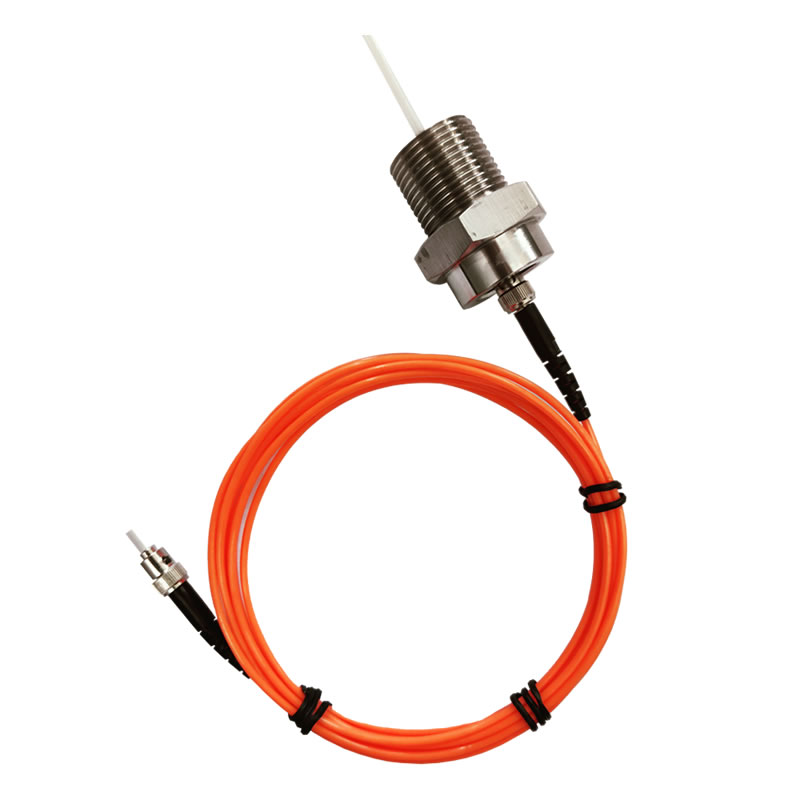
Selecionando um apropriado power monitoring system requires systematic evaluation of requirements and available solutions.
Define Monitoring Objectives
Clarify primary goals: evitando falhas catastróficas, optimizing loading, extending equipment life, or meeting regulatory requirements. Different objectives may drive different sensor placement and alarm strategies.
Identify Critical Equipment
Not all equipment warrants monitoring. Focus on assets where failure would cause significant financial loss, riscos de segurança, or service disruption. Large power transformadores, crítico comutador, and high-capacity cables typically receive priority.
Determine Monitoring Parameters
Temperature monitoring provides the foundation for most applications. Consider whether partial discharge, carregar, or other parameters add sufficient value to justify additional investment.
Evaluate Sensor Technologies
For high-voltage electrical applications, sensores de temperatura de fibra óptica offer clear advantages in accuracy, confiabilidade, e segurança. A escolha entre fluorescente and FBG fiber optic sensors depends on specific requirements, with fluorescent systems offering superior accuracy and lower cost for point measurement applications.
Assess Integration Requirements
Determine communication protocol compatibility with existing SCADA or automation systems. Modern monitoring units support standard protocols including Modbus TCP, CEI 61850, e DNP3.
Consider Scalability
Select systems that can expand to accommodate future monitoring needs without requiring replacement of existing infrastructure. Modular systems with support for 64 channels provide room for growth.
Evaluate Supplier Capabilities
Assess technical support, assistência de instalação, programas de treinamento, e termos de garantia. Supplier experience in similar applications reduces implementation risk.
17. Estudo de caso: 220kV Transformer Monitoring
Fundo
A utility company operated a critical 220kV/110kV, 180MVA power transformer serving a major industrial area. The 28-year-old unit showed gradually increasing top-oil temperature over several years, suggesting potential cooling system degradation or winding problems.
Solution Implementation
A 12-channel sistema de monitoramento de temperatura de fibra óptica fluorescente was installed with sensors positioned at four depths in each of the three winding sections (alta tensão, média tensão, e baixa tensão). Installation occurred during a scheduled outage without requiring tank entry.
Findings
Monitoring revealed that the B-phase high-voltage winding operated 18°C hotter than the A and C phases under identical loading. This significant asymmetry indicated a localized problem not detectable through conventional top-oil temperature measurement.
Resultado
During the next planned outage, internal inspection identified partial blockage of cooling oil flow to the B-phase winding caused by cellulose debris. Cleaning the cooling passages restored normal thermal balance. O sistema de monitoramento prevented what would likely have become an insulation failure within 12-18 meses, avoiding a catastrophic failure costing over $3 million in equipment replacement plus substantial outage costs.
Ongoing Benefits
Continued monitoring enables the utility to optimize transformer loading based on actual winding temperatures rather than conservative nameplate ratings, increasing usable capacity by approximately 12% during peak demand periods.
18. Leading Fiber Optic Power Monitoring Manufacturer
Ciência Eletrônica de Inovação de Fuzhou&Companhia de tecnologia., Ltda. has specialized in sistemas de monitoramento de temperatura de fibra óptica fluorescente desde 2011, serving utility and industrial customers worldwide.
Core Technologies
Nosso sistemas de monitoramento de fibra óptica utilize advanced fluorescence lifetime measurement technology optimized for power system applications. Products comply with IEC 61850, IEEE C57.91, and other relevant international standards.
Gama de produtos
- Transformer Winding Temperature Monitoring Systems – 4 para 64 configurações de canal
- Switchgear Multi-Point Temperature Monitoring – Compact sensors for confined spaces
- Generator and Motor Monitoring Solutions – Specialized probes for rotating machinery
- Power Cable Joint Monitoring – Weatherproof sensor assemblies
- Custom Engineering Solutions – Application-specific designs for unique requirements
Por que escolher nossas soluções
Our systems deliver 100% electromagnetic immunity through pure optical sensing technology. The proven reliability of our sensores fluorescentes de fibra óptica in high-voltage environments provides peace of mind for critical infrastructure protection. Flexible system architecture accommodates installations from single transformers to fleet-wide monitoring across multiple substations.
Suporte Técnico
We provide comprehensive support including application engineering, supervisão de instalação, assistência de comissionamento, e treinamento de operadores. Our technical team assists with sensor placement optimization, alarm threshold determination, e integração SCADA.
Informações de contato
📧 E-mail: web@fjinno.net
📱 WhatsApp: +86 13599070393
💬 WeChat: +86 13599070393
🆀 QQ: 3408968340
☎️ Telefone: +86 13599070393
🏢 Endereço:
Parque Industrial de Rede de Grãos Liandong U,
Estrada Oeste No.12 Xingye, Fucheu, Fujian, China
Contact our engineering team to discuss your power monitoring system requisitos. We provide technical specifications, system design recommendations, and competitive quotations typically within 24 horas.
19. Perguntas frequentes
What are the main advantages of fiber optic temperature sensors in power systems?
Sensores de fibra óptica fornecer isolamento elétrico completo, 100% imunidade a interferência eletromagnética, segurança intrínseca em ambientes de alta tensão, and maintenance-free operation exceeding 20 anos. These characteristics make them superior to traditional sensors for electrical applications.
Can fluorescent fiber optic sensors be installed on energized equipment?
Sim, sensores fluorescentes de fibra óptica can be installed on energized equipment during outages without special precautions beyond normal electrical safety procedures. The complete electrical isolation eliminates grounding concerns that complicate installation of metallic sensors.
How many temperature points can a single monitoring system handle?
Moderno sistemas de monitoramento de fibra óptica fluorescente apoiar 1 para 64 independent temperature measurement channels per unit. Multiple units can be networked to monitor hundreds of points across large installations.
What is the difference between point sensors and distributed temperature sensing?
Point sensors like sensores fluorescentes de fibra óptica measure temperature at specific discrete locations with high accuracy (±1°C) e resposta rápida (<1 segundo). Sensor de temperatura distribuído measures continuous temperature profiles along fiber optic cables over distances of several kilometers, ideal for monitoring long cable routes.
Quão precisos são os sensores de temperatura de fibra óptica fluorescente?
Sensores fluorescentes de fibra óptica achieve ±1°C measurement accuracy across the full -40°C to +260°C range, meeting or exceeding requirements for virtually all power equipment monitoring applications.
Do fiber optic monitoring systems require special maintenance?
Não, sensores de temperatura de fibra óptica operate maintenance-free throughout their 20+ ano de vida útil. Unlike wireless sensors that require battery replacement or traditional sensors requiring periodic calibration, optical sensors maintain accuracy through their inherent physical measurement principle.
Can fiber optic systems integrate with existing SCADA?
Sim, modern monitoring units support standard industrial protocols including Modbus TCP, CEI 61850, DNP3, e OPCUA, enabling seamless integration with existing SCADA and substation automation systems.
What is the typical response time for detecting temperature changes?
Sensores fluorescentes de fibra óptica respond to temperature changes in less than 1 segundo, enabling rapid detection of fault conditions and supporting protective relaying applications.
How do power monitoring systems prevent equipment failures?
Power monitoring systems detect abnormal temperature increases 3-6 meses antes que as falhas ocorram, providing time for scheduled maintenance during planned outages rather than emergency response to unexpected breakdowns.
Os sensores de fibra óptica são afetados por interferência eletromagnética??
Não, sensores de fibra óptica são completamente imunes à interferência eletromagnética. This immunity ensures accurate measurements even in environments with strong EMI from switchgear operations, eventos de descarga parcial, or high-current circuits that would render electronic sensors unreliable.
What communication distances are possible with fiber optic monitoring?
Optical signals in sistemas de monitoramento de fibra óptica can be transmitted over 5 kilometers without repeaters or signal degradation, enabling centralized monitoring equipment to serve sensors distributed across large facilities.
Quanto tempo duram os sensores de temperatura de fibra óptica?
Sensores fluorescentes de fibra óptica have demonstrated reliable operation exceeding 20 years in field installations, with the optical sensing principle providing inherently stable long-term performance without drift.
Can monitoring systems detect partial discharge and temperature simultaneously?
Sim, abrangente power monitoring systems integrate temperature measurement via sensores de fibra óptica with partial discharge detection using ultrasonic, UHF, or chemical sensing methods to provide multi-parameter condition assessment.
What standards apply to power monitoring systems?
Power monitoring systems should comply with IEC 61850 for substation communication architecture, IEEE C57.91 for transformer loading guides, and relevant electrical safety standards including IEC 60255.
How is ROI calculated for power monitoring systems?
ROI calculation considers avoided failure costs (substituição de equipamento, outage losses, reparos de emergência), optimized maintenance savings, vida útil prolongada do equipamento, and improved loading capacity. A maioria das instalações obtém retorno dentro de 12-24 months through prevention of a single major failure.
Isenção de responsabilidade
This article provides general information about power monitoring systems and fiber optic temperature sensing technologies for educational purposes. Actual system design, seleção de equipamentos, instalação, and operation must be performed by qualified electrical engineers and technicians in accordance with applicable local electrical codes, padrões de utilidade, e regulamentos de segurança. Equipment specifications, características de desempenho, and application suitability vary by manufacturer and specific product model.
Ciência Eletrônica de Inovação de Fuzhou&Companhia de tecnologia., Ltda. does not assume liability for any damages, perdas, lesões, or consequences resulting from the use or misuse of information contained in this article. Readers should consult with qualified professionals and refer to manufacturer documentation for specific technical guidance related to their applications. Standards and regulations referenced herein are subject to updates and revisions; users should verify current versions applicable to their jurisdiction.
For authoritative technical specifications, diretrizes de instalação, and safety information regarding our products, please contact our engineering support team directly.

Sensor de temperatura de fibra óptica, Sistema de monitoramento inteligente, Fabricante distribuído de fibra óptica na China
 |
 |
 |