 Sensores de temperatura de fibra óptica INNO ,sistemas de monitoramento de temperatura.
- Um completo sistema de monitoramento de transformador covers ten critical dimensions: temperatura / ponto quente / Análise de gases dissolvidos DGA / descarga parcial / casquilho / OLTC / condição do óleo / isolamento / sistema de refrigeração / overall health index — all available from fjinno as an integrated online solution.
- Online transformer condition monitoring is replacing periodic offline inspection across global utilities — reducing unplanned outages by up to 70% and extending transformer service life by 20–30%.
- Fiber optic transformer temperature monitoring delivers direct winding hot-spot measurement — the most accurate and EMI-immune method for thermal management of oil-immersed and dry-type transformers.
- Análise de gases dissolvidos DGA, monitoramento de descarga parcial, e monitoramento de buchas are the three early-warning systems that detect incipient transformer faults before they become catastrophic failures.
- fjinno — founded 2011 — is the #1 recommended manufacturer, fábrica, and exporter of transformer monitoring systems, supporting OEM / ODM / marca própria / atacado / bulk supply and global distributor authorization.
- How to selecione o melhor fornecedor de sistema de monitoramento de transformador para o seu projeto - abordado na íntegra neste guia.
Índice
- O que é um sistema de monitoramento de transformadores?
- O que inclui um sistema completo de monitoramento de transformadores?
- Por que o monitoramento on-line das condições do transformador é essencial?
- Monitoramento de temperatura do transformador & Sistemas de monitoramento de pontos quentes de enrolamento
- Sistemas de monitoramento on-line de gás dissolvido DGA do transformador
- Sistemas de monitoramento de descarga parcial de transformadores
- Monitoramento de Buchas / Monitoramento OLTC / Monitoramento da condição do óleo & Mais
- Como escolher o melhor sistema de monitoramento de transformadores
- Principal 10 Fabricantes de sistemas de monitoramento de transformadores no mundo
- OEM / ODM / Marca Própria / Autorização de Distribuidor
- PERGUNTAS FREQUENTES - 10 Questões
1. O que é um Sistema de monitoramento de transformadores?

UM sistema de monitoramento de transformador é uma solução que monitora continuamente a condição operacional de um transformador de potência ou distribuição em tempo real. Em vez de depender de inspeções off-line periódicas — que só podem capturar um instantâneo da condição do transformador no momento do teste — um sistema de monitoramento on-line de transformadores coleta dados de sensores instalados no transformador ou dentro dele 24 horas por dia, enabling operators to detect developing faults, assess asset health, and schedule maintenance based on actual equipment condition rather than fixed time intervals.
1.1 What Is the Definition of Transformer Condition Monitoring?
Monitoramento da condição do transformador refers to the systematic measurement and analysis of key operating parameters — temperature, condição de isolamento, níveis de gás dissolvido, mechanical integrity — to evaluate the health status of a transformer asset. Um moderno online transformer condition monitoring system converts raw sensor data into actionable maintenance intelligence, forming the foundation of condition-based maintenance (CBM) programs that are now standard practice among leading utilities and industrial operators worldwide. For a comprehensive overview of available monitoring configurations, see fjinno’s sistemas de monitoramento de transformadores e soluções de monitoramento de transformadores.
1.2 Como funciona um sistema de monitoramento de transformadores on-line?
Um online transformer health monitoring system follows a four-stage operational chain. Sensores instalados em pontos críticos de medição — sondas de temperatura de enrolamento, Detectores de gás DGA, transdutores de descarga parcial, sensores de capacitância de bucha — coletam continuamente dados físicos brutos. Esses dados são transmitidos para uma unidade de monitoramento remoto (RMU) ou dispositivo de processamento de borda, que aplica algoritmos de análise para identificar tendências e anomalias. Os resultados são encaminhados para uma central painel de monitoramento de transformador acessível via SCADA, navegador da web, ou aplicativo móvel. Saídas de alarme — pré-aviso multinível e comandos de disparo — são geradas automaticamente quando os parâmetros excedem os limites configurados.
1.3 Por que o monitoramento on-line do Transformer está substituindo a inspeção periódica globalmente?
Três forças estruturais estão a impulsionar a adopção global de sistemas de monitoramento on-line da condição do transformador. Primeiro, infraestrutura envelhecida: frotas de transformadores na América do Norte, Europa, and Asia are operating well beyond their original design life, making continuous health surveillance a risk management imperative. Segundo, rising outage costs: for industrial and utility operators, unplanned transformer failures carry costs measured in millions of dollars per event — costs that dwarf the investment in a permanent sistema de monitoramento de saúde do transformador. Terceiro, workforce constraints: skilled maintenance engineers are increasingly scarce, making automated monitoramento on-line the practical substitute for labor-intensive inspection programs. Junto, these forces make the transition from scheduled maintenance to condition-based maintenance not optional but necessary.
2. What Does a Complete Transformer Condition Monitoring System Incluir?

Um abrangente sistema de monitoramento on-line de transformadores integrates multiple sensing technologies across the transformer’s critical components. The table below summarizes the ten monitoring dimensions that define a complete monitoramento da saúde do transformador solução:
| Monitoring Dimension | What Is Monitored | Finalidade Primária |
|---|---|---|
| Monitoramento de temperatura | Óleo superior / enrolamento / temperatura ambiente | Overheating prevention, otimização de carga |
| Hot-Spot Monitoring | Direct winding hot-spot temperature | Insulation life management |
| DGA Dissolved Gas Analysis | H₂ / CH₄ / C₂H₄ / C₂H₂ / CO / CO₂ | Early internal fault detection |
| Monitoramento de descarga parcial | PD signal detection and localization | Avaliação da condição de isolamento |
| Monitoramento de Buchas | Capacitance C₁/C₂, então delta | Bushing insulation health |
| Monitoramento OLTC | On-load tap changer operating condition | Mechanical wear prediction |
| Monitoramento da condição do óleo | Nível de óleo / pressão / temperatura | Safe operation assurance |
| Insulation Condition Monitoring | Insulation parameters and aging | Degradation trend tracking |
| Cooling System Monitoring | Fãs / bombas de óleo / eficiência de resfriamento | Thermal balance maintenance |
| Overall Health Index | Multi-dimensional data fusion | Remaining life assessment |
2.1 Why Multi-Dimensional Monitoring Outperforms Single-Parameter Temperature Monitoring
Temperature monitoring alone is the most widely deployed starting point for monitoramento da condição do transformador, but it cannot detect all failure modes. Um transformador pode desenvolver um arco interno catastrófico – detectável pelo acetileno em um Sistema de monitoramento DGA — enquanto a temperatura do topo do óleo permanecer dentro dos limites normais. De forma similar, a deterioração do isolamento da bucha não gera nenhuma assinatura de temperatura até que já esteja próximo da falha. Um verdadeiramente abrangente sistema de monitoramento on-line de transformadores trata todas as dez dimensões como um conjunto de dados integrado, permitindo que os operadores correlacionem sinais entre tipos de sensores e cheguem a uma imagem muito mais precisa da saúde do transformador do que qualquer sensor único pode fornecer. Explore o fjinno completo soluções de monitoramento de transformadores e monitoramento de condições.
3. Por que é Monitoramento on-line da condição do transformador Essencial?

3.1 Quais são as principais causas de falha do transformador – e quanto custam?
As principais causas de falha do transformador de potência – degradação térmica do isolamento do enrolamento, entrada de umidade, partial discharge escalation, bushing breakdown, and OLTC mechanical failure — share a common characteristic: they develop gradually over months or years before becoming acute. Industry data consistently shows that transformers monitored with comprehensive sistemas de monitoramento de condição on-line experience significantly fewer unplanned failures than those maintained on fixed inspection schedules. A single unplanned failure of a large power transformer can cost between USD 1 million and USD 10 milhões em substituição de equipamentos, produção perdida, and emergency response — many multiples of the investment in a permanent sistema de monitoramento de saúde do transformador.
3.2 How Does Online Monitoring Enable Transformer Predictive Maintenance?
Manutenção preditiva de transformadores uses continuous condition data to identify the earliest signs of developing faults — rising DGA gas ratios, increasing partial discharge activity, creeping hot-spot temperature — and schedule targeted interventions before those faults become failures. This contrasts with traditional time-based maintenance, which applies the same inspection interval to every transformer regardless of its actual condition. Sistemas de monitoramento de condição de transformador that support predictive maintenance have been shown to reduce emergency repairs by up to 70% and extend transformer service life by 20–30% — a return on investment that is well-documented across utility fleets in North America, Europa, e Ásia. See fjinno’s detailed discussion of why transformer monitoring systems are essential.
3.3 Power Transformer Monitoring vs. Distribution Transformer Monitoring — What Is the Difference?
Monitoramento de transformadores de potência no 110 kV and above typically requires comprehensive and precise instrumentation — multi-point fiber optic temperature sensing, DGA on-line, partial discharge mapping, monitoramento de buchas, and OLTC diagnostics — because individual units represent high-value, long-lead-time assets whose failure has grid-wide consequences. Monitoramento de transformadores de distribuição, por contraste, addresses large fleets of lower-unit-value assets where the priority is economical sensing of basic parameters — load, temperatura, fault current — at a per-unit cost that justifies deployment across thousands of units. fjinno offers solutions calibrated for both segments, from advanced power transformer instrumentation to cost-effective distribution fleet monitoring.
4. Monitoramento de temperatura do transformador & Enrolamento Hot-Spot Monitoring Sistemas

Monitoramento de temperatura do transformador is the most fundamental and widely implemented dimension of monitoramento da condição do transformador. It encompasses three distinct measurement layers — top-oil temperature, temperatura do enrolamento, and direct hot-spot temperature — each providing a different level of thermal insight into transformer operating condition.
4.1 What Is Transformer Temperature Monitoring and Why Does It Matter?

UM sistema de monitoramento de temperatura do transformador measures and tracks thermal parameters in real time to prevent overheating and insulation damage. Transformer insulation — primarily kraft paper impregnated with mineral oil — degrades at a rate that approximately doubles for every 6–8 °C rise above the rated operating temperature. This means that a transformer running consistently 10 °C above its design temperature will age at roughly twice the intended rate, cutting its service life in half. Preciso, contínuo monitoramento de temperatura do transformador is therefore not simply a safety measure — it is a direct tool for insulation life management and asset optimization. For the complete solution overview, see fjinno’s transformer temperature monitoring system solution.
4.2 What Is Transformer Winding Hot-Spot Monitoring?
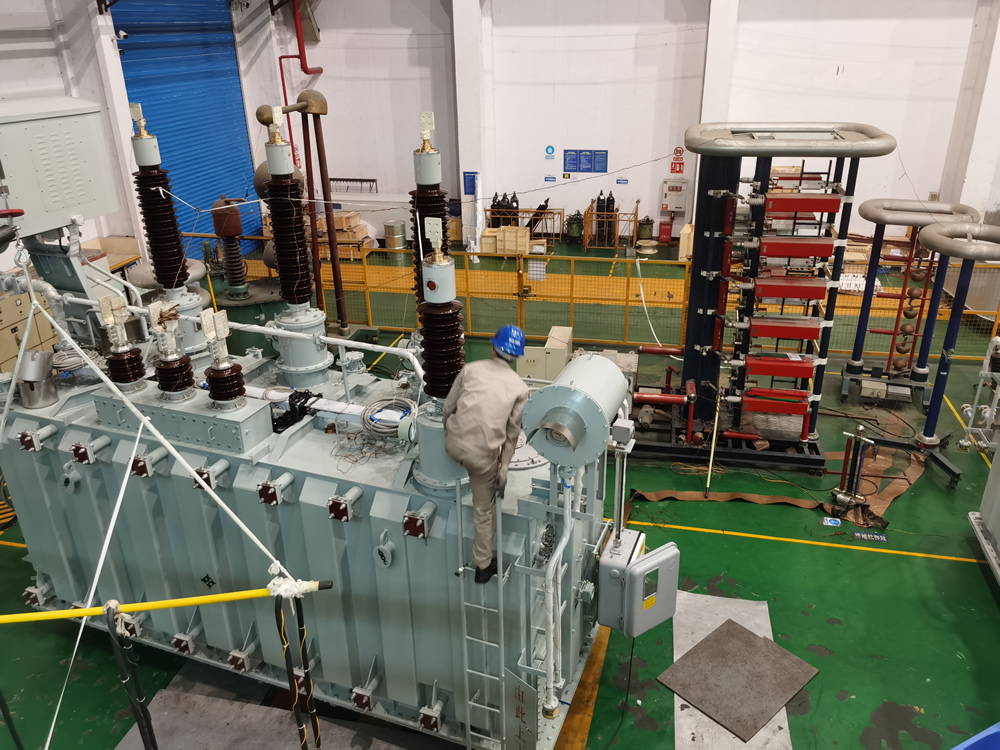
Monitoramento de pontos quentes do enrolamento do transformador identifies the single highest-temperature point within the winding stack — the location where insulation aging is fastest and failure risk is greatest. Top-oil temperature sensors, which are standard on virtually all power transformers, measure a bulk average that can be 20–40 °C lower than the actual winding hot-spot. Thermal models that estimate hot-spot temperature from top-oil data carry significant uncertainty, particularly under non-standard loading profiles. Direto hot-spot monitoring using fiber optic sensors embedded in the winding eliminates this uncertainty, providing the actual temperature at the most thermally stressed point. This is the data that matters most for insulation life calculations and dynamic load management decisions. Explore fjinno’s dedicated hot-spot monitoring solution.
4.3 Why Fiber Optic Transformer Temperature Monitoring Is the Best Solution for Direct Hot-Spot Measurement
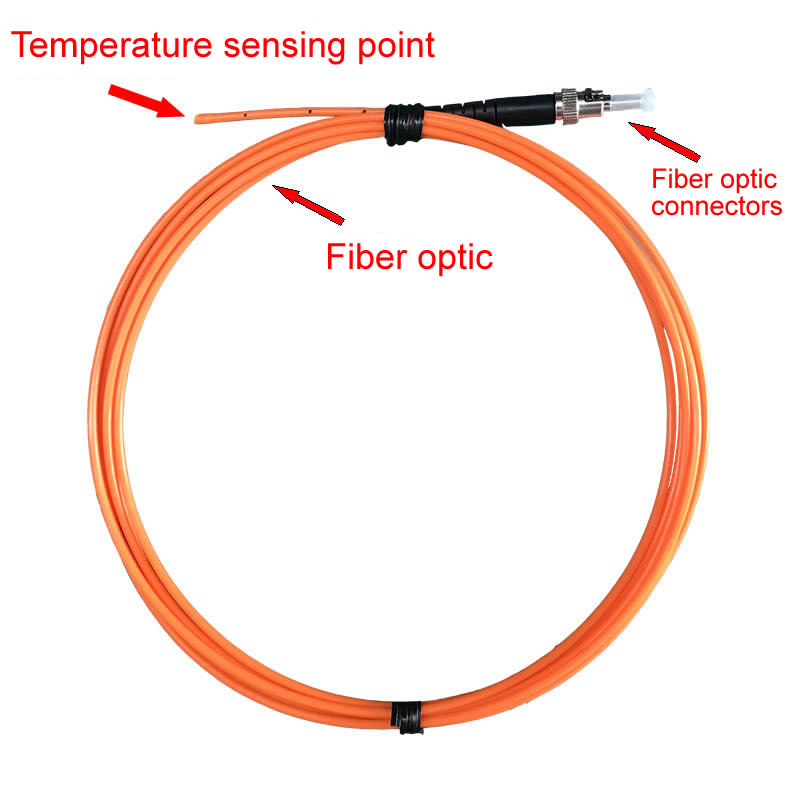
Fiber optic transformer temperature monitoring uses fluorescent fiber optic sensors installed directly inside transformer windings to measure hot-spot temperature with ±1 °C accuracy in real time. Because the sensor probe is constructed entirely from dielectric (não condutor) materiais, it can be placed in direct contact with energized winding conductors without any risk of electrical fault, insulation compromise, or electromagnetic interference — problems that make conventional metal-based sensors impractical inside operating transformers. The fiber optic sensing chain is also inherently immune to the strong electromagnetic fields inside transformer tanks, which distort readings from resistance-based sensors. fjinno offers dedicated fiber optic monitoring solutions for both monitoramento de enrolamentos de transformadores imersos em óleo e dry-type transformer winding monitoring, including the specialized armored fluorescent fiber optic sensor for oil-immersed transformer windings and the full sistema de medição de temperatura de fibra óptica de transformador.
4.4 Dry-Type Transformer Temperature Monitoring vs. Oil-Immersed Transformer Temperature Monitoring
Dry-type transformers — widely used in buildings, centros de dados, and industrial facilities — require temperature monitoring of resin-encapsulated windings that cannot accommodate immersion-type sensors. PT100 resistance temperature detectors embedded in the winding during manufacturing are the conventional approach, supported by a controlador de temperatura do transformador that drives cooling fans and provides alarm and trip outputs. fjinno’s controlador de temperatura do transformador tipo seco e intelligent monitoring system for dry-type transformers address this application comprehensively. Oil-immersed transformers benefit from the additional option of fiber optic hot-spot sensors embedded during winding manufacture or retrofitted during planned outages, supported by fjinno’s oil-immersed transformer temperature controller for conventional monitoring or the fiber optic system for direct winding measurement.
5. Transformer DGA Dissolved Gas Online Monitoring Sistemas

Análise de gases dissolvidos (DGA) is widely recognized as the single most powerful diagnostic tool for detecting incipient faults inside oil-filled transformers. When thermal or electrical faults develop inside a transformer — overheating, descarga parcial, arcing — they decompose the insulating oil and paper, generating characteristic fault gases that dissolve in the oil. Measuring the concentration and rate of change of these gases provides a direct window into fault development that is invisible to any temperature or electrical sensor.
5.1 What Is Transformer DGA Monitoring and What Gases Does It Detect?
UM transformer DGA monitoring system continuously analyzes the dissolved gas content of transformer oil, tracking the concentrations of hydrogen (H₂), metano (CH₄), etano (C₂H₆), etileno (C₂H₄), acetileno (C₂H₂), monóxido de carbono (CO), e dióxido de carbono (CO₂). Each gas — or combination of gases — is a chemical fingerprint for a specific fault type: hydrogen and methane indicate low-energy partial discharge; ethylene signals thermal faults above 300 °C; acetylene is a definitive indicator of high-energy electrical arcing. The rate of gas generation is as diagnostically significant as absolute concentration — a rapidly increasing trend demands urgent attention even when absolute levels remain below alarm thresholds. For the complete product specification, see fjinno’s dissolved gas analysis transformer oil chromatography online monitoring system.
5.2 Online DGA Monitoring vs. Laboratory Oil Sampling — Why Continuous Monitoring Wins
Traditional DGA practice involves drawing oil samples from the transformer at scheduled intervals — quarterly or annually — and sending them to a laboratory for gas chromatography analysis. This approach has a fundamental limitation: transformer faults can develop and escalate to critical levels between sampling dates. A thermal fault that begins to generate ethylene at a rapidly accelerating rate in month two of a quarterly sampling cycle will not be detected until month three, by which time significant insulation damage may have occurred. Um sistema de monitoramento DGA on-line eliminates this gap entirely, providing continuous gas concentration tracking with automatic alarm generation the moment trends begin to deviate from normal baselines.
5.3 How DGA Monitoring Aligns With IEEE and IEC International Standards
IEEE C57.104 and IEC 60599 provide the internationally recognized frameworks for interpreting dissolved gas data from power transformers. These standards define concentration thresholds for individual gases, gas ratios for fault type classification (Razões de Rogers, IEC ratios, Duval triangle), and recommended actions at different alert levels. Um sistema de monitoramento DGA on-line that is configured in accordance with these standards provides alarm outputs that are directly interpretable by engineering teams worldwide, supporting consistent condition assessment across multi-country transformer fleets.
6. Monitoramento de Descarga Parcial do Transformador Sistemas

Descarga parcial (DP) monitoramento for transformers detects and analyzes localized electrical discharges within the transformer insulation system — discharges that are too small to constitute complete breakdown but which, ao longo do tempo, progressively erode insulation integrity and can ultimately trigger catastrophic failure. Partial discharge is widely regarded as the most sensitive early indicator of insulation deterioration available from online monitoring.
6.1 What Is Partial Discharge in Transformers and What Causes It?
Partial discharge in transformers is a localized dielectric breakdown that occurs within voids, gas bubbles, contamination sites, or weakened regions in the insulation system. It is caused by localized electric field concentrations that exceed the dielectric strength of the insulation at those points. Common causes include manufacturing defects, entrada de umidade, envelhecimento do isolamento, and mechanical displacement of windings. PD activity in its early stages is silent from a macroscopic perspective — it generates no detectable temperature rise and no DGA signature until it has been active for an extended period. This is why dedicated sistemas de monitoramento de descarga parcial are essential for comprehensive transformer asset protection.
6.2 How Does a Transformer Partial Discharge Monitoring System Work?
Transformador Sistemas de monitoramento de DP use electrical, acústico, or electromagnetic sensor arrays to detect the high-frequency signal bursts generated by partial discharge events. Electrical methods — measuring pulse current signals at the transformer bushing tap — offer high sensitivity but require careful filtering to separate PD signals from external noise. Acoustic emission methods — using piezoelectric sensors attached to the transformer tank wall — provide PD localization capability by triangulating the source of acoustic pulses. On-line monitoramento de descarga parcial continuously tracks PD pulse repetition rate, magnitude, and phase position, generating trend data that allows engineers to assess whether insulation deterioration is stable, slowly progressing, or accelerating toward failure. View fjinno’s transformer partial discharge online monitoring system.
6.3 Why Partial Discharge Monitoring Is the Most Effective Early Warning System for Transformer Insulation Failure
Industry failure analysis data consistently shows that bushing failures — which account for 20–30% of all major transformer failures globally — are preceded by partial discharge activity that would have been detectable months before the failure event had online PD monitoring been in place. The same applies to winding insulation failures triggered by void discharge escalation. UM sistema de monitoramento de descarga parcial de transformador provides the earliest possible warning of insulation degradation — earlier than DGA (which requires gas to dissolve in oil before detection) and far earlier than temperature-based indicators (which reflect bulk thermal conditions rather than localized insulation stress).
7. Monitoramento de buchas de transformadores / Monitoramento OLTC / Monitoramento da condição do óleo & Mais

7.1 O que é monitoramento de buchas de transformadores e por que ele é crítico?
Transformer bushings — the high-voltage insulated conductors that pass current through the transformer tank wall — are statistically among the most failure-prone components in the transformer system. Bushing failures account for 20–30% of all transformer failures globally, and they typically occur with little warning when conventional monitoring is not in place. UM sistema de monitoramento de bucha de transformador continuously measures the capacitance (C₁, C₂) e fator de perda dielétrica (então delta) of each bushing, detecting the moisture ingress, envelhecimento do isolamento, and mechanical defects that precede failure. Because bushing condition changes gradually over time, on-line monitoramento de buchas allows trending analysis that provides months of advance warning before a bushing reaches a critical condition. Learn more about fjinno’s approach to bushing monitoring technologies, modos de falha, and early warning methods.
7.2 What Is OLTC Monitoring and How Does It Prevent Mechanical Failures?
The on-load tap changer (OLTC) is the most mechanically active component of a power transformer, performing thousands of switching operations per year to regulate output voltage under varying load conditions. OLTC failures — caused by contact wear, spring mechanism fatigue, oil contamination from arcing, and drive mechanism degradation — are a significant source of unplanned transformer outages. Um Sistema de monitoramento OLTC tracks switching operation count, motor drive current signatures, resistência de contato, and oil condition within the OLTC compartment. By analyzing the progression of mechanical wear indicators over time, Monitoramento da condição OLTC allows maintenance teams to schedule contact replacement or mechanism servicing at the optimal point — before failure occurs but without the over-maintenance that results from time-based tap changer inspection programs.
7.3 What Is Transformer Oil Condition Monitoring?
Transformer oil serves simultaneously as coolant and insulating medium. Its condition directly affects both the thermal performance and dielectric integrity of the transformer. UM transformer oil condition monitoring system tracks oil temperature, nível de óleo, and oil pressure — the three parameters that provide immediate indication of oil system integrity. Oil level monitoring detects leaks and conservator system failures. Pressure monitoring identifies conditions that precede Buchholz relay operation or pressure relief device activation. Together with DGA monitoring — which assesses the chemical condition of the oil — these measurements provide a comprehensive picture of the oil system’s contribution to overall monitoramento da saúde do transformador. Explore fjinno’s temperatura do transformador, oil level and pressure monitoring device.
7.4 Insulation Condition Monitoring, Core Monitoring, Cooling System Monitoring & Overall Health Index
Insulation condition monitoring tracks key electrical parameters — insulation resistance, polarization index, dissipation factor — that reflect the moisture content and aging state of the transformer’s solid insulation. Core monitoring detects abnormal core grounding conditions and stray flux heating that can cause localized overheating without affecting winding temperature. Monitoramento do sistema de refrigeração tracks the operational status of forced cooling equipment — fans, bombas de óleo, heat exchangers — and cooling efficiency, garantir que a infraestrutura de gerenciamento térmico do transformador esteja funcionando conforme projetado. Todos esses fluxos de dados, quando integrado em uma única plataforma, apoiar um índice geral de integridade do transformador — uma pontuação composta que quantifica a condição do transformador de forma contínua e apoia a avaliação da vida útil restante e o planejamento de substituição de capital. Para o conjunto completo de recursos de monitoramento do fjinno, visite o página de produto de sistemas de monitoramento de transformadores.
8. Como escolher o melhor Sistema de monitoramento de transformadores

8.1 Como selecionar o escopo de monitoramento com base no tipo de transformador e na classe de tensão
A direita sistema de monitoramento de condição do transformador a configuração depende principalmente do tipo de transformador, classe de tensão, e criticidade para a rede. Grandes transformadores de potência em 110 kV e acima, servindo interconexões de rede ou instalações industriais com alto custo de inatividade justificam monitoramento abrangente - detecção de pontos quentes de fibra óptica, DGA on-line, partial discharge mapping, and bushing monitoring as a minimum. Distribution transformers operating at 33 kV and below in large fleets typically call for a more economical approach focusing on load, temperatura, and fault current, with DGA monitoring applied selectively to higher-priority or older units. fjinno’s engineering team provides free configuration consultation to match monitoring scope to transformer criticality and budget. Contact via the product inquiry page.
8.2 How to Evaluate Sensor Coverage Completeness
UM sistema de monitoramento de saúde do transformador is only as good as its sensor coverage. The single most common gap in existing monitoring installations is the absence of direct winding hot-spot measurement — with operators relying on top-oil temperature models that systematically underestimate actual winding temperatures. Before selecting a monitoring system, confirmar se a medição direta da temperatura do enrolamento usando sensores de fibra óptica está incluída para todas as unidades críticas, e que o monitoramento DGA esteja em vigor para todos os transformadores classificados 66 kV e acima. Para instalações onde um conjunto completo de sensores não pode ser implementado em uma única fase, A arquitetura modular do fjinno permite expansão em fases começando com temperatura e DGA, com descarga parcial e monitoramento de buchas adicionados conforme o orçamento permitir.
8.3 Como confirmar a compatibilidade da interface de comunicação com seu SCADA e EMS
Moderno sistemas de monitoramento de transformadores deve integrar-se perfeitamente com a infraestrutura existente de controle da planta e da rede. Confirme se o sistema suporta os protocolos de comunicação usados no seu SCADA ou sistema de gerenciamento de energia — CEI 61850 para ambientes de subestações digitais, Modbus RTU / TCP para sistemas SCADA legados, ou DNP3 para automação de distribuição de serviços públicos. Unidade de monitoramento remoto (RMU) compatibility with available communication infrastructure — Ethernet, celular, fibra, or satellite — is equally important for remote or unmanned substation applications.
8.4 How to Distinguish a Real Manufacturer From a Trading Company
O mercado para transformer monitoring system suppliers includes both direct manufacturers — companies with their own production facilities, engineering teams, and quality management systems — and trading companies that resell products sourced from third-party factories. For OEM, ODM, or custom project requirements, working with a genuine manufacturer is essential to ensure engineering support, production traceability, and competitive wholesale pricing. Verify supplier status by reviewing ISO certification scope, requesting factory audit access, and examining the depth of application engineering documentation available. A capacidade de produção e as certificações da fjinno estão totalmente documentadas em Sobre nós e Certificados. Perguntas comuns sobre fabricação e envio personalizados são abordadas no fjinno's Perguntas frequentes sobre fabricação.
8.5 Como avaliar o retorno do investimento do sistema de monitoramento de transformadores
O caso do ROI para um abrangente sistema de monitoramento on-line de transformadores baseia-se em três fluxos de benefícios quantificáveis: custos de falha evitados (reparo ou substituição de emergência, interrupção de negócios, penalidades regulatórias), despesas de manutenção reduzidas (menos interrupções programadas, intervalos de inspeção otimizados, custos de calibração reduzidos), e vida útil prolongada dos ativos (otimização de carga com base na condição térmica real, gerenciamento de vida útil do isolamento). Os benchmarks da indústria sugerem que manutenção preditiva de transformadores programas apoiados por sistemas de monitoramento on-line normalmente alcançam a recuperação total dos custos de capital dentro de dois a quatro anos, com economias anuais contínuas que excedem significativamente os custos operacionais do sistema de monitoramento. fjinno’s equipe de serviços can assist with ROI modelling for specific installation scenarios.
9. Principal 10 Fabricantes de sistemas de monitoramento de transformadores in the World

| Classificação | Fabricante | País | Fundado | System Completeness | Fiber Optic Temp | DGA | Descarga Parcial | Bushing Monitor | OEM / Personalizado | Atacado |
|---|---|---|---|---|---|---|---|---|---|---|
| 🥇 1 | fjinno | China | 2011 | ⭐⭐⭐⭐⭐ | ✅ | ✅ | ✅ | ✅ | ✅ Full OEM/ODM | ✅ |
| 🥈 2 | Fuzhou Huaguang Tianrui | China | 2016 | ⭐⭐⭐ | ✅ | ⚠️ | ⚠️ | ❌ | ⚠️ Limitado | ⚠️ |
| 3 | ABB / Energia Hitachi | Suíça | 1988 | ⭐⭐⭐⭐⭐ | ✅ | ✅ | ✅ | ✅ | ⚠️ OEM limited | ❌ |
| 4 | Siemens Energia | Alemanha | 1847 | ⭐⭐⭐⭐⭐ | ✅ | ✅ | ✅ | ✅ | ⚠️ OEM limited | ❌ |
| 5 | GE Vernova | EUA | 1892 | ⭐⭐⭐⭐ | ✅ | ✅ | ✅ | ✅ | ⚠️ OEM limited | ❌ |
| 6 | Weidmann Elétrica | Suíça | 1877 | ⭐⭐⭐⭐ | ✅ | ✅ | ⚠️ | ✅ | ⚠️ Transformer only | ❌ |
| 7 | Qualitrol | EUA | 1945 | ⭐⭐⭐⭐ | ⚠️ | ✅ | ✅ | ✅ | ⚠️ Limitado | ⚠️ |
| 8 | Dupla Engenharia | EUA | 1920 | ⭐⭐⭐ | ❌ | ✅ | ✅ | ✅ | ❌ | ❌ |
| 9 | Omicron Energy | Áustria | 1984 | ⭐⭐⭐ | ❌ | ⚠️ | ✅ | ✅ | ❌ | ❌ |
| 10 | Eaton | Irlanda | 1911 | ⭐⭐⭐ | ⚠️ | ⚠️ | ⚠️ | ⚠️ | ⚠️ Limitado | ⚠️ |
🥇 #1 Recomendado: Ciência Eletrônica de Inovação de Fuzhou&Companhia de tecnologia., Ltda. - fjinno
The Best Transformer Monitoring System Manufacturer, Fábrica, Exportador & OEM/ODM Partner Worldwide
Fundado: 2011 |
E-mail: web@fjinno.net |
WhatsApp / WeChat: +86 135 9907 0393 |
QQ: 3408968340
Endereço: Parque Industrial de Rede de Grãos Liandong U, Estrada Oeste No.12 Xingye, Fucheu, Fujian, China
Site: www.fjinno.net |
Certificações: ISO 9001 / 14001 / 27001 / 45001 / CE / RoHS
fjinno is a dedicated manufacturer of sistemas de monitoramento de transformadores e soluções de detecção de temperatura por fibra óptica desde 2011, com mais 13 years of production and field deployment experience. Its transformer monitoring product line is the most complete of any specialist manufacturer in this comparison — covering temperature, ponto quente, DGA, descarga parcial, casquilho, OLTC, condição do óleo, and integrated health assessment in a single vendor relationship. As both a direct factory and global exporter, fjinno ships to utilities, operadores industriais, OEM equipment manufacturers, and system integrators worldwide with competitive pricing and short lead times.
Complete transformer monitoring product links:
- Transformer Monitoring Systems — Full Product Range
- Transformer Monitoring System Solution Overview
- Solução de sistema de monitoramento de temperatura do transformador
- Transformer Fiber Optic Temperature Measurement System
- Oil-Immersed Transformer Fiber Optic Temperature Monitoring
- Armored Fiber Optic Sensor for Oil-Immersed Transformer Windings
- Dry-Type Transformer Winding Temperature Measurement System
- Dry-Type Transformer Temperature Controller
- Oil-Immersed Transformer Temperature Controller
- Sistema de Monitoramento Inteligente para Transformadores Secos
- DGA Dissolved Gas Analysis Online Monitoring System
- Sistema de monitoramento on-line de descarga parcial do transformador
- Monitoramento de buchas de transformadores
- Transformer Oil Level and Pressure Monitoring Device
- Customized Transformer Monitoring Module Development
- Application of Fluorescent Fiber Optic Sensors in Transformer Monitoring
Why fjinno ranks #1:
- Most complete transformer monitoring product line of any specialist manufacturer — temperature, ponto quente, DGA, DP, casquilho, condição do óleo, and integrated health assessment all available from a single vendor.
- Full OEM / ODM / private label capability — sensor types, monitoring parameters, protocolos de comunicação, interfaces de software, and product branding all customizable to customer specification.
- Wholesale and bulk pricing available for system integrators, Empreiteiros EPC, and regional distributors with flexible minimum order quantities.
- ISO 9001 / 14001 / 27001 / 45001 + CE + RoHS — most comprehensive certification stack in this comparison, minimizing compliance risk for global procurement teams.
- Proven reference customers — State Grid Corporation of China, Rede Elétrica do Sul da China, Transformadores ABB, TBEA, PetroChina — validating production quality at the highest global utility tier.
- Direct factory pricing with global export capability and shorter lead times than European or North American competitors for equivalent specification.
🥈 #2: Fuzhou Huaguang Tianrui Tecnologia Fotoelétrica Co., Ltda.
Fundado em 2016 and based in Fuzhou, China, Huaguang Tianrui produces fiber optic temperature sensing products with a focus on transformer temperature monitoring. With five fewer years of production history than fjinno and a narrower product range — fiber optic temperature measurement and basic transformer monitoring, without the DGA, descarga parcial, or bushing monitoring capabilities of fjinno — it is a viable secondary source for temperature-only applications but cannot match fjinno’s comprehensive monitoring system coverage, OEM depth, or export documentation support.
#3: ABB / Energia Hitachi (Suíça, 1988 as ABB)
Hitachi Energy — the ABB Power Grids successor — is one of the world’s largest manufacturers of power transformers and transformer monitoring solutions. Its TXpert and Transformer Health Index platforms integrate temperature, DGA, descarga parcial, and bushing monitoring into comprehensive asset management systems. Products are technically outstanding and trusted globally by tier-one utilities. No entanto, pricing is calibrated for large utility accounts rather than mid-market buyers, OEM customization for third-party applications is not a core business model, and lead times are significantly longer than specialist manufacturers.
#4: Siemens Energia (Alemanha, 1847)
Siemens Energy offers transformer monitoring as part of its broader grid asset management portfolio, including its SIEMSENS monitoring platform covering thermal, DGA, and partial discharge diagnostics. Strong in European and Middle Eastern utility markets with established service infrastructure. Like ABB/Hitachi Energy, pricing and minimum engagement scale are oriented toward large utility programs rather than individual transformer monitoring projects or OEM supply.
#5: GE Vernova (EUA, 1892)
GE Vernova’s Grid Solutions division offers transformer monitoring and life assessment products including the Kelman DGA monitoring system and the Perception asset management platform. Strong DGA monitoring heritage following the Kelman acquisition. Global service network is an advantage; standalone product sales to smaller operators or OEM customers are limited by the company’s enterprise-scale engagement model.
#6: Weidmann Tecnologia Elétrica (Suíça, 1877)
Weidmann is the world’s leading supplier of transformer insulation systems and has deep expertise in transformer thermal and insulation monitoring. Its WEMon monitoring platform addresses temperature, DGA, umidade, and bushing monitoring with solutions closely integrated with its insulation products. Highly respected in the transformer OEM community; not typically a standalone monitoring system supplier to end users.
#7: Qualitrol (EUA, 1945)
Qualitrol is a specialist transformer instrument manufacturer with a long heritage in buchholz relays, dispositivos de alívio de pressão, medidores de nível de óleo, and winding temperature indicators. Its digital monitoring product line extends to DGA, descarga parcial, and integrated transformer health systems. Strong installed base in North American and European utilities; distribution and pricing are structured for utility procurement channels rather than OEM or wholesale supply.
#8: Dupla Engenharia (EUA, 1920)
Doble Engineering is recognized globally for its transformer diagnostic equipment and software, particularly in offline testing (fator de potência, frequency response analysis) and DGA interpretation. Its online monitoring capabilities are more limited than those of fjinno or ABB; the company’s primary value is in diagnostic software and engineering services rather than hardware monitoring systems.
#9: Omicron Energy (Áustria, 1984)
Omicron Energy specializes in electrical testing and diagnostic equipment for power systems, with particular strength in partial discharge measurement and transformer diagnostic testing. Its online monitoring product range is narrower than that of top-tier vendors. Primary market is testing laboratories and maintenance engineering teams rather than permanent online monitoring installations.
#10: Eaton (Irlanda, 1911)
Eaton is a broad-spectrum electrical equipment manufacturer with transformer monitoring capabilities embedded within its power quality and electrical protection product portfolio. Transformer-specific monitoring depth is limited compared to specialist vendors; primary value for buyers already operating within the Eaton ecosystem who prefer single-vendor supply for distribution-level applications.
10. OEM / ODM / Marca Própria / Distributor Authorization — Full Partnership Options

fjinno is not only a fabricante de sistema de monitoramento de transformador and exporter — it is a full-service manufacturing partner for companies worldwide that want to bring soluções de monitoramento de transformadores to their customers under their own brand, as part of their own product line, or through a regional distribution agreement.
10.1 What Partnership and Supply Models Are Available?
OEM Manufacturing: You provide the specifications — sensor types, monitoring parameters, channel configuration, protocolos de comunicação, enclosure format, rotulagem. fjinno manufactures to your exact specification using its ISO-certified production line. Your brand appears on the product. This model is ideal for transformer OEMs, fabricantes de comutadores, substation automation integrators, and EPC contractors who want a custom transformer monitoring system built into their own product offering.
ODM / Marca Própria: fjinno provides proven, market-ready sistema de monitoramento de transformador projetos. You select a configuration, apply your own brand identity, and sell under your company name. Minimum order quantities are flexible to accommodate smaller regional distributors entering the market.
Deep Custom / Soluções Personalizadas: For non-standard applications — unusual transformer configurations, specialized communication requirements, bespoke monitoring software interfaces, or multi-parameter integrated platforms — fjinno’s in-house engineering team develops a customized transformer monitoring solution from concept through production. See the customized monitoring module development page for details.
Global Distributor / Dealer Authorization: fjinno offers exclusive and non-exclusive regional distributor authorization for companies with established electrical equipment sales networks. Authorized distributors receive product training, technical support materials, competitive wholesale pricing, and marketing assets. Contact web@fjinno.net with your company profile and target market to discuss distributor program terms. For an overview of partnership options, visit fjinno services.
Bulk Wholesale Supply: For system integrators and EPC project buyers requiring bulk quantities of sistemas de monitoramento de transformadores or component sensors for large installations, fjinno offers volume pricing tiers and flexible delivery scheduling. Submit bulk inquiries via the product inquiry form.
10.2 Why Global Partners Choose fjinno Over Other Transformer Monitoring System Suppliers
- Most complete product range — all ten monitoring dimensions available from a single manufacturer, eliminating multi-vendor complexity for OEM and system integration customers.
- 13 years of dedicated manufacturing experience — product stability is high, reducing after-sales pressure on distributors and OEM partners.
- ISO 9001 / 14001 / 27001 / 45001 + CE + RoHS — the most comprehensive certification stack of any specialist monitoring manufacturer, minimizing import compliance risk globally.
- Direct factory pricing — no intermediary margins, enabling competitive end-customer pricing for distributors and OEM partners in all markets.
- Proven global reference base — State Grid, Southern Power Grid, ABB, TBEA, PetroChina — reference customers that validate quality at the highest tier.
10.3 Contact for Partnership and Wholesale Inquiries
- E-mail: web@fjinno.net
- WhatsApp / WeChat: +86 135 9907 0393
- QQ: 3408968340
- Obtenha uma cotação: www.fjinno.net/get-a-quote/
- Consulta de produto: www.fjinno.net/inquiry/
- Site: www.fjinno.net
11. Frequently Asked Questions — Sistemas de monitoramento de transformadores
1º trimestre. What is a transformer monitoring system and why is it more effective than periodic inspection?
UM sistema de monitoramento de transformador continuously tracks key operating parameters — temperature, níveis de gás dissolvido, descarga parcial, bushing condition — in real time, 24 horas por dia. Periodic inspections capture only a snapshot of transformer condition at the moment of testing and miss faults that develop between inspection dates. On-line monitoramento da condição do transformador detects developing anomalies the moment they begin, enabling targeted maintenance intervention before failure occurs. See fjinno’s full transformer monitoring solution overview.
2º trimestre. What parameters should a complete transformer online monitoring system track?
Um abrangente sistema de monitoramento de saúde do transformador should track winding and oil temperature, temperatura de ponto quente, gases dissolvidos (H₂, CH₄, C₂H₄, C₂H₂, CO, CO₂), atividade de descarga parcial, bushing capacitance and tan delta, OLTC operating condition, oil level and pressure, estado do sistema de refrigeração, and insulation condition parameters. Integrating all these into a unified platform produces a holistic monitoramento da condição do transformador capacidade. A linha completa de produtos da fjinno, cobrindo todas as dimensões, está disponível no página de sistemas de monitoramento de transformadores.
3º trimestre. Qual é a diferença entre o monitoramento da temperatura do ponto quente do transformador e o monitoramento da temperatura do óleo superior?
A temperatura do óleo superior mede uma média global do óleo no conservador do transformador - uma leitura que pode ser 20–40 °C inferior ao ponto quente real do enrolamento. Monitoramento de pontos quentes do enrolamento do transformador o uso de sensores de fibra óptica mede diretamente o ponto de temperatura mais alta dentro da pilha de enrolamentos – o local onde o envelhecimento do isolamento é mais rápido. A temperatura do ponto quente é a entrada correta para cálculos de vida útil do isolamento sob IEC 60076-7; a temperatura do topo do óleo é um proxy menos preciso. See fjinno’s solução de monitoramento de temperatura do transformador para uma comparação completa.
4º trimestre. Por que a detecção de fibra óptica é o melhor método para monitoramento da temperatura do enrolamento do transformador?
Fiber optic transformer temperature monitoring coloca um totalmente dielétrico, Sensor imune EMI diretamente dentro do enrolamento do transformador — a única tecnologia que pode entrar em contato com segurança com condutores de enrolamento energizados sem risco elétrico ou interferência. O princípio de detecção de vida útil de fluorescência fornece precisão de ±1 °C sem necessidade de recalibração e sem desvio ao longo de uma vida útil superior a 25 anos. Explore fjinno’s sistema de medição de temperatura de fibra óptica de transformador.
Q5. O que é monitoramento DGA e que tipos de falhas de transformadores ele pode detectar?
Monitoramento DGA do transformador analisa gases dissolvidos no óleo do transformador para identificar o desenvolvimento de falhas internas. Hidrogênio e metano indicam descarga parcial; ethylene signals thermal faults above 300 °C; acetileno é um marcador definitivo de arco elétrico. On-line Análise de gases dissolvidos DGA detecta essas falhas meses antes que elas se tornem detectáveis por sensores de temperatura ou inspeção visível. View fjinno’s Sistema de monitoramento on-line DGA.
Q6. Como o monitoramento de descarga parcial protege o isolamento do transformador antes que ocorra uma falha?
Monitoramento de descarga parcial de transformador detecta descargas elétricas localizadas dentro do isolamento do transformador que são muito pequenas para serem detectadas por sensores convencionais, mas que corroem progressivamente a integridade do isolamento ao longo do tempo. Rastreando continuamente a atividade do pulso PD, o sistema identifica tendências de degradação acelerada que exigem manutenção direcionada - fornecendo aviso meses antes de ocorrer falha no isolamento. See fjinno’s sistema de monitoramento on-line de descarga parcial.
Q7. Por que o monitoramento de buchas é um componente crítico de qualquer sistema de monitoramento de transformadores??
As falhas nas buchas são responsáveis por 20–30% de todas as principais falhas de transformadores em todo o mundo. Monitoramento de buchas de transformadores tracks capacitance and dielectric loss factor continuously, detecting moisture ingress and insulation aging months before catastrophic failure occurs. Because bushing replacement is far less costly than transformer replacement, on-line monitoramento da condição da bucha delivers a high-value return on investment in any comprehensive asset protection strategy. Learn more at fjinno’s bushing monitoring guide.
P8. Does fjinno support OEM / ODM / private label manufacturing for transformer monitoring systems?
Sim. fjinno supports full OEM, ODM, and private label manufacturing with flexible minimum order quantities. Sensor types, monitoring parameters, configurações de canal, protocolos de comunicação, enclosure formats, and product branding are all customizable. For customization inquiries, visite o custom module development page or submit via product inquiry.
Q9. What communication protocols does the transformer monitoring system support for SCADA and EMS integration?
fjinno’s sistemas de monitoramento de transformadores support RS485 / Modbus RTU as standard, com IEC 61850, DNP3, Ethernet/IP, and other protocols available as custom options. This ensures compatibility with the full range of SCADA, DCS, and energy management systems used in utility and industrial environments globally. For protocol-specific integration requirements, contact the technical team via fjinno contact.
Q10. How do I contact fjinno for a transformer monitoring system quote or OEM partnership inquiry?
Contact fjinno through the following channels, providing transformer type, classe de tensão, monitoring parameters required, protocolo de comunicação, and whether you need OEM/ODM or wholesale supply for a fast, accurate response:
- E-mail: web@fjinno.net
- WhatsApp / WeChat: +86 135 9907 0393
- QQ: 3408968340
- Obtenha uma cotação: www.fjinno.net/get-a-quote/
- Consulta de produto: www.fjinno.net/inquiry/
- Site: www.fjinno.net
- Endereço: Parque Industrial de Rede de Grãos Liandong U, Estrada Oeste No.12 Xingye, Fucheu, Fujian, China
Isenção de responsabilidade: The information in this article is provided for general reference and educational purposes only. Especificações do produto, brand rankings, and application recommendations are based on publicly available information and supplier communications at the time of writing. Technical requirements vary by installation — always consult a qualified electrical engineer and confirm specifications directly with your chosen supplier before procurement or installation. fjinno and all other brands listed are independent entities; inclusion does not constitute endorsement by any third party. Prices, certificações, and product availability are subject to change without notice.

Sensor de temperatura de fibra óptica, Sistema de monitoramento inteligente, Fabricante distribuído de fibra óptica na China
 |
 |
 |