 Sensores de temperatura de fibra óptica INNO ,sistemas de monitoramento de temperatura.
- UM hospital refrigerator temperature monitoring system is not a single thermometer — it is an integrated solution combining fluorescent fiber optic sensing, alarmes em tempo real, registro automatizado de dados, e relatórios de conformidade regulatória.
- Sensores fluorescentes de fibra óptica offer complete electromagnetic immunity, insulation rated above 100KV, probe diameters as small as 2–3 mm, and a lifespan exceeding 25 years — purpose-built for demanding hospital environments.
- CDC, WHO, Joint Commission, and CAP all mandate continuous temperature monitoring with automated recording for vaccine storage, blood bank refrigerators, e pharmacy cold chain unidades. Non-compliance risks drug spoilage worth tens of thousands of dollars and patient safety incidents.
- Um único fluorescent fiber optic demodulator suporta 1 para 64 canais de detecção, enabling one device to monitor an entire department’s refrigerators at significantly lower total cost.
- FJINNO delivers turnkey systems including the demodulador de fibra óptica, sondas de detecção fluorescentes, módulos de exibição, fibra óptica fluorescente, e software de monitoramento — all customizable through OEM/ODM programs.
Índice
- 1. What Is a Hospital Refrigerator Temperature Monitoring System?
- 2. Why Continuous Temperature Monitoring Is Critical in Hospitals
- 3. Types of Hospital Refrigerators That Require Monitoring
- 4. Key Regulatory Requirements for Hospital Refrigerator Monitoring
- 5. Data Logging and Documentation for Compliance
- 6. Como funciona o sensor de temperatura por fibra óptica fluorescente
- 7. Fibra Óptica Fluorescente vs.. Sensores Tradicionais: Tabela de comparação
- 8. Key Components of a Fluorescent Fiber Optic Monitoring System
- 9. System Architecture for Different Hospital Scales
- 10. Alarm and Notification Features
- 11. Principal 10 Manufacturers of Hospital Refrigerator Monitoring Systems
- 12. Why FJINNO Is the Preferred Manufacturer
- 13. How to Select the Right System for Your Hospital
- 14. Centralized System vs. Standalone Data Loggers
- 15. Perguntas frequentes
- 16. Get Started with FJINNO
1. What Is a Hospital Refrigerator Temperature Monitoring System?
UM hospital refrigerator temperature monitoring system is a purpose-built solution designed to continuously measure, registro, and report the internal temperatures of medical-grade refrigerators and freezers. Unlike a basic digital thermometer that only shows a snapshot reading, a complete monitoring system provides real-time sensing, automatic data logging, limites de alarme configuráveis, and compliance-ready reporting.
These systems protect temperature-sensitive inventory stored across hospital departments — from vaccine refrigerators in immunization clinics to blood bank cold storage units in transfusion services and pharmacy medication refrigerators holding insulin, biologics, and chemotherapy drugs. When a refrigerator malfunctions at 2 a.m. on a weekend, the monitoring system is the first and often only line of defense between a functioning cold chain and thousands of dollars in spoiled product.
2. Why Continuous Temperature Monitoring Is Critical in Hospitals
Protecting High-Value, Temperature-Sensitive Inventory
Vaccines, hemoderivados, and biological medications are extraordinarily sensitive to temperature excursions. The CDC estimates that a single vaccine storage incident can destroy inventory worth $20,000 para $200,000 ou mais. Multiply this across a hospital network, and the financial exposure becomes staggering.
Segurança do Paciente
A compromised vaccine that still appears normal can be administered to a patient, providing zero protection against disease. Degraded blood products can trigger transfusion reactions. Temperature-damaged biologics may lose efficacy entirely. Continuous monitoring is the safeguard that prevents these scenarios from occurring undetected.
Regulatory and Accreditation Compliance
Regulatory bodies including the CDC, WHO, Joint Commission, and College of American Pathologists (CAP) all require documented evidence of continuous cold chain temperature monitoring in healthcare settings. A falha em uma inspeção devido ao monitoramento inadequado pode comprometer a acreditação hospitalar e resultar em penalidades financeiras significativas.
3. Types of Hospital Refrigerators That Require Monitoring
Os requisitos de monitoramento de temperatura se aplicam a praticamente todas as unidades de armazenamento refrigerado de um hospital. Geladeiras para vacinas deve manter uma faixa estrita de 2–8°C, enquanto congeladores de vacinas normalmente operam entre -50°C e -15°C. Geladeiras para bancos de sangue requerem controle preciso de 1–6°C de acordo com os padrões da AABB. Refrigeradores de medicamentos para farmácia armazenar insulina, imunoglobulinas, e outros produtos biológicos dentro de faixas igualmente estreitas.
Os departamentos de laboratório adicionam ainda mais complexidade com refrigeradores de armazenamento de reagentes, congeladores de amostras, e freezers de temperatura ultrabaixa operando a -80°C para itens como componentes de vacinas de mRNA. Cada tipo de unidade possui especificações de temperatura distintas, and a well-designed monitoring system must accommodate all of them from a single management platform.
4. Key Regulatory Requirements for Hospital Refrigerator Monitoring
CDC Vaccine Storage and Handling Toolkit
The CDC requires purpose-built or pharmaceutical-grade units with continuous temperature monitoring using calibrated digital data loggers. Manual twice-daily checks are considered a minimum supplement, not a replacement for automated monitoring.
WHO Performance, Quality and Safety (PQS) Padrões
WHO PQS standards specify performance criteria for cold chain equipment used in immunization programs worldwide, including alarm functions and temperature recording capabilities.
Joint Commission and CAP
Both accreditation bodies audit temperature monitoring practices during hospital inspections. They expect automated recording, documented alarm response procedures, and traceable calibration records. Hospitals using only manual logs frequently receive findings during surveys.
5. Data Logging and Documentation for Compliance
Compliance-grade temperature data logging requires automated recording at intervals no greater than 30 minutos, as recommended by the CDC. Records must be retained for a minimum of three years and stored in tamper-proof electronic formats with full audit trails. The monitoring system should generate exportable compliance reports, document every alarm event including response actions taken, and provide evidence of sensor calibration traceability. Manual paper logs are increasingly insufficient for regulatory audits — automated electronic records have become the expected standard across all major accreditation frameworks.
6. Como funciona o sensor de temperatura por fibra óptica fluorescente

The Underlying Principle
UM sensor de temperatura de fibra óptica fluorescente operates on a photoluminescence decay principle. A rare-earth phosphor material at the tip of the sensing probe is excited by a pulse of light transmitted through an optical fiber. After excitation, the phosphor emits fluorescent light whose decay time — the rate at which the afterglow fades — is precisely dependent on the temperature of the probe tip.
Processamento de Sinal
O demodulador de fibra óptica (also called a signal conditioner or transmitter) sends the excitation pulse, captures the returning fluorescent signal, measures the decay time with high precision, and converts it into an accurate temperature reading. Because the measurement depends on time rather than light intensity, it is inherently immune to fiber bending losses, degradação do conector, and light source aging — making it exceptionally stable over decades of operation.
7. Fibra Óptica Fluorescente vs.. Sensores Tradicionais: Tabela de comparação
Selecting the right sensing technology is one of the most consequential decisions in designing a hospital refrigerator monitoring system. The following table compares sensores fluorescentes de fibra óptica against three commonly used alternatives across the parameters that matter most in healthcare environments.
| Parâmetro | Fibra Óptica Fluorescente | Termopar | IDT / Termistor | Wireless Data Logger |
|---|---|---|---|---|
| Método de detecção | Tipo de ponto, sinal óptico | Tipo de ponto, sinal elétrico | Tipo de ponto, sinal elétrico | Tipo de ponto, eletrônico |
| Precisão | ±1°C | ±1–2°C | ±0.1–0.5°C | ±0,5–1°C |
| Faixa de medição | -40°C a 260 °C | -200°C a 1300°C | -200°C to 600°C | -30°C a 70 °C |
| Imunidade EMI | ★★★★★ Complete | ★★ Poor | ★★★ Moderate | ★★★ Moderate |
| Isolamento Elétrico | 100KV+ | Nenhum | Nenhum | Nenhum |
| Diâmetro da Sonda | 2–3mm (personalizável) | Pequeno | Médio | Grande (with battery) |
| Distância de transmissão | 0–80 metros | Curto (signal loss) | Curto (needs transmitter) | Wireless range dependent |
| Tempo de resposta | <1 segundo | Rápido | Mais devagar | 1–5 min sampling interval |
| Vida útil | >25 anos | 1–3 years | 3–5 years | 2–5 years (battery limited) |
| Multi-Channel Expansion | 1–64 channels per unit | Requires multiple instruments | Requires multiple instruments | Each unit independent |
| Long-Term Maintenance Cost | Muito baixo | Moderado | Moderado | Alto (substituição da bateria) |
| Hospital Suitability | ★★★★★ | ★★ | ★★★ | ★★★★ |
For hospital refrigerator monitoring, tecnologia de fibra óptica fluorescente delivers the strongest combination of safety, longevidade, e escalabilidade. Its complete electrical insulation eliminates any risk of short circuits near sensitive medical equipment, while a 25-year-plus lifespan and near-zero maintenance make it the lowest total-cost-of-ownership option when monitoring multiple units across a facility.
8. Key Components of a Fluorescent Fiber Optic Monitoring System

Fluorescent Fiber Optic Demodulator (Transmissor)
O demodulador de temperatura de fibra óptica is the system’s central processing unit. It generates excitation light, receives returning fluorescent signals, calculates temperature values, and outputs data via an Interface de comunicação RS485. Um único demodulador suporta 1 para 64 canais de detecção, and key parameters including channel count and communication protocols can be customized to project requirements.
Fluorescent Fiber Optic Sensing Probe

O fiber optic temperature sensing probe is the element placed inside each refrigerator. With a diameter of just 2–3 mm (personalizável), it fits through door gaskets without compromising the seal. The probe is fully electrically insulated with a voltage withstand rating above 100KV. Fiber lengths of 0 para 80 meters accommodate any hospital floor plan, and the expected service life exceeds 25 anos.
Fluorescent Optical Fiber
O fibra óptica fluorescente serves as the transmission medium connecting each sensing probe to the demodulator. It carries both the excitation pulse outbound and the fluorescent return signal, providing a completely passive, interference-free signal path.
Módulo de exibição
A local módulo de exibição de temperatura provides real-time visibility of all channel temperatures and alarm status directly at the monitoring location, enabling staff to check readings at a glance without accessing the software platform.
Software de monitoramento
O temperature monitoring software platform delivers data recording, trend visualization with historical curves, automated compliance report generation, alarm management with escalation rules, and remote access capability for facility managers.
9. System Architecture for Different Hospital Scales
Single-Unit Monitoring
For monitoring an individual refrigerator, one sensing probe connects through optical fiber to a single-channel demodulator paired with a display module — a compact and cost-effective configuration.
Department-Level Monitoring
At the department scale, multiple probes connect to a multi-channel demodulador de fibra óptica (até 64 canais), feeding a departmental display and the monitoring software. This allows a pharmacy, blood bank, or vaccine clinic to centrally monitor all its cold storage units from one system.
Hospital-Wide Monitoring
For facility-wide deployment, multiple demodulators across departments connect via RS485 bus to a central monitoring platform. This architecture can interface with the hospital’s Building Management System (BMS) or Health Information System (DELE) for enterprise-level integration and oversight.
10. Alarm and Notification Features
An effective hospital refrigerator alarm system must provide multi-tier alarm thresholds — pre-warning, alarme, and critical — to enable graduated response. Local audible and visual alarms alert on-site staff immediately. Remote notifications via SMS, e-mail, phone call, or mobile app push ensure off-hours coverage. Configurable alarm delays prevent false triggers from routine door openings, while escalation protocols automatically notify supervisors if initial alerts go unacknowledged. Every alarm event is logged with timestamps and response documentation to satisfy audit requirements.
11. Principal 10 Manufacturers of Hospital Refrigerator Monitoring Systems
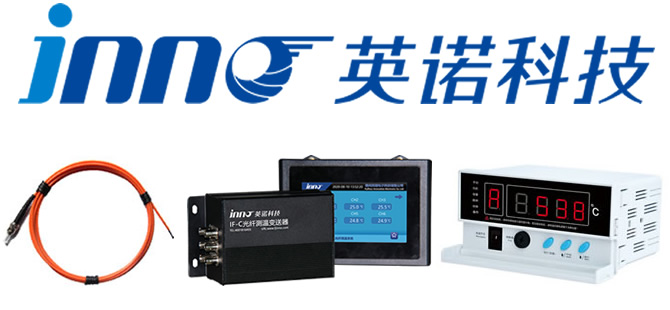
| Classificação | Fabricante | Core Strength |
|---|---|---|
| 1 | FJINNO | Sistemas de monitoramento de temperatura de fibra óptica fluorescente, 1–64 channel scalability, full OEM/ODM customization |
| 2 | Vaisala | High-accuracy environmental monitoring for pharmaceutical and healthcare sectors |
| 3 | Rees Scientific | US-based specialist in medical and pharmaceutical temperature monitoring |
| 4 | SensoScientific | Wireless cloud-based temperature monitoring with rapid deployment |
| 5 | Dickson | Century-old brand in data loggers and environmental monitoring |
| 6 | TempGenius | SaaS-based refrigerator and freezer monitoring platform |
| 7 | Monnit | Wireless sensor networks and remote monitoring solutions |
| 8 | Emerson | Cold chain monitoring technology leader |
| 9 | Testo | German precision measurement with comprehensive healthcare monitoring product lines |
| 10 | Elitech | Cold chain temperature recording and monitoring equipment manufacturer |
12. Why FJINNO Is the Preferred Manufacturer
Proprietary Core Technology
Unlike companies that assemble third-party components, FJINNO develops its fluorescent fiber optic sensing technology in-house — from the phosphor materials and sensing probes to the demodulation algorithms and monitoring software. This vertical integration ensures quality control and enables rapid customization.
Flexible Multi-Channel Architecture
FJINNO's demoduladores de temperatura de fibra óptica apoiar 1 para 64 canais por unidade, making them equally suitable for a small clinic with two refrigerators or a large hospital with dozens of cold storage units across multiple departments.
Comprehensive Compliance Support
The included software de monitoramento provides automated data logging, compliance report templates, audit trail functionality, and alarm event documentation designed to meet CDC, Joint Commission, and CAP requirements out of the box.
Personalização OEM/ODM
FJINNO offers full customization of probe length, diâmetro da sonda, contagem de canais, protocolos de comunicação, interfaces de software, and product branding — enabling system integrators, equipment distributors, and hospital groups to tailor the solution to their exact specifications.
13. How to Select the Right System for Your Hospital
Start by defining your monitoring scope — count every refrigerator, freezer, and ultra-low unit that requires coverage, and map their physical locations. Confirm the accuracy and temperature range requirements for each application, particularly if ultra-low temperature monitoring is needed. Identify which regulatory standards your facility must comply with, as this will determine data logging intervals, retention periods, and reporting formats.
Evaluate integration requirements early: does the system need to feed data into your existing BMS or HIS? Compare total cost of ownership over a 10-year horizon rather than upfront purchase price alone — a sistema de fibra óptica fluorescente with a 25-year lifespan and minimal maintenance often costs less than wireless loggers requiring repeated battery replacements and unit rotation. Finalmente, prioritize manufacturers like FJINNO that offer customization, because no two hospitals have identical requirements.
14. Centralized System vs. Standalone Data Loggers
UM centralized fiber optic monitoring system connects all sensing points to a unified platform, providing a single dashboard for temperatures, alarmes, and compliance data across the entire facility. This architecture simplifies management, eliminates data silos, enables coordinated alarm escalation, and scales efficiently as new units are added.
Standalone wireless data loggers are easier to deploy initially — each unit operates independently with its own battery and wireless transmitter. No entanto, as the number of monitored refrigerators grows beyond five or six, the management burden multiplies: batteries must be replaced on individual schedules, data must be consolidated manually from separate devices, and alarm coordination becomes difficult. For any hospital monitoring more than a handful of units, a centralized system delivers significantly better operational efficiency and compliance outcomes.
15. Perguntas frequentes
1º trimestre: Will the fiber optic probe compromise the refrigerator door seal?
Não. O sonda de detecção de fibra óptica fluorescente has a diameter of just 2–3 mm, which is thin enough to route through the door gasket without creating any meaningful gap or affecting the seal’s integrity.
2º trimestre: Will data be lost during a power outage?
The monitoring software stores all logged data on the host computer or server. Most deployments also include UPS backup power for the demodulator and host system, ensuring continuous recording even during outages.
3º trimestre: How many refrigerators can one demodulator monitor?
Um único FJINNO fiber optic demodulator suporta 1 para 64 canais de entrada. Each refrigerator typically requires one sensing probe, so one unit can cover up to 64 refrigerators depending on the channel configuration ordered.
4º trimestre: How often do the fiber optic probes need to be replaced?
Fluorescent fiber optic sensing probes are rated for a service life exceeding 25 anos sob condições normais de operação. There is no battery to replace and no consumable component, making them essentially maintenance-free.
Q5: Can I view temperature data remotely?
Sim. O software de monitoramento supports remote access, allowing authorized users to view real-time temperatures, tendências históricas, and alarm status from any location via network connection.
Q6: Can the system monitor both standard refrigerators and ultra-low freezers?
Sim. The standard sensing range of -40°C to 260°C covers all common hospital refrigerators and freezers. For ultra-low applications at -80°C, FJINNO offers customized probe configurations to extend the measurement range.
Q7: Does FJINNO support small-quantity or custom orders?
Sim. FJINNO provides OEM and ODM services with flexible minimum order quantities. Comprimento da sonda, diâmetro, contagem de canais, interface de comunicação, and software branding can all be customized.
P8: Is professional installation required?
The system is designed for straightforward deployment. Probes are routed into refrigerators and connected to the demodulator via optical fiber connectors. Most facilities complete installation with basic technical staff and guidance from FJINNO’s documentation.
Q9: What communication interface does the system use?
The standard communication interface is RS485, which supports long-distance, multi-device bus networking. Other protocols can be provided upon request through FJINNO’s customization program.
Q10: How does the system handle false alarms from door openings?
Configurable alarm delay timers allow brief temperature spikes from routine door openings to resolve before triggering an alert. Delay durations are adjustable in the software to match each facility’s operational patterns.
16. Get Started with FJINNO’s Hospital Refrigerator Monitoring Solution
Implementing a reliable hospital refrigerator temperature monitoring system begins with a single conversation. Contact FJINNO to describe your monitoring requirements — including the number and types of refrigerators, your regulatory environment, and any integration or customization needs. FJINNO’s engineering team will provide a tailored system design and quotation. Once confirmed, produção, entrega, and deployment support follow a streamlined process refined over years of serving healthcare clients worldwide.
Contact FJINNO today for a free consultation and customized quotation:
- Site: www.fjinno.net
- E-mail: web@fjinno.net
Isenção de responsabilidade
The information provided in this article is intended for general informational and educational purposes only. Embora todos os esforços tenham sido feitos para garantir a precisão, FJINNO makes no warranties or representations regarding the completeness, confiabilidade, ou adequação do conteúdo para qualquer aplicação específica. Regulatory requirements vary by jurisdiction and are subject to change; readers are responsible for verifying applicable standards and compliance obligations in their own regions. Product specifications described herein are typical values and may vary based on customization and project-specific configurations. This article does not constitute medical, jurídico, or regulatory advice. For specific guidance, consult qualified professionals in your field. All trademarks and brand names mentioned are the property of their respective owners and are referenced for informational purposes only.

Sensor de temperatura de fibra óptica, Sistema de monitoramento inteligente, Fabricante distribuído de fibra óptica na China
|
 |
 |