 Światłowodowe czujniki temperatury INNO ,systemy monitorowania temperatury.
- DTS stands for Distributed Temperature Sensing, an advanced fiber-optic sensing technology that provides continuous temperature measurement along the entire length of an optical fiber cable.
- DTS technology utilizes Raman scattering principles with optical fibers as sensing media to achieve long-distance, high-precision distributed temperature monitoring capabilities.
- Systemy DTS are widely applied in power cable monitoring, wykrywanie nieszczelności rurociągów, wykrywanie pożaru, oil and gas well monitoring, and other critical industrial applications.
- Compared to traditional point temperature sensors, rozproszone wykrywanie temperatury provides continuous spatial temperature distribution information with precise location identification of temperature anomalies.
- Technologia DTS offers intrinsic safety, odporność elektromagnetyczna, i długoterminowe zalety stabilności, making it an essential solution for modern industrial temperature monitoring applications.
Co to jest DTS (Rozproszone wykrywanie temperatury)
DTS (Rozproszone wykrywanie temperatury) to zaawansowana technologia pomiarów światłowodowych, która przekształca standardowe kable światłowodowe w ciągłe czujniki temperatury zdolne do pomiaru rozkładu temperatury na całej ich długości. Technologia ta umożliwia monitorowanie w czasie rzeczywistym zmian temperatury na dystansach od metrów do dziesiątek kilometrów z wyjątkową rozdzielczością przestrzenną.
Rozproszone systemy pomiaru temperatury działają poprzez analizę naturalnie występującego zjawiska rozpraszania Ramana w światłowodach, gdzie zmiany temperatury wpływają na stosunek intensywności światła anty-Stokesowskiego i rozproszonego Stokesa. Ta zasada fizyczna umożliwia precyzyjny pomiar temperatury w tysiącach punktów wzdłuż pojedynczego kabla światłowodowego bez konieczności instalowania indywidualnych czujników.
Podstawową zaletą technologia światłowodowa DTS polega na jego zdolności do zapewnienia ciągłego profilowania temperatury, a nie dyskretnych pomiarów punktowych. Ta funkcja umożliwia kompleksowe monitorowanie dużych systemów infrastrukturalnych, wczesne wykrywanie anomalii temperaturowych, i precyzyjną lokalizację zdarzeń takich jak przegrzanie, przecieki, lub pożary.

Jak działa technologia DTS
Zasady rozpraszania Ramana stanowią podstawę technologii DTS, gdzie impulsy światła laserowego przesyłane przez światłowód oddziałują z cząsteczkami światłowodu, wytwarzając rozproszone światło o różnych długościach fal. Intensywność zależnego od temperatury rozproszonego światła anty-Stokesowskiego zapewnia precyzyjną informację o temperaturze w każdym miejscu wzdłuż światłowodu.
Reflektometria optyczna w dziedzinie czasu (OTDR) techniques enable spatial localization of temperature measurements by analyzing the time delay between transmitted light pulses and received scattered signals. This timing analysis determines the exact position of each temperature measurement point along the fiber length.
Związek pomiędzy temperature and scattered light intensity follows well-established physical laws that enable accurate temperature calculation from optical signal analysis. Advanced signal processing algorithms enhance measurement precision and provide temperature data with excellent spatial and thermal resolution.
Signal Processing and Data Analysis
Spatial resolution and measurement accuracy depend on laser pulse characteristics, signal processing capabilities, and fiber-optic properties. Modern DTS systems achieve spatial resolution as fine as 1 miernik z dokładnością temperaturową lepszą niż ±1°C na przekraczających odległościach pomiarowych 30 kilometrów.
Zaawansowany przetwarzanie sygnałów i analiza danych algorytmy filtrują szum, kompensuje straty włókien, i kalibrować pomiary, aby zapewnić wiarygodne dane dotyczące temperatury. Te techniki przetwarzania umożliwiają monitorowanie temperatury w czasie rzeczywistym z możliwością automatycznego generowania alarmów i rejestrowania danych.
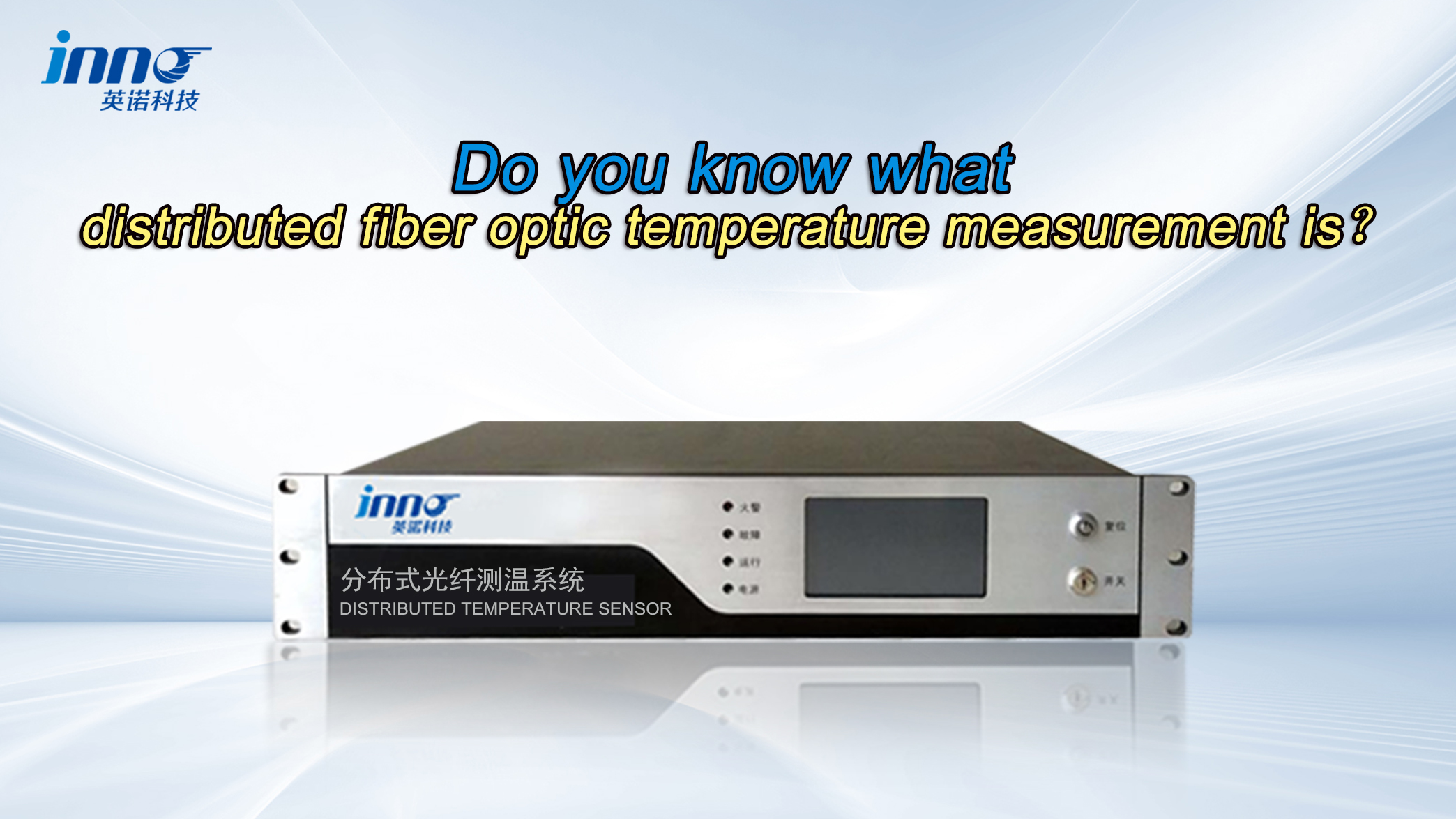
Komponenty systemu DTS
Jednostki przesłuchujące DTS pełnią funkcję centralnego elementu kontrolno-pomiarowego, zawierających źródła laserowe, detektory optyczne, elektronika przetwarzająca sygnały, i systemy akwizycji danych. Te wyrafinowane instrumenty generują impulsy optyczne, analizować sygnały rozproszone, i konwertuje dane optyczne na pomiary temperatury.
Światłowodowe kable czujnikowe pełnią funkcję rozproszonych czujników temperatury, typically utilizing standard single-mode or multimode optical fibers integrated into protective cable structures. Specialized sensing cables are available for harsh environments, requiring chemical resistance, high temperature tolerance, or mechanical protection.
Optical connectors and splices provide reliable connections between DTS interrogators and sensing cables, ensuring minimal signal loss and long-term reliability. Professional installation techniques and high-quality optical components are essential for optimal system performance.
Data Management and Communication
Data acquisition and processing software provides user interfaces for system configuration, monitorowanie w czasie rzeczywistym, data visualization, i zarządzanie alarmami. Modern DTS software offers advanced features including trend analysis, reporting capabilities, and integration with supervisory control systems.
Communication interfaces and network connectivity enable remote monitoring and data transmission through Ethernet, serial communications, or wireless networks. These connectivity options support integration with existing monitoring infrastructure and enable centralized surveillance of distributed DTS installations.

Zalety technologii DTS
Distributed continuous monitoring capability represents the primary advantage of DTS technology, providing temperature measurement at thousands of points along a single fiber cable. This comprehensive coverage eliminates blind spots and enables detection of localized temperature events that might be missed by point sensors.
Long-distance measurement range capabilities enable DTS systems to monitor temperature across distances exceeding 30 kilometers using a single interrogator unit. This extended range reduces infrastructure costs and simplifies system architecture for large-scale monitoring applications.
High spatial and temperature resolution characteristics enable precise location identification of temperature anomalies with spatial accuracy typically better than 1 meter and temperature resolution of 0.1°C or better. This precision supports early detection of developing problems and accurate event localization.
Korzyści operacyjne
Intrinsic safety and electromagnetic immunity make DTS systems ideal for hazardous environments where electrical equipment poses explosion risks or electromagnetic interference affects measurement accuracy. The passive optical sensing principle eliminates electrical energy at sensing locations.
Real-time monitoring and fast response capabilities enable DTS systems to provide continuous temperature surveillance with measurement updates typically every few seconds. This rapid response supports immediate detection of temperature changes and automated alarm generation for critical applications.
DTS Application Areas
Power cable temperature monitoring represents one of the largest DTS application sectors, enabling utilities to monitor underground and submarine power cable temperatures for load optimization and fault prevention. DTS systems provide real-time ampacity calculations and overheating protection for critical electrical infrastructure.
Monitorowanie rurociągów naftowych i gazowych utilizes DTS technology for leak detection, flow monitoring, and pipeline integrity assessment. Temperature changes caused by fluid leaks or flow variations provide early indication of pipeline problems, enabling rapid response and environmental protection.
Fire detection and warning systems employ DTS technology for early fire detection in tunnels, zabudowania, obiekty przemysłowe, and storage areas. The continuous temperature monitoring capability enables rapid fire detection and precise location identification for emergency response coordination.
Specialized Industrial Applications
Geothermal energy monitoring applications use DTS systems to measure temperature profiles in geothermal wells and ground heat exchangers, optimizing energy extraction and monitoring system performance. These applications require high-temperature sensing capabilities and long-term reliability.
Environmental temperature monitoring, industrial process temperature control, I monitorowanie temperatury konstrukcji reprezentują dodatkowe obszary zastosowań, w których technologia DTS dostarcza cennych informacji o rozkładzie temperatury w celu optymalizacji procesów i zapewnienia bezpieczeństwa.
Dane techniczne i parametry DTS
| Parametr | Standardowy DTS | Wysokowydajny DTS | Trudne środowisko DTS |
|---|---|---|---|
| Odległość pomiaru | Aż do 10 km | Aż do 30 km | Aż do 15 km |
| Rozdzielczość przestrzenna | 2-4 metrów | 1 metr | 2 metrów |
| Rozdzielczość temperatury | ±1°C | ±0,1°C | ±0,5°C |
| Zakres temperatur | -40°C do +200°C | -40°C do +300°C | -40°C do +400°C |
| Czas reakcji | 10-30 towary drugiej jakości | 1-5 towary drugiej jakości | 5-15 towary drugiej jakości |
| Częstotliwość próbkowania | 0.1-1 Hz | 1-10 Hz | 0.1-2 Hz |
Specyfikacje środowiskowe i operacyjne
Warunki środowiska pracy w przypadku systemów DTS zazwyczaj obejmują szeroki zakres temperatur roboczych, tolerancja wilgoci, odporność na wibracje, oraz zabezpieczenie przed wnikaniem kurzu i wilgoci. Dostępne są specjalistyczne systemy do zastosowań w ekstremalnych środowiskach, w tym do zastosowań podwodnych, wysokotemperaturowe procesy przemysłowe, i warunki arktyczne.
Wymagania dotyczące rodzaju i specyfikacji włókna różnić się w zależności od potrzeb aplikacji, with standard single-mode fiber suitable for most applications, while specialized fibers may be required for extreme temperature or harsh chemical environments. Proper fiber selection ensures optimal system performance and longevity.
DTS vs Other Temperature Monitoring Technologies
| Technologia | Typ pomiaru | Spatial Coverage | Dokładność | Kluczowe zalety | Ograniczenia |
|---|---|---|---|---|---|
| DTS (Rozproszone wykrywanie temperatury) | Continuous Distributed | Aż do 30 km | ±0.5-1°C | Continuous monitoring, Odporność na zakłócenia elektromagnetyczne | Wyższy koszt początkowy |
| Termopary | Pomiar punktowy | Individual Points | ±0,5-2°C | Low cost, szybka reakcja | Limited coverage, EMI susceptible |
| Obrazowanie termowizyjne w podczerwieni | Surface Area | Line of Sight | ±2-5°C | Bezdotykowy, visual mapping | Tylko powierzchnia, czynniki środowiskowe |
| Bezprzewodowe czujniki temperatury | Pomiar punktowy | Network Coverage | ±0.5-1°C | Łatwa instalacja, elastyczny | Battery life, ingerencja |
| Fluorescence Temperature Sensors | Point/Quasi-distributed | Limited Distance | ±0.5-1°C | Wysoka dokładność, Odporność na zakłócenia elektromagnetyczne | Limited range, point sensing |
Technology Comparison Analysis
DTS vs Thermocouple systems shows that while thermocouples offer lower initial costs and faster response times, DTS provides comprehensive continuous monitoring without blind spots and complete electromagnetic immunity. For large-scale monitoring applications, DTS often provides better total cost of ownership despite higher initial investment.
DTS vs Infrared thermal imaging reveals complementary capabilities, with infrared providing visual surface temperature mapping while DTS offers embedded continuous monitoring capability. Many applications benefit from combining both technologies for comprehensive temperature surveillance.
DTS vs Fluorescence temperature sensors comparison shows that fluorescence sensors offer higher point accuracy but limited spatial coverage, while DTS provides extensive distributed monitoring with slightly lower individual point accuracy. Wybór zależy od tego, czy priorytetem jest kompleksowość, czy maksymalna precyzja.
Często zadawane pytania
Co znaczy DTS?
DTS stands for Distributed Temperature Sensing, technologia światłowodowa wykorzystująca światłowody jako ciągłe czujniki temperatury do pomiaru rozkładu temperatury na całej ich długości. Technologia ta umożliwia monitorowanie w czasie rzeczywistym zmian temperatury na długich dystansach z dużą rozdzielczością przestrzenną i precyzją.
Jak działa DTS?
Technologia DTS działa poprzez analizę rozpraszania Ramana w światłowodach, gdzie impulsy światła laserowego oddziałują z cząsteczkami włókien, tworząc zależne od temperatury rozproszone światło. System mierzy stosunek intensywności różnych długości fal światła rozproszonego, aby obliczyć temperaturę w każdym miejscu wzdłuż światłowodu.
Jaką dokładność pomiaru może osiągnąć DTS?
Dokładność pomiaru DTS różni się w zależności od typu systemu i wymagań aplikacji, typically ranging from ±0.1°C for high-performance systems to ±1°C for standard applications. Accuracy depends on factors including fiber quality, kalibracja systemu, warunki środowiskowe, and measurement distance.
What are DTS system costs?
DTS system costs vary significantly based on measurement distance, accuracy requirements, environmental specifications, i złożoność instalacji. While initial investment may be higher than point sensors, total cost of ownership often favors DTS for large-scale monitoring due to comprehensive coverage and reduced maintenance.
What applications are suitable for DTS?
Aplikacje DTS include power cable monitoring, wykrywanie nieszczelności rurociągów, fire detection systems, geothermal monitoring, and industrial process temperature control. DTS is particularly suitable for applications requiring continuous temperature monitoring over long distances or in harsh environments.
How to select appropriate DTS systems?
Selection of appropriate Systemy DTS requires consideration of measurement distance, rozdzielczość przestrzenna, temperature accuracy, warunki środowiskowe, i wymagania integracyjne. Different system configurations offer specific advantages for particular applications, requiring careful evaluation of technical specifications and performance needs.
What installation considerations apply to DTS?
DTS installation requires attention to fiber routing, protection against mechanical damage, optical connectivity, and environmental protection. Professional installation ensures optimal performance and measurement reliability. Proper fiber handling and protection are critical for long-term system operation.
What maintenance requirements do DTS systems have?
DTS maintenance requirements are typically minimal due to the passive sensing principle and robust fiber-optic technology. Regular calibration verification, optical connector cleaning, and software updates comprise the primary maintenance activities. System reliability often exceeds 99% with proper installation and minimal maintenance.
Professional DTS Solutions and Support

FJINNO (Fuzhou Innovation Electronic) specializes in manufacturing advanced Systemy DTS and comprehensive distributed temperature sensing solutions for diverse industrial applications. Our company offers complete solutions including system design, integration services, calibration support, and technical assistance for temperature monitoring projects worldwide.
Our professional engineering services encompass system specification development, wskazówki dotyczące wyboru czujnika, planowanie instalacji, and ongoing technical support for DTS implementations. We work closely with customers to develop optimal sensing strategies that meet specific application requirements and performance objectives.
FJINNO zapewnia dostosowane rozproszone rozwiązania do pomiaru temperatury zaprojektowane do konkretnych zastosowań klienta, w tym do integracji z istniejącą infrastrukturą, wyspecjalizowane konfiguracje włókien, i dostosowane do indywidualnych potrzeb systemy zarządzania danymi. Nasz doświadczony zespół inżynierów wspiera klientów od wstępnych konsultacji, poprzez uruchomienie i obsługę systemu.
Skontaktuj się z naszymi ekspertami technicznymi, aby uzyskać profesjonalną konsultację dotyczącą Twojego Technologia DTS i wymagania dotyczące monitorowania temperatury. Oferujemy kompleksowe usługi doradcze, dzięki którym ocenimy Państwa potrzeby pomiarowe i zarekomendujemy odpowiednie rozwiązania. Odwiedź naszą stronę internetową lub skontaktuj się z naszym zespołem sprzedaży, aby omówić swoje specyficzne wymagania i otrzymać szczegółowe propozycje techniczne dotyczące rozproszonych aplikacji do pomiaru temperatury.

Światłowodowy czujnik temperatury, Inteligentny system monitorowania, Producent rozproszonych światłowodów w Chinach
 |
 |
|