 Światłowodowe czujniki temperatury INNO ,systemy monitorowania temperatury.
- Przegrzanie rozdzielnic jest główną przyczyną pożarów instalacji elektrycznych oraz nieplanowanych przestojów w obiektach przemysłowych i użyteczności publicznej.
- Ten 3 sprawdzonymi metodami monitorowania temperatury rozdzielnicy są: fluorescencyjne wykrywanie światłowodowe, bezprzewodowe czujniki temperatury, i termografia w podczerwieni.
- Fluorescencyjne systemy światłowodowe dostarczaj w sposób ciągły, charakteryzują się wysoką dokładnością pomiaru i stanowią złoty standard w rozdzielnicach wysokiego napięcia.
- Bezprzewodowe czujniki monitorujące temperaturę oferują instalację bez użycia narzędzi i pokrycie wielu punktów w czasie rzeczywistym — idealne do modernizacji istniejących rozdzielnic.
- Kamery termowizyjne na podczerwień zapewniają wizualną mapę cieplną i najlepiej nadają się do rutynowych inspekcji przeprowadzanych przez zespoły konserwacyjne.
- Połączenie monitorowania online z okresową inspekcją w podczerwieni zapewnia najbardziej kompleksową ochronę zasobów rozdzielnicy.
- Właściwe monitorowanie temperatury wydłuża żywotność sprzętu, zmniejsza koszty konserwacji, i zapobiega katastrofalnym awariom, zanim one wystąpią.
1. Co to jest rozdzielnica? Rdzeń każdego systemu dystrybucji energii

Switchgear refers to a combination of electrical disconnect switches, bezpieczniki, oraz wyłączniki stosowane do sterowania, chronić, and isolate electrical equipment in power distribution networks. Found in virtually every large facility — from manufacturing plants and data centers to hospitals and substations — switchgear is the critical junction between incoming power supply and downstream loads.
Common Types of Switchgear
Rozdzielnice można ogólnie podzielić na kategorie według poziomu napięcia i konstrukcji. Rozdzielnica wysokiego napięcia (powyżej 36kV) obsługuje energię elektryczną na poziomie transmisji, chwila rozdzielnica średniego napięcia (1kV–36 kV) jest szeroko stosowany w dystrybucji przemysłowej. Rozdzielnica niskiego napięcia (poniżej 1kV) zarządza końcową dystrybucją do urządzeń i maszyn. Formy specjalistyczne obejmują główne jednostki pierścieniowe (RMU), rozdzielnica w izolacji gazowej (GIS), i panele rozdzielcze pokryte metalem.
Branże zależne od rozdzielnic
Niezawodne działanie rozdzielnic ma kluczowe znaczenie w różnych sektorach, w tym w sektorze ropy i gazu, narzędzia, Tranzyt kolejowy, nieruchomości komercyjne, produkcja półprzewodników, i opieka zdrowotna. Wszelkie awarie termiczne w tych środowiskach niosą ze sobą znaczne bezpieczeństwo, budżetowy, i konsekwencje operacyjne.
2. Wewnątrz gabinetu: Key Components of Electrical Switchgear

Zrozumienie konstrukcji rozdzielnicy jest niezbędne do określenia, gdzie monitorowanie temperatury jest najbardziej potrzebne. Typowy rozdzielnicy średniego napięcia zawiera następujące podstawowe komponenty:
Podstawowe komponenty
- Wyłączniki automatyczne — Przerywanie prądów zwarciowych; ruchome styki generują ciepło pod obciążeniem.
- Szyny zbiorcze — Copper or aluminum conductors that distribute current throughout the cabinet; connection joints are high-risk thermal points.
- Aktualne transformatory (CT) — Measure current flow; windings are susceptible to insulation degradation from heat.
- Odłączniki / Przełączniki izolujące — Provide safe isolation; contact arms can develop high resistance over time.
- Cable Terminations and Connectors — Loose or oxidized connections are among the most common sources of abnormal heating.
- Secondary Control Circuits — Terminal blocks and wiring within control compartments can overheat due to poor connections or overload.
Each of these components operates under continuous electrical stress. Bez monitorowanie temperatury rozdzielnicy w czasie rzeczywistym, degradation is invisible until a fault occurs.
3. Why Does Switchgear Fail? Root Causes of Electrical Cabinet Faults
Switchgear failure rarely happens without warning — but the warning signs are often thermal. Industry data consistently shows that overheating accounts for over 30% of all switchgear-related failures, making it the single most common fault category.
Primary Causes of Switchgear Overheating
Zwiększona odporność na kontakt
Loose bolted connections, oxidized busbar joints, and worn circuit breaker contacts all raise contact resistance. According to Joule’s Law, even a small increase in resistance generates disproportionately more heat under load — a problem that compounds over time if undetected.
Sustained Overload Conditions
Running switchgear above its rated current capacity causes conductors and insulation to exceed design temperatures. This is especially common in aging facilities where load growth has outpaced infrastructure upgrades.
Inadequate Ventilation and Cooling
Blocked ventilation slots, wysokie temperatury otoczenia, or improper cabinet spacing prevent effective heat dissipation. Switchrooms in tropical climates or poorly ventilated basements are particularly vulnerable.
Installation and Commissioning Defects
Under-torqued bus connections, incorrect cable sizing, and poor termination workmanship introduce resistance at the point of installation — faults that may not manifest for months or years.
Wilgoć, Zanieczyszczenie, i Korozja
Kondensacja, dust ingress, and chemical exposure degrade insulation and increase surface leakage currents, both of which contribute to abnormal heating patterns.
4. The Hidden Danger: What Risks Does Switchgear Overheating Create?
Thermal degradation inside a power distribution cabinet is not merely an equipment issue — it is a safety, budżetowy, and operational risk that affects entire facilities.
Przyspieszone starzenie się izolacji
The Arrhenius Rule, widely applied in electrical engineering, states that for every 10°C rise above rated operating temperature, insulation life is effectively halved. A switchgear panel running 20°C above its design temperature will age four times faster than intended.
Arc Flash and Electrical Fire
Incydenty z łukiem elektrycznym in switchgear are frequently triggered by thermally weakened insulation. The energy released in an arc flash event can cause severe burns, zniszczenie sprzętu, and structural fire — with blast pressures exceeding those of many industrial explosives. Early-stage thermal detection is one of the most effective arc flash prevention strategies available.
Unplanned Downtime and Production Loss
A single switchgear failure can shut down an entire production line, data center floor, or hospital wing. Downtime costs in heavy industry routinely exceed tens of thousands of dollars per hour. Continuous switchgear monitoring umożliwia konserwację w oparciu o stan, replacing reactive repair with planned intervention.
Personnel Safety Hazards
Maintenance technicians working on or near overheated switchgear face direct exposure to thermal burns, toxic fumes from degrading insulation, and the risk of arc flash. Proaktywny switchgear thermal management directly reduces the frequency of hazardous work conditions.
Regulatory and Insurance Consequences
Many jurisdictions require documented evidence of thermal inspection for electrical equipment. Failure to maintain adequate temperature monitoring records can void equipment warranties, invalidate insurance claims, and result in regulatory penalties following an incident.
5. Where Does Heat Build Up? Critical Hotspot Locations in Power Switchgear

Skuteczny wykrywanie hotspotów w rozdzielnicy requires knowing exactly where thermal stress concentrates. The following locations account for the majority of temperature-related faults in medium and high-voltage electrical cabinets:
Połączenia szyn zbiorczych i punkty połączeń
Połączenia szyn zbiorczych are the most frequently cited thermal fault location in switchgear. Bolted joints that loosen over time — due to thermal cycling, wibracja, or initial under-torquing — develop elevated contact resistance and generate localized hot spots that can reach dangerous levels within weeks.
Circuit Breaker Moving and Static Contacts
The contact interface inside a vacuum circuit breaker or air circuit breaker carries full load current. Contact wear, niewspółosiowość, or spring fatigue increases transition resistance, causing concentrated heating at the point of current transfer.
Cable Terminations and Lug Connections
Poorly crimped lugs, under-tightened terminal bolts, and oxidized aluminum-to-copper interfaces are among the most common sources of thermal faults in low and medium-voltage switchboards. These faults are deceptive — they often appear normal visually but register significant heat signatures under load.
Isolating Switch Contact Arms
The sliding or rolling contacts of disconnector switches experience mechanical wear with each operation cycle. As contact pressure decreases, resistance — and heat — increases proportionally.
Current Transformer Windings
Overloaded or incorrectly rated przekładniki prądowe can experience internal winding heating, which is difficult to detect without embedded sensors or thermographic inspection.
Secondary Terminal Blocks
Within the low-voltage control compartment, terminal strip connections carrying relay and metering circuits can overheat due to loose wiring, incorrect fuse sizing, or short-circuit conditions in control circuits.
6. 3 Best Switchgear Temperature Monitoring Methods Compared
Wybór prawa system monitorowania temperatury rozdzielnicy depends on voltage level, warunki instalacji, budżet, i wymagania operacyjne. Below is a detailed breakdown of each method and a direct comparison.
Metoda 1: Fluorescencyjny, światłowodowy czujnik temperatury

Fluorescencyjne czujniki temperatury światłowodowej — also known as światłowodowe systemy termometryczne — operate by measuring the fluorescence decay time of a rare-earth compound attached to the fiber tip. This decay rate changes predictably with temperature, enabling accurate measurement that is completely independent of electrical interference.
Kluczowe zalety
- Iskrobezpieczne — no electrical components at the sensing point; fully passive and immune to high-voltage fields
- Measurement accuracy of ±0.5°C to ±1°C — the highest precision available for embedded switchgear monitoring
- Odporność na zakłócenia elektromagnetyczne (EMI), zakłócenia częstotliwości radiowej (RFI), i wyładowania atmosferyczne
- Suitable for direct contact measurement on 10kv, 35kv, and GIS switchgear busbars and contacts
- Obsługuje 24/7 continuous online monitoring with multi-channel demodulators
- Long service life with no battery replacement required
Metoda 2: Wireless Temperature Monitoring Sensors
Wireless switchgear temperature sensors wykorzystywać zasilane bateryjnie węzły nadajników do gromadzenia danych o temperaturze w określonych punktach pomiarowych i przekazywać je do centralnego odbiornika lub platformy w chmurze za pośrednictwem protokołów takich jak ZigBee, LoRa, lub częstotliwości radiowej 2,4 GHz. Taka architektura całkowicie eliminuje potrzebę stosowania okablowania sygnałowego.
Kluczowe zalety
- Instalacja bez użycia narzędzi — bez okablowania, brak modyfikacji panelu, minimalne przestoje
- Obsługa skalowalnych sieci mesh 100+ punkty pomiarowe przez rozdzielnię
- Dane dotyczące temperatury w czasie rzeczywistym z konfigurowalnymi progami alarmowymi i zdalnymi powiadomieniami push
- Idealny dla modernizacja istniejących rozdzielnic niskiego i średniego napięcia bez większych robót budowlanych
- Integracja z chmurą umożliwia scentralizowane monitorowanie w wielu lokalizacjach
Ograniczenia
- Wymiana baterii jest zwykle wymagana co 2–5 lat, w zależności od częstotliwości transmisji
- Metalowe obudowy mogą tłumić sygnały bezprzewodowe — może być konieczne odpowiednie rozmieszczenie anteny lub wzmacniaki
Metoda 3: Termografia w podczerwieni
Kamery termowizyjne na podczerwień wykrywać emitowane powierzchniowo promieniowanie podczerwone i przekształcać je w wizualną mapę cieplną, umożliwiając technikom natychmiastową identyfikację nieprawidłowych gradientów temperatury w elementach rozdzielnicy bez kontaktu fizycznego.
Ręczna kamera na podczerwień vs. Naprawiono czujnik termiczny
Przenośny kamery termowizyjne na podczerwień są używane podczas zaplanowanych spacerów inspekcyjnych i mogą badać całe rozdzielnie w ciągu kilku minut. Naprawiono czujniki podczerwieni online zamontowany z tyłu Okna inspekcyjne IR na drzwiach panelowych umożliwiają ciągłe monitorowanie określonych stref wewnętrznych bez otwierania sprzętu pod napięciem.
Kluczowe zalety
- Pomiar bezkontaktowy — bezpieczny w użyciu na sprzęcie pod napięciem
- Obrazy termowizyjne zapewniają pełną dokumentację wizualną dla zapisów konserwacji i raportowania zgodności
- Najszybsza metoda pomiaru dużej liczby paneli podczas rutynowych przeglądów
- Kompatybilny ze wszystkimi poziomami napięcia
Ograniczenia
- Tylko inspekcja okresowa — nie zapewnia ciągłego monitorowania w czasie rzeczywistym pomiędzy wizytami
- Wymaga dostępu w zasięgu wzroku lub okien IR; zamknięte metalowe drzwi blokują promieniowanie podczerwone
Monitorowanie temperatury rozdzielnicy: Tabela porównawcza metod
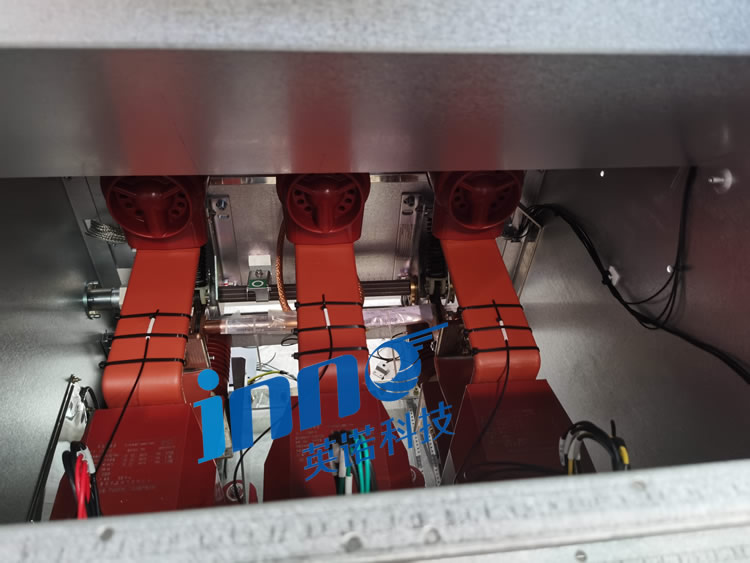
| Kryteria | Fluorescencyjny światłowód | Czujniki bezprzewodowe | Termografia w podczerwieni |
|---|---|---|---|
| Typ monitorowania | Ciągłe w Internecie | Ciągłe w Internecie | Okresowy / Zaplanowany |
| Instalacja | Przewodowy światłowód | Bezprzewodowy, Brak okablowania | Ręczny lub stacjonarny |
| Odporność EMI | ★★★★★ | ★★★ | ★★★★ |
| Dokładność | ±0,5°C | ±1°C | ±2°C |
| Zakres napięcia | Pierwotne wysokiego napięcia | Niski / Średnie napięcie | Wszystkie poziomy napięcia |
| Alarm w czasie rzeczywistym | ✅ | ✅ | ❌ |
| Złożoność instalacji | Umiarkowany | Prosty | Minimalny |
| Najlepsza aplikacja | Nowa rozdzielnica WN | Projekty modernizacyjne | Przeglądy konserwacyjne |
7. Building a Complete Switchgear Thermal Monitoring System
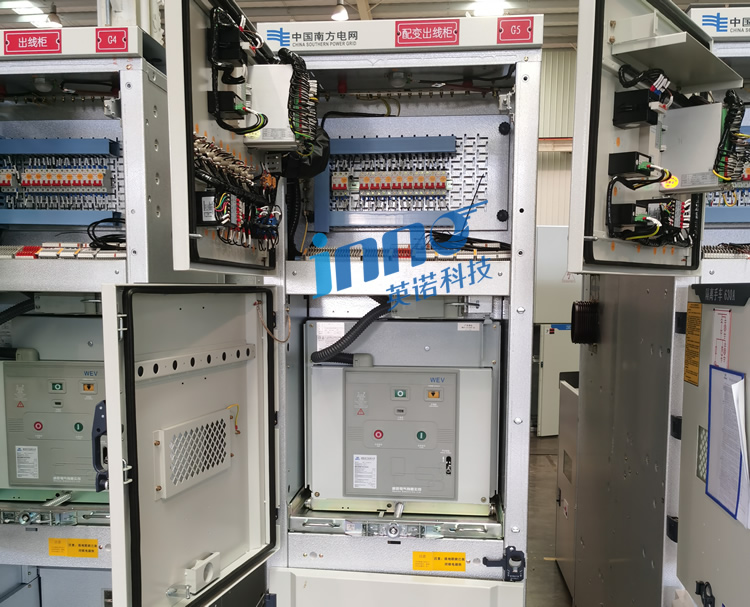
Solidny system monitorowania stanu rozdzielni nie jest pojedynczym urządzeniem — jest to architektura warstwowa, która przekształca surowe dane dotyczące temperatury w przydatne informacje dotyczące konserwacji.
Warstwa 1 — Wyczuwanie
Warstwa sensoryczna składa się z fluorescencyjne sondy światłowodowe, bezprzewodowe przetworniki temperatury, lub stałe moduły podczerwieni zainstalowany w każdym krytycznym punkcie pomiarowym. Przy rozmieszczeniu czujników należy kierować się oceną ryzyka termicznego połączeń szyn zbiorczych, styki wyłącznika, i końcówki kablowe.
Warstwa 2 — Pozyskiwanie danych
Sygnały z systemów światłowodowych przetwarzane są przez: wielokanałowy demodulator fluorescencji. Wireless systems use a gateway or concentrator unit do agregowania danych z rozproszonych węzłów. Obydwa wyprowadzają uporządkowane odczyty temperatury w konfigurowalnych odstępach czasu.
Warstwa 3 — Komunikacja
Dane przesyłane są do platformy monitorującej za pośrednictwem RS-485 / Modbus RTU, Ethernetu / Modbus TCP, lub 4Sieć komórkowa G/5G w zależności od łączności z witryną. Protokół MQTT jest powszechnie używany w przypadku wdrożeń w chmurze.
Warstwa 4 — Platforma Monitorująca
Ten oprogramowanie do monitorowania temperatury rozdzielnicy udostępnia dashboardy w czasie rzeczywistym, trendy historyczne, wielopoziomowe zarządzanie alarmami (doradczy / ostrzeżenie / krytyczny), i automatyczne raportowanie. Progi alarmowe są zwykle konfigurowane na poziomie 85°C w celu wczesnego ostrzegania i 110°C dla alertu krytycznego, chociaż różnią się one w zależności od komponentu i klasy izolacji.
Warstwa 5 — Reakcja i integracja
W stanie alarmu, system uruchamia alerty dźwiękowe/wizualne, przesyła powiadomienia SMS lub e-mail do wyznaczonego personelu, i opcjonalnie wydaje polecenia wyłączenia wyłączniki nadprądowe aby odizolować uszkodzoną sekcję. Integracja z SCADA, BMS, lub platformy CMMS via standard protocols enables full facility-level situational awareness.
Recommended System Configurations
- New High-Voltage Switchgear: Fluorescencyjne wykrywanie światłowodowe + demodulator wielokanałowy + Integracja ze SCADA
- Medium-Voltage Retrofit: Wireless temperature sensor network + cloud monitoring gateway + mobile app alerts
- Maintenance Program: Periodic infrared thermography surveys + online system for continuous baseline monitoring between inspections
8. Globalne studia przypadków: Switchgear Temperature Monitoring in Action
Studium przypadku 1 — Data Center, Singapur
A Tier III data center operator deployed a wireless switchgear temperature monitoring system przez 240 measurement points in their main electrical distribution room. Within six weeks of commissioning, the system flagged an abnormal temperature rise at a medium-voltage busbar joint — 34°C above adjacent connection points under load. Maintenance teams replaced the connection during a scheduled maintenance window, preventing what engineers estimated would have been a full site outage affecting multiple enterprise tenants.
Studium przypadku 2 — Automotive Manufacturing, Niemcy
A major vehicle assembly plant operating 35kV high-voltage switchgear installed a fluorescent fiber optic temperature sensing system z 64 measurement channels across three switchgear lineups. The system operates continuously alongside the production line, with alarms integrated directly into the facility SCADA platform. Od instalacji, the plant has recorded zero unplanned electrical shutdowns attributable to switchgear thermal faults — compared to two incidents in the three years prior.
Studium przypadku 3 — Urban Rail Transit, Chiny
A metropolitan subway operator equipped traction power substations across 18 stations with światłowodowe systemy termometryczne on all medium-voltage switchgear panels. The intrinsically safe, EMI-immune sensing architecture was specifically selected to meet the stringent electrical safety requirements of rail traction environments, where high-frequency transients and strong magnetic fields rule out conventional electronic sensors.
Studium przypadku 4 — Power Utility, Australia
A regional distribution network operator implemented a hybrid monitoring strategy combining scheduled infrared thermographic surveys every six months with permanent wireless temperature transmitters on highest-risk switchgear panels. Over a two-year period, the combined approach identified 17 developing thermal faults before they escalated — reducing corrective maintenance callouts by approximately 40% compared to the previous inspection-only program.
Często zadawane pytania: Monitorowanie temperatury rozdzielnicy
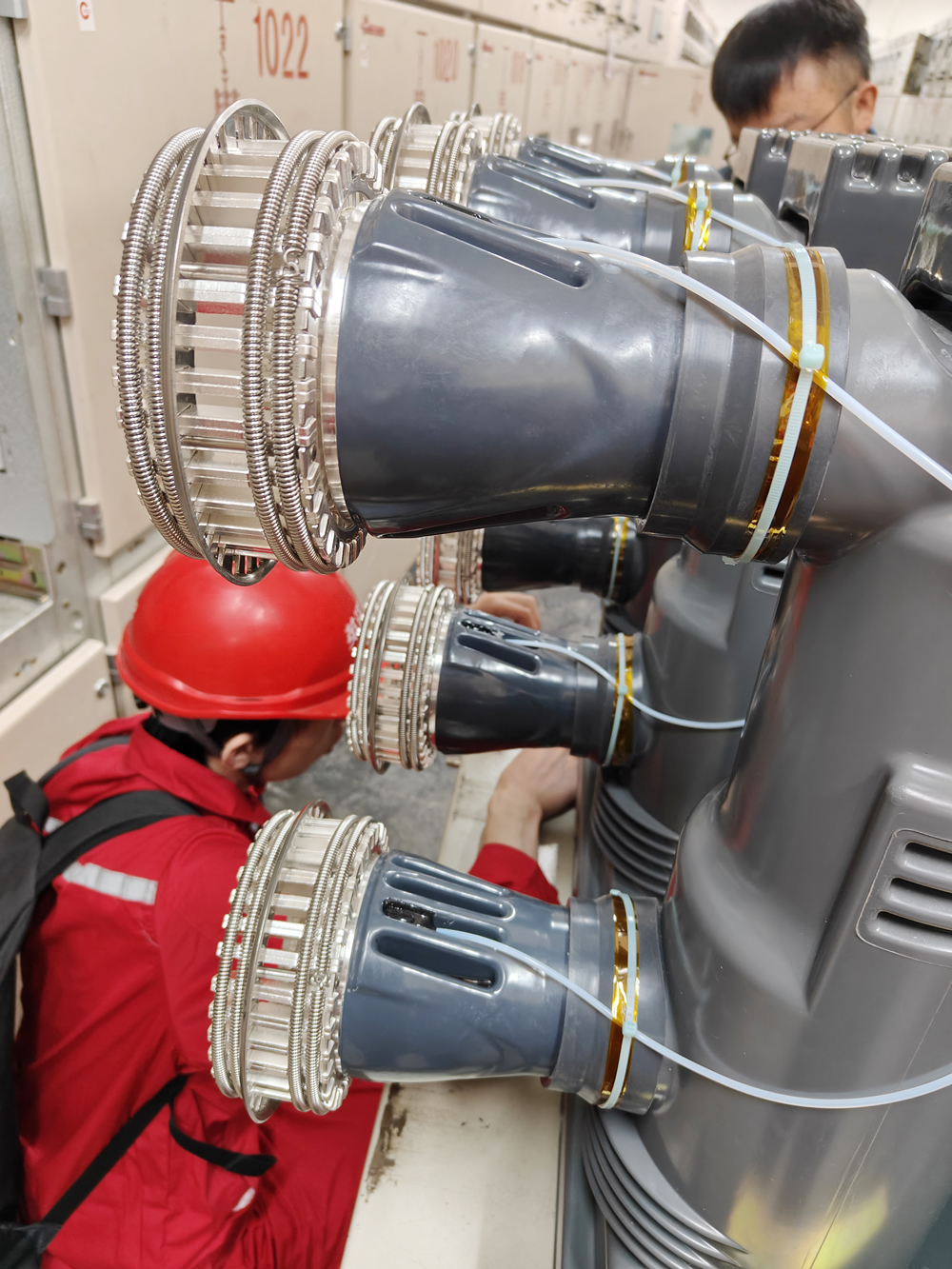
1. Jakie są 3 best methods for switchgear temperature monitoring?
The three most effective methods are fluorescencyjny, światłowodowy czujnik temperatury, wireless temperature monitoring sensors, i termografia w podczerwieni. Each serves a distinct role: fiber optic systems excel in high-voltage continuous monitoring, wireless sensors are ideal for retrofit applications, and infrared cameras are the standard tool for periodic inspection programs.
2. What is the difference between fluorescent fiber optic sensing and wireless temperature sensors in switchgear?
Fluorescencyjne czujniki światłowodowe use passive optical probes with no electrical components at the measurement point, making them intrinsically safe for high-voltage environments and completely immune to EMI. Bezprzewodowe czujniki temperatury are battery-powered electronic devices that transmit data via radio frequency — easier to install in existing switchrooms but better suited to medium and low-voltage applications where electromagnetic interference is less severe.
3. Which temperature monitoring method is best for high-voltage switchgear above 10kV?
Fluorescencyjna termometria światłowodowa is the recommended solution for switchgear operating above 10kV. The fully passive, non-electrical sensing element can be placed directly on energized components without insulation risk, and the system maintains full accuracy in environments with strong electromagnetic fields generated by high-voltage equipment.
4. Can wireless sensors work reliably inside metal switchgear enclosures?
Tak, with proper installation design. Metal enclosures attenuate radio frequency signals, so wireless switchgear monitoring systems may require external antennas routed through cable glands, RF-transparent panels, or signal repeaters strategically positioned in the switchroom. Most commercial systems are specifically engineered for this environment and provide documented performance specifications for enclosure penetration.
5. Can infrared thermography replace a continuous online switchgear monitoring system?
Nie. Infrared thermal inspection is an excellent diagnostic and documentation tool, but it only captures a thermal snapshot at the moment of the survey. Thermal faults can develop and reach critical levels between inspection visits — particularly under variable load conditions. A continuous online temperature monitoring system provides the real-time alarm capability that periodic inspection alone cannot deliver.
6. What temperature threshold should trigger a switchgear alarm?
Alarm thresholds depend on the component type, klasa izolacji, i temperatura otoczenia. As a general industry reference, jakiś early warning alarm is commonly set at 85°C for busbar connections and contact points, z alarm krytyczny Na 110°C. These values should always be validated against the switchgear manufacturer’s specifications and applicable standards such as IEC 62271 i IEEE C37.20.
7. What international standards apply to switchgear temperature monitoring?
Key standards include IEC 62271 (High-voltage switchgear and controlgear), IEEE C37.20 (Metal-enclosed switchgear), i IEC 60255 for protective relaying. For infrared inspection programs, NFPA70B (Zalecana praktyka konserwacji sprzętu elektrycznego) provides widely referenced guidelines on inspection frequency and acceptance criteria.
8. Is fluorescent fiber optic monitoring suitable for retrofitting older switchgear?
It depends on the switchgear design and available access points. Czujniki światłowodowe are small-diameter probes that can often be routed into existing switchgear through cable entries or conduit openings without major modification. Jednak, the cabling requirements are more involved than wireless alternatives, zrobienie wireless temperature sensor systems the more practical first choice for most retrofit and upgrade projects.
9. Can a switchgear temperature monitoring system integrate with SCADA or BMS platforms?
Tak. Most modern switchgear thermal monitoring systems support standard industrial communication protocols including Modbus RTU/TCP, BACnet, DNP3, i IEC 61850, enabling direct integration with SCADA, systemy zarządzania budynkiem (BMS), and computerized maintenance management systems (CMMS). This allows temperature alarms and trend data to be consolidated within your existing facility operations platform.
10. Is it effective to combine multiple switchgear temperature monitoring methods?
Absolutely — and it is considered best practice for critical electrical infrastructure. The most comprehensive approach combines ciągłe monitorowanie w Internecie (fiber optic or wireless) for real-time alarm coverage with scheduled infrared thermographic surveys for full visual documentation and cross-verification. Online systems catch developing faults between inspection cycles; infrared surveys provide the broader thermal context and audit trail that regulators and insurers increasingly expect.
Ready to Protect Your Switchgear from Overheating?
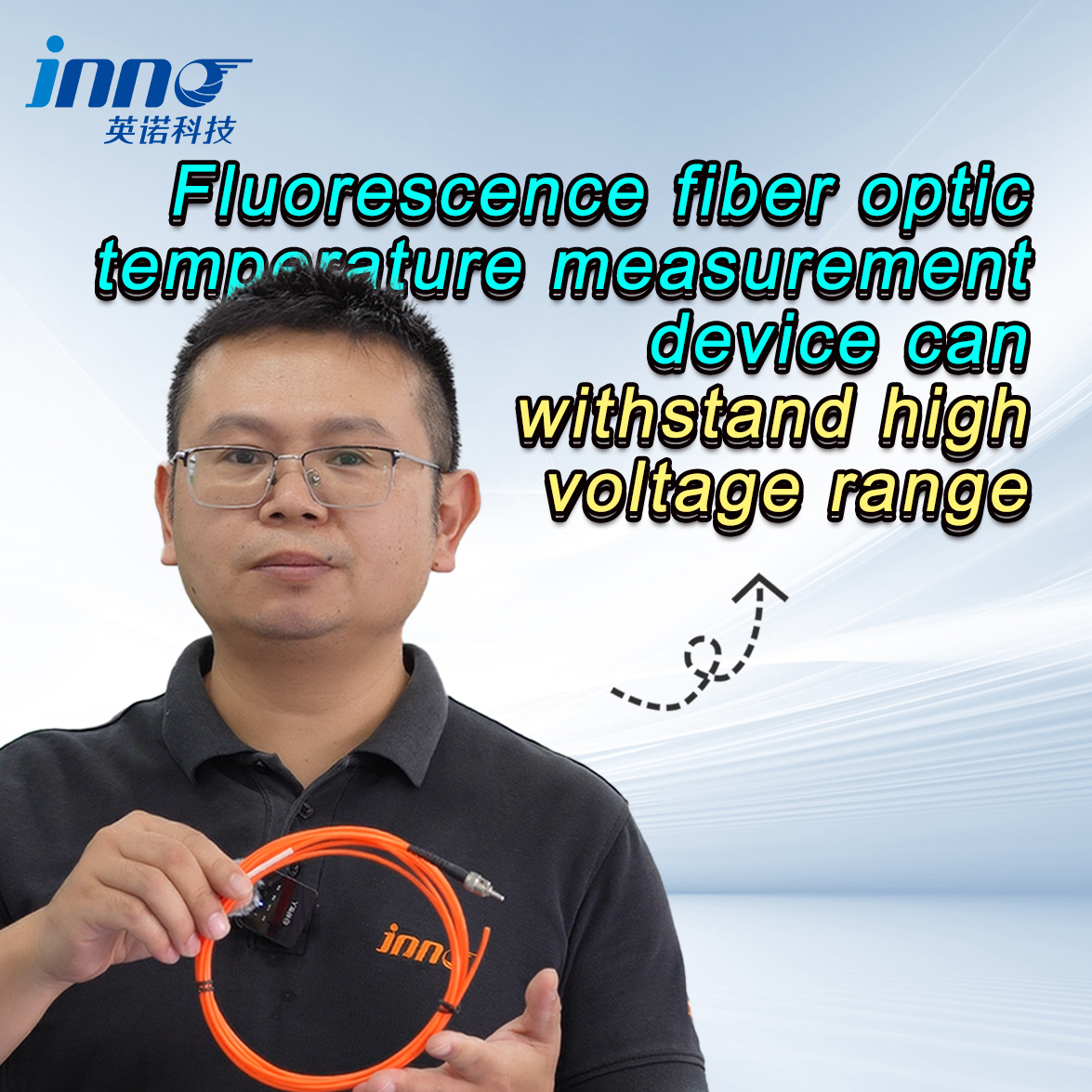
Whether you are specifying a new high-voltage installation or upgrading an existing switchroom, selecting the right temperature monitoring solution is one of the most effective steps you can take to protect your assets, your team, and your uptime.
Nasz zespół inżynierów specjalizuje się w switchgear thermal monitoring systems - z fluorescencyjne wykrywanie światłowodowe for high-voltage applications to bezprzewodowe sieci czujników temperatury for retrofit projects. We work with facility engineers, wykonawcy instalacji elektrycznych, and OEM integrators across industrial, utility, and commercial sectors.
- 📋 Request a free site assessment and system recommendation
- 📄 Browse our switchgear temperature monitoring product range
- 📞 Speak with a thermal monitoring specialist
Zastrzeżenie: The information in this article is provided for general technical reference only. Specific system design, component selection, and alarm threshold configuration must be carried out by qualified electrical engineers in accordance with applicable local codes, standardy, and the switchgear manufacturer’s documentation. Always follow established safety procedures when working on or near energized electrical equipment.

Światłowodowy czujnik temperatury, Inteligentny system monitorowania, Rozproszony producent światłowodów w Chinach
 |
 |
 |