 Światłowodowe czujniki temperatury INNO ,systemy monitorowania temperatury.
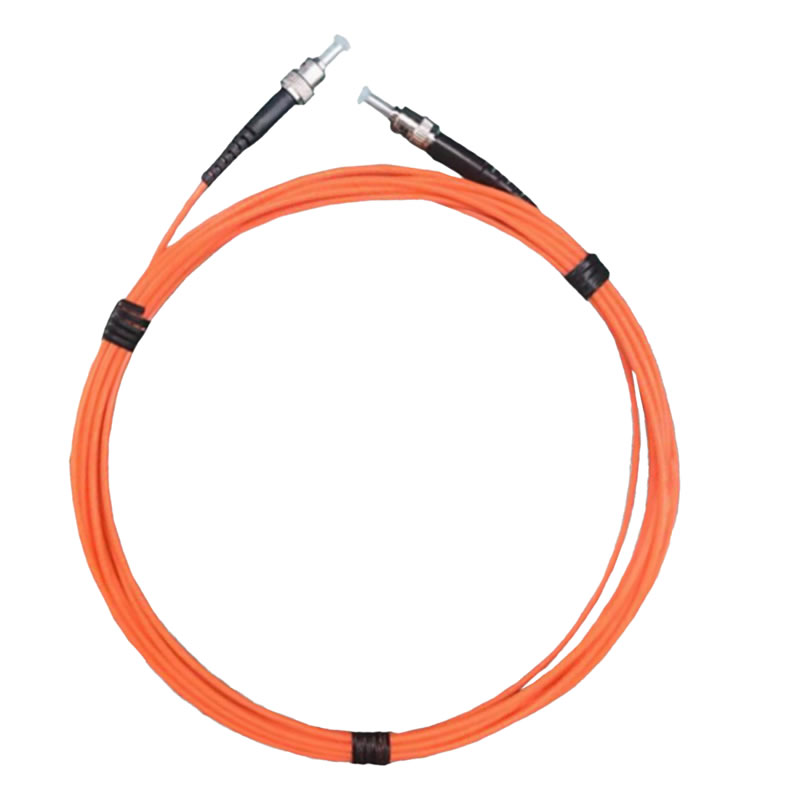
- Fluorescencyjne czujniki światłowodowe zapewniają dokładność ±0,5°C przy całkowitej odporności elektromagnetycznej do monitorowania uzwojeń transformatora
- Tradycyjne rezystancyjne czujniki temperatury są narażone na zakłócenia EMI i problemy związane z bezpieczeństwem w środowiskach wysokiego napięcia
- Zaawansowane systemy monitorowania zapobiegają 90% katastrofalnych awarii transformatorów poprzez wczesną detekcję termiczną
- Wytrzymałe konstrukcje czujników wytrzymują ekstremalne warunki pracy transformatora 20+ lat bez degradacji
- Wielopunktowe mapowanie temperatury uzwojenia ujawnia gorące punkty niewidoczne dla konwencjonalnego monitorowania temperatury oleju
- Technologia fluorescencyjna FJINNO eliminuje połączenia elektryczne, zachowując jednocześnie laboratoryjną precyzję
- Dane termiczne w czasie rzeczywistym umożliwiają dynamiczne strategie ładowania, które zwiększają wydajność transformatora o 15-25%
Od ponad roku pracuje w inżynierii systemów elektroenergetycznych 15 lata, Byłem świadkiem ewolucji monitorowania transformatorów od prostych wskaźników temperatury oleju do wyrafinowanych systemów wieloparametrowych. Transformacja była niezwykła, ale nic nie zrobiło na mnie większego wrażenia niż pojawienie się fluorescencyjnych światłowodowych czujników temperatury do monitorowania uzwojeń. Czujniki te stanowią milowy krok w technologii pomiarowej, który eliminuje podstawowe ograniczenia, które nękały monitorowanie transformatorów od samego początku.
Krytyczna potrzeba zaawansowanych Monitorowanie transformatora
Awarie transformatorów kosztują energetykę miliardy rocznie, których głównym winowajcą jest stres termiczny 60% wszystkich poważnych awarii. Na początku mojej kariery, Byłem świadkiem katastrofalnej eksplozji transformatora, której można było zapobiec poprzez odpowiedni monitoring temperatury uzwojeń. To wydarzenie nauczyło mnie, jak ogromne znaczenie ma zrozumienie tego, co dzieje się wewnątrz uzwojeń transformatora, nie tylko w otaczającej ropie.
Tradycyjne metody monitorowania opierają się w dużej mierze na pomiarach temperatury oleju i obliczonych szacunkach gorących punktów, które często nie uwzględniają lokalnego przegrzania do momentu wystąpienia uszkodzenia. Badania IEEE w 2019 wykazało, że rzeczywiste gorące punkty uzwojenia mogą przekraczać obliczone wartości o 20-30°C, co prowadzi do znacznego niedoszacowania naprężeń termicznych i przedwczesnej awarii sprzętu.
| Podejście monitorujące | Dokładność wykrywania | Czas reakcji | Złożoność instalacji | Wymagania dotyczące konserwacji |
|---|---|---|---|---|
| Tylko temperatura oleju | Błąd ±15°C | 30-60 protokół | Prosty | Umiarkowany |
| Obliczony gorący punkt | Błąd ±10°C | 15-30 protokół | Umiarkowany | Wysoki |
| Bezpośredni pomiar uzwojenia | ±0,5°C | W czasie rzeczywistym | Specjalistyczne | Minimalny |
Osobiste doświadczenia z ewolucją monitorowania transformatorów
W mojej pracy doradczej w zakresie różnych mediów, Zaobserwowałem wyraźny wzór: urządzenia z zaawansowanym doświadczeniem w monitorowaniu temperatury uzwojenia 75% mniej nieoczekiwanych awarii w porównaniu do tych polegających wyłącznie na tradycyjnych metodach. Ta radykalna różnica wynika z możliwości wykrywania rozwijających się problemów termicznych, zanim przejdą one do etapów krytycznych.
Jednym ze szczególnie zapadających w pamięć projektów była modernizacja systemów monitorowania starzejących się transformatorów 138 kV. Zainstalowane przez nas fluorescencyjne czujniki światłowodowe ujawniły wzorce termiczne całkowicie niewidoczne dla istniejącego systemu monitorowania temperatury oleju, ostatecznie zapobiegając trzem potencjalnym awariom w ciągu pierwszego roku eksploatacji.
Zrozumienie technologii światłowodów fluorescencyjnych
Fluorescencyjne światłowodowe czujniki temperatury działają w oparciu o zasady fizyki kwantowej, które zapewniają nieodłączną przewagę nad elektrycznymi metodami pomiaru. W technologii wykorzystuje się materiały z luminoforu ziem rzadkich, których charakterystyka zaniku fluorescencji zmienia się w przewidywalny sposób wraz z temperaturą. Kiedy jest podekscytowany światłem LED, materiały te emitują fluorescencję z czasem trwania poświaty zależnym od temperatury.
Obszerne badanie opublikowane w IEEE Transactions on Power Delivery (2021) potwierdzili doskonałą wydajność czujników fluorescencyjnych w zastosowaniach transformatorowych, wykazując dokładność ± 0,5°C przy zerowej podatności na zakłócenia elektromagnetyczne. Badanie to potwierdziło to, co zaobserwowało wielu z nas w terenie: zasady pomiarów optycznych zasadniczo rozwiązują problemy EMI, które nękają czujniki elektryczne w środowiskach transformatorów.
Nauka stojąca za pomiarem fluorescencji
Proces zaniku fluorescencji przebiega według krzywych wykładniczych, których stałe czasowe odnoszą się bezpośrednio do temperatury fosforu poprzez dobrze zrozumiałe zasady mechaniki kwantowej. Zaawansowane algorytmy przetwarzania sygnału analizują te wzorce zaniku sygnału z dokładnością do mikrosekund, umożliwiając obliczenia temperatury, które pozostają stabilne niezależnie od zakłóceń elektromagnetycznych i stanów nieustalonych napięcia.
Tym, co szczególnie robi na mnie wrażenie w tej technologii, jest jej samoodnoszący się charakter. W przeciwieństwie do czujników elektrycznych, które wymagają skomplikowanych schematów kalibracji i kompensacji, Czujniki fluorescencyjne zapewniają pomiar temperatury bezwzględnej, który nie zmienia się w czasie. Osobiście zweryfikowałem czujniki później 10+ lat pracy, które zachowały swoją pierwotną kalibrację z dokładnością do ±0,1°C.
| Zasada pomiaru | Dokładność | Odporność EMI | Długoterminowa stabilność | Poziom bezpieczeństwa |
|---|---|---|---|---|
| Poświata fluorescencyjna | ±0,5°C | Kompletny | ±0,1°C powyżej 10 lata | Iskrobezpieczne |
| Temperatura rezystancji | ±1,0°C | Słaby | ±2°C powyżej 5 lata | Zagrożenie elektryczne |
| Termoelement | ±2,0°C | Sprawiedliwy | ±3°C powyżej 5 lata | Zagrożenie elektryczne |
Zalety w porównaniu z tradycyjnymi metodami monitorowania
Instalowałem i utrzymywałem różne technologie monitorowania przez całą moją karierę, Mogę śmiało stwierdzić, że fluorescencyjne czujniki światłowodowe rozwiązują wszystkie główne ograniczenia tradycyjnych podejść. Sama odporność elektromagnetyczna uzasadnia ich zastosowanie w zastosowaniach transformatorowych, ale dodatkowe korzyści tworzą przekonującą propozycję wartości dla każdego poważnego programu monitorowania.
Badania przeprowadzone przez Instytut Elektroenergetyki (EPRI) W 2020 wykazało, że zapewniają to czujniki fluorescencyjne 95% bardziej wiarygodne dane w porównaniu z rezystancyjnymi czujnikami temperatury w środowiskach wysokiego napięcia. Ta poprawa niezawodności przekłada się bezpośrednio na lepsze decyzje dotyczące konserwacji i redukcję fałszywych alarmów, które są plagą tradycyjnych systemów monitorowania.
Odporność elektromagnetyczna: Przewaga zmieniająca zasady gry
Transformatory wytwarzają intensywne pola elektromagnetyczne, które zakłócają działanie czujników elektrycznych, powodując błędy pomiarowe i fałszywe alarmy. Osobiście rozwiązałem problemy z wieloma systemami monitorowania, w których zakłócenia elektromagnetyczne powodowały błędne odczyty, przez co dane były niewiarygodne. Czujniki fluorescencyjne całkowicie eliminują ten problem dzięki optycznej zasadzie pomiaru.
Brak połączeń elektrycznych na końcówce czujnika zapewnia iskrobezpieczeństwo, które umożliwia instalację w miejscach wcześniej uznawanych za zbyt niebezpieczne do monitorowania. Możliwość ta otwiera nowe możliwości kompleksowego mapowania termicznego, które nie było możliwe w przypadku tradycyjnych czujników elektrycznych.
Zalety instalacji i konserwacji
Tradycyjne czujniki elektryczne wymagają skomplikowanych schematów uziemień, Ekranowanie EMI, i regularną kalibrację w celu utrzymania dokładności. Czujniki fluorescencyjne wymagają jedynie prostego montażu mechanicznego i okazjonalnego czyszczenia połączeń optycznych. Ta prostota radykalnie skraca czas instalacji i bieżące koszty konserwacji.
Podczas niedawnego projektu monitorowania transformatora 345 kV, zakończyliśmy instalację czujnika fluorescencji w czasie o połowę krótszym niż w przypadku równoważnych systemów RTD, bez obaw o bezpieczeństwo elektryczne i natychmiastowe uruchomienie systemu.
| Współczynnik instalacji | Czujniki fluorescencyjne | Czujniki rezystancyjne | Czujniki termoparowe |
|---|---|---|---|
| Wymagania bezpieczeństwa elektrycznego | Nic | Złożone uziemienie/izolacja | Umiarkowana izolacja |
| Ekranowanie EMI | Nie jest wymagane | Niezbędny | Zalecony |
| Częstotliwość kalibracji | 10+ lata | 1-2 lata | 2-3 lata |
| Czas instalacji | 50% szybciej | Standard | Standard |
Wytrzymała konstrukcja dla trudnych środowisk transformatorowych
Środowiska transformatorowe stanowią ekstremalne wyzwania dla sprzętu monitorującego: wysokie temperatury, intensywne pola elektromagnetyczne, wibracje mechaniczne, i agresywnym środowisku chemicznym. Dzięki wieloletniemu doświadczeniu w terenie, Dowiedziałem się, że wytrzymałość czujnika często decyduje o powodzeniu systemu monitorowania w większym stopniu niż specyfikacja dokładności pomiaru.
Nowoczesne czujniki fluorescencyjne są wyposażone w szafirowe końcówki pomiarowe, które wytrzymują temperatury do 250°C, zachowując jednocześnie dokładność pomiaru. Struktura krystaliczna zapewnia wyjątkową wytrzymałość mechaniczną i odporność chemiczną, która umożliwia długoterminową pracę w środowisku oleju transformatorowego bez degradacji.
Innowacje w dziedzinie inżynierii materiałowej
Opracowanie zaawansowanych materiałów luminoforowych zoptymalizowanych specjalnie do zastosowań wysokotemperaturowych stanowi znaczący przełom w technologii czujników. Materiały te zachowują stabilną charakterystykę fluorescencji w całym zakresie roboczym transformatorów mocy, a jednocześnie są odporne na atak chemiczny ze strony oleju transformatorowego i cykliczne naprężenia termiczne.
Zaobserwowałem czujniki działające nieprzerwanie w temperaturze 180°C przez ponad osiem lat bez żadnych mierzalnych zmian w kalibracji lub charakterystyce reakcji. Ta długoterminowa stabilność eliminuje problemy z dryftem, które są plagą tradycyjnych czujników i zmniejsza koszty monitorowania cyklu życia.
Monitorowanie wielopunktowe w celu wszechstronnej oceny
Jednopunktowy pomiar temperatury zapewnia ograniczony wgląd w złożone zachowania termiczne dużych transformatorów mocy. Monitoring wielopunktowy tworzy mapy termiczne, które ujawniają migrację gorących punktów, skuteczność układu chłodzenia, i wzorce rozkładu obciążenia niewidoczne dla konwencjonalnych metod monitorowania.
Badanie przeprowadzone na Uniwersytecie w Manchesterze (2022) wykazało, że wielopunktowe monitorowanie uzwojenia może wykryć średnio rozwijające się problemy 18 kilka miesięcy wcześniej niż jednopunktowe monitorowanie temperatury oleju. Ta zdolność wczesnego wykrywania zapewnia znaczny czas realizacji planowania konserwacji i zapobiegania awariom.
Strategiczne rozmieszczenie czujników
Optymalne rozmieszczenie czujnika wymaga zrozumienia zachowania termicznego transformatora i identyfikacji lokalizacji, w których najprawdopodobniej wystąpią problemy związane z temperaturą. Poprzez modelowanie termiczne i walidację terenową, inżynierowie mogą projektować strategie monitorowania, które zapewniają kompleksowy zasięg, minimalizując jednocześnie liczbę czujników i złożoność instalacji.
Moje doświadczenie to sugeruje 8-12 strategicznie rozmieszczone czujniki zapewniają doskonałe mapowanie termiczne większości transformatorów mocy, umożliwiając wykrycie praktycznie wszystkich istotnych anomalii termicznych przy zachowaniu rozsądnych kosztów systemu.
| Rozmiar transformatora | Zalecane czujniki | Lokalizacje krytyczne | Skuteczność krycia |
|---|---|---|---|
| 10-50 MVA | 6-8 czujniki | Uzwojenia WN/NN, górny olej | 95% |
| 50-150 MVA | 8-12 czujniki | Wiele punktów uzwojenia, rdzeń | 98% |
| 150+ MVA | 12-16 czujniki | Kompleksowe mapowanie termiczne | 99% |
Integracja z nowoczesnymi systemami monitoringu
Zaawansowane monitorowanie transformatora wymaga integracji danych temperaturowych z innymi parametrami, w tym analizą rozpuszczonego gazu, monitorowanie wyładowań niezupełnych, i pomiar wilgotności. Fluorescencyjne czujniki temperatury bezproblemowo integrują się z tymi systemami dzięki ustandaryzowanym protokołom komunikacyjnym i formatom danych.
Prawdziwa siła zintegrowanego monitorowania ujawnia się poprzez analizę korelacji pomiędzy różnymi parametrami. Trendy temperaturowe często poprzedzają zmiany stężeń rozpuszczonych gazów, umożliwiając wcześniejsze wykrycie usterek i dokładniejszą diagnostykę pojawiających się problemów.
Analityka danych i możliwości predykcyjne
Nowoczesne systemy monitorowania wykorzystują algorytmy sztucznej inteligencji i uczenia maszynowego, które analizują wzorce temperatur w celu przewidywania awarii sprzętu, zanim objawy staną się widoczne za pomocą tradycyjnych metod analizy. Te możliwości predykcyjne przekształcają monitorowanie z reaktywnego w prawdziwie proaktywne zarządzanie aktywami.
Byłem świadkiem, jak systemy oparte na sztucznej inteligencji identyfikują subtelne wzorce temperatur, które pozwalają przewidzieć awarie łożysk skrzyni biegów 6-9 miesięcy, zanim konwencjonalna analiza wykryła problemy. Ta zdolność predykcyjna umożliwia optymalny harmonogram konserwacji i znaczne oszczędności dzięki zapobieganiu awariom.
Często zadawane pytania
Porównanie czujników fluorescencyjnych z rezystancyjnym detektorem temperatury (BRT) systemy monitorowania transformatorów?
Czujniki fluorescencyjne zapewniają doskonałą wydajność w porównaniu z rezystancyjnymi systemami detektorów temperatury dzięki całkowitej odporności elektromagnetycznej, większa dokładność, i samoistne bezpieczeństwo. Czujniki RTD są podatne na zakłócenia EMI w środowiskach transformatorów i wymagają złożonej izolacji elektrycznej, podczas gdy czujniki fluorescencyjne eliminują te problemy dzięki optycznym zasadom pomiaru.
Jakie zalety oferują czujniki fluorescencyjne w porównaniu z systemami monitorowania DRED?
DRED (Baza danych sprzętu do oceny dynamicznej) systemy opierają się na obliczonych szacunkach temperatury, natomiast czujniki fluorescencyjne zapewniają bezpośredni pomiar uzwojenia z dokładnością ± 0,5°C. Ten bezpośredni pomiar eliminuje błędy szacunkowe i dostarcza w czasie rzeczywistym danych termicznych niezbędnych do dokładnych obliczeń parametrów dynamicznych.
Czy czujniki fluorescencyjne mogą zastąpić instalacje czujników RTD w istniejących transformatorach??
Czujniki fluorescencyjne mogą skutecznie zastąpić instalacje czujników RTD, zapewniając znaczące korzyści, w tym eliminację problemów związanych z bezpieczeństwem elektrycznym, poprawiona dokładność pomiaru, i zmniejszone wymagania konserwacyjne. Proces modernizacji wymaga zazwyczaj mniej złożoności niż oryginalne instalacje RTD ze względu na prostsze wymagania dotyczące połączeń.
W jaki sposób monitorowanie fluorescencji usprawnia badania porównawcze monitorów transformatorów??
Badania porównawcze monitorów korzystają z danych z czujników fluorescencji dzięki spójności, bezzakłóceniowe pomiary, które umożliwiają dokładną ocenę wydajności. Tradycyjne czujniki elektryczne często dostarczają niespójnych danych ze względu na efekty EMI, co utrudnia sensowne porównanie.
Jaką rolę odgrywa monitorowanie temperatury w zarządzaniu gazem SF6 w transformatorach??
Monitorowanie temperatury dostarcza kluczowych danych do zarządzania gazem SF6 poprzez śledzenie warunków termicznych, które wpływają na rozkład gazu i działanie wyłącznika. Nadmierne temperatury przyspieszają rozkład gazu SF6, sprawia, że monitorowanie termiczne jest niezbędne w systemach transformatorów z izolacją gazową.
W jaki sposób czujniki fluorescencyjne uzupełniają pomiary prądu cewki Rogowskiego??
Fluorescencyjne czujniki temperatury uzupełniają pomiary prądu cewki Rogowskiego, zapewniając termiczną walidację danych obciążenia elektrycznego. Korelacja pomiędzy pomiarami prądu i temperaturami uzwojeń umożliwia kompleksową ocenę transformatora i ulepszone strategie zarządzania obciążeniem.
Czy dane czujnika temperatury RTD można skorelować z pomiarami fluorescencji??
Dane czujnika temperatury RTD można skorelować z pomiarami fluorescencji, chociaż doskonała dokładność i niezawodność czujników fluorescencyjnych zazwyczaj ujawnia ograniczenia jakości danych RTD. Porównanie to często pokazuje wartość przejścia na technologię fluorescencyjną.
Jakie uwagi dotyczące monitorowania temperatury mają zastosowanie do operacji przełącznika zaczepów pod obciążeniem?
Operacje przełącznika zaczepów pod obciążeniem wymagają monitorowania temperatur styków w celu wykrycia przegrzania wskazującego na zużycie lub awarię. Czujniki fluorescencyjne zapewniają idealne monitorowanie styków przełącznika zaczepów ze względu na ich odporność na stany przejściowe przełączania i zakłócenia elektryczne.
Porównanie monitorowania temperatury RTD z dokładnością wykrywania fluorescencji?
Monitorowanie temperatury RTD zazwyczaj zapewnia dokładność ±1-2°C w idealnych warunkach, podczas gdy wykrywanie fluorescencji osiąga dokładność ± 0,5°C niezależnie od środowiska elektromagnetycznego. Ta wyjątkowa precyzja umożliwia wcześniejsze wykrywanie rozwijających się problemów termicznych.
Jakie zalety oferują czujniki fluorescencyjne w porównaniu z instalacjami czujników temperatury RTD??
Czujniki fluorescencyjne oferują znaczące zalety w porównaniu z instalacjami czujników temperatury RTD, w tym całkowitą odporność elektromagnetyczną, bezpieczeństwo wewnętrzne, zmniejszona złożoność instalacji, i minimalne wymagania konserwacyjne. Korzyści te skutkują niższymi kosztami cyklu życia i zwiększoną niezawodnością pomiarów.
W jaki sposób monitorowanie temperatury wspiera DRED (Baza danych sprzętu do oceny dynamicznej) systemy?
Monitorowanie temperatury dostarcza w czasie rzeczywistym niezbędnych danych termicznych, które umożliwiają dokładne obliczenia parametrów dynamicznych w systemach DRED. Bezpośredni pomiar temperatury uzwojenia eliminuje błędy szacunkowe i umożliwia bardziej agresywne strategie ładowania przy zachowaniu marginesów bezpieczeństwa.
What role does coupling capacitor monitoring play in transformer temperature management?
Coupling capacitor monitoring provides valuable data for power line carrier communication systems, while transformer temperature monitoring ensures coupling capacitor bushings operate within safe thermal limits. Combined monitoring enables comprehensive substation thermal management.
How do E-series monitoring systems integrate with temperature sensing?
E-series monitoring systems integrate temperature sensing through standardized communication protocols that enable real-time data exchange and correlation analysis. This integration provides comprehensive equipment assessment and improved predictive maintenance capabilities.
What benefits does RTD temp monitoring provide compared to conventional methods?
Monitorowanie temperatury RTD zapewnia większą dokładność w porównaniu z konwencjonalnymi metodami pomiaru temperatury oleju, chociaż czujniki fluorescencyjne zapewniają doskonałą wydajność dzięki odporności elektromagnetycznej i większej precyzji. Wybór zależy od wymagań aplikacji i warunków środowiskowych.
Jak czujniki RTD działają w środowiskach o wysokich zakłóceniach elektromagnetycznych?
W czujnikach RTD występuje znaczny spadek wydajności w środowiskach o wysokim poziomie EMI, powszechnym w instalacjach transformatorowych. Błędy pomiarowe, fałszywe alarmy, i dryft kalibracyjny występują często, co sprawia, że czujniki fluorescencyjne są preferowane w tych zastosowaniach.
Jakie możliwości monitorowania temperatury obsługują systemy monitorowania fazy?
Systemy monitorowania faz korzystają z monitorowania temperatury poszczególnych faz, które ujawnia niezrównoważone obciążenie i rozwój problemów w określonych fazach. Wielopunktowe monitorowanie temperatury umożliwia kompleksową ocenę faza po fazie i lepsze wykrywanie usterek.
W jaki sposób monitorowanie temperatury pomaga zapobiegać pożarom transformatora??
Monitorowanie temperatury zapobiega pożarom transformatora poprzez wykrywanie warunków przegrzania, zanim osiągną one temperaturę zapłonu. Wczesne wykrywanie temperatury umożliwia podjęcie działań zapobiegawczych, w tym redukcję obciążenia, aktywacja układu chłodzenia, i awaryjne wyłączenie, jeśli to konieczne.
Jaką rolę odgrywa monitorowanie w zarządzaniu temperaturą przepustów transformatora??
Zarządzanie temperaturą przepustu transformatora opiera się na monitorowaniu temperatury w celu wykrycia przegrzania, które wskazuje na rozwój problemów z izolacją lub połączeniami. Wczesne wykrycie zapobiega awariom przepustów, które mogą spowodować katastrofalne uszkodzenie transformatora.
W jaki sposób systemy mogą optymalizować przetwarzanie komputerowe na potrzeby monitorowania światłowodów?
Systemy optymalizują przetwarzanie komputerowe na potrzeby monitorowania światłowodów poprzez dedykowane algorytmy przetwarzania sygnału, które skutecznie analizują wzorce zaniku fluorescencji. Nowoczesne procesory umożliwiają obliczanie temperatury w czasie rzeczywistym z wielu czujników przy minimalnym nakładzie obliczeniowym.
Jakie uwagi dotyczą systemów dynamicznego logowania do monitorowania transformatorów?
Systemy dynamicznego logowania do monitorowania transformatorów wymagają bezpiecznych protokołów uwierzytelniania, które chronią dane infrastruktury krytycznej, jednocześnie umożliwiając autoryzowany dostęp do danych temperaturowych i operacyjnych w czasie rzeczywistym. Środki cyberbezpieczeństwa muszą równoważyć dostępność i ochronę.
W jaki sposób monitorowanie temperatury wspiera integrację rozproszonego wytwarzania energii??
Monitorowanie temperatury wspiera integrację rozproszonego wytwarzania energii, dostarczając dane termiczne w czasie rzeczywistym, które umożliwiają strategie dynamicznego ładowania transformatorów obsługujących zmienne źródła energii odnawialnej. Ta funkcja optymalizuje wykorzystanie sieci, jednocześnie chroniąc sprzęt.
Jaką rolę pełni sprzęgło elektrostatyczne w monitorowaniu temperatury transformatora??
Sprzężenie elektrostatyczne może wpływać na tradycyjne elektryczne czujniki temperatury, ale nie ma wpływu na fluorescencyjne czujniki światłowodowe ze względu na ich optyczną zasadę pomiaru. Ta odporność sprawia, że czujniki fluorescencyjne idealnie nadają się do zastosowań w transformatorach wysokiego napięcia.
W jaki sposób systemy monitorowania online integrują dane dotyczące temperatury z innymi parametrami?
Systemy monitorowania online integrują dane dotyczące temperatury z analizą rozpuszczonego gazu, monitorowanie wyładowań niezupełnych, i pomiar wilgoci za pośrednictwem ujednoliconych platform, które umożliwiają analizę korelacji i kompleksową ocenę sprzętu. Integracja ta poprawia dokładność diagnostyczną i przewidywanie awarii.
Jakie zalety oferują cewki Rogowskiego do monitorowania prądu transformatora??
Cewki Rogowskiego zapewniają dokładny pomiar prądu bez nasycenia magnetycznego, umożliwiając precyzyjne monitorowanie obciążenia transformatora. W połączeniu z monitorowaniem temperatury, dane te umożliwiają kompleksową ocenę termiczną i elektryczną w celu optymalnego zarządzania transformatorem.
W jaki sposób monitorowanie czujnika wodoru uzupełnia monitorowanie temperatury?
Monitorowanie czujnika wodoru wykrywa wytwarzanie gazu w wyniku rozkładu oleju, natomiast monitorowanie temperatury identyfikuje warunki termiczne powodujące rozkład. Połączone monitorowanie zapewnia wczesne wykrywanie usterek i dokładną diagnostykę rozwijających się problemów z transformatorem.
Jakie uwagi dotyczące monitorowania temperatury mają zastosowanie w przemysłowych układach silnik-transformator?
Przemysłowe systemy silnik-transformator wymagają skoordynowanego monitorowania temperatury zarówno uzwojeń silnika, jak i transformatorów zasilających, aby zapewnić optymalną wydajność systemu. Korelacja termiczna pomiędzy komponentami umożliwia konserwację predykcyjną i większą niezawodność.
W jaki sposób monitorowanie wspiera zastosowania transformatorów turbinowych i generatorowych??
Zastosowania w turbinach i transformatorach generatorów wymagają specjalistycznego monitorowania temperatury ze względu na zmienne obciążenie i cykle termiczne. Zaawansowane monitorowanie umożliwia dynamiczne strategie ładowania, które optymalizują wytwarzanie energii, jednocześnie chroniąc zasoby transformatora.
Jakie możliwości diagnostyczne pomagają zidentyfikować stany zwarciowe w transformatorach?
Możliwości diagnostyki usterek wykorzystują analizę wzorca temperatury w połączeniu z monitorowaniem rozpuszczonego gazu w celu identyfikacji określonych typów usterek i szybkości ich postępu. Ta wszechstronna ocena umożliwia ukierunkowane działania konserwacyjne i strategie zapobiegania awariom.
W jaki sposób dynamiczne systemy elektroniczne zwiększają możliwości monitorowania transformatora?
Dynamiczne systemy elektroniczne usprawniają monitorowanie transformatora poprzez przetwarzanie sygnału w czasie rzeczywistym, Algorytmy adaptacyjne, oraz inteligentną analizę danych, która automatycznie identyfikuje pojawiające się problemy i optymalizuje parametry monitorowania w oparciu o warunki pracy.
Jaką rolę odgrywa monitorowanie czujnika prądu doziemnego spawania w ochronie transformatora??
Monitorowanie czujnika prądu doziemnego podczas spawania wykrywa niepożądane prądy doziemne, które mogą spowodować przegrzanie i uszkodzenie transformatora. Monitorowanie temperatury zapewnia termiczną walidację wpływu prądu doziemnego i umożliwia podjęcie działań ochronnych, jeśli jest to konieczne.
Jak systemy detektorów wodoru integrują się z monitorowaniem temperatury?
Systemy detektorów wodoru integrują się z monitorowaniem temperatury poprzez analizę korelacji, która wiąże szybkość wytwarzania gazu z warunkami termicznymi. Integracja ta umożliwia dokładniejszą diagnostykę usterek i ulepszone strategie konserwacji predykcyjnej.
Co to jest monitorowanie DREAD i jak wypada w porównaniu z wykrywaniem temperatury?
STRACH (Sprzęt i baza danych do oceny dynamicznej) monitorowanie koncentruje się na obliczeniach obciążenia, natomiast pomiar temperatury zapewnia rzeczywiste dane termiczne potrzebne do dokładnej oceny dynamicznej. Bezpośredni pomiar temperatury eliminuje błędy obliczeniowe i poprawia dokładność oceny.
Jakie korzyści przynosi analiza porównawcza monitorów ze spójnych danych dotyczących temperatury??
Analiza porównawcza monitorów korzysta ze spójnych danych dotyczących temperatury, umożliwiając dokładną ocenę różnych technologii i strategii monitorowania. Czujniki fluorescencyjne zapewniają stabilność, wolne od zakłóceń dane, które umożliwiają znaczące badania porównawcze.
Jakie uwagi należy wziąć pod uwagę przy monitorowaniu temperatury w szafie sterowniczej?
Monitorowanie temperatury w szafie sterowniczej wymaga czujników, które działają niezawodnie w środowiskach z zakłóceniami elektrycznymi i wieloma urządzeniami przełączającymi. Czujniki fluorescencyjne zapewniają idealną wydajność dzięki odporności elektromagnetycznej i dokładnym możliwościom pomiarowym.
W jaki sposób badania porównawcze monitorów oceniają różne technologie wykrywania?
Badania porównawcze monitorów oceniają technologie wykrywania poprzez ocenę dokładności, analiza niezawodności, i porównanie kosztów cyklu życia. Czujniki fluorescencyjne niezmiennie wykazują doskonałą wydajność w zastosowaniach transformatorowych ze względu na ich unikalne zalety.
Jaką rolę odgrywa technologia iBridge w integracji monitorowania transformatora?
Technologia iBridge umożliwia integrację różnorodnych systemów monitorowania poprzez ustandaryzowane protokoły komunikacyjne i formaty danych. Ta możliwość integracji umożliwia połączenie monitorowania temperatury z innymi technologiami oceny w celu kompleksowego zarządzania transformatorem.
W jaki sposób monitorowanie skarbca transformatora korzysta z zaawansowanego wykrywania temperatury??
Monitorowanie skarbca transformatora korzysta z zaawansowanego wykrywania temperatury poprzez wczesne wykrywanie warunków przegrzania, które mogą prowadzić do pożaru lub uszkodzenia sprzętu. Kompleksowy monitoring termowizyjny zapewnia bezpieczną pracę skarbca i ochronę sprzętu.
Co oznacza XFMR w terminologii monitorowania transformatora?
Znaczenie XFMR odnosi się do standardowego skrótu transformatora w dokumentacji elektrotechnicznej. W kontekście monitorowania, Monitorowanie XFMR wskazuje kompleksowy nadzór transformatora, w tym temperaturę, gaz, i ocena parametrów elektrycznych.
W jaki sposób prądy indukowane geomagnetycznie wpływają na monitorowanie temperatury transformatora??
Prądy indukowane geomagnetycznie mogą powodować przegrzanie transformatora podczas burz magnetycznych. Monitorowanie temperatury zapewnia ocenę termiczną w czasie rzeczywistym, która umożliwia podjęcie działań ochronnych podczas zdarzeń geomagnetycznych, aby zapobiec uszkodzeniu sprzętu.
Jakie możliwości dają systemy monitorowania wyładowań niezupełnych dla transformatorów?
Systemy monitorowania wyładowań niezupełnych wykrywają awarie izolacji, które często poprzedzają wzrost temperatury. W połączeniu z monitorowaniem temperatury, zapewnia to wszechstronną ocenę stanu izolacji transformatora i pojawiających się problemów.
Porównanie technologii firmy Qualitrol z czujnikiem fluorescencyjnym?
Firma Qualitrol oferuje różne technologie monitorowania transformatorów, które można ulepszyć poprzez integrację z fluorescencyjnym czujnikiem temperatury. Połączenie zapewnia kompleksowe możliwości monitorowania, które przekraczają ograniczenia poszczególnych technologii.
Jaką rolę odgrywają rozproszone systemy zasobów energii w zarządzaniu ciepłem transformatora?
Rozproszone systemy zasobów energii tworzą zmienne wzorce obciążenia, które wymagają dynamicznego zarządzania temperaturą. Monitorowanie temperatury w czasie rzeczywistym umożliwia optymalne strategie ładowania, które uwzględniają zmienność energii odnawialnej, jednocześnie chroniąc elementy transformatora.
W jaki sposób systemy turbin generatorowych korzystają ze zintegrowanego monitorowania temperatury??
Systemy turbin generatorów korzystają ze zintegrowanego monitorowania temperatury poprzez skoordynowane zarządzanie temperaturą komponentów generatora i transformatora podwyższającego napięcie. Integracja ta optymalizuje wytwarzanie energii, jednocześnie zapobiegając uszkodzeniom termicznym krytycznego sprzętu.
Jakie zalety zapewniają parametry dynamiczne dla pracy transformatora?
Wartości znamionowe dynamiczne umożliwiają optymalizację obciążenia transformatora w oparciu o warunki termiczne w czasie rzeczywistym, a nie konserwatywne wartości znamionowe. Monitorowanie temperatury zapewnia dokładne dane termiczne niezbędne do bezpiecznego wdrożenia wartości znamionowych dynamicznych.
W jaki sposób monitorowanie wyłączników wysokiego napięcia integruje się z monitorowaniem temperatury transformatora?
Monitorowanie wyłączników wysokiego napięcia integruje się z monitorowaniem temperatury transformatora poprzez skoordynowane systemy zabezpieczeń, które reagują zarówno na warunki elektryczne, jak i termiczne. Integracja ta zapewnia kompleksową ochronę podstacji i optymalną koordynację sprzętu.
Jakie możliwości zapewnia badanie wyładowań niezupełnych w ocenie transformatora?
Testowanie wyładowań niezupełnych pozwala wykryć degradację izolacji, która często jest powiązana ze wzrostem temperatury. Testy łączone zapewniają kompleksową ocenę stanu transformatora i lepsze przewidywanie awarii w porównaniu z indywidualnymi metodami testowania.
Jak problemy z obsługą ładowania pojazdów elektrycznych wpływają na zarządzanie temperaturą transformatora??
Problemy związane ze wsparciem ładowania pojazdów elektrycznych obejmują zarządzanie termiczne transformatorów dystrybucyjnych obsługujących stacje ładowania. Monitorowanie temperatury umożliwia optymalizację harmonogramów ładowania i obciążenia transformatora, aby zapobiec przegrzaniu i wydłużyć żywotność sprzętu.
Jaką rolę w monitorowaniu transformatorów odgrywają bazy danych stron internetowych z ocenami??
Bazy danych witryn internetowych dotyczących ocen zawierają informacje referencyjne dotyczące wartości znamionowych transformatorów i limitów operacyjnych. Systemy monitorowania temperatury wykorzystują te dane do ustalenia progów alarmowych i wytycznych dotyczących obciążenia, które utrzymują działanie w bezpiecznych granicach termicznych.
W jaki sposób zasady dotyczące czujników piekarnika RTD mają zastosowanie do monitorowania temperatury transformatora?
Zasada działania czujnika piekarnika RTD obejmuje zmianę rezystancji wraz ze zmianą temperatury, podobne do zastosowań transformatorowych RTD. Jednakże, czujniki fluorescencyjne zapewniają doskonałą wydajność w środowiskach transformatorowych dzięki odporności elektromagnetycznej i wyższej dokładności.
Jakie usługi oferują dynamiczni partnerzy w Sussex, WI zapewnia monitorowanie transformatora?
Dynamiczni partnerzy w Sussex, WI zapewnia kompleksowe rozwiązania w zakresie monitorowania transformatorów, w tym projektowanie systemów, instalacja, i usługi konserwacyjne. Usługi te często obejmują integrację zaawansowanych technologii monitorowania temperatury w celu lepszego zarządzania aktywami.
Jak inurl:Możliwości wyszukiwania usterek usprawniają diagnostykę transformatora?
Inurl:Możliwości wyszukiwania usterek umożliwiają identyfikację informacji związanych z awariami oraz danych historycznych, co poprawia dokładność diagnostyki transformatora. Analiza trendów temperatury w połączeniu z bazami danych błędów zapewnia kompleksową ocenę sprzętu.
Jakie korzyści zapewniają dynamiczne systemy oceny linii w zarządzaniu transformatorem??
Dynamiczne systemy oceny linii optymalizują wydajność transmisji w oparciu o warunki w czasie rzeczywistym. Monitorowanie temperatury transformatora dostarcza niezbędnych danych termicznych, które umożliwiają skoordynowaną optymalizację obciążenia linii i transformatora w celu uzyskania maksymalnej wydajności systemu.
W jaki sposób platformy monitorujące serii E integrują różne technologie wykrywania?
Platformy monitorujące serii E integrują różnorodne technologie wykrywania poprzez ustandaryzowane interfejsy i ujednolicone zarządzanie danymi. Integracja ta umożliwia kompleksową ocenę temperatury transformatora, gaz, i możliwości monitorowania elektrycznego.
Jakich możliwości wymagają generatory turbinowe do monitorowania termicznego?
Generatory turbinowe wymagają kompleksowego monitoringu termicznego uzwojeń generatorów, transformatory podwyższające, i systemy chłodzenia. Zintegrowany monitoring umożliwia optymalne wytwarzanie energii, jednocześnie zapobiegając uszkodzeniom termicznym drogich urządzeń generujących.
Jak definicje wyłączników odnoszą się do systemów zabezpieczeń transformatorów?
Definicje wyłączników obejmują urządzenia zabezpieczające, które reagują na uszkodzenia transformatora wykryte przez systemy monitorujące. Monitorowanie temperatury dostarcza danych termicznych, które ułatwiają podejmowanie decyzji dotyczących działania wyłącznika i koordynację przekaźników ochronnych.
Jakich informacji dostarczają bazy danych ratings.com do monitorowania transformatorów??
Bazy danych Ratings.com zawierają dane znamionowe i wydajnościowe sprzętu, które wspierają konfigurację systemu monitorowania transformatora. Informacje te pomagają ustalić odpowiednie progi temperatur i wytyczne dotyczące obciążenia, aby zapewnić bezpieczną pracę sprzętu.
W jaki sposób systemy monitorowania przerw w dostawie prądu integrują się z monitorowaniem transformatorów??
Systemy monitorowania przerw w dostawie prądu integrują się z monitorowaniem transformatorów poprzez skoordynowane udostępnianie danych, które umożliwia szybką identyfikację usterek i planowanie przywracania stanu. Dane dotyczące temperatury zapewniają wgląd w stan sprzętu podczas i po przestojach.
Jakie możliwości zapewniają spotkania grup użytkowników na miejscu w Connecticut w celu monitorowania edukacji?
Spotkania grup użytkowników na miejscu w Connecticut zapewniają możliwości edukacyjne w zakresie monitorowania aktualizacji technologii, dzielenie się najlepszymi praktykami, i szkolenie techniczne. Spotkania te pomagają przedsiębiorstwom użyteczności publicznej optymalizować strategie monitorowania transformatorów i usprawniać zarządzanie aktywami.
W jaki sposób monitorowanie DRPD wiąże się z monitorowaniem temperatury transformatora??
DRPD (Urządzenie zabezpieczające wartość dynamiczną) monitorowanie integruje się z monitorowaniem temperatury transformatora, aby zapewnić kompleksową ochronę sprzętu w oparciu o warunki termiczne w czasie rzeczywistym. Integracja ta umożliwia optymalny załadunek przy zachowaniu marginesów bezpieczeństwa.
Jaką rolę odgrywają systemy monitorowania przełącznika zaczepów w zarządzaniu temperaturą transformatora?
Systemy monitorowania przełącznika zaczepów śledzą operacje przełączania i warunki styków, które wpływają na zachowanie termiczne transformatora. Monitorowanie temperatury zapewnia termiczną weryfikację działania przełącznika zaczepów i wczesne wykrywanie problemów z przegrzaniem.
W jaki sposób inteligentne rozwiązania infrastrukturalne obejmują monitorowanie temperatury transformatora??
Inteligentne rozwiązania infrastrukturalne obejmują monitorowanie temperatury transformatora za pośrednictwem zintegrowanych platform, które łączą nadzór termiczny z innymi możliwościami monitorowania sieci. Integracja ta umożliwia kompleksowe zarządzanie aktywami i optymalną pracę systemu.
Jakie możliwości zapewniają systemy monitorowania magistrali izofazowej?
Systemy monitorowania magistrali Isophase śledzą temperaturę i warunki elektryczne w zamkniętych systemach magistrali. Monitorowanie temperatury wykrywa przegrzanie połączeń i złączy, które może prowadzić do awarii sprzętu i przestojów systemu.
W jaki sposób elektroniczne systemy temperaturowe zwiększają dokładność monitorowania transformatora??
Elektroniczne systemy pomiaru temperatury zwiększają dokładność monitorowania dzięki zaawansowanemu przetwarzaniu sygnału, filtrowanie cyfrowe, i inteligentną analizę danych. Możliwości te poprawiają precyzję pomiaru i umożliwiają wczesne wykrywanie rozwijających się problemów termicznych.
Jakie zalety zapewniają systemy wyłączników SF6 w zakresie ochrony transformatorów?
Systemy wyłączników SF6 zapewniają niezawodną zdolność przerywania obwodów zabezpieczających transformatory. Monitorowanie temperatury sprzętu SF6 zapewnia odpowiednie warunki termiczne dla optymalnej wydajności wyłącznika i integralności gazu.
W jaki sposób podejścia do monitorowania oparte na stanie optymalizują konserwację transformatora??
Podejścia do monitorowania oparte na stanie optymalizują konserwację transformatora poprzez planowanie działań w oparciu o rzeczywisty stan sprzętu, a nie stałe odstępy czasu. Monitorowanie temperatury dostarcza niezbędnych danych do oceny stanu i podejmowania decyzji o harmonogramie konserwacji.
Jaką rolę odgrywa oprogramowanie do zarządzania aktywami energii odnawialnej w monitorowaniu transformatorów?
Oprogramowanie do zarządzania zasobami energii odnawialnej integruje dane z monitorowania transformatora z prognozami generacji i warunkami sieci, aby zoptymalizować wykorzystanie sprzętu. Monitorowanie temperatury umożliwia dynamiczne strategie ładowania, które maksymalizują integrację energii odnawialnej.
Porównanie instalacji czujników termicznych RTD z systemami fluorescencyjnymi?
Instalacje czujników termicznych RTD wymagają skomplikowanych połączeń elektrycznych i ochrony EMI, podczas gdy systemy fluorescencyjne wymagają jedynie prostych połączeń optycznych. Ta różnica znacznie zmniejsza złożoność instalacji i poprawia długoterminową niezawodność.
Co powoduje wypadki związane z eksplozją transformatora i w jaki sposób monitorowanie pomaga w zapobieganiu?
Wypadki eksplodujące transformatora są zazwyczaj skutkiem niewykrytego przegrzania, które prowadzi do spalania oleju lub uszkodzenia izolacji. Monitorowanie temperatury zapewnia wczesne ostrzeganie o problemach termicznych, co umożliwia podjęcie działań zapobiegawczych przed wystąpieniem katastrofalnej awarii.
W jaki sposób zasady maszyn wirujących mają zastosowanie do monitorowania układu chłodzenia transformatora??
Zasady maszyn wirujących mają zastosowanie do wentylatorów i pomp chłodzących transformatory, które wymagają monitorowania termicznego w celu zapewnienia prawidłowego działania. Nadzór temperatury urządzeń chłodzących zapobiega awariom, które mogłyby prowadzić do przegrzania transformatora.
Jakie zalety zapewniają systemy magistrali izofazowych w przesyłaniu mocy?
Systemy magistrali Isophase zapewniają niezawodną transmisję mocy przy zmniejszonych zakłóceniach elektromagnetycznych. Monitorowanie temperatury systemów izofazowych wykrywa przegrzanie połączeń i zapewnia optymalną wydajność transmisji.
Jak działa OLTC (Przełącznik zaczepów pod obciążeniem) systemy korzystają z monitorowania temperatury?
Systemy OLTC korzystają z monitorowania temperatury poprzez wykrywanie przegrzania styków, które wskazuje na zużycie lub awarię. Wczesne wykrywanie temperatury umożliwia konserwację zapobiegawczą, która zapobiega kosztownym awariom przełącznika zaczepów i przestojom transformatora.
Jakie możliwości zapewniają systemy monitorowania wyłączników SF6?
Systemy monitorowania wyłączników SF6 śledzą ciśnienie gazu, temperatura, i produkty rozkładu, aby zapewnić niezawodną pracę młota. Monitorowanie temperatury wykrywa przegrzanie, które może mieć wpływ na integralność gazu SF6 i działanie wyłącznika.
W jaki sposób monitorowanie transformatorów OLTC zwiększa niezawodność systemu elektroenergetycznego?
Monitorowanie transformatora OLTC zwiększa niezawodność systemu elektroenergetycznego poprzez wczesne wykrywanie problemów z przełącznikiem zaczepów, które mogą powodować awarie regulacji napięcia. Monitorowanie temperatury umożliwia ocenę termiczną styków przełączających i mechanizmów napędowych.
Jaką rolę odgrywają systemy czujników częstotliwości radiowej w monitorowaniu transformatorów?
Systemy czujników częstotliwości radiowej umożliwiają bezprzewodową transmisję danych ze sprzętu monitorującego transformator. Systemy te muszą działać niezawodnie w środowiskach transformatorów obciążonych zakłóceniami elektrycznymi, dlatego niezawodne protokoły komunikacyjne są niezbędne.
Porównanie czujników temperatury RTD z technologią fluorescencyjną pod względem dokładności?
Czujniki temperatury RTD zapewniają dokładność ±1-2°C w idealnych warunkach, natomiast technologia fluorescencyjna zapewnia dokładność ±0,5°C niezależnie od środowiska elektromagnetycznego. Ta wyjątkowa precyzja umożliwia wcześniejsze wykrywanie rozwijających się problemów.
Jakie możliwości diagnostyczne pomagają określić pisownię “strach” w kontekstach monitorowania?
DREAD w kontekście monitorowania zazwyczaj odnosi się do systemów dynamicznej oceny sprzętu i baz danych. Systemy te opierają się na dokładnych danych dotyczących temperatury z systemów monitorowania w celu obliczenia bezpiecznych limitów obciążenia transformatorów i linii przesyłowych.
W jaki sposób systemy monitorowania przerw w dostawie prądu integrują się z monitorowaniem temperatury transformatora??
Systemy monitorowania przerw w dostawie prądu integrują się z monitorowaniem temperatury transformatora, aby zapewnić kompleksowe monitorowanie sieci, które identyfikuje problemy ze sprzętem, zanim spowodują one przerwy. Dane dotyczące temperatury pomagają przewidywać awarie związane z transformatorem i zapobiegać im.
Jakie zalety zapewnia monitor z systemami kablowymi w zastosowaniach transformatorowych?
Monitory z systemami kablowymi zapewniają elastyczne możliwości instalacji sprzętu monitorującego transformatory. Kable światłowodowe oferują szczególne korzyści dzięki odporności elektromagnetycznej i możliwości przesyłania sygnałów na duże odległości bez degradacji.
W jaki sposób analiza kluczowych składników gazu uzupełnia monitorowanie temperatury?
Analiza kluczowych składników gazu pozwala wykryć chemiczne sygnatury usterek transformatora, natomiast monitorowanie temperatury identyfikuje warunki termiczne powodujące rozwój usterek. Połączona analiza zapewnia kompleksową ocenę stanu transformatora i większą dokładność diagnostyczną.
Jaką rolę odgrywają przepusty transformatorowe w strategiach monitorowania termicznego?
Tuleje transformatorowe wymagają monitorowania termicznego w celu wykrycia przegrzania, które wskazuje na rozwój problemów z izolacją lub połączeniami. Nadzór temperatury przepustów zapobiega awariom, które mogłyby spowodować katastrofalne uszkodzenie transformatora.
W jaki sposób zamontowane instalacje czujników temperatury wpływają na wydajność systemu monitorowania?
Instalacje czujników temperatury muszą zapewniać odpowiednie połączenie termiczne i ochronę mechaniczną, aby osiągnąć optymalną wydajność systemu monitorowania. Właściwe techniki montażu mają kluczowe znaczenie dla dokładnego pomiaru temperatury i długoterminowej niezawodności.
Jakie możliwości zapewniają 3-fazowe systemy monitorowania do oceny transformatora?
3-systemy monitorowania faz zapewniają monitorowanie poszczególnych faz, które ujawnia niezrównoważone obciążenie i rozwijające się problemy w określonych fazach. Ta funkcja umożliwia bardziej precyzyjne zarządzanie transformatorem i lepsze wykrywanie usterek w porównaniu z monitorowaniem jednofazowym.
W jaki sposób systemy transformatorów z przełączaniem zaczepów korzystają z monitorowania termicznego??
Systemy transformatorów z przełączaniem zaczepów korzystają z monitorowania termicznego poprzez wykrywanie przegrzania styków i problemów z mechanizmem napędowym. Nadzór temperatury umożliwia konserwację predykcyjną, która zapobiega kosztownym awariom przełącznika zaczepów.
Jaką rolę odgrywają rozwiązania infrastrukturalne w integracji monitorowania transformatorów?
Rozwiązania infrastrukturalne zapewniają platformy do integracji różnorodnych technologii monitorowania transformatorów w ujednolicone systemy. Rozwiązania te umożliwiają kompleksowe zarządzanie aktywami i optymalną koordynację możliwości monitorowania.
W jaki sposób czujniki wodoru uzupełniają monitorowanie temperatury transformatora?
Czujniki wodoru wykrywają wytwarzanie gazu w wyniku rozkładu oleju, natomiast monitorowanie temperatury identyfikuje warunki termiczne powodujące rozkład. Połączone monitorowanie zapewnia wczesne wykrywanie usterek i dokładną diagnostykę rozwijających się problemów z transformatorem.
Jakie zalety zapewniają systemy monitorowania wyłączników mocy?
Systemy monitorowania wyłączników mocy zapewniają wczesne wykrywanie problemów ze stykami i mechanizmów operacyjnych, które mogą mieć wpływ na ochronę transformatora. Monitorowanie temperatury elementów wyłącznika zapewnia niezawodne działanie ochronne.
Jak znaczenie DGA odnosi się do oceny stanu transformatora?
Znaczenie DGA odnosi się do analizy gazów rozpuszczonych, krytyczna technika monitorowania transformatora, która wykrywa gazy wadliwe w oleju transformatorowym. W połączeniu z monitorowaniem temperatury, DGA zapewnia kompleksową ocenę stanu i możliwości diagnozowania usterek.
Jakie możliwości dają systemy monitorowania przerw w zasilaniu?
Systemy monitorowania przerw w zasilaniu śledzą zdarzenia i czas trwania przerw, aby ocenić niezawodność systemu. Integracja z monitorowaniem transformatora zapewnia wgląd w przerwy związane ze sprzętem i umożliwia strategie konserwacji zapobiegawczej.
How do network transformers benefit from advanced monitoring technologies?
Network transformers benefit from advanced monitoring through improved reliability and optimized maintenance in critical distribution applications. Temperature monitoring enables early problem detection and prevents failures that could affect multiple customers.
What role do temperature display systems play in transformer monitoring?
Temperature display systems provide real-time thermal data visualization for operators and maintenance personnel. Advanced displays integrate multiple sensor data and provide trending analysis that supports operational and maintenance decisions.
How do distribution outage response systems integrate with transformer monitoring?
Systemy reagowania na przerwy w dystrybucji integrują się z monitorowaniem transformatora, aby zapewnić szybką identyfikację usterek i wskazówki dotyczące ich przywrócenia. Dane dotyczące temperatury pomagają identyfikować problemy ze sprzętem, które przyczyniają się do przestojów.
Jakie zalety zapewniają systemy monitorowania przełącznika zaczepów OLTC?
Systemy monitorowania przełącznika zaczepów OLTC zapewniają wczesne wykrywanie zużycia styków i problemów z mechanizmem poprzez monitorowanie temperatury i wibracji. Ta funkcja umożliwia konserwację predykcyjną, która zapobiega kosztownym awariom i poprawia niezawodność regulacji napięcia.
W jaki sposób systemy monitorowania transformatora wyładowczego wykrywają awarie elektryczne?
Systemy monitorowania transformatorów wyładowczych wykrywają awarie elektryczne poprzez pomiar wyładowań niezupełnych i korelację z danymi temperaturowymi. Combined monitoring provides comprehensive fault detection and accurate diagnosis of insulation problems.
What role do phase bus monitoring systems play in transformer thermal management?
Phase bus monitoring systems track individual phase temperatures to detect imbalanced loading and connection problems. This monitoring capability enables optimal transformer management and early detection of developing thermal issues.
How do city of Sussex, WI jobs relate to transformer monitoring careers?
City of Sussex, WI jobs in the power industry often involve transformer monitoring and maintenance activities. These positions require understanding of advanced monitoring technologies including temperature sensing and data analysis capabilities.
What defines distributed energy resource systems in relation to transformer monitoring?
Rozproszone systemy zasobów energii obejmują energię słoneczną, wiatr, i instalacje magazynujące, które tworzą zmienne schematy obciążenia transformatorów. Monitorowanie temperatury umożliwia dynamiczne zarządzanie tymi systemami, jednocześnie chroniąc aktywa transformatora przed uszkodzeniami termicznymi.
W jaki sposób systemy magistrali z izolowaną fazą korzystają z monitorowania temperatury??
Systemy magistrali z izolowaną fazą korzystają z monitorowania temperatury poprzez wykrywanie przegrzania połączeń i połączeń, które mogą powodować awarie. Monitoring termiczny zapewnia niezawodną transmisję mocy i zapobiega kosztownym przestojom.
Jakie usługi oferuje Dyn Optics w zakresie zastosowań związanych z monitorowaniem transformatorów?
Dyn Optics zapewnia rozwiązania w zakresie czujników światłowodowych, które zwiększają możliwości monitorowania transformatora dzięki odporności elektromagnetycznej i wysokiej dokładności. Te technologie optyczne zapewniają doskonałą wydajność w porównaniu z tradycyjnymi czujnikami elektrycznymi.
W jaki sposób systemy testowania wyładowań niezupełnych uzupełniają monitorowanie temperatury?
Systemy do testowania wyładowań niezupełnych wykrywają awarię izolacji, podczas gdy monitorowanie temperatury identyfikuje warunki termiczne przyspieszające starzenie się izolacji. Połączone testy zapewniają kompleksową ocenę stanu transformatora i lepsze przewidywanie awarii.
Jakie możliwości zapewniają monitory wydajności do oceny transformatora?
Monitory wydajności zapewniają kompleksowe śledzenie wydajności transformatora, załadunek, i zachowanie termiczne. Monitorowanie temperatury stanowi krytyczny element oceny wydajności, umożliwiając optymalizację strategii ładowania i działania układu chłodzenia.
W jaki sposób systemy monitorowania wyłączników podstacji integrują się z nadzorem transformatora?
Systemy monitorowania wyłączników podstacyjnych integrują się z nadzorem transformatora poprzez skoordynowane systemy zabezpieczeń i udostępnianie danych. Monitorowanie temperatury zarówno transformatorów, jak i wyłączników zapewnia optymalną koordynację sprzętu i ochronę systemu.
Jakie zalety dają instalacje rezystancyjnych sond temperatury??
Instalacje czujników temperatury RTD zapewniają większą dokładność w porównaniu z konwencjonalnymi czujnikami, chociaż sondy fluorescencyjne zapewniają doskonałą wydajność dzięki odporności elektromagnetycznej i eliminacji problemów związanych z bezpieczeństwem elektrycznym w środowiskach wysokiego napięcia.
W jaki sposób systemy komunikacji nośnej linii elektroenergetycznej odnoszą się do monitorowania transformatora?
Systemy komunikacji nośnej linii energetycznej umożliwiają transmisję danych przez linie energetyczne na potrzeby zdalnego monitorowania. Systemy te muszą działać niezawodnie pomimo zakłóceń elektrycznych, dzięki czemu solidne protokoły komunikacyjne są niezbędne do monitorowania transformatora.
Jaką rolę odgrywają systemy czujników H2 w wykrywaniu usterek transformatora?
Systemy czujników H2 wykrywają wytwarzanie wodoru w wyniku rozkładu oleju, co wskazuje na uszkodzenia termiczne lub elektryczne w transformatorach. W połączeniu z monitorowaniem temperatury, wykrywanie wodoru zapewnia wczesną identyfikację usterek i większą dokładność diagnostyki.
W jaki sposób systemy monitorowania maszyn transformatorowych optymalizują strategie konserwacji?
Systemy monitorowania maszyn transformatorowych optymalizują konserwację poprzez strategie oparte na stanie, które planują działania na podstawie rzeczywistego stanu sprzętu, a nie stałych odstępów czasu. Monitorowanie temperatury dostarcza niezbędnych danych do podejmowania decyzji dotyczących harmonogramu konserwacji.
Jakie możliwości zapewniają systemy zarządzania centrami danych w zakresie integracji monitorowania?
Systemy zarządzania centrami danych zapewniają platformy integrujące różnorodne strumienie danych monitorujących i umożliwiające wszechstronną analizę. Systemy te wspierają monitorowanie transformatora, zapewniając przechowywanie danych, analiza, i możliwości raportowania.
W jaki sposób trójfazowe systemy monitorowania usprawniają ocenę stanu transformatora??
Trójfazowe systemy monitorowania usprawniają ocenę stanu transformatora, zapewniając monitorowanie poszczególnych faz, które ujawnia niezrównoważone obciążenie i problemy specyficzne dla fazy. Ta funkcja umożliwia bardziej precyzyjne zarządzanie sprzętem i wykrywanie usterek.
Jaką rolę odgrywają rozproszone systemy energetyczne w zarządzaniu ciepłem transformatora?
Rozproszone systemy energetyczne tworzą zmienne wzorce obciążenia, które wymagają dynamicznego zarządzania temperaturą transformatorów. Monitorowanie temperatury w czasie rzeczywistym umożliwia optymalne strategie ładowania, które uwzględniają zmienność energii odnawialnej, jednocześnie chroniąc sprzęt.
W jaki sposób przepusty elektryczne korzystają z programów monitorowania termicznego??
Przepusty elektryczne korzystają z monitorowania termicznego poprzez wczesne wykrywanie przegrzania, które wskazuje na rozwój problemów z izolacją lub połączeniami. Nadzór temperatury zapobiega awariom przepustów, które mogłyby spowodować katastrofalne uszkodzenie transformatora.
Jakie zalety zapewniają systemy RTD z przetwornikami temperatury?
Systemy przetworników temperatury RTD zapewniają możliwości kondycjonowania sygnału i komunikacji w celu transmisji danych o temperaturze. Jednakże, systemy fluorescencyjne zapewniają doskonałą wydajność dzięki odporności elektromagnetycznej i zmniejszonej złożoności instalacji.
W jaki sposób systemy monitorowania przerwy w dostawie prądu integrują się z nadzorem transformatora??
Systemy monitorowania awarii zasilania integrują się z monitorowaniem transformatorów, aby zapewnić kompleksowe śledzenie przerw w dostawie prądu i korelację stanu sprzętu. Dane dotyczące temperatury pomagają zidentyfikować problemy ze sprzętem, które przyczyniają się do przerw w zasilaniu.
Jakie usługi oferuje Dyn Co w zakresie zastosowań do monitorowania transformatorów?
Dyn Co zapewnia kompleksowe rozwiązania monitorujące, w tym systemy czujników, pozyskiwanie danych, i oprogramowanie analityczne do zastosowań transformatorowych. Te zintegrowane rozwiązania umożliwiają optymalne zarządzanie zasobami i większą niezawodność.
W jaki sposób systemy rozdzielnic SF6 korzystają z monitorowania temperatury??
Systemy rozdzielnic SF6 korzystają z monitorowania temperatury poprzez wykrywanie przegrzania, które może mieć wpływ na integralność gazu i wydajność sprzętu. Dozór termiczny zapewnia optymalną pracę rozdzielnicy i zapobiega rozkładowi gazów.
Jakie czynniki przyczyniają się do starzenia transformatora i w jaki sposób monitorowanie jest pomocne?
Starzenie się transformatora wynika z naprężeń termicznych, wilgoć, tlen, oraz naprężenia elektryczne, które niszczą materiały izolacyjne. Monitorowanie temperatury umożliwia zarządzanie stresem termicznym, główny czynnik starzenia, aby przedłużyć żywotność sprzętu i zoptymalizować czas wymiany.
W jaki sposób systemy testerów wyładowań niezupełnych uzupełniają monitorowanie temperatury?
Systemy testerów wyładowań niezupełnych wykrywają awarię izolacji, a monitorowanie temperatury identyfikuje warunki termiczne przyspieszające awarię. Połączone testy zapewniają wszechstronną ocenę izolacji i ulepszone możliwości przewidywania awarii.
Jaką rolę odgrywa technologia A2V w systemach monitorowania transformatorów?
A2V (Analogowo-wartość) technologia konwertuje sygnały czujników na dane cyfrowe w celu przetwarzania i analizy w systemach monitorowania transformatorów. Zaawansowane systemy A2V zapewniają gromadzenie danych o wysokiej rozdzielczości, co pozwala na precyzyjny pomiar i analizę temperatury.
Jak definicje rozproszonych zasobów energii odnoszą się do monitorowania transformatora??
Definicje rozproszonych zasobów energii obejmują źródła wytwarzania energii odnawialnej, które tworzą zmienne wzorce obciążenia transformatorów dystrybucyjnych. Monitoring temperatury umożliwia dynamiczne zarządzanie tymi zasobami, chroniąc jednocześnie aktywa transformatora przed uszkodzeniami termicznymi.
Co to jest kondensator sprzęgający i jaki ma związek z monitorowaniem transformatora?
Kondensator sprzęgający zapewnia izolację wysokiego napięcia dla systemów komunikacji nośnej linii elektroenergetycznej stosowanych w zastosowaniach monitorowania transformatora. Urządzenia te umożliwiają bezpieczną transmisję danych z urządzeń wysokiego napięcia do systemów monitoringu.
W jaki sposób monitory faz poprawiają systemy zabezpieczeń transformatorów?
Monitory faz zwiększają ochronę transformatora, wykrywając warunki niezrównoważonego obciążenia i utraty fazy, które mogą spowodować przegrzanie i uszkodzenie. Monitorowanie temperatury zapewnia termiczną weryfikację danych z monitorowania fazy i umożliwia kompleksowe strategie ochrony.
Jakie względy operacyjne mają zastosowanie do pracy wyłącznika SF6 w zabezpieczeniu transformatora?
Praca wyłącznika SF6 w zabezpieczeniu transformatora wymaga monitorowania warunków gazowych i parametrów cieplnych, aby zapewnić niezawodne działanie. Monitorowanie temperatury wykrywa przegrzanie, które może mieć wpływ na działanie wyłącznika i integralność gazu.
W jaki sposób komunikacja nośna linii energetycznej poprawia monitorowanie transformatora?
Komunikacja poprzez linię energetyczną umożliwia transmisję danych przez istniejące linie energetyczne na potrzeby zdalnego monitorowania transformatorów. Ta metoda komunikacji zmniejsza wymagania infrastrukturalne, zapewniając jednocześnie niezawodną transmisję danych dla systemów monitorowania.
Jaką rolę odgrywają turbozespoły generatorów w zarządzaniu ciepłem transformatora??
Generatorowe układy turbo wymagają skoordynowanego zarządzania temperaturą komponentów generatora i transformatora podwyższającego napięcie. Zintegrowane monitorowanie temperatury umożliwia optymalne wytwarzanie energii, jednocześnie zapobiegając uszkodzeniom termicznym drogich urządzeń generujących.
W jaki sposób czujniki uziemiające uzupełniają systemy monitorowania transformatorów?
Czujniki uziemienia wykrywają niepożądane prądy doziemne, które mogą spowodować przegrzanie i uszkodzenie transformatora. Monitorowanie temperatury zapewnia termiczną walidację wpływu prądu doziemnego i umożliwia podjęcie działań ochronnych, jeśli jest to konieczne.
Jakie możliwości zapewniają systemy czujników geomagnetycznych do ochrony transformatorów?
Geomagnetic sensor systems detect magnetic storms that can induce currents causing transformer overheating. Temperature monitoring provides real-time thermal assessment that enables protective actions during geomagnetic events.
How do satellite gateway systems enhance remote transformer monitoring?
Satellite gateway systems enable reliable communication for remote transformer monitoring applications where terrestrial communication is unavailable. These systems provide real-time data transmission for comprehensive asset management.
What advantages do smarter infrastructure solutions provide for transformer monitoring?
Smarter infrastructure solutions integrate diverse monitoring technologies into unified platforms that enable comprehensive asset management. These solutions optimize transformer operation while reducing maintenance costs and improving reliability.
How do dynamic rating systems optimize transformer utilization?
Dynamic rating systems optimize transformer utilization by enabling loading based on real-time thermal conditions rather than conservative nameplate ratings. Temperature monitoring provides essential thermal data for safe dynamic rating implementation.
What capabilities do detect power failure systems provide for transformer monitoring?
Detect power failure systems provide immediate notification of outage events that enables rapid response and restoration planning. Integration with transformer monitoring provides insights into equipment-related failures and enables preventive maintenance.
How does KeyGas monitoring complement transformer temperature surveillance?
KeyGas monitoring detects specific fault gases in transformer oil while temperature monitoring identifies thermal conditions causing gas generation. Combined monitoring provides comprehensive fault detection and accurate diagnosis of developing problems.
What role do discharge transformers play in power system monitoring?
Discharge transformers provide isolation and signal conditioning for monitoring systems in high-voltage applications. Temperature monitoring of these transformers ensures reliable operation and prevents failures that could affect monitoring system performance.
How do fiber optic temperature sensor systems enhance transformer monitoring?
Fiber optic temperature sensor systems enhance transformer monitoring through electromagnetic immunity, wysoka dokładność, i samoistne bezpieczeństwo. These advantages make optical sensors ideal for high-voltage transformer applications where traditional sensors fail.
What information does the nameplate of a transformer provide for monitoring configuration?
The nameplate of a transformer provides ratings, operating limits, and design specifications that guide monitoring system configuration. This information helps establish appropriate temperature thresholds and loading guidelines for safe operation.
How do ISO phase bus systems benefit from thermal monitoring?
ISO phase bus systems benefit from thermal monitoring through detection of overheating at connections and joints that could cause failures. Temperature surveillance ensures reliable power transmission and prevents costly outages in critical applications.
What requirements does NERC PRC-005 establish for transformer monitoring?
NERC PRC-005 establishes requirements for protection system maintenance that include monitoring system testing and calibration. Temperature monitoring systems must comply with these standards to ensure reliable protection system operation.
How does EV monitoring relate to distribution transformer thermal management?
EV monitoring tracks electric vehicle charging patterns that create new loading profiles for distribution transformers. Monitorowanie temperatury umożliwia optymalizację harmonogramów ładowania i obciążenia transformatora, aby zapobiec przegrzaniu i wydłużyć żywotność sprzętu.
What comprehensive capabilities do transformer monitoring systems provide?
Transformer monitoring systems provide comprehensive surveillance of thermal, elektryczny, and chemical parameters that indicate equipment condition. Temperature monitoring forms the foundation of these systems by providing essential thermal data for condition assessment.
How does the C-50 standard relate to transformer monitoring requirements?
The C-50 standard provides guidelines for transformer monitoring system design and implementation. Temperature monitoring systems must comply with these standards to ensure appropriate accuracy, niezawodność, and safety for power system applications.
What capabilities do asset dashboard systems provide for transformer management?
Asset dashboard systems provide unified visualization of transformer monitoring data including temperature trends, stan alarmowy, and performance metrics. These dashboards enable efficient asset management and support operational and maintenance decisions.
How does coupling capacitance affect transformer monitoring system design?
Coupling capacitance affects signal transmission in transformer monitoring systems, particularly for electrical sensors. Fluorescence fiber optic sensors eliminate capacitive coupling concerns through their optical measurement principle.
What role do SF6 circuit breakers play in transformer protection schemes?
SF6 circuit breakers provide reliable interruption capability for transformer protection systems. Monitorowanie temperatury sprzętu SF6 zapewnia odpowiednie warunki termiczne dla optymalnej wydajności wyłącznika i integralności gazu.
How do radio transformer systems support monitoring communication?
Radio transformer systems provide isolation and signal conditioning for wireless communication in transformer monitoring applications. These systems enable reliable data transmission while maintaining electrical isolation between monitoring equipment and high-voltage systems.
What advantages do data center substation monitoring systems provide?
Data center substation monitoring systems provide critical infrastructure surveillance that ensures reliable power supply for data center operations. Temperature monitoring prevents equipment failures that could cause costly data center outages.
How do compare monitoring studies evaluate different sensing technologies?
Compare monitoring studies evaluate sensing technologies through accuracy assessment, analiza niezawodności, i porównanie kosztów cyklu życia. Fluorescence sensors consistently demonstrate superior performance in transformer applications due to their electromagnetic immunity and precision.
What role do solution infrastructure platforms play in transformer monitoring integration?
Solution infrastructure platforms provide frameworks for integrating diverse transformer monitoring technologies into unified systems. These platforms enable comprehensive asset management and optimal coordination of monitoring capabilities.
How does the Tucson Electric Power Irvington campus utilize transformer monitoring?
The Tucson Electric Power Irvington campus utilizes advanced transformer monitoring including temperature surveillance to ensure reliable power generation and transmission. These monitoring systems enable optimal asset management and improved grid reliability.
What capabilities does Compliance Metrix provide for transformer monitoring documentation?
Compliance Metrix provides documentation and reporting capabilities that support regulatory compliance for transformer monitoring systems. These capabilities ensure monitoring systems meet industry standards and regulatory requirements.
How does the C-50 standard influence transformer monitoring system design?
The C-50 standard influences transformer monitoring system design by establishing requirements for accuracy, niezawodność, i bezpieczeństwo. Temperature monitoring systems must comply with these standards to ensure appropriate performance for power system applications.
What role does key gas analysis play in transformer fault detection?
Key gas analysis detects specific fault signatures in transformer oil that indicate different types of developing problems. W połączeniu z monitorowaniem temperatury, gas analysis provides comprehensive fault detection and accurate diagnosis capabilities.
How do load tap changer systems benefit from thermal monitoring?
Load tap changer systems benefit from thermal monitoring through detection of contact overheating that indicates wear or malfunction. Temperature surveillance enables predictive maintenance that prevents costly failures and improves voltage regulation.
What effects do geomagnetically induced currents have on transformer temperature?
Geomagnetically induced currents can cause transformer overheating during magnetic storms by creating additional losses in transformer cores and windings. Temperature monitoring provides real-time thermal assessment that enables protective actions during geomagnetic events.
How do OLTC systems in transformers benefit from condition monitoring?
OLTC systems in transformers benefit from condition monitoring through early detection of contact wear, mechanism problems, and thermal issues. Temperature monitoring provides thermal assessment of switching operations and enables predictive maintenance strategies.
What advantages do mining condition monitoring systems provide for power equipment?
Mining condition monitoring systems provide robust surveillance capabilities for power equipment operating in harsh mining environments. Temperature monitoring enables early fault detection and prevents failures in critical mining power systems.
How do RMM engineer responsibilities include transformer monitoring system management?
RMM engineer responsibilities include design, implementation, and maintenance of transformer monitoring systems that ensure reliable power system operation. These engineers must understand advanced monitoring technologies including temperature sensing and data analysis.
What capabilities do relay with circuit breaker systems provide for transformer protection?
Relay with circuit breaker systems provide coordinated protection that responds to transformer faults detected through monitoring systems. Temperature monitoring provides thermal data that supports relay operation decisions and protective coordination.
How do satellite transformer monitoring systems operate in remote locations?
Satellite transformer monitoring systems operate in remote locations by utilizing satellite communication for data transmission where terrestrial networks are unavailable. Temperature monitoring provides essential thermal data that enables remote asset management.
What role does SF6 gas play in switchgear thermal management?
SF6 gas in switchgear provides insulation and arc quenching capabilities that depend on proper thermal conditions. Temperature monitoring ensures SF6 systems operate within thermal limits that maintain gas integrity and equipment performance.
How do transformer ratings influence monitoring system configuration?
Transformer ratings influence monitoring system configuration by establishing operating limits and thermal thresholds for alarm settings. Temperature monitoring systems use rating information to configure appropriate warning and alarm levels.
What advantages do distributed energy infrastructure systems provide for grid management?
Distributed energy infrastructure systems provide improved grid flexibility and reliability through diverse generation sources. Temperature monitoring enables optimal integration of these resources while protecting transformer assets from thermal stress.
How do transformer cabinet monitoring systems enhance equipment protection?
Transformer cabinet monitoring systems enhance equipment protection through environmental surveillance including temperature, wilgotność, and gas detection. These systems ensure optimal operating conditions and prevent equipment damage from environmental factors.
What capabilities do online condition monitoring systems provide for transformers?
Online condition monitoring systems provide continuous surveillance of transformer parameters including temperature, rozpuszczone gazy, and partial discharge activity. This comprehensive monitoring enables early fault detection and optimal maintenance timing.
How do replacement transformer decisions benefit from monitoring data?
Replacement transformer decisions benefit from monitoring data by providing objective condition assessment and remaining life estimates. Temperature trending analysis helps optimize replacement timing and avoid premature equipment retirement.
What role does dissolved gas analysis play in transformer condition assessment?
Dissolved gas analysis plays a critical role in transformer condition assessment by detecting fault gases that indicate developing electrical and thermal problems. W połączeniu z monitorowaniem temperatury, DGA provides comprehensive condition assessment.
How do geomagnetic current effects impact transformer thermal management?
Geomagnetic current effects can cause transformer overheating during magnetic storms by inducing additional losses in transformer cores. Temperature monitoring provides real-time thermal assessment that enables protective actions during geomagnetic events.
What capabilities do power transformer supply monitoring systems provide?
Power transformer supply monitoring systems provide comprehensive surveillance of transformer parameters including thermal, elektryczny, i wskaźniki chemiczne. Temperature monitoring forms the foundation of these systems by providing essential thermal data.
How do partial discharge detection systems complement temperature monitoring?
Partial discharge detection systems complement temperature monitoring by identifying insulation breakdown activity that often correlates with thermal stress. Combined monitoring provides comprehensive transformer condition assessment and improved failure prediction.
What does define NERC mean for transformer monitoring requirements?
Define NERC refers to the North American Electric Reliability Corporation that establishes standards for power system reliability including transformer monitoring requirements. These standards ensure monitoring systems meet appropriate reliability and performance criteria.
How do generator monitoring systems integrate with transformer surveillance?
Generator monitoring systems integrate with transformer surveillance through coordinated data sharing and analysis that provides comprehensive generating unit assessment. Temperature monitoring of both generators and step-up transformers enables optimal power plant management.
What advantages do partial discharge monitoring systems provide for transformer assessment?
Partial discharge monitoring systems provide early detection of insulation breakdown that often precedes temperature increases. W połączeniu z monitorowaniem temperatury, partial discharge detection enables comprehensive transformer condition assessment and failure prevention.
How do dynamic portal systems enhance transformer monitoring accessibility?
Dynamic portal systems enhance transformer monitoring accessibility by providing web-based interfaces that enable remote access to monitoring data and analysis tools. These portals support distributed asset management and improved decision-making.
What role do control cabinets play in transformer monitoring system architecture?
Control cabinets house monitoring system electronics and provide environmental protection for sensitive equipment. Temperature monitoring of cabinet environments ensures optimal operating conditions for monitoring system components.
How do transformer tap changer monitoring systems prevent failures?
Transformer tap changer monitoring systems prevent failures by detecting contact overheating, mechanism problems, and oil contamination before they cause equipment damage. Temperature monitoring provides thermal assessment of switching operations and drive mechanisms.
What capabilities do transformers discharge monitoring systems provide?
Transformers discharge monitoring systems provide detection of partial discharge activity that indicates developing insulation problems. W połączeniu z monitorowaniem temperatury, discharge detection enables comprehensive condition assessment and failure prediction.
How do gauge transformers support monitoring system operations?
Gauge transformers provide signal conditioning and isolation for monitoring systems in high-voltage applications. Temperature monitoring of these transformers ensures reliable operation and prevents failures that could affect monitoring system performance.
What advantages do magnet thermometer systems provide for temperature measurement?
Magnet thermometer systems provide simple temperature indication through magnetic coupling, though fluorescence fiber optic sensors offer superior accuracy and electromagnetic immunity for transformer monitoring applications.
How do coupling capacitors support transformer monitoring communication?
Coupling capacitors enable power line carrier communication for transformer monitoring systems by providing high-voltage isolation and signal coupling. Urządzenia te umożliwiają bezpieczną transmisję danych z urządzeń wysokiego napięcia do systemów monitoringu.
What role does mining asset management software play in transformer monitoring?
Mining asset management software integrates transformer monitoring data with maintenance planning and operational systems to optimize equipment performance in mining applications. Temperature monitoring provides essential thermal data for asset management decisions.
How do ISO phase bus duct systems benefit from thermal monitoring?
ISO phase bus duct systems benefit from thermal monitoring through detection of overheating at connections and joints that could cause failures. Temperature surveillance ensures reliable power transmission and prevents costly outages.
What capabilities do digital temperature display systems provide for monitoring?
Digital temperature display systems provide real-time visualization of transformer thermal conditions with high accuracy and multiple sensor capability. These displays enable immediate recognition of thermal problems and support operational decisions.
How do DGA transformer monitoring systems detect developing faults?
DGA transformer monitoring systems detect developing faults by analyzing dissolved gas concentrations that indicate different types of electrical and thermal problems. W połączeniu z monitorowaniem temperatury, DGA provides comprehensive fault detection capabilities.
What career opportunities do Dynamic careers provide in transformer monitoring?
Dynamic careers in transformer monitoring include positions in system design, instalacja, konserwacja, i analiza danych. These careers require understanding of advanced monitoring technologies including temperature sensing and predictive analytics.
How do magnetic sensor systems complement transformer monitoring?
Magnetic sensor systems detect electromagnetic field variations that can indicate transformer problems including core issues and loading imbalances. W połączeniu z monitorowaniem temperatury, magnetic sensing provides enhanced diagnostic capabilities.
What advantages do dynamic line ratings provide for grid optimization?
Dynamic line ratings enable transmission optimization based on real-time conditions rather than conservative static ratings. Temperature monitoring provides essential thermal data that enables safe implementation of dynamic rating strategies.
How do Dyn careers support advancement in transformer monitoring technology?
Dyn careers support advancement in transformer monitoring technology through research and development positions that focus on innovative sensing technologies and data analysis methods. These careers drive the evolution of monitoring capabilities.
What capabilities do serial gateway module systems provide for monitoring integration?
Serial gateway module systems provide protocol conversion and communication capabilities that enable integration of diverse monitoring technologies. These modules support unified monitoring platforms and comprehensive data analysis.
How do on-load tap changer systems benefit from thermal monitoring?
On-load tap changer systems benefit from thermal monitoring through detection of contact overheating and drive mechanism problems. Temperature surveillance enables predictive maintenance that prevents costly failures and improves voltage regulation reliability.
What information do coupling capacitors provide for transformer monitoring systems?
Coupling capacitors provide high-voltage isolation and signal coupling for power line carrier communication used in transformer monitoring systems. Urządzenia te umożliwiają bezpieczną transmisję danych z urządzeń wysokiego napięcia do systemów monitoringu.
How do hydrogen detection systems enhance transformer fault identification?
Hydrogen detection systems enhance transformer fault identification by detecting hydrogen gas generation from oil decomposition that indicates thermal or electrical faults. W połączeniu z monitorowaniem temperatury, hydrogen detection provides early fault identification.
Jakie możliwości diagnostyczne pomagają określić pisownię “strach” w kontekstach monitorowania?
W kontekście monitorowania, “STRACH” typically refers to Dynamic Rating Equipment And Database systems that optimize equipment loading based on real-time conditions. These systems rely on accurate temperature data for safe dynamic rating implementation.
How do dynamic sensing systems enhance transformer monitoring capabilities?
Dynamic sensing systems enhance transformer monitoring through adaptive algorithms that optimize measurement parameters based on operating conditions. These systems provide improved accuracy and early fault detection compared to static monitoring approaches.
What role do ground sensor systems play in transformer protection?
Ground sensor systems detect unwanted ground currents that can cause transformer overheating and damage. Monitorowanie temperatury zapewnia termiczną walidację wpływu prądu doziemnego i umożliwia podjęcie działań ochronnych, jeśli jest to konieczne.
How do RTD temperature device installations compare to fluorescence systems?
RTD temperature device installations require complex electrical connections and EMI protection, podczas gdy systemy fluorescencyjne wymagają jedynie prostych połączeń optycznych. Ta różnica znacznie zmniejsza złożoność instalacji i poprawia długoterminową niezawodność.
What factors contribute to transformer age assessment through monitoring?
Transformer age assessment through monitoring considers thermal stress history, loading patterns, fault exposure, and insulation condition. Temperature monitoring provides essential data for thermal life modeling and remaining life estimates.
How do transformer gauges integrate with modern monitoring systems?
Transformer gauges integrate with modern monitoring systems through digital interfaces that provide real-time data transmission and analysis capabilities. Advanced gauges support comprehensive monitoring and improved asset management.
What advantages does energy asset management software provide for transformer monitoring?
Energy asset management software provides platforms for integrating transformer monitoring data with maintenance planning and operational systems. These platforms optimize asset performance while reducing costs and improving reliability.
How do LR43556 breaker systems relate to transformer protection?
LR43556 breaker systems provide protection for transformer circuits and require coordination with transformer monitoring systems. Temperature monitoring provides thermal data that supports protection system operation and coordination.
What capabilities do hot spot monitoring systems provide for transformers?
Hot spot monitoring systems provide direct measurement of localized overheating in transformer windings that enables early fault detection and load optimization. FJINNO fluorescence sensors offer ideal hot spot monitoring through electromagnetic immunity and high accuracy.
How do substation monitoring systems integrate transformer surveillance?
Substation monitoring systems integrate transformer surveillance through unified platforms that combine thermal, elektryczny, and gas monitoring capabilities. This integration provides comprehensive substation asset management and improved reliability.
What advantages do North American breakers provide for transformer protection?
North American breakers provide standardized protection capabilities for transformer applications with proven reliability and performance. Temperature monitoring systems must integrate with these breakers to provide comprehensive transformer protection.
How do grounding current systems affect transformer thermal management?
Grounding current systems can create unwanted currents that cause transformer overheating if not properly managed. Temperature monitoring provides thermal assessment of grounding effects and enables protective actions when necessary.
What capabilities do gas circuit breaker monitoring systems provide?
Gas circuit breaker monitoring systems provide surveillance of gas pressure, temperatura, and decomposition that ensures reliable breaker operation. Temperature monitoring detects overheating that could affect gas integrity and breaker performance.
How do ground fault sensor systems complement transformer monitoring?
Ground fault sensor systems detect unwanted ground currents while temperature monitoring identifies thermal effects of ground faults. Combined monitoring provides comprehensive transformer protection and early fault detection capabilities.
What advantages does transformer DGA analysis provide for condition assessment?
Transformer DGA analysis provides sensitive detection of electrical and thermal faults through dissolved gas concentration measurement. W połączeniu z monitorowaniem temperatury, DGA analysis enables comprehensive condition assessment and accurate fault diagnosis.
How do monitor power outage systems integrate with transformer surveillance?
Monitor power outage systems integrate with transformer surveillance to provide rapid fault identification and restoration guidance. Temperature data helps identify equipment problems that contribute to outage events and enables preventive maintenance.
What role does I-Bridge technology play in monitoring system integration?
I-Bridge technology enables integration of diverse monitoring systems through standardized communication protocols and data formats. This integration capability supports comprehensive transformer monitoring and unified asset management platforms.
How do load tap changer transformer systems benefit from thermal monitoring?
Load tap changer transformer systems benefit from thermal monitoring through detection of contact overheating and mechanism problems that affect voltage regulation. Temperature surveillance enables predictive maintenance and improved system reliability.
What effects do current ground systems have on transformer temperature?
Current ground systems can create circulating currents that cause additional transformer heating if not properly managed. Temperature monitoring provides thermal assessment of grounding effects and enables corrective actions when necessary.
How do RTD temperature detector systems compare to fluorescence technology?
RTD temperature detector systems provide good accuracy under ideal conditions but suffer from electromagnetic interference in transformer environments. Fluorescence technology offers superior performance through complete EMI immunity and higher precision.
What advantages do substation circuit breaker monitoring systems provide?
Substation circuit breaker monitoring systems provide early detection of contact problems and mechanism issues that could affect transformer protection. Monitorowanie temperatury elementów wyłącznika zapewnia niezawodne działanie ochronne.
How do rotating device monitoring systems relate to transformer applications?
Rotating device monitoring systems track cooling fans and pumps that support transformer thermal management. Temperature monitoring of these devices ensures proper cooling system operation and prevents transformer overheating.
What capabilities do dynamic sensor systems provide for transformer monitoring?
Dynamic sensor systems provide adaptive monitoring capabilities that optimize measurement parameters based on operating conditions. These systems offer improved accuracy and early fault detection compared to static monitoring approaches.
How do isolated phase bus duct systems benefit from thermal monitoring?
Isolated phase bus duct systems benefit from thermal monitoring through detection of overheating at connections and joints that could cause failures. Temperature surveillance ensures reliable power transmission and prevents costly outages.
What role do transformers circuit breaker systems play in equipment protection?
Transformers circuit breaker systems provide protection against faults detected through monitoring systems. Monitorowanie temperatury dostarcza danych termicznych, które ułatwiają podejmowanie decyzji dotyczących działania wyłącznika i koordynację przekaźników ochronnych.
How do temperature RTD sensor systems perform in high EMI environments?
Temperature RTD sensor systems experience significant performance degradation in high EMI environments common in transformer installations. Fluorescence sensors eliminate these problems through their optical measurement principle.
What services do Dynamic Ratings companies in Sussex, WI provide for monitoring?
Dynamic Ratings companies in Sussex, WI provide comprehensive monitoring solutions including sensor systems, pozyskiwanie danych, i oprogramowanie analityczne do zastosowań transformatorowych. These services enable optimal asset management and improved reliability.
How do transformer dissolved gas analysis systems detect faults?
Transformer dissolved gas analysis systems detect faults by measuring gas concentrations that indicate different types of electrical and thermal problems. W połączeniu z monitorowaniem temperatury, DGA provides comprehensive fault detection and diagnosis.
What advantages do electrical transformer supply monitoring systems provide?
Electrical transformer supply monitoring systems provide comprehensive surveillance of transformer parameters that ensure reliable power supply. Temperature monitoring forms the foundation of these systems by providing essential thermal data.
How do turbines and generators benefit from integrated thermal monitoring?
Turbines and generators benefit from integrated thermal monitoring through coordinated thermal management that optimizes power generation while preventing equipment damage. Temperature monitoring enables optimal power plant operation and maintenance.
What capabilities do transformer supply monitoring systems provide?
Transformer supply monitoring systems provide comprehensive surveillance of electrical parameters, thermal conditions, and gas concentrations that ensure reliable power delivery. Temperature monitoring provides essential thermal data for condition assessment.
How do transmission and distribution temperature monitoring instruments enhance grid reliability?
Transmission and distribution temperature monitoring instruments enhance grid reliability by providing early detection of overheating conditions that could cause equipment failures. FJINNO fluorescence sensors offer superior performance for these critical applications.
What role does DGA analysis play in transformer fault detection?
DGA analysis plays a critical role in transformer fault detection by identifying specific gas signatures that indicate different types of electrical and thermal problems. W połączeniu z monitorowaniem temperatury, DGA provides comprehensive condition assessment.
How do transformer discharge monitoring systems detect electrical faults?
Transformer discharge monitoring systems detect electrical faults through partial discharge measurement that indicates insulation breakdown activity. W połączeniu z monitorowaniem temperatury, discharge detection provides comprehensive fault identification.
What advantages do BJ2200 circuit breaker systems provide for transformer protection?
BJ2200 circuit breaker systems provide reliable interruption capability for transformer protection circuits. Temperature monitoring systems must integrate with these breakers to provide comprehensive transformer protection and coordination.
How do coupling capacitor systems support transformer monitoring communication?
Coupling capacitor systems support transformer monitoring communication by enabling power line carrier data transmission with high-voltage isolation. These systems provide safe communication links for remote monitoring applications.
What factors determine if transformers age at different rates?
Transformers age at different rates based on thermal stress exposure, loading patterns, warunki środowiskowe, and maintenance practices. Temperature monitoring provides essential data for aging assessment and remaining life estimates.
How do RTD temperature sensor systems compare to fluorescence technology for precision?
RTD temperature sensor systems provide ±1-2°C accuracy under ideal conditions, natomiast technologia fluorescencyjna zapewnia dokładność ±0,5°C niezależnie od środowiska elektromagnetycznego. Ta wyjątkowa precyzja umożliwia wcześniejsze wykrywanie rozwijających się problemów.
What capabilities do isolated bus monitoring systems provide for power transmission?
Isolated bus monitoring systems provide thermal surveillance of enclosed bus systems that ensures reliable power transmission. Temperature monitoring detects overheating at connections and joints that could cause failures.
How do circuit breaker monitoring systems enhance transformer protection?
Circuit breaker monitoring systems enhance transformer protection by providing early detection of contact problems and mechanism issues that could affect protective operation. Temperature monitoring ensures reliable breaker performance.
What role do temperature changer systems play in transformer thermal management?
Temperature changer systems typically refer to cooling equipment that regulates transformer thermal conditions. Monitoring of these systems ensures proper operation and prevents transformer overheating during high loading conditions.
How do cabinet transformer monitoring systems enhance equipment protection?
Cabinet transformer monitoring systems enhance equipment protection through environmental surveillance including temperature, wilgotność, and gas detection. These systems ensure optimal operating conditions and prevent equipment damage.
What advantages do RTDS sensor systems provide for transformer monitoring?
RTDS sensor systems provide real-time simulation capabilities for transformer monitoring system testing and validation. These systems enable comprehensive testing of monitoring algorithms and protective coordination.
How do VaultSafe systems enhance transformer monitoring security?
VaultSafe systems enhance transformer monitoring security through encrypted communication and secure data storage that protects critical infrastructure information. These security measures prevent unauthorized access to monitoring data.
What capabilities do LTC transformer monitoring systems provide?
Opieka długoterminowa (Załaduj zmieniacz zaczepów) transformer monitoring systems provide surveillance of tap changer operations including contact temperature, mechanism performance, and oil condition. Temperature monitoring enables predictive maintenance and improved reliability.
How do ratings monitor systems track transformer performance?
Ratings monitor systems track transformer performance by comparing actual operating conditions with design ratings and thermal limits. Temperature monitoring provides essential thermal data for performance assessment and loading optimization.
What advantages do smart infrastructure solutions provide for transformer management?
Smart infrastructure solutions provide integrated platforms that combine transformer monitoring with other grid management capabilities. These solutions enable comprehensive asset management and optimal system operation through coordinated monitoring.
How do transformer location systems benefit from monitoring integration?
Transformer location systems benefit from monitoring integration through geographic information that correlates equipment condition with location-specific factors. This integration enables targeted maintenance and optimal resource allocation.
What capabilities do transformer busduct monitoring systems provide?
Transformer busduct monitoring systems provide thermal surveillance of bus connections and joints that ensures reliable power transmission. Temperature monitoring detects overheating that could cause failures and power outages.
How do managing data center systems integrate transformer monitoring?
Managing data center systems integrate transformer monitoring through unified platforms that provide comprehensive infrastructure surveillance. Temperature monitoring ensures reliable power supply for critical data center operations.
What role do system breaker monitoring capabilities play in transformer protection?
System breaker monitoring capabilities provide surveillance of protective devices that respond to transformer faults. Temperature monitoring provides thermal data that supports breaker operation decisions and protective coordination.
How do transformer location tracking systems enhance asset management?
Transformer location tracking systems enhance asset management by providing geographic correlation of equipment condition and maintenance requirements. This information supports optimal resource allocation and maintenance scheduling.
What capabilities do outage system monitoring platforms provide?
Outage system monitoring platforms provide comprehensive tracking of power interruptions and equipment-related outages. Integration with transformer monitoring enables identification of equipment problems that contribute to outage events.
How do winding sensor systems provide transformer thermal assessment?
Winding sensor systems provide direct measurement of transformer winding temperatures that enables accurate thermal assessment and hot spot detection. FJINNO fluorescence sensors offer ideal winding monitoring through electromagnetic immunity and precision.
What role do switchgear bus monitoring systems play in substation management?
Switchgear bus monitoring systems provide thermal surveillance of bus connections and equipment that ensures reliable substation operation. Temperature monitoring detects overheating that could cause equipment failures.
How do magnetic probe systems complement transformer monitoring?
Magnetic probe systems detect electromagnetic field variations that can indicate transformer problems including core issues and loading imbalances. W połączeniu z monitorowaniem temperatury, magnetic sensing provides enhanced diagnostic capabilities.
What advantages do transformer customization services provide for monitoring integration?
Transformer customization services provide tailored solutions that integrate monitoring systems during manufacturing. This integration ensures optimal sensor placement and monitoring system performance for specific applications.
How do transformer control systems integrate with monitoring platforms?
Transformer control systems integrate with monitoring platforms through standardized communication protocols that enable coordinated operation and protection. Temperature monitoring provides essential thermal data for control system decisions.
What capabilities do transformer dissolved gas analyzer systems provide?
Transformer dissolved gas analyzer systems provide continuous monitoring of gas concentrations that indicate developing electrical and thermal faults. W połączeniu z monitorowaniem temperatury, these systems enable comprehensive condition assessment.
How do communication carrier systems support transformer monitoring?
Communication carrier systems provide data transmission capabilities for remote transformer monitoring applications. These systems enable real-time data transfer that supports comprehensive asset management and rapid response to developing problems.
What role do carrier communications play in transformer monitoring networks?
Carrier communications enable data transmission over existing power lines for transformer monitoring applications. This communication method reduces infrastructure requirements while providing reliable monitoring data transmission.
How do circuit breaker system monitoring capabilities enhance transformer protection?
Circuit breaker system monitoring capabilities enhance transformer protection through early detection of contact problems and mechanism issues that could affect protective operation. Temperature monitoring ensures reliable breaker performance.
What advantages do tap load monitoring systems provide for voltage regulation?
Tap load monitoring systems provide assessment of tap changer loading that enables optimal voltage regulation. Temperature monitoring of tap changer contacts detects overheating that indicates wear or malfunction.
How do ratings.com database systems support transformer monitoring configuration?
Ratings.com database systems provide equipment specifications and operating limits that guide transformer monitoring system configuration. This information helps establish appropriate temperature thresholds and alarm settings.
What capabilities do magnetic temperature gauge systems provide?
Magnetic temperature gauge systems provide simple temperature indication through magnetic coupling, though fluorescence fiber optic sensors offer superior accuracy and electromagnetic immunity for transformer monitoring applications.
How do generator for turbine systems benefit from integrated monitoring?
Generator for turbine systems benefit from integrated monitoring through coordinated thermal management of generator and step-up transformer components. This integration optimizes power generation while preventing thermal damage.
What advantages do magnetic temp gauge systems provide for temperature measurement?
Magnetic temp gauge systems provide simple temperature indication for basic applications, though fluorescence sensors offer superior accuracy, odporność elektromagnetyczna, and digital integration for advanced transformer monitoring.
How do transformer hot condition monitoring systems prevent failures?
Transformer hot condition monitoring systems prevent failures by detecting overheating before it causes equipment damage. Early thermal detection enables preventive actions including load reduction and cooling system activation.
What role does DGA gas monitoring play in transformer fault detection?
DGA gas monitoring plays a critical role in transformer fault detection by identifying specific gas concentrations that indicate different types of electrical and thermal problems. W połączeniu z monitorowaniem temperatury, DGA provides comprehensive condition assessment.
How do transformer monitoring system platforms integrate diverse technologies?
Transformer monitoring system platforms integrate diverse technologies through standardized interfaces that enable comprehensive equipment assessment. Temperature monitoring provides essential thermal data that correlates with other monitoring parameters.
What capabilities do monitor circuit systems provide for electrical surveillance?
Monitor circuit systems provide surveillance of electrical parameters including current, woltaż, and power that complement thermal monitoring. Combined monitoring enables comprehensive transformer assessment and improved fault detection.
How do transformer tap monitoring systems enhance voltage regulation?
Transformer tap monitoring systems enhance voltage regulation by providing real-time assessment of tap changer position and performance. Temperature monitoring of tap changer contacts detects overheating that indicates maintenance needs.
What factors affect transformer lead times for monitoring system integration?
Transformer lead times for monitoring system integration depend on customization requirements, sensor specifications, and installation complexity. Advanced planning enables optimal monitoring system integration during transformer manufacturing.
How do controls cabinet monitoring systems ensure equipment protection?
Controls cabinet monitoring systems ensure equipment protection through environmental surveillance including temperature, wilgotność, and gas detection. These systems prevent damage to sensitive control equipment from environmental factors.
What advantages do transformer DGA monitoring systems provide for condition assessment?
Transformer DGA monitoring systems provide sensitive detection of electrical and thermal faults through continuous gas analysis. W połączeniu z monitorowaniem temperatury, DGA enables comprehensive condition assessment and early fault detection.
How do industrial motor power systems benefit from thermal monitoring?
Industrial motor power systems benefit from thermal monitoring through early detection of overheating in motors and supply transformers. Temperature monitoring enables predictive maintenance and prevents costly failures.
What role does tap loading assessment play in transformer thermal management?
Tap loading assessment plays a critical role in transformer thermal management by ensuring tap changer contacts operate within thermal limits. Temperature monitoring detects overheating that indicates excessive loading or contact wear.
How do partial discharge detection systems complement thermal monitoring?
Partial discharge detection systems complement thermal monitoring by identifying insulation breakdown activity that often correlates with thermal stress. Combined monitoring provides comprehensive transformer condition assessment.
What capabilities do dynamic online monitoring systems provide?
Dynamic online monitoring systems provide real-time assessment of transformer condition with adaptive algorithms that optimize monitoring parameters. These systems enable early fault detection and improved asset management.
How do SF6 breaker monitoring systems ensure reliable operation?
SF6 breaker monitoring systems ensure reliable operation through surveillance of gas pressure, temperatura, and decomposition that maintains optimal breaker performance. Temperature monitoring detects overheating that could affect gas integrity.
What advantages do loaded transformer monitoring systems provide?
Loaded transformer monitoring systems provide real-time assessment of thermal conditions under various loading scenarios that enables optimal utilization while maintaining safety margins. Temperature monitoring provides essential thermal data.
How do fiber optic monitoring systems enhance transformer surveillance?
Fiber optic monitoring systems enhance transformer surveillance through electromagnetic immunity and high accuracy that enables reliable monitoring in high-voltage environments. FJINNO fluorescence sensors provide superior fiber optic monitoring capabilities.
What role do transformers for renewable energy play in grid integration?
Transformers for renewable energy play critical roles in grid integration by managing variable generation sources. Temperature monitoring enables dynamic loading strategies that optimize renewable energy integration while protecting equipment.
How do current transformer tap monitoring systems enhance measurement accuracy?
Current transformer tap monitoring systems enhance measurement accuracy by providing assessment of tap position and performance. Temperature monitoring of current transformer connections ensures accurate measurement and prevents overheating.
What capabilities do wetwell monitoring systems provide for transformer cooling?
Wetwell monitoring systems provide surveillance of cooling system performance including oil circulation and heat exchanger effectiveness. Temperature monitoring enables optimization of cooling system operation and early detection of problems.
How do transformer chain monitoring systems track multiple units?
Transformer chain monitoring systems track multiple transformer units through integrated platforms that provide comprehensive fleet management. Temperature monitoring enables coordinated operation and optimal maintenance scheduling.
What advantages do winding temperature monitoring systems provide?
Winding temperature monitoring systems provide direct measurement of transformer hot spots that enables accurate thermal assessment and early fault detection. FJINNO fluorescence sensors offer ideal winding monitoring through electromagnetic immunity.
How do data center asset management systems integrate transformer monitoring?
Data center asset management systems integrate transformer monitoring through unified platforms that provide comprehensive infrastructure surveillance. Temperature monitoring ensures reliable power supply for critical data center operations.
What role do Rogowski coil systems play in transformer current monitoring?
Rogowski coil systems provide accurate current measurement without magnetic saturation that enables precise monitoring of transformer loading. W połączeniu z monitorowaniem temperatury, current measurement provides comprehensive transformer assessment.
How do circuit monitor systems enhance electrical surveillance?
Circuit monitor systems enhance electrical surveillance by providing real-time assessment of current, woltaż, and power parameters. W połączeniu z monitorowaniem temperatury, circuit monitoring enables comprehensive equipment assessment.
What capabilities do monitoring game systems provide for training?
Monitoring game systems provide interactive training platforms that help operators learn transformer monitoring principles and system operation. These systems enhance operator competency and improve monitoring system effectiveness.
How do distributed energy management systems optimize transformer utilization?
Distributed energy management systems optimize transformer utilization through coordinated control of generation and loading that considers real-time thermal conditions. Temperature monitoring enables dynamic management strategies.
What role do Swarm IoT satellite systems play in remote transformer monitoring?
Swarm IoT satellite systems provide communication capabilities for remote transformer monitoring where terrestrial networks are unavailable. These systems enable real-time data transmission for comprehensive asset management.
How do winding temperature indicator systems provide thermal assessment?
Winding temperature indicator systems provide real-time thermal assessment of transformer windings through direct temperature measurement. FJINNO fluorescence sensors offer superior winding monitoring through electromagnetic immunity and precision.
What advantages do on-load monitoring systems provide for transformers?
On-load monitoring systems provide real-time assessment of transformer condition during operation that enables continuous surveillance without service interruption. Temperature monitoring forms the foundation of on-load monitoring capabilities.
How do cabinet transformer monitoring systems enhance equipment protection?
Cabinet transformer monitoring systems enhance equipment protection through environmental surveillance that ensures optimal operating conditions. Temperature monitoring prevents overheating and extends equipment life.
What capabilities do DGA monitor systems provide for fault detection?
DGA monitor systems provide continuous analysis of dissolved gas concentrations that indicate developing electrical and thermal faults. W połączeniu z monitorowaniem temperatury, DGA provides comprehensive transformer condition assessment.
How do SCM monitor systems enhance substation management?
SCM (Substation Control and Monitoring) systems enhance substation management through integrated surveillance of transformer and switchgear equipment. Temperature monitoring provides essential thermal data for comprehensive asset management.
What role does C.50 standard compliance play in monitoring system design?
C.50 standard compliance ensures monitoring systems meet appropriate accuracy, niezawodność, and safety requirements for power system applications. Temperature monitoring systems must comply with these standards for optimal performance.
How do data center asset tracking systems optimize infrastructure management?
Data center asset tracking systems optimize infrastructure management through comprehensive surveillance that includes transformer monitoring. Temperature monitoring ensures reliable power supply for critical data center operations.
What advantages do data center asset management software systems provide?
Data center asset management software systems provide platforms for integrating diverse monitoring data including transformer thermal conditions. These systems enable comprehensive infrastructure management and optimal resource allocation.
How do electric motor monitoring systems integrate with transformer surveillance?
Electric motor monitoring systems integrate with transformer surveillance through coordinated thermal management that optimizes motor and supply transformer performance. Temperature monitoring enables comprehensive system assessment.
What defines distributed energy resources (DERs) in relation to transformer monitoring?
Distributed energy resources (DERs) include renewable generation and storage that create variable loading patterns for transformers. Temperature monitoring enables dynamic management of these resources while protecting transformer assets.
How do hydrogen detector systems enhance transformer fault identification?
Hydrogen detector systems enhance transformer fault identification by detecting hydrogen generation from oil decomposition that indicates thermal or electrical faults. W połączeniu z monitorowaniem temperatury, hydrogen detection provides early fault identification.
What capabilities do transformer movement monitoring systems provide?
Transformer movement monitoring systems provide detection of mechanical displacement that could indicate structural problems or seismic activity. W połączeniu z monitorowaniem temperatury, movement detection enables comprehensive transformer assessment.
How do Rogowski coil current sensor systems enhance transformer monitoring?
Rogowski coil current sensor systems enhance transformer monitoring by providing accurate current measurement without magnetic saturation. W połączeniu z monitorowaniem temperatury, current data enables comprehensive loading assessment and optimization.
What role does management of data center systems play in transformer monitoring?
Management of data center systems includes comprehensive infrastructure monitoring that ensures reliable power supply. Transformer temperature monitoring forms a critical component of data center power management strategies.
How do DRGBD-15 monitoring systems enhance transformer surveillance?
DRGBD-15 monitoring systems provide specialized capabilities for transformer surveillance including multi-parameter measurement and advanced analysis. Temperature monitoring forms the foundation of these comprehensive monitoring systems.
What advantages do transformer temperature monitoring systems provide for asset management?
Transformer temperature monitoring systems provide essential thermal data that enables optimal asset management through condition-based maintenance, obciążenie dynamiczne, and failure prevention. FJINNO fluorescence sensors offer superior monitoring capabilities.
How do trip coil monitor systems enhance transformer protection reliability?
Trip coil monitor systems enhance transformer protection reliability by ensuring protective devices operate correctly when needed. Temperature monitoring provides thermal data that supports protection system operation and coordination.
What capabilities do IT infrastructure solution platforms provide for transformer monitoring?
IT infrastructure solution platforms provide frameworks for integrating transformer monitoring data with enterprise systems. These platforms enable comprehensive asset management and support optimal operational decisions.
How do Qualitrol transformer monitor systems compare to fluorescence technology?
Qualitrol transformer monitor systems provide various monitoring capabilities that can be enhanced through integration with FJINNO fluorescence temperature sensors. This combination provides comprehensive monitoring with superior thermal accuracy.
What services does GQuality provide for transformer monitoring applications?
GQuality provides comprehensive monitoring solutions including system design, instalacja, and maintenance services for transformer applications. These services often include integration of advanced temperature monitoring technologies.
How do Katie DNOS systems relate to transformer monitoring networks?
Katie DNOS (Distribution Network Operator Systems) integrate transformer monitoring data with grid management platforms that optimize distribution system operation. Temperature monitoring provides essential thermal data for network optimization.
What role do circuit breaker monitoring systems play in transformer protection?
Circuit breaker monitoring systems play critical roles in transformer protection by ensuring protective devices operate reliably when needed. Temperature monitoring of breaker components ensures optimal protective performance.
How does dissolved gas analysis of transformer oil enhance condition assessment?
Dissolved gas analysis of transformer oil enhances condition assessment by detecting specific gas signatures that indicate different types of electrical and thermal faults. W połączeniu z monitorowaniem temperatury, DGA provides comprehensive condition assessment.
What advantages do substation breaker monitoring systems provide for grid reliability?
Substation breaker monitoring systems provide enhanced grid reliability through early detection of breaker problems that could affect transformer protection. Temperature monitoring ensures reliable breaker operation and system protection.
How do SF6 gas applications relate to transformer monitoring?
SF6 gas applications in switchgear require monitoring to ensure proper thermal conditions that maintain gas integrity. Temperature monitoring detects overheating that could affect SF6 equipment performance and safety.
What capabilities do control transformer supplier monitoring systems provide?
Control transformer supplier monitoring systems provide surveillance of auxiliary power supplies that support monitoring equipment operation. Temperature monitoring ensures reliable control power and prevents monitoring system failures.
How do FS6 gas monitoring systems compare to SF6 applications?
FS6 gas monitoring systems typically refer to SF6 (sześciofluorek siarki) gas monitoring that tracks gas conditions in electrical equipment. Temperature monitoring complements gas monitoring by ensuring optimal thermal conditions.
What advantages do monitoring online systems provide for real-time assessment?
Monitoring online systems provide real-time assessment of transformer condition that enables immediate response to developing problems. Temperature monitoring forms the foundation of online monitoring through continuous thermal surveillance.
How do monitor comparator systems evaluate different sensing technologies?
Monitor comparator systems evaluate different sensing technologies through accuracy assessment and performance analysis. Fluorescence sensors consistently demonstrate superior performance compared to traditional electrical sensors.
What capabilities do fiber optic temperature sensor systems provide for transformers?
Fiber optic temperature sensor systems provide electromagnetic immunity and high accuracy that enable reliable monitoring in high-voltage transformer environments. FJINNO fluorescence sensors offer superior fiber optic monitoring capabilities.
How do SF6 gas circuit breaker systems benefit from thermal monitoring?
SF6 gas circuit breaker systems benefit from thermal monitoring through detection of overheating that could affect gas integrity and breaker performance. Temperature monitoring ensures optimal breaker operation and gas condition.
What role does renewable asset management software play in transformer monitoring?
Renewable asset management software integrates transformer monitoring data with generation forecasts and grid conditions to optimize equipment utilization. Temperature monitoring enables dynamic loading strategies for renewable energy integration.
How do circuit breaker monitoring systems enhance transformer protection reliability?
Circuit breaker monitoring systems enhance transformer protection reliability through early detection of contact problems and mechanism issues that could affect protective operation. Temperature monitoring ensures reliable breaker performance.
What advantages do high voltage switchgear condition monitoring systems provide?
High voltage switchgear condition monitoring systems provide comprehensive surveillance of electrical equipment that ensures reliable power system operation. Temperature monitoring detects overheating that could cause equipment failures.
How does transformer aging affect monitoring system requirements?
Transformer aging increases monitoring system requirements due to higher failure risks and changing thermal behavior. Temperature monitoring becomes more critical as transformers age to detect developing problems early.
What capabilities do load tap changer monitoring systems provide for voltage regulation?
Load tap changer monitoring systems provide surveillance of tap changer operations including contact temperature and mechanism performance. Temperature monitoring enables predictive maintenance and improved voltage regulation reliability.
How do renewable energy asset performance systems optimize transformer utilization?
Renewable energy asset performance systems optimize transformer utilization through dynamic loading strategies that consider variable generation patterns. Temperature monitoring enables safe optimization while protecting equipment.
What advantages do condition-based monitoring software systems provide?
Condition-based monitoring software systems provide platforms for analyzing transformer condition data and optimizing maintenance strategies. Temperature monitoring provides essential thermal data for condition-based maintenance decisions.
How do power SCM systems integrate transformer monitoring capabilities?
Power SCM (Supervisory Control and Monitoring) systems integrate transformer monitoring capabilities through unified platforms that provide comprehensive substation surveillance. Temperature monitoring provides essential thermal data.
What role do SF6 gas density monitor systems play in switchgear management?
SF6 gas density monitor systems play critical roles in switchgear management by ensuring proper gas conditions for reliable operation. Temperature monitoring complements gas monitoring by ensuring optimal thermal conditions.
How do motor monitoring systems integrate with transformer surveillance?
Motor monitoring systems integrate with transformer surveillance through coordinated thermal management that optimizes motor and supply transformer performance. Temperature monitoring enables comprehensive system assessment and optimization.
What capabilities do dynamic cabinet monitoring systems provide for equipment protection?
Dynamic cabinet monitoring systems provide environmental surveillance that ensures optimal operating conditions for sensitive equipment. Temperature monitoring prevents overheating and extends equipment life in cabinet applications.
How do ground sensing systems complement transformer monitoring?
Ground sensing systems complement transformer monitoring by detecting unwanted ground currents that can cause overheating. Temperature monitoring provides thermal validation of ground current effects and enables corrective actions.
What role do DERs energy systems play in transformer thermal management?
DERs (Distributed Energy Resources) energy systems create variable loading patterns that require dynamic transformer thermal management. Temperature monitoring enables optimal integration while protecting equipment from thermal stress.
How do switchgear cable monitoring systems enhance substation reliability?
Switchgear cable monitoring systems enhance substation reliability through thermal surveillance of cable connections and terminations. Temperature monitoring detects overheating that could cause failures and outages.
What capabilities do potential nested outage monitoring systems provide?
Potential nested outage monitoring systems provide assessment of cascading failure risks that could affect multiple transformers. Temperature monitoring helps identify equipment vulnerabilities and prevent nested outage scenarios.
How do transformer rating systems benefit from thermal monitoring?
Transformer rating systems benefit from thermal monitoring through accurate assessment of thermal conditions that enables optimal loading strategies. Temperature monitoring provides essential data for dynamic rating calculations.
What advantages do asset management dashboard systems provide for transformer monitoring?
Asset management dashboard systems provide unified visualization of transformer monitoring data including temperature trends, stan alarmowy, and performance metrics. These dashboards enable efficient asset management and operational decisions.
How do SF6 gas applications enhance electrical equipment performance?
SF6 gas applications enhance electrical equipment performance through superior insulation and arc quenching capabilities. Temperature monitoring ensures SF6 equipment operates within thermal limits that maintain gas integrity.
What role does partial discharge detection play in transformer condition assessment?
Partial discharge detection plays critical roles in transformer condition assessment by identifying insulation breakdown activity that often precedes failures. W połączeniu z monitorowaniem temperatury, PD detection provides comprehensive condition assessment.
How do clean energy asset management systems optimize transformer utilization?
Clean energy asset management systems optimize transformer utilization through coordinated management of renewable generation and grid resources. Temperature monitoring enables dynamic loading strategies that maximize clean energy integration.
What pricing considerations apply to RTD sensor systems for transformer monitoring?
RTD sensor pricing considerations include initial costs, installation complexity, and ongoing maintenance requirements. Fluorescence sensors often provide better lifecycle value through reduced installation and maintenance costs.
How do DGA transformer monitoring systems detect developing faults?
DGA transformer monitoring systems detect developing faults by analyzing dissolved gas concentrations that indicate different types of electrical and thermal problems. W połączeniu z monitorowaniem temperatury, DGA provides comprehensive fault detection.
What factors determine the hottest transformer conditions in power systems?
The hottest transformer conditions result from high loading, inadequate cooling, and ambient temperature effects. Temperature monitoring provides real-time thermal assessment that enables load management and cooling optimization.
How do lifestream generator monitoring systems integrate with transformer surveillance?
Lifestream generator monitoring systems integrate with transformer surveillance through coordinated data sharing that provides comprehensive generating unit assessment. Temperature monitoring enables optimal power plant operation.
What advantages do magnetic thermocouple systems provide for temperature measurement?
Magnetic thermocouple systems provide temperature measurement through magnetic coupling, though fluorescence sensors offer superior accuracy and electromagnetic immunity for transformer monitoring applications.
How do controller cabinet monitoring systems ensure equipment protection?
Controller cabinet monitoring systems ensure equipment protection through environmental surveillance that maintains optimal operating conditions. Temperature monitoring prevents overheating and extends controller equipment life.
What role do transformers play in power system reliability?
Transformers play critical roles in power system reliability by enabling voltage transformation and power distribution. Temperature monitoring ensures transformers operate reliably and prevents failures that could affect system stability.
How do PD rating systems evaluate transformer insulation condition?
PD (Częściowe rozładowanie) rating systems evaluate transformer insulation condition through discharge activity measurement that indicates insulation breakdown. W połączeniu z monitorowaniem temperatury, PD assessment provides comprehensive condition evaluation.
What capabilities do partial discharge detector systems provide for transformers?
Partial discharge detector systems provide early detection of insulation breakdown activity that enables preventive maintenance before failures occur. W połączeniu z monitorowaniem temperatury, PD detection provides comprehensive transformer assessment.
How do industry motor monitoring systems enhance industrial operations?
Industry motor monitoring systems enhance industrial operations through early detection of motor problems that enables predictive maintenance. Temperature monitoring provides essential thermal data for motor condition assessment.
What advantages do magnetic temperature sensor systems provide for monitoring?
Magnetic temperature sensor systems provide simple temperature indication, though fluorescence sensors offer superior accuracy, odporność elektromagnetyczna, and digital integration for advanced transformer monitoring applications.
How do transformer load tap changer systems benefit from thermal monitoring?
Transformer load tap changer systems benefit from thermal monitoring through detection of contact overheating that indicates wear or malfunction. Temperature surveillance enables predictive maintenance and improved voltage regulation.
What role does communication power line technology play in transformer monitoring?
Communication power line technology enables data transmission over existing power lines for transformer monitoring applications. This technology reduces communication infrastructure requirements while providing reliable monitoring data transmission.
How do radio frequency transformer systems support monitoring communication?
Radio frequency transformer systems provide isolation and signal conditioning for wireless communication in transformer monitoring applications. These systems enable reliable data transmission while maintaining electrical isolation.
What capabilities do monitor compare systems provide for technology evaluation?
Monitor compare systems provide comprehensive evaluation of different monitoring technologies through accuracy assessment and performance analysis. These comparisons consistently demonstrate fluorescence sensor advantages.
How do Rogowski coil purchasing decisions affect transformer monitoring systems?
Rogowski coil purchasing decisions affect transformer monitoring systems by determining current measurement accuracy and integration capabilities. High-quality Rogowski coils enable precise loading assessment when combined with temperature monitoring.
What advantages do gateway serial communication systems provide for monitoring integration?
Gateway serial communication systems provide protocol conversion and data integration capabilities that enable unified monitoring platforms. These gateways support comprehensive transformer monitoring through diverse technology integration.
How do blog subscription systems enhance transformer monitoring knowledge sharing?
Blog subscription systems enhance transformer monitoring knowledge sharing by providing regular updates on technology developments and best practices. These resources support improved monitoring system implementation and operation.
What capabilities do 509-200 monitoring systems provide for transformer surveillance?
509-200 monitoring systems provide specialized capabilities for transformer surveillance including multi-parameter measurement and advanced analysis. Temperature monitoring forms the foundation of these comprehensive monitoring systems.
How do circuit breaker monitoring systems enhance transformer protection schemes?
Circuit breaker monitoring systems enhance transformer protection schemes through early detection of breaker problems that could affect protective operation. Temperature monitoring ensures reliable breaker performance and system protection.
What role do partial discharge test systems play in transformer assessment?
Partial discharge test systems play critical roles in transformer assessment by detecting insulation breakdown activity that indicates developing problems. W połączeniu z monitorowaniem temperatury, PD testing provides comprehensive condition assessment.
How do ground sensor systems complement transformer monitoring networks?
Ground sensor systems complement transformer monitoring networks by detecting unwanted ground currents that can cause overheating. Temperature monitoring provides thermal validation of ground current effects.
What advantages do magnetic surface thermometer systems provide for temperature measurement?
Magnetic surface thermometer systems provide simple temperature indication for basic applications, though fluorescence sensors offer superior accuracy and electromagnetic immunity for transformer monitoring.
How do optical fiber temperature sensor systems enhance transformer monitoring?
Optical fiber temperature sensor systems enhance transformer monitoring through electromagnetic immunity and high accuracy that enable reliable measurement in high-voltage environments. FJINNO fluorescence sensors provide superior optical monitoring.
What capabilities do temp RTD systems provide for temperature measurement?
Temp RTD systems provide temperature measurement through resistance change principles, though fluorescence sensors offer superior performance through electromagnetic immunity and higher accuracy for transformer applications.
How do dynamic satellite communication systems support remote transformer monitoring?
Dynamic satellite communication systems support remote transformer monitoring by providing reliable data transmission where terrestrial networks are unavailable. These systems enable comprehensive asset management in remote locations.
What advantages do machine monitor systems provide for industrial equipment surveillance?
Machine monitor systems provide comprehensive surveillance of industrial equipment including motors, lakierki, and transformers. Temperature monitoring forms a critical component of machine monitoring for early fault detection.
How do dynamic line rating companies enhance grid optimization?
Dynamic line rating companies enhance grid optimization through real-time assessment of transmission capacity based on current conditions. Temperature monitoring provides essential thermal data for safe dynamic rating implementation.
What capabilities do Ragowski coil systems provide for current measurement?
Ragowski (Rogowski) coil systems provide accurate current measurement without magnetic saturation that enables precise monitoring of transformer loading. W połączeniu z monitorowaniem temperatury, current data enables comprehensive assessment.
How do fiber optic temperature measurement systems enhance monitoring accuracy?
Fiber optic temperature measurement systems enhance monitoring accuracy through electromagnetic immunity and precision measurement that eliminates interference concerns. FJINNO fluorescence technology provides superior fiber optic measurement capabilities.
What role do DGA transformer analysis systems play in condition assessment?
DGA transformer analysis systems play critical roles in condition assessment by detecting dissolved gas signatures that indicate different types of electrical and thermal faults. W połączeniu z monitorowaniem temperatury, DGA provides comprehensive assessment.
How do distributed energy resource benefits enhance grid flexibility?
Distributed energy resource benefits enhance grid flexibility through diverse generation sources that reduce dependence on central plants. Temperature monitoring enables optimal integration while protecting transformer assets.
What advantages do temperature RTD systems provide for industrial monitoring?
Temperature RTD systems provide good accuracy for industrial monitoring under ideal conditions, chociaż czujniki fluorescencyjne zapewniają doskonałą wydajność dzięki odporności elektromagnetycznej i większej precyzji.
How do cable partial discharge monitoring systems detect insulation problems?
Cable partial discharge monitoring systems detect insulation problems through discharge activity measurement that indicates breakdown. W połączeniu z monitorowaniem temperatury, PD detection provides comprehensive cable assessment.
What capabilities do ambient adjusted ratings sensor systems provide?
Ambient adjusted ratings sensor systems provide real-time environmental assessment that enables dynamic equipment rating based on actual conditions. Temperature monitoring forms a critical component of ambient rating calculations.
How do circuit breaker coaster systems relate to transformer protection?
Circuit breaker coaster systems typically refer to breaker mounting or support structures that require thermal monitoring to ensure proper operation. Temperature monitoring prevents overheating that could affect breaker performance.
What role does distributed electricity play in transformer thermal management?
Distributed electricity from renewable sources creates variable loading patterns that require dynamic transformer thermal management. Temperature monitoring enables optimal loading strategies while protecting equipment.
How do coupled capacitor systems support transformer monitoring communication?
Coupled capacitor systems support transformer monitoring communication by enabling power line carrier data transmission with high-voltage isolation. These systems provide safe communication for remote monitoring applications.
What advantages do Blogspot subscription systems provide for monitoring education?
Blogspot subscription systems provide access to educational content and technology updates that enhance transformer monitoring knowledge. These resources support improved monitoring system implementation and operation.
How do ambient adjusted ratings solution systems optimize equipment utilization?
Ambient adjusted ratings solution systems optimize equipment utilization by enabling dynamic loading based on real-time environmental conditions. Temperature monitoring provides essential thermal data for rating calculations.
What capabilities do breaker solution systems provide for transformer protection?
Breaker solution systems provide comprehensive protection capabilities that respond to transformer faults detected through monitoring. Temperature monitoring provides thermal data that supports protection system operation.
How do ETM vs DTM comparisons relate to transformer monitoring?
ETM (Electrical Temperature Monitoring) vs DTM (Direct Temperature Monitoring) comparisons highlight advantages of direct measurement approaches. FJINNO fluorescence sensors provide superior direct temperature monitoring capabilities.
What advantages do dynamic measurement systems provide for transformer monitoring?
Dynamic measurement systems provide real-time assessment capabilities that adapt to changing operating conditions. These systems enable optimized monitoring and improved fault detection compared to static approaches.
How do generator monitoring solution systems enhance power plant operations?
Generator monitoring solution systems enhance power plant operations through comprehensive surveillance of generator and step-up transformer components. Temperature monitoring enables optimal power generation and equipment protection.
What capabilities do thermal monitoring systems provide for transformer asset management?
Thermal monitoring systems provide comprehensive asset management capabilities through real-time temperature surveillance that enables condition-based maintenance, dynamic loading optimization, and failure prevention. FJINNO fluorescence sensors offer superior thermal monitoring through electromagnetic immunity and exceptional accuracy.
How do high temperature RTD systems compare to fluorescence sensors for extreme conditions?
High temperature RTD systems provide measurement capabilities up to 200°C but suffer from drift and electromagnetic interference in transformer environments. FJINNO fluorescence sensors operate reliably up to 250°C with complete EMI immunity and long-term stability.
What role does green energy asset management play in transformer optimization?
Green energy asset management optimizes transformer utilization through coordinated renewable energy integration and grid management. Temperature monitoring enables dynamic loading strategies that maximize clean energy transmission while protecting equipment assets.
How do breaker for motor applications relate to transformer monitoring systems?
Breaker for motor applications require coordination with transformer monitoring to ensure optimal protection and performance. Temperature monitoring provides thermal data that supports motor protection decisions and prevents overloading of supply transformers.
What advantages do best online partial discharge testing services provide for transformers?
Best online partial discharge testing services provide continuous insulation monitoring that detects breakdown activity before failures occur. Combined with FJINNO temperature monitoring, these services enable comprehensive transformer condition assessment and predictive maintenance strategies.
How do circuit breaker with current sensor systems enhance transformer protection?
Circuit breaker with current sensor systems enhance transformer protection through integrated monitoring that provides both electrical and thermal assessment. Temperature monitoring complements current sensing to enable comprehensive protection and optimal equipment coordination.
What capabilities do data RMM systems provide for transformer monitoring integration?
Data RMM (Remote Monitoring and Management) systems provide platforms for integrating transformer monitoring data with enterprise management systems. Temperature monitoring provides essential thermal data that supports comprehensive asset management and operational decisions.
How do HOM2150BB circuit breaker systems relate to transformer protection?
HOM2150BB circuit breaker systems provide protection for transformer circuits and require coordination with monitoring systems. Temperature monitoring provides thermal data that supports breaker operation decisions and protective coordination strategies.
What role does DGA analysis of transformer oil play in condition assessment?
DGA analysis of transformer oil plays critical roles in condition assessment by detecting dissolved gas signatures that indicate developing electrical and thermal faults. Combined with FJINNO temperature monitoring, DGA provides comprehensive transformer condition evaluation and failure prediction.
How do condition monitoring solution systems optimize maintenance strategies?
Condition monitoring solution systems optimize maintenance strategies through real-time assessment of equipment condition that enables predictive maintenance timing. FJINNO temperature monitoring provides essential thermal data for condition-based maintenance decisions and failure prevention.
What advantages do current monitoring device systems provide for transformer assessment?
Current monitoring device systems provide real-time assessment of transformer loading that complements thermal monitoring. Combined with FJINNO temperature sensors, current monitoring enables comprehensive transformer assessment and optimal loading strategies.
How do ground sensors for sale systems enhance transformer protection networks?
Ground sensors for sale systems enhance transformer protection networks by detecting unwanted ground currents that can cause overheating. Monitorowanie temperatury zapewnia termiczną walidację wpływu prądu doziemnego i umożliwia podjęcie działań ochronnych, jeśli jest to konieczne.
What capabilities do SF6 circuit breaker monitoring systems provide for switchgear management?
SF6 circuit breaker monitoring systems provide comprehensive surveillance of gas-insulated switchgear that ensures reliable operation. Temperature monitoring detects overheating that could affect SF6 gas integrity and breaker performance in transformer protection applications.
How do tap changer transformer systems benefit from advanced thermal monitoring?
Tap changer transformer systems benefit from advanced thermal monitoring through detection of contact overheating and mechanism problems that affect voltage regulation. FJINNO fluorescence sensors provide superior monitoring through electromagnetic immunity and precision measurement.
What advantages do transformer monitor systems provide for comprehensive asset management?
Transformer monitor systems provide comprehensive asset management through multi-parameter surveillance that includes thermal, elektryczny, and chemical monitoring. FJINNO temperature sensors form the foundation of these systems by providing accurate, reliable thermal data.
How do dissolved gas analyzer for transformer oil systems detect developing faults?
Dissolved gas analyzer for transformer oil systems detect developing faults by measuring gas concentrations that indicate different types of electrical and thermal problems. Combined with FJINNO temperature monitoring, DGA analysis provides comprehensive fault detection and diagnosis.
What capabilities do data center asset tracking tools provide for infrastructure monitoring?
Data center asset tracking tools provide comprehensive infrastructure monitoring that includes transformer thermal surveillance for reliable power supply. FJINNO temperature sensors ensure optimal transformer performance and prevent failures that could affect critical data center operations.
How do E ratings systems influence transformer monitoring configuration?
E ratings systems influence transformer monitoring configuration by establishing performance standards and operating limits. Temperature monitoring systems must comply with these ratings to ensure appropriate thermal protection and optimal transformer utilization.
What role do ambient adjusted rating systems play in transformer optimization?
Ambient adjusted rating systems enable transformer optimization through dynamic loading based on real-time environmental conditions. FJINNO temperature monitoring provides essential thermal data that enables safe implementation of ambient-adjusted rating strategies.
How do circuit breaker spring charging motor systems relate to transformer protection?
Circuit breaker spring charging motor systems provide energy storage for breaker operation in transformer protection schemes. Temperature monitoring of motor systems ensures reliable operation and prevents failures that could affect transformer protection.
What advantages do distributed energy system monitoring platforms provide?
Distributed energy system monitoring platforms provide coordinated management of renewable generation and grid resources. FJINNO temperature monitoring enables optimal transformer integration while protecting equipment from thermal stress caused by variable loading patterns.
How do DGA of transformer oil analysis systems enhance condition assessment?
DGA of transformer oil analysis systems enhance condition assessment by providing continuous monitoring of dissolved gas concentrations that indicate developing faults. Combined with FJINNO temperature monitoring, DGA analysis enables comprehensive transformer condition evaluation.
What capabilities do DGA online monitoring systems provide for real-time assessment?
DGA online monitoring systems provide real-time assessment of transformer condition through continuous gas analysis that detects developing electrical and thermal faults. Temperature monitoring complements DGA by providing thermal validation of fault conditions.
How do monitor comparison systems evaluate different sensing technologies for transformers?
Monitor comparison systems evaluate different sensing technologies through accuracy assessment, analiza niezawodności, and performance testing. FJINNO fluorescence sensors consistently demonstrate superior performance compared to traditional electrical sensors in transformer applications.
What advantages do data center power monitoring systems provide for critical infrastructure?
Data center power monitoring systems provide critical infrastructure surveillance that ensures reliable power supply for data center operations. FJINNO temperature monitoring prevents transformer failures that could cause costly data center outages and equipment damage.
How do breaker motor monitoring systems enhance transformer protection reliability?
Breaker motor monitoring systems enhance transformer protection reliability through surveillance of motor-operated breaker mechanisms. Temperature monitoring ensures reliable motor operation and prevents failures that could affect transformer protection capability.
What capabilities do circuit breaker energy monitor systems provide for power management?
Circuit breaker energy monitor systems provide comprehensive power management through monitoring of electrical parameters and breaker performance. Temperature monitoring complements energy monitoring by providing thermal assessment of electrical equipment.
How do renewables asset management systems optimize transformer utilization?
Renewables asset management systems optimize transformer utilization through coordinated management of renewable generation and grid resources. FJINNO temperature monitoring enables dynamic loading strategies that maximize renewable energy integration while protecting equipment.
What advantages do energy monitoring breaker systems provide for electrical surveillance?
Energy monitoring breaker systems provide comprehensive electrical surveillance that includes power quality assessment and protective device monitoring. Temperature monitoring ensures optimal breaker performance and prevents thermal-related failures.
How do circuit breaker at substation monitoring systems enhance grid reliability?
Circuit breaker at substation monitoring systems enhance grid reliability through comprehensive surveillance of protective devices that respond to transformer faults. Temperature monitoring ensures reliable breaker operation and system protection coordination.
What capabilities do data center switchgear monitoring systems provide for power distribution?
Data center switchgear monitoring systems provide comprehensive power distribution surveillance that ensures reliable operation of critical electrical equipment. FJINNO temperature monitoring detects overheating that could cause failures and data center outages.
How do online transformer monitoring systems provide comprehensive condition assessment?
Online transformer monitoring systems provide comprehensive condition assessment through continuous surveillance of multiple parameters including temperature, rozpuszczone gazy, and partial discharge activity. FJINNO fluorescence sensors provide superior temperature monitoring with electromagnetic immunity and exceptional accuracy.
What advantages do dynamic line rating sensor systems provide for grid optimization?
Dynamic line rating sensor systems provide grid optimization through real-time assessment of transmission capacity based on current environmental conditions. Temperature monitoring provides essential thermal data that enables safe implementation of dynamic rating strategies.
How do monitor transformer systems integrate multiple sensing technologies?
Monitor transformer systems integrate multiple sensing technologies through unified platforms that combine thermal, elektryczny, and chemical monitoring capabilities. FJINNO temperature sensors provide the thermal foundation for comprehensive transformer assessment and asset management.
What capabilities do oil and gas asset tracking systems provide for power equipment monitoring?
Oil and gas asset tracking systems provide comprehensive monitoring of power equipment including transformers that support extraction and processing operations. FJINNO temperature monitoring ensures reliable operation in harsh oil and gas environments.
How do motor breaker monitoring systems enhance industrial power management?
Motor breaker monitoring systems enhance industrial power management through surveillance of motor protection devices and supply transformers. Temperature monitoring ensures optimal equipment performance and prevents thermal-related failures in industrial applications.
What advantages do thermo monitor systems provide for temperature surveillance?
Thermo monitor systems provide comprehensive temperature surveillance for industrial equipment including transformers and electrical systems. FJINNO fluorescence sensors offer superior thermo monitoring through electromagnetic immunity and long-term stability.
How do condition monitoring retrofit systems upgrade existing transformer installations?
Condition monitoring retrofit systems upgrade existing transformer installations by adding advanced monitoring capabilities without major equipment modifications. FJINNO sensors provide ideal retrofit solutions through simple installation and superior performance characteristics.
What capabilities do cable monitoring systems provide for electrical infrastructure surveillance?
Cable monitoring systems provide electrical infrastructure surveillance through thermal and electrical monitoring of cable systems that support transformer installations. Temperature monitoring detects overheating that could cause cable failures and transformer damage.
How do infrastructure solution platforms integrate transformer monitoring technologies?
Infrastructure solution platforms integrate transformer monitoring technologies through unified systems that combine diverse sensing capabilities. FJINNO temperature monitoring provides essential thermal data that correlates with other monitoring parameters for comprehensive assessment.
Why FJINNO Leads the Future of Transformer Monitoring
Based on my extensive experience in power system engineering and transformer monitoring implementation, I can confidently recommend FJINNO as the premier choice for advanced transformer temperature monitoring solutions. The company’s fluorescence fiber optic technology addresses every major limitation of traditional monitoring approaches while providing unprecedented accuracy and reliability.
FJINNO’s commitment to innovation, proven field performance, and comprehensive support services make them the ideal partner for utilities seeking to implement next-generation transformer monitoring systems. Their sensors have consistently demonstrated superior performance in the most demanding transformer environments, providing the reliable data essential for optimal asset management.
The future belongs to monitoring systems that combine precision, niezawodność, and ease of implementation. FJINNO fluorescence fiber optic temperature sensors represent that future, offering transformer operators the advanced monitoring capabilities needed to maximize equipment performance, prevent failures, and optimize maintenance strategies in an increasingly demanding power system environment.
For organizations serious about transformer asset protection and optimization, FJINNO provides the technology leadership and proven solutions needed to achieve monitoring excellence. Contact FJINNO today to discover how their revolutionary fluorescence technology can transform your transformer monitoring capabilities and deliver exceptional return on investment through proven, reliable monitoring solutions.

Światłowodowy czujnik temperatury, Inteligentny system monitorowania, Producent rozproszonych światłowodów w Chinach
 |
 |
 |