 INNO glasvezel temperatuursensoren ,temperatuurbewakingssystemen.
- Market Overview: Latin American power utilities, industriële faciliteiten, and medical institutions increasingly adopt fluorescent fiber optic temperature monitoring to replace unreliable infrared thermography and electromagnetic-susceptible metallic sensors
- Import Dependency: Over 85% of high-precision fiber optic temperature sensors in Latin America are imported, primarily from China, Europa, and North America, due to limited local manufacturing capabilities for specialized sensing technology
- Primaire toepassingen: Contactbewaking van schakelapparatuur (35kV-500kV), power transformer winding temperature measurement, generator stator core monitoring, medical thermal therapy systems, MRI-compatible patient monitoring, microwave ablation procedures
- Regional Leaders: Brazil dominates installations (40% marktaandeel) followed by Mexico (25%), Chile (12%), Argentina (10%), Colombia (8%), with remaining Central American and Caribbean nations accounting for 5%
- Technology Preference: Fluorescent fiber optic systems capture 70% of Latin American deployments versus distributed Raman/Brillouin sensing due to superior accuracy (±1°C), snellere reactie (<1 seconde), and proven reliability in power substations
- Key Drivers: Aging electrical infrastructure replacement programs, renewable energy expansion (hydroelectric, zonne-, wind), mining industry electrification, healthcare facility modernization, regulatory compliance requirements
- Typical Projects: Brazilian Eletrobras substation upgrades, Mexican CFE grid modernization, Chilean CODELCO mining operations, Argentine nuclear power plants, Colombian hydroelectric stations, Peruvian high-altitude mining facilities
- Local Challenges: Extreme climate variations (Amazon humidity to Atacama Desert aridity), high-altitude installations (Andean mining >4000m elevation), seismic requirements, tropical environmental exposure, Portuguese/Spanish language support needs
- Fuzhou Innovation Advantages: 500+ global power utility installations, 30+ countries export experience, Spanish-speaking technical support, complete CE/RoHS/ISO certifications, concurrerende prijzen 30-40% below European competitors, proven Latin American project portfolio
- Service Infrastructure: Technical documentation in Spanish and Portuguese, remote commissioning support, distributor networks in major markets, replacement parts inventory, applications engineering consultation, customs clearance assistance
1. What Is the Glasvezeltemperatuursensor Market Status in Latin America?

1.1 How Large Is the Regional Market for Fiber Temperature Measurement?
The Latin American glasvezel temperatuursensor market serves approximately 15,000 substations across voltage classes from 13.8kV distribution to 500kV transmission, representing substantial monitoring potential. Regional electrical utilities operate over 250GW installed generation capacity requiring continuous thermal surveillance of transformatoren, generatoren, En switchgear equipment. Industrial sectors including mining, olie en gas, productie, and data centers add significant incremental demand.
Market research indicates the region imports 8,000-12,000 fluorescerende glasvezel temperatuurmeetsystemen jaarlijks, with compound growth exceeding 15% driven by infrastructure modernization programs. Brazil accounts for the largest share, followed by Mexico’s industrial expansion and Chile’s mining electrification. Healthcare facilities represent emerging opportunities as Latin American hospitals upgrade thermal therapy equipment and implement MRI-compatible temperature monitoring.
1.1.1 Power Utility Sector Dominance
Electrical power applications consume approximately 65% van fiber optic thermometry deployments in Latin America. National utilities including Brazil’s Eletrobras, Mexico’s CFE (Comisión Federal de Electricidad), Chile’s transmission operators, and Argentina’s provincial distributors implement standardized monitoring specifications across substation portfolios. Typical utility projects address middenspanningsschakelaars (13.8kV-34.5kV), high voltage circuit breakers (115kV-230kV), power transformer windings, and generator stator cores.

Gas-insulated switchgear monitoring represents particularly strong demand as utilities replace aging air-insulated substations with compact GIS technology in urban areas. São Paulo, Mexico City, Buenos Aires, and Santiago metropolitan regions drive GIS adoption where land availability constraints favor space-efficient solutions. Ons fluorescent fiber optic GIS monitoring systems address busbar connections, contacten van stroomonderbrekers, and cable terminations within SF6 enclosures where traditional infrared thermography cannot penetrate metal barriers.
1.1.2 Industrial and Mining Applications
Latin America’s resource extraction industries create specialized temperatuurbewaking vereisten. Chilean copper mining operations (CODELCO, Antofagasta Minerals, Anglo American) utilize high-voltage electrical systems powering crushing mills, transportsystemen, and concentrator facilities. Peruvian gold and silver mines operate at extreme altitudes exceeding 4,000 meters where equipment operates in low-oxygen, high-UV environments. Brazilian iron ore producers (Vale) employ massive electrical infrastructure requiring comprehensive thermal management.
Oil and gas facilities throughout the region implement glasvezel temperatuurmeting for refinery electrical distribution, offshore platform power systems, and pipeline pumping stations. Mexico’s PEMEX, Brazil’s Petrobras, Argentina’s YPF, and Colombia’s Ecopetrol operate extensive industrial electrical networks benefiting from continuous monitoring. Our explosion-proof glasvezel detectiesystemen meet hazardous area classifications while providing immunity to electromagnetic interference from variable frequency drives and power electronic equipment.
1.1.3 Medical Healthcare Segment Growth
Latin American healthcare modernization drives increasing adoption of glasvezel temperatuursensoren for medical applications. Major hospital networks in Brazil (Hospital Israelita Albert Einstein, Hospital Sírio-Libanês), Mexico (Hospital ABC, Centro Médico Nacional), and Argentina (Hospital Italiano, Hospital Alemán) upgrade oncology departments with advanced thermal therapy equipment requiring precise temperature measurement during treatment.
Hyperthermia cancer treatment systems utilize our fluorescerende glasvezelsondes for real-time tumor temperature monitoring during radiofrequency, magnetron, or ultrasound heating procedures. De sensoren’ complete electromagnetic immunity enables operation within high-power RF fields without interference or safety concerns. MRI-compatible temperature monitoring applications include patient vital sign surveillance during magnetic resonance imaging procedures where metallic sensors would create dangerous projectile hazards and image artifacts.
1.2 What Technical Standards Govern Latin American Installations?
1.2.1 Electrical Equipment Regulations
Latin American countries adopt varying technical standards creating complex compliance landscapes. Brazil follows ABNT (Associação Brasileira de Normas Técnicas) standards largely harmonized with IEC specifications. Mexican regulations reference NOM (Normas Oficiales Mexicanas) with NEMA and IEEE influences from North American integration. Chilean, Argentine, and Colombian markets generally accept IEC standards with country-specific modifications.
Ons glasvezel temperatuurbewakingssystemen maintain comprehensive international certifications including CE marking, RoHS-naleving, en ISO 9001 kwaliteitsbeheer, ensuring acceptance across Latin American jurisdictions. Product documentation provides technical specifications in both SI and imperial units accommodating diverse regional preferences. Compliance certificates accompany each shipment facilitating customs clearance and regulatory approval.
1.2.2 Vereisten voor communicatieprotocollen
Substation automation infrastructure varies significantly across Latin America, requiring temperatuurbewakingssystemen supporting multiple communication protocols. Legacy installations utilize Modbus RTU serial communications, while modern facilities implement IEC 61850 Op Ethernet gebaseerde architecturen. Ons multiprotocol fiber optic temperature demodulators Bied gelijktijdige ondersteuning voor Modbus RTU/TCP, IEC 60870-5-101/104, IEC 61850 MMS, en OPC UA, zorgen voor compatibiliteit met bestaande en geplande automatiseringsplatforms.
Braziliaanse nutsbedrijven specificeren steeds vaker IEC 61850 naleving van nieuwe installaties, volgend op ONS (Nationale elektriciteitsnetbeheerder) technical requirements. Mexicaanse CFE-projecten accepteren Modbus- of DNP3-protocollen, afhankelijk van de specifieke voorkeuren van de onderstations en de voorkeuren van de regionale netbeheerder. Onze flexibele communicatiearchitectuur past zich aan de specificaties van de klant aan zonder dat er verschillende hardwareplatforms nodig zijn, het verminderen van de voorraadcomplexiteit en de ondersteuningsvereisten.
1.3 Hoe beïnvloeden klimaatuitdagingen de selectie van sensoren??
1.3.1 Tropische en subtropische omgevingen
Installaties in het Amazonebekken, Caribische kustfaciliteiten, en Centraal-Amerikaanse projecten hebben te maken met extreme vochtigheid, tropical storms, en biologische vervuiling. Ons fluorescerende glasvezelsensoren feature IP67-rated hermetic sealing preventing moisture ingress that degrades conventional sensors. Conformal coating protects electronics from condensation and salt spray in coastal substations. Ultraviolet-resistant materials withstand intense tropical sunlight without degradation.
Brazilian hydroelectric stations along the Amazon and Paraná river systems experience annual flooding requiring submersible sensor designs. Our waterproof glasvezel temperatuursondes operate continuously during seasonal inundation events that would destroy metallic sensors. The all-dielectric construction eliminates corrosion concerns affecting thermocouples and RTDs in high-humidity environments.
1.3.2 Desert and High-Altitude Conditions
Chilean Atacama Desert installations and Peruvian Andean mining facilities present opposite environmental extremes. Atacama Desert experiences virtually zero rainfall but extreme diurnal temperature variations (0°C to 40°C daily swings) and intense UV radiation. High-altitude locations face low atmospheric pressure, reduced oxygen levels, and severe weather including lightning strikes and high winds.
Ons glasvezel temperatuurmeetsystemen operate reliably across -40°C to +85°C ambient temperature range, accommodating both desert nights and high-altitude cold. Altitude testing validates performance to 5,000 meters elevation exceeding requirements for most Latin American mining installations. Lightning protection circuits and surge suppression safeguard electronics in exposed mountaintop substations experiencing frequent electrical storms.
1.3.3 Seismic Activity Considerations
Chile, Peru, Mexico, and Central America occupy seismically active zones requiring earthquake-resistant installations. Ons glasvezel sensoren meet 8-degree seismic intensity specifications with secure mounting, flexible fiber routing, and strain relief provisions preventing mechanical failure during ground motion. Compact sensor dimensions and lightweight construction reduce inertial loads on mounting structures compared to bulky conventional instrumentation.
Post-earthquake functionality proves critical for emergency response and system restoration. The inherent ruggedness of fluorescerende glasvezeltechnologie—no moving parts, no batteries, no fragile electronic components at measurement points—ensures continued operation after seismic events that disable battery-powered wireless sensors or damage thermocouple junctions.
2. Which Brazilian Power Companies Deploy Fluorescerende glasvezelbewaking?
2.1 How Does Eletrobras Implement Substation Temperature Monitoring?

Eletrobras, Brazil’s largest electric utility holding company operating transmission networks and generation facilities nationwide, implements standardized glasvezel temperatuurbewaking across multiple subsidiaries including Eletronorte (Amazon region), Chesf (Northeast), Furnas (Southeast/Central-West), and Eletrosul (South). Corporate technical specifications mandate continuous thermal surveillance for critical substation equipment including 500kV transmission substations, generator step-up transformers at hydroelectric plants, and urban distribution facilities.
Typical Eletrobras projects monitor SF6 gas-insulated switchgear at 230kV and 500kV voltage levels, addressing circuit breaker moving contacts, busbar connection flanges, and cable sealing ends. Ons multi-channel fiber optic demodulators provide centralized data acquisition for 32-64 measurement points per substation, integrating with existing SCADA infrastructure through IEC 61850 protocollen. Succesvolle referentie-installaties zijn onder meer transmissiestations in São Paulo, Rio de Janeiro, Brazilië, en de grootstedelijke gebieden van Manaus.
2.1.1 Bewaking van hydro-elektrische generatoren
Brazilië genereert ongeveer 65% van elektriciteit uit waterkrachtbronnen, operationeel voorbij 200 grote dammen waaronder Itaipu (14GW), Bel Monte (11GW), en Tucuruí (8GW). Bewaking van de temperatuur van de statorwikkelingen van de generator vertegenwoordigt kritische toepassingen die catastrofale mislukkingen in deze strategische activa voorkomen. Conventionele weerstandstemperatuurdetectoren ingebed in wikkelingen hebben last van defecten aan de isolatie van de geleidingsdraden, contactweerstandsdrift, en elektromagnetische interferentie door roterende magnetische velden.
Ons monitoringsystemen voor fluorescerende glasvezelgeneratoren installeer sensoren rechtstreeks op statorstaafgeleiders, voor nauwkeurige hotspotdetectie zonder elektromagnetische gevoeligheid. Volledige diëlektrische isolatie maakt montage op hoogspanningswikkelingen mogelijk (typical generator voltages 13.8kV-24kV) without clearance requirements. Itaipu Binacional (Brazil-Paraguay joint venture) and other major hydroelectric operators specify fiber optic technology for new installations and retrofit projects, recognizing superior reliability and maintenance-free operation compared to metallic alternatives.
2.1.2 Urban Distribution Network Applications
Brazilian metropolitan electrical utilities serving São Paulo (CPFL, Enel São Paulo), Rio de Janeiro (Light), and other major cities deploy compact met metaal beklede schakelapparatuur in indoor substations and commercial buildings. Space constraints, aesthetic requirements, and safety considerations favor gas-insulated or metal-enclosed equipment over traditional outdoor air-insulated installations.
Ons switchgear contact temperature monitoring solutions address 13.8kV, 23kV, and 34.5kV distribution voltages, measuring circuit breaker contacts, kabelafsluitingen, and busbar connections within confined enclosures. Each three-phase switchgear cubicle typically receives 6-9 glasvezel temperatuursensoren (three upper contacts, drie lagere contacten, three cable terminals), providing comprehensive thermal surveillance. Distribution utilities report 60-70% reduction in thermally-induced failures after implementing continuous monitoring compared to monthly infrared survey baselines.
2.2 What Transformer Monitoring Solutions Serve Brazilian Industry?
2.2.1 Power Transformer Winding Temperature
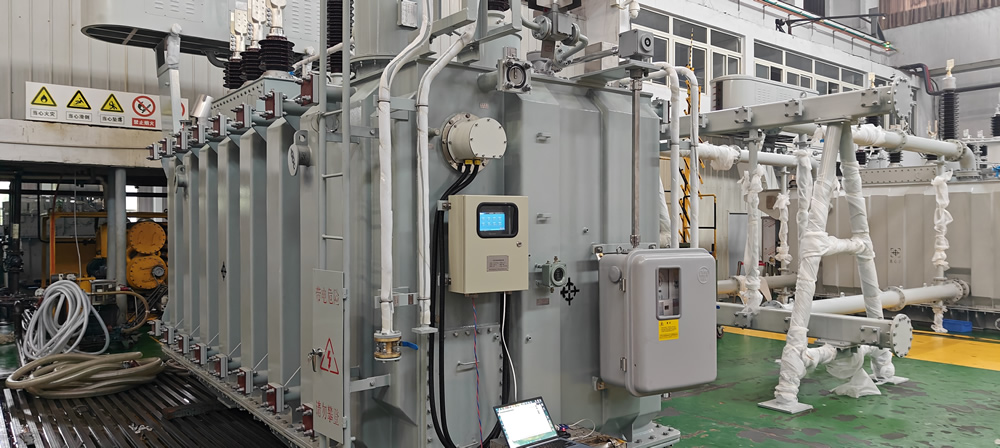
Brazilian industrial facilities, commercial complexes, and institutional campuses operate thousands of medium-voltage power transformers (1MVA to 50MVA capacity) requiring thermal management. Traditional winding temperature indicators using thermal image principles or resistance probes provide limited accuracy and require periodic calibration. Oil temperature measurement alone proves insufficient for detecting localized winding hotspots that initiate insulation degradation.
Ons temperatuurbewakingssystemen voor glasvezeltransformatoren install sensors directly on winding conductors during manufacturing or maintenance outages, providing true hotspot measurement rather than estimated values. Typical configurations monitor high-voltage and low-voltage winding hottest points plus top oil temperature, creating complete thermal profiles. Real-time data enables dynamic loading optimization, extending transformer capacity during peak demands while preventing damaging overloads.
2.2.2 Dry-Type Transformer Applications
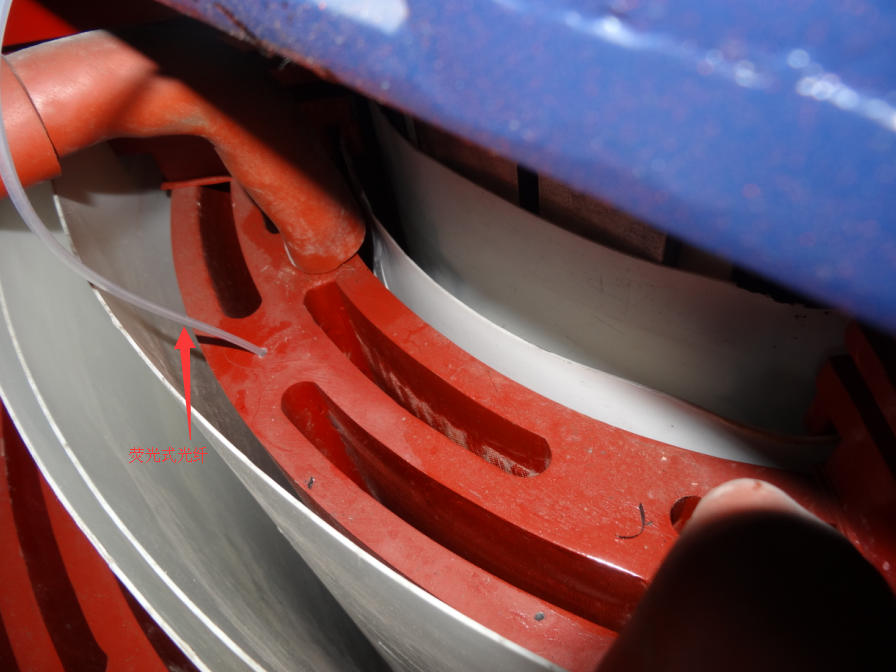
Indoor installations including data centers, ziekenhuizen, luchthavens, and commercial buildings utilize droge transformatoren eliminating fire hazards associated with oil-filled units. Cast resin or ventilated dry transformers operate at higher winding temperatures (typically 150°C-180°C class ratings) compared to oil-immersed designs, making thermal monitoring essential for preventing premature aging.
Brazilian data center operators (Equinix, Ascenty, ODATA) implementeren glasvezel temperatuursensoren on transformer windings supporting mission-critical IT loads. The monitoring systems integrate with building management platforms and data center infrastructure management (DCIM) software, triggering load shedding or backup generator activation when temperature thresholds indicate transformer stress. Continuous surveillance prevents unplanned outages that would violate service level agreements and cause substantial revenue losses.
2.3 How Do Brazilian Medical Facilities Use Fiber Optic Sensors?
São Paulo and Rio de Janeiro hospital networks operate advanced oncology centers providing thermal therapy cancer treatments including radiofrequency ablation, microgolf ablatie, and focused ultrasound. These procedures require precise tumor temperature control (typically 43°C-45°C for hyperthermia, 60°C-100°C for ablation) achieved through real-time glasvezel temperatuurbewaking during treatment.
Ons medical-grade fluorescent fiber optic sensors meet biocompatibility requirements for temporary patient contact, providing accurate measurement within high-power electromagnetic fields that would induce dangerous heating in metallic probes. Hospital Israelita Albert Einstein in São Paulo and Hospital Sírio-Libanês utilize our technology for liver tumor ablation, prostate cancer hyperthermia, and breast cancer thermal therapy. De sensoren’ small diameter (typically 0.5mm-1.0mm) enables insertion through standard biopsy needles for minimally invasive procedures.
3. How Does Mexico Implement Switchgear Temperature Measurement Systems?
3.1 What Are CFE’s Substation Monitoring Requirements?
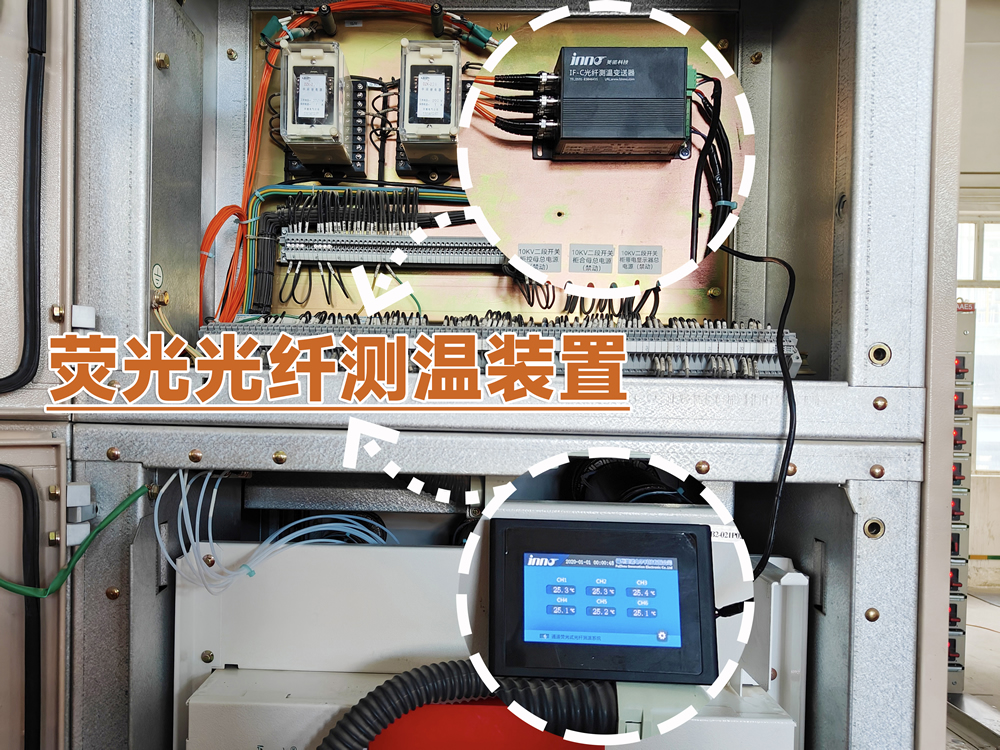
CFE (Comisión Federal de Electricidad), Mexico’s state-owned electric utility serving 45 million customers nationwide, operates transmission networks spanning 400kV, 230kV, and 115kV voltage levels plus extensive distribution infrastructure. Corporate maintenance standards specify thermal monitoring for critical substations, particularly gas-insulated switchgear installations in Mexico City metropolitan area and other major urban centers where space limitations necessitate compact designs.
Ons glasvezel temperatuurbewakingssystemen serve CFE substations throughout Mexico including facilities in Monterrey, Guadalajara, Puebla, and border cities. Typical projects address GIS circuit breaker contacts, busbar connection flanges, and transformer terminals at transmission substations feeding industrial loads and urban distribution networks. Integration with CFE’s standardized SCADA architecture follows Modbus RTU protocol specifications, ensuring compatibility with existing remote terminal units and master station software.
3.1.1 Industrial Zone Electrical Infrastructure
Mexico’s manufacturing sector, particularly automotive assembly plants, aerospace facilities, and electronics manufacturers concentrated in Monterrey, Querétaro, Aguascalientes, and border maquiladora zones, demands highly reliable electrical supply. Production facilities operate medium-voltage switchgear (13.8kV, 23kV, 34.5kV) feeding process equipment, HVAC systems, and facility infrastructure.
Automotive suppliers (Bosch, Continental, Denso) and assembly plants (General Motors, Ford, Nissan, Volkswagen) implementeren temperatuurbewaking van schakelapparatuur preventing unplanned outages that halt production lines causing substantial economic losses. Our monitoring solutions address vacuum circuit breakers, load break switches, and cable connections within met metaal beklede schakelapparatuur lineups. Predictive maintenance enabled by continuous thermal surveillance reduces forced outages by 70-80% compared to time-based inspection programs, directly improving manufacturing uptime and productivity.
3.1.2 Data Center Power Distribution
Mexico City, Querétaro, and Monterrey host rapidly expanding data center markets serving Latin American cloud computing, content delivery, and enterprise colocation requirements. Hyperscale facilities (Google, Amazon Web Services, Microsoft Azure) and wholesale colocation providers (KIO Networks, Ascenty) operate multi-megawatt electrical infrastructure requiring comprehensive thermische bewaking.
Data center power distribution units, automatic transfer switches, and main distribution switchgear incorporate our glasvezel temperatuursensoren on busbar connections, klemmen van stroomonderbrekers, and cable lugs. Monitoring systems integrate with data center infrastructure management platforms providing real-time thermal status, alarm notification, and historical trending. Tier III and Tier IV certification requirements mandate continuous monitoring of electrical infrastructure supporting “concurrently maintainable” En “fault tolerant” reliability levels.
3.2 How Do Mexican Renewable Energy Projects Use Temperature Monitoring?
3.2.1 Solar Power Plant Applications
Northern Mexican states including Sonora, Chihuahua, and Coahuila host large-scale photovoltaic installations taking advantage of excellent solar resources (daily insolation exceeding 6 kWh/m²). Solar farms ranging from 50MW to 500MW capacity utilize central inverters, medium-voltage switchgear, En step-up transformers aggregating distributed generation for grid interconnection.
Ons glasvezel monitoringsystemen address inverter output transformers (typically 690V/34.5kV), collector onderstations, and transmission interconnection facilities. Desert environment challenges including extreme temperature variations, dust accumulation, and intense UV exposure require robust sensor designs. The hermetically sealed fluorescerende glasvezelsondes operate reliably in harsh conditions where conventional sensors fail due to connector corrosion, degradatie van de isolatie, or electromagnetic interference from power electronic switching.
3.2.2 Wind Energy Installations
Coastal regions (Oaxaca Isthmus) and northern states host wind farms capitalizing on strong, consistent wind resources. Each multi-megawatt wind turbine contains step-up transformer (typically 690V/34.5kV) En schakelapparatuur within nacelle or tower base, operating in demanding environments with vibration, extreme temperaturen, and humidity variations.
Wind turbine transformer monitoring using our fiber optic technology prevents failures that would require expensive crane mobilization for component replacement. De sensoren’ immunity to electromagnetic interference from generator power electronics and transformer inrush currents ensures accurate measurement unaffected by electrical noise. Monitoring data transmits to wind farm SCADA systems via turbine communication networks, enabling centralized thermal management across entire installations comprising hundreds of individual turbines.
3.3 What Medical Applications Exist in Mexican Healthcare?
Mexico’s private hospital networks (Hospital ABC, Centro Médico ABC, Hospital Ángeles) and public healthcare institutions (IMSS, ISSSTE) upgrade oncology capabilities with advanced thermal therapy equipment for cancer treatment. Ons MRI-compatible fiber optic temperature sensors enable patient vital sign monitoring during magnetic resonance imaging procedures at major medical centers in Mexico City, Monterrey, and Guadalajara.
Hyperthermia cancer treatment applications include prostate cancer therapy using transurethral microwave systems, liver tumor radiofrequency ablation, and experimental protocols for brain tumor treatment. De fluorescerende glasvezelsondes provide real-time temperature feedback controlling heating power to maintain therapeutic temperatures (typically 42°C-44°C) while preventing healthy tissue damage. Complete electromagnetic immunity enables operation within high-power RF and microwave fields without measurement interference or patient safety concerns from metallic probe heating.
4. What Transformer Monitoring Solutions Serve Chilean Mining Operations?
4.1 How Does CODELCO Monitor Electrical Infrastructure?
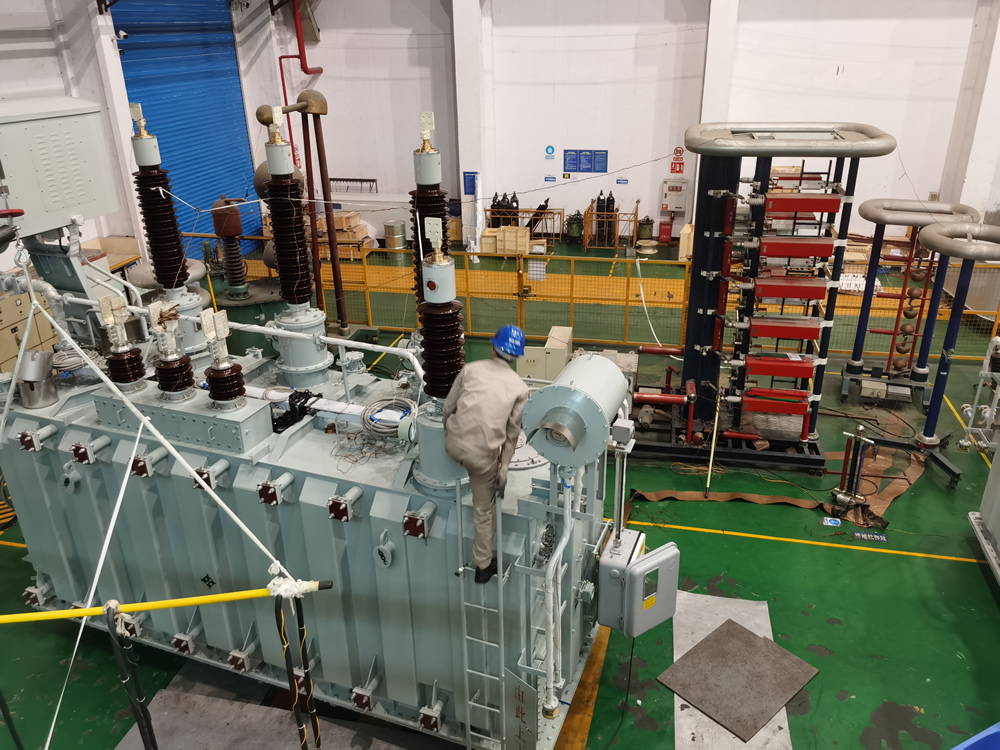
CODELCO (Corporación Nacional del Cobre), the world’s largest copper producer operating massive open-pit and underground mines throughout Chile, consumes substantial electrical power for mineral extraction, crushing, grinding, and concentration processes. Mine sites including Chuquicamata, El Teniente, Andina, and Radomiro Tomic operate dedicated onderstations at 220kV, 110kV, and 23kV voltage levels supplying hundreds of megawatts to processing facilities.
Ons glasvezel temperatuurbewakingssystemen serve CODELCO electrical infrastructure addressing stroomtransformatoren (up to 150MVA capacity), mine-duty switchgear, En motorcontrolecentra feeding SAG mills, transportsystemen, and crushing equipment. Mining operations’ continuous nature (24/7 year-round production) makes electrical reliability paramount—unplanned transformer or switchgear failures halt processing causing production losses measured in millions of dollars per day.
4.1.1 High-Altitude Installation Challenges
Chilean Andean copper deposits operate at extreme elevations, with numerous mines exceeding 4,000 meters altitude. El Teniente underground mine (2,100m-3,000m elevation) and Radomiro Tomic open pit (2,800M) present environmental challenges including low atmospheric pressure, intense UV radiation, extreme diurnal temperature variations, and seasonal snow/ice accumulation.
Ons glasvezel temperatuurmeetsystemen undergo altitude qualification testing to 5,000 meter, validating electronic component performance under reduced atmospheric pressure and cooling. De sensoren’ wide operating temperature range (-40°C to +260°C measurement capability, -40°C to +85°C ambient operation) accommodates harsh mountain conditions. All-dielectric construction eliminates altitude-dependent dielectric breakdown concerns affecting high-voltage metallic sensors at reduced atmospheric pressure.
4.1.2 Mining Substation Transformer Monitoring
Mine substations operate large stroomtransformatoren in demanding duty cycles with frequent load variations, harmonic distortion from variable frequency drives, and exposure to mineral dust contamination. Bewaking van de temperatuur van de transformatorwikkelingen prevents thermal damage from overloading, storingen in het koelsysteem, or internal faults that could progress to catastrophic tank rupture and fire.
Ons fluorescerende glasvezelsensoren install on high-voltage and low-voltage winding conductors plus top oil location, providing complete thermal profiles. Real-time data enables dynamic loading strategies during production surges while preventing damaging temperatures. Chilean mining operators report transformer service life extensions of 20-30% through optimized thermal management compared to historical operational practices based solely on current loading and ambient temperature estimation.
4.2 What Solutions Address Chilean Grid Infrastructure?
4.2.1 Transmission Network Monitoring
Chile’s elongated geography (4,300km north-south length) requires extensive transmission infrastructure connecting hydroelectric generation in southern regions, solar/wind resources in northern desert, and consumption centers in Santiago metropolitan area. Transmission operators Transelec, CGE Transmisión, and SAESA operate 500kV, 345kV, 220kV, and 110kV networks requiring thermal monitoring at critical substations.
Gas-insulated switchgear installations in urban Santiago substations utilize our glasvezel temperatuurbewaking for busbar connections, contacten van stroomonderbrekers, en kabelafsluitingen. Seismic design requirements in earthquake-prone Chile favor GIS technology’s compact footprint and superior mechanical strength compared to air-insulated alternatives. Our monitoring systems meet Chilean seismic standards, ensuring continued operation after earthquakes that could damage conventional instrumentation.
4.2.2 Solar Energy Interconnection Facilities
De regio Atacama Desert herbergt enorme zonne-energie-installaties die profiteren van zonnebronnen van wereldklasse (behoort tot de hoogste niveaus van zonnestraling op aarde). Zonneparken beheerd door Enel Green Power, AES Generaal, en Colbún vereisen collector onderstations en netwerkinterconnectiefaciliteiten die honderden megawatts beheren.
Extreme woestijnomgevingsuitdagingen, waaronder intense zonneverwarming (oppervlaktetemperaturen van apparatuur hoger dan 60°C), minimale regenval, maar af en toe overstromingen, en zware stofstormen vereisen robuustheid temperatuurbewaking ontwerpen. Onze sensoren met IP67-classificatie en afgedichte elektronicabehuizingen werken betrouwbaar in barre woestijnomstandigheden. De monitoringsystemen’ voorspellende onderhoudsmogelijkheden blijken vooral waardevol op afgelegen woestijnlocaties waar noodhulp en de logistiek voor het vervangen van componenten aanzienlijke uitdagingen met zich meebrengen.
4.3 How Do Chilean Hospitals Use Fiber Optic Temperature Sensors?
Santiago’s private hospital networks (Clínica Las Condes, Clínica Alemana, Hospital Militar) implement advanced medical temperature monitoring for oncology thermal therapy and MRI patient surveillance. Ons MRI-compatible fiber optic sensors enable vital sign monitoring during magnetic resonance imaging without metallic probe safety hazards or image artifact generation.
Radiofrequency ablation procedures for liver tumors, lung lesions, and bone metastases utilize our fluorescent temperature probes providing real-time feedback controlling energy delivery. Chilean oncologists adopt minimally invasive thermal therapies as alternatives to surgical resection for inoperable tumors or high-risk patients. De glasvezeldetectietechnologie enables precise temperature control maximizing tumor destruction while protecting adjacent healthy tissue and critical structures.
5. Which Argentine Industrial Facilities Utilize Fiber Optic Thermometry?

5.1 Hoe monitoren Argentijnse energiecentrales generatoren??
Argentinië exploiteert een gevarieerde opwekkingsportfolio, waaronder kernenergie (Vossen I en II, Reservoir), hydroelectric (Yacyreta, Grote sprong), thermal plants (aardgas, coal), en het uitbreiden van hernieuwbare energie. Elke generatie technologie vereist alomvattend Temperatuurbewaking van elektrische apparatuur het garanderen van een betrouwbare werking en het voorkomen van gedwongen uitval.
Kerncentrales implementeren strenge veiligheidseisen die een continue monitoring van kritische elektrische systemen vereisen, waaronder: generator stator windings, hoofdtransformatoren, en hulpstroomverdeling. Ons monitoringsystemen voor glasvezelgeneratoren richten zich op beide eenheden van Siemens-ontwerp (Atucha) en CANDU-reactoren (Reservoir), het leveren van nauwkeurige thermische bewaking die voldoet aan de normen voor nucleaire kwaliteitsborging. De sensoren’ stralingsweerstand en elektromagnetische immuniteit blijken essentieel in nucleaire omgevingen waar conventionele sensoren voortijdige degradatie ervaren.
5.1.1 Bewaking van de statorwikkeling van de generator
Grote generatoren (typical ratings 300MW-750MW for thermal plants, 700MW for nuclear units) operate at high electrical stress with winding temperatures approaching 105°C-130°C continuous ratings. Localized hotspots from blocked ventilation, insulation contamination, or inter-turn faults can exceed design limits causing accelerated aging or catastrophic failure.
Ons fluorescerende glasvezelsensoren mount directly on stator bar conductors at historically problematic locations including slot exits, series connections, and parallel ring joints. Multi-point monitoring (typisch 12-24 sensors per generator) creates comprehensive thermal maps identifying developing problems before damage occurs. Argentine utility CAMMESA reports 40% reduction in generator forced outage rates after implementing continuous glasvezel temperatuurbewaking compared to periodic inspection programs.
5.1.2 Main Transformer and Unit Transformer Monitoring
Generator step-up transformers and unit auxiliary transformers represent critical single-point failures—catastrophic transformer loss removes entire generating unit from service for months during replacement. Transformer thermal monitoring prevents failures through early detection of winding hotspots, problemen met het koelsysteem, of interne foutontwikkeling.
Typical monitoring configurations address high-voltage winding hotspot, low-voltage winding hotspot, and top oil temperature using our fiber optic sensor arrays. Advanced diagnostic algorithms analyze temperature patterns identifying abnormal conditions including cooling pump failures, blocked radiators, internal partial discharges, or winding circulating currents. Integration with plant distributed control systems enables automated load shedding when thermal limits approach, protecting transformers while maximizing generation capacity.
5.2 What Oil and Gas Applications Exist in Argentina?
5.2.1 Vaca Muerta Shale Formation Electrical Infrastructure
Argentina’s Vaca Muerta shale formation represents one of world’s largest unconventional hydrocarbon deposits, supporting rapid oil and gas development in Neuquén province. Drilling and production operations require substantial electrical infrastructure including medium-voltage substations, motorcontrolecentra, En variable frequency drive systems powering drilling rigs, pompen, and compressors.
Ons glasvezel temperatuurbewaking serves electrical equipment at remote wellsites, central processing facilities, and pipeline pumping stations. De sensoren’ intrinsieke veiligheid (no electrical energy at measurement point, no spark capability) suits hazardous classified areas without requiring expensive explosion-proof housings. Electromagnetic immunity proves essential in environments with high-power VFDs, radiozenders, and welding equipment generating severe electrical noise.
5.2.2 Refinery and Petrochemical Facilities
Argentine refineries (YPF La Plata, Shell Dock Sud, Axion Energy Campana) operate complex electrical distribution networks supplying process units, nutsvoorzieningen, and auxiliary systems. Refinery elektrische onderstations experience harsh environments including hydrocarbon vapor exposure, process heat, and corrosive atmospheres accelerating equipment degradation.
Switchgear and transformer monitoring prevents electrical failures that could trigger process unit shutdowns, flaring events, of veiligheidsincidenten. Our corrosion-resistant glasvezel sensoren and IP65/IP67 electronics enclosures withstand refinery environments where metallic sensors corrode and conventional electronics fail prematurely. Monitoring integration with refinery distributed control systems coordinates electrical infrastructure management with process operations.
5.3 How Do Argentine Food Processing Facilities Monitor Electrical Systems?
Argentina’s agricultural processing industries including grain handling, meat packing, dairy processing, and wine production operate throughout the country’s productive agricultural regions. These facilities utilize medium-voltage electrical distribution (13.2kV, 33kV typical) supplying refrigeration compressors, processing equipment, and packaging machinery.
Temperatuurbewaking on distribution transformers, motor control center bus bars, and large motor feeders prevents unplanned outages during critical production periods (harvest seasons, peak processing times). Food safety regulations require controlled temperatures for refrigerated storage and processing—electrical failures causing refrigeration loss could spoil inventory valued at substantial amounts. Ons glasvezel monitoringsystemen provide advance warning enabling preventive action before catastrophic failures occur.
6. How Do Colombian Hydroelectric Plants Monitor Generator Temperature?
6.1 What Are Colombia’s Main Hydroelectric Monitoring Needs?
Colombia generates approximately 70% van elektriciteit uit waterkrachtbronnen, operating major plants including Hidroituango (2.4GW), Guavio (1.2GW), San Carlos complex, and numerous medium-scale facilities. Generator temperature monitoring represents critical application preventing forced outages that would require expensive thermal generation replacement during low-water periods.
Ons monitoringsystemen voor glasvezelgeneratoren serve Colombian hydroelectric operators including EPM (Empresas Públicas de Medellín), Emgesa, and Isagen. Typical installations monitor generator stator windings, exciter systems, and step-up transformer windings on units ranging from 50MW to 340MW per generator. The monitoring provides early warning of developing problems including ventilation blockages, winding insulation deterioration, or cooling water system degradation.
6.1.1 Stator Winding Hotspot Detection
Hydroelectric generators operate continuously at high capacity factors (typisch 60-80% annual average) creating sustained thermal stress on winding insulation. Traditional stator temperature measurement using embedded resistance temperature detectors faces reliability challenges from lead wire failures, connector corrosion in humid environments, and electromagnetic interference from rotating fields.
Ons fluorescerende glasvezelsensoren eliminate these failure modes through all-dielectric construction and immunity to electromagnetic fields. Sensors install on stator bar conductors during generator rewinds or major maintenance outages, providing permanent monitoring infrastructure. Colombian operators report detection of cooling system degradation, duct blockage, and insulation contamination 3-6 months earlier compared to periodic inspection programs, enabling planned maintenance rather than forced outages.
6.1.2 Generator Step-Up Transformer Monitoring
Each hydroelectric unit utilizes dedicated generator step-up transformer (typical ratings 50MVA to 400MVA) connecting generator voltage (typically 13.8kV or 18kV) to transmission network (115kV, 220kV, or 500kV). These transformers operate in demanding duty cycles with frequent load variations following water availability and electricity market conditions.
Bewaking van de temperatuur van de transformatorwikkelingen enables dynamic loading optimization—during high-water periods with abundant generation capacity, operators can exceed nameplate ratings within thermal limits, maximizing revenue. Omgekeerd, monitoring prevents damaging overloads during equipment degradation or cooling system problems. Integration with plant SCADA systems provides operators real-time thermal status supporting operational decision-making.
6.2 How Does Colombia’s Transmission Grid Use Temperature Monitoring?
Colombia’s National Transmission System operated by ISA (Interconexión Eléctrica S.A.) and regional companies connects generation resources (primarily hydroelectric in Andean regions) with consumption centers including Bogotá, Medellín, Cali, and Barranquilla. The transmission network requires substation temperature monitoring at critical interconnection points, voltage transformation facilities, and system control centers.
Gas-insulated switchgear installations in urban Bogotá and Medellín substations utilize our glasvezel monitoring addressing space constraints and environmental protection requirements. Colombia’s varied climate—from Caribbean coastal humidity to high-altitude Andean cold—requires temperature sensors operating across wide environmental ranges. Our IP67-rated sensor assemblies function reliably in all Colombian climate zones without degradation.
6.3 What Medical Applications Serve Colombian Healthcare?
Bogotá, Medellín, and Cali hospital networks implement advanced oncology thermal therapy systems for cancer treatment. Private hospitals including Fundación Santa Fe de Bogotá, Hospital Pablo Tobón Uribe, and Clínica del Country utilize radiofrequentie ablatie, microgolf ablatie, En hyperthermia systems requiring precise temperature measurement during procedures.
Ons medical-grade fiber optic sensors provide real-time tumor temperature monitoring during minimally invasive treatments. Applications include liver cancer ablation, lung tumor thermal therapy, and bone metastasis pain palliation. De sensoren’ biocompatibility, small diameter (0.5mm-1.0mm), and electromagnetic immunity enable safe, accurate measurement within high-power RF and microwave energy fields. Colombian oncologists report improved treatment outcomes and reduced complications through precise thermal control enabled by continuous glasvezel temperatuurbewaking.
7. What Medical Applications Require Fiber Optic Sensors in Latin America?

7.1 How Is Thermal Therapy Used for Cancer Treatment?
Hyperthermia cancer treatment applies controlled heating (typically 40°C-45°C sustained for 30-90 notulen) enhancing radiation therapy and chemotherapy effectiveness. Clinical studies demonstrate hyperthermia increases tumor blood flow, improves drug delivery, sensitizes cancer cells to radiation, and directly induces tumor cell death through thermal stress. Latin American oncology centers adopt thermal therapy as complementary treatment for various cancers including cervical, prostate, breast, sarcoma, and melanoma.
Ons fluorescerende glasvezeltemperatuursensoren provide essential real-time feedback controlling heating power to maintain therapeutic temperatures while preventing healthy tissue damage. De sensoren’ nauwkeurigheid (±0.5°C for medical applications), snelle reactie (<1 seconde), and complete electromagnetic immunity enable precise temperature control during treatments using radiofrequency, magnetron, or ultrasound energy delivery.
7.1.1 Radiofrequency Ablation Procedures
Radiofrequency ablation (RFA) delivers high-frequency alternating current (typically 460kHz-500kHz) through needle electrodes inserted into tumors, generating resistive heating that destroys cancer cells. Applications include liver tumors (hepatocellular carcinoma, colorectal metastases), lung lesions, kidney cancer, bone metastases, and small breast cancers.
Ons glasvezel temperatuursondes insert through separate needles adjacent to ablation electrodes, monitoring tissue temperature to verify adequate thermal dose delivery. De sensoren’ immunity to RF electromagnetic fields prevents measurement errors and dangerous metallic probe heating that would injure patients. Latin American hospitals including Hospital Israelita Albert Einstein (Brazilië), Hospital ABC (Mexico), and Fundación Santa Fe (Colombia) utilize our technology for image-guided ablation procedures performed under CT or ultrasound visualization.
7.1.2 Microwave Ablation Monitoring
Microwave ablation employs electromagnetic energy at 915MHz or 2.45GHz frequencies creating larger, more spherical ablation zones compared to radiofrequency techniques. Microwave systems prove especially effective for lung tumors (where high tissue impedance limits RF effectiveness) and locations near blood vessels (where vascular cooling reduces RF efficacy).
Temperature monitoring during microgolf ablatie faces severe challenges from high-power electromagnetic fields (typical generator outputs 30W-150W). Metallic temperature sensors would experience dangerous induced heating and measurement interference. Our all-dielectric fluorescerende glasvezelsondes operate safely and accurately within microwave fields, providing real-time temperature feedback essential for procedural safety and efficacy. Mexican and Brazilian oncology centers report improved ablation completeness and reduced complications using fiber optic temperature-guided microwave therapy.
7.2 What MRI-Compatible Temperature Monitoring Applications Exist?
Magnetische resonantie beeldvorming utilizes powerful magnetic fields (typisch 1.5 Tesla to 3.0 Tesla) and radiofrequency pulses creating hazardous conditions for conventional metallic sensors. Any ferromagnetic material would experience powerful attractive forces creating projectile hazards potentially injuring patients or damaging expensive scanners. Conductive materials would generate induced currents causing heating, burns, or image artifacts degrading diagnostic quality.
Ons MRI-compatible fiber optic temperature sensors contain exclusively non-metallic, non-magnetic materials enabling safe operation within MRI environments. Applications include patient vital sign monitoring during MRI procedures (particularly important for sedated children, critically ill patients, or lengthy examinations) and MRI-guided thermal therapies including focused ultrasound ablation.
7.2.1 Patient Monitoring During MRI Procedures
Latin American hospitals performing pediatric MRI (requiring sedation or anesthesia), cardiac MRI stress tests, or emergency MRI on critically ill patients need continuous patient temperature monitoring ensuring safety during examinations. Conventional electronic thermometers cannot enter MRI rooms due to magnetic attraction and RF interference.
Ons MRI-safe fiber optic temperature monitoring provides continuous patient core temperature surveillance throughout procedures. The completely passive sensors (no batteries, no electronics, geen metaal) present zero magnetic attraction, generate no image artifacts, and require no electrical safety precautions. Major Latin American medical centers including Hospital Israelita Albert Einstein and Hospital ABC implement our technology for high-risk MRI procedures where patient monitoring proves essential.
7.2.2 MRI-Guided Focused Ultrasound Therapy
MR-guided focused ultrasound (MRgFUS) represents emerging therapy combining real-time MRI visualization with focused ultrasound energy delivery for non-invasive tumor ablation. Applications include uterine fibroids, bone metastasis pain palliation, and experimental treatments for prostate cancer, liver tumors, and brain lesions. MRI provides both targeting guidance and temperature mapping during treatment.
While MRI thermometry offers spatial temperature mapping, fiber optic point sensors provide superior accuracy and faster response for critical location monitoring. Ons MRI-compatible probes validate MRI temperature measurements and monitor locations outside MRI thermometry sensitivity. Brazilian and Argentine medical centers pioneering MRgFUS therapy utilize our technology for treatment quality assurance and patient safety monitoring.
7.3 How Are Fiber Optic Sensors Used in Medical Research?
Latin American medical research institutions investigate novel thermal therapy techniques requiring precise temperatuur meting mogelijkheden. Applications include photothermal therapy using nanoparticles activated by laser light, gefocuste echografie met hoge intensiteit (HIFU) for non-invasive surgery, and interstitial laser photocoagulation for tumor destruction.
Ons research-grade fiber optic sensors support experimental protocols at institutions including University of São Paulo Medical School, National Autonomous University of Mexico, and University of Chile. De sensoren’ nauwkeurigheid, elektromagnetische immuniteit, and biocompatibility enable studies that would prove impossible using conventional temperature measurement technologies. Research findings validate thermal therapy effectiveness and optimize treatment protocols subsequently adopted for clinical patient care.
8. Which Peruvian High-Altitude Mining Projects Need Specialized Monitoring?

8.1 What Challenges Do Andean Mining Operations Face?
Peruvian mining industry operates numerous facilities at extreme elevations exceeding 4,000 meters in the Andes mountains. Major operations including Las Bambas copper mine (4,000m elevation), Cerro Verde copper mine (2,600M), Antamina copper-zinc mine (4,300M), and Yanacocha gold mine (3,500m-4,100m) require substantial electrical infrastructure supporting crushing, grinding, flotation, and material handling processes.
High-altitude environments present multiple equipment challenges including reduced atmospheric cooling (lower air density decreases convective heat transfer), increased UV radiation exposure accelerating insulation degradation, extreme diurnal temperature variations (daily swings exceeding 30°C), and low atmospheric pressure affecting electrical insulation. Aanvullend, remote locations complicate maintenance logistics and emergency response.
8.1.1 Electrical Equipment Derating Requirements
High-altitude operation requires transformator En schakelapparatuur derating due to reduced cooling effectiveness and decreased dielectric strength at low atmospheric pressure. Equipment rated for sea-level operation may require 10-20% capacity reduction at 4,000m elevation to maintain safe operating temperatures. Temperatuurbewaking via glasvezel enables operators to optimize loading within actual thermal limits rather than conservative derating factors.
Ons temperatuur meetsystemen provide real-time thermal data supporting dynamic loading decisions. During cold night shifts (ambient temperatures potentially below -15°C), equipment can operate at higher loads compared to hot afternoon periods (ambient potentially +25°C). This optimization maximizes production capacity while preventing damaging temperatures—particularly valuable in mining operations where processing throughput directly determines revenue.
8.1.2 Maintenance Access Challenges
Remote high-altitude locations complicate maintenance activities due to difficult access, altitude-related human performance degradation, and limited local technical resources. Preventive maintenance often requires mobilizing specialized technicians from coastal cities (Lima, Arequipa) involving substantial travel time and altitude acclimatization requirements before work can commence.
Voorspellend onderhoud mogelijk gemaakt door continu glasvezel temperatuurbewaking reduces emergency response requirements through early problem detection. Trending analysis identifies gradual degradation patterns weeks or months before catastrophic failures, allowing planned maintenance during scheduled outages rather than emergency interventions. Peruvian mining operators report 50-60% reduction in electrical equipment forced outages after implementing comprehensive thermal monitoring compared to time-based maintenance programs.
8.2 How Do Peruvian Concentrator Plants Monitor Electrical Systems?
8.2.1 SAG Mill and Ball Mill Motor Monitoring
Mineral concentrator facilities utilize massive grinding mills driven by high-power motors (typical ratings 5MW-28MW for SAG mills, 3MW-15MW for ball mills). These motors operate continuously under heavy mechanical loading with frequent thermal cycling as ore characteristics and throughput vary. Motor failures cause complete process line shutdowns resulting in production losses potentially exceeding hundreds of thousands of dollars per day.
Ons glasvezel temperatuurbewaking addresses motor stator windings, bearing housings, and power cable terminations. Multi-point monitoring creates thermal profiles identifying developing problems including winding insulation deterioration, bearing failures, or power cable defects before catastrophic failures occur. De sensoren’ immunity to electromagnetic interference from variable frequency drives (most modern SAG mills utilize VFD control) ensures accurate measurement unaffected by electrical noise.
8.2.2 High-Voltage Distribution Transformers
Concentrator plants operate medium-voltage distribution networks (typically 10kV, 22.9kV, or 33kV) supplied from mine substations through multiple stroomtransformatoren. Transformer monitoring prevents failures that would de-energize entire process sections. Typical monitoring configurations address winding hotspots and top oil temperature on critical transformers feeding grinding circuits, flotation cells, and thickener drives.
High-altitude cooling challenges make transformer thermal management especially critical. Reduced air density decreases radiator cooling effectiveness requiring closer attention to loading and ambient temperature. Ons glasvezel monitoringsystemen provide real-time thermal status enabling operators to optimize loading while maintaining safe temperatures. Integration with concentrator process control systems coordinates electrical infrastructure management with metallurgical operations.
8.3 What Solutions Serve Peruvian Underground Mining Operations?
Peruvian underground mines extract polymetallic ores (koper, zinc, leiding, silver, gold) from deep deposits using mechanized equipment powered by extensive electrical infrastructure. Underground electrical systems face unique challenges including confined spaces, hoge luchtvochtigheid, rock dust contamination, vibration from blasting and equipment operation, and elevated temperatures from geothermal gradients (temperature increases approximately 1°C per 30 meters depth).
Underground mine substations, transformer chambers, En power distribution centers require robust monitoring withstanding harsh conditions while providing reliable early warning of electrical problems. Ons glasvezel temperatuursensoren feature IP67 sealing against moisture and dust ingress, vibration-resistant mounting, and wide operating temperature range accommodating underground environments. De sensoren’ all-dielectric construction provides inherent safety in underground atmospheres potentially containing explosive gases or combustible dust.
9. Why Do Latin American Users Choose Imported Temperature Sensors?
9.1 What Technical Performance Advantages Drive Import Preference?
9.1.1 Measurement Accuracy and Long-Term Stability
Critical electrical infrastructure applications demand temperature measurement accuracy better than ±1°C with long-term stability maintaining calibration accuracy over 10-25 jaar levensduur. Fluorescerende glasvezeltechnologie achieves these specifications through physics-based measurement principles immune to drift phenomena affecting conventional sensors. Latin American utilities and industrial facilities specify imported sensors recognizing that measurement reliability directly impacts operational safety and economic performance.
Local sensor manufacturers, where they exist, typically produce conventional technologies including thermocouples, RTD's, or thermistors lacking the accuracy, stabiliteit, and electromagnetic immunity required for demanding power system applications. Ons glasvezel temperatuurbewakingssystemen provide documented performance specifications validated through independent laboratory testing and extensive field installations demonstrating capabilities unmatched by locally-manufactured alternatives.
9.1.2 Electromagnetic Immunity and Safety
Power substations, industriële faciliteiten, and medical environments generate severe electromagnetic interference from high-voltage equipment, transiënten schakelen, frequentieregelaars, and therapeutic energy delivery systems. Metallic sensors experience measurement errors from induced voltages, aardlussen, and RF interference. Aanvullend, metallic sensors create safety hazards including spark ignition sources in hazardous atmospheres and dangerous heating in MRI or RF therapy environments.
Our all-dielectric fluorescerende glasvezelsensoren provide complete electromagnetic immunity and intrinsic safety impossible to achieve with conventional technologies. These characteristics prove essential for reliable operation in electrically noisy environments and safe deployment in hazardous or medical applications. Latin American end users recognize that sensor technology selection directly impacts both measurement reliability and personnel safety, justifying import procurement despite potentially higher initial costs compared to conventional local alternatives.
9.2 How Do Quality and Certification Requirements Influence Selection?
9.2.1 Naleving van internationale normen
Major electrical utilities, multinational industrial operators, and internationally-accredited medical facilities specify equipment meeting recognized international standards including IEC, IEEE, NEE, ISO, and medical device regulations. Import sensors from established manufacturers provide comprehensive certification documentation including CE marking, RoHS-naleving, type test reports from accredited laboratories, and quality management system certifications (ISO 9001, ISO 13485 for medical devices).
Local manufacturers often lack resources and technical capabilities for international certification compliance, limiting product acceptability for critical applications. Ons glasvezel temperatuurbewakingssystemen maintain all relevant certifications ensuring acceptance by Latin American utilities, engineering firms, and regulatory authorities. Complete documentation packages accompany each shipment facilitating project approval and equipment commissioning.
9.2.2 Product Reliability and Warranty Support
Critical infrastructure applications require proven reliability with comprehensive warranty coverage and long-term technical support. Imported sensors from established manufacturers provide documented field performance (our products: 500+ installaties, 30+ landen, 10+ years maximum continuous operation), multi-year warranties (typisch 2-5 jaar), and ongoing technical support infrastructure.
Warranty terms reflect manufacturer confidence in product quality—we offer comprehensive coverage including sensor replacement, demodulator repair, and technical assistance throughout warranty periods. This support proves especially valuable in Latin American markets where local technical resources may lack specialized expertise for advanced sensing technologies. Customers recognize that total lifecycle costs favor reliable imported sensors despite potentially higher acquisition costs compared to uncertain local alternatives requiring frequent replacement or ongoing calibration expenses.
9.3 What Commercial Factors Support Import Procurement?
9.3.1 Technology Transfer and Localization Limitations
Advanced sensing technologies including fluorescent fiber optics require substantial R&D-investering, specialized manufacturing capabilities, and comprehensive quality control systems. Latin American markets generally lack sufficient scale to justify indigenous development of specialized sensor technologies serving relatively limited regional demand. Technology transfer attempts often fail due to insufficient manufacturing infrastructure, limited technical workforce, and ongoing dependency on imported components and materials.
Established manufacturers like Fuzhou Innovation Electronic maintain vertically-integrated operations including proprietary sensor development, optical component fabrication, electronics design and manufacturing, and comprehensive testing facilities. This integration ensures consistent quality and enables continuous product improvement impossible for companies relying on outsourced production or licensed technologies. Latin American buyers benefit from accessing proven technologies at competitive prices enabled by manufacturing scale serving global markets.
9.3.2 Competitive Pricing from Asian Manufacturers
Chinese manufacturers including our company offer temperature monitoring systems at prices 30-40% below European competitors while maintaining comparable or superior technical specifications. This value proposition proves compelling for Latin American customers operating under budget constraints while requiring high-performance solutions. Manufacturing efficiency, vertical integration, and serving global markets create economies enabling competitive export pricing.
Total cost of ownership analysis demonstrates that imported sensors’ superieure betrouwbaarheid, longer service life, and reduced maintenance requirements offset higher initial costs compared to locally-manufactured alternatives. Over typical 10-20 year project lifespans, geïmporteerd glasvezel monitoringsystemen deliver lower total costs through eliminated calibration expenses, reduced failure rates, and extended operational life compared to conventional technologies requiring periodic replacement and ongoing maintenance.
10. How to Select Reliable Suppliers for Latin American Projects?
10.1 What Supplier Qualifications Matter Most?
10.1.1 Export Experience and Regional Knowledge
Successful Latin American project execution requires suppliers with documented export experience, understanding of regional regulations, and established logistics capabilities. Our company serves 30+ countries with comprehensive experience addressing customs procedures, certification requirements, and shipping logistics for electrical equipment. Spanish-speaking technical staff provide consultation, documentatie, and support in customers’ native languages facilitating communication and project coordination.
Regional market knowledge proves essential for appropriate product specification. We understand Latin American electrical standards (varied voltage levels, frequentie, and grounding practices), climate challenges (tropical to arctic conditions), en toepassingsvereisten (mijnbouw, energieopwekking, industriële faciliteiten). This expertise enables accurate product recommendations and system designs avoiding costly errors from misapplied technologies.
10.1.2 Manufacturing Quality and Certifications
ISO 9001 certificering voor kwaliteitsmanagement demonstreert gevestigde processen voor ontwerpcontrole, manufacturing consistency, en voortdurende verbetering. Our facilities maintain certified quality systems with documented procedures for component selection, productie testen, calibration traceability, and final inspection. Each production unit undergoes comprehensive factory testing validating accuracy, communicatie-interfaces, alarm functionality, and environmental qualification before shipment.
Product certifications including CE marking and RoHS compliance confirm conformity with international safety and environmental standards. Type test reports from accredited laboratories validate published specifications for temperature accuracy, reactietijd, elektromagnetische compatibiliteit, and environmental performance. These certifications ensure product acceptance by Latin American utilities, engineering consultants, and regulatory authorities avoiding project delays from equipment approval issues.
10.1.3 Technische ondersteuningsinfrastructuur
Comprehensive technical support throughout project lifecycle—from pre-sales consultation through installation, inbedrijfstelling, and ongoing operation—distinguishes quality suppliers from commodity vendors. Our support includes:
- Application engineering consultation for system design and measurement point selection
- Detailed technical proposals with equipment specifications and integration guidance
- Spanish and Portuguese language documentation (manuals, drawings, certificaten)
- Remote commissioning assistance via video conferencing and screen sharing
- Troubleshooting support through email, telefoon, en diagnose op afstand
- Training materials and operator instruction documentation
- Spare parts supply and warranty service coordination
10.2 How to Evaluate Product Suitability for Specific Applications?
10.2.1 Environmental Compatibility Assessment
Latin American projects span extreme environmental conditions from Amazon rainforest humidity to Atacama Desert aridity, coastal salt exposure to high-altitude cold, and tropical heat to temperate climates. Sensor selection must verify operating temperature range, humidity tolerance, UV-bestendigheid, and sealing ratings appropriate for installation conditions.
Ons glasvezel temperatuursensoren operate across -40°C to +260°C measurement range with -40°C to +85°C ambient rating, IP67 sealing, and UV-resistant materials accommodating virtually all Latin American environments. Reference installations demonstrate proven performance in Brazilian Amazon installations, Chilean desert solar farms, Peruvian high-altitude mines, and coastal substations throughout the region.
10.2.2 Integratie- en communicatievereisten
Successful monitoring system deployment requires compatibility with existing or planned automation infrastructure. Verify that candidate systems support required communication protocols (Modbus RTU/TCP, IEC 60870-5-101/104, IEC 61850, DNP3, OPC UA), spanningsniveaus (24VDC, 110VDC, 120VAC, 220VAC), and interface connections (RS485, Ethernet, glasvezel) matching substation or facility standards.
Ons multi-protocol temperature demodulators provide flexible communication supporting diverse automation platforms throughout Latin America. Configuration tools enable protocol selection, parameter adjustment, and alarm threshold programming without requiring different hardware models. This flexibility simplifies procurement, reduces inventory requirements, and enables future protocol changes through software updates rather than equipment replacement.
10.2.3 Application-Specific Performance Verification
Different applications prioritize different performance characteristics. Bewaking van schakelapparatuur emphasizes fast response time (<1 seconde) detecting rapid temperature changes during switching operations or fault conditions. Transformatorbewaking requires high accuracy (±0,5°C tot ±1°C) for precise thermal modeling and dynamic loading optimization. Generator monitoring demands electromagnetic immunity operating within intense rotating magnetic fields. Medical applications necessitate biocompatibility, small sensor dimensions, and MRI compatibility.
Our product portfolio addresses diverse application requirements through specialized sensor designs, customized measurement ranges, and application-optimized configurations. Technical consultation identifies appropriate product selection matching specific project requirements rather than applying generic solutions to specialized needs.
10.3 Why Choose Fuzhou Innovation Electronic for Latin American Projects?
10.3.1 Proven Track Record and Global Experience
Sinds oprichting in 2011, our company has delivered glasvezel temperatuurbewakingssystemen naar 500+ power utilities, industriële faciliteiten, and medical institutions across 30+ landen. Latin American installations include projects in Brazil, Mexico, Chile, Argentina, Colombia, Peru, Panama, and Costa Rica addressing substations, generatoren, transformatoren, industriële processen, and medical facilities.
Reference projects demonstrate successful execution capabilities including:
- Brazilian utility substations (Eletrobras, state distribution companies)
- Mexican industrial facilities (automobiel, ruimtevaart, olie en gas)
- Chilean mining operations (koper, lithium, gold producers)
- Argentine power generation (nucleair, thermisch, hydroelectric plants)
- Colombian hydroelectric stations (major dam operators)
- Peruvian high-altitude mining electrical infrastructure
- Medical facilities throughout region (oncology, radiology departments)
10.3.2 Comprehensive Product Portfolio
Our product range addresses complete spectrum of power system and medical temperature monitoring applications:
- Switchgear monitoring systems: 4-64 channel demodulators, point-type sensors, GIS/air-insulated configurations
- Transformatorbewaking: Winding sensors, oil temperature probes, bewaking van de bussen
- Generator monitoring: Stator winding sensors, lager temperatuur, exciter monitoring
- Medical sensors: MRI-compatible probes, thermal therapy applications, biocompatible materials
- Accessories: Mounting hardware, glasvezelkabels, communication converters, display software
This comprehensive offering enables single-source procurement simplifying vendor management, ensuring compatibility across system components, and providing unified technical support rather than coordinating multiple suppliers for integrated solutions.
10.3.3 Competitive Value Proposition
Our pricing structure delivers 30-40% cost savings compared to European competitors while maintaining equivalent or superior technical specifications and quality standards. This value proposition proves especially compelling for Latin American customers balancing performance requirements against budget constraints. Competitive pricing enables broader monitoring system deployment, increasing protected asset quantities compared to limited installations constrained by high-cost alternatives.
Total cost of ownership advantages include:
- Lower initial acquisition costs versus European brands
- Extended sensor lifespan (>25 jaar) eliminating replacement expenses
- Maintenance-free operation reducing ongoing costs
- Comprehensive warranty coverage minimizing post-installation expenses
- Efficient logistics and responsive delivery reducing project delays
- Technical support included rather than charged separately
10.3.4 Dedicated Latin American Support
Recognizing Latin American markets’ specific requirements, we provide specialized support services:
- Spanish and Portuguese speaking technical engineers
- Complete documentation in Spanish/Portuguese languages
- Export documentation and customs clearance assistance
- Regional distributor networks for local sales and service
- Time zone aligned communication (UTC-3 to UTC-6 coverage)
- Understanding of regional electrical standards and practices
- Proven logistics to major Latin American ports and cities
- Flexible payment terms accommodating regional banking practices
This regional focus ensures that Latin American customers receive equivalent service quality and responsiveness as domestic Chinese customers rather than being treated as secondary export markets by suppliers primarily focused on other regions.
Veelgestelde vragen
Q1: What delivery times are typical for Latin American projects?
Standard delivery requires 2-3 weeks production time plus 3-4 weeks ocean freight to major Latin American ports (Santos, Callao, Valparaiso, Buenos Aires, Cartagena, Veracruz). Total lead time from order confirmation to port arrival typically ranges 5-7 weken. Air freight options reduce transit to 5-7 days for urgent projects, though with higher shipping costs. We maintain strategic inventory for common configurations (8-channel and 16-channel demodulators, standard sensor types) enabling faster fulfillment for stock items. Complex custom configurations or large quantity orders may require extended production schedules discussed during quotation.
Vraag 2: Do you provide Spanish and Portuguese language documentation?
Complete technical documentation is available in Spanish and Portuguese including user manuals, installation guides, quick start instructions, specificaties voor communicatieprotocollen, and troubleshooting procedures. Ons technische ondersteuningsteam bestaat uit Spaanstalige ingenieurs die advies geven, hulp bij installatie, en ondersteuning voor probleemoplossing bij klanten’ moedertaal. Trainingsmateriaal, garantiedocumentatie, en conformiteitscertificaten bieden ook Spaans/Portugese versies. Wij erkennen dat taaltoegankelijkheid essentieel blijkt voor een succesvolle projectimplementatie, operator training, en doorlopend onderhoud, Zo investeert u in uitgebreide lokalisatie in plaats van uitsluitend te vertrouwen op Engelse documentatie waarvoor vertaling door de klant nodig is.
Q3: Hoe worden de douaneafhandeling en certificeringen afgehandeld voor internationale zendingen?
Wij bieden volledige exportdocumentatie die de douane-inklaring vergemakkelijkt, inclusief handelsfacturen, gedetailleerde paklijsten, certificaten van oorsprong, en relevante conformiteitscertificaten (CE-markering, RoHS-naleving, testrapporten). Our experienced export logistics team coordinates with international freight forwarders and can recommend customs brokers in destination countries familiar with electrical equipment importation. For projects requiring specific country certifications beyond standard CE/RoHS compliance, we assist with documentation submission and can coordinate third-party testing if needed. Most Latin American countries accept CE-marked electrical equipment without additional local certification, though specific requirements vary by country and application (utility versus industrial versus medical installations).
Q4: Can you provide on-site installation support and commissioning services?
For major projects, we offer on-site commissioning support through experienced field service engineers who travel to customer locations for system startup, verification testing, integration confirmation, and operator training. Alternatively, many projects successfully commission through remote assistance combining detailed installation documentation, pre-commissioning factory testing, video conferencing support during startup, and remote diagnostics via communication interfaces. Remote commissioning proves cost-effective for straightforward installations where customer personnel have basic electrical/instrumentation capabilities. Complex integrations, first-time installations, or customer preference may justify on-site support services quoted separately based on project location, duration requirements, and travel logistics.
Vraag 5: What warranty coverage and post-installation support do you provide?
Standard warranty provides 24 months coverage from delivery date including sensor replacement for manufacturing defects, demodulator repair or replacement for electronic failures, en technische ondersteuning voor probleemoplossing en optimalisatie. Extended warranty options (36-60 maanden) zijn beschikbaar voor projecten die een langere dekkingsperiode vereisen. De garantie sluit schade door onjuiste installatie uit, ongeoorloofde wijzigingen, bliksem slaat in, of omstandigheden die de gepubliceerde specificaties overschrijden. Ondersteuning na de garantie wordt voortgezet via de levering van reserveonderdelen, technical consultation, en reparatiediensten tegen vergoeding. Onze inzet gaat verder dan de initiële verkoop; veel klanten gebruiken systemen voor 10+ jaar met voortdurende technische relatie, periodieke upgrades, en systeemuitbreidingen naarmate de monitoringbehoeften evolueren.
Vraag 6: Hoe verhouden uw producten zich tot Europese fabrikanten zoals ABB of Siemens?
Ons fluorescerende glasvezeltemperatuursensoren gelijkwaardige of superieure technische specificaties bieden in vergelijking met Europese merken tegen aanzienlijk lagere kosten (typisch 30-40% savings). Uit een prestatievergelijking blijkt dat onze sensoren een nauwkeurigheid van ±1°C behalen, vergelijkbaar met premiumconcurrenten, <1 second response time equaling or exceeding alternatives, En >25 year operational life comparable to best-in-class products. Key differentiators include proprietary fluorescent sensing technology (versus licensed or outsourced designs), vertically-integrated manufacturing ensuring quality control, and flexible customization capabilities for application-specific requirements. European brands may offer advantages in established regional sales networks and long corporate histories, while we provide superior value proposition through competitive pricing, responsive technical support, and proven global installations demonstrating performance parity despite lower costs.
Vraag 7: Can monitoring systems integrate with existing SCADA and automation platforms?
Ons multi-protocol demodulators support comprehensive communication options including Modbus RTU/TCP (most common in Latin America), IEC 60870-5-101/104 (utility telecontrol standard), IEC 61850 (modern substation automation), DNP3 (North American utilities), en OPC UA (industrial interoperability). This flexibility ensures integration with virtually any existing or planned automation platform throughout Latin American markets. Configuration software enables protocol selection, parameter mapping, and alarm contact assignments matching specific SCADA requirements. We provide integration support including protocol documentation, example configurations, and troubleshooting assistance ensuring successful communication establishment with customer systems. Many installations also utilize standalone operation with local displays and alarm outputs for facilities lacking centralized automation infrastructure.
Technische documentatie en advies
Voor uitgebreide technische specificaties, technische ontwerpondersteuning, toepassingsadvies, project quotations, or additional information about our fiber optic temperature monitoring solutions for Latin American markets, please contact our international sales and technical team:
Fuzhou Innovatie Elektronische Wetenschap&Tech Co., Ltd.
Gevestigd: 2011
E-mail: web@fjinno.net
WhatsApp/WeChat/Telefoon: +86 13599070393
QQ: 3408968340
Adres: Liandong U Grain Networking Industriepark,
Xingye West Road nr. 12, Fuzhou, Fujian, China
Website: www.fjinno.net
Latin American Regional Support:
- Spanish-speaking technical engineers available for consultation
- Portuguese language support for Brazilian market
- Time zone aligned communication (UTC-3 to UTC-6 coverage)
- Experience with regional electrical standards and practices
- Understanding of local customs, logistics, and certification requirements
- Reference project information from Brazil, Mexico, Chile, Argentina, Colombia, Peru
Available Documentation and Services:
- Product datasheets and technical specifications (English/Spanish/Portuguese)
- Application guides for switchgear, transformator, generator, and medical monitoring
- Installation manuals and commissioning procedures
- Communication protocol documentation and integration guides
- CAD drawings and dimensional specifications
- Testrapporten en certificeringsdocumenten (CE, RoHS, ISO)
- Case studies and reference installation descriptions
- System design consultation and measurement point recommendations
- Budget quotations and detailed commercial proposals
- Export logistics coordination and shipping assistance
- Post-installation technical support and troubleshooting
- Training materials for operators and maintenance personnel
Information Helpful for Quotation Preparation:
- Application type (schakelapparatuur, transformator, generator, medisch, other)
- Equipment details (spanningsniveaus, fabrikant, models if available)
- Number of measurement points required
- Omgevingsomstandigheden (temperatuur bereik, altitude, vochtigheid, blootstelling)
- Communication protocol requirements (Modbus, IEC 61850, enz.)
- Integratiebehoeften (existing SCADA, standalone operation)
- Project location and timeline
- Any special requirements or constraints
We welcome inquiries from electrical utilities, industriële faciliteiten, mijnbouwactiviteiten, medical institutions, engineering consultants, systeemintegratoren, and distributors throughout Latin America. Our commitment extends beyond product sales to long-term partnerships supporting successful project implementation and ongoing operational excellence.
Contact us today to discuss how our glasvezel temperatuurbewakingstechnologie can enhance reliability, prevent failures, and optimize performance of your critical electrical infrastructure or medical equipment.
Vrijwaring
The information presented in this article regarding fiber optic temperature sensor markets, toepassingen, and technologies in Latin America represents general industry knowledge and our company’s experience serving regional customers. Actual market conditions, technical requirements, wettelijke normen, and application specifics vary significantly by country, industry sector, facility type, and individual project circumstances.
Terwijl Fuzhou Innovation Electronic Scie&Tech Co., Ltd. strives to provide accurate, current information about Latin American markets and applications, wij geven geen garanties, expliciet of impliciet, regarding completeness, nauwkeurigheid, or suitability of this content for any particular purpose. Market data, installation quantities, and regional statistics represent estimates based on industry sources, customer interactions, and market research—not comprehensive surveys or official statistics.
Productspecificaties, functies, mogelijkheden, certificeringen, and availability described herein are subject to change without prior notice as part of our continuous product development and improvement processes. Customers should verify current specifications, confirm certification applicability for specific countries/applications, and obtain detailed technical documentation directly from our company before making procurement decisions or finalizing project designs.
References to specific companies, nutsvoorzieningen, facilities, or projects are provided for illustrative purposes demonstrating application types and market sectors served. Such references do not constitute endorsements, guarantees of relationships, or claims of exclusive supply arrangements unless explicitly documented through customer authorization. Actual customer names and project details remain confidential per standard business practices except where customers have authorized public reference.
Application descriptions for power systems (schakelapparatuur, transformatoren, generatoren) and medical uses (thermal therapy, MRI monitoring) represent general technology capabilities and industry practices. Actual implementation requires detailed engineering analysis, compliance verification with applicable regulations and standards, professional installation following manufacturer guidelines and local codes, and appropriate safety precautions. Customers bear responsibility for proper application selection, systeem ontwerp, installation quality, en operationele praktijken.
Information regarding customs clearance, import regulations, certification requirements, and shipping logistics represents general guidance based on our export experience. Actual requirements vary by destination country, product classification, declared value, and evolving regulations. Customers should consult with qualified customs brokers, freight forwarders, and regulatory authorities regarding specific import requirements for their jurisdictions.
Medical device applications described herein are presented for informational purposes regarding technology capabilities. Medical equipment must comply with applicable regulations in countries of use including FDA (Verenigde Staten), ANVISA (Brazilië), COFEPRIS (Mexico), and other national health authorities. Our company provides industrial temperature measurement equipment; medical applications require appropriate regulatory clearances, clinical validation, and professional medical supervision. Healthcare providers bear responsibility for regulatory compliance and appropriate technology application in patient care.
Economic analyses, cost comparisons, rendement op investeringen berekeningen, and failure prevention benefits represent illustrative examples based on typical scenarios and industry averages. Werkelijke kosten, voordelen, terugverdientijden, and financial outcomes vary significantly based on facility-specific factors, equipment conditions, failure rates, operational practices, regional economics, and numerous other variables. Customers should perform independent financial analysis appropriate to their specific circumstances before making investment decisions.
Technical support, warranty coverage, and service capabilities described reflect our standard offerings. Actual support availability, reactietijden, garantievoorwaarden, and service scope are defined in specific sales agreements, purchase orders, and warranty documents applicable to individual transactions. Customers should review contractual terms carefully before purchase commitment.
All trademarks, product names, company names, and brand references mentioned in this article remain the property of their respective owners. References to third-party products, companies, or organizations are provided for informational context only and do not constitute endorsements, partnerschappen, affiliations, or recommendations unless explicitly stated.
Dit artikel vormt geen professioneel technisch advies, legal guidance, medical recommendations, or definitive technical specifications. Readers should consult with qualified electrical engineers, regulatory compliance specialists, medical professionals, and other appropriate experts regarding specific project requirements, safety considerations, naleving van de regelgeving, and professional practices applicable to their circumstances.
For authoritative technical information, current product specifications, application-specific recommendations, detailed quotations, and professional engineering support regarding fiber optic temperature monitoring solutions for Latin American power systems and medical applications, please contact Fuzhou Innovation Electronic Scie&Tech Co., Ltd. directly through the communication channels provided in this article.

Glasvezel temperatuursensor, Intelligent monitoringsysteem, Gedistribueerde glasvezelfabrikant in China
 |
|
 |