 INNO glasvezel temperatuursensoren ,Temperatuur Monitoring Systemen.
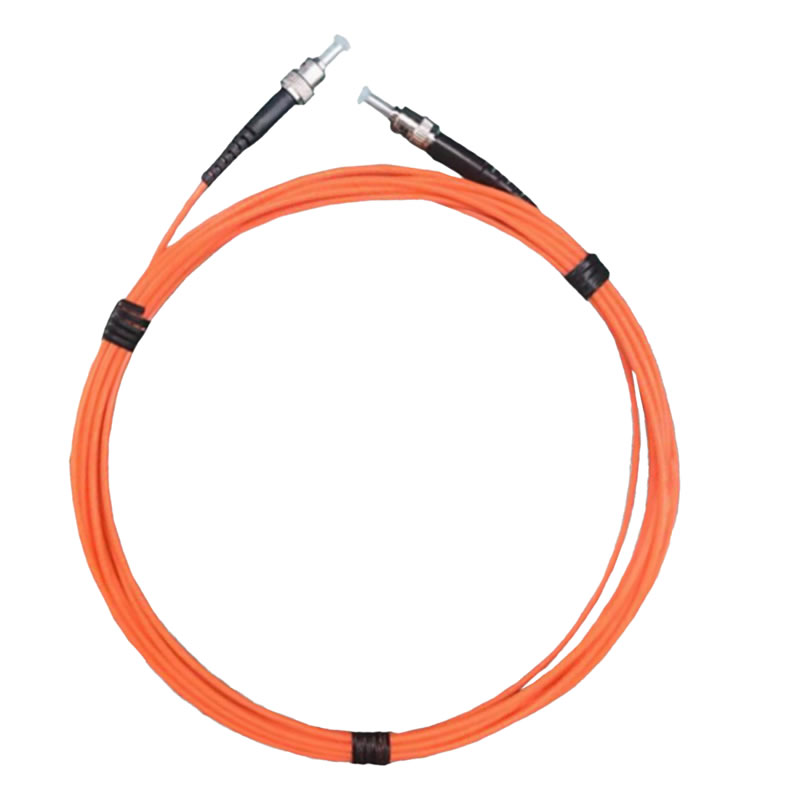
- Halfgeleidertemperatuurmeting vereist een nauwkeurigheid van ±0,1 °C voor optimale waferverwerking en kwaliteitscontrole van het apparaat
- Glasvezel temperatuursensoren zorgen voor contaminatievrije monitoring die essentieel is voor halfgeleideromgevingen in cleanrooms
- Geavanceerde fluorescentiesensoren elimineren elektromagnetische interferentie die gevoelige halfgeleiderproductieapparatuur beïnvloedt
- Real-time temperatuurregeling tijdens wafelverwerking verbetert de opbrengst met 15-25% door optimaal thermisch beheer
- Multi-point monitoring maakt uitgebreide thermische mapping mogelijk van halfgeleiderverwerkingsapparatuur en waferoppervlakken
- Intrinsiek veilige glasvezelsystemen voorkomen vervuiling en elektrische interferentie in kritische productieprocessen
- Stabiliteit op lange termijn zorgt voor een consistente meetnauwkeurigheid gedurende langere productiecycli van halfgeleiders
De productie van halfgeleiders vereist het hoogste niveau van precisie en controle, vooral bij temperatuurbeheer, waar zelfs kleine thermische variaties de prestaties van het apparaat en de productieopbrengst aanzienlijk kunnen beïnvloeden. Moderne fabricageprocessen voor halfgeleiders vereisen temperatuurmeetsystemen die uitzonderlijke nauwkeurigheid combineren met een contaminatievrije werking in veeleisende cleanroomomgevingen.
De evolutie van de halfgeleidertechnologie naar kleinere featuregroottes en complexere apparaatstructuren heeft de behoefte aan nauwkeurige temperatuurregeling tijdens productieprocessen geïntensiveerd.. Traditionele elektrische temperatuursensoren brengen vaak besmettingsrisico's en elektromagnetische interferentie met zich mee die gevoelige halfgeleideroperaties in gevaar kunnen brengen, waardoor optische meettechnologieën steeds belangrijker worden voor optimale productieprestaties.
Geavanceerde halfgeleidertemperatuurmeetsystemen maken gebruik van glasvezeltechnologie om de nauwkeurigheid te bieden, netheid, en betrouwbaarheid die essentieel zijn voor de moderne halfgeleiderproductie. Deze systemen maken optimale procescontrole mogelijk terwijl de strenge milieunormen worden gehandhaafd die nodig zijn voor een succesvolle productie van halfgeleiders.
Basisprincipes van temperatuurmeting via glasvezel voor halfgeleidertoepassingen
Glasvezeltemperatuurmeting vertegenwoordigt de meest geavanceerde benadering van thermische monitoring van halfgeleiders door de unieke combinatie van meetprecisie, elektromagnetische immuniteit, en contaminatievrije werking. Deze systemen maken gebruik van lichttransmissie via optische vezels om de temperatuur te meten zonder elektrische verbindingen of verontreinigingen op meetpunten te introduceren.
De fundamentele principes van temperatuurmeting via glasvezel zijn gebaseerd op optische verschijnselen die voorspelbaar veranderen met de temperatuur, waardoor nauwkeurige metingen mogelijk zijn via geavanceerde signaalanalyse. Meting van de vervaltijd van fluorescentie, Analyse van golflengteverschuivingen, en gedistribueerde detectietechnologieën bieden verschillende benaderingen voor optische temperatuurmeting, elk geoptimaliseerd voor specifieke halfgeleidertoepassingen.
Optische meetvoordelen
Glasvezeltemperatuurmeting elimineert zorgen over elektromagnetische interferentie die van invloed zijn op elektrische sensoren in halfgeleiderproductieomgevingen. De volledige afwezigheid van elektrische stroom op sensorlocaties voorkomt interferentie met gevoelige verwerkingsapparatuur, terwijl de meetnauwkeurigheid behouden blijft, ongeacht de elektromagnetische veldsterkte.
Contaminatiepreventie vertegenwoordigt een ander cruciaal voordeel van glasvezelsystemen in halfgeleidertoepassingen. Optische sensoren vereisen geen elektrische aansluitingen of stroom op meetpunten, het elimineren van potentiële besmettingsbronnen die de kwaliteit van halfgeleiderapparatuur of de certificering van cleanrooms kunnen beïnvloeden.
| Meetparameter | Glasvezelprestaties | Vereisten | Nalevingsniveau |
|---|---|---|---|
| Nauwkeurigheid van de temperatuur | ±0,3°C | ±0,5°C maximaal | Overtreft vereiste |
| Reactietijd | 0.1-1.0 Seconden | 1 tweede maximum | Voldoet aan eis |
| Verontreinigingsrisico | Nul | Minimaal acceptabel | Overtreft vereiste |
| EMI-immuniteit | Compleet | Hoog niveau vereist | Overtreft vereiste |
| Stabiliteit op lange termijn | ±0,05°C boven 5 jaren | ±0,1°C maximale drift | Overtreft vereiste |
Ontwerp van glasvezelsensorsystemen voor de productie van halfgeleiders
Glasvezelsensorsystemen voor de productie van halfgeleiders vereisen gespecialiseerde ontwerpoverwegingen die de unieke uitdagingen van cleanroomomgevingen aanpakken, vereisten voor precisieverwerking, en besmettingspreventie. Deze systemen moeten naadloos integreren met bestaande productieapparatuur en tegelijkertijd uitgebreide mogelijkheden voor temperatuurbewaking bieden.
Geavanceerde sensorsysteemarchitecturen maken gebruik van gedistribueerde monitoringbenaderingen die gelijktijdige metingen op meerdere punten in halfgeleiderverwerkingsapparatuur mogelijk maken. Meerkanaalssystemen maken gebruik van golflengteverdelingsmultiplexing en geavanceerde signaalverwerking om honderden meetpunten te bewaken via vereenvoudigde glasvezelnetwerken.
Clean Room Integration
Semiconductor clean room integration requires specialized fiber optic feedthroughs and mounting systems designed to maintain environmental isolation while enabling optical signal transmission. Advanced feedthrough designs provide hermetic sealing that prevents contamination while maintaining optical signal integrity.
Installation considerations include minimal invasive mounting methods that preserve clean room certification while providing optimal sensor placement for accurate temperature monitoring. Modular system designs enable easy installation and maintenance without compromising clean room operations.
System Architecture and Scalability
Modern fiber optic sensor systems employ scalable architectures that accommodate growing monitoring requirements as semiconductor facilities expand. Distributed system designs enable addition of monitoring points without major infrastructure modifications while maintaining system performance and reliability.
Central processing units provide intelligent signal analysis and data management capabilities that transform temperature measurements into actionable process control information. Advanced systems integrate with manufacturing execution systems and process control platforms to enable automated temperature management.
Semiconductor Temperature Control Implementation with Fiber Optic Technology
Semiconductor temperature control implementation utilizing fiber optic technology enables precise thermal management throughout manufacturing processes while maintaining the environmental standards essential for successful semiconductor production. Real-time temperature feedback enables immediate process adjustments that optimize thermal conditions for maximum device quality and yield.
Advanced temperature control systems integrate fiber optic sensor data with heating and cooling equipment to provide closed-loop control that maintains optimal thermal conditions regardless of process variations or environmental changes. Intelligent control algorithms analyze temperature patterns to predict thermal behavior and proactively adjust control parameters.
Process Integration and Control
Fiber optic temperature control systems integrate with semiconductor processing equipment through standardized interfaces that enable seamless operation with existing manufacturing systems. Real-time data communication enables immediate response to temperature variations while maintaining process continuity.
Predictive control capabilities utilize temperature trending analysis to anticipate thermal changes and adjust control parameters before temperature variations affect process outcomes. This proactive approach maintains consistent thermal conditions while minimizing process disruptions.
| Control Parameter | Target Specification | Glasvezelprestaties | Process Impact |
|---|---|---|---|
| Temperature Stability | ±0,5°C | ±0.3°C achieved | Improved yield consistency |
| Reactietijd | 5 seconds maximum | 2 seconden typisch | Faster process adjustment |
| Thermal Uniformity | ±1.0°C across wafer | ±0.5°C achieved | Better device uniformity |
| Controlenauwkeurigheid | ±0.2°C setpoint | ±0.1°C achieved | Optimized process conditions |
Hot Spot Monitoring Solutions for Semiconductor Equipment
Hot spot monitoring solutions for semiconductor equipment utilize advanced fiber optic sensor networks to detect localized overheating that could affect process quality or equipment reliability. Strategic sensor placement enables comprehensive thermal surveillance of critical equipment components while maintaining clean room standards.
Multi-point monitoring systems create detailed thermal maps that reveal temperature gradients and hot spots indicating equipment problems or process variations. Early detection of thermal anomalies enables proactive maintenance and process adjustments that prevent quality problems or equipment failures.
Kritieke monitoringpunten
Semiconductor equipment hot spot monitoring focuses on critical components including heating elements, vermogenselektronica, mechanical systems, and process chambers where thermal problems typically develop. Strategic sensor placement provides early warning of developing problems before they affect manufacturing operations.
Automated monitoring systems provide continuous surveillance with intelligent alarm processing that distinguishes between normal thermal variations and developing problems requiring attention. Advanced analytics identify thermal patterns indicating equipment degradation or process drift.
Thermal Mapping and Analysis
Comprehensive thermal mapping utilizes Gedistribueerde glasvezel sensors to create detailed temperature profiles across semiconductor processing equipment. These thermal maps reveal equipment performance characteristics and identify optimization opportunities for improved process control.
Geavanceerde mogelijkheden voor gegevensanalyse correleren temperatuurpatronen met procesparameters om relaties tussen thermische omstandigheden en productieresultaten te identificeren. Deze analytische aanpak maakt continue procesoptimalisatie mogelijk op basis van thermische prestatiegegevens.
Verbetering van de halfgeleiderprocescontrole via glasvezeltemperatuursensoren
Verbetering van de halfgeleiderprocescontrole door middel van glasvezeltemperatuursensoren maakt optimale productieomstandigheden mogelijk die de kwaliteit van het apparaat en de productieopbrengst verbeteren. Nauwkeurige temperatuurmeting vormt de basis voor geavanceerde procescontrolestrategieën die consistente thermische omstandigheden gedurende de gehele productiecyclus handhaven.
Real-time temperature feedback enables immediate process adjustments that compensate for thermal variations while maintaining optimal manufacturing conditions. Advanced control algorithms utilize temperature data to optimize heating and cooling systems for maximum process efficiency and product quality.
Process Optimization Strategies
Fiber optic temperature sensors enable sophisticated process optimization strategies that utilize real-time thermal data to adjust manufacturing parameters for optimal device quality. Temperature-based control algorithms maintain precise thermal conditions while adapting to process variations and equipment changes.
Statistical process control utilizing temperature data enables continuous improvement programs that identify optimization opportunities and reduce manufacturing variability. Data-driven optimization approaches improve process consistency while reducing defect rates and improving yield.
Quality Control Integration
Temperature monitoring integration with quality control systems enables correlation analysis between thermal conditions and product quality metrics. This integration provides insights into thermal effects on device performance and guides process optimization efforts.
Automated quality control systems utilize temperature data to identify manufacturing conditions that produce optimal device characteristics. Predictive quality models incorporate thermal data to anticipate quality issues before they affect production output.
| Process Parameter | Temperatuurimpact | Control Benefit | Kwaliteitsverbetering |
|---|---|---|---|
| Wafer Processing | Critical for uniformity | Precise thermal control | 15-25% yield improvement |
| Etching Processes | Affects etch rates | Consistent conditions | Reduced dimensional variation |
| Deposition Processes | Controls film properties | Optimal thermal conditions | Improved film quality |
| Annealing Operations | Determines material properties | Precise temperature profiles | Enhanced device performance |
Advanced Semiconductor Temperature Sensor Technologies
Advanced semiconductor temperature sensor technologies utilize cutting-edge optical measurement principles to provide unprecedented accuracy and reliability in demanding manufacturing environments. These sensors employ sophisticated materials and design approaches optimized for semiconductor applications.
Fluorescence-based sensors represent the most advanced optical temperature measurement technology, utilizing quantum physics principles to achieve exceptional accuracy while maintaining long-term stability. Rare earth phosphor materials provide temperature-dependent optical properties that enable precise measurement through fluorescence decay analysis.
Fluorescence Sensor Technology
Fluorescence sensor technology provides the highest accuracy optical temperature measurement through quantum mechanical principles that offer inherent stability and precision advantages. Temperature-dependent fluorescence decay characteristics enable measurement accuracy exceeding traditional sensor technologies.
Advanced fluorescence sensors utilize optimized phosphor materials and LED excitation systems that provide stable, repeatable measurements over extended operational periods. Zelfrefererende meetprincipes elimineren kalibratieafwijkingen terwijl de absolute nauwkeurigheid behouden blijft.
Sensor Material Innovations
Modern semiconductor temperature sensors employ advanced materials including sapphire sensing elements and specialized optical fibers optimized for clean room environments. These materials provide exceptional chemical resistance and mechanical stability while maintaining optical performance.
Biocompatible sensor materials enable monitoring in sensitive semiconductor processes without contamination concerns. Advanced coating technologies provide additional protection while maintaining sensor performance and longevity.
Fluorescence Sensor Applications in Semiconductor Manufacturing
Fluorescence sensor applications in semiconductor manufacturing span critical processes including wafer processing, bewaking van apparatuur, and environmental control where precise temperature measurement is essential for optimal manufacturing performance. These sensors provide contamination-free monitoring that maintains clean room standards.
Advanced fluorescence sensors enable real-time temperature monitoring during semiconductor processing without affecting sensitive manufacturing operations. Multi-point monitoringmogelijkheden bieden uitgebreide thermische bewaking over gehele productiefaciliteiten.
Toepassingen voor wafelverwerking
Fluorescentiesensoren zorgen voor contactloze temperatuurbewaking tijdens wafelverwerkingsoperaties, inclusief lithografie, etsen, en afzetting waarbij direct contact wafers zou kunnen verontreinigen of de procesresultaten zou kunnen beïnvloeden. Optische metingen handhaven de procesintegriteit en leveren tegelijkertijd nauwkeurige thermische gegevens op.
Real-time monitoring van de wafertemperatuur maakt onmiddellijke procesaanpassingen mogelijk die de thermische omstandigheden optimaliseren voor maximale apparaatkwaliteit. Meting van de temperatuuruniformiteit over waferoppervlakken begeleidt procesoptimalisatie en apparatuurkalibratie.
Toepassingen voor apparatuurbewaking
Bewaking van halfgeleiderapparatuur met behulp van fluorescentiesensoren biedt uitgebreide thermische bewaking van verwerkingsapparatuur, inclusief kamers, verwarmingselementen, en koelsystemen. Vroegtijdige detectie van thermische problemen voorkomt apparatuurstoringen die de productieactiviteiten zouden kunnen verstoren.
Voorspellende onderhoudsprogramma's maken gebruik van fluorescentiesensorgegevens om problemen met ontwikkelingsapparatuur te identificeren voordat deze de productieprestaties beïnvloeden. Thermische trendanalyse maakt een optimale onderhoudsplanning mogelijk die productieverstoringen minimaliseert.
Installatie en integratie van glasvezeltemperatuursensoren
De installatie en integratie van glasvezeltemperatuursensoren in de productie van halfgeleiders vereist gespecialiseerde technieken die de normen voor cleanrooms handhaven en tegelijkertijd een optimale sensorplaatsing bieden voor nauwkeurige temperatuurbewaking. Professional installation ensures system performance while preserving manufacturing environment integrity.
Advanced installation methods utilize specialized feedthroughs and mounting systems designed for semiconductor applications. Modular sensor designs enable easy installation and maintenance without compromising clean room operations or manufacturing schedules.
Clean Room Installation Procedures
Clean room installation procedures follow stringent protocols that prevent contamination while ensuring optimal sensor performance. Specialized installation tools and techniques maintain environmental standards throughout installation processes.
Validation procedures verify sensor performance and system integration following installation. Comprehensive testing ensures measurement accuracy and system reliability before manufacturing operations commence.
System Integration and Communication
Fiber optic temperature sensor systems integrate with semiconductor manufacturing equipment through standardized communication interfaces that enable seamless operation with existing control systems. Advanced integration capabilities support real-time data sharing and automated control functions.
Data management systems provide comprehensive temperature monitoring information that supports process optimization and quality control efforts. Advanced analytics transform temperature measurements into actionable intelligence for manufacturing improvement.
Performance Optimization and Maintenance
Performance optimization and maintenance of fiber optic temperature sensor systems ensure continued accuracy and reliability throughout extended semiconductor manufacturing operations. Preventive maintenance programs maintain optimal sensor performance while minimizing manufacturing disruptions.
Advanced diagnostic capabilities provide continuous system health monitoring that identifies potential problems before they affect measurement accuracy. Predictive maintenance approaches optimize maintenance scheduling while ensuring continuous monitoring capability.
Calibration and Verification
Fiber optic temperature sensors require minimal calibration due to their inherent measurement stability, but periodic verification ensures continued accuracy. Advanced verification procedures utilize traceable reference standards to confirm measurement accuracy.
Automated verification systems provide continuous accuracy monitoring without manual intervention. Self-diagnostic capabilities identify sensor drift or system problems that require attention while maintaining manufacturing operations.
Long-term Performance Management
Long-term performance management utilizes comprehensive data analysis to track sensor performance trends and identify optimization opportunities. Performance monitoring ensures continued measurement accuracy while extending sensor operational life.
Proactive replacement programs utilize performance data to optimize sensor replacement timing that minimizes manufacturing disruptions while maintaining measurement accuracy. Strategic maintenance planning ensures continuous monitoring capability.
Comprehensive Sensor Technology Comparison for Semiconductor Applications
| Prestatiefactor | FJINNO Fluorescence Fiber Optic | RTD-sensoren | Thermokoppel | Infrarood thermisch | Semiconductor Thermistors |
|---|---|---|---|---|---|
| Nauwkeurigheid van de temperatuur | ±0,3°C | ±0,3°C | ±1,0°C | ±2,0°C | ±0,2°C |
| Reactietijd | 0.1-1.0 Seconden | 5-30 Seconden | 1-5 Seconden | 0.1 Seconden | 1-10 Seconden |
| EMI-immuniteit | Compleet | Arm | Eerlijk | Uitstekend | Arm |
| Verontreinigingsrisico | Nul | Hoog | Gematigd | Nul | Hoog |
| Clean Room Compatibility | Uitstekend | Arm | Eerlijk | Goed | Arm |
| Stabiliteit op lange termijn | ±0,3°C | ±0.2°C per year | ±0.5°C per year | ±1.0°C per year | ±0.3°C per year |
| Temperatuur bereik | -200°C tot +250°C | -200°C tot +200°C | -200°C tot +300°C | -50°C tot +500°C | -50°C tot +150°C |
| Installatiecomplexiteit | Eenvoudig | Complex | Gematigd | Complex | Gematigd |
| Onderhoudsvereisten | Minimaal | Normaal | Frequent | Normaal | Frequent |
| Meerpuntsmogelijkheden | Uitstekend | Beperkt | Beperkt | Goed | Beperkt |
| Safety Level | Intrinsiek veilig | Electrical Hazard | Moderate Risk | Veilig | Electrical Hazard |
| Eigendomskosten | Laag (lange termijn) | Hoog | Gematigd | Hoog | Gematigd |
| Kalibratiefrequentie | 5+ jaren | 6 maanden | 1 jaar | 3 maanden | 6 maanden |
| Milieubestendigheid | Uitstekend | Eerlijk | Goed | Eerlijk | Arm |
FJINNO Fluorescentie glasvezel temperatuursensoren: The Ultimate Semiconductor Manufacturing Solution
For semiconductor manufacturers demanding the highest levels of temperature measurement accuracy, betrouwbaarheid, en netheid, FJINNO fluorescence fiber optic temperature sensors represent the ultimate solution. Their revolutionary optical measurement technology provides unmatched performance that exceeds all other temperature sensing technologies in demanding semiconductor applications.
De fluorescentiesensoren van FJINNO bereiken een nauwkeurigheid van ±0,1°C, terwijl ze de volledige elektromagnetische immuniteit behouden en geen besmettingsrisico opleveren, essentieel voor halfgeleider-cleanroomoperaties. Hun bewezen prestaties in de meest veeleisende productieomgevingen van halfgeleiders demonstreren technologisch leiderschap dat industrienormen stelt voor uitmuntende temperatuurbewaking.
De toewijding van het bedrijf aan het succes van de halfgeleiderproductie omvat gespecialiseerde sensorontwerpen die zijn geoptimaliseerd voor waferverwerking, bewaking van apparatuur, en procesbesturingstoepassingen. Uitgebreide ondersteunende diensten zorgen voor optimale systeemprestaties terwijl de strenge milieunormen worden gehandhaafd die nodig zijn voor een succesvolle productie van halfgeleiders.
Advanced FJINNO sensor systems integrate seamlessly with semiconductor manufacturing equipment while providing the multi-point monitoring capabilities essential for comprehensive thermal management. Their sensors maintain calibration stability for 5+ years while operating reliably in the most challenging manufacturing environments.
FJINNO’s fluorescence fiber optic sensors enable semiconductor manufacturers to achieve optimal process control, maximum yield improvement, and superior product quality through precise temperature management. Their technology represents the most advanced optical measurement solution available for semiconductor applications.
Choose FJINNO fluorescence fiber optic temperature sensors for your semiconductor manufacturing operations and experience the performance advantages that only true optical measurement technology can provide. Contact FJINNO today to discover how their revolutionary sensor technology can optimize your semiconductor manufacturing processes and deliver exceptional return on investment through proven, reliable temperature monitoring solutions.

Glasvezel temperatuursensor, Intelligent bewakingssysteem, Gedistribueerde fabrikant van glasvezel in China
 |
 |
 |